About

Altyn-Emel National Park is located in southeastern Kazakhstan within the Almaty Region and covers approximately 1,800 square miles (4,600 sq km). Established in 1996, the park protects one of Central Asia’s most remarkable desert and mountain landscapes.

Situated northeast of Almaty between the Ili River and the foothills of the Dzungarian Alatau Mountains, the park encompasses vast deserts, colorful rock formations, rugged mountains, river valleys, and unique geological features. The name “Altyn-Emel,” meaning “Golden Saddle,” refers to a mountain pass associated with historical Silk Road routes that crossed the region. Today, the park is recognized as one of Kazakhstan’s most important protected areas and a centerpiece of the country’s natural heritage.

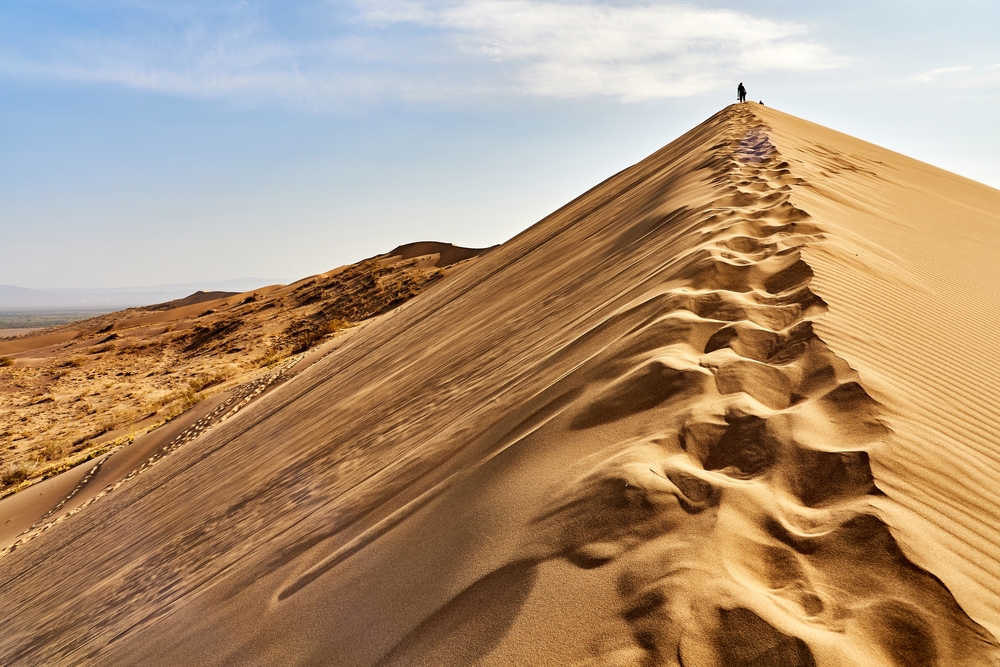
Altyn-Emel National Park is best known for its extraordinary geological attractions, particularly the famous Singing Dune. This massive sand dune rises approximately 500 feet (150 meters) above the surrounding desert and produces a deep humming or musical sound when dry sand moves across its slopes.

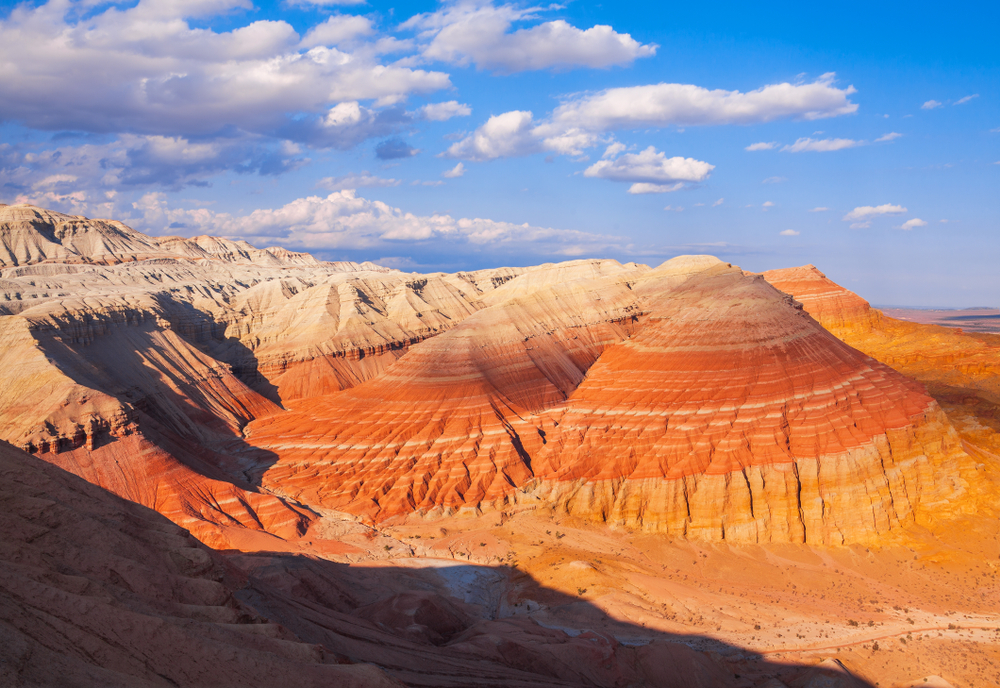
Visitors are also drawn to the colorful Aktau Mountains, known for their striking layers of red, white, yellow, and orange sedimentary rock, as well as the volcanic-looking Katutau Mountains. Popular activities include hiking, wildlife observation, photography, camping, and exploring the park’s remote landscapes. The park’s unique combination of geological wonders and wildlife makes it one of the most distinctive destinations in Central Asia.

The geography of Altyn-Emel National Park is exceptionally diverse. The landscape includes desert plains, sand dunes, mountain ranges, canyons, river valleys, and semi-arid grasslands. Geological formations reveal millions of years of Earth’s history through exposed sedimentary layers and ancient fossil deposits.

Elevations vary considerably across the park, creating a variety of habitats that support different plant and animal communities. Vegetation includes desert shrubs, saxaul woodlands, grasses, and drought-resistant plants adapted to the harsh climate. The Ili River provides an important source of water and contributes to the ecological diversity of the region.

Wildlife within Altyn-Emel National Park is among the richest in Kazakhstan. The park serves as a refuge for several rare and endangered species, including the kulan, or Asiatic wild ass, which has been successfully reintroduced to the region. Other mammals include goitered gazelles, argali sheep, Siberian ibex, wolves, foxes, and wild boar.

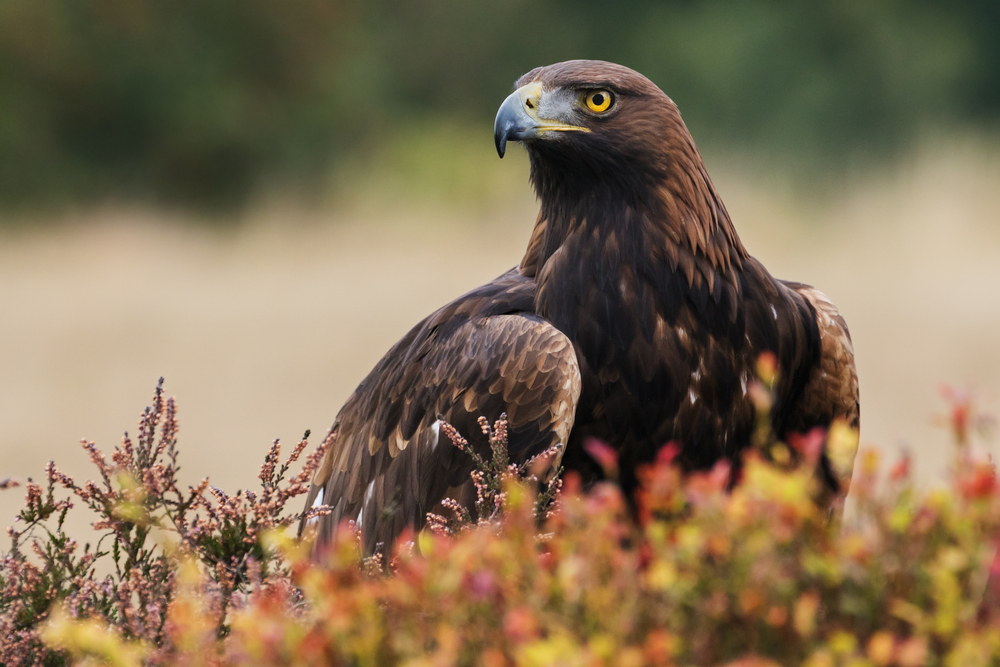
Birdlife is equally diverse, with golden eagles, steppe eagles, vultures, falcons, and numerous migratory species inhabiting the park. Reptiles, insects, and small mammals thrive in the desert ecosystems, while riverine habitats support additional biodiversity. The park’s varied landscapes provide important habitat for wildlife across multiple ecological zones.

Altyn-Emel National Park plays a vital role in protecting Kazakhstan’s desert and mountain ecosystems while preserving significant geological and paleontological resources. Conservation efforts focus on habitat restoration, wildlife protection, sustainable tourism, and maintaining ecological connectivity across the region.

The park is often compared to Charyn National Park and Gobi Gurvansaikhan National Park because of its dramatic desert scenery and unique geological features. However, its Singing Dune, colorful mountain formations, and successful wildlife conservation programs give it a distinctive identity. Today, Altyn-Emel National Park stands as one of Central Asia’s most extraordinary protected landscapes, preserving a remarkable environment where deserts, mountains, wildlife, and geological history converge in spectacular fashion.

Things to See
Popular

Popular

Altyn-Emel National Park in Kazakhstan is known for its diverse landscapes, ranging from singing sand dunes to rugged mountains and expansive steppes. This park is home to a variety of fascinating species, including rare mammals, reptiles, and unique flora, thriving in its arid and semi-arid environment.

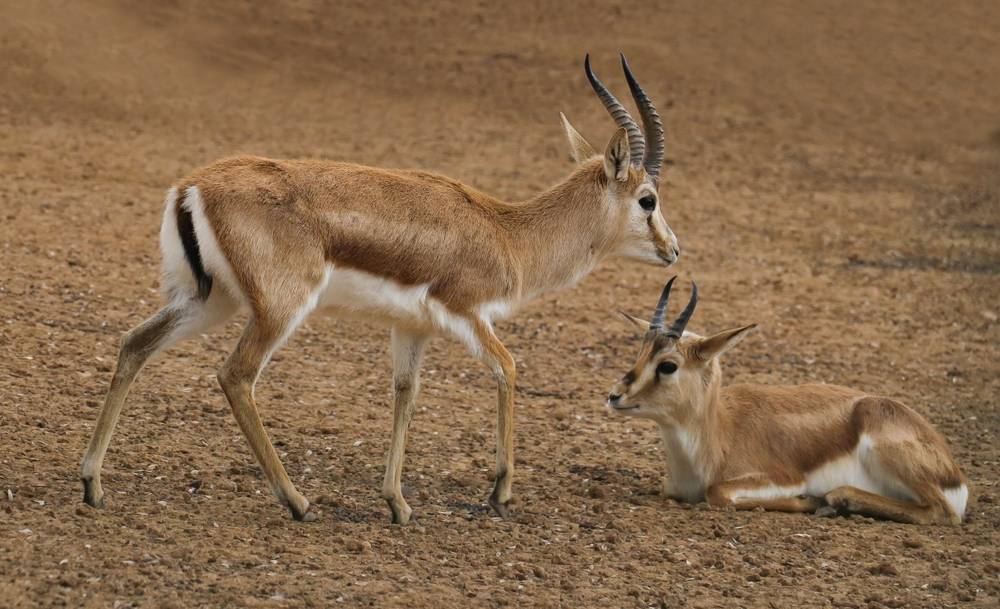
Goitered Gazelle
The goitered gazelle, also known as the black-tailed gazelle, is an elegant antelope species adapted to the desert. It is recognized for its slender body, long legs, and speed, which helps it evade predators in the open steppe.

Przewalski’s Horse
A rare and ancient species of wild horse, the Przewalski’s horse, is known for its stocky build, short mane, and resilience in harsh environments. These horses have been reintroduced to the park as part of conservation efforts.

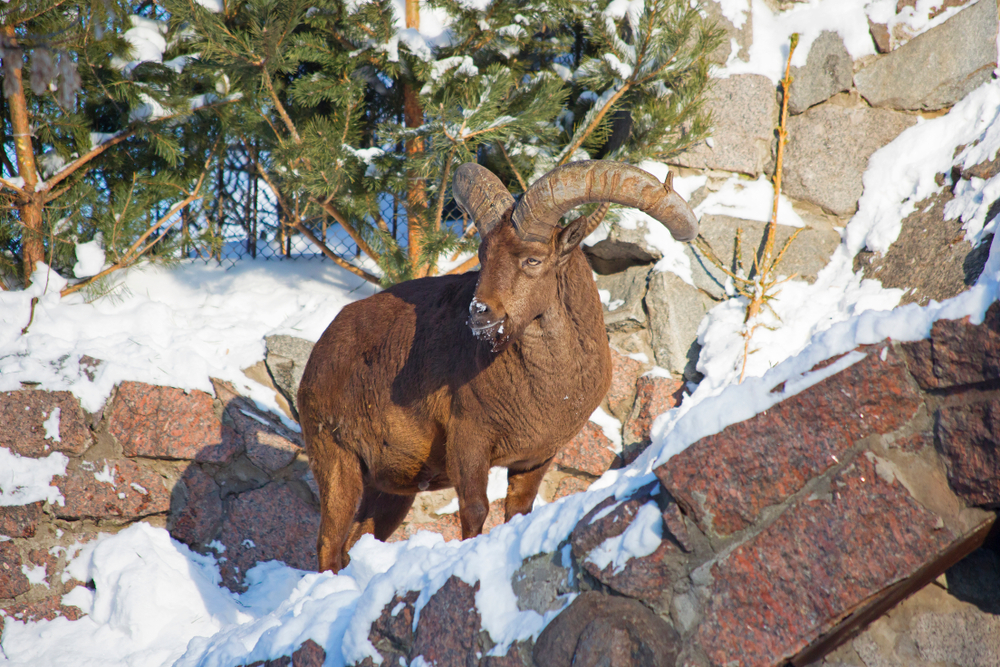
Argali Sheep
The argali, the largest species of wild sheep, is noted for its massive curved horns and agility on rocky terrain. It is often spotted in the park’s mountainous areas.

Asiatic Wild Ass (Kulan)
The kulan is a robust and swift equine species that thrives in the desert. Known for its sandy coat and white underbelly, it is a symbol of the park’s efforts to protect its unique fauna.

Corsac Fox
This small and agile fox is known for its thick, pale coat, which provides excellent camouflage in the arid steppe. The corsac fox is a skilled hunter and scavenger.

Bactrian Deer
The Bactrian deer is a subspecies of red deer with a reddish-brown coat and majestic antlers. It inhabits the woodlands and riparian zones within the park.

Steppe Tortoise
The steppe tortoise is a hardy reptile well-adapted to the arid conditions of the region. It is often seen basking in the sun or burrowing in sandy soil.

Eremias Lizard
This small, nimble lizard is a common sight in the park, darting quickly across the sand. Its speckled body provides effective camouflage against predators.

Wild Boar
Wild boars are adaptable omnivores, thriving in various environments across the park. Known for their tough build and tusks, they are a vital part of the ecosystem.

Saiga Antelope
The saiga antelope, with its distinctive, oversized nose, is a critically endangered species that migrates through the park. Its unique nasal structure helps filter dust in arid conditions.

Birds

Birds

The bird species of Altyn-Emel National Park are equally captivating, with many migratory and native birds finding sanctuary in its varied habitats. These birds contribute to the park’s vibrant ecosystem and provide excellent opportunities for birdwatching enthusiasts.

Demoiselle Crane
The smallest species of crane, the demoiselle crane is elegant and migratory, with a slender body and striking black-and-white plumage. These cranes are often seen near water sources.

Golden Eagle
The golden eagle is a powerful bird of prey known for its keen eyesight and impressive wingspan. It often soars over the mountains and steppes of the park.

Steppe Eagle
The steppe eagle is a large raptor commonly found in open landscapes. It is recognized for its dark plumage and sharp hunting skills.

Eastern Imperial Eagle
This majestic eagle is notable for its pale head and golden nape. It is an apex predator and an important species within the park’s ecosystem.

Saker Falcon
The saker falcon, one of the world’s fastest birds, is a skilled hunter. It thrives in open terrain and is known for its speed and agility.

White-tailed Sea Eagle
A large bird of prey, the white-tailed sea eagle is often found near rivers and lakes. Its impressive wingspan and hunting prowess make it a fascinating sight.

Rosy Starling
The rosy starling is a migratory bird that visits the park during summer. Its pink body and glossy black head create a striking appearance.

Black Stork
The black stork is a rare and elusive bird found near wetlands. Its dark plumage and red legs distinguish it from other storks.

Little Bustard
This ground-dwelling bird is known for its intricate mating display and subtle plumage. It is a characteristic species of the park’s steppe areas.

Common Kestrel
The common kestrel is a small falcon often seen hovering in search of prey. Its adaptability and hunting skills make it a widespread and admired bird.

Things To Do

Engaging Altyn-Emel National Park
Exploring Dunes

One of Altyn-Emel National Park’s most famous attractions is the mesmerizing Singing Dunes. Located amidst the park’s vast semi-arid landscape, these towering sand dunes, reaching heights of up to 150 meters, produce an eerie, melodious sound when the wind blows or when the sand shifts underfoot.

This natural phenomenon is caused by the friction between sand particles and is a must-hear experience. Visitors can climb to the dune’s summit, offering breathtaking panoramic views of the surrounding Ili River valley and the distant peaks of the Dzungarian Alatau Mountains.

It’s not just about the sounds; the shifting colors of the dunes at sunrise or sunset create a photographer’s paradise, as the golden sands glow brilliantly under changing light. Adventurous travelers will relish the chance to trek around these unique formations, enjoying the serene isolation of the Kazakh desert.

Wildlife Viewing

Altyn-Emel National Park is a sanctuary for diverse wildlife, offering enthusiasts a chance to spot some of Central Asia’s most iconic species. The vast steppe and semi-desert ecosystems are home to rare animals like the kulan (wild ass), Przewalski’s horse, and the elegant goitered gazelle.

Birdwatchers will delight in sightings of the golden eagle, saker falcon, and other avian species that thrive in this unspoiled wilderness. The park’s varying landscapes, from rocky outcrops to grassy plains, create ideal habitats for its inhabitants. Guided wildlife tours provide a deeper understanding of the animals’ behaviors and their ecological significance.

Early morning and late afternoon are the best times for these excursions, offering cooler temperatures and increased animal activity. Don’t forget your binoculars and camera for this unforgettable adventure.

Cultural History

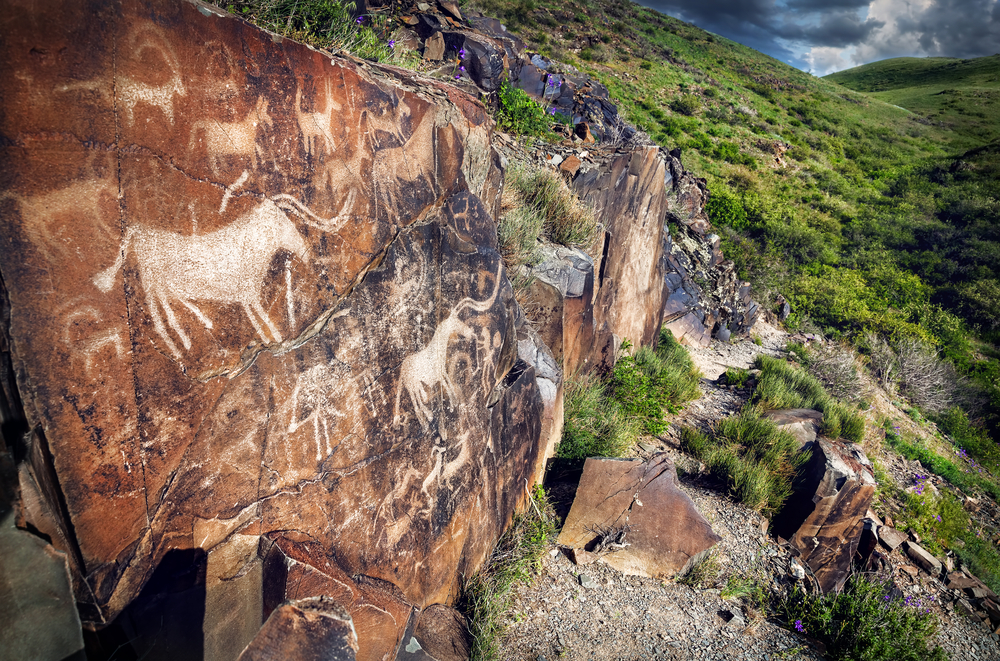
History enthusiasts will be captivated by the ancient petroglyphs etched into the rocks of Altyn-Emel National Park. These engravings, believed to date back to the Bronze Age, depict scenes of hunting, animals, and daily life, offering a glimpse into the culture of ancient nomadic tribes.

The Tamgaly Tas area is particularly rich in petroglyphs, with hundreds of carvings scattered across the terrain. Visitors often combine a trek to these archaeological treasures with a guided tour to understand the historical significance of the site.

The nearby rock formations and cliffs provide a scenic backdrop, making this not just a cultural but also a visual highlight of the park. Accessible pathways make it possible for explorers of varying fitness levels to engage with these ancient relics.