About

Gobi Gurvansaikhan National Park is located southern part of central Mongolia not far from the border.  It is almost directly north of Phnom Penh, and just 27.9 miles (45 km) northeast of Siem Reap.  The national park covers an area of 10,424.76 square miles (27,000 sq km) creating the largst national park in Mongolia.

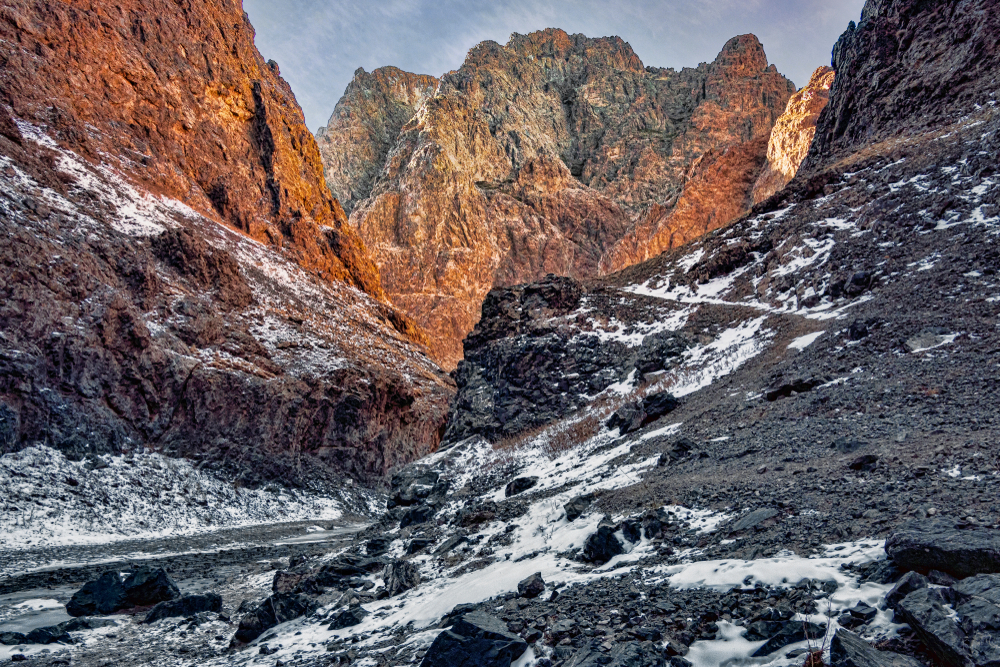
The eastern side of the park features the Gurvan Saikhan Mountains which are locally known as the “Three Beauties.” These rugged mountains account for about half of the park’s terrain.  They are also home to the endangered snow leopard.

The park only includes a portion of the Gobi Desert which is a much larger ecosystem of its own.  The park accounts for some of the northern parts of the desert with the remainder dropping south into China. This portion of the desert features steppes that reach hights up to 8,530 feet (2,600 m).

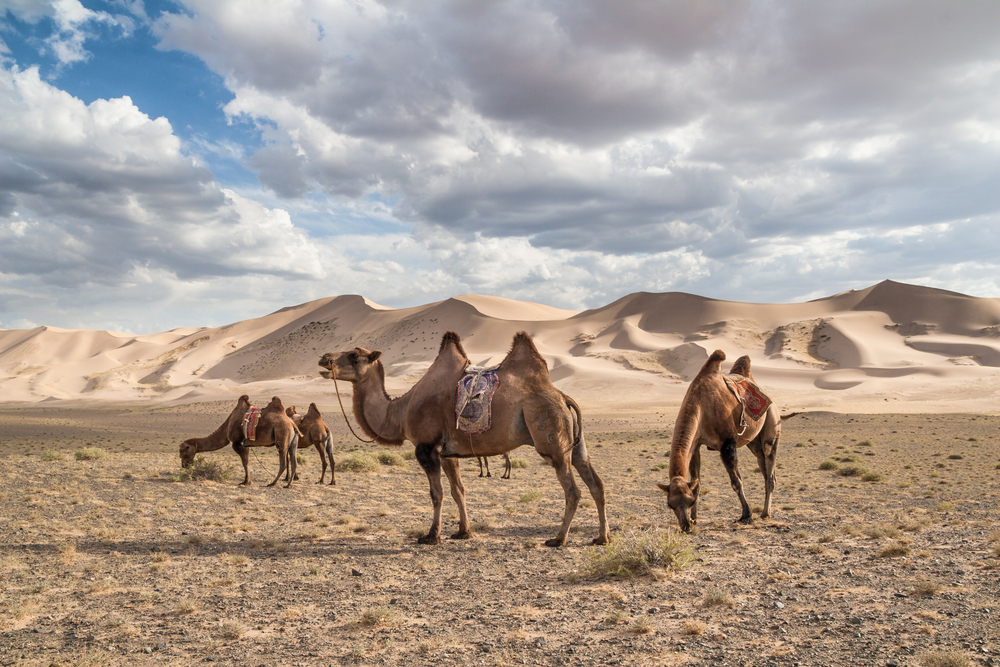
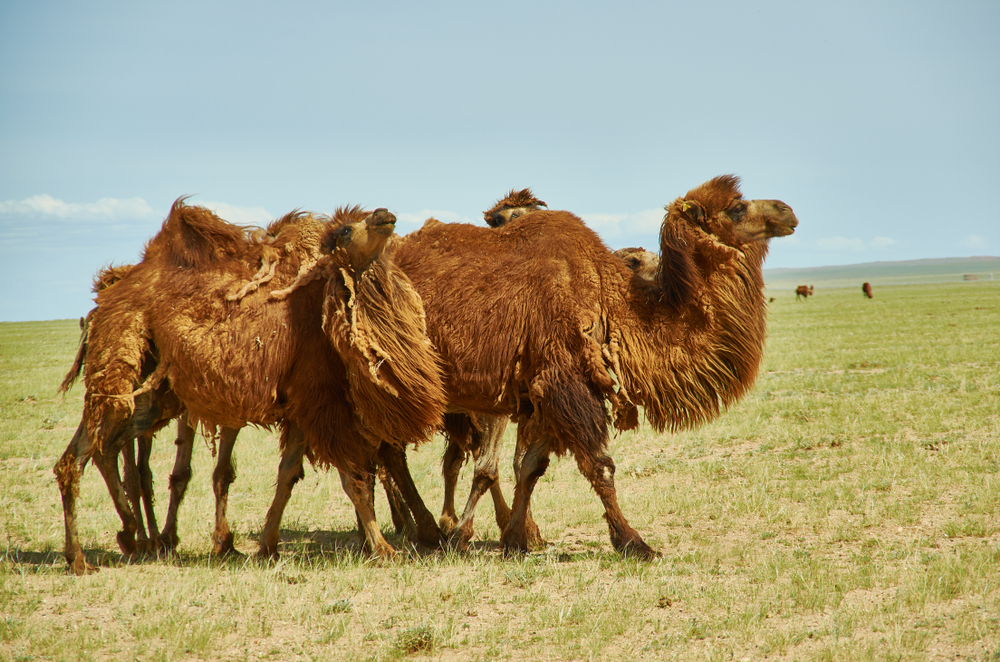
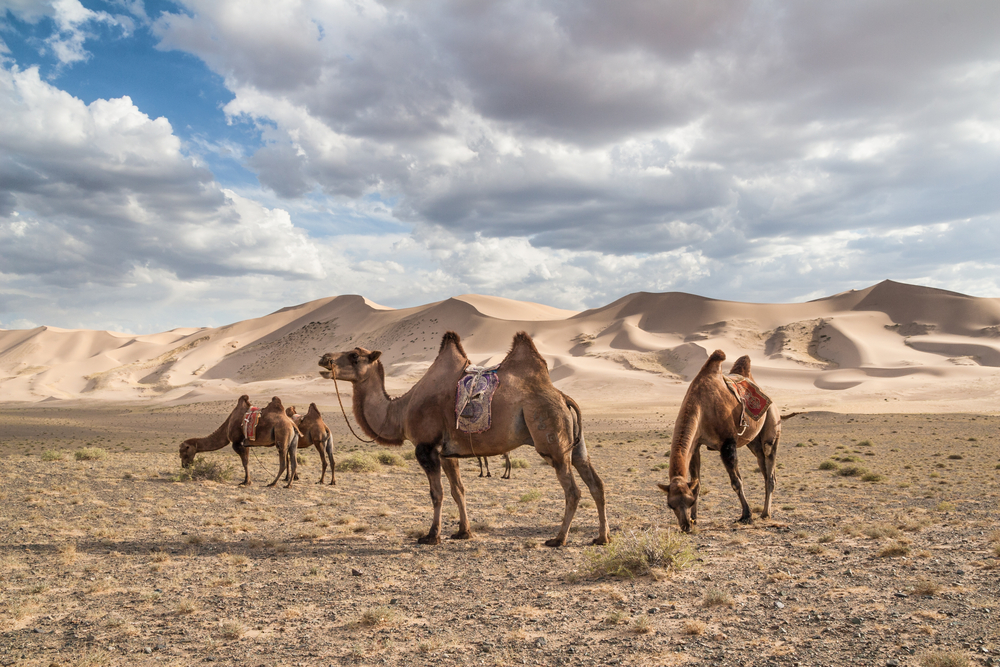
Sand dunes are found across several parts of the park and the most notable are the Khongoryn Els.  These are affectionately referred to as the “Singing Sands.”  The desert is home to the Gobi camels another favorite of visitors. 

The park features a diverse ecosystemthat includes dry valleys, oases, Gobi desert dunes, gravel plains, rugged mountains, salt wetlands, an dsprings.  Collectively, it is also diverse in wildlife featuring over 50 mammalian species.  Some of the favorite sightings include the snow leopard, Gobi bear, ibex, lynx, marten, argili sheep, gazelles, and the wildcat.  

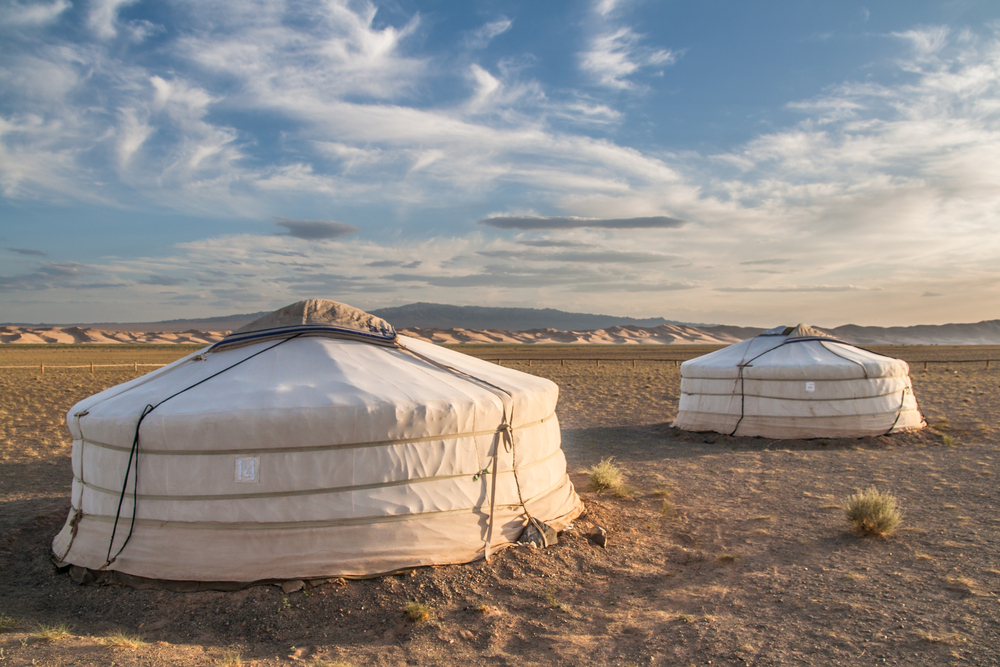
Birdwatchers will also enjoy the park which has about 245 species to view.  The lammergeier and other vultures are some of the larger birds you might hope to see.  Approximately 5,000 nomads live amongst the national park borders living on goat and sheep herds and providing a glimpse into the culture and history of Mongolia.

Things to See

The national park is a treasure for the people of Mongolia.  It represents some of the most pristine arid wilderness with stunning landscapes.  There are three key highlights which include the Gobi Desert, Khongoryn Els, and the Gurvan saikhan Mountains.

Gobi Desert

The Gobi Desert extends well beyond the borders of the national park extending down into northern China.  It covers an area of 500,000 square miles (1,295,000 sq km) making it the sixth-largest desert in the world.  The terrain of the Gobi is comprise mostly of barren rock versus traditional sandy desert landscapes.

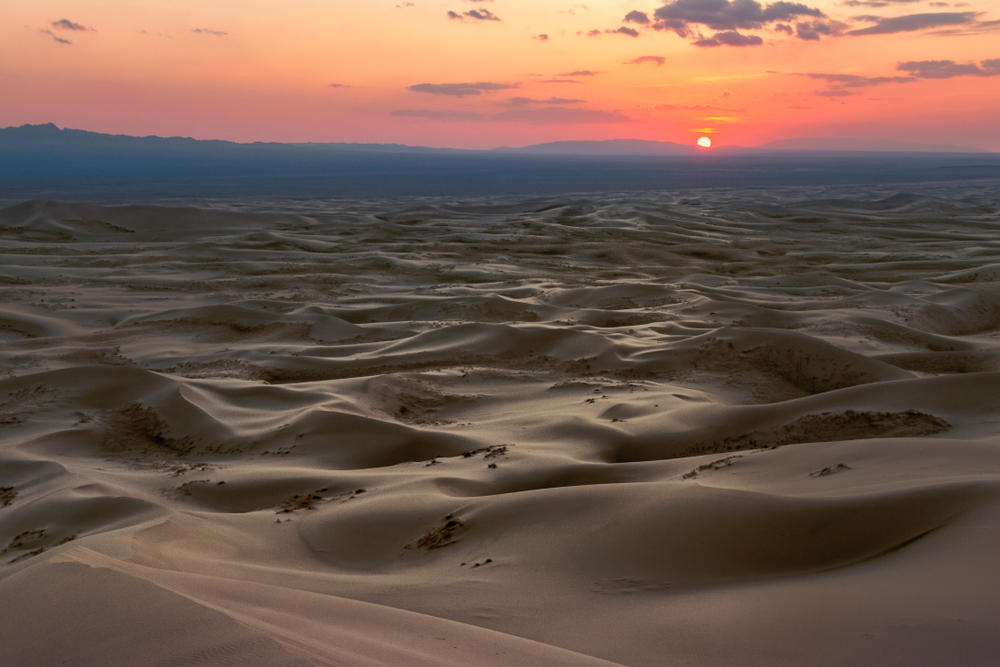
However, there are sandy portions accompanied by the traditional sand dunes.  One of the most famous collection of sand dunes is the area known as Khongoryn Els.

Khongoryn Els

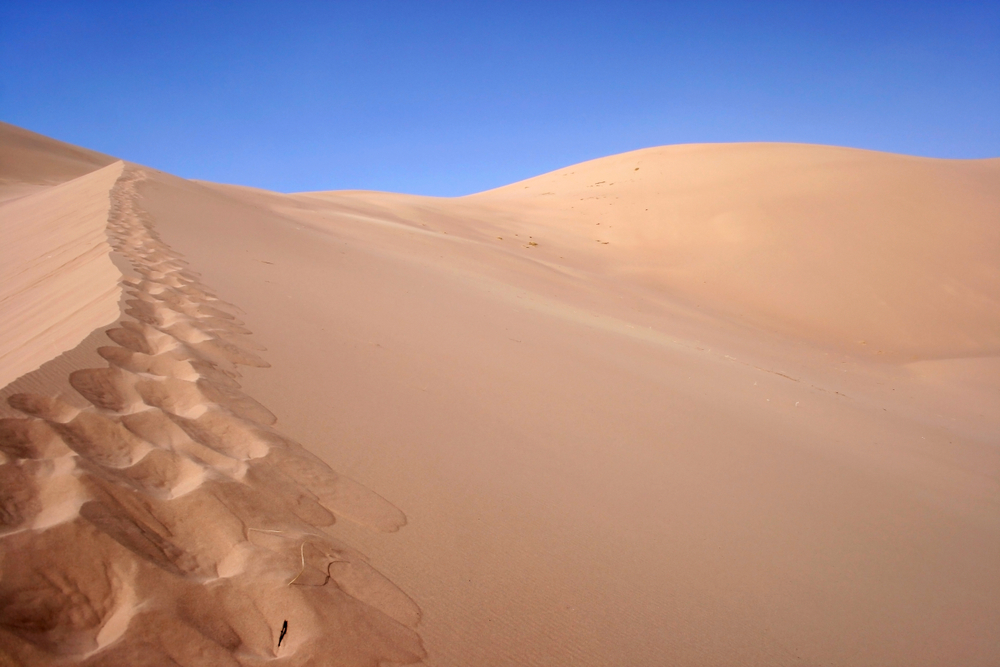
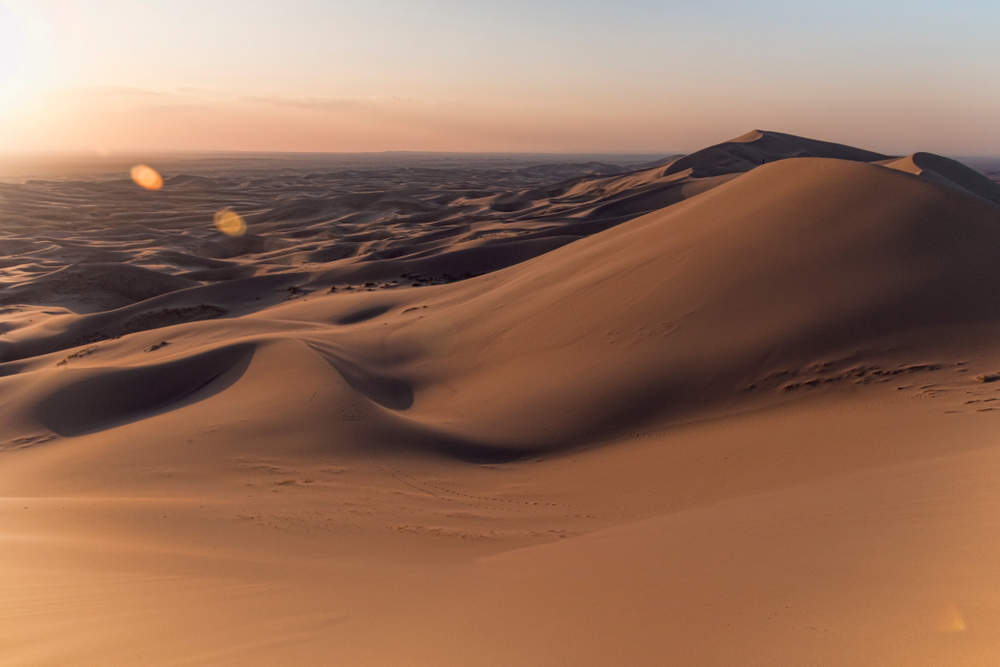
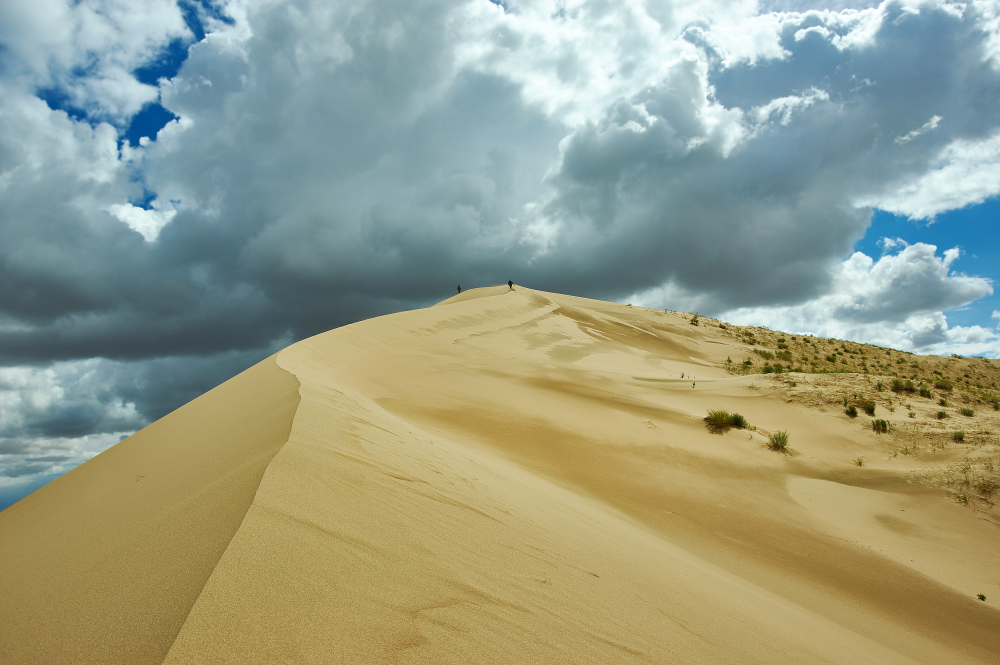
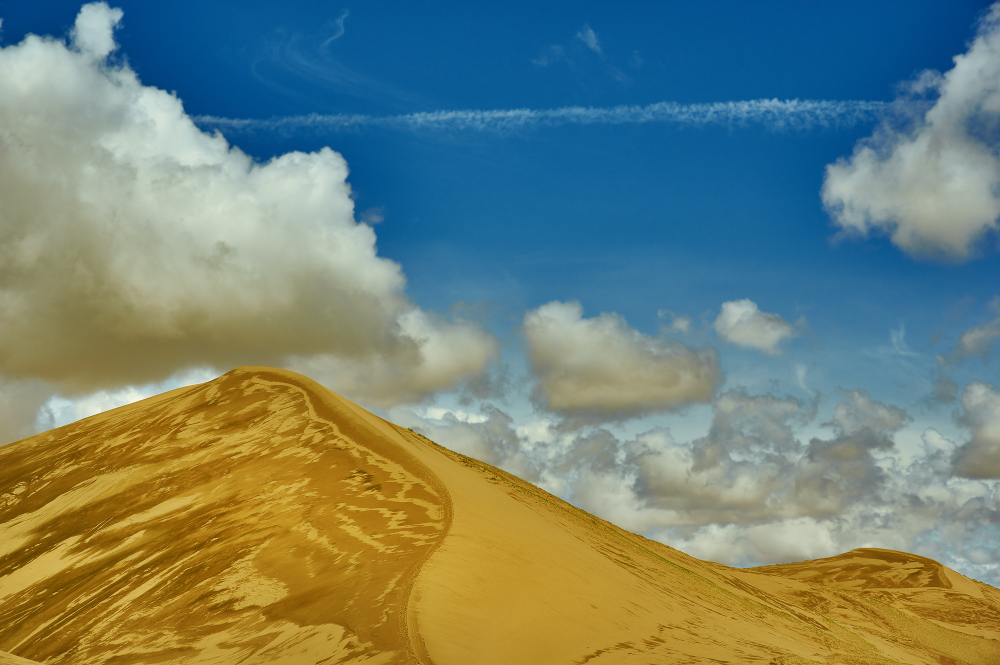
There are more than one collection of sand dunes in the park, but one of the most notable are the Khongoryn Els.  These are also known as Duut Mankhan or the Singing Sands.”  These magnificent dunes cover an expanse of 373 square miles (965 sq km).

The dunes reach into the Altai Mountains range creating a stunning backdrop to the pristine dunes.  Some of the dunes are as wide as 7.5 miles (12 km) and reach heights of 980 feet (300 m).

Some would compared to the dunes of Great Sand Dunes National Park in Colorado, United States, whereas other might compare them to the dunes in Egypt.  Many people are drawn to the aesthetic waves the dunes create.

Gurvan Saikhan Mountains

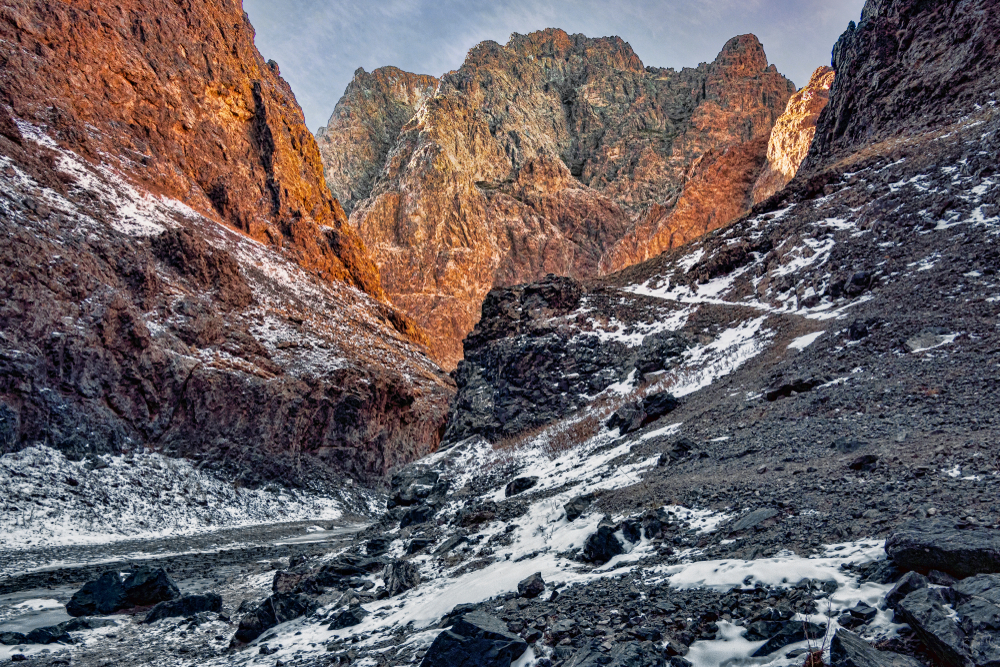
The Gurvan Saikhan Mountains are affectionately referred to as the “Three Beauties.”  The three subranges are called the Western Beauty, the Middle Beauty, and the Eastern Beauty.  Dund Saikhany Nuruu is the tallest summit reaching a height of 9,268 feet (2,825 m).

The Yolyn Am gorge is a steep gorge that traverses narrowly between the mountains creating striking views.  The lammergeier is a vulture species living amongst the ranges.  The mountain ranges are also home to the beautiful but endangered snow leopard.

Things To Do

Engaging Gobi Gurvansaikhan National Park
Desert Safari

Embark on an exhilarating desert safari through the iconic sand dunes of Gobi Gurvansaikhan National Park. Hop aboard a 4×4 vehicle or ride a camel as you traverse the vast expanses of the desert, witnessing the mesmerizing landscapes and surreal beauty of the Gobi. Experience the thrill of dune bashing and capture breathtaking sunset views over the rolling sand dunes, creating unforgettable memories in Mongolia’s rugged wilderness.

Hiking Adventures

Explore the park’s scenic trails on hiking adventures amidst rugged mountains, deep canyons, and rolling grasslands. Choose from a variety of hiking routes ranging from easy walks to more challenging treks, offering stunning vistas and opportunities to connect with nature.

Hike to viewpoints such as Yolyn Am (Vulture’s Mouth) Canyon or Khongoryn Els (Singing Sands) to witness breathtaking landscapes and capture memorable photographs of Mongolia’s wilderness.

Desert Safari

Embark on an exhilarating desert safari through the iconic sand dunes of Gobi Gurvansaikhan National Park. Hop aboard a 4×4 vehicle or ride a camel as you traverse the vast expanses of the desert, witnessing the mesmerizing landscapes and surreal beauty of the Gobi. Experience the thrill of dune bashing and capture breathtaking sunset views over the rolling sand dunes, creating unforgettable memories in Mongolia’s rugged wilderness.

Hiking Adventures

Explore the park’s scenic trails on hiking adventures amidst rugged mountains, deep canyons, and rolling grasslands. Choose from a variety of hiking routes ranging from easy walks to more challenging treks, offering stunning vistas and opportunities to connect with nature.

Hike to viewpoints such as Yolyn Am (Vulture’s Mouth) Canyon or Khongoryn Els (Singing Sands) to witness breathtaking landscapes and capture memorable photographs of Mongolia’s wilderness.

Park Protection

Gobi Gurvansaikhan National Park was created to protect the ecosystems of the Gobi Desert and the Gurvan Saikhan Mountains which are home to the endangered snow leopard, Siberian ibex, and the argali sheep.

FAQ’s

What is Gobi Gurvansaikhan National Park known for?

Gobi Gurvansaikhan National Park in Mongolia is known for its stunning desert landscapes, rugged mountains, and unique biodiversity. Apart from pandas, the park is home to a variety of wildlife, including the endangered snow leopard, argali sheep, ibex, and a diverse array of bird species.

Visitors to the park can explore its dramatic scenery, which includes towering sand dunes, deep canyons, and vast steppe plains, providing opportunities for hiking, wildlife spotting, and cultural experiences with nomadic herders.

When is the best time to visit Gobi Gurvansaikhan National Park?

The best time to visit Gobi Gurvansaikhan National Park is during the spring (April to June) or autumn (September to October) when the weather is mild and pleasant.

Average temperatures during these seasons range from 50°F to 70°F (10°C to 21°C) during the day, providing comfortable conditions for outdoor activities such as hiking, wildlife viewing, and exploring the park’s attractions.

Additionally, visiting during these times allows you to avoid the extreme heat of summer and the cold temperatures of winter, ensuring an enjoyable and rewarding experience in the park.

What is Gobi Gurvansaikhan National Park known for?

Gobi Gurvansaikhan National Park in Mongolia is known for its stunning desert landscapes, rugged mountains, and unique biodiversity. Apart from pandas, the park is home to a variety of wildlife, including the endangered snow leopard, argali sheep, ibex, and a diverse array of bird species.

Visitors to the park can explore its dramatic scenery, which includes towering sand dunes, deep canyons, and vast steppe plains, providing opportunities for hiking, wildlife spotting, and cultural experiences with nomadic herders.

When is the best time to visit Gobi Gurvansaikhan National Park?

The best time to visit Gobi Gurvansaikhan National Park is during the spring (April to June) or autumn (September to October) when the weather is mild and pleasant.

Average temperatures during these seasons range from 50°F to 70°F (10°C to 21°C) during the day, providing comfortable conditions for outdoor activities such as hiking, wildlife viewing, and exploring the park’s attractions.

Additionally, visiting during these times allows you to avoid the extreme heat of summer and the cold temperatures of winter, ensuring an enjoyable and rewarding experience in the park.

Sources