About
Risnjak National Park, known locally as Nacionalni Park Risnjak in Croatian, is located in the mountainous Gorski Kotar region of western Croatia near the borders of Slovenia and the Adriatic coast. The park covers approximately 25 square miles (64 sq km) and protects one of the country’s most important forest and mountain ecosystems.
Established in 1953, Risnjak National Park encompasses rugged peaks, dense forests, karst formations, and the headwaters of the Kupa River. Situated northeast of Rijeka and northwest of Northern Velebit National Park, the park occupies a strategic ecological position between the Alps and the Dinaric Mountains. Its name is derived from the Eurasian lynx, known locally as “ris,” a species that symbolizes the park’s wilderness character and conservation importance.
Risnjak National Park is best known for its pristine forests, rugged mountain landscapes, and populations of large carnivores. Visitors are drawn to scenic hiking trails, panoramic mountain viewpoints, wildlife observation opportunities, and the peaceful atmosphere of one of Croatia’s least crowded national parks. Unlike the country’s more famous waterfall or coastal parks, Risnjak offers a true mountain wilderness experience.
The park’s summit, Veliki Risnjak, provides spectacular views extending across forests, mountain ridges, and, on clear days, portions of the Adriatic Sea. The combination of dramatic scenery and ecological richness makes Risnjak a favorite destination for hikers, naturalists, and outdoor enthusiasts.
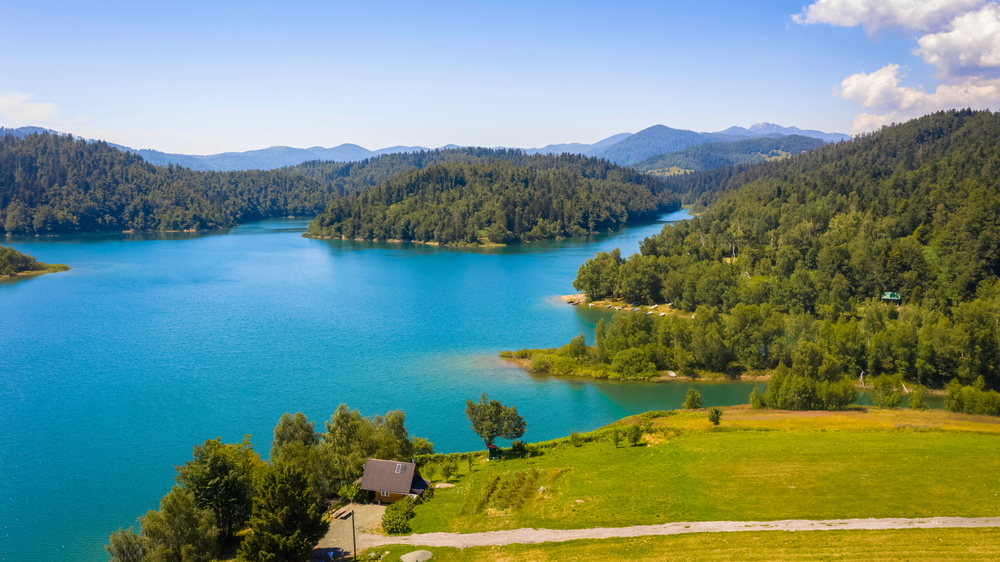
The geography of Risnjak National Park is characterized by limestone mountains, dense forests, sinkholes, caves, and karst plateaus. The park is dominated by the Risnjak Massif, whose highest peak rises to approximately 5,003 feet (1,528 meters). Elevation changes create diverse habitats ranging from lowland forests to alpine meadows and rocky mountain slopes.
The source of the Kupa River, one of Croatia’s most important rivers, lies within the park and contributes significantly to its ecological value. Beech and fir forests cover much of the landscape, while higher elevations support subalpine vegetation adapted to cooler climatic conditions. The varied terrain and abundant water resources create ideal conditions for biodiversity.
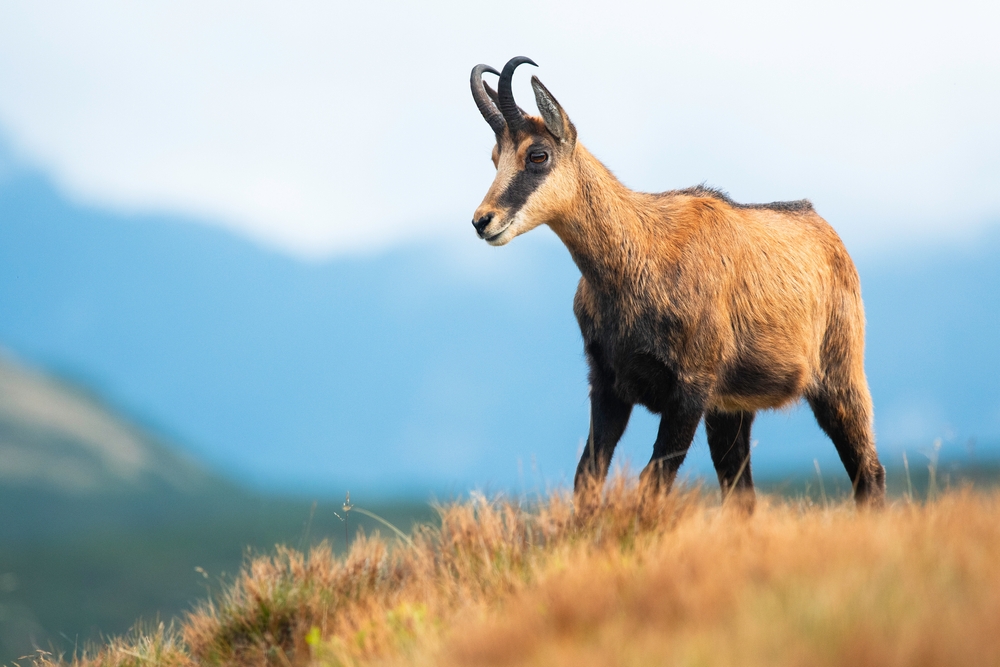
Wildlife within Risnjak National Park is among the richest in Croatia. The park serves as an important refuge for brown bears, gray wolves, and Eurasian lynx, making it one of the most significant strongholds for large carnivores in southeastern Europe. Other mammals include red deer, roe deer, wild boar, chamois, martens, and numerous smaller forest species.
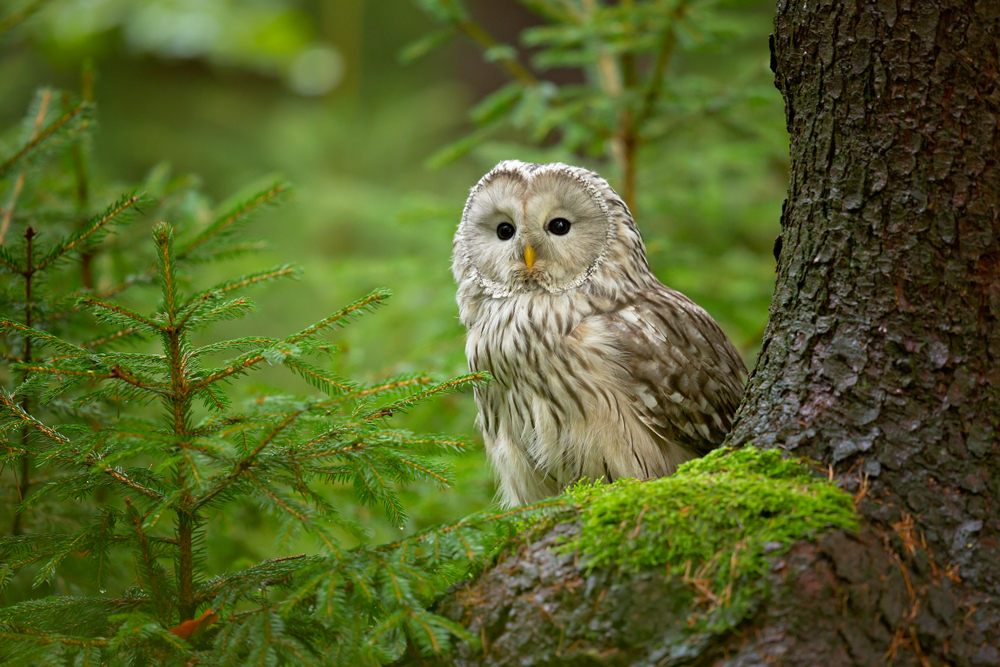
Birdlife is equally impressive, with species such as golden eagles, eagle owls, black woodpeckers, goshawks, and a variety of forest birds inhabiting the park. Amphibians, reptiles, butterflies, and countless invertebrates further contribute to the park’s ecological diversity. The extensive forests provide critical habitat for species that require large, connected wilderness areas.
Risnjak National Park plays a vital role in conserving Croatia’s Dinaric mountain ecosystems and protecting one of Europe’s most important forest habitats. The park safeguards vital watersheds, supports healthy populations of large predators, and preserves ecological corridors that allow wildlife movement across national boundaries.
Its conservation significance is often compared to Northern Velebit National Park and Triglav National Park because of its mountain biodiversity and wilderness character. However, Risnjak’s extensive forests, abundant wildlife, and role as a refuge for the Eurasian lynx give it a distinctive identity. Today, the park remains one of Croatia’s most important protected areas, preserving a landscape where forests, mountains, and wildlife continue to thrive in one of the country’s last great wilderness regions.