About

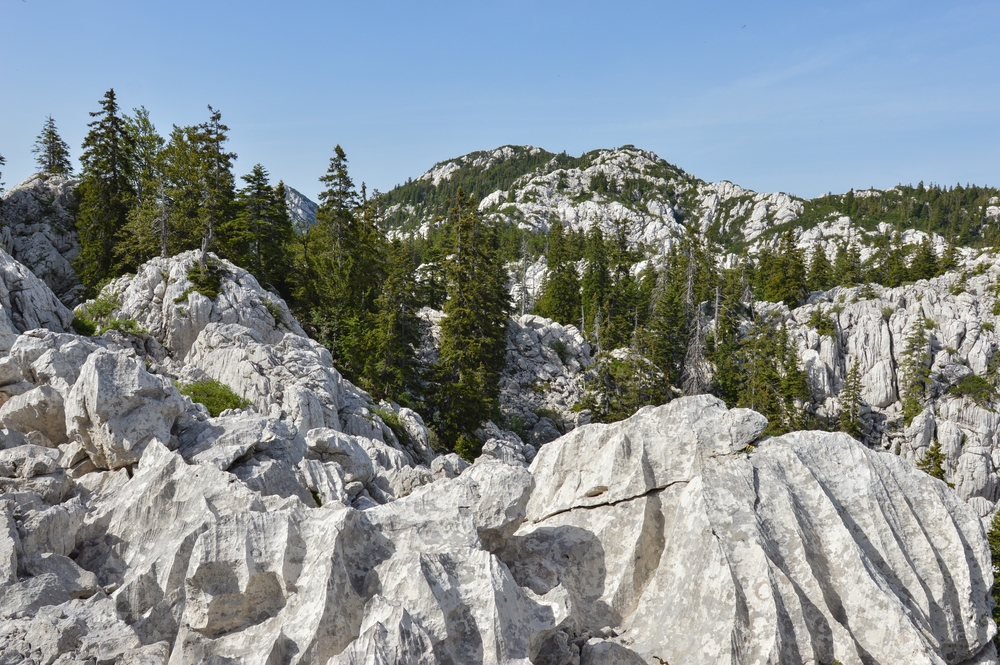
Northern Velebit National Park (Nacionalni park Sjeverni Velebit in Croatian) is located in western Croatia within the northern section of the Velebit Mountain Range, the country’s largest mountain system. The park covers approximately 42 square miles (109 sq km) and protects some of the most rugged and biologically diverse mountain landscapes in the Adriatic region.

Established in 1999, the park lies within the larger Velebit Nature Park and forms part of the UNESCO-designated Velebit Biosphere Reserve. Situated south of Senj and inland from the Adriatic coast, Northern Velebit preserves a remarkable combination of karst formations, mountain forests, alpine meadows, and deep sinkholes. Today, it is recognized as one of Croatia’s most important mountain conservation areas.

Northern Velebit National Park is best known for its dramatic karst landscapes, pristine wilderness, and exceptional hiking opportunities. Visitors are drawn to towering limestone peaks, panoramic viewpoints, hidden valleys, and one of the most extensive cave systems in southeastern Europe. The park is famous for the Premužić Trail, a historic mountain pathway considered one of the finest hiking routes in Croatia.

This scenic trail allows visitors to experience the park’s rugged terrain while enjoying breathtaking views of the Adriatic Sea, surrounding islands, and inland mountain ranges. The combination of geological wonders and unspoiled natural beauty makes Northern Velebit a premier destination for outdoor enthusiasts.

The geography of Northern Velebit National Park is dominated by limestone and dolomite formations that have been shaped by millions of years of geological processes. The landscape includes steep ridges, deep sinkholes, caves, rocky cliffs, and alpine grasslands. Among its most notable features are the Hajdučki and Rožanski Kukovi reserves, a labyrinth of sharp limestone peaks and karst formations considered some of the most impressive in Europe.

Dense beech and fir forests cover many lower slopes, while higher elevations support alpine vegetation adapted to harsh mountain conditions. The park also contains the Lukina Jama cave system, one of the deepest caves in the world, descending more than 4,600 feet (1,400 meters) below the surface.

Wildlife within Northern Velebit National Park is remarkably diverse due to the variety of habitats found throughout the mountain range. Large mammals include brown bears, gray wolves, Eurasian lynx, red deer, roe deer, and wild boar. The park forms part of one of Europe’s most important strongholds for large carnivores, providing extensive habitat and ecological connectivity.

Birdlife is equally impressive, with golden eagles, peregrine falcons, eagle owls, woodpeckers, and numerous forest birds inhabiting the region. Amphibians, reptiles, butterflies, and countless invertebrates further contribute to the park’s biodiversity. The combination of mountain ecosystems and relative isolation has allowed many species to thrive in a largely undisturbed environment.

Northern Velebit National Park plays a critical role in conserving Croatia’s mountain ecosystems and protecting one of the most biologically important regions in the Balkans. The park safeguards extensive forests, rare alpine habitats, and vital populations of large carnivores while preserving extraordinary karst landscapes of international significance.

Its conservation importance is often compared to Paklenica National Park and Triglav National Park because of its rugged mountain scenery and ecological value. However, Northern Velebit’s combination of deep cave systems, wilderness character, and exceptional biodiversity gives it a distinctive identity. Today, the park remains one of Croatia’s most treasured natural areas, preserving a spectacular mountain landscape where geology, wildlife, and wilderness converge.
Things to See

Popular

Popular

Northern Velebit National Park, located in Croatia, is a haven for wildlife, offering a diverse range of species adapted to its rugged mountainous terrain, pristine forests, and unique karst formations. Here are some of the popular species that can be found in the park:

Brown Bear
The brown bear is one of the largest and most iconic mammals in the park. These majestic creatures roam the forests and are a symbol of the park’s thriving ecosystem. While sightings are rare due to their elusive nature, their presence is vital to the area’s biodiversity.

Eurasian Lynx
The elusive Eurasian lynx is a top predator in the park. Recognizable by its tufted ears and stealthy movements, this cat plays a crucial role in maintaining balance within the ecosystem by controlling prey populations.

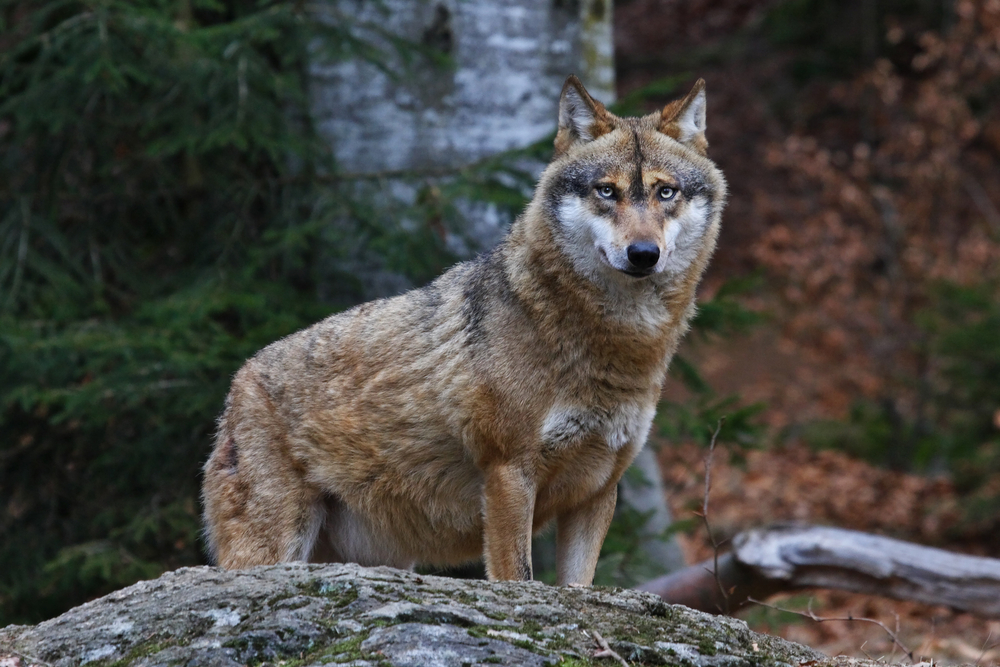
Gray Wolf
The gray wolf is a key species in the park, forming tight-knit packs and contributing to the ecological balance. These intelligent and social animals are often heard howling in the park’s remote areas.

Chamois
This agile mountain goat-like animal is a common sight in the park’s rocky terrains. The chamois is well-adapted to steep cliffs and high-altitude meadows, where it grazes on vegetation.

Red Fox
Known for its bright orange coat and bushy tail, the red fox is a common predator in the park. It thrives in a variety of habitats, from open meadows to dense forests, and is known for its cunning nature.

European Pine Marten
This small, tree-dwelling carnivore is often seen in the forested areas of the park. With its lithe body and creamy throat patch, the European pine marten is both an agile hunter and an important part of the food chain.

Wild Boar
Wild boars are among the most widespread mammals in the park. These sturdy animals forage through the forests, turning over soil in search of roots, tubers, and insects, which helps to aerate the soil.

Western Capercaillie (Ground-Dwelling Bird)
Although primarily a bird, the Western Capercaillie is worth noting as it is ground-dwelling and significant to the park’s ecosystem. Known for its elaborate courtship displays, it is often found in dense conifer forests.

Fire Salamander
This striking amphibian is easily recognizable by its black body with vivid yellow spots or streaks. Found in moist, shaded areas, the fire salamander is a symbol of the park’s healthy forest streams and wetlands.

Adriatic Lizard
A common sight basking on rocks, this small, agile reptile thrives in the karst landscapes of the park. Its adaptability and speed make it a prominent part of the local biodiversity.

Birds

Birds

Northern Velebit National Park is home to a remarkable variety of bird species, many of which thrive in its untouched forests and rocky landscapes. Birdwatchers from around the world visit the park to spot these avian wonders:

Golden Eagle
The golden eagle, a symbol of power and grace, soars over the park’s cliffs and open spaces. Its keen eyesight and impressive wingspan make it one of the most awe-inspiring birds in the region.

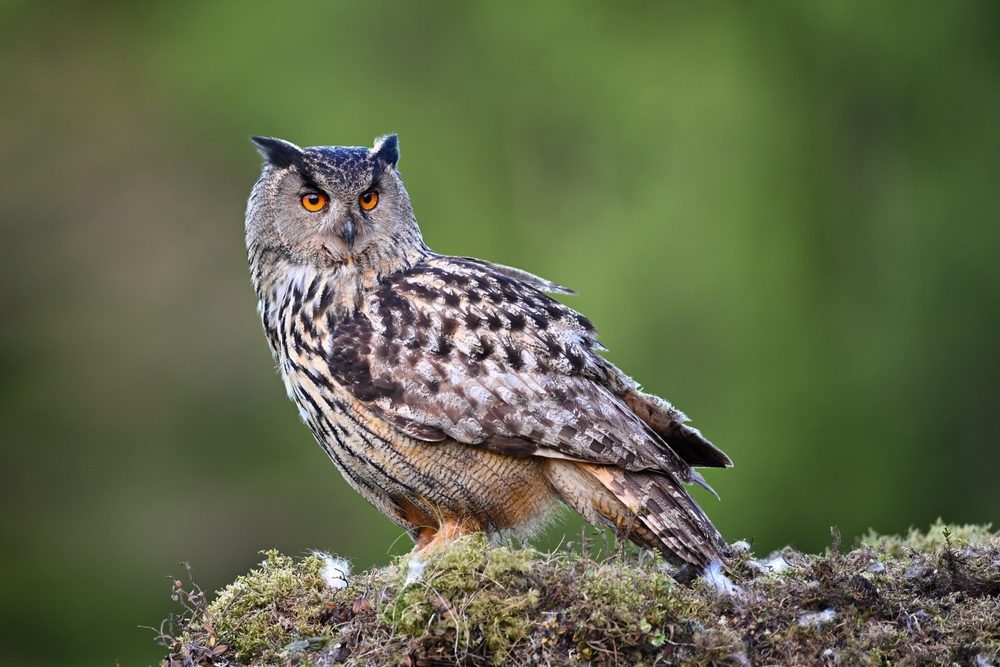
Eurasian Eagle-Owl
As one of the largest owls in Europe, the Eurasian eagle-owl is known for its striking orange eyes and deep, resonating hoots. It often nests in rocky crevices and preys on small mammals.

White-Throated Dipper
This aquatic bird is often seen along mountain streams and rivers. With its white throat and chest, the dipper dives underwater to catch insects and small aquatic creatures.

Peregrine Falcon
The peregrine falcon, known for its incredible speed during hunting dives, is a frequent sight in the park’s open areas. Its mastery of the skies makes it a favorite among bird enthusiasts.

Common Raven
Intelligent and adaptable, the common raven is often heard croaking as it soars or scavenges through the park. Its playful behavior and problem-solving abilities are fascinating to observe.

Ural Owl
This medium-sized owl is a nocturnal hunter, easily recognizable by its round face and soulful dark eyes. It inhabits the park’s dense forests, where it hunts rodents and other small prey.

Western Rock Nuthatch
This small, agile bird is known for its ability to climb rocks and trees with ease. It often nests in crevices and feeds on insects and seeds, making it a common sight in rocky areas.

Great Spotted Woodpecker
This striking bird, with its black, white, and red plumage, can often be heard drumming on tree trunks as it searches for insects. It plays a vital role in controlling pest populations.

Black Woodpecker
The black woodpecker, Europe’s largest woodpecker, is easily spotted due to its jet-black feathers and red crown. It excavates large nesting holes, which are later used by other bird species.

Alpine Accentor
A rare sight, the Alpine accentor thrives in high-altitude rocky environments. Its subtle gray and brown plumage helps it blend into the rugged terrain as it searches for seeds and insects.