About

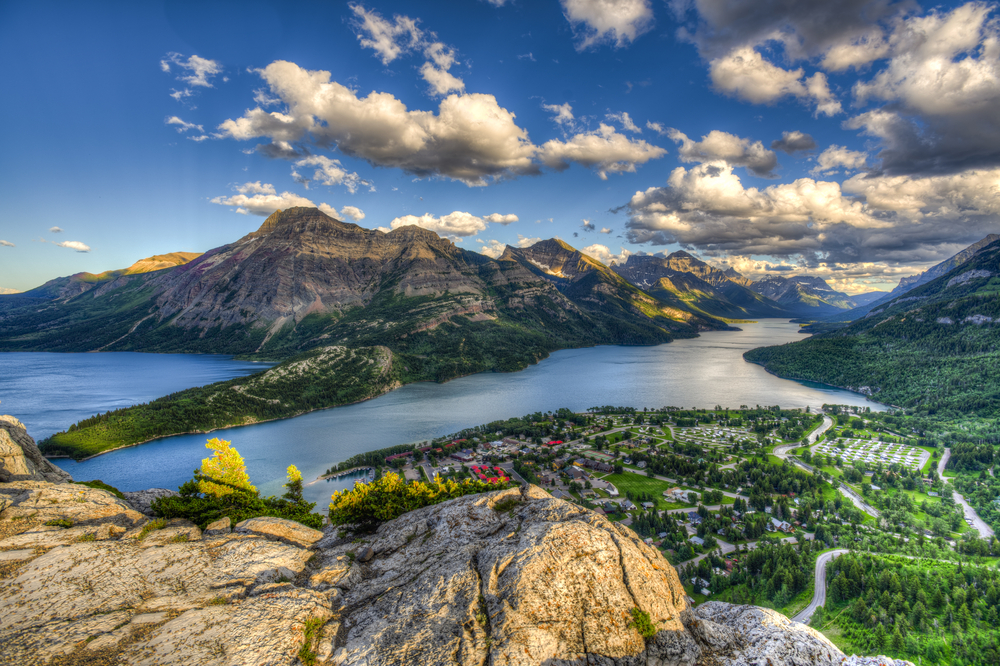
Waterton Lakes National Park is located in the southwestern part of Alberta along the border between Canada and the United States. Glacier National Park is a neighboring national park in the United States located in northern Montana.

The park boundaries encompass an area of 195 square miles (505 sq km) and serve as the foundation for the Waterton-Glacier International Peace Park while also being declared a biosphere reserve and a UNESCO World Heritage Site.

The elevation of the park extends from 4,232 feet (1,290 m) to the summit of Mount Blakiston at 9,547 feet (2,910 m). The landscape represents a glorious wilderness with sculpted and rugged mountains.

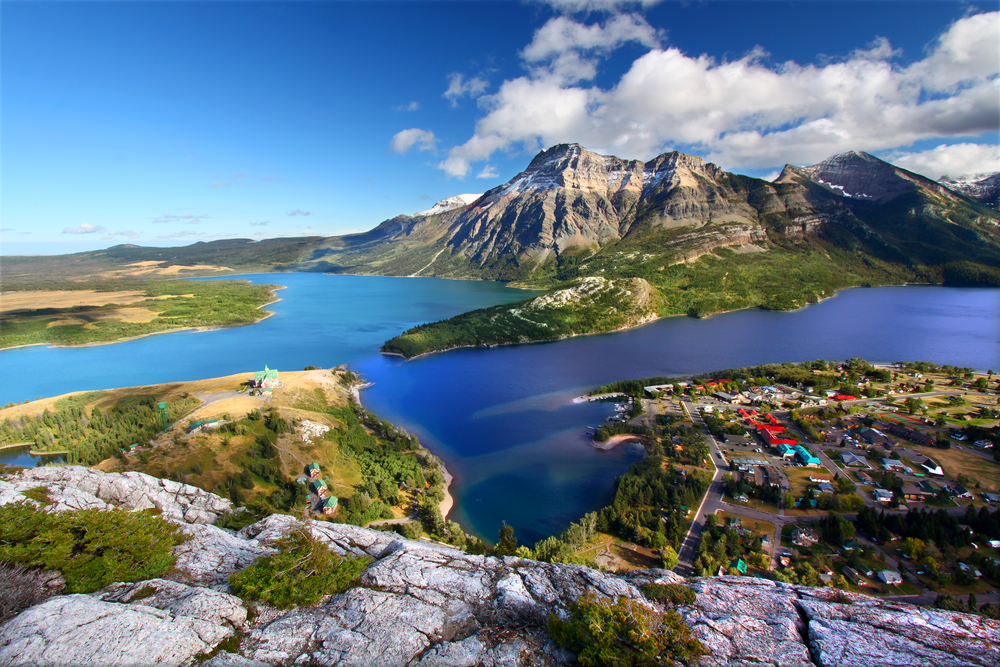
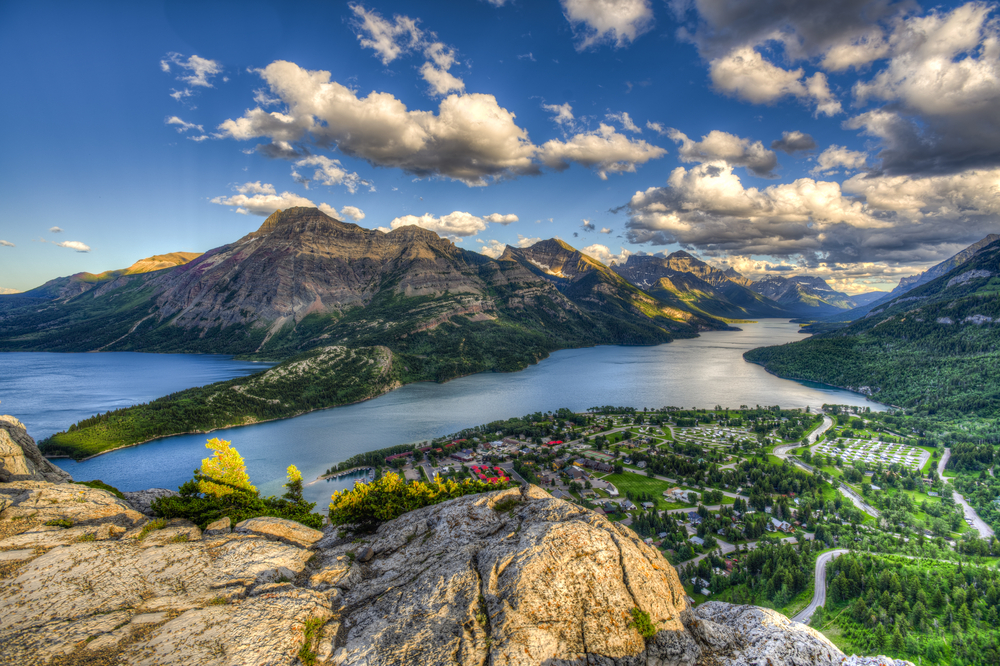
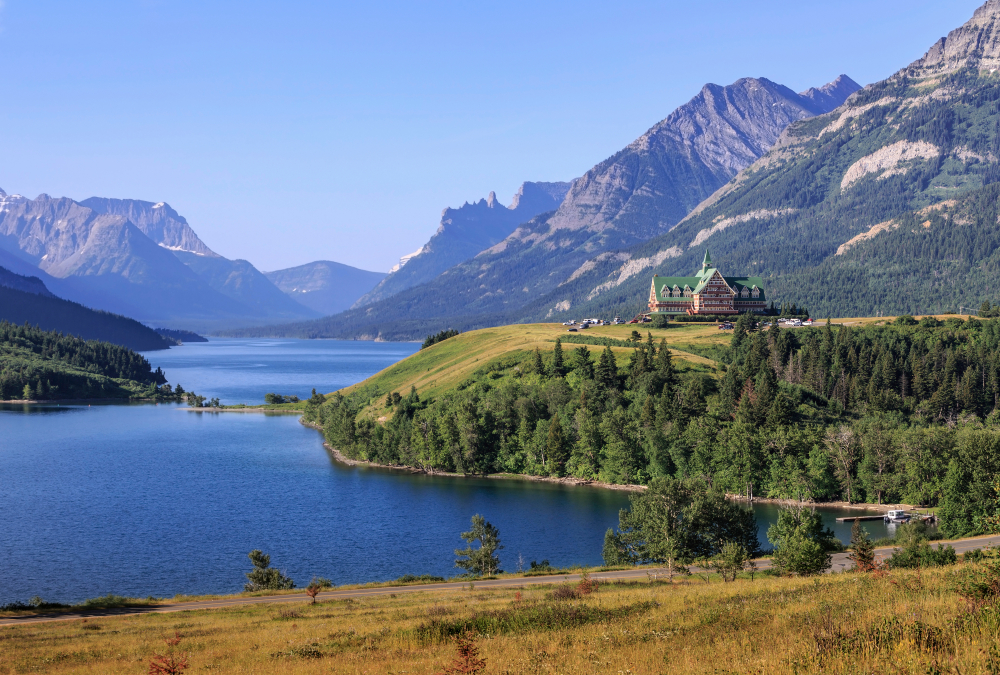
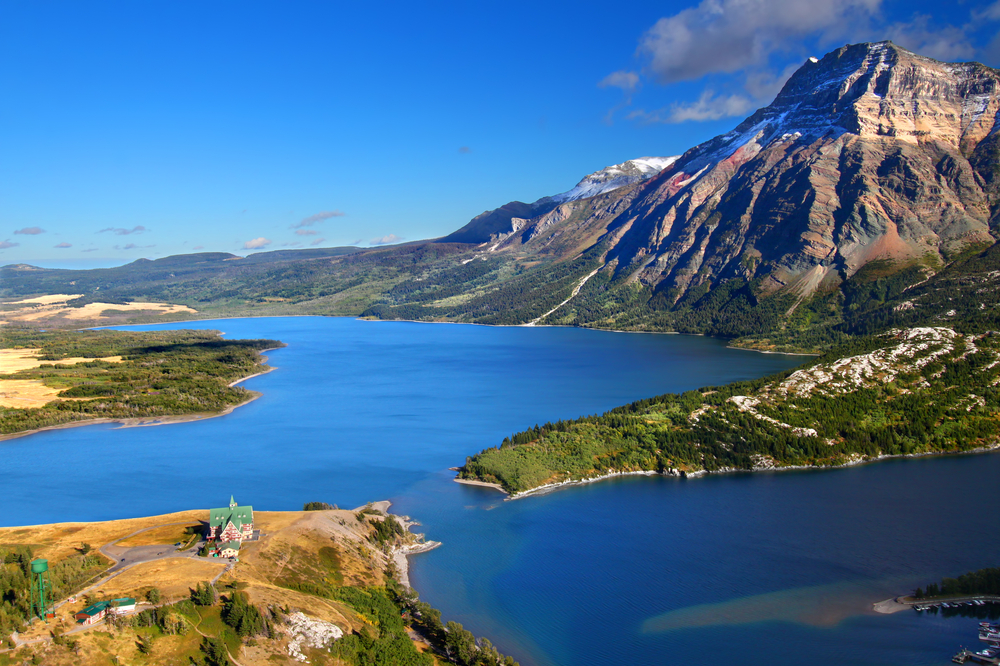
Lake Waterton is a mountain lake that encompasses an area of 3.9 square miles (10.1 sq km) with depths reaching 490 feet (150 m). The southern part of the lake is located on the US side of the border in Glacier National Park.

The Glacier part of Waterton Lake is connected to the larger body of water on the Canadian side by a shallow channel called Bosporus. Two-thirds of the lake is accounted for on the Canadian side. Habitats surrounding the lake include alpine tundra, aspen parkland, grasslands, and subalpine forests.

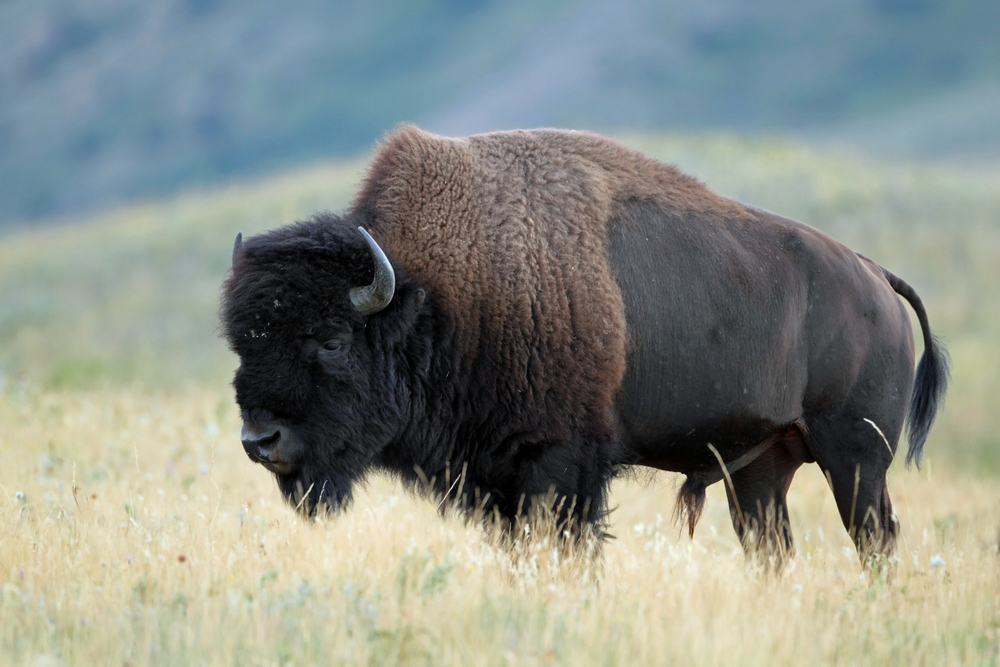
Wildlife is varied and plentiful. Predator species include bald eagle, bobcat, cougar, coyote, black bear, fox, grizzly bear, lynx, timber wolf, and wolverine. Other popular mammals found in the park include beaver, bighorn sheep, bison, elk, marmot, moose, mountain goats, mule deer, otter, snowshoe hare, and white-tailed deer.

Things to See

The rugged wilderness and majestic mountain landscapes are what drive people to visit Waterton Lake National Park. The varied and abundant wildlife is another draw.

The majority of visitors experience the highlights of Waterton by hiking some of the many trails offered throughout the park. During the summer months, visitors will also engage the lake with canoeing and other water-related activities.

Predators

Predators

Waterton Lakes National Park, with its diverse landscapes from prairies to mountains, is a haven for various predator species, each playing a crucial role in the park’s ecological balance, offering visitors a chance to witness the dynamic interplay of predator and prey within this stunning Canadian national park.

Grizzly Bear In the rugged terrain and dense forests, Grizzly Bears are a formidable presence, symbolizing the wild heart of Waterton Lakes and its untamed wilderness.

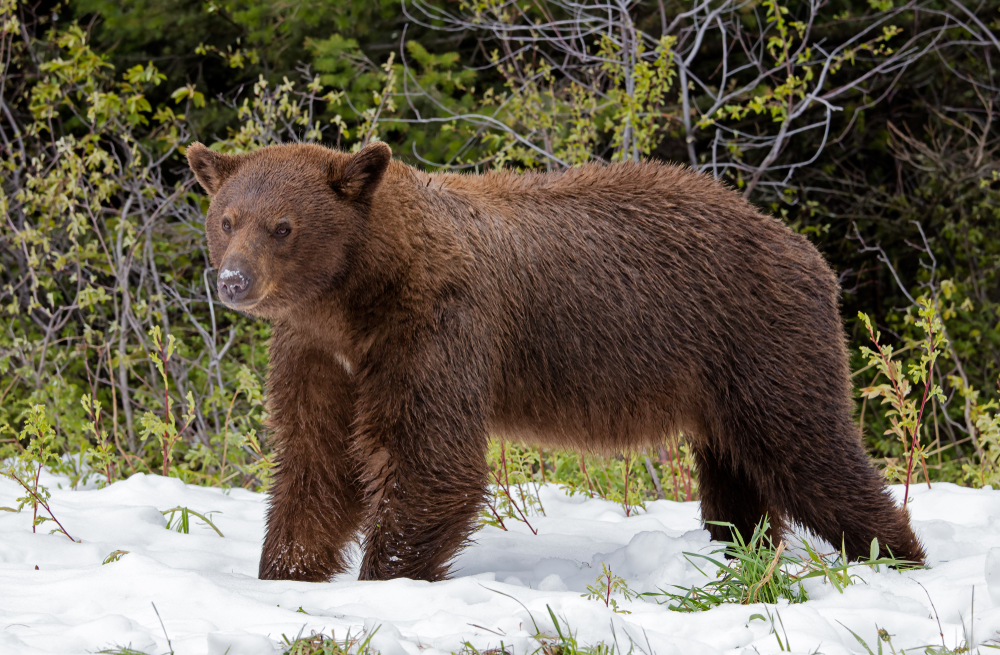
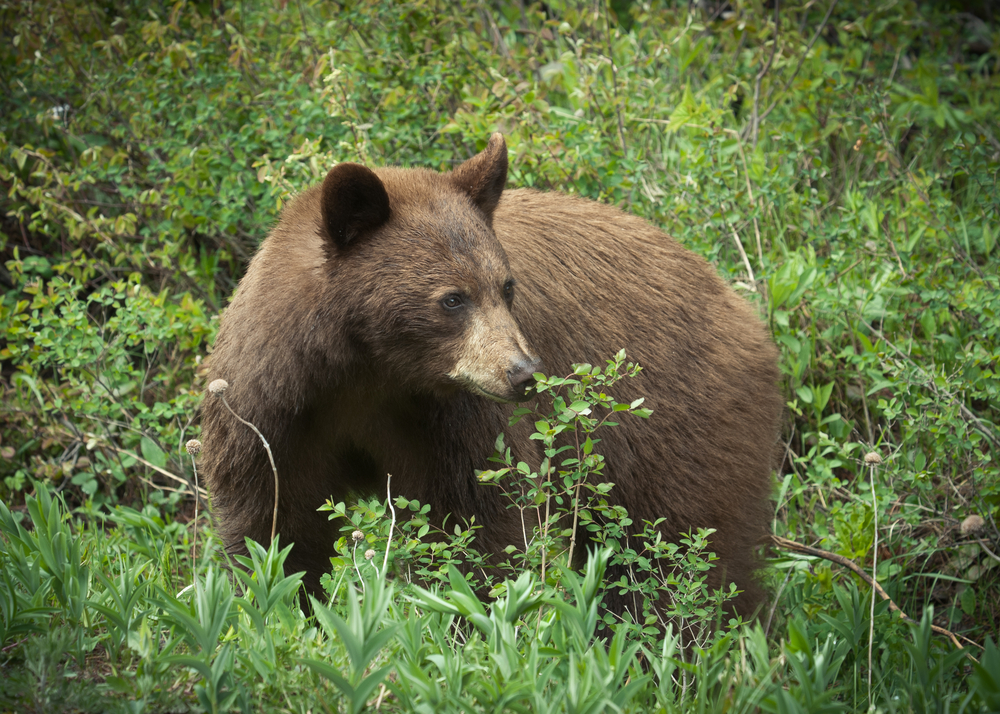
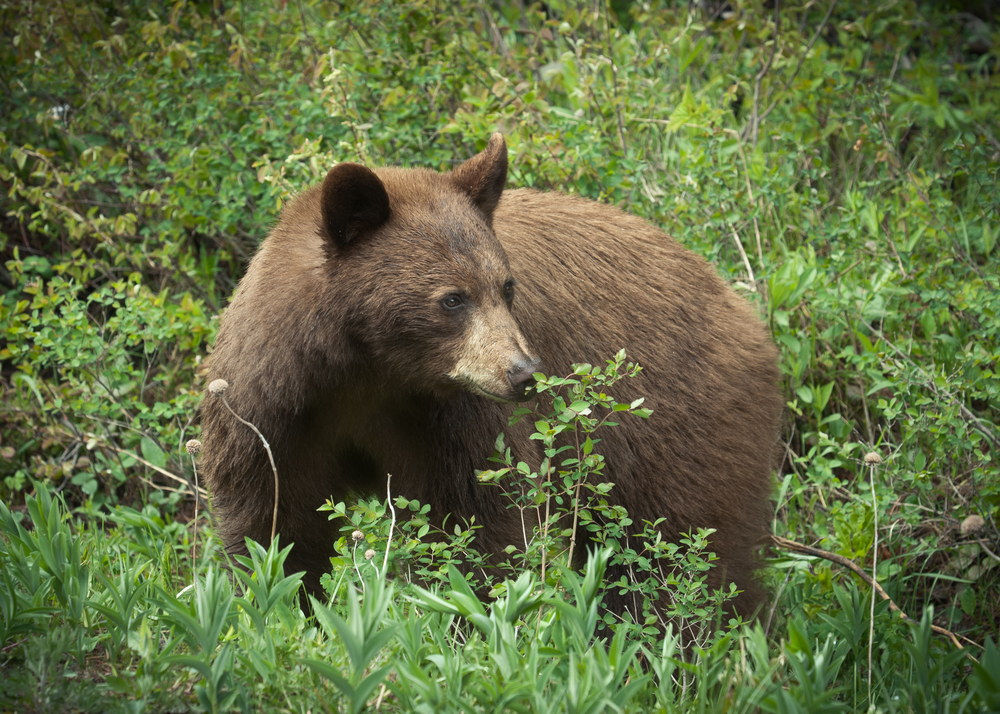
Black Bear More commonly seen than their grizzly counterparts, Black Bears roam the park, their varied diet and adaptability making them a fascinating subject for wildlife enthusiasts.

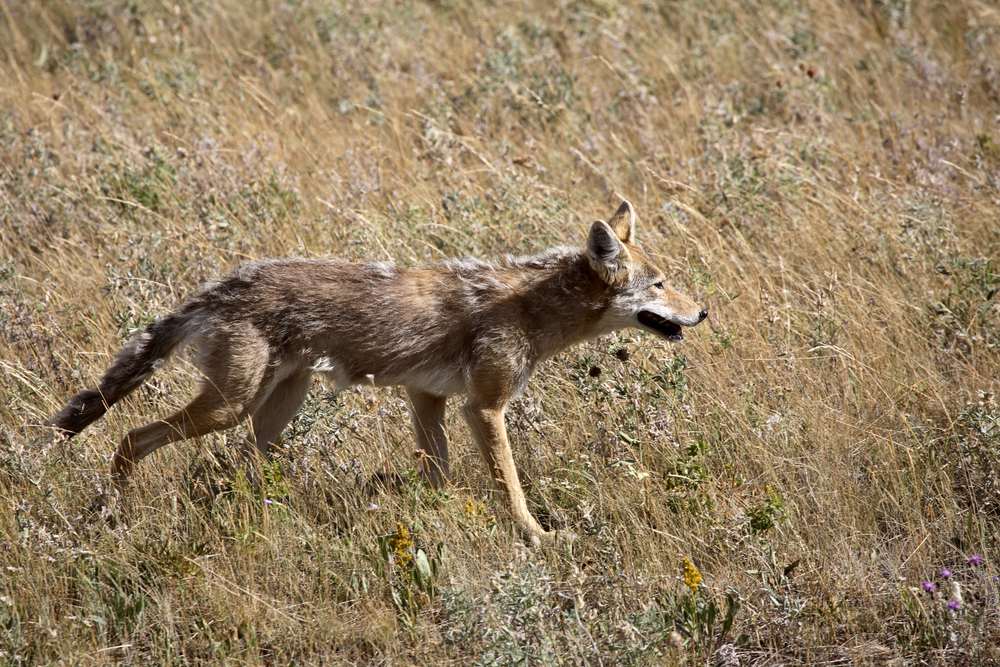
Coyote Adaptable and cunning, Coyotes traverse the park’s landscapes, from open grasslands to forested areas, showcasing their versatility as hunters and scavengers.

Wolf The elusive Wolf, an apex predator of Waterton, moves in packs, its presence vital to the natural order, contributing to the health of the ecosystem.

Cougar Silent and powerful, Cougars patrol the park’s remote areas, their stealth and strength epitomizing the predatory prowess that balances Waterton’s ecological diversity.

Bald Eagle Soaring above the park’s lakes and rivers, Bald Eagles are majestic hunters, their sharp eyesight and swift dives demonstrating their mastery of the skies.

Osprey Nesting near water bodies, Ospreys are skilled fish hunters, their spectacular dives into the water a testament to the park’s rich aquatic life and biodiversity.

Waterton Lakes National Park’s predator species, from the iconic Grizzly Bear to the soaring Osprey, highlight the complexity and vibrancy of the park’s natural ecosystem, inviting visitors to explore and appreciate the delicate balance of life in this spectacular setting.

Popular

Popular

Waterton Lakes National Park, celebrated for its breathtaking landscapes where the prairies meet the mountains, also shelters a remarkable variety of non-predatory wildlife, each species adding its unique touch to the park’s vibrant ecosystem and offering visitors an enriching glimpse into the diversity of life in this part of Alberta.

Elk Majestic elk roam the park’s meadows and forests, their impressive antlers and bugling calls during mating season captivating visitors with their wild beauty.

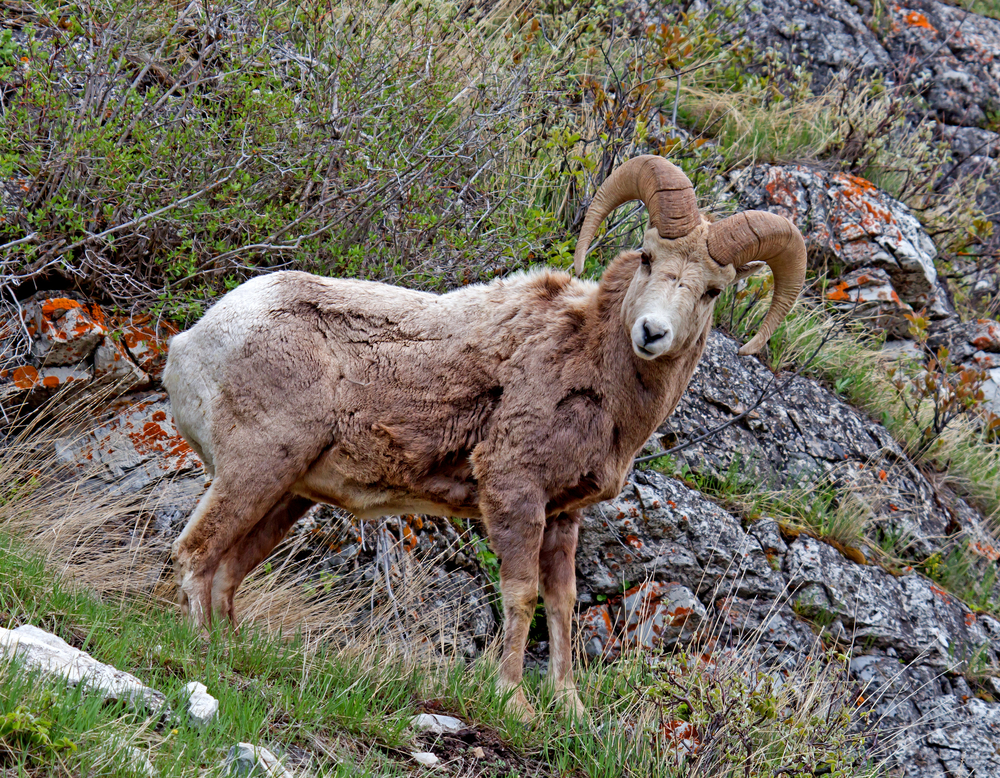
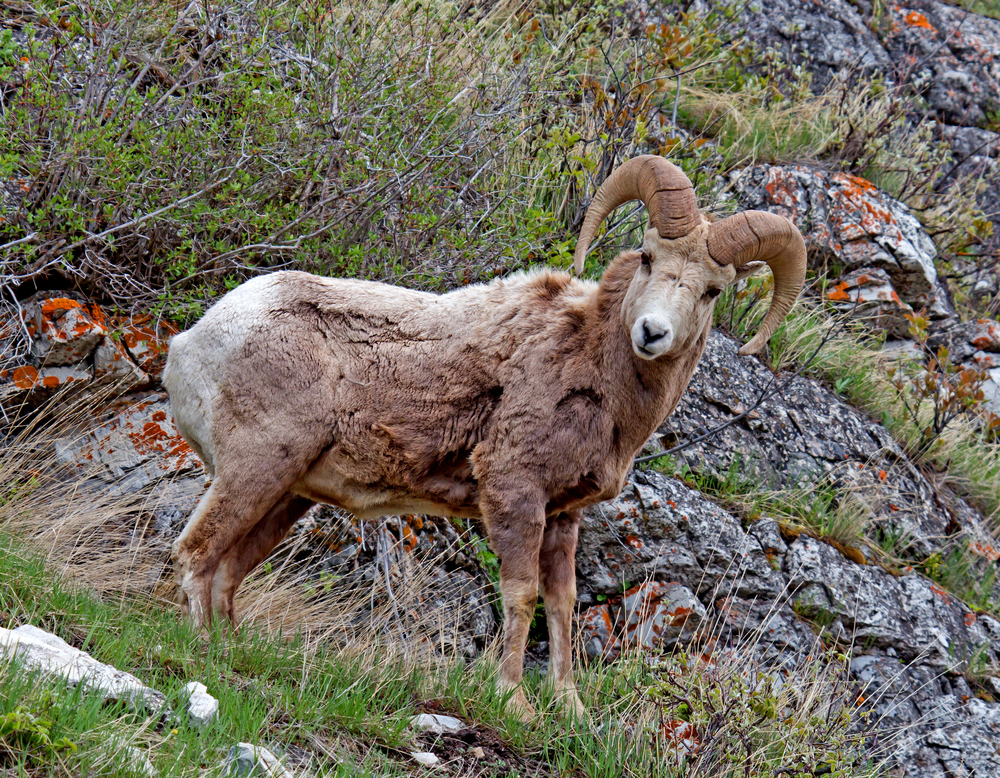
Bighorn Sheep Agile bighorn sheep, easily recognized by their spiral horns, skillfully navigate the park’s rocky cliffs, offering stunning wildlife viewing opportunities against dramatic backdrops.

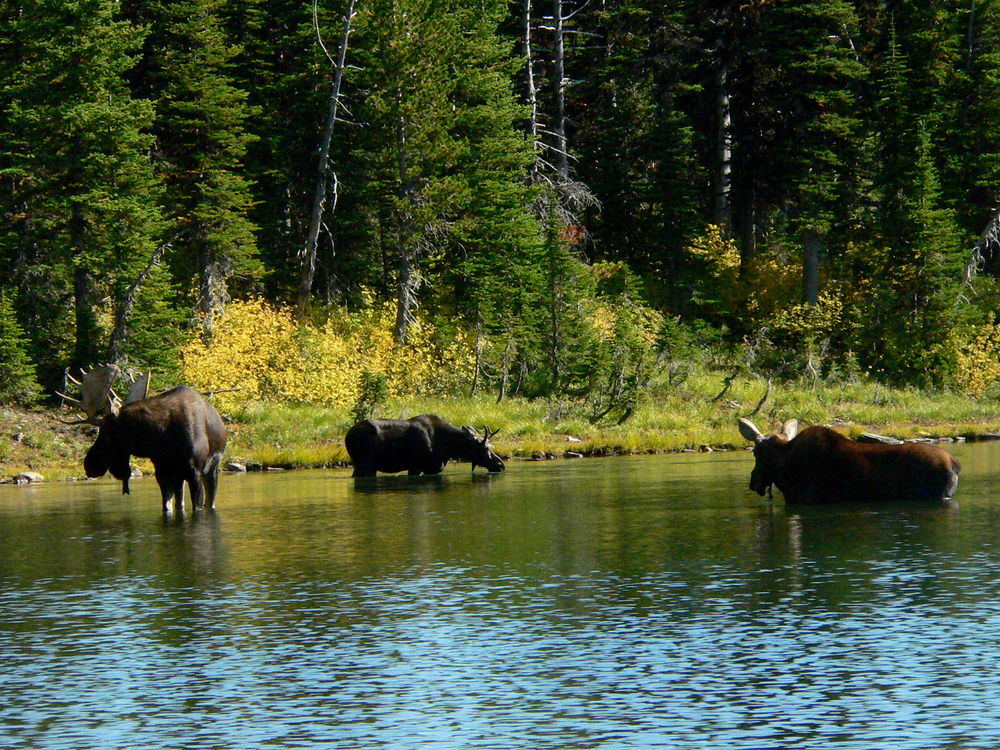
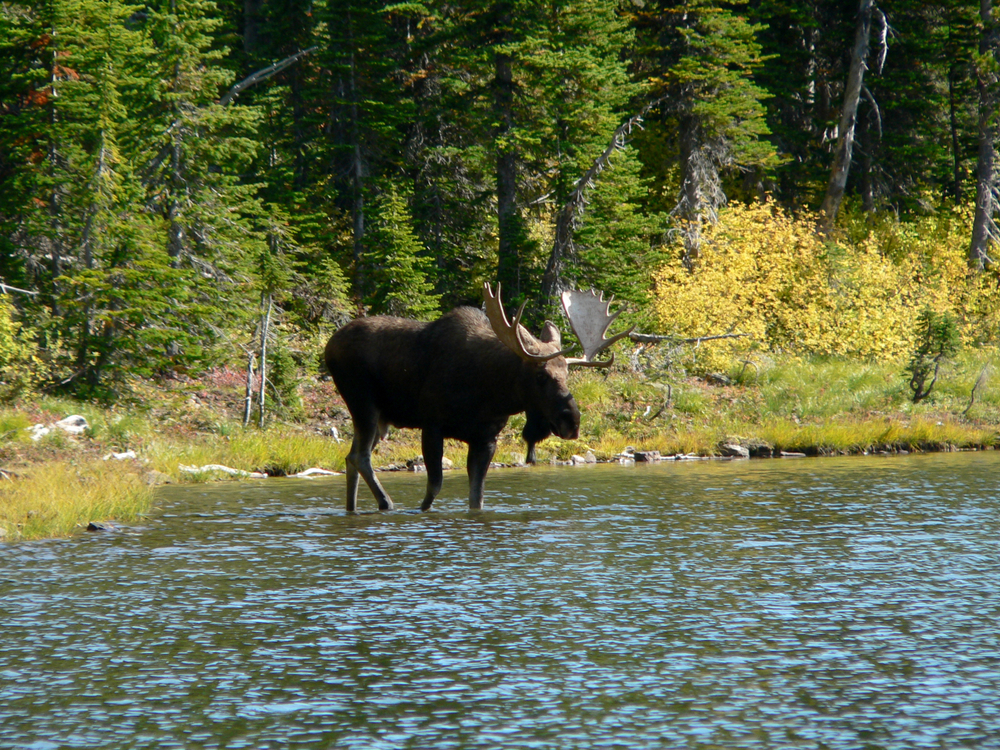
Moose The solitary moose, the largest species in the deer family, frequents the park’s wetlands and wooded areas, a spectacular sight for those exploring Waterton’s diverse habitats.

White-tailed Deer Graceful white-tailed deer are a common presence, adapting to both forested regions and open spaces within the park, often spotted at dawn and dusk.

Mule Deer Mule deer, distinguished by their large ears and black-tipped tails, are also prevalent throughout Waterton, contributing to the park’s rich biodiversity and wildlife encounters.

Mountain Goat Sure-footed mountain goats grace the park’s highest elevations, their white coats and nimble movements on steep slopes a testament to the rugged wilderness of Waterton.

Beaver As natural engineers, beavers play a crucial role in shaping the park’s aquatic landscapes, their dams and lodges essential for other species’ habitats.

Canada Goose The iconic Canada goose is often seen in flocks near the park’s many lakes and wetlands, their V-shaped migration patterns a familiar sight in the sky.

Common Loon The haunting calls of the common loon echo across Waterton’s lakes, embodying the wild spirit of the park’s pristine waterways and untouched nature.

American Dipper The American dipper, a remarkable aquatic songbird, fascinates with its underwater foraging behavior, often spotted along the park’s clear, rushing streams.

Waterton Lakes National Park’s non-predatory wildlife, from the stately elk to the industrious beaver, showcases the ecological wonders and natural beauty of this unique Canadian park, inviting visitors to connect with the natural world in profound and meaningful ways.

Upper Waterton Lake

Upper Waterton Lake

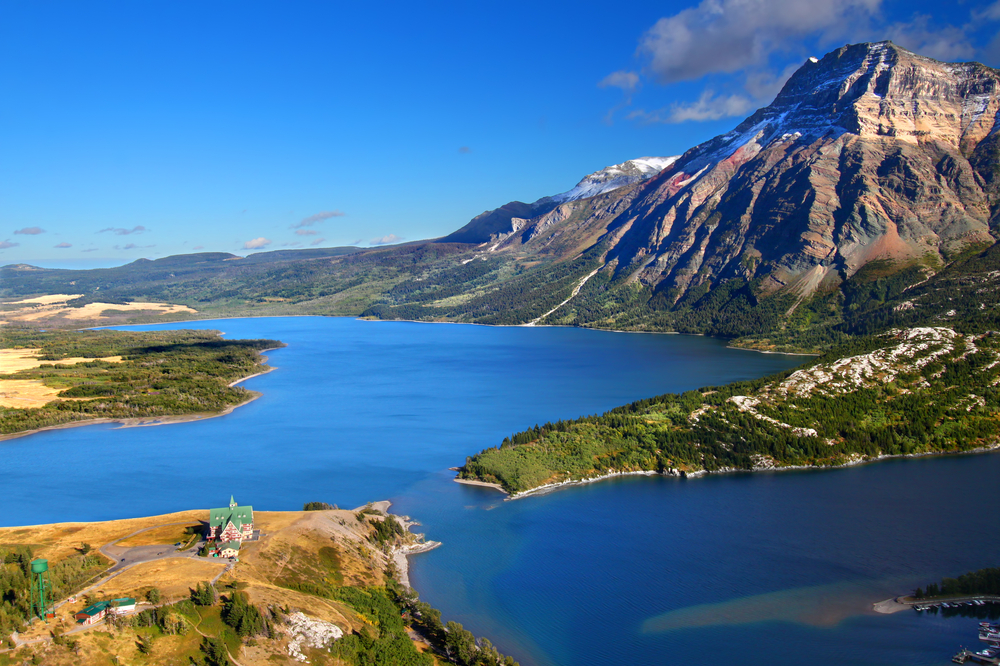
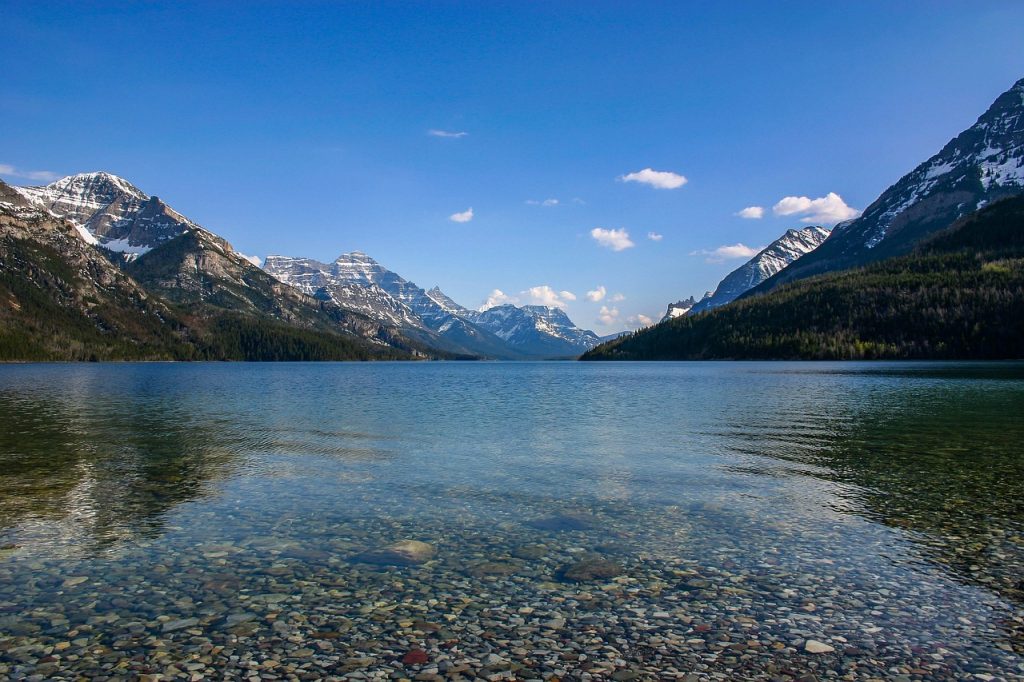
Upper Waterton Lake is the largest and most iconic lake in Waterton Lakes National Park. Stretching across the Canada-United States border, it is part of the deepest lake in the Canadian Rockies, reaching depths of up to 444 feet (135 meters).

The lake spans approximately 7 miles (11.2 kilometers) in length, with a breathtaking backdrop of rugged mountains and pristine wilderness.

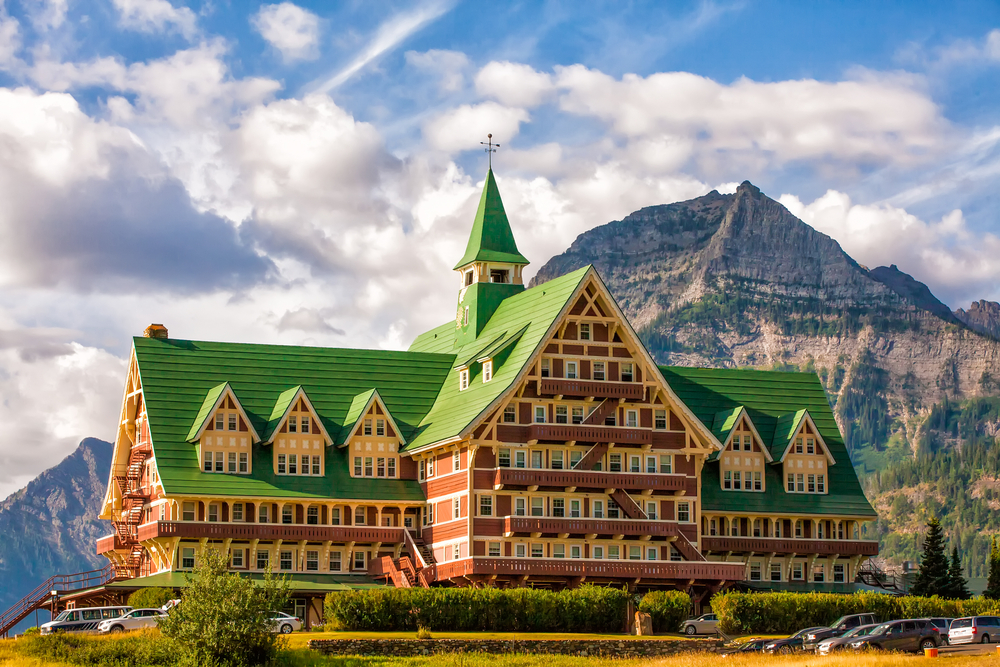
This glacial lake is a popular destination for boating, scenic cruises, and kayaking, offering visitors spectacular views of the surrounding peaks and the historic Prince of Wales Hotel perched on its eastern shore.

Middle Waterton Lake

Middle Waterton Lake

Middle Waterton Lake offers a tranquil setting compared to its larger counterpart. Though smaller, it features serene waters surrounded by lush forests and towering peaks.

Middle Waterton Lake is relatively narrow, creating a secluded atmosphere that is ideal for canoeing or quiet contemplation of nature’s beauty.

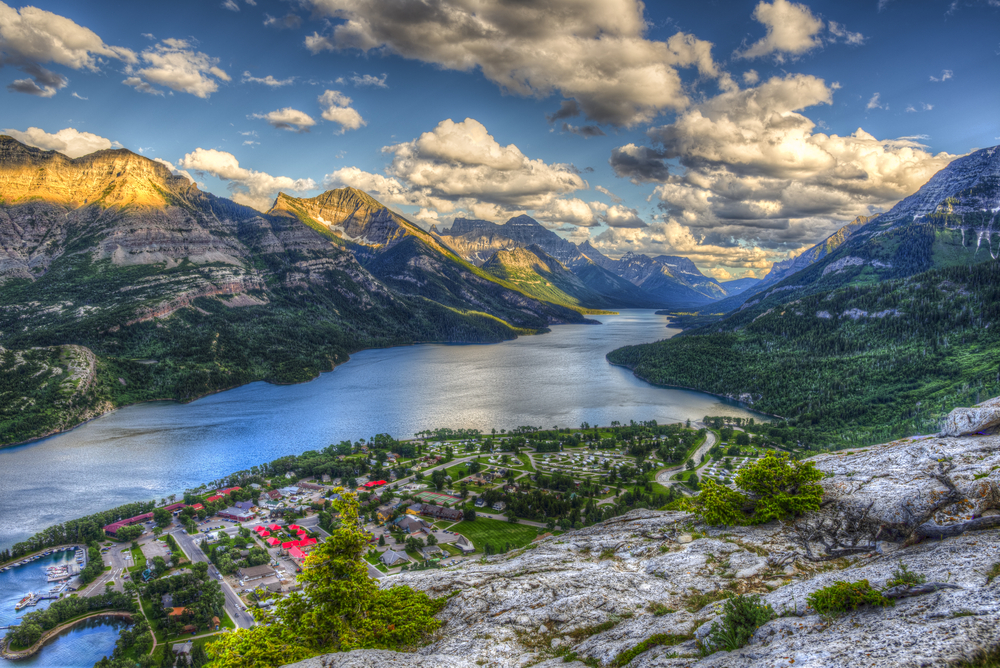
The lake’s access is primarily from the townsite area, making it a convenient spot for leisurely activities and wildlife watching. It serves as a connector between Upper and Lower Waterton Lakes, nestled within a landscape that is rich in both flora and fauna, reflective of the park’s diverse ecosystems.

Lower Waterton Lake

Lower Waterton Lake

Lower Waterton Lake is the smallest of the three main lakes but is renowned for its picturesque setting and easy accessibility from the Waterton townsite. It is an excellent location for picnicking, with several areas along its shores offering perfect spots to enjoy a meal with a view.

The lake is also a favored starting point for many hiking trails that wind through the park’s spectacular scenery. While it does not boast the same depths as Upper Waterton Lake, its charm lies in its calm waters and the panoramic views of the surrounding mountains and valleys.

Lower Waterton Lake acts as a gateway to exploring the natural beauty of Waterton Lakes National Park, providing visitors with a peaceful retreat amidst the rugged landscape.

Things To Do

Engaging Waterton Lakes National Park
Hiking

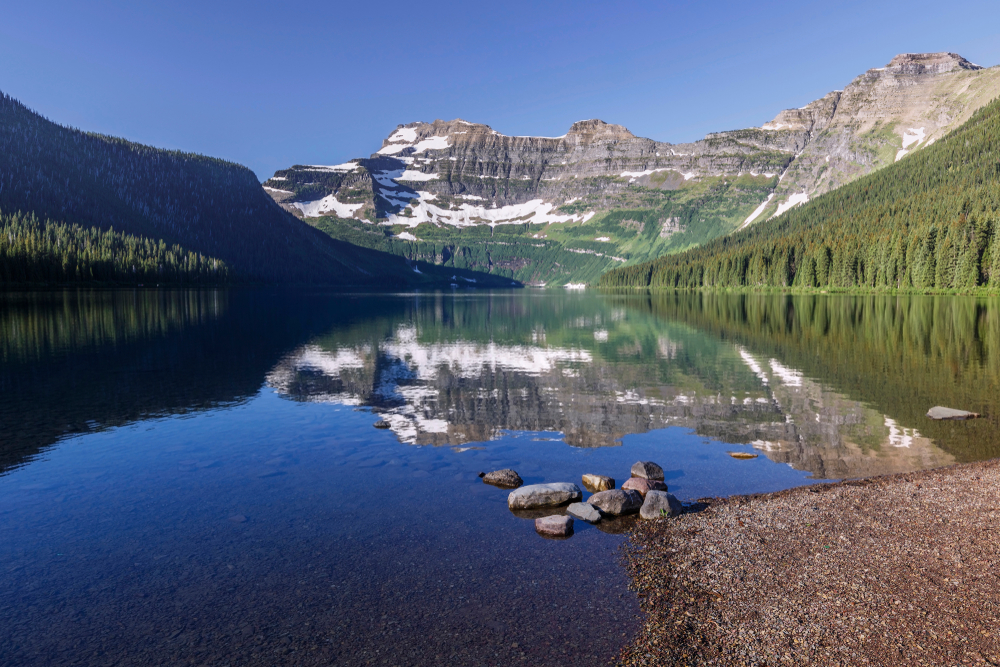
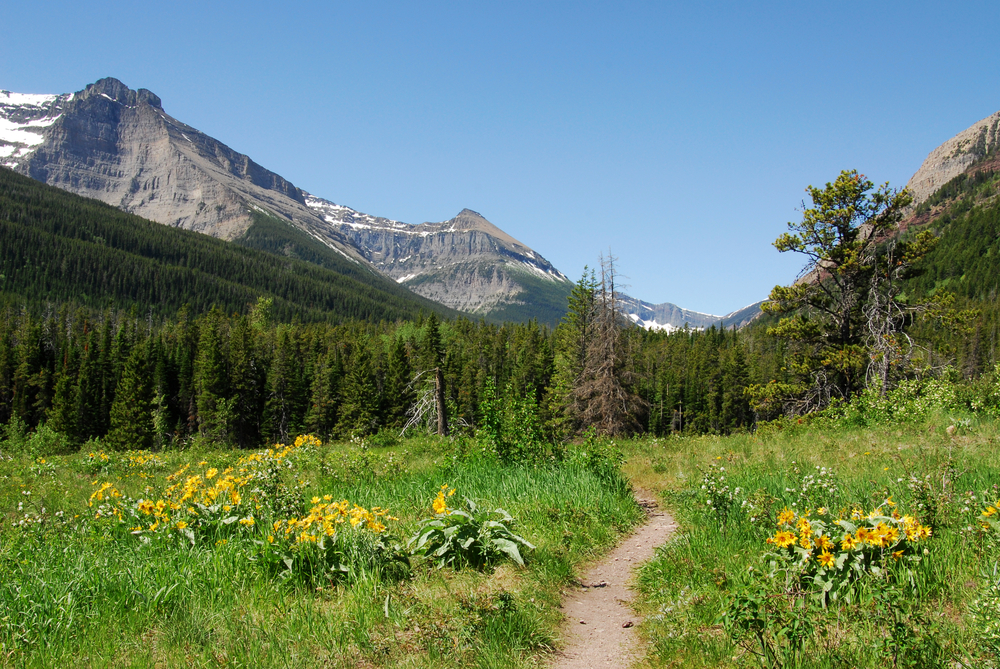
Hiking through Waterton Lakes National Park unveils its diverse ecosystems, from prairie grasslands to towering peaks. The park offers a variety of trails for all abilities, ranging from easy walks along the shoreline to challenging treks up steep mountain paths. Each trail offers its own unique views, whether it’s the panoramic vistas from the Bear’s Hump Trail or the serene beauty of Cameron Lake. Along the way, hikers can witness the park’s rich biodiversity, including wildflowers, wildlife, and bird species.

Boating

Boating on Waterton Lake provides a serene and scenic way to explore the park’s natural beauty. The historic M.V. International cruise offers guided tours across the border into Glacier National Park in the United States, allowing visitors a unique two-nation vacation experience. Kayaking and canoeing are also popular, offering more personal and up-close encounters with the lake’s crystal-clear waters, secluded bays, and the majestic Prince of Wales Hotel standing guard over the landscape.

Cycling

Cycling offers an exhilarating way to explore Waterton Lakes National Park. The Red Rock Parkway and the Kootenai Brown Trail are among the favorites for cyclists, offering stunning landscapes and a chance to enjoy the fresh, mountain air. Whether you’re looking for a leisurely ride through wildflower meadows or a challenging ascent into the mountains, cycling in Waterton provides a unique perspective of the park’s diverse landscapes.

Hiking

Hiking through Waterton Lakes National Park unveils its diverse ecosystems, from prairie grasslands to towering peaks. The park offers a variety of trails for all abilities, ranging from easy walks along the shoreline to challenging treks up steep mountain paths. Each trail offers its own unique views, whether it’s the panoramic vistas from the Bear’s Hump Trail or the serene beauty of Cameron Lake. Along the way, hikers can witness the park’s rich biodiversity, including wildflowers, wildlife, and bird species.

Boating

Boating on Waterton Lake provides a serene and scenic way to explore the park’s natural beauty. The historic M.V. International cruise offers guided tours across the border into Glacier National Park in the United States, allowing visitors a unique two-nation vacation experience. Kayaking and canoeing are also popular, offering more personal and up-close encounters with the lake’s crystal-clear waters, secluded bays, and the majestic Prince of Wales Hotel standing guard over the landscape.

Cycling

Cycling offers an exhilarating way to explore Waterton Lakes National Park. The Red Rock Parkway and the Kootenai Brown Trail are among the favorites for cyclists, offering stunning landscapes and a chance to enjoy the fresh, mountain air. Whether you’re looking for a leisurely ride through wildflower meadows or a challenging ascent into the mountains, cycling in Waterton provides a unique perspective of the park’s diverse landscapes.

Waterton Lakes National Park Trails

Water Lakes is an incredibly scenic mountainous lake terrain and there are about three dozen trails that provide hikers with a chance to explore the lake and surrounding mountains.  Trails range from easy to difficult giving each person something to explore regardless of abilities.

placeholder

Red Rock Canyon Trail

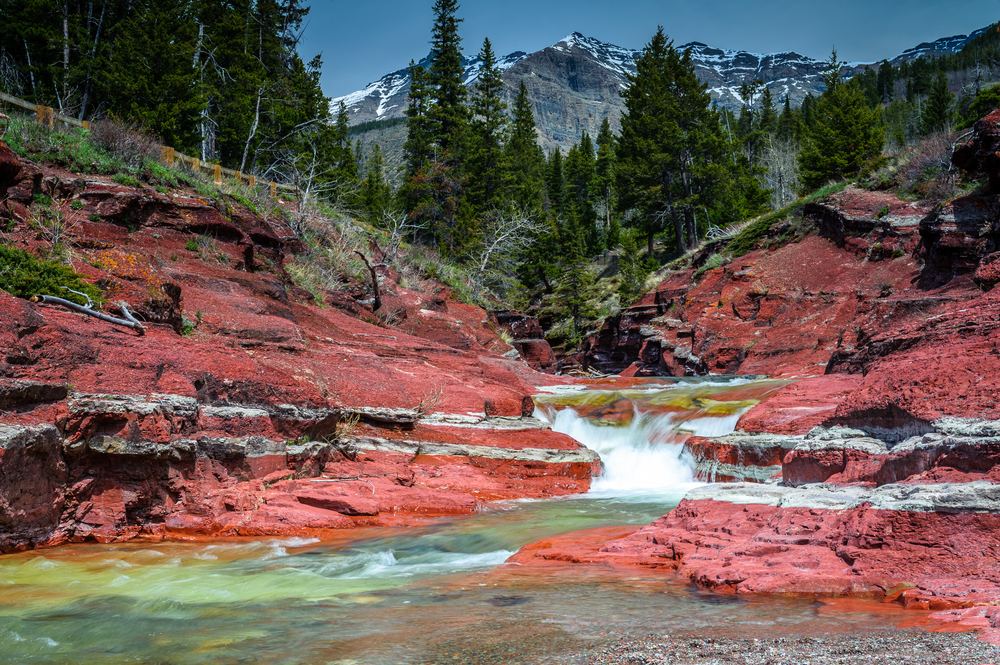
This is a short scenic 0.4 mile (0.64 km) easy trail to a stunning red rocked canyon that overlooks the river cutting through. There a chances to see wildlife, however the incredible red color of the canyon rock walls is what creates the impressive landscape.

placeholder

Lower Bertha Falls

This moderate rated trail ascends 646 feet (196.9 m) over 3.3 miles (5.31 km) with incredible panoramic views over the lake and out upon the surrounding mountains. There is a chance to see wildlife along the way, however, the waterfall is the destination.

placeholder

Upper Bertha Falls

This is a longer 6.1-mile (9.81 km) moderate rated trail that features an elevation gain of 1,804 feet (549.86 m).  Of course, the Bertha Falls is the destination, however, there are astounding panoramic views of the lake and neighboring mountains.

placeholder

Crypt Lake Trail

This is one of the most popular but challenging trails.  It covers a distance of 12.2 miles (19.6 km) while ascending 2,801 feet (853.74 m) up to a panoramic view out over Crypt Lake. There is a river along the way as well as views of a waterfall and wildflowers. There is a chance to see wildlife, however, the panoramic landscapes are what leave you speechless.

placeholder

Crypt Lake Trail

Rating: Difficult

Distance and Elevation Gain: 10.8 miles round trip with about 2,300 feet (700 meters) elevation gain

Description: Renowned for its breathtaking scenery and thrilling hike elements, including a boat ride across Upper Waterton Lake, a tunnel through the mountain, and a cliffside cable traverse.

The trail culminates at the stunning Crypt Lake, offering a secluded mountain lake experience. It’s an adventurous day hike that provides panoramic views, waterfalls, and diverse flora and fauna.

placeholder

Bear's Hump Trail

Rating: Moderate

Distance and Elevation Gain: 1.8 miles round trip with about 656 feet (200 meters) elevation gain

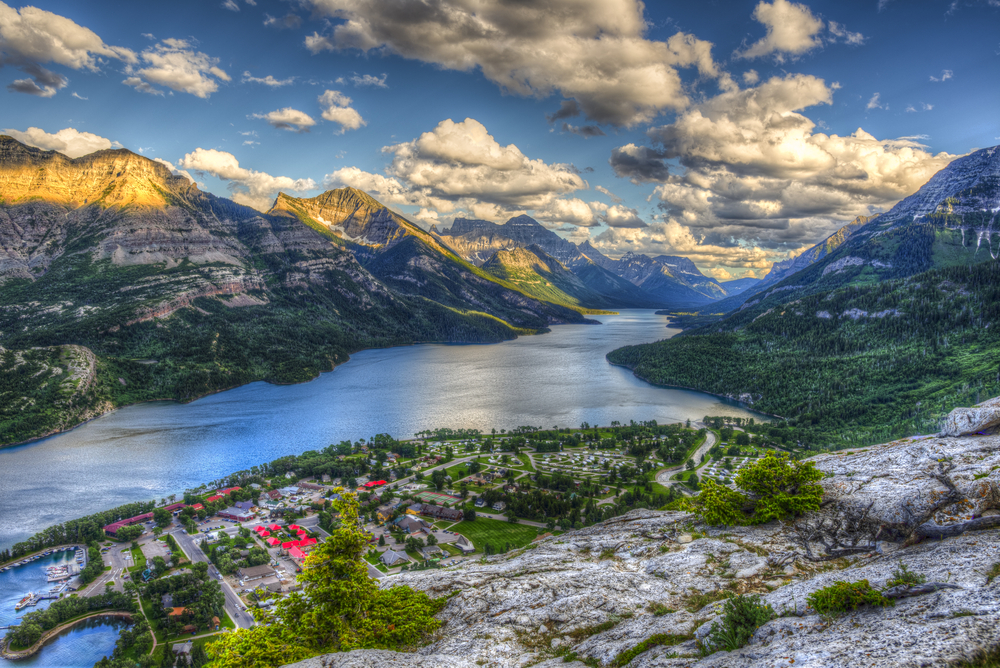
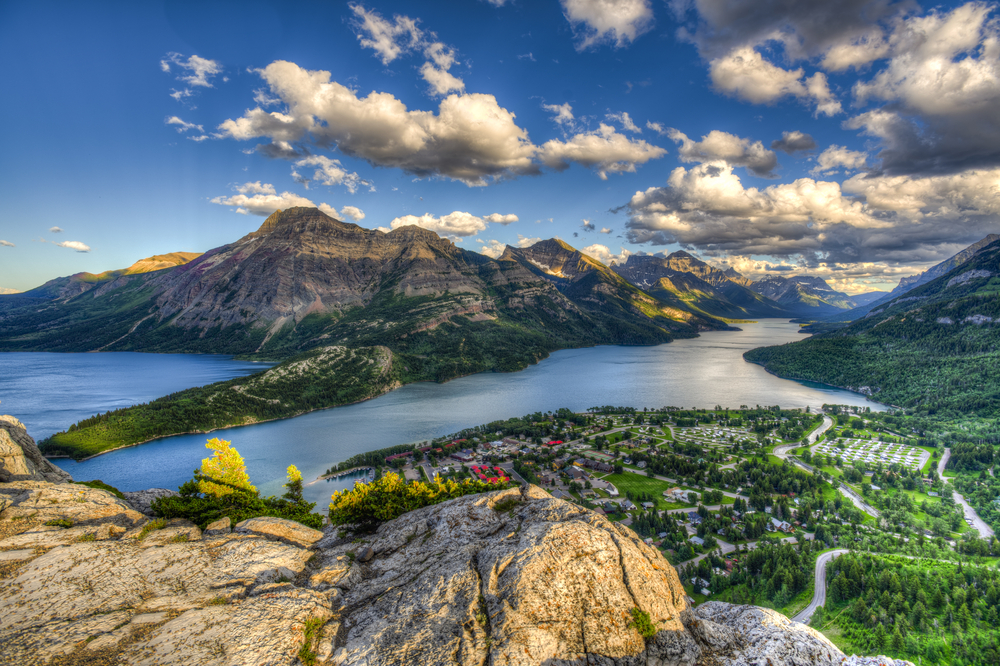
Description: This short but steep trail is highly rewarding, offering one of the best viewpoints in the park. The summit provides a magnificent panoramic view of Waterton Lakes, the town, and the surrounding prairies.

Ideal for sunset or sunrise, it’s a must-do for every visitor seeking a memorable view with a moderate effort.

placeholder

Carthew-Alderson Trail

Rating: Difficult

Distance and Elevation Gain: 12 miles one way with about 2,300 feet (700 meters) elevation gain

Description: This point-to-point trail takes hikers through some of Waterton Park’s most spectacular landscapes, from Cameron Lake, over Carthew Summit, and past Alderson Lakes.

Hikers are treated to vast wildflower meadows, alpine lakes, and potential wildlife sightings. The trail ends in the Waterton townsite, requiring shuttle or vehicle arrangements.

placeholder

Akamina Ridge Trail

Rating: Difficult

Distance and Elevation Gain: 10.6 miles loop with about 3,500 feet (1,067 meters) elevation gain

Description: For the experienced hiker, Akamina Ridge offers a challenging but rewarding loop. It traverses a high ridge with stunning views of the Akamina-Kishinena Provincial Park and Waterton Lakes National Park.

This trail is known for its wildflowers, wildlife, and breathtaking views across the park and into nearby British Columbia.

placeholder

Blakiston Falls Trail

Rating: Easy

Distance and Elevation Gain: 1.2 miles round trip with minimal elevation gain

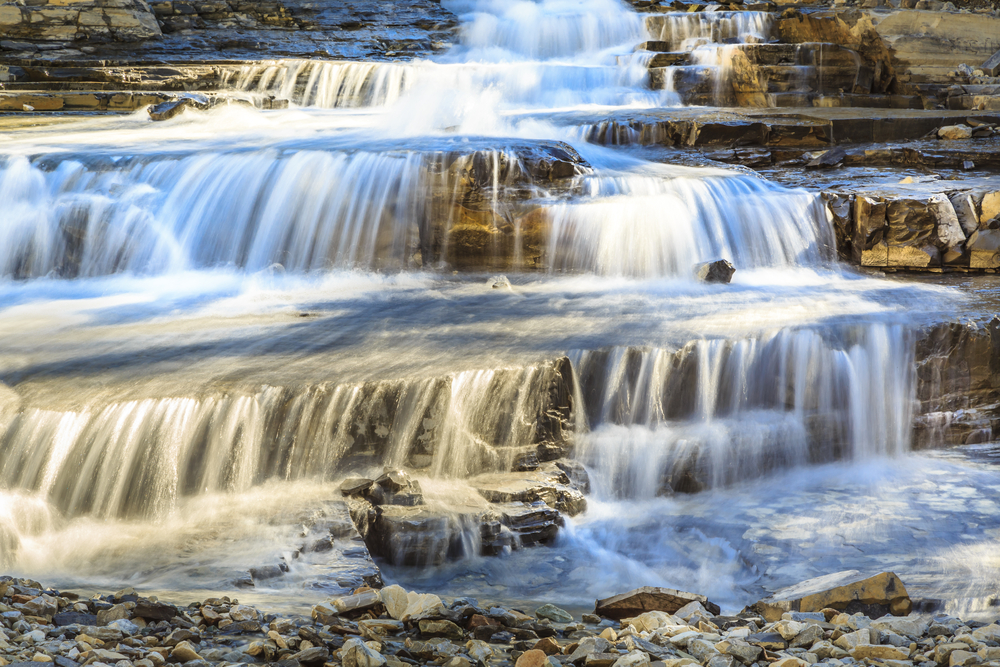
Description: This easy, family-friendly trail leads to the impressive Blakiston Falls. The path is well-maintained and winds through lush forest to several viewing platforms overlooking the powerful waterfalls.

It’s an excellent option for those seeking a quick nature escape with a rewarding view, accessible to hikers of all levels.

placeholder

Crypt Lake Trail

Rating: Difficult

Distance and Elevation Gain: 10.8 miles round trip with about 2,300 feet (700 meters) elevation gain

Description: Renowned for its breathtaking scenery and thrilling hike elements, including a boat ride across Upper Waterton Lake, a tunnel through the mountain, and a cliffside cable traverse.

The trail culminates at the stunning Crypt Lake, offering a secluded mountain lake experience. It’s an adventurous day hike that provides panoramic views, waterfalls, and diverse flora and fauna.

placeholder

Bear's Hump Trail

Rating: Moderate

Distance and Elevation Gain: 1.8 miles round trip with about 656 feet (200 meters) elevation gain

Description: This short but steep trail is highly rewarding, offering one of the best viewpoints in the park. The summit provides a magnificent panoramic view of Waterton Lakes, the town, and the surrounding prairies.

Ideal for sunset or sunrise, it’s a must-do for every visitor seeking a memorable view with a moderate effort.

placeholder

Carthew-Alderson Trail

Rating: Difficult

Distance and Elevation Gain: 12 miles one way with about 2,300 feet (700 meters) elevation gain

Description: This point-to-point trail takes hikers through some of Waterton Park’s most spectacular landscapes, from Cameron Lake, over Carthew Summit, and past Alderson Lakes.

Hikers are treated to vast wildflower meadows, alpine lakes, and potential wildlife sightings. The trail ends in the Waterton townsite, requiring shuttle or vehicle arrangements.

placeholder

Akamina Ridge Trail

Rating: Difficult

Distance and Elevation Gain: 10.6 miles loop with about 3,500 feet (1,067 meters) elevation gain

Description: For the experienced hiker, Akamina Ridge offers a challenging but rewarding loop. It traverses a high ridge with stunning views of the Akamina-Kishinena Provincial Park and Waterton Lakes National Park.

This trail is known for its wildflowers, wildlife, and breathtaking views across the park and into nearby British Columbia.

placeholder

Blakiston Falls Trail

Rating: Easy

Distance and Elevation Gain: 1.2 miles round trip with minimal elevation gain

Description: This easy, family-friendly trail leads to the impressive Blakiston Falls. The path is well-maintained and winds through lush forest to several viewing platforms overlooking the powerful waterfalls.

It’s an excellent option for those seeking a quick nature escape with a rewarding view, accessible to hikers of all levels.

FAQ’s

What is Waterton Lakes National Park known for?

Waterton Lakes National Park is known for its stunning natural beauty, where the prairies meet the mountains.

It’s part of the Waterton-Glacier International Peace Park, a UNESCO World Heritage Site it shares with Glacier National Park in Montana, USA, symbolizing friendship and cooperation between the two nations.

The park is celebrated for its diverse ecosystems, ranging from prairie grasslands to rugged mountains, providing habitats for a wide variety of wildlife, including bears, wolves, and elk.

One of the park’s most iconic features is the Prince of Wales Hotel, a historic railway hotel situated on a bluff overlooking Waterton Lake, offering breathtaking views of the surrounding landscape.

Waterton is also known for its rich biodiversity, particularly its wildflowers; it hosts the annual Waterton Wildflower Festival.

Additionally, the park offers numerous outdoor activities such as hiking, with over 200 km of trails, boating, kayaking, and scenic drives, making it a favorite destination for nature lovers and adventure seekers.

The park’s unique geological features, including Red Rock Canyon and the Crypt Lake trail, are highlights for visitors, showcasing the area’s natural beauty and geological history.

What is Waterton Lakes National Park known for?

Waterton Lakes National Park is known for its stunning natural beauty, where the prairies meet the mountains.

It’s part of the Waterton-Glacier International Peace Park, a UNESCO World Heritage Site it shares with Glacier National Park in Montana, USA, symbolizing friendship and cooperation between the two nations.

The park is celebrated for its diverse ecosystems, ranging from prairie grasslands to rugged mountains, providing habitats for a wide variety of wildlife, including bears, wolves, and elk.

One of the park’s most iconic features is the Prince of Wales Hotel, a historic railway hotel situated on a bluff overlooking Waterton Lake, offering breathtaking views of the surrounding landscape.

Waterton is also known for its rich biodiversity, particularly its wildflowers; it hosts the annual Waterton Wildflower Festival.

Additionally, the park offers numerous outdoor activities such as hiking, with over 200 km of trails, boating, kayaking, and scenic drives, making it a favorite destination for nature lovers and adventure seekers.

The park’s unique geological features, including Red Rock Canyon and the Crypt Lake trail, are highlights for visitors, showcasing the area’s natural beauty and geological history.

Sources