About
Cape Breton Highlands National Park is located on the northern tip of Cape Breton Island in the province of Nova Scotia, Canada. Covering approximately 366 square miles (948 sq km), the park protects a spectacular landscape where rugged highlands meet the Atlantic Ocean.
Established in 1936, it was one of the first national parks created in Atlantic Canada and remains one of the country’s most scenic coastal protected areas. Situated northeast of Sydney, the park encompasses a significant portion of the Cape Breton Highlands Plateau and is traversed by the world-famous Cabot Trail. Its dramatic coastal scenery, rich wildlife, and cultural heritage make it one of Canada’s most beloved national parks.
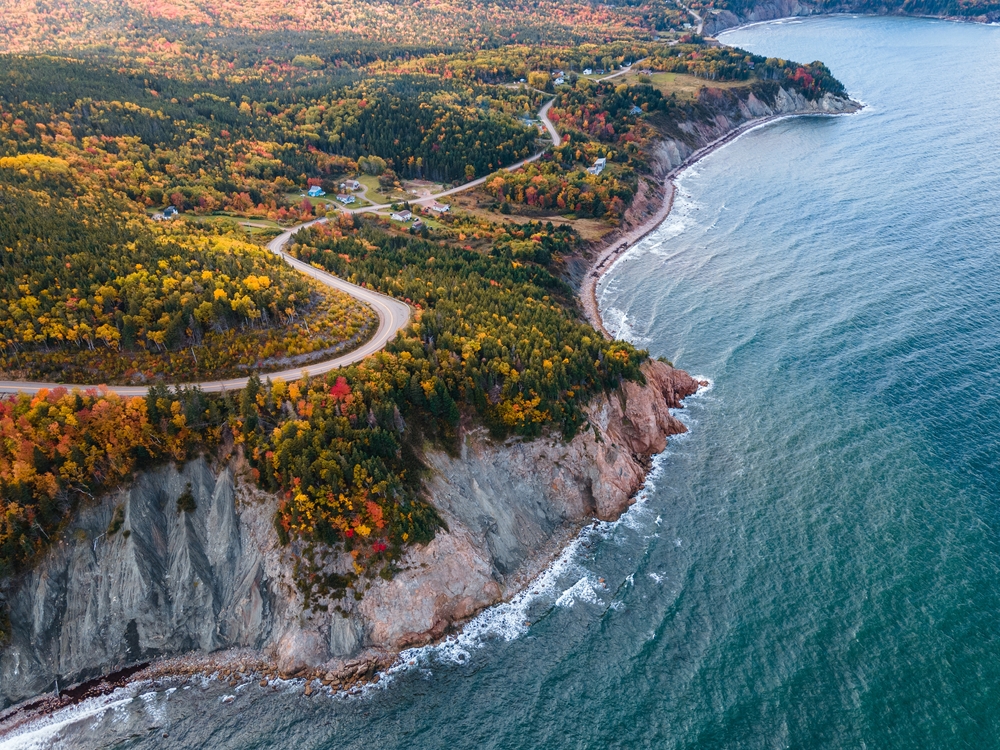
Cape Breton Highlands National Park is best known for its breathtaking combination of mountains, forests, and ocean vistas. Visitors are drawn to dramatic cliff-lined coastlines, sweeping panoramic viewpoints, and some of the most scenic driving routes in North America. The Cabot Trail winds through the park, offering spectacular views of the Gulf of St. Lawrence, Atlantic Ocean, and surrounding highlands.
Popular activities include hiking, wildlife viewing, camping, kayaking, photography, whale watching, and exploring the region’s Acadian, Gaelic, and Indigenous cultural heritage. Trails such as the famous Skyline Trail provide unforgettable opportunities to observe coastal landscapes and wildlife against the backdrop of the sea.
The geography of Cape Breton Highlands National Park is characterized by a broad plateau rising sharply from the surrounding coastline. Ancient geological processes and glacial activity shaped a landscape of steep valleys, rugged headlands, waterfalls, forests, and high-elevation barrens.
The highlands form an extension of the Appalachian Mountain system and contain elevations exceeding 1,700 feet (520 meters). Numerous rivers and streams flow through deep canyons before reaching the ocean. The park’s varied habitats include boreal forests, Acadian forests, wetlands, coastal ecosystems, and alpine-like barrens, creating one of eastern Canada’s most diverse natural environments.
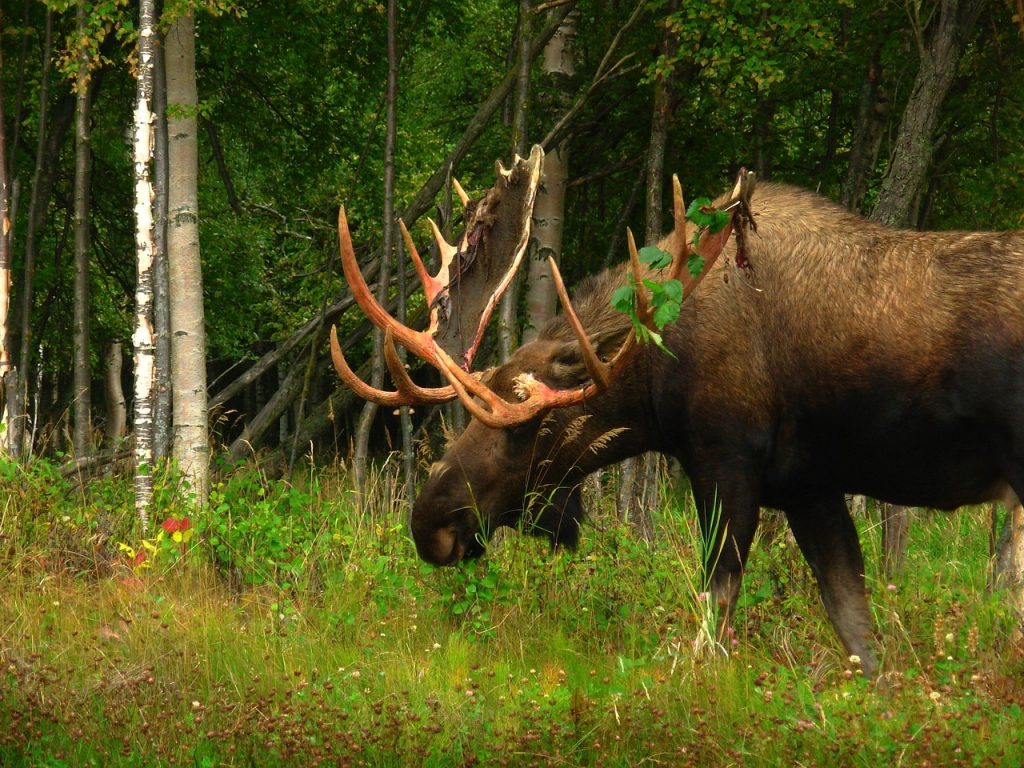
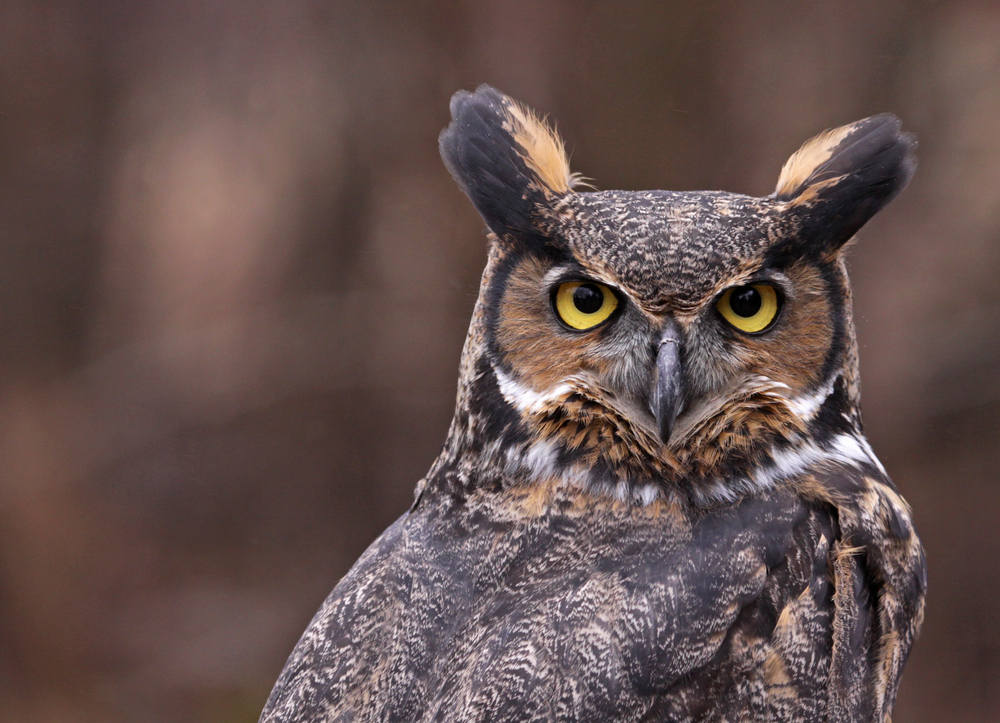
Wildlife within Cape Breton Highlands National Park is abundant and diverse. Large mammals include moose, black bears, white-tailed deer, coyotes, bobcats, and snowshoe hares. Moose are particularly iconic and are frequently observed throughout the park. Birdlife is equally impressive, with bald eagles, osprey, peregrine falcons, spruce grouse, warblers, and numerous migratory species inhabiting the forests and coastlines.
Offshore waters support marine wildlife including whales, dolphins, seals, and seabirds. During certain seasons, visitors may observe humpback whales, pilot whales, and minke whales feeding in the nutrient-rich waters surrounding the park. The combination of terrestrial and marine habitats contributes significantly to the park’s biodiversity.
Cape Breton Highlands National Park plays a vital role in conserving Atlantic Canada’s mountain, forest, and coastal ecosystems. The park protects important wildlife habitats, watersheds, and migration corridors while preserving some of the most spectacular scenery in eastern North America. Its conservation significance is often compared to Gros Morne National Park and Fundy National Park because of its dramatic landscapes and ecological importance.
However, the unique combination of rugged highlands, ocean cliffs, and rich cultural traditions gives Cape Breton Highlands a distinctive identity. Today, the park remains one of Canada’s most treasured natural destinations, preserving a landscape where mountains, forests, wildlife, and the sea come together in extraordinary harmony.