About

Gros Morne National Park is located along the coast of the western side of Newfoundland, Canada. The park covers an area of 697 square miles (1,805 sq km) making it the second-largest national park among the four east coast provinces behind Torngat Mountains National Park.

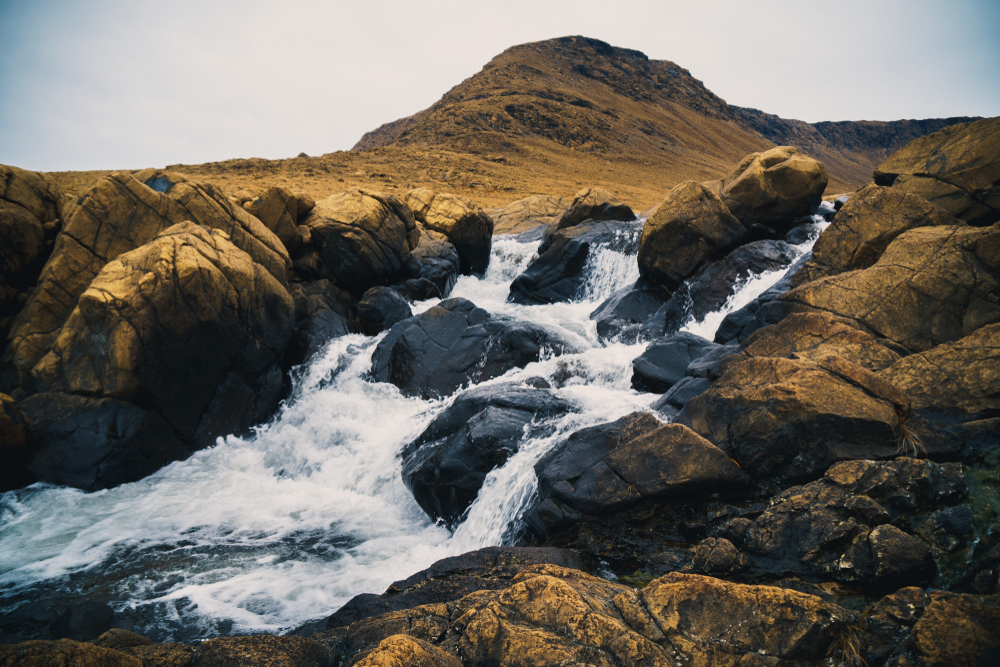
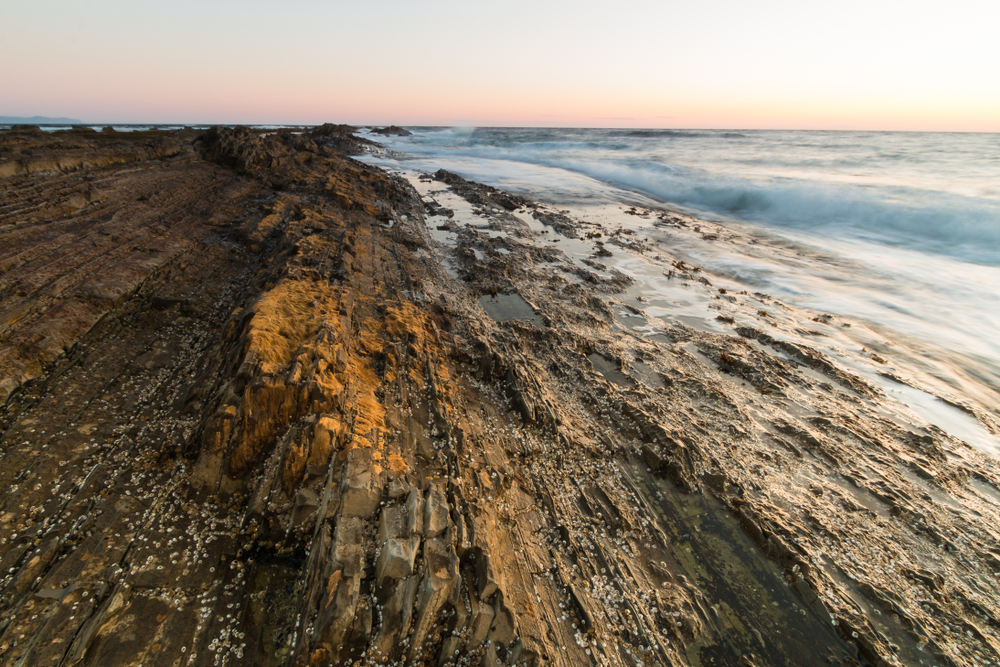
The heart of the park is comprised of the Long Range Mountains, which are a mountain range shoot off of the Appalachian Mountains. The park features striking fjords, mountains with subalpine and alpine terrain, waterfalls, forests, pristine lakes, beaches bogs, and exquisite coastlines that showcase sea stacks. It is almost like asking what doesn’t Gros Morne have?

Gros Morne National Park is a UNESCO World Heritage Site because of the unique and varied landscapes and natural facets of the region.  The various habitats also create homes for a variety of wildlife.

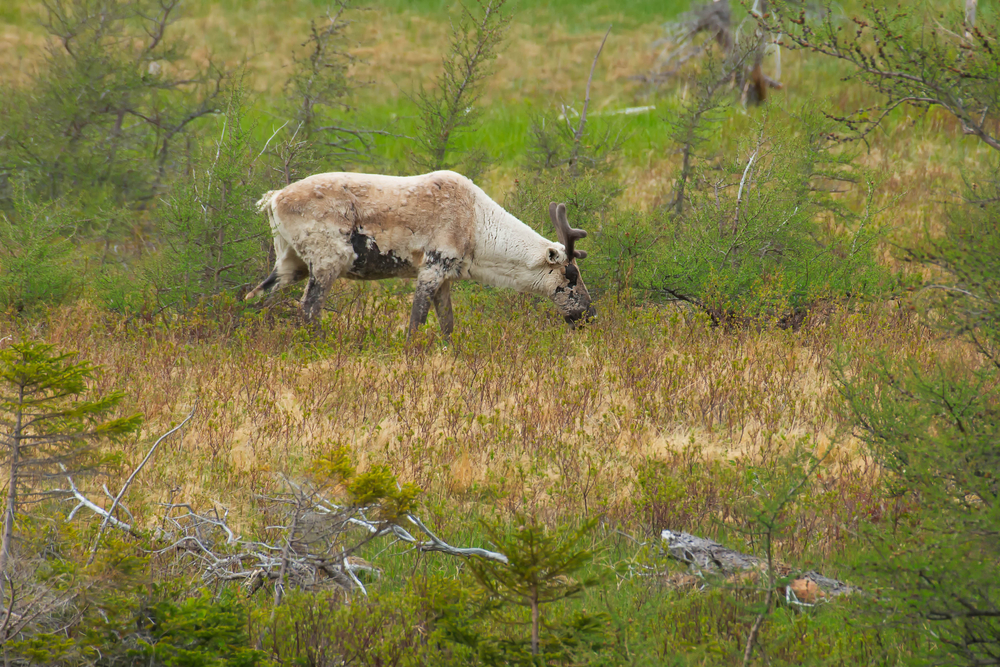
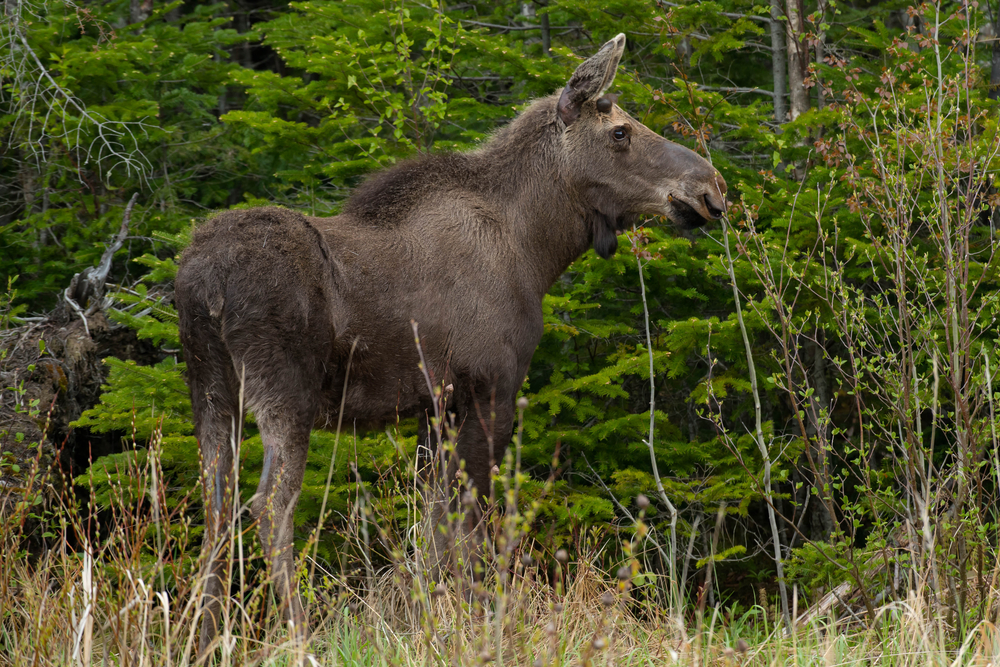
Arctic fox, black bear, red fox, and lynx are the predator species people hope to see.  Caribou are popular; however, the moose is the most renowned species in the area.  Birds are plentiful and varied based on the coastline, bogs, or woodland habitats.

Offshore and along the coastline, there is a chance to see fin whale, humpback whale, minke whale, and pilot whale as well as harbor seal. There are whale-watching tours available.

Things to See

There is something for everyone when it comes to visiting Gros Morne.  The highlights depend on your interests, but more than likely there is something you will want to celebrate.

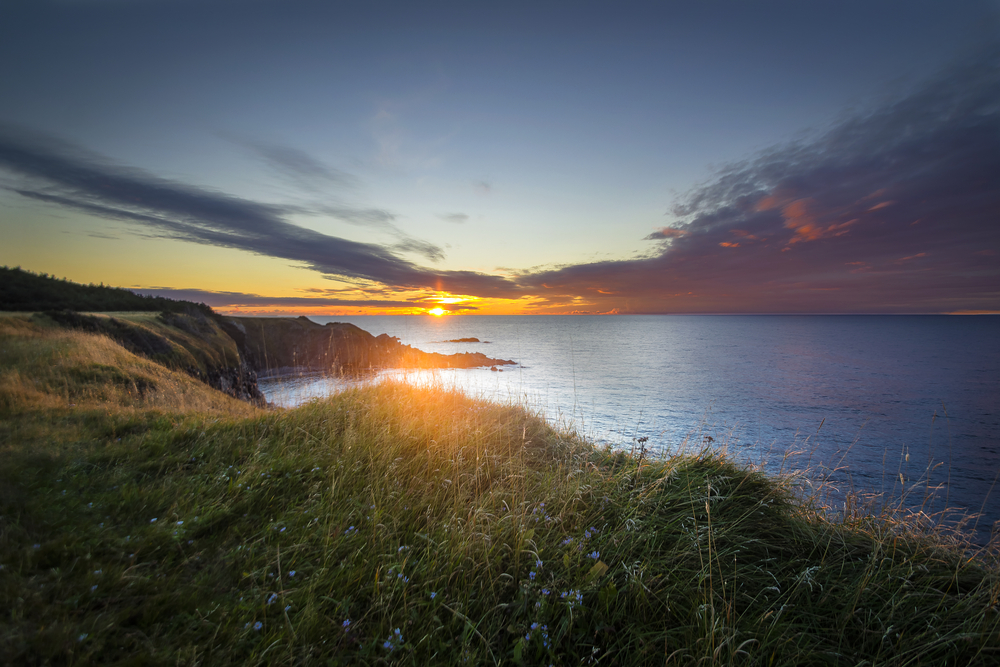
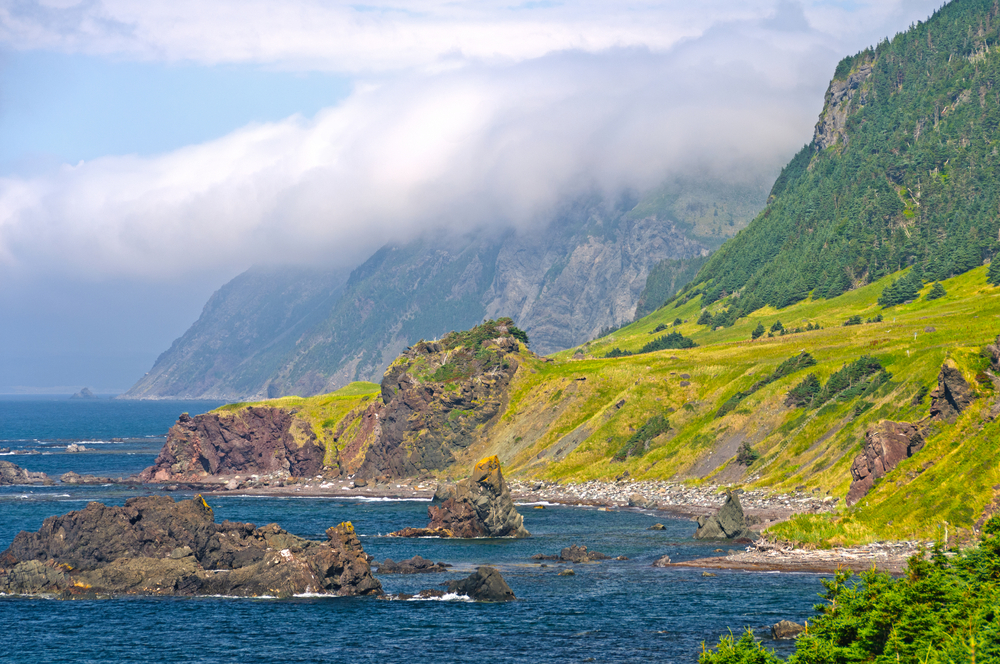
The Gros Morne mountain range features steep sides that are blanketed with vegetation because of the moist coastal air. Although not as dramatic, the coastline with Gros Morne resembles the Napali Coast in Hawaii.

Gros Morne

Gros Morne is the second tallest peak in the park; however, it does serve as the namesake of the park.  The peak reaches a summit of 2,644 feet (806 m).

It is a fairly impressive mountain and often inspires people to engage the trail over the mountain. The panoramic views offered from atop Gros Morne are another reason to make the ascent.

Western Brook Pond

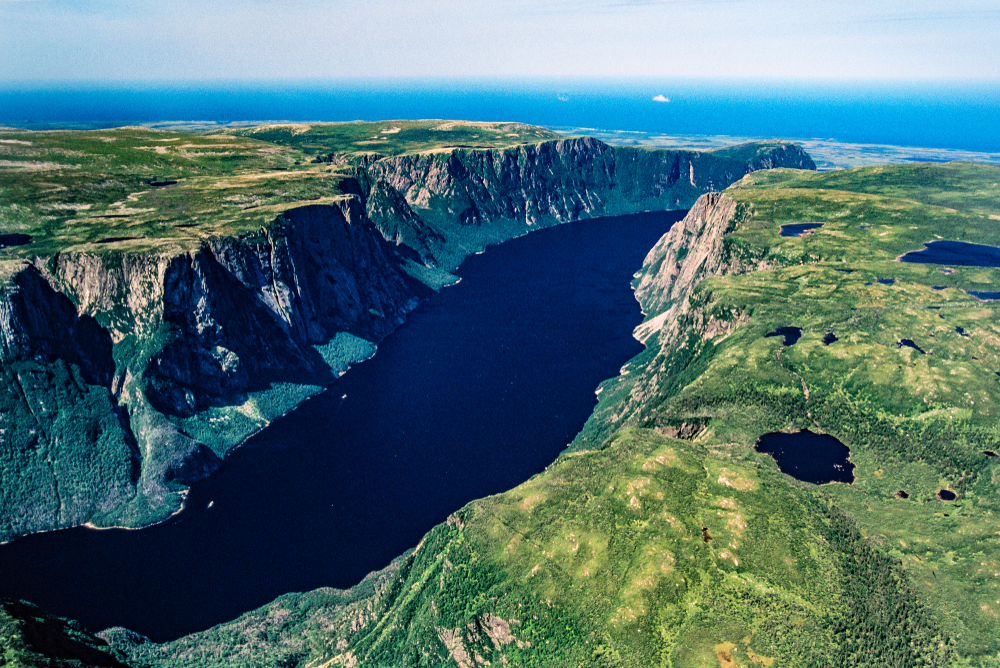
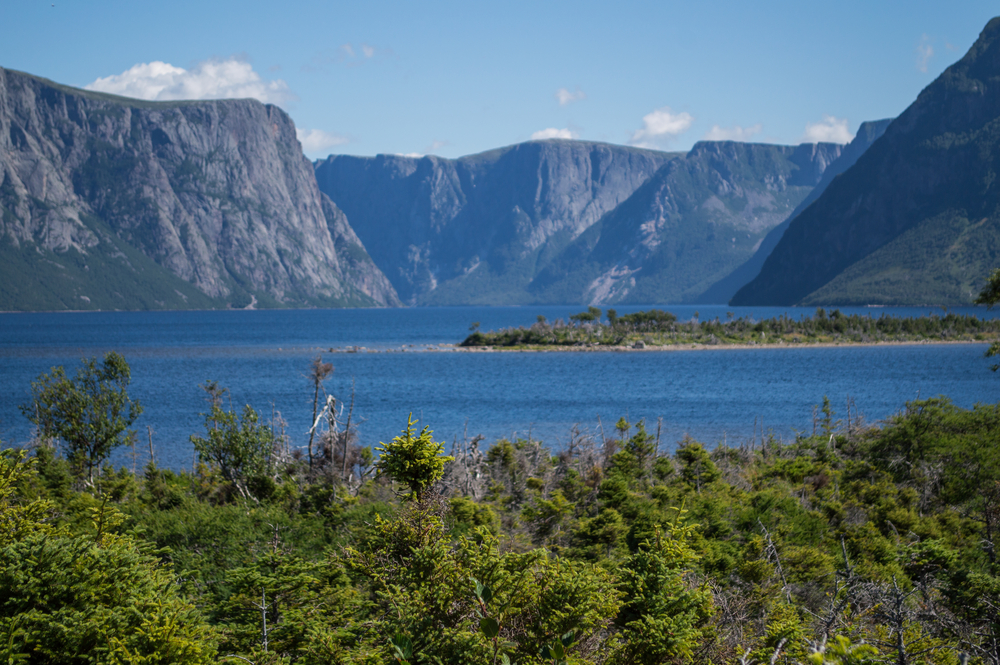
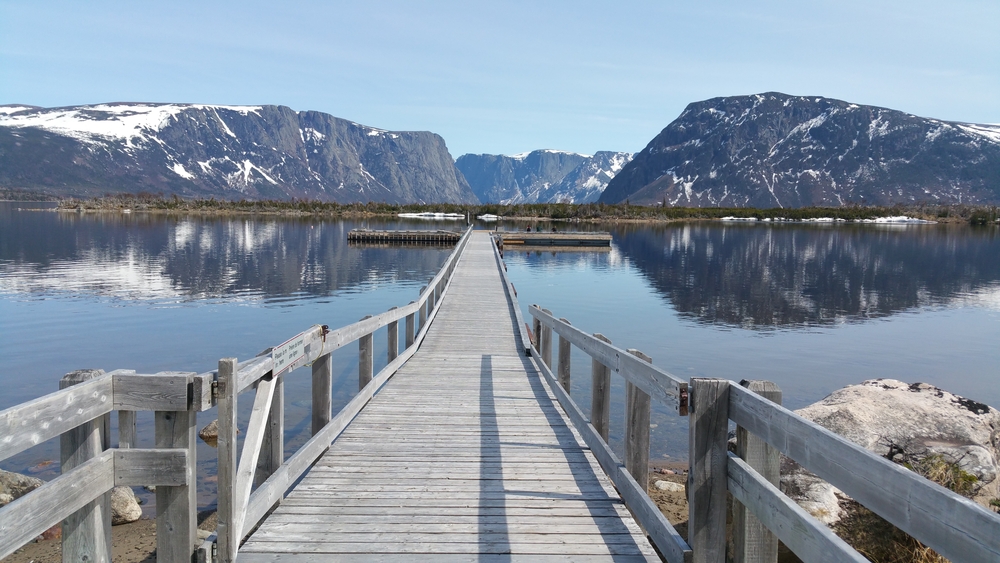
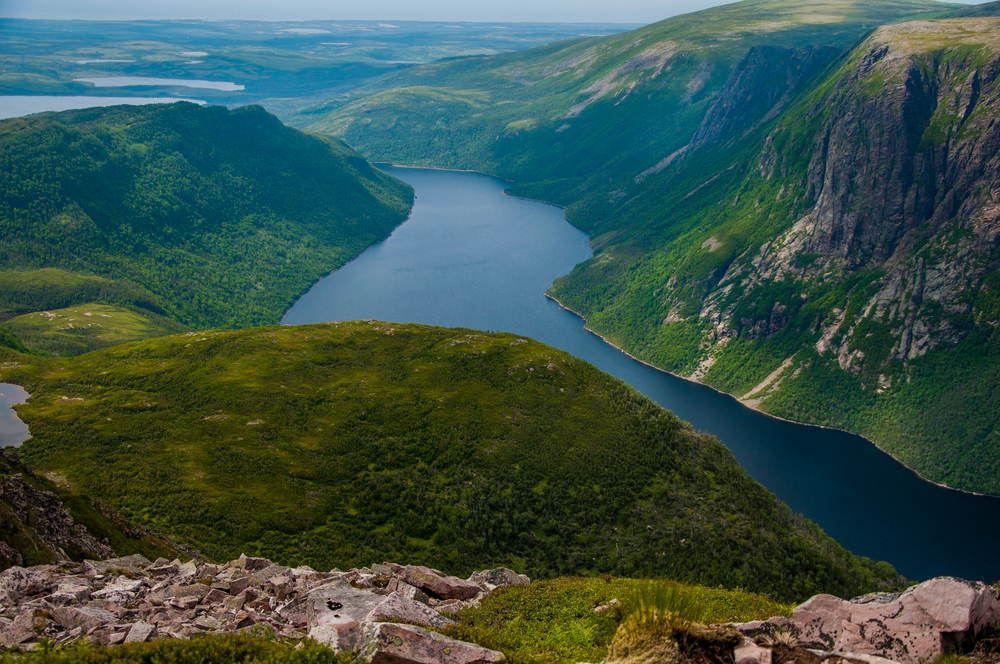
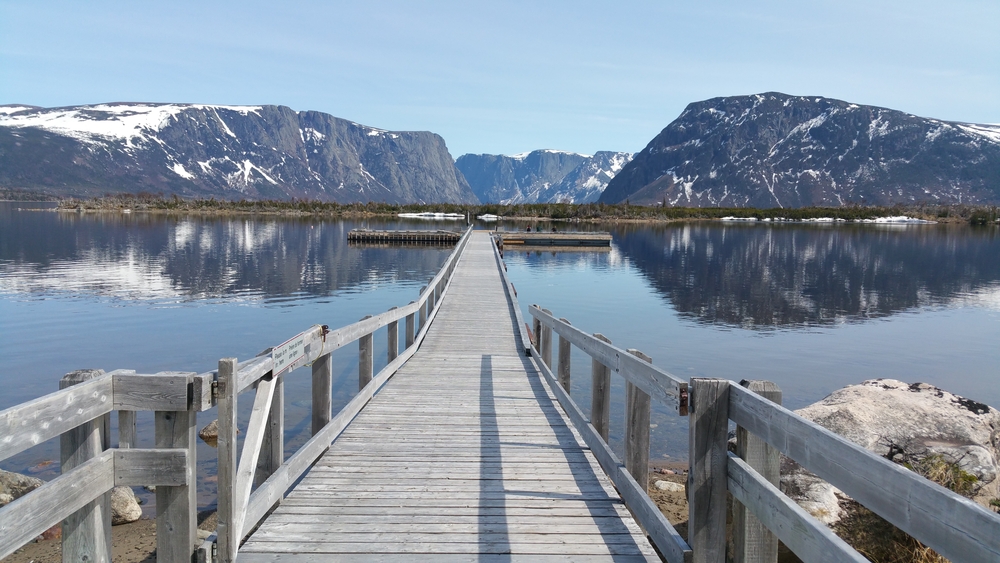
Western Brook Pond is actually a freshwater pond that was originally a fjord created by glaciers in the past.  The glaciers eroded the land and gave access to the sea.  However, the land we respond later rising back up and cutting off access to the see creating the pond.

The onetime fjord is now a freshwater pond.  Pissing Mare Falls is the tallest waterfall on the eastern side of North America with the water flowing into the pond.

The water of the pond is pristine and fetches the highest purity rating for any natural body of water.

Popular

Popular

Gros Morne National Park, a UNESCO World Heritage Site in Newfoundland and Labrador, Canada, captivates visitors with its dramatic landscapes and diverse wildlife, showcasing species adapted to life in its unique environments, from coastal shores to forested valleys and rugged mountains.

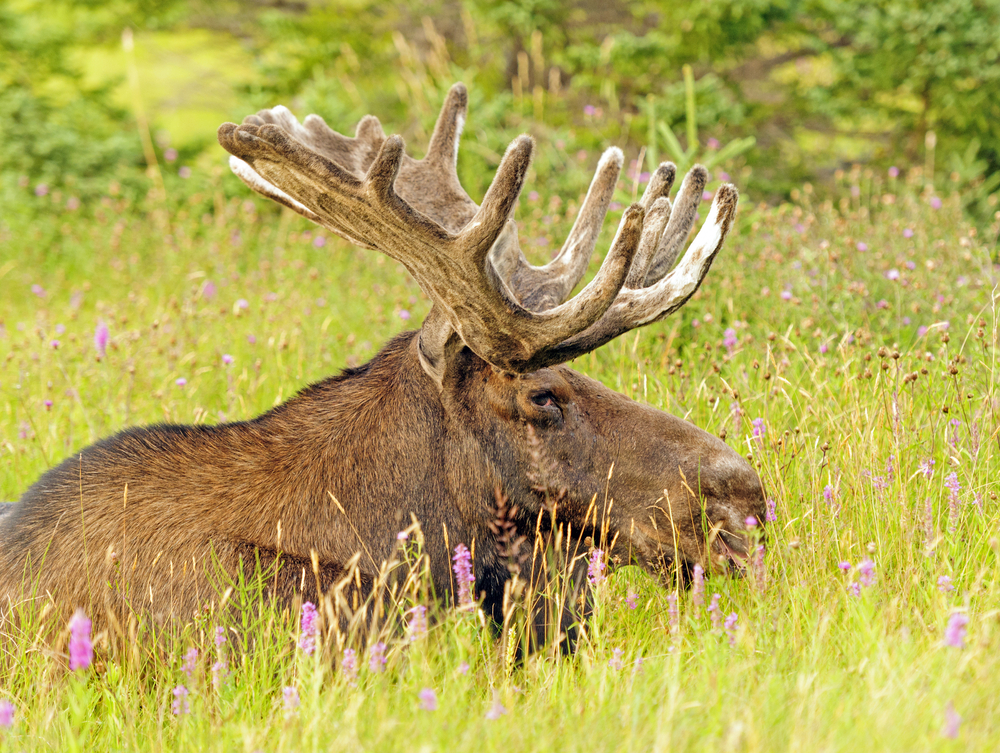
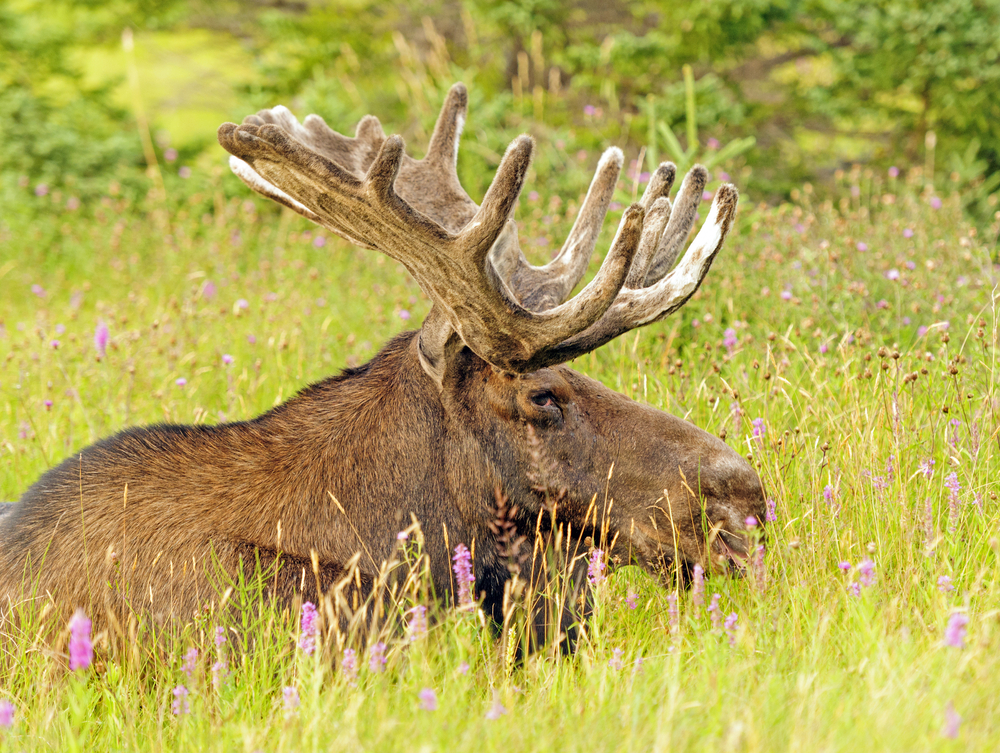
Moose – Introduced to Newfoundland in the early 20th century, Moose are now commonly seen throughout Gros Morne, browsing the park’s forests and wetlands.

Caribou – The park provides a refuge for the threatened Woodland Caribou, majestic animals that roam its barrens and wooded areas, a vital part of the local ecosystem.

Black Bear – Solitary and omnivorous, Black Bears inhabit the park’s dense forests, foraging for berries, nuts, and occasionally seen by visitors on the trails.

Arctic Hare – Well adapted to the harsh climate, Arctic Hares, with their white winter coats, are spotted in the park’s more barren, rocky areas, especially in winter.

Red Fox – Cunning and adaptable, Red Foxes are a colorful sight within the park, easily identified by their reddish fur and bushy tails, active at dusk and dawn.

Snowshoe Hare – Known for their large feet and seasonal color change, Snowshoe Hares are a common sight, blending into the park’s snowy landscapes in winter.

Minke Whale – Visitors to the coastal areas of Gros Morne may spot Minke Whales, the smallest of the baleen whales, feeding in the rich waters off the coast.

Atlantic Puffin – Though more commonly seen on the islands off Newfoundland, Atlantic Puffins can sometimes be spotted from Gros Morne’s coastal cliffs during breeding season.

Bald Eagle – A symbol of power and freedom, Bald Eagles are often seen soaring above Gros Morne’s dramatic landscapes, a breathtaking sight for park visitors.

River Otter – Playful and aquatic, River Otters are seen in the park’s freshwater systems, their sleek bodies adapted perfectly for a life of swimming and diving.

The wildlife of Gros Morne National Park, from the stately Moose to the playful River Otter, offers visitors a glimpse into the rich tapestry of life that thrives in one of Canada’s most stunning natural settings.

Things To Do

Engaging Gros Morne

Hiking

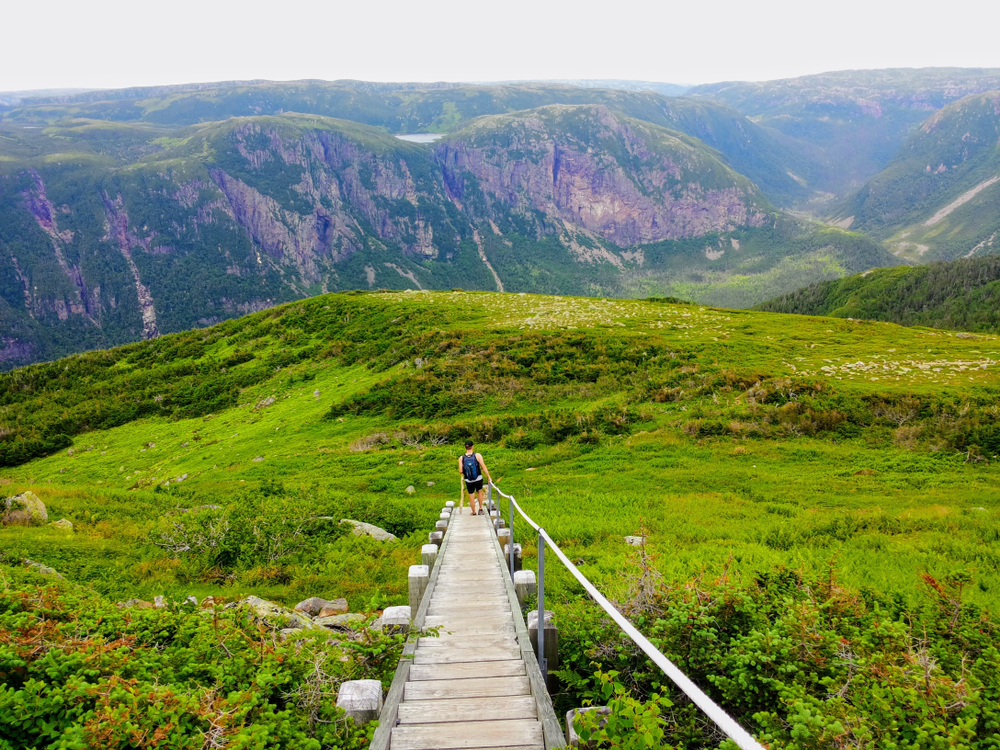
Gros Morne National Park offers an extensive network of hiking trails that cater to all skill levels. Explore the dramatic landscapes of the Tablelands, traverse lush forests, and summit towering peaks for breathtaking panoramic views.

Highlights include the Gros Morne Mountain Trail, a challenging ascent to the park’s second-highest peak, and the scenic Green Gardens Trail, which leads to picturesque coastal cliffs and sea caves. Whether you’re seeking a leisurely stroll or an adrenaline-pumping adventure, hiking is the perfect way to immerse yourself in the park’s stunning natural beauty.

Scenic Drives

Explore Gros Morne National Park’s stunning landscapes from the comfort of your car on one of its scenic drives. Take the Western Brook Pond Boat Tour offers a guided boat excursion through the park’s spectacular freshwater fjord, surrounded by towering cliffs and cascading waterfalls.

Alternatively, drive along the coastal Route 430, known as the Viking Trail, which offers breathtaking views of the park’s rugged coastline, picturesque fishing villages, and ancient geological formations. Scenic drives provide a convenient way to experience Gros Morne’s natural beauty and diverse landscapes at your own pace.

Boat Tours

Embark on a boat tour of Gros Morne’s stunning fjords and coastline for a unique perspective of the park’s rugged landscapes. Cruise past towering cliffs, cascading waterfalls, and ancient rock formations as knowledgeable guides provide insights into the area’s geology, wildlife, and cultural history.

Keep an eye out for marine wildlife such as whales, dolphins, and seabirds, which frequent these rich waters. Boat tours offer a relaxing and informative way to experience Gros Morne’s breathtaking scenery while learning about the region’s natural and cultural heritage.

Gros Morne National Park Trails

Gros Morne is one of the perfect locations and backdrops for hiking and exploring the wilderness.  There are all different types of habitat to hike as well as trail levels from easy to difficult.  You will probably be left asking after hiking a trail, “Which one next?”

placeholder

Gros Morne Mount Trail

This is a strenuous 9.9-mile (16 km) hike, also known as the James Callaghan Trail, over the Gros Morne Mountain. People hike the trail for the adventure and challenge as well as the views that are offered along the way.

placeholder

Trout River Pond Trail

This is an 8.6-mile (14 km) that meanders through forest and along the pond out to an exquisite part of the Tablelands. There is a chance to see wildlife, so keep your eyes alert.

placeholder

Green Gardens Trail

This is a 5.59-mile (9 km) hike along the astounding coastline with views of sea stacks, rugged cliff coastline, and flowering meadows. This is one of the most popular trails in the park which also features a sea cave and waterfall.

placeholder

Lookout Hills Trail

This is a 3.5-mile (5 km) trek to one of the most panoramic lookouts available in the area.  The trail meanders through the forest before reaching a highland plateau.  The plateau lookout provides views of Bonne Bay, Gros Morne Mountain, and the Tablelands. This is another popular trail with magnificent scenery and landscapes.

placeholder

Stuckless Pond Trail

This is a (9.5 km) trail that meanders through the forest and over the Lomond River bridge.  Many people enjoy this trail in the fall when it displays striking colors across the forest canopy.

placeholder

Gros Morne Mountain Trail

Rating: Difficult

Distance and Elevation Gain: 10 miles (16 km) round trip with about 2,500 feet (762 meters) elevation gain

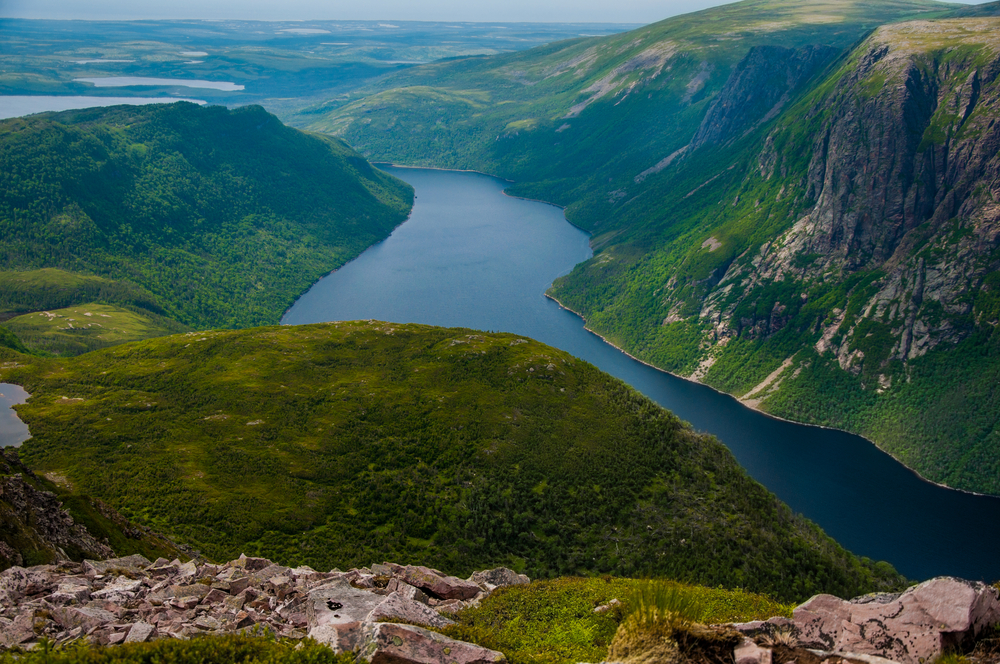
Description: This challenging hike leads to the top of Gros Morne Mountain, the park’s second-highest peak, offering unparalleled views of the surrounding landscape. The trail includes a steep ascent up a rocky gully. Hikers are rewarded with panoramic views of Ten Mile Pond fjord and the alpine plateau. It’s a must-do for experienced hikers seeking adventure.

placeholder

Western Brook Pond Trail

Rating: Easy

Distance and Elevation Gain: 6 miles (9.6 km) round trip with minimal elevation gain

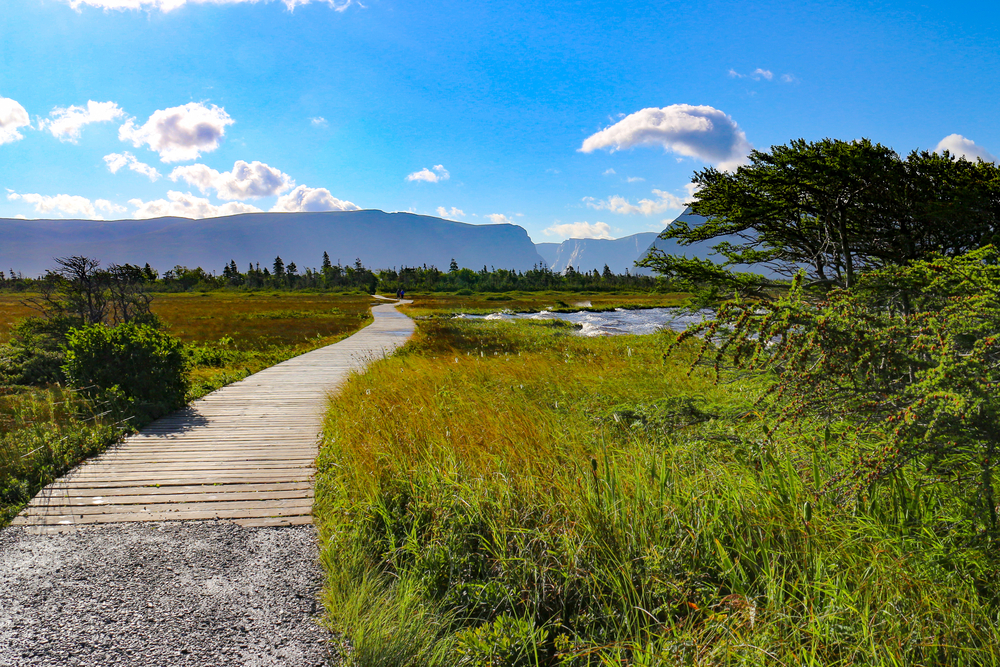
Description: This easy, flat trail leads to a boat tour on Western Brook Pond, a landlocked fjord with towering cliffs and waterfalls. The trail itself offers stunning views of the pond and the Long Range Mountains. It’s an accessible hike for all ages and skill levels, providing a glimpse into the park’s glacial history.

placeholder

Tablelands Trail

Rating: Easy

Distance and Elevation Gain: 2.8 miles (4.5 km) round trip with minimal elevation gain

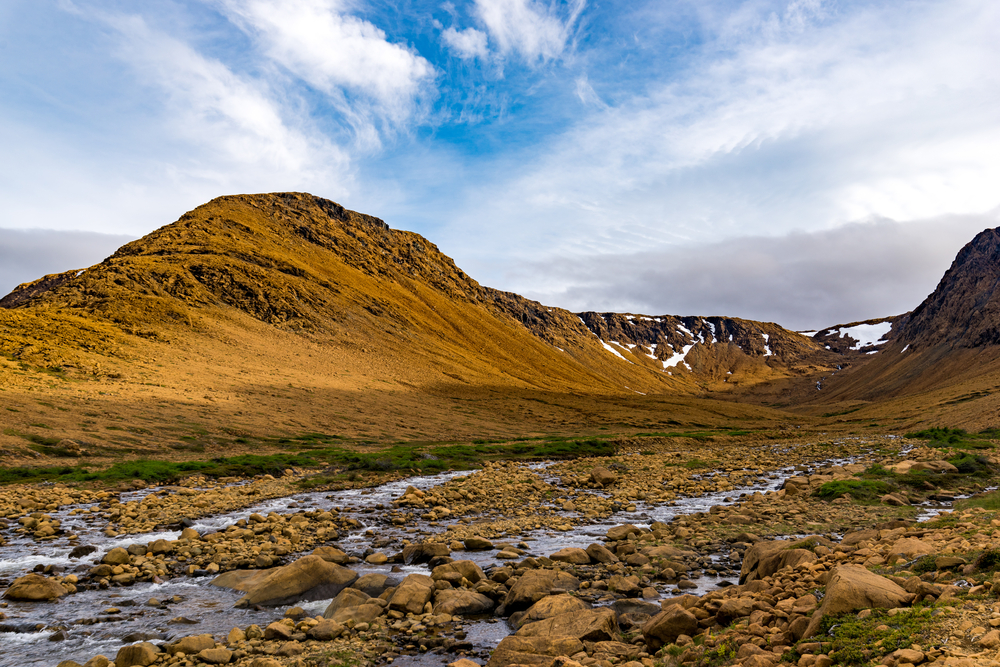
Description: Walk on the Earth’s mantle at the Tablelands, a unique geological wonder of exposed peridotite rock that usually lies deep beneath the Earth’s crust.

This easy trail offers interpretive panels explaining the area’s geology. The barren, orange landscape is strikingly different from the rest of the park, offering a lunar-like hiking experience.

placeholder

Lookout Trail

Rating: Moderate

Distance and Elevation Gain: 3 miles (5 km) round trip with about 1,200 feet (366 meters) elevation gain

Description: The Lookout Trail provides one of the best views in Gros Morne National Park, offering a panoramic vista of Bonne Bay, the Tablelands, and Gros Morne Mountain.

The trail is steep in sections but well-maintained, leading to a lookout platform at the top. It’s especially beautiful at sunset when the landscape is bathed in golden light.

FAQ’s

What is Gros Morne National Park known for?

Gros Morne National Park, located in Newfoundland and Labrador, Canada, is renowned for its stunning natural beauty and unique geological features.

It is designated as a UNESCO World Heritage Site due to its exceptional examples of plate tectonics and glaciation. The park is characterized by towering cliffs, fjords, rugged coastline, and ancient mountains.

One of its most iconic features is the Tablelands, a striking landscape of exposed mantle rock that resembles the surface of Mars.

Gros Morne is also known for its diverse ecosystems, including boreal forests, tundra, and freshwater fjords, which support a wide variety of wildlife, including moose, black bears, and rare bird species.

Additionally, the park offers excellent hiking opportunities, with trails ranging from easy strolls to challenging treks, allowing visitors to explore its breathtaking scenery up close.

Sources