

About
Kaboré Tambi National Park (French: Parc National Kaboré Tambi), formerly known as Pô National Park, is located in southern Burkina Faso along the border with Ghana. Established in 1976 and renamed in honor of former President Thomas Sankara’s close associate Kaboré Tambi, the park covers approximately 600 square miles (1,550 sq km).
It is the largest national park in Burkina Faso and occupies an important position within the Volta River Basin. The park lies south of the capital city of Ouagadougou and serves as one of the country’s most significant protected areas for wildlife and ecosystem conservation.
The park is best known for its expansive savanna landscapes and its role as a refuge for some of West Africa’s remaining large wildlife populations. Although less famous internationally than parks within the W-Arly-Pendjari Complex, Kaboré Tambi offers visitors an opportunity to experience authentic West African wilderness.
The park’s open grasslands, wooded savannas, and riverine habitats provide excellent opportunities for wildlife observation, birdwatching, and ecological exploration. Its relatively remote setting contributes to a sense of solitude and natural beauty that appeals to conservationists and adventurous travelers alike.
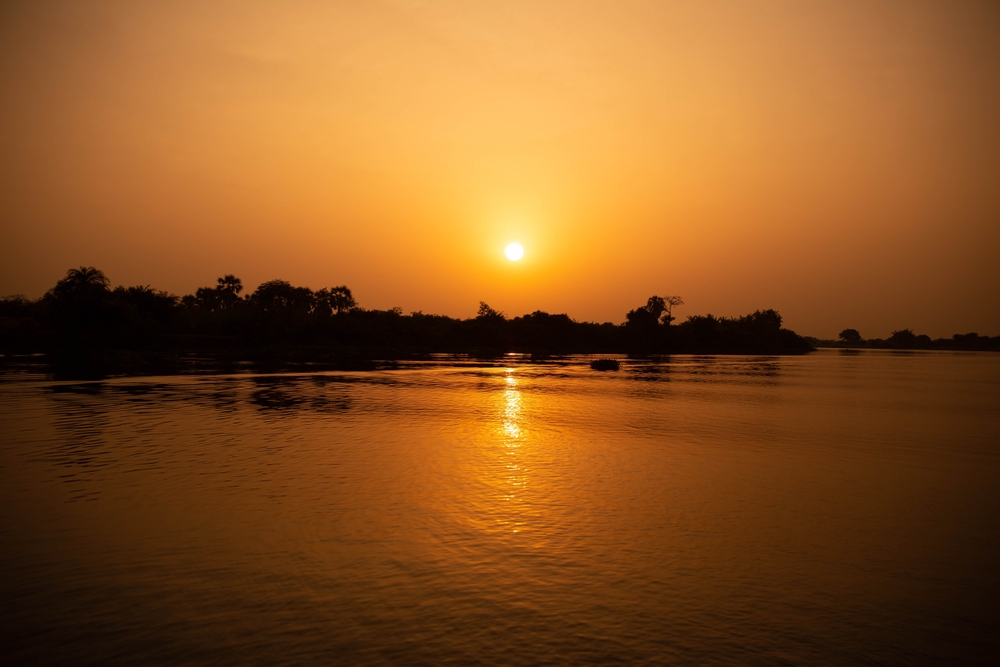
Geographically, Kaboré Tambi National Park is characterized by gently rolling plains, wooded savannas, gallery forests, and seasonal wetlands. The Nazinon River, also known as the White Volta, flows through the park and serves as a vital water source for wildlife.
During the rainy season, the landscape becomes lush and green, while the dry season transforms much of the park into golden grasslands punctuated by acacia trees and scattered woodlands. Gallery forests lining rivers and streams provide important habitat diversity and help sustain wildlife throughout the year. These varied ecosystems support a rich array of plant and animal species adapted to the region’s tropical savanna climate.
Wildlife remains one of the park’s greatest conservation assets. Mammals found within Kaboré Tambi include African elephants, buffalo, warthogs, bushbuck, waterbuck, kob, and several smaller antelope species. Primates such as baboons and patas monkeys are also present. Predators including leopards, spotted hyenas, and smaller carnivores inhabit the park, though they are rarely observed.
Birdlife is particularly impressive, with hundreds of species recorded. Eagles, hornbills, kingfishers, bee-eaters, storks, herons, and numerous migratory birds thrive in the park’s savannas and wetlands. Reptiles and amphibians are also abundant, especially near rivers and seasonal water bodies.
Kaboré Tambi National Park plays a crucial role in preserving one of Burkina Faso’s largest remaining natural ecosystems. The park protects wildlife habitats, safeguards important watersheds, and provides ecological connectivity between protected areas in Burkina Faso and neighboring Ghana. Its conservation mission is increasingly important as human development and land conversion place growing pressure on West Africa’s natural landscapes.
Ecologically, the park shares similarities with protected savanna reserves such as Mole National Park and Niokolo-Koba National Park, where large mammals and diverse birdlife persist within expansive savanna ecosystems. Through its wildlife, river systems, and extensive grasslands, Kaboré Tambi National Park remains one of Burkina Faso’s most valuable conservation areas and a vital sanctuary for West African biodiversity.
Things to See
Things To Do
Engaging Kaboré Tambi National Park
