

About
Located in northern Ghana, Mole National Park is the country’s largest and most celebrated protected area. The park covers approximately 1,876 square miles (4,857 sq km) across rolling savannah landscapes and forested river valleys. Mole National Park lies within Ghana’s Savannah Region near the town of Damongo.
It is one of the most important wildlife destinations in West Africa. The park also forms part of a broader conservation landscape that connects with other protected ecosystems across northern Ghana and neighboring countries. Visitors often combine Mole National Park with cultural visits to communities and historic sites throughout northern Ghana.
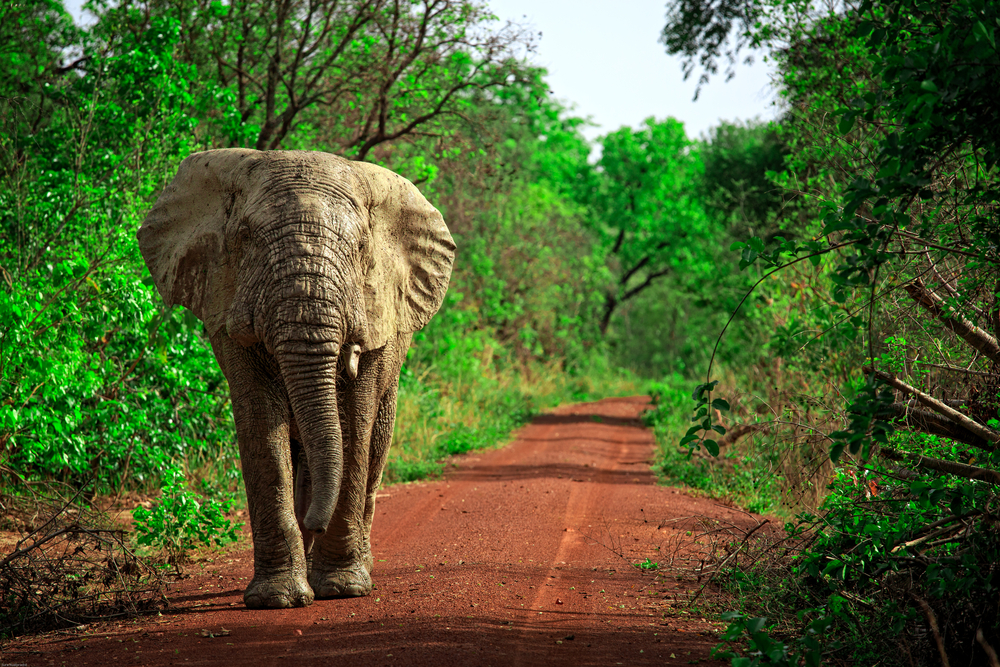
Mole National Park is best known for its free-ranging African elephants and its remarkable safari experiences that often take place on foot. Unlike many parks across Africa where wildlife viewing happens mainly by vehicle, Mole offers guided walking safaris led by armed rangers. This creates a far more intimate experience with nature. Watching elephants feeding near watering holes while standing quietly at ground level is one of the park’s defining experiences.
The park is also known for its peaceful atmosphere and lower visitor numbers compared to larger East African safari destinations. Travelers seeking a quieter and more personal safari often find Mole especially rewarding. The elevated Mole Motel viewpoint overlooking a busy waterhole is another iconic attraction where visitors frequently observe wildlife gathering throughout the day.
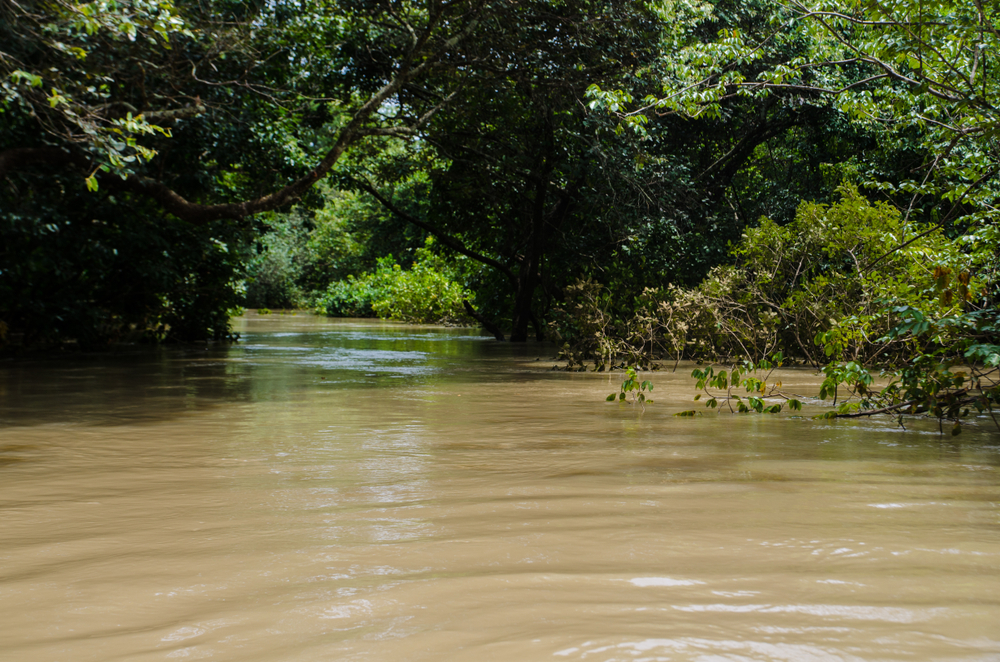
The geography of Mole National Park is shaped by broad savannah plains, escarpments, woodland forests, and seasonal rivers. Much of the park consists of Guinea savannah vegetation with tall grasses, scattered acacia trees, shea trees, and dense riparian forests lining streams and watercourses.
During the dry season, wildlife concentrates near permanent water sources, creating excellent viewing opportunities. The terrain includes gentle hills and dramatic viewpoints that overlook green valleys below. Seasonal changes strongly influence the landscape. The rainy season transforms the park into a lush green environment filled with migratory birds and flowering vegetation, while the dry season reveals golden grasslands and more concentrated wildlife activity.
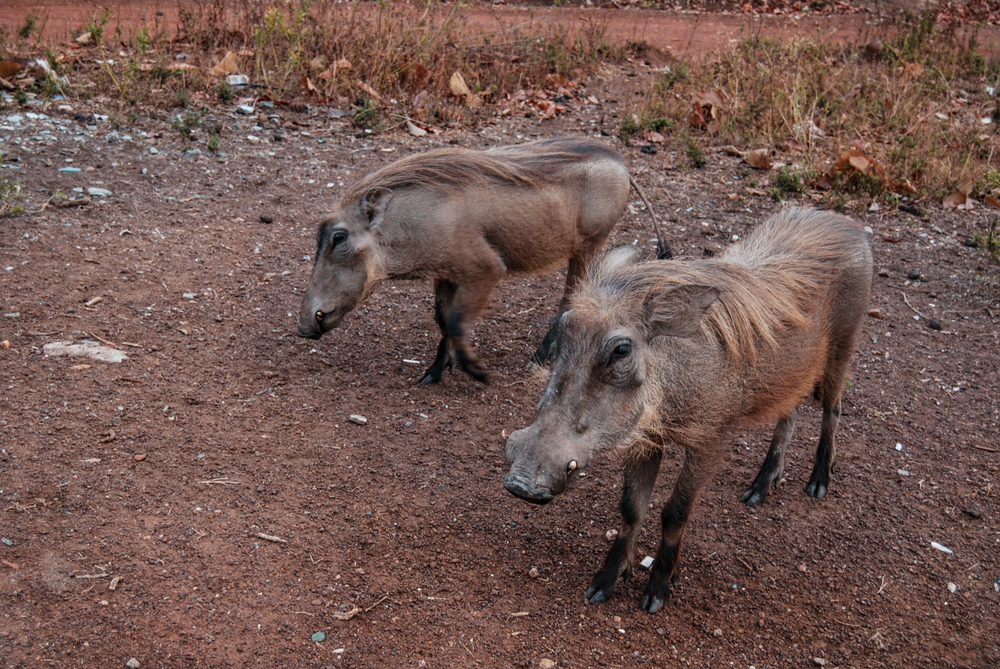
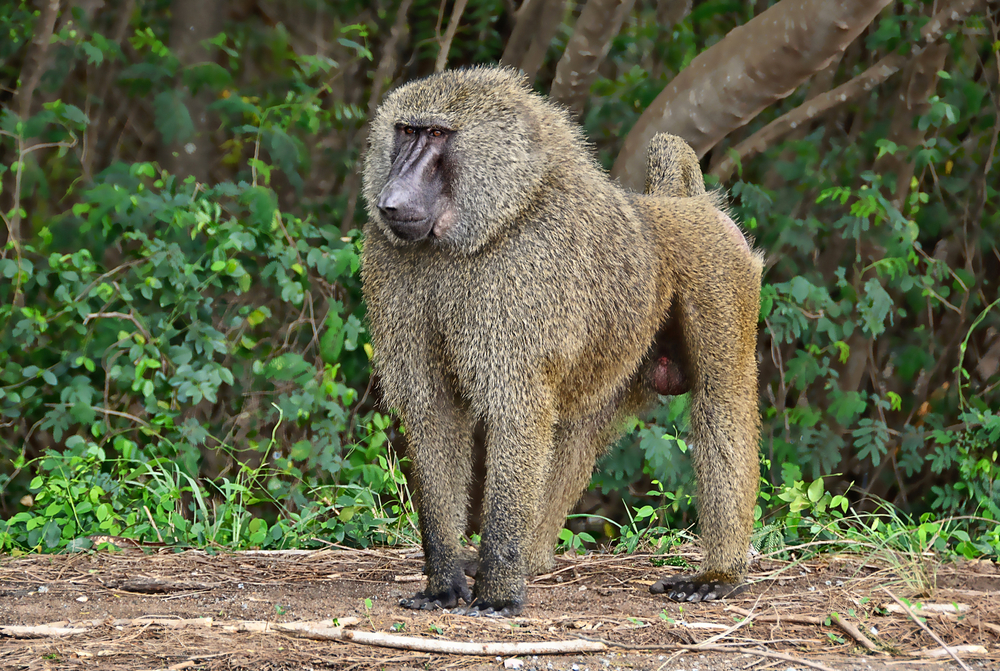
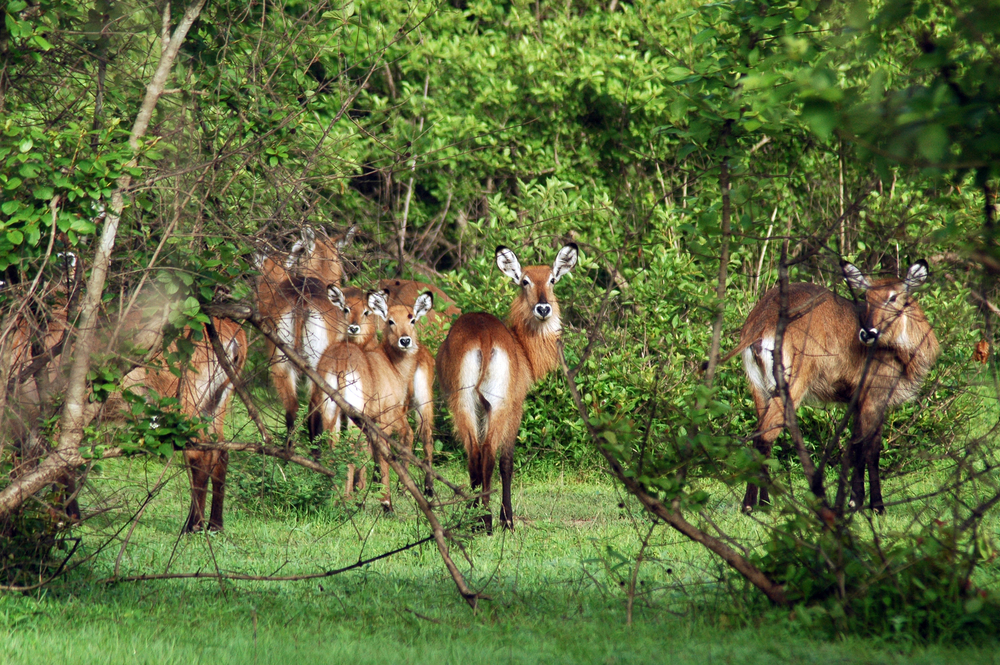
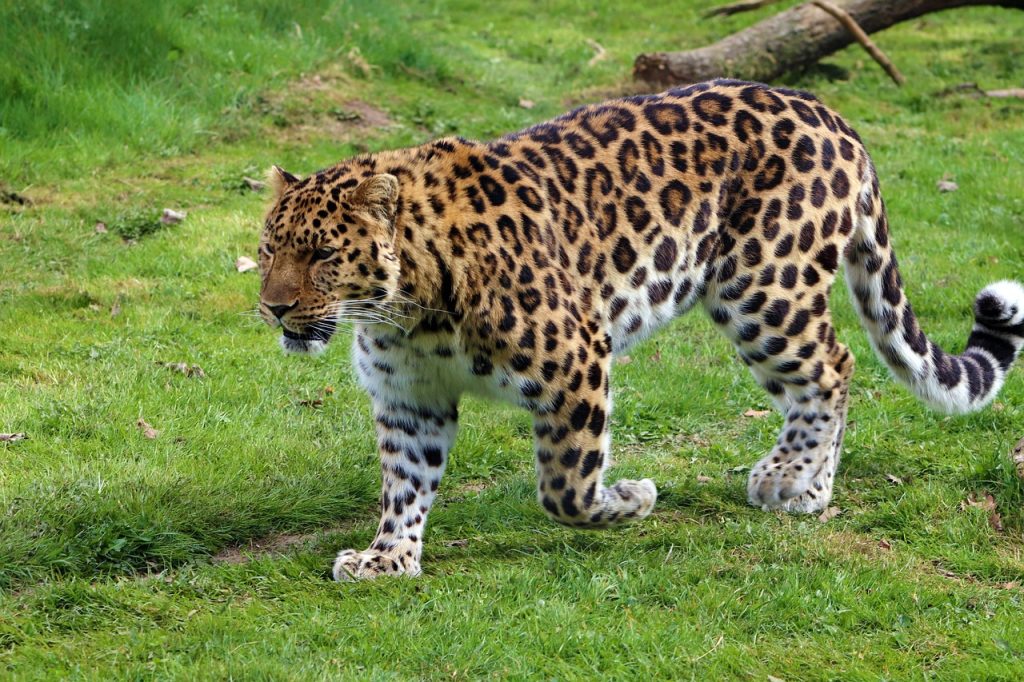
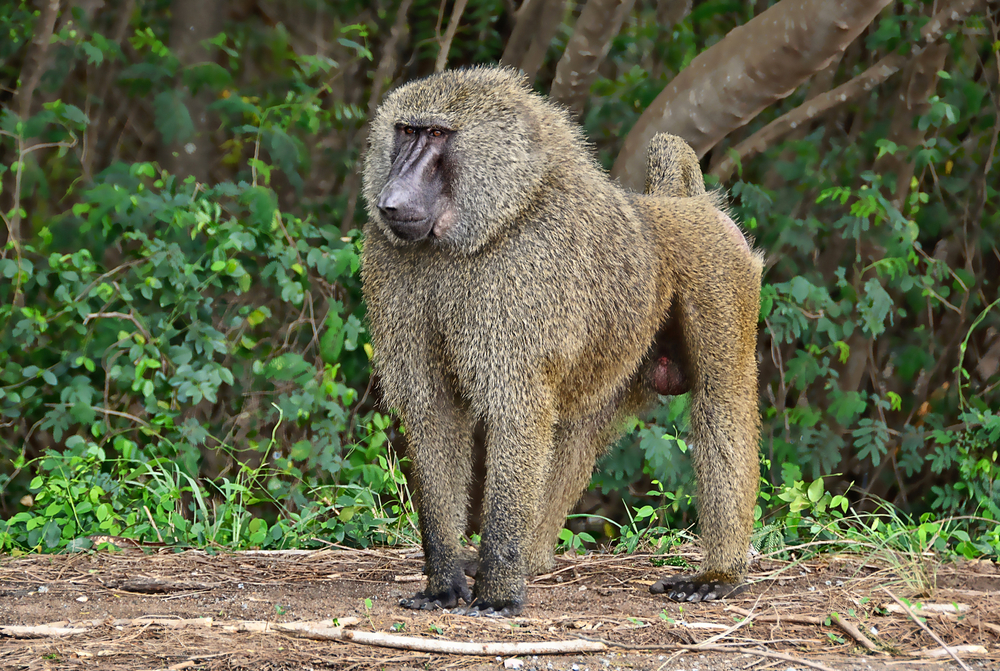
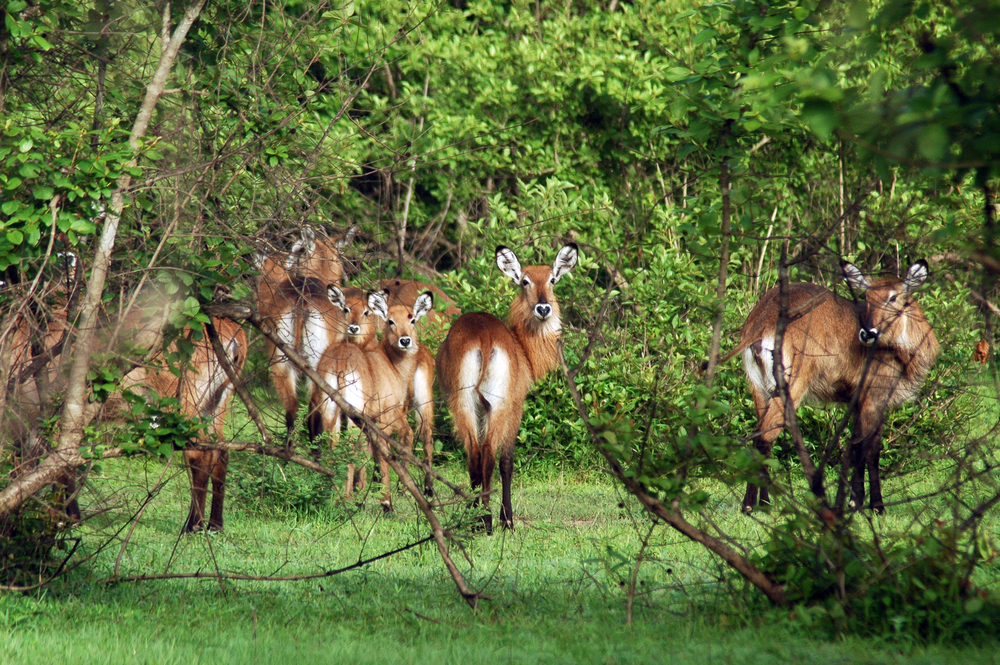
The park supports an impressive diversity of wildlife despite its location outside the more famous safari circuits of East and Southern Africa. African elephants are the park’s signature species and are commonly seen near lodges and waterholes. Other large mammals include buffalo, kob, waterbuck, hartebeest, bushbuck, warthog, and several monkey species such as baboons and patas monkeys. Leopards inhabit the park but are rarely seen due to their elusive nature.
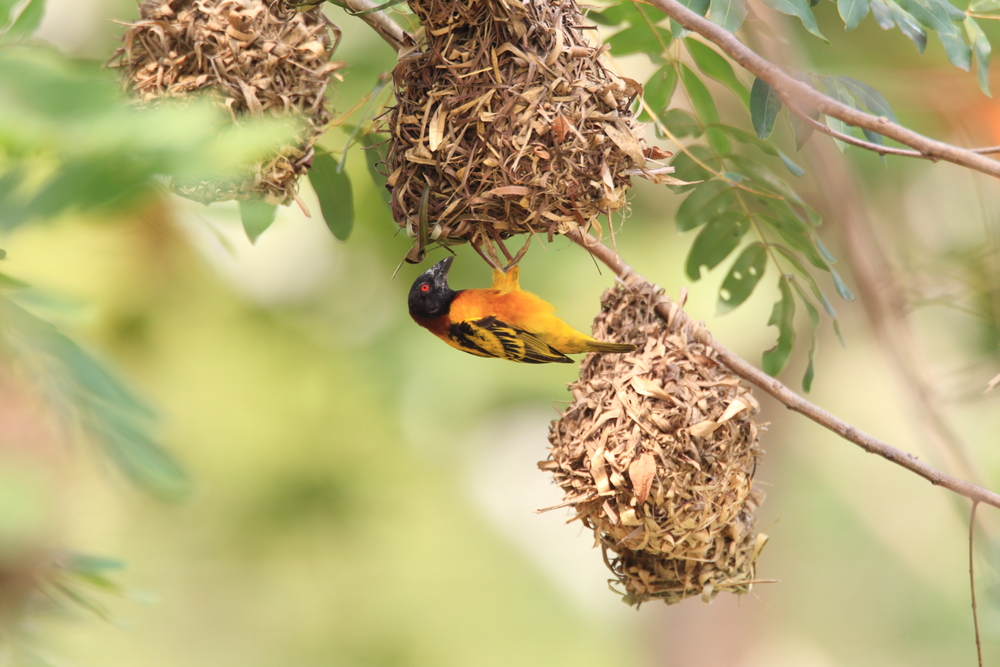
Mole National Park is also a paradise for birdwatchers. More than 300 bird species have been recorded here, including saddle-billed storks, martial eagles, kingfishers, hornbills, and herons. The combination of savannah and wetland habitats creates exceptional bird diversity throughout the year.
Mole National Park plays a critical role in protecting West African savannah ecosystems that have declined significantly across the region. The park safeguards important elephant populations and provides refuge for species threatened by habitat loss, poaching, and agricultural expansion. Compared to famous elephant parks such as Chobe National Park or Kruger National Park, Mole offers a more intimate and less commercialized wilderness experience.
Its importance extends beyond tourism because it preserves one of the largest remaining natural habitats in Ghana. Mole National Park stands as a powerful example of conservation in West Africa while offering visitors a rare opportunity to experience authentic African wilderness in a peaceful and deeply personal way.
Photos

Things to See
Things To Do
You are invited to get out and explore the national park and see the wildlife that calls this region home. There are a couple of ways for you to see animals.


Mole National Park Trails
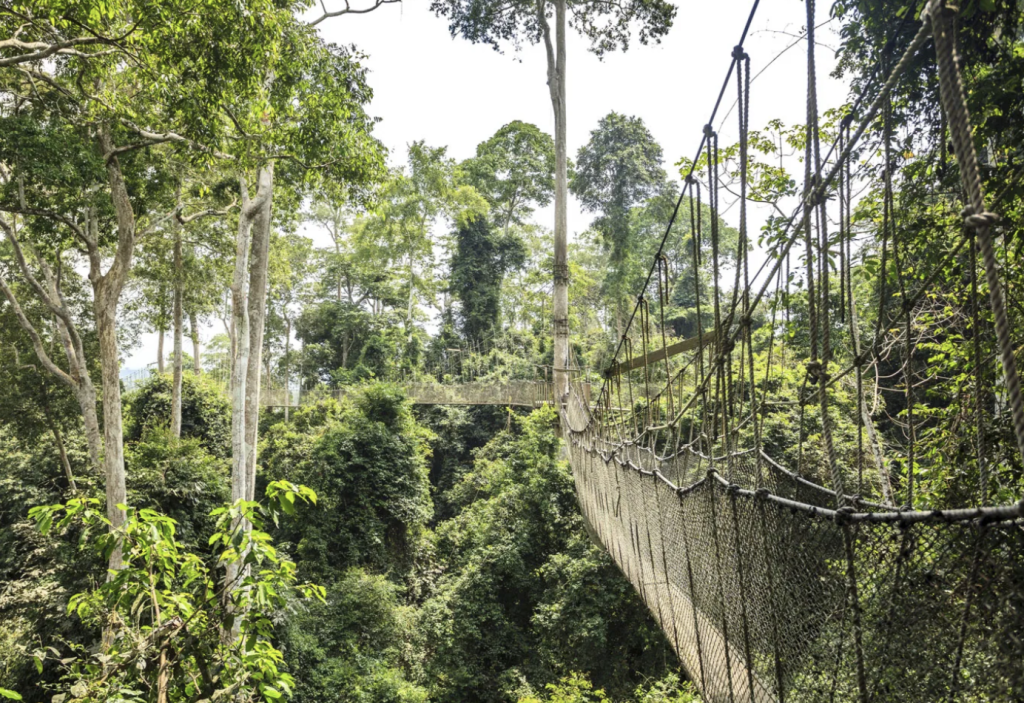
Mole National Park is a wildlife reserve and not traditionally seen as a place to hike. The majority of activities are through safari. The good news is, the national park does provide opportunities for walking safaris which gives you a chance to explore on foot while trying to witness the splendor of the wildlife the park offers.
Park Protection
Mole National Park was created to protect the largest remaining expanse of Guinea savanna woodland in Ghana, preserving its grasslands, riverine forests, wetlands, and seasonal watercourses. As Ghana’s largest national park, it provides critical habitat for several threatened and endangered species, including the endangered African savanna elephant, the endangered white-backed vulture, and the critically endangered hooded vulture.
The park also supports important populations of leopards, spotted hyenas, buffalo, roan antelope, hartebeest, kob, waterbuck, warthogs, and patas monkeys. More than 340 bird species have been recorded within the park, making it one of West Africa’s most significant bird conservation areas. Its diverse habitats provide a vital refuge for large mammals and birds in a region where natural savanna ecosystems have been greatly reduced by agriculture and human settlement.
The park is especially significant for protecting one of the finest remaining examples of the Guinea savanna ecosystem, an important transition zone between the forests of southern West Africa and the Sahel. Its network of natural waterholes and seasonal streams sustains wildlife during the long dry season, creating one of Ghana’s most important concentrations of large mammals.
Mole also serves as a key stronghold for elephant conservation in West Africa, where populations have declined significantly elsewhere. Together, Mole National Park safeguards endangered wildlife, critical savanna and riverine ecosystems, important migratory bird habitats, and Ghana’s premier protected wilderness landscape.
FAQ’s
What is the main reason people visit Mole National Park?
Mole National Park is primarily visited for its wildlife safaris, free-roaming elephants, authentic wilderness experience, and status as Ghana’s premier national park. Located in northern Ghana, the park protects approximately 1,876 square miles (4,849 square kilometers) of savanna, woodland, riverine forest, and wetland habitats.
Visitors come to see elephants on foot safaris, observe antelope and primates, enjoy birdwatching, and experience one of West Africa’s best wildlife destinations.
What animals can visitors hope to see in Mole National Park?
Mole National Park supports more than 90 mammal species and over 30 reptile species, making it Ghana’s most important wildlife conservation area.
Some of the most notable animals found in Mole National Park include:
- African Bush Elephant
- African Buffalo
- Kob
- Roan Antelope
- Western Hartebeest
- Defassa Waterbuck
- Bushbuck
- Oribi
- Red-flanked Duiker
- Common Duiker
- Bohor Reedbuck
- Maxwell’s Duiker
- Warthog
- Bushpig
- Olive Baboon
- Patas Monkey
- Green Monkey
- Black-and-White Colobus Monkey
- Spot-nosed Monkey
- Tantalus Monkey
- Side-striped Jackal
- African Civet
- Large-spotted Genet
- Common Genet
- Serval
- African Wildcat
- Caracal
- Leopard
- Spotted Hyena
- Honey Badger
- White-tailed Mongoose
- Marsh Mongoose
- Egyptian Mongoose
- Slender Mongoose
- Gambian Mongoose
- African Clawless Otter
- Tree Hyrax
- African Hare
- Cane Rat
- Giant Pouched Rat
- Brush-tailed Porcupine
- Ground Squirrel Species
- Fruit Bat Species
- Horseshoe Bat Species
- Pipistrelle Species
- Nile Crocodile
- African Rock Python
- Black-necked Spitting Cobra
- Puff Adder
- Nile Monitor
What birds can visitors hope to see in Mole National Park?
Mole National Park is home to more than 330 bird species, including both resident and migratory birds. It is widely considered one of the best birdwatching destinations in West Africa.
Some of the most popular birds seen in Mole National Park include:
- Saddle-billed Stork
- Abyssinian Ground Hornbill
- Yellow-billed Hornbill
- Red-billed Hornbill
- African Fish Eagle
- Martial Eagle
- Bateleur
- Tawny Eagle
- Wahlberg’s Eagle
- Brown Snake Eagle
- Secretary Bird
- Hooded Vulture
- White-backed Vulture
- Lappet-faced Vulture
- Palm-nut Vulture
- Kori Bustard
- Denham’s Bustard
- White-bellied Bustard
- Black Crowned Crane
- Grey Crowned Crane
- African Jacana
- Spur-winged Lapwing
- Senegal Thick-knee
- Giant Kingfisher
- Pied Kingfisher
- Malachite Kingfisher
- Woodland Kingfisher
- Blue-bellied Roller
- Lilac-breasted Roller
- Carmine Bee-eater
- Red-throated Bee-eater
- African Grey Hornbill
- Violet Turaco
- Senegal Parrot
- Rose-ringed Parakeet
- White-faced Whistling Duck
- Egyptian Goose
- African Spoonbill
- Sacred Ibis
- Hadada Ibis
- Hamerkop
- Marabou Stork
- Goliath Heron
- Purple Heron
- Black-headed Heron
- Yellow-billed Oxpecker
- Piapiac
- Fork-tailed Drongo
- African Paradise Flycatcher
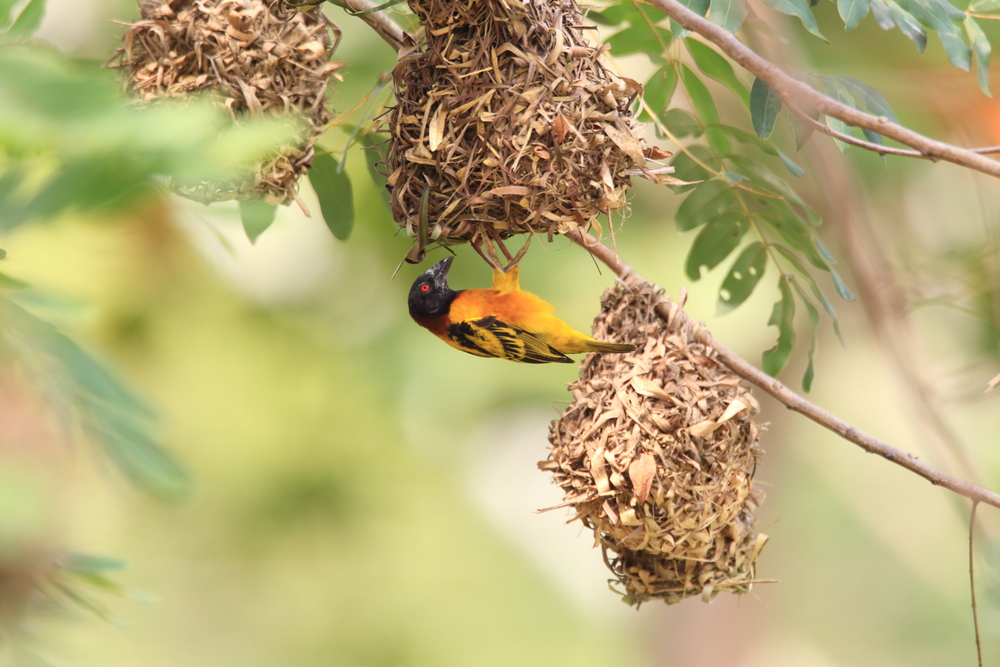
- Northern Red Bishop
Is Mole National Park worth visiting?
Yes, Mole National Park is absolutely worth visiting and is one of the best wildlife destinations in West Africa.
The park offers an authentic safari experience without the crowds found in many East African parks. One of its greatest attractions is the opportunity to participate in guided walking safaris where visitors may observe elephants and other wildlife on foot.
The primary hesitation is that predator sightings are less frequent than in parks such as the Serengeti or Maasai Mara. However, visitors seeking a genuine wilderness experience often consider Mole one of Ghana’s top attractions.
What is the best time to visit Mole National Park?
Weather and Climate
The best time to visit Mole National Park is during the dry season from November through April.
Typical conditions include:
- November–February: 65–95°F (18–35°C)
- March–April: 75–105°F (24–41°C)
- May–October: Rainy season, 70–95°F (21–35°C)
During the dry season:
- Wildlife gathers around water sources.
- Roads remain more accessible.
- Walking safaris are easier.
- Visibility improves due to reduced vegetation.
- Birdwatching remains excellent.
The rainy season offers greener scenery and migrant bird activity but can make travel more challenging.
How many days do you need to visit Mole National Park?
Most visitors should plan for 2 to 3 days.
- 1 day: Basic wildlife viewing and walking safari.
- 2 days: Multiple game drives and walking safaris.
- 3 days: Comprehensive wildlife viewing and birdwatching.
- 4+ days: Photography, birding, and deeper exploration.
Two days is generally recommended for most visitors.
How do you get to Mole National Park?
International Access
Mole National Park is located in northern Ghana.
The primary international gateway is:
- Kotoka International Airport
Most international visitors arrive in Accra and then travel north to the park.
Domestic Flights
The closest commercial airport is:
- Tamale Airport
Many visitors take a domestic flight from Accra to Tamale.
Driving from Tamale
The park headquarters are located near:
- Larabanga
Travel time from Tamale:
- Approximately 90 miles (145 km)
- About 2.5–3 hours by road
Driving from Accra
Travel time from Accra:
- Approximately 435 miles (700 km)
- About 10–12 hours by road
Most visitors prefer flying to Tamale and then driving to the park.
Mole Motel Area
One of the most famous locations in the park is:
- Mole Motel
The lodge overlooks a waterhole where elephants, antelope, and other wildlife are frequently seen.
Walking Safaris
Mole is particularly famous for:
- Guided walking safaris.
- Close wildlife encounters.
- Elephant viewing on foot.
- Ranger-led wildlife interpretation.
Who is involved in protecting and supporting Mole National Park?
Several organizations help protect and support Mole National Park:
- Ghana Wildlife Division – manages Mole National Park.
- Forestry Commission of Ghana – oversees wildlife and protected areas management.
- Nature and Development Foundation – supports conservation initiatives.
- A Rocha Ghana – supports environmental conservation and education.
- Local communities surrounding the park that participate in ecotourism and conservation programs.
What is unique about Mole National Park?
Mole National Park is unique because it offers one of the few opportunities in Africa to safely observe wild elephants on foot with trained rangers.
Unlike many safari destinations that focus primarily on vehicle-based wildlife viewing, Mole provides an immersive wilderness experience where visitors can walk through the savanna while learning about animal behavior, ecology, and conservation.
Combined with its rich birdlife, large mammal populations, and importance as Ghana’s flagship national park, Mole stands out as one of West Africa’s most distinctive protected areas.
Does Mole National Park have the Big Five?
No. Mole National Park is home to elephants, buffalo, and leopards, but it does not currently support established populations of lions or rhinoceroses. Visitors come primarily for elephants, antelope, primates, birdlife, and walking safaris rather than a traditional Big Five experience.
Sources
Here are sources you can explore for more information:
- AllTrails. Mole National Park. https://www.alltrails.com/ghana/savannah/mole-national-park, retrieved July 2026.
- Atlas Obscura, Mole National Park, https://www.atlasobscura.com/places/mole-national-park, retrieved July 2020.
- Encyclopaedia Britannica. Mole National Park. https://www.britannica.com/place/Mole-National-Park, retrieved July 2026.
- Ghana Tourism Authority. Mole National Park. https://visitghana.com/attractions/mole-national-park/, retrieved July 2026.
- Mole National Park, park site, https://molenationalpark.org/, retrieved July 2020.
- Pilot Guides. Mole National Park. https://www.pilotguides.com/, retrieved July 2026.
- Protected Planet (UNEP-WCMC & IUCN). Mole National Park. https://www.protectedplanet.net/, retrieved July 2026.
- SafariBookings. Mole National Park. https://www.safaribookings.com/mole, retrieved July 2026.
- Visit Ghana, Mole National Park, https://visitghana.com/attractions/mole-national-park-2/, retrieved July 2020.
- Wiki Voyage, Mole National Park, https://en.wikivoyage.org/wiki/Mole_National_Park, retrieved July 2020.
- Wikipedia. Mole National Park. https://en.wikipedia.org/wiki/Mole_National_Park, retrieved July 2026.
- World Wildlife Fund (WWF). West Sudanian Savanna. https://www.worldwildlife.org/ecoregions/at0712, retrieved July 2026.