

About
Nxai Pan National Park is located in northeastern Botswana, just north of the larger Makgadikgadi salt pan system, and covers approximately 990 square miles (2,570 sq km). Though smaller than its neighboring counterpart, it forms an essential part of the greater Kalahari ecosystem and sits adjacent to Makgadikgadi Pans National Park.
Together, these parks create a vast, interconnected landscape that supports seasonal wildlife migrations and preserves one of Africa’s most distinctive environments. Nxai Pan’s relative accessibility and concentrated wildlife make it a compelling destination for those seeking both solitude and rich ecological experiences.
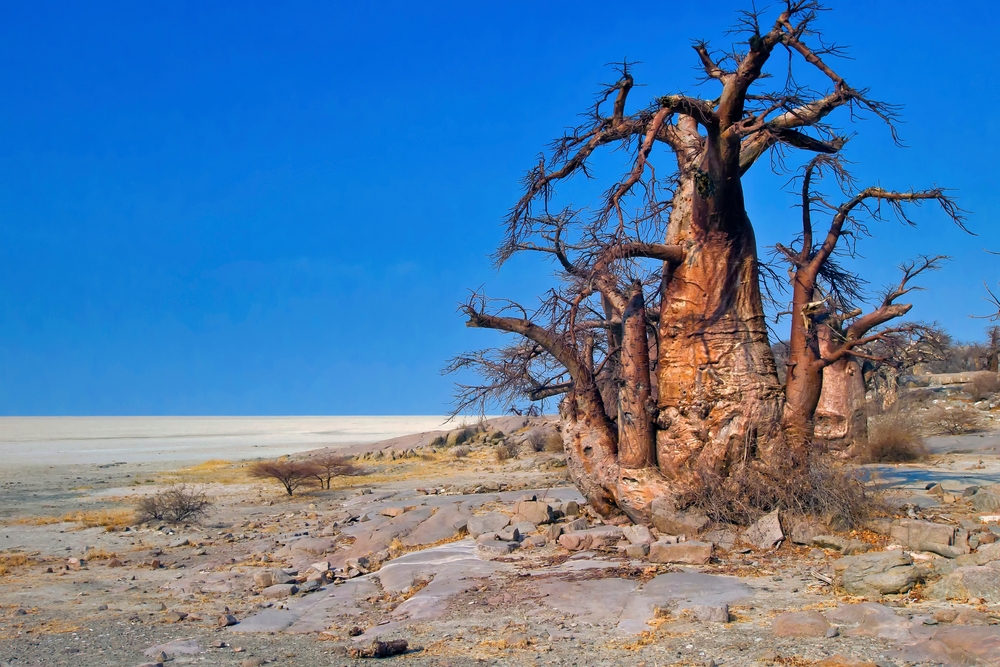
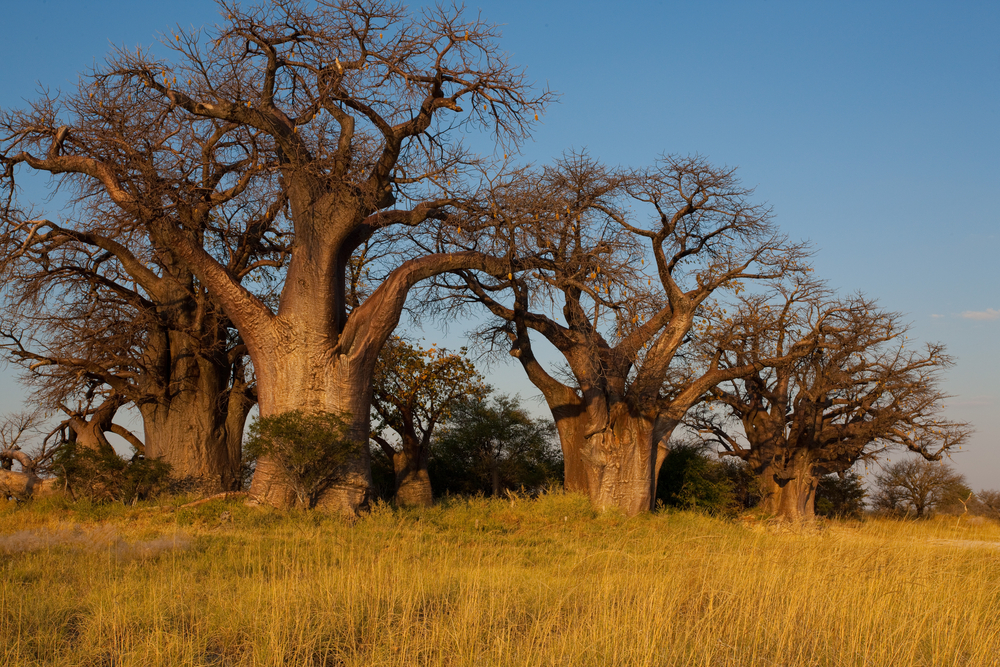
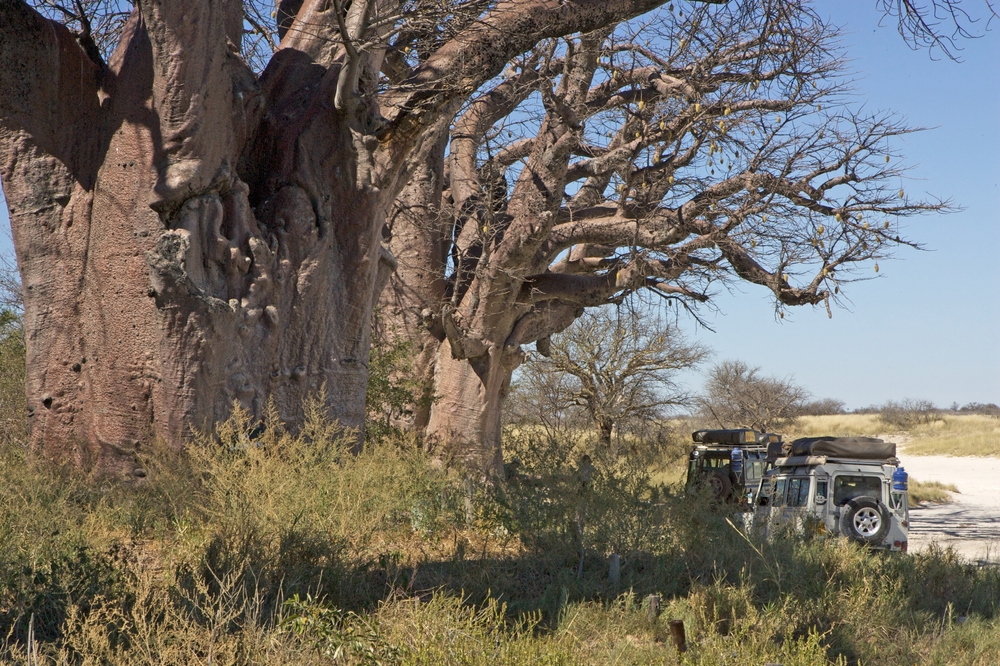
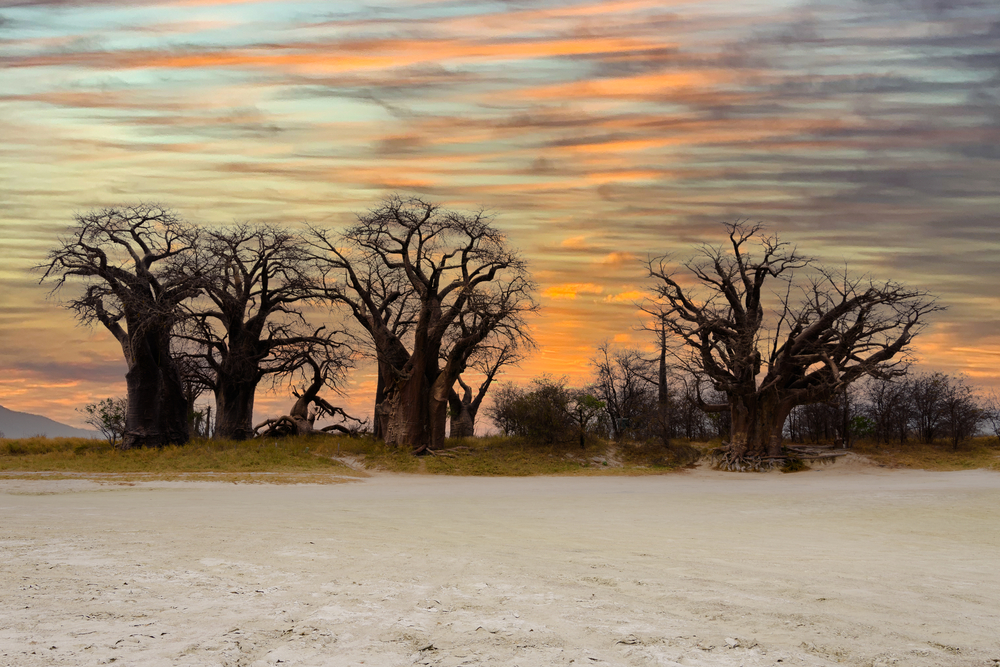
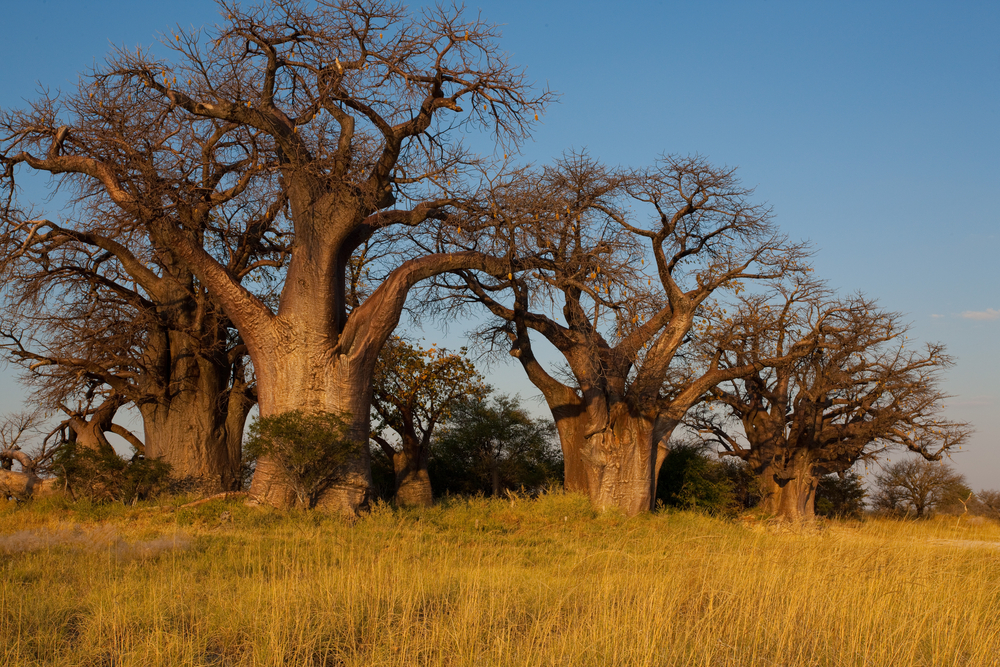
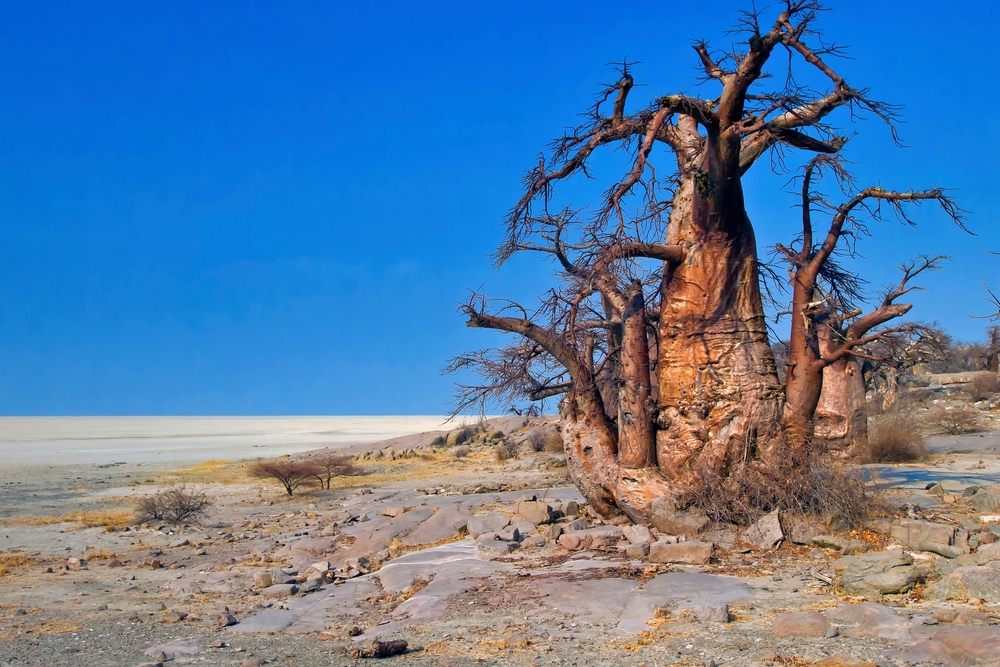
The park is best known for its iconic baobab trees, particularly the famous Baines’ Baobabs, a cluster of ancient giants that have stood for centuries and were immortalized in paintings by explorer Thomas Baines in the 19th century. These towering trees rise dramatically from the flat, open plains, creating one of the most recognizable and photographed scenes in Botswana.
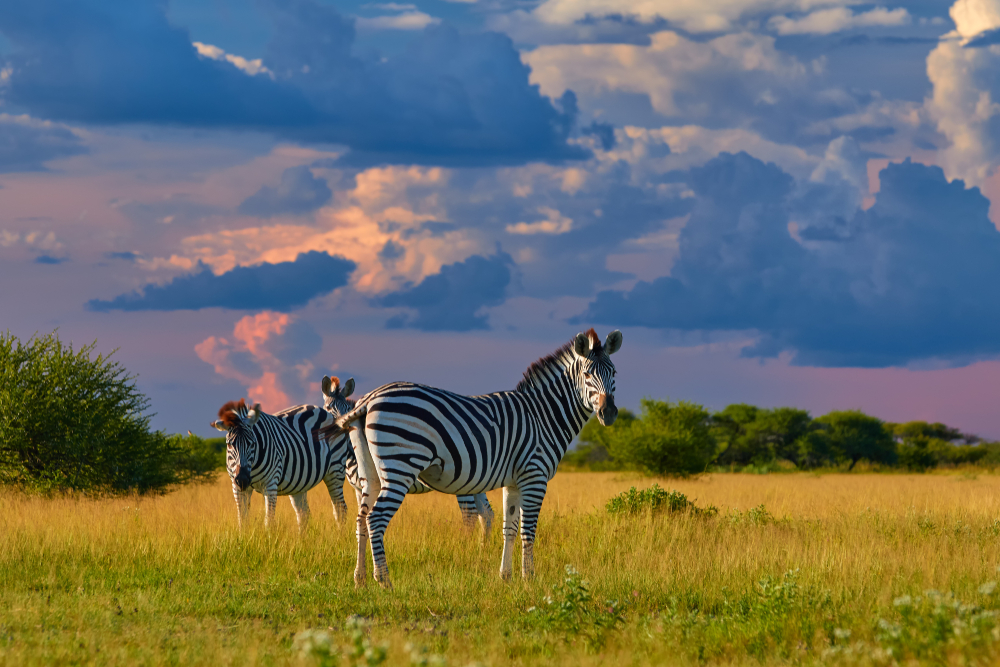
Nxai Pan is also renowned for its role in the zebra migration, where thousands of zebras move into the area during the wet season to take advantage of the fresh grasses that emerge after the rains. The transformation of the landscape during this time attracts a wide array of wildlife and creates a vibrant contrast to the stark, dry conditions of the rest of the year.
Geographically, Nxai Pan is characterized by fossilized lakebeds—flat, clay pans that are remnants of an ancient inland sea that once covered much of the region. During the dry season, these pans appear as cracked, pale expanses under a vast sky, emphasizing the park’s sense of openness and isolation.
When the rains arrive, however, the pans fill with shallow water and the surrounding grasslands burst into life, turning the area into a seasonal haven for grazing animals. The vegetation is a mix of short grasses, acacia trees, and scattered shrubs, all adapted to survive the extremes of drought and sudden abundance. The presence of baobabs adds both ecological and visual significance, as they provide shelter and resources for various species.
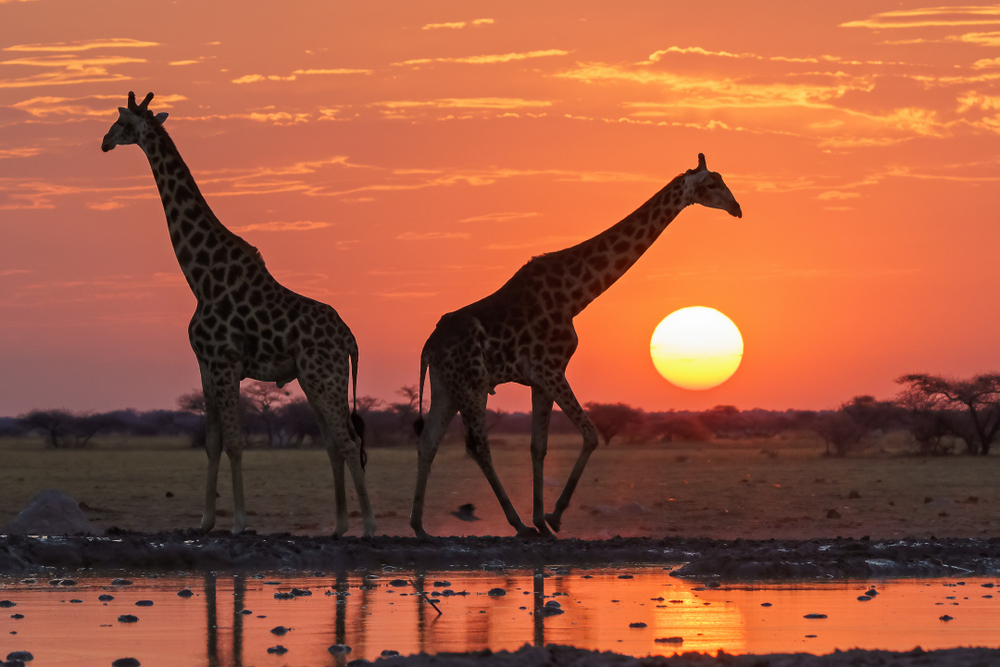
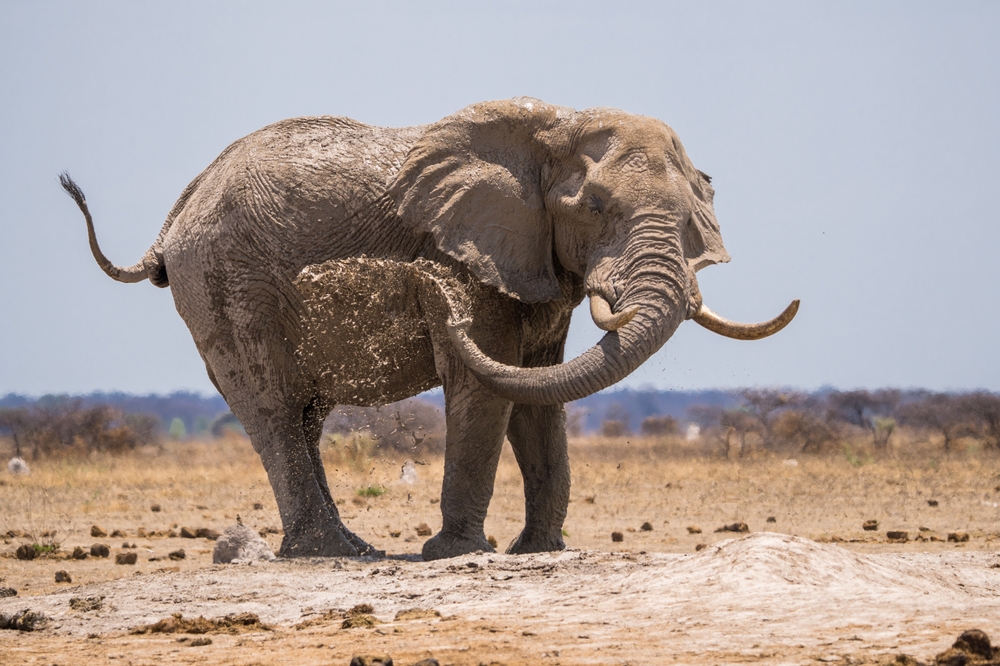
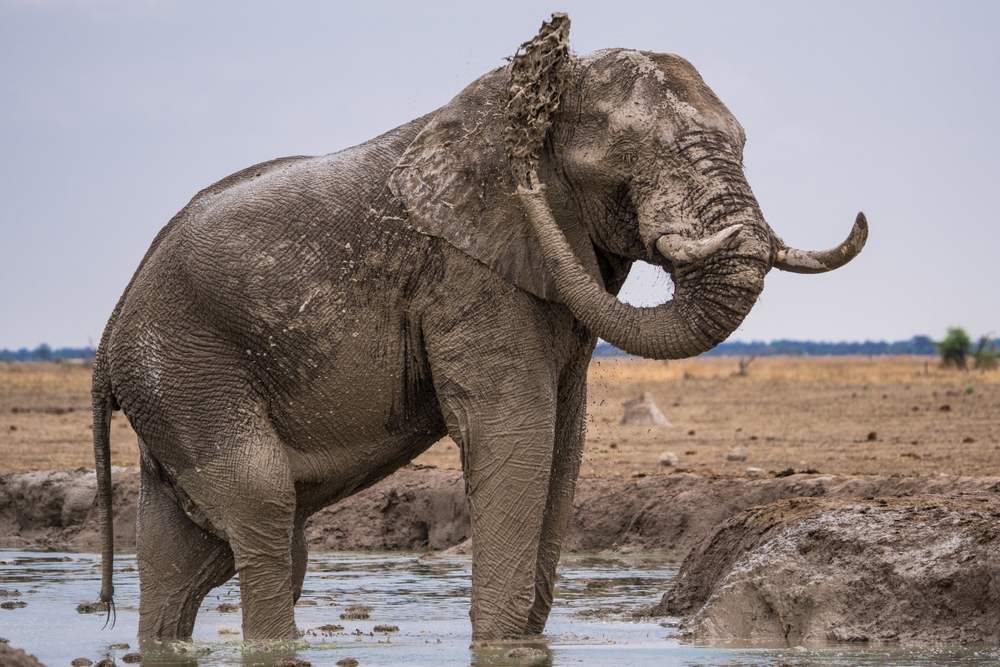
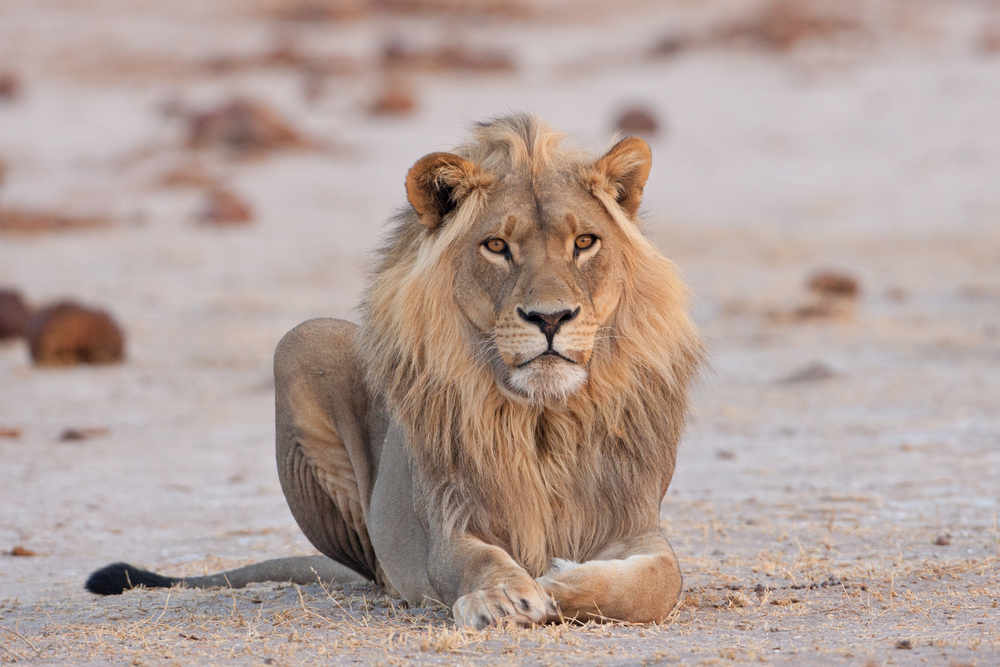
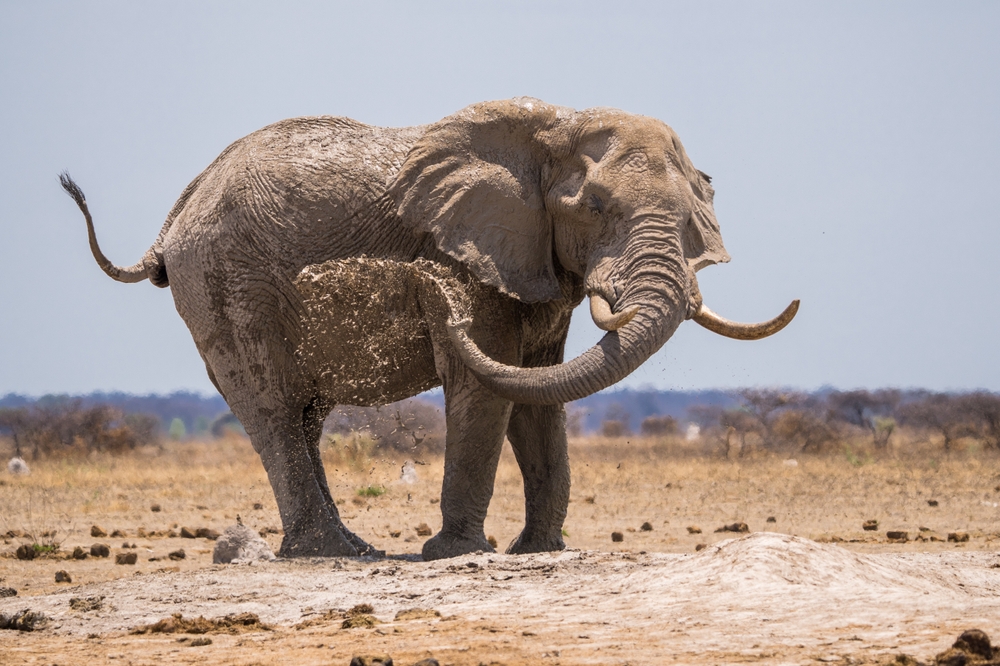
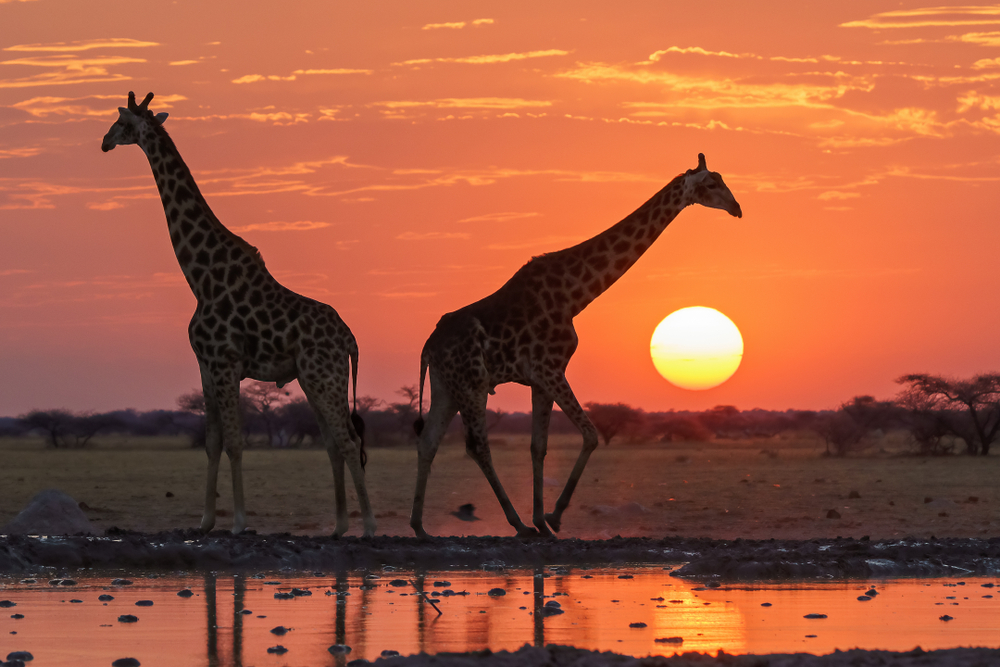
Wildlife in Nxai Pan National Park is closely tied to the seasonal rhythms of the environment. During the wet season, large herds of zebras, wildebeest, and antelope dominate the landscape, drawing predators such as lions, cheetahs, and hyenas. Elephants and giraffes are also commonly seen, particularly around areas with more vegetation.
In the dry months, wildlife becomes more dispersed, but sightings remain rewarding due to the open terrain and clear visibility. Birdlife flourishes when water is present, with species ranging from flamingos to raptors taking advantage of the temporary wetlands. Smaller animals, including jackals and various reptiles, add to the park’s ecological diversity and resilience.
Nxai Pan National Park plays an important role in conserving a fragile and dynamic ecosystem shaped by ancient geological processes and modern climatic patterns. Its protection ensures the continuation of critical migration routes and breeding grounds that sustain wildlife populations across the broader Kalahari region.
The park also serves as a living record of environmental change, offering insight into how ecosystems adapt to extreme variability. On a global scale, Nxai Pan highlights the importance of preserving unique landscapes that may seem sparse but are vital to biodiversity and ecological balance. Its quiet beauty, marked by endless horizons, resilient wildlife, and timeless baobabs, offers a profound reminder of nature’s adaptability and enduring strength.
Photos
Things to See
Things To Do
Engaging Nxai Pan National Park

FAQ’s
What is the main reason people visit Nxai Pan National Park?
Nxai Pan National Park is primarily visited for its exceptional wildlife viewing, seasonal zebra migration, iconic Baines’ Baobabs, and striking salt pan landscapes. Located in northeastern Botswana adjacent to the Makgadikgadi ecosystem, the park offers visitors a unique combination of open grasslands, fossil lakebeds, acacia woodlands, and vast salt pans.
Many travelers visit to witness large herds of zebra and wildebeest during the rainy season, photograph the famous baobab trees painted by explorer Thomas Baines in 1862, and enjoy uncrowded safari experiences.
What animals can visitors hope to see in Nxai Pan National Park?
Nxai Pan National Park supports approximately 70 mammal species and more than 40 reptile species. The park is especially known for its large herbivore populations and seasonal predator activity associated with the zebra migration.
Some of the most popular mammals found in Nxai Pan National Park include:
- Plains Zebra
- Blue Wildebeest
- African Elephant
- Lion
- Leopard
- Cheetah
- African Wild Dog
- Spotted Hyena
- Brown Hyena
- Black-backed Jackal
- Bat-eared Fox
- Cape Fox
- African Wildcat
- Caracal
- Serval
- Honey Badger
- Aardwolf
- Aardvark
- Giraffe
- African Buffalo
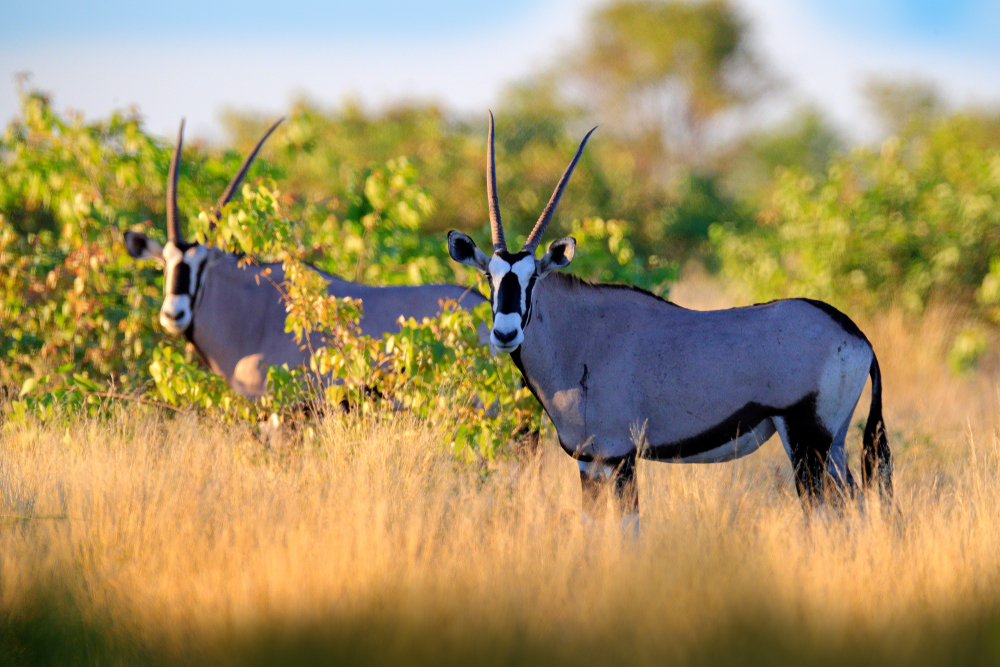
- Gemsbok (Oryx)
- Greater Kudu
- Eland
- Red Hartebeest
- Tsessebe
- Impala
- Steenbok
- Common Duiker
- Springbok
- Waterbuck
- Reedbuck
- Roan Antelope
- Sable Antelope
- Warthog
- Bush Pig
- Hippopotamus (seasonally near water sources)
- African Civet
- Large-spotted Genet
- Small-spotted Genet
- Banded Mongoose
- Dwarf Mongoose
- Slender Mongoose
- White-tailed Mongoose
- Ground Squirrel
- Tree Squirrel Species
- Cape Hare
- Scrub Hare
- Porcupine
- Vervet Monkey
- Chacma Baboon
What birds can visitors hope to see in Nxai Pan National Park?
Nxai Pan National Park hosts more than 300 bird species. The park’s grasslands, pans, woodlands, and seasonal wetlands attract a wide variety of resident and migratory birds. Birding is especially productive during the rainy season when temporary water sources attract waterbirds and breeding species.
Some of the most popular birds seen in Nxai Pan National Park include:
- Kori Bustard
- Secretarybird
- Ostrich
- African Fish Eagle
- Bateleur
- Martial Eagle
- Tawny Eagle
- Wahlberg’s Eagle
- Brown Snake Eagle
- Black-chested Snake Eagle
- Lappet-faced Vulture
- White-backed Vulture
- Hooded Vulture
- Greater Flamingo
- Lesser Flamingo
- Saddle-billed Stork
- Yellow-billed Stork
- Marabou Stork
- African Openbill
- Woolly-necked Stork
- African Spoonbill
- Sacred Ibis
- Glossy Ibis
- Hadada Ibis
- Grey Crowned Crane
- Wattled Crane
- Black-winged Stilt
- Pied Avocet
- Crowned Lapwing
- Blacksmith Lapwing
- African Jacana
- Goliath Heron
- Purple Heron
- Grey Heron
- Great Egret
- Little Egret
- Hamerkop
- Lilac-breasted Roller
- European Roller
- Southern Carmine Bee-eater
- White-fronted Bee-eater
- Southern Ground Hornbill
- Yellow-billed Hornbill
- Red-billed Hornbill
- Pied Kingfisher
- Giant Kingfisher
- Malachite Kingfisher
- Village Weaver
- Southern Red Bishop
- Crimson-breasted Shrike
Is Nxai Pan National Park worth visiting?
Yes, Nxai Pan National Park is absolutely worth visiting and is often considered one of Botswana’s most underrated safari destinations. The park offers excellent wildlife viewing, dramatic landscapes, fewer visitors than many famous safari parks, and the opportunity to see one of Africa’s largest zebra migrations.
Visitors who enjoy photography, wildlife viewing, birdwatching, and unique landscapes will find Nxai Pan especially rewarding. Those expecting dense concentrations of wildlife year-round may find some seasons quieter than destinations such as Chobe National Park, but many travelers appreciate the park’s wilderness character and exclusivity.
What is the best time to visit Nxai Pan National Park?
The best time to visit depends on what you want to experience:
- December to April: Best for zebra migration, newborn animals, lush scenery, and birdwatching.
- May to October: Best for dry-season game viewing and easier access throughout the park.
Many safari enthusiasts consider January through March the most spectacular period because of the migration and predator activity.
How many days do you need to visit Nxai Pan National Park?
Most visitors should plan for 2 to 3 days.
- 1 day: Wildlife viewing and Baines’ Baobabs.
- 2 days: Comprehensive game drives and birdwatching.
- 3 days: Full exploration of the park, photography, and migration viewing.
Nxai Pan is often combined with visits to the nearby Makgadikgadi Pans National Park and Okavango Delta.
How do you get to Nxai Pan National Park?
Nxai Pan National Park is located approximately 140 kilometers northeast of Maun.
Most visitors:
- Fly into Maun.
- Travel by four-wheel-drive vehicle to the park.
- Join a guided safari or self-drive adventure.
The park is accessible via the A3 highway, although four-wheel-drive vehicles are highly recommended for exploring interior roads.
Is Nxai Pan National Park safe for tourists?
Yes, Nxai Pan National Park is generally considered very safe for tourists.
Visitors should:
- Follow guidance from safari guides.
- Maintain safe distances from wildlife.
- Carry adequate water and supplies.
- Use four-wheel-drive vehicles where required.
- Be prepared for remote conditions.
Wildlife encounters and environmental conditions are typically the primary safety considerations.
Who is involved in protecting and supporting Nxai Pan National Park?
Several organizations help protect Nxai Pan National Park:
- Department of Wildlife and National Parks (DWNP) – manages Botswana’s national parks and protected areas.
- Kalahari Conservation Society – supports conservation and environmental education.
- BirdLife Botswana – contributes to bird conservation and monitoring.
- Wild Entrust Africa – supports wildlife research and conservation projects.
What makes Nxai Pan National Park different from Makgadikgadi Pans National Park?
While both parks are part of the greater Makgadikgadi ecosystem, Nxai Pan National Park is generally known for its grasslands, wildlife concentrations, and Baines’ Baobabs. Makgadikgadi Pans National Park is more famous for its immense salt pans, flamingo gatherings, and vast open landscapes. Together, the two parks provide complementary experiences and are often visited on the same safari itinerary.
Sources
Botswana Tourism Organization, Nxai Pan National Park, https://www.botswanatourism.co.bw/explore/nxai-pan-national-park, retrieved August 2024.
Info Botswana, Nxai Pan National Park, https://www.info-botswana.com/activities-and-places-of-interest/makgadikgadi-nxai-pans/nxai-pan-national-park, retrieved August 2024.
Siyabona Africa, Nxai Pan National Park, https://www.botswana.co.za/africa_nxai.html, retrieved August 2024.
Wikipedia, Nxai Pan National Park, https://en.wikipedia.org/wiki/Nxai_Pan_National_Park, retrieved August 2024.