

About
Makgadikgadi Pans National Park lies in northeastern Botswana, forming part of one of the largest salt pan systems in the world. The park itself covers approximately 1,500 square miles (3,900 sq km), but it is part of the far greater Makgadikgadi Basin, which spans over 6,200 square miles (16,000 sq km).
This immense, shimmering expanse is the remnant of an ancient super-lake that once dominated the region thousands of years ago. Today, the park sits adjacent to other protected areas such as Nxai Pan National Park, creating a broader conservation landscape that supports seasonal wildlife movements. Its isolation and vast openness give it a surreal, almost otherworldly atmosphere that feels unlike anywhere else in Africa.
Makgadikgadi Pans National Park is best known for its striking salt flats, which stretch endlessly toward the horizon and create one of the most dramatic and minimalist landscapes on Earth. During the dry season, the pans appear as blinding white plains under an expansive sky, offering a sense of scale and silence that is both humbling and awe-inspiring.
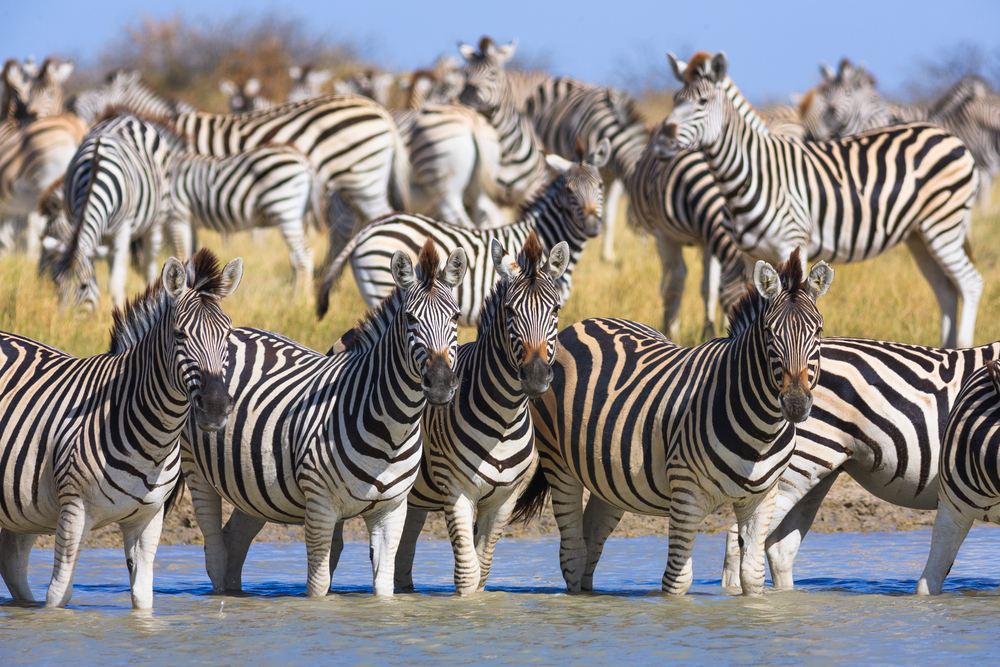
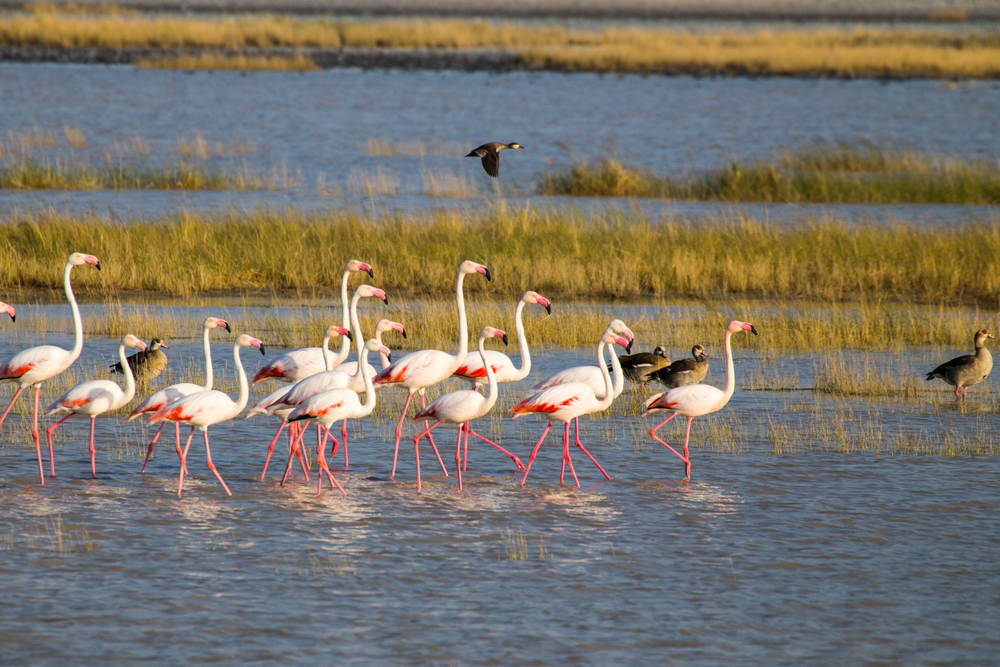
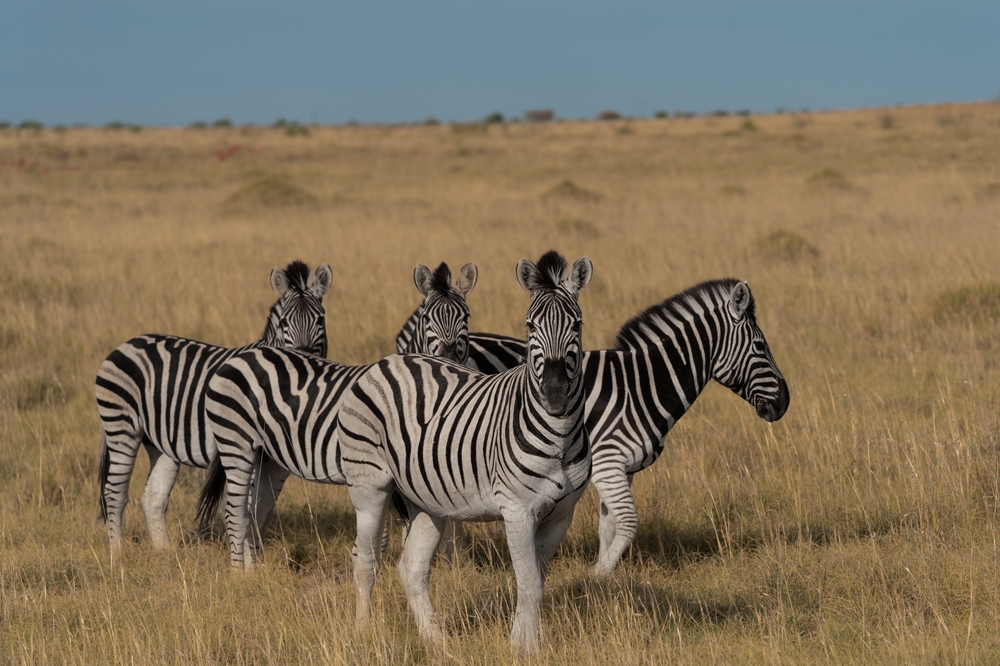
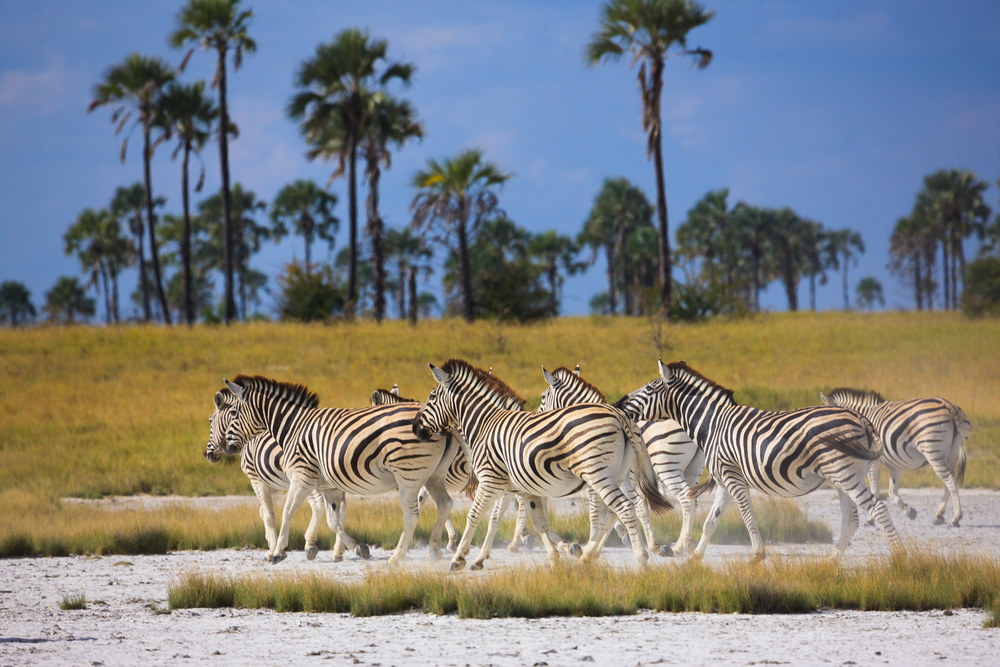
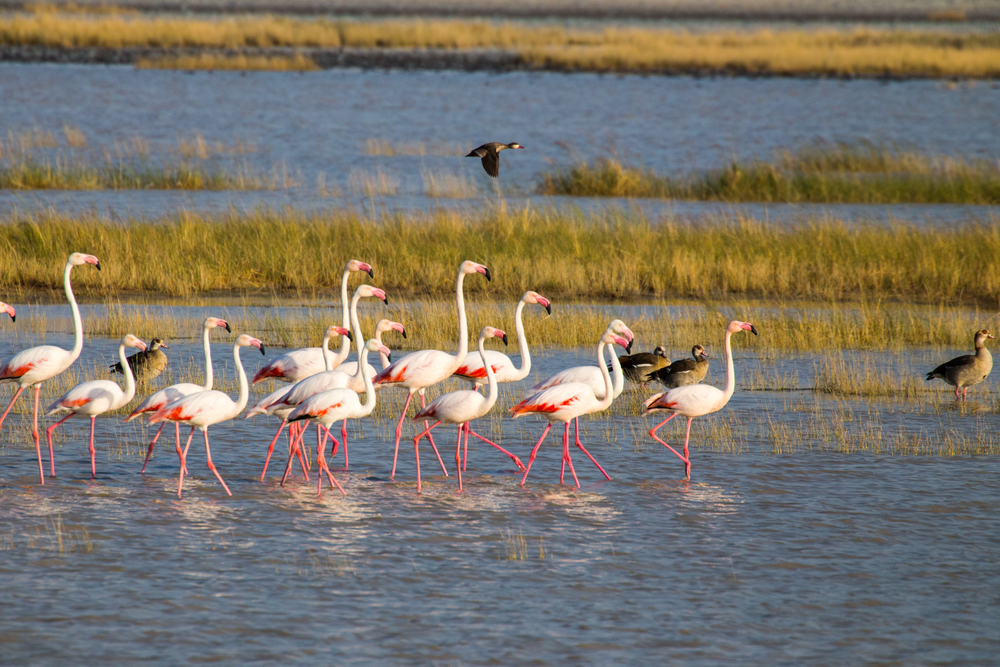
In contrast, the wet season transforms the park into a temporary oasis, drawing thousands of animals and birds. One of the park’s most remarkable spectacles is the zebra migration—one of Africa’s largest, though lesser-known, migrations—as herds move across the pans in search of fresh grazing. The arrival of seasonal rains also brings flamingos in large numbers, turning sections of the pans into vibrant, living mosaics of pink.
The geography of the park is defined by its ancient lakebed, now hardened into vast salt crusts interspersed with grassy plains and scattered islands of vegetation. Along the edges of the pans, the landscape transitions into savanna and scrubland, where hardy grasses and shrubs support grazing animals.
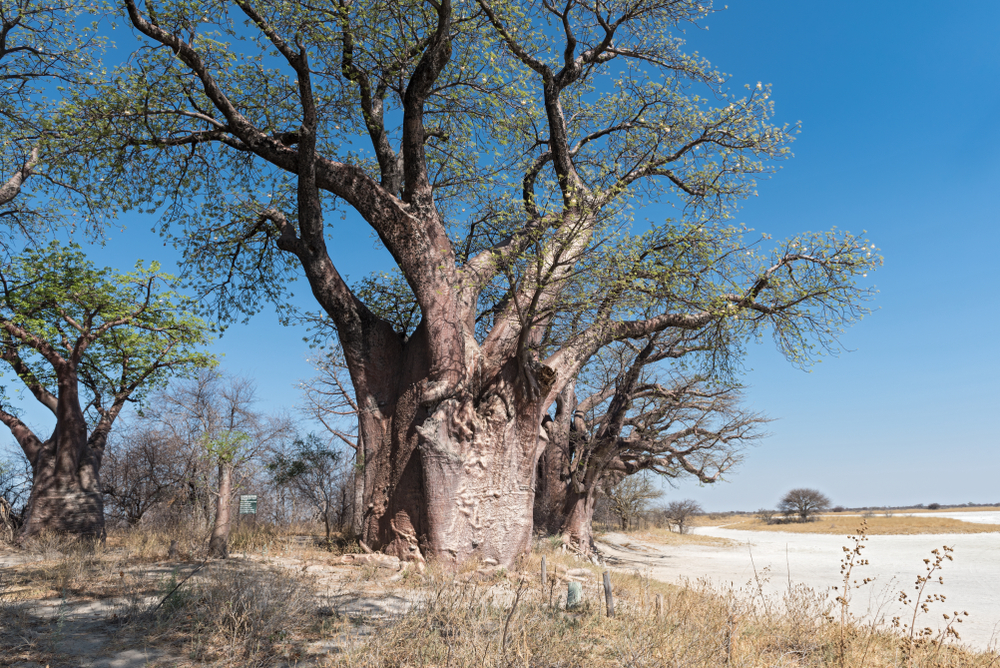
Iconic baobab trees, particularly in nearby Nxai Pan, stand as enduring symbols of resilience in this harsh environment, their massive trunks storing water to survive prolonged dry periods. The stark contrast between the barren pans and the more vegetated fringes creates a dynamic ecosystem that shifts dramatically with the seasons, offering entirely different experiences depending on the time of year.
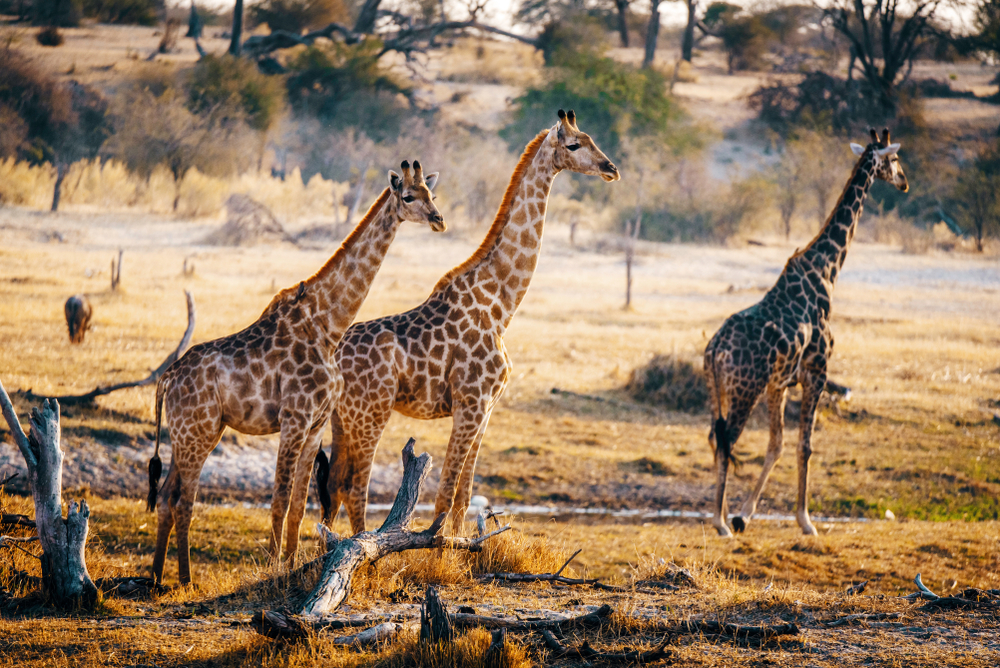
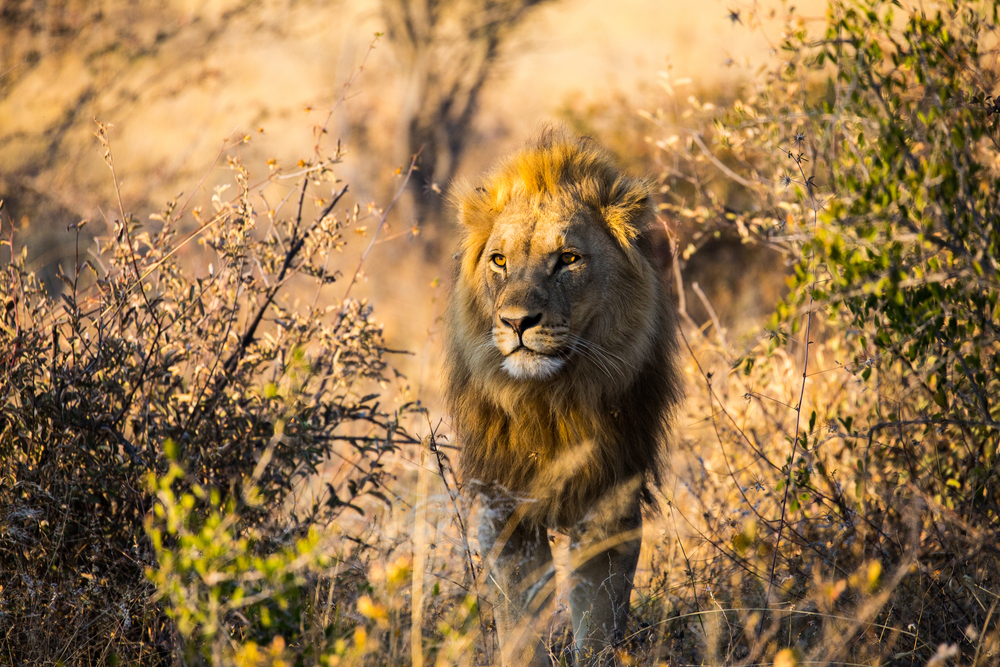
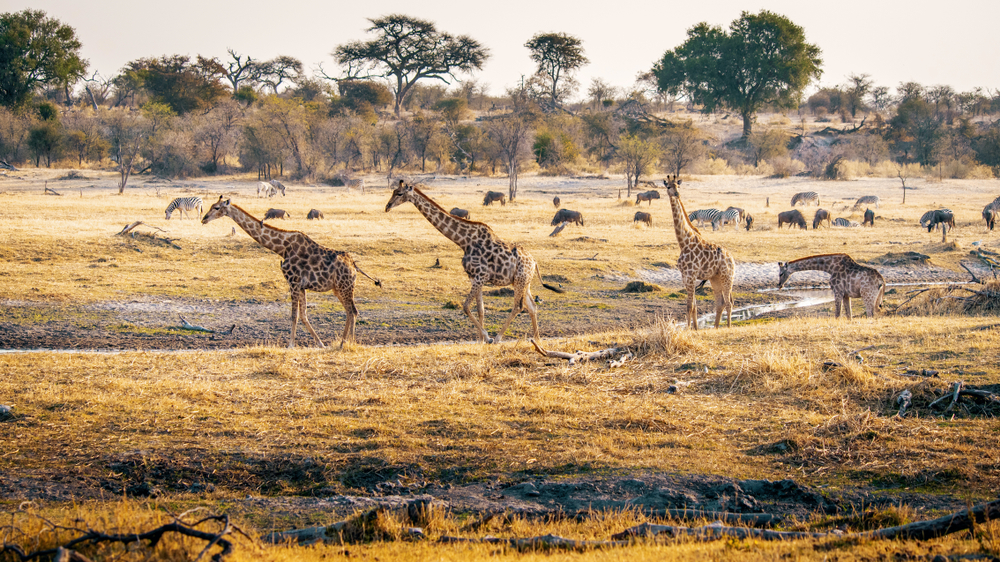
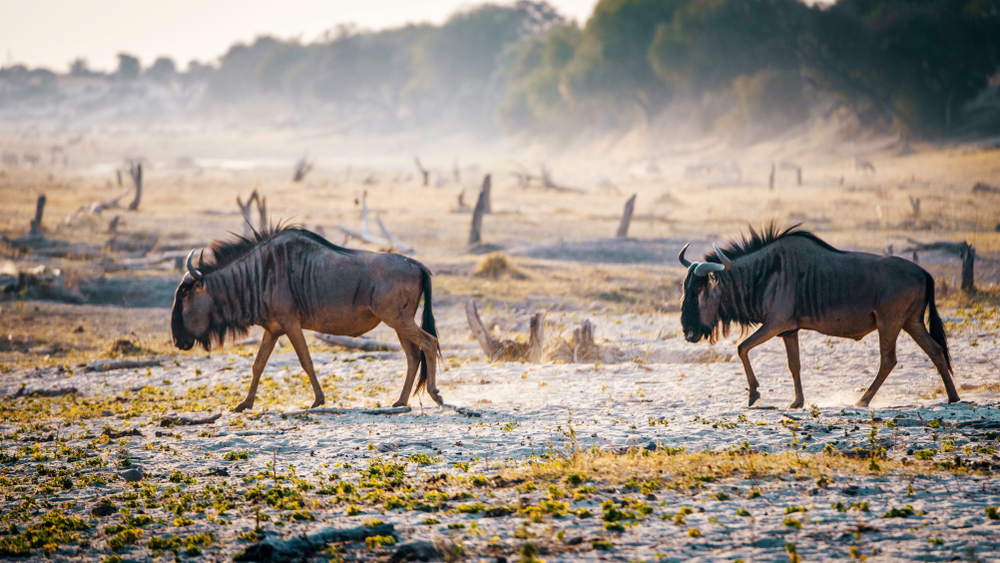
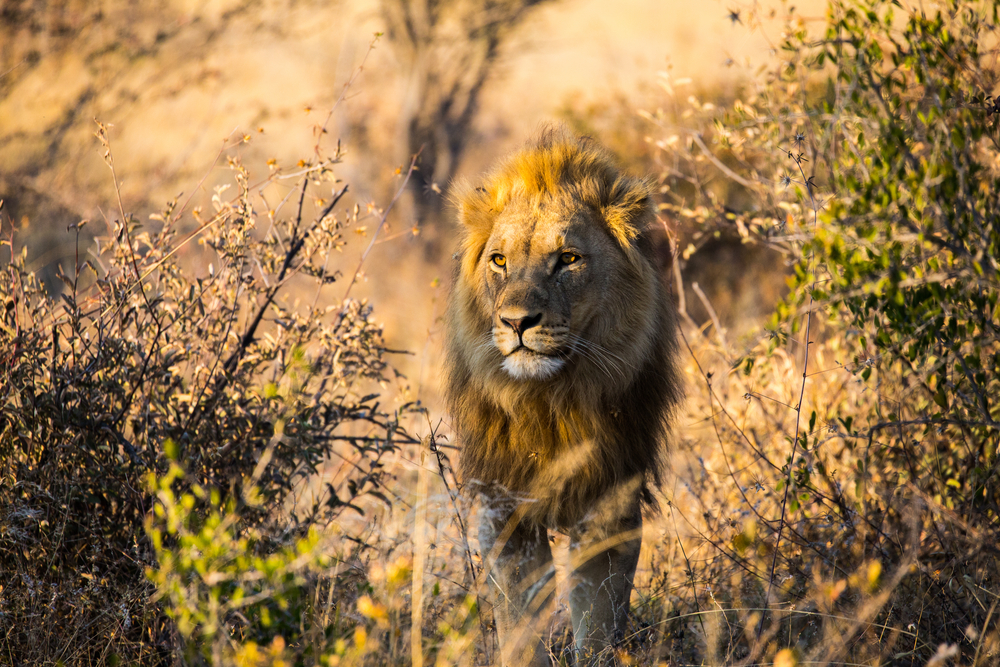
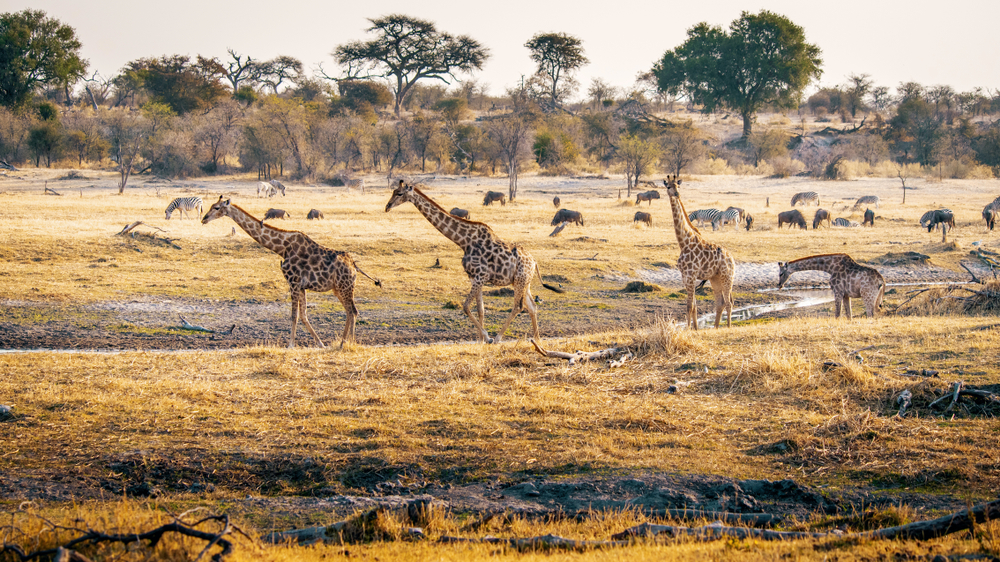
Wildlife in Makgadikgadi Pans National Park is uniquely adapted to its extremes. During the dry months, animals are more concentrated around the park’s riverine areas and permanent water sources, including sections of the Boteti River, which forms a vital lifeline. Species such as elephants, zebras, wildebeest, and antelope are commonly seen, while predators like lions, cheetahs, and hyenas follow the movements of their prey.
Smaller animals, including meerkats and ground squirrels, add charm and character to the landscape, often delighting visitors with their social behavior. Birdlife flourishes during the wet season, with flamingos, pelicans, and numerous migratory species taking advantage of the temporary waters that form across the pans.
Makgadikgadi Pans National Park plays a crucial role in preserving one of Africa’s most unique and fragile ecosystems. The seasonal transformations of the pans support vital ecological processes, including migrations and breeding cycles that are essential for many species. As a protected area, it safeguards not only wildlife but also the geological history of an ancient lake system that offers insights into the region’s climatic past.
On a global level, the park highlights the importance of conserving diverse landscapes, including those that may appear barren but are in fact teeming with life and ecological significance. Its vast horizons, shifting seasons, and remarkable wildlife make it a place of profound beauty and importance, reminding visitors of nature’s ability to adapt and endure in even the most extreme conditions.
Photos
Things to See
Things To Do
Engaging Makgadikgadi Pans

FAQ’s
What is the main reason people visit Makgadikgadi Pans National Park?
Makgadikgadi Pans National Park is primarily visited for its vast salt pans, unique desert landscapes, zebra migration, and extraordinary seasonal wildlife spectacles. Located in northeastern Botswana, the park protects part of the ancient Makgadikgadi Basin, which was once one of the largest inland lakes in Africa.
Visitors come to experience seemingly endless white salt flats, encounter large herds of migrating zebra and wildebeest, enjoy excellent predator viewing, and witness one of Africa’s most surreal and photogenic wilderness landscapes.
What animals can visitors hope to see in Makgadikgadi Pans National Park?
Makgadikgadi Pans National Park supports approximately 70 mammal species and more than 50 reptile species. Wildlife numbers fluctuate dramatically between the wet and dry seasons, with the rainy season bringing one of Africa’s largest zebra migrations.
Some of the most popular mammals found in Makgadikgadi Pans National Park include:
- Plains Zebra
- Blue Wildebeest
- African Elephant
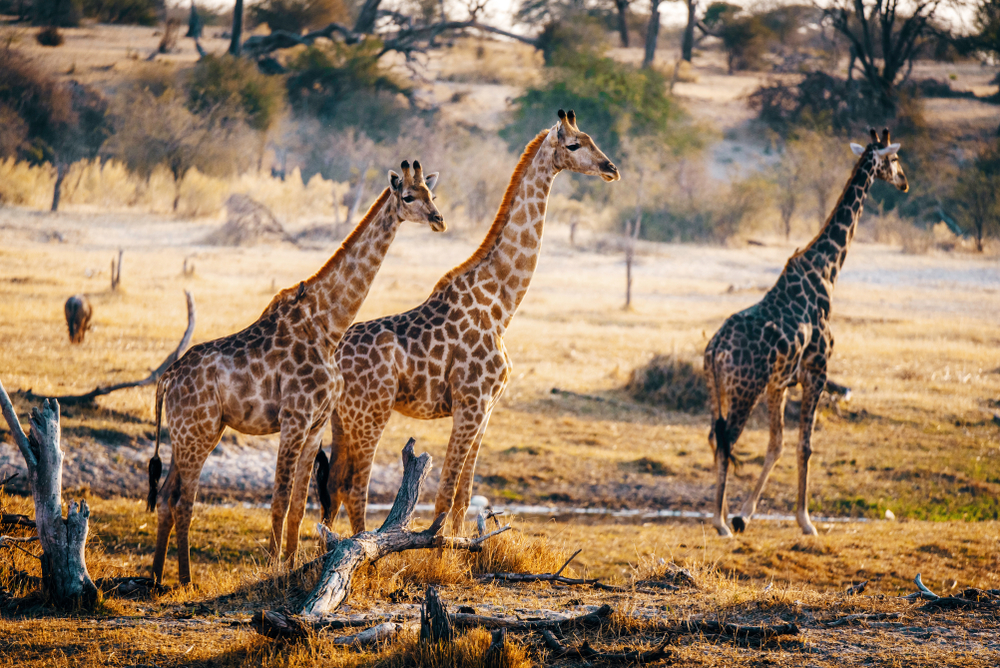
- Giraffe
- African Buffalo
- Lion
- Leopard
- Cheetah
- African Wild Dog
- Spotted Hyena
- Brown Hyena
- Black-backed Jackal
- Bat-eared Fox
- Cape Fox
- Caracal
- Serval
- African Wildcat
- Honey Badger
- Aardwolf
- Aardvark
- Greater Kudu
- Eland
- Gemsbok (Oryx)
- Red Hartebeest
- Tsessebe
- Impala
- Steenbok
- Common Duiker
- Springbok
- Klipspringer
- Warthog
- Bush Pig
- Waterbuck
- Reedbuck
- Sable Antelope
- Roan Antelope
- Porcupine
- Cape Hare
- Scrub Hare
- African Civet
- Large-spotted Genet
- Small-spotted Genet
- Banded Mongoose
- Slender Mongoose
- White-tailed Mongoose
- Dwarf Mongoose
- Ground Squirrel
- Vervet Monkey
- Chacma Baboon
- Tree Squirrel Species
What birds can visitors hope to see in Makgadikgadi Pans National Park?
Makgadikgadi Pans National Park is home to more than 300 bird species. During the wet season, temporary lakes attract enormous numbers of waterbirds, including flamingos, pelicans, and migratory species. The park is one of southern Africa’s most important breeding areas for several wetland birds.
Some of the most popular birds seen in Makgadikgadi Pans National Park include:
- Greater Flamingo
- Lesser Flamingo
- Great White Pelican
- Pink-backed Pelican
- African Fish Eagle
- Secretarybird
- Kori Bustard
- Ludwig’s Bustard
- Black Korhaan
- Northern Black Korhaan
- Southern Ground Hornbill
- Yellow-billed Hornbill
- Red-billed Hornbill
- Lilac-breasted Roller
- European Roller
- Southern Carmine Bee-eater
- White-fronted Bee-eater
- African Openbill
- Saddle-billed Stork
- Yellow-billed Stork
- Marabou Stork
- Woolly-necked Stork
- African Spoonbill
- Sacred Ibis
- Glossy Ibis
- Hadada Ibis
- Grey Crowned Crane
- Wattled Crane
- Black-winged Pratincole
- Crowned Lapwing
- Blacksmith Lapwing
- Pied Avocet
- Black-winged Stilt
- African Jacana
- Hamerkop
- Goliath Heron
- Purple Heron
- Grey Heron
- Great Egret
- Little Egret
- Martial Eagle
- Bateleur
- Tawny Eagle
- Wahlberg’s Eagle
- Lappet-faced Vulture
- White-backed Vulture
- Hooded Vulture
- Pied Kingfisher
- Giant Kingfisher
- Malachite Kingfisher
Is Makgadikgadi Pans National Park worth visiting?
Yes, Makgadikgadi Pans National Park is absolutely worth visiting and offers one of the most unique wildlife and landscape experiences in Africa.
Unlike traditional safari parks, Makgadikgadi combines wildlife viewing with extraordinary scenery. Visitors can experience vast salt flats, seasonal migrations, meerkat encounters, quad biking on the pans (outside protected areas where permitted), and some of Africa’s most dramatic sunsets and night skies.
The only potential hesitation is that wildlife can be more dispersed during parts of the year than in parks such as Chobe National Park or Moremi Game Reserve. Visitors seeking unique landscapes often consider this a major advantage rather than a drawback.
What is the best time to visit Makgadikgadi Pans National Park?
The best time to visit depends on your interests:
- December to April: Best for zebra migration, flamingos, green landscapes, and newborn animals.
- May to October: Best for dry-season game viewing, photography, and access to the salt pans.
The wet season offers the park’s most spectacular wildlife events, while the dry season showcases the famous endless white salt flats.
How many days do you need to visit Makgadikgadi Pans National Park?
Most visitors should plan for 2 to 4 days.
- 1 day: Introduction to the pans and wildlife viewing.
- 2 days: Wildlife drives and salt pan exploration.
- 3–4 days: Comprehensive experience including migration viewing, photography, birdwatching, and cultural activities.
Photographers often spend longer due to the park’s remarkable landscapes.
How do you get to Makgadikgadi Pans National Park?
Most visitors access Makgadikgadi Pans National Park through Maun or Nata.
Typical access options include:
- Fly into Maun.
- Drive approximately 2–4 hours depending on your destination within the park.
- Use a guided safari vehicle or charter flight to remote camps.
Many visitors combine Makgadikgadi with the Okavango Delta and Chobe National Park.
Is Makgadikgadi Pans National Park safe for tourists?
Yes, Makgadikgadi Pans National Park is generally considered very safe for tourists.
Visitors should:
- Travel with experienced guides when exploring remote areas.
- Carry adequate water supplies.
- Follow wildlife safety guidelines.
- Be prepared for extreme temperatures.
- Use caution when driving on the pans, especially after rainfall.
The greatest risks are typically environmental rather than criminal.
Who is involved in protecting and supporting Makgadikgadi Pans National Park?
Several organizations contribute to the protection of Makgadikgadi Pans National Park:
- Department of Wildlife and National Parks (DWNP) – the government agency responsible for park management.
- Kalahari Conservation Society – supports conservation, environmental education, and wildlife protection.
- BirdLife Botswana – supports bird conservation and monitoring efforts.
- Wild Entrust Africa – conducts research and conservation initiatives throughout Botswana.
- Local communities and ecotourism operators who contribute to sustainable conservation and wildlife protection.
What makes Makgadikgadi Pans National Park unique?
Makgadikgadi Pans National Park protects part of the remnants of an ancient super-lake that once covered much of Botswana. Today, visitors can experience enormous salt flats visible from space, seasonal migrations, unique desert-adapted wildlife, spectacular stargazing, and landscapes unlike anywhere else in Africa. The combination of wildlife and surreal scenery makes it one of Botswana’s most distinctive national parks.
Sources
Botswana Tourism Organization, Makgadikgadi Pans National Park, https://www.botswanatourism.co.bw/explore/makgadikgadi-pans-game-reserve, retrieved August 2024.
Info Botswana, Makgadikgadi Pans National Park, https://www.info-botswana.com/activities-and-places-of-interest/makgadikgadi-nxai-pans/makgadikgadi-pans-national-park, retrieved August 2024.
Siyabona Africa, Makgadikgadi Pans National Park, https://www.botswana.co.za/africa_makgadikgadi.html, retrieved August 2024.
Britannica, Makgadikgadi, https://www.britannica.com/place/Makgadikgadi, retrieved August 2024.