About

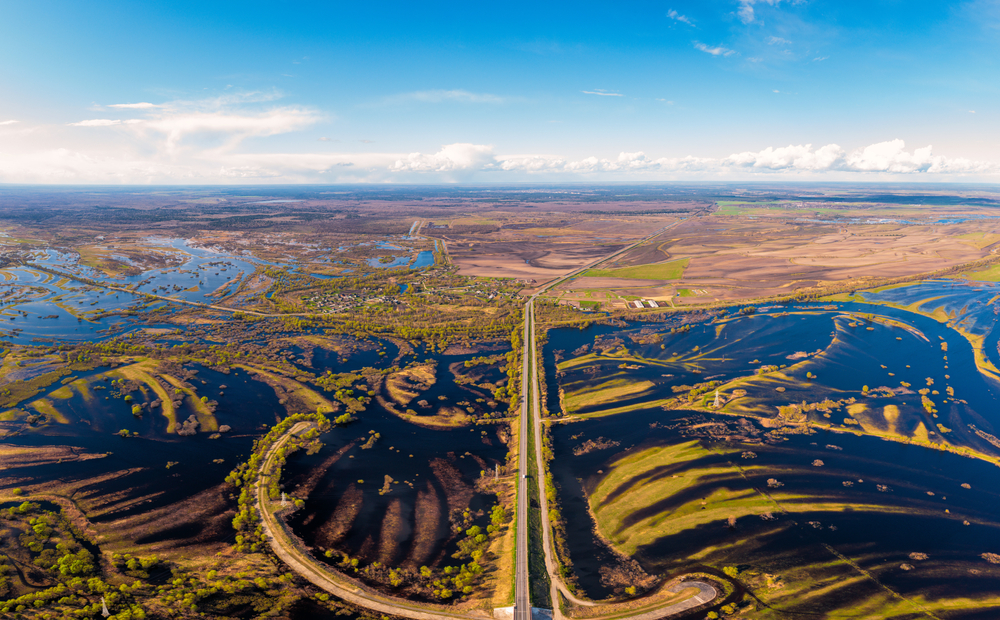
Pripyatsky National Park is located in southern Belarus within the Polesia region and covers approximately 770 square miles (1,995 sq km). Established in 1996, the park protects one of Europe’s largest and most ecologically important floodplain and wetland ecosystems.

Situated along the middle reaches of the Pripyat River, southwest of Minsk, the park encompasses vast marshes, floodplain forests, meadows, oxbow lakes, and river channels. Often referred to as the “Belarusian Amazon” because of its extensive wetlands and seasonal flooding, Pripyatsky National Park is one of the most significant protected areas in Eastern Europe and serves as a critical refuge for wildlife.

Pripyatsky National Park is best known for its extraordinary wetland landscapes and exceptional biodiversity. Seasonal flooding of the Pripyat River creates a dynamic environment that supports a remarkable variety of plant and animal species. Visitors are drawn to the park for birdwatching, wildlife observation, boating, canoeing, photography, fishing, and nature tourism.

The extensive network of waterways allows visitors to explore remote sections of the park while experiencing one of Europe’s most intact floodplain ecosystems. During spring, floodwaters transform large portions of the landscape into a vast mosaic of wetlands, creating one of the continent’s most impressive natural spectacles.

The geography of Pripyatsky National Park is shaped by the natural flooding cycles of the Pripyat River. The landscape consists of broad floodplains, marshes, peat bogs, oxbow lakes, wetlands, meadows, and forests. Seasonal inundation continually reshapes habitats and maintains ecological processes that support exceptional biodiversity.

Large areas of alder, oak, pine, and mixed deciduous forests occupy higher ground, while extensive reed beds and marsh vegetation dominate the wetter portions of the park. The interaction between water and land creates a diverse mosaic of habitats that supports one of the richest ecosystems in Belarus.

Wildlife within Pripyatsky National Park is among the most diverse in Eastern Europe. Mammals include elk, red deer, roe deer, wild boar, wolves, lynx, foxes, beavers, otters, and European bison in some areas. The park is particularly important for birdlife and is recognized as one of Europe’s premier birdwatching destinations.

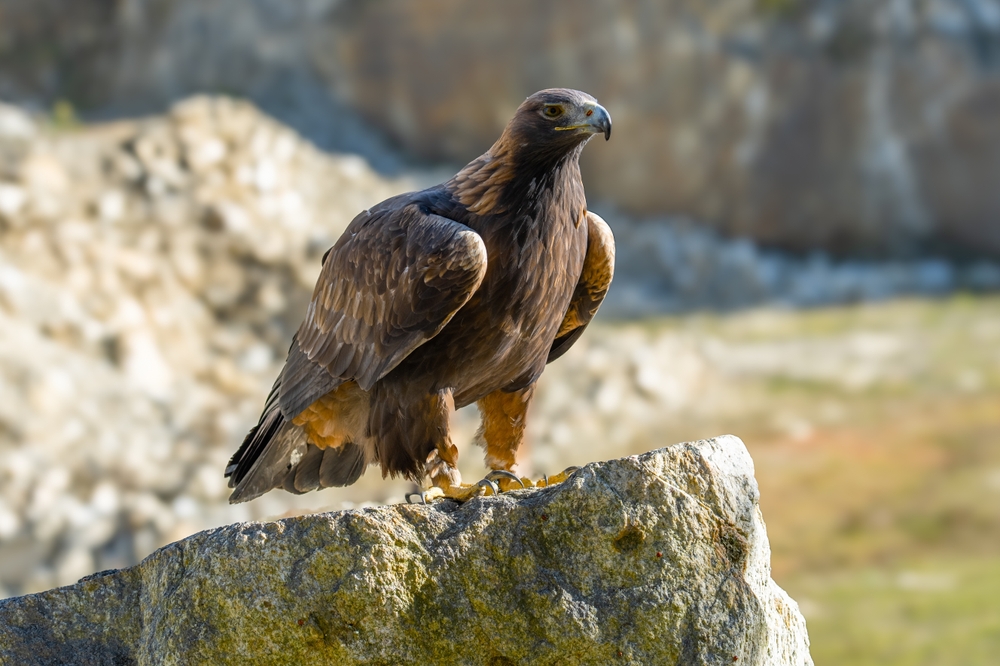
More than 250 bird species have been recorded, including black storks, white-tailed eagles, greater spotted eagles, cranes, herons, owls, and numerous migratory waterfowl. The wetlands and waterways support a rich variety of fish, amphibians, reptiles, and aquatic invertebrates, making the park a vital center of biodiversity.

Pripyatsky National Park plays a critical role in protecting one of Europe’s largest remaining floodplain ecosystems. The park safeguards internationally important wetlands, migratory bird habitats, forests, and river systems that contribute significantly to regional biodiversity. Conservation efforts focus on maintaining natural hydrological processes, protecting rare species, restoring wetlands, and promoting sustainable tourism.

Pripyatsky is often compared to Danube Delta Biosphere Reserve and Soomaa National Park because of its extensive wetlands and seasonal flooding. However, its vast floodplain forests, exceptional birdlife, and location within the Polesia region give it a distinctive identity. Today, Pripyatsky National Park stands as one of Eastern Europe’s most important conservation areas, preserving a remarkable landscape where rivers, wetlands, wildlife, and natural processes continue to thrive on a grand scale.
Things to See

Popular

Popular

Pripyatsky National Park is a unique natural reserve located in Belarus, often referred to as the “lungs of Europe” due to its vast pristine wetlands and marshes. It is home to an array of fascinating animal species, including rare and endangered creatures adapted to the park’s extensive riverine and swampy ecosystems. Here are some of the park’s most notable species:

European Bison
The European bison, or wisent, is the largest land mammal in Europe. These majestic animals have been successfully reintroduced to Pripyatsky, where they thrive in the park’s dense woodlands and open meadows.

Eurasian Beaver
This industrious rodent plays a key role in shaping the park’s aquatic landscapes. Their dams and lodges create habitats that support a wide variety of other species.

Eurasian Lynx
A solitary and elusive predator, the Eurasian lynx is a symbol of the park’s wilderness. Its keen hunting skills and beautiful spotted coat make it a fascinating resident of the area.

Gray Wolf
Pripyatsky is home to a healthy population of gray wolves, which roam the forests and wetlands in search of prey. They play an important role in maintaining the ecological balance of the park.

Wild Boar
These adaptable and hardy creatures are often seen foraging in the park’s diverse habitats, from riverbanks to forests.

European Otter
This sleek and playful mammal is a common sight along the waterways of Pripyatsky. The otter’s presence indicates the high quality of the park’s aquatic environment.

Elk (Moose)
The elk is the largest deer species found in Pripyatsky, often spotted grazing in the park’s wet meadows and marshes.

Brown Bear
Although less frequently seen, brown bears inhabit the park’s more remote regions, benefiting from its vast wilderness and abundant food sources.

Raccoon Dog
This small, nocturnal carnivore is known for its resemblance to raccoons. Native to East Asia, they were introduced to Europe and now thrive in Pripyatsky’s mixed habitats.

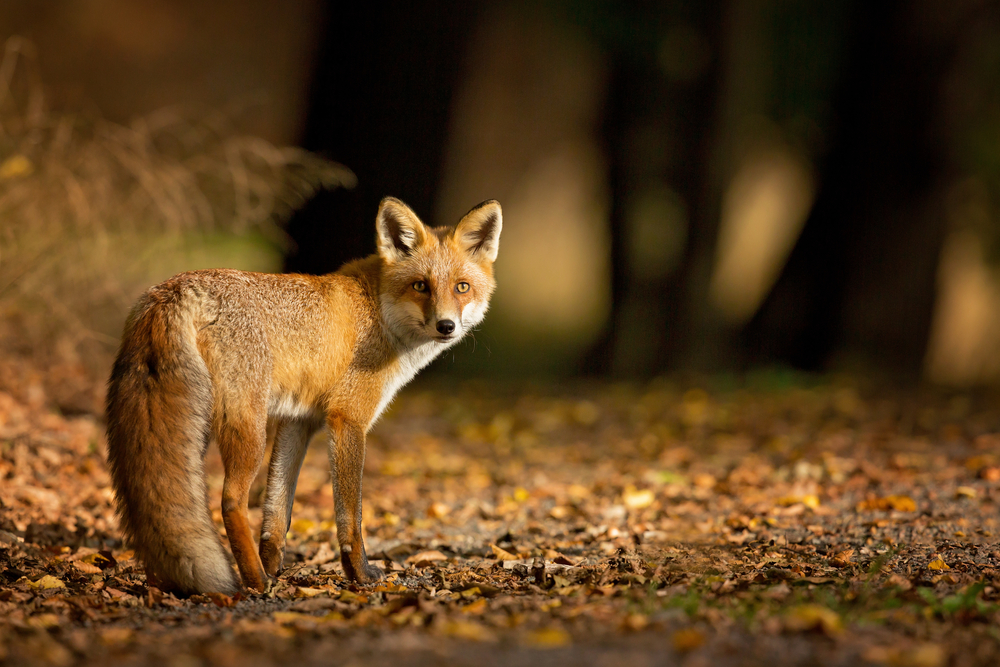
Red Fox
One of the most adaptable predators in the park, the red fox is commonly seen in various landscapes, from forests to grasslands.

Birds

Birds

Birdlife in Pripyatsky National Park is extraordinarily rich, making it a haven for bird enthusiasts. The park’s wetlands, forests, and open meadows host an incredible variety of bird species, including rare and migratory birds that use the park as a critical stopover. Here are some of its most popular bird species:

White-tailed Eagle
One of Europe’s largest birds of prey, this majestic eagle is often seen soaring above the park’s wetlands, searching for fish and other prey.

Great Snipe
Known for its elaborate courtship display, the great snipe is a star attraction in Pripyatsky’s marshy areas, particularly during the breeding season.

Black Stork
A rare and reclusive bird, the black stork nests in the park’s old-growth forests and hunts in its wetlands.

Common Crane
These elegant birds are iconic in the park, with their striking plumage and distinctive trumpeting calls filling the air during migration seasons.

Eurasian Bittern
This secretive bird, known for its booming call, thrives in the reed beds and wetlands of Pripyatsky.

Barn Owl
A hauntingly beautiful bird, the barn owl hunts nocturnally over the park’s open landscapes, contributing to the region’s charm.

Pygmy Owl
This tiny predator is a year-round resident of Pripyatsky’s forests, where its sharp calls can be heard in the twilight hours.

Golden Oriole
With its vibrant yellow plumage and melodious song, the golden oriole adds a splash of color to the park’s woodlands.

Black Woodpecker
The largest woodpecker in Europe, this striking bird can often be heard drumming on trees throughout the forested areas.

Whooper Swan
These graceful swans are regular visitors to the park’s wetlands during migration, their beauty adding to the serene atmosphere of the waterways.