About

v

Soomaa National Park is located in southwestern Estonia and covers approximately 151 square miles (390 sq km). Established in 1993, the park protects one of the largest intact wetland complexes in Northern Europe and preserves a unique landscape of raised bogs, floodplain meadows, rivers, and forests.

Situated between the cities of Pärnu and Viljandi, Soomaa serves as one of Estonia’s most important protected natural areas. The name “Soomaa” translates to “Land of Bogs,” reflecting the park’s defining feature—vast peat bogs that dominate much of the landscape. Known for its seasonal flooding and wilderness character, Soomaa offers visitors an opportunity to experience one of Europe’s most distinctive wetland environments.

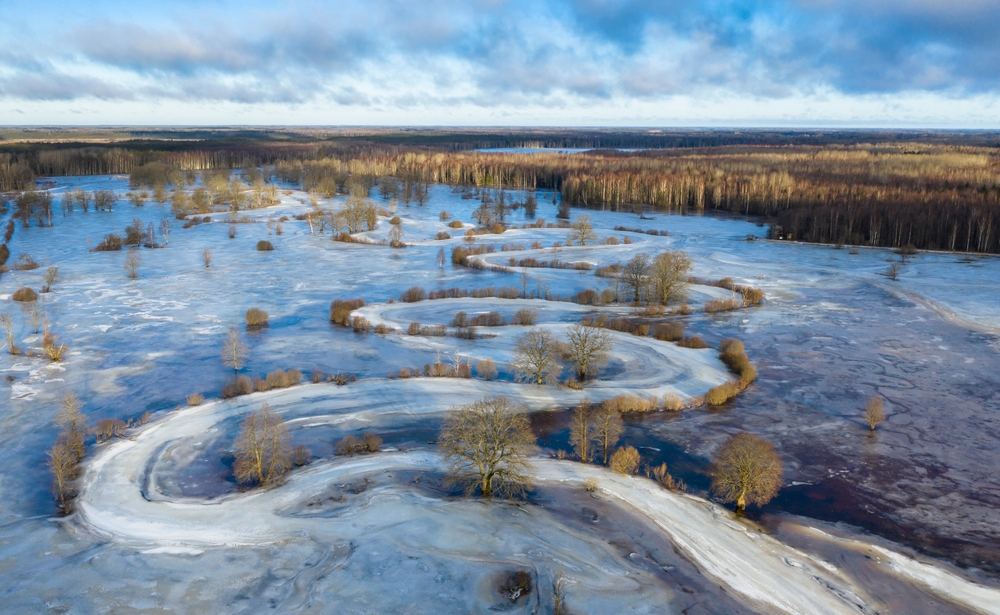
Soomaa National Park is best known for its famous “Fifth Season,” a natural phenomenon that occurs during spring when melting snow and heavy rains cause rivers to overflow across the landscape. During this period, large portions of the park become flooded, transforming forests, meadows, and roads into a vast temporary waterway.

Visitors are drawn to the park for canoeing, kayaking, hiking, wildlife observation, photography, and nature education. Traditional dugout canoe excursions are particularly popular and provide a unique way to explore the flooded landscape. Throughout the year, well-maintained boardwalks allow visitors to experience the park’s bogs and wetlands while minimizing disturbance to sensitive habitats.

The geography of Soomaa National Park is shaped by water. The park encompasses extensive peat bogs, floodplain forests, marshes, rivers, and wet meadows. Five major bog systems form the ecological heart of the park, while several rivers—including the Halliste, Raudna, Navesti, and Lemmjõgi—flow through the region. The landscape remains relatively flat, allowing seasonal floodwaters to spread widely across the park.

Thick peat deposits accumulated over thousands of years have created extensive raised bog ecosystems that support specialized plant communities. Vegetation includes pine forests, birch woodlands, sphagnum mosses, heather, bog rosemary, cranberries, and other wetland-adapted species. The combination of wetlands and forests creates one of the most ecologically significant landscapes in the Baltic region.

Wildlife within Soomaa National Park is abundant and diverse. Large mammals include moose, roe deer, wild boar, lynx, wolves, brown bears, and beavers. The park’s extensive wetlands provide important habitat for numerous bird species, including black storks, cranes, wood grouse, eagles, owls, and migratory waterfowl.

Rivers and wetlands support amphibians, fish, and countless invertebrates that form the foundation of the ecosystem. Beavers play a particularly important ecological role by helping maintain wetland habitats through their dam-building activities. The variety of habitats allows wildlife populations to flourish across the park throughout the year.

Soomaa National Park plays a vital role in protecting Estonia’s wetland heritage and preserving some of Europe’s most important peatland ecosystems. The park safeguards extensive bog habitats, floodplain forests, and critical breeding areas for numerous wildlife species. Conservation efforts focus on maintaining natural hydrological processes, restoring wetland habitats, and protecting biodiversity.

Soomaa is often compared to Matsalu National Park and The Broads National Park because of its wetland significance and ecological value. However, its unique Fifth Season flooding, vast peat bogs, and traditional dugout canoe culture give it a distinctive identity. Today, Soomaa National Park stands as one of Northern Europe’s most important wetland conservation areas, preserving a landscape where water, wildlife, and natural processes continue to shape the environment.
Things to See

Popular

Popular

Soomaa National Park, located in southwestern Estonia, is renowned for its unique landscapes, seasonal flooding, and diverse wildlife. This park is a haven for species adapted to wetlands, bogs, and riverine environments. Below are some of the popular species found in Soomaa National Park:

Eurasian Beaver
The Eurasian beaver is a keystone species in Soomaa, shaping the park’s wetland ecosystems. These semi-aquatic rodents build dams and lodges, creating habitats for many other species and influencing water flow in the park’s rivers.

European Otter
A sleek and agile predator, the European otter is commonly seen in the park’s waterways. It feeds on fish, amphibians, and crustaceans, and its presence indicates the health of the ecosystem.

Wild Boar
Wild boars are frequently found in the park’s forests and meadows. Known for their rooting behavior, they play an important role in aerating the soil and dispersing seeds.

Brown Bear
Soomaa is home to the elusive brown bear, a symbol of wilderness in the region. Although sightings are rare, these large omnivores roam the forests in search of berries, roots, and small mammals.

Gray Wolf
The gray wolf is the top predator in Soomaa National Park. These highly social animals live in packs and help maintain balance in the park’s ecosystem by controlling populations of herbivores.

Eurasian Lynx
An elusive and solitary feline, the Eurasian lynx inhabits the dense forests of the park. Known for its tufted ears and stealthy nature, it preys on small to medium-sized mammals like hares and deer.

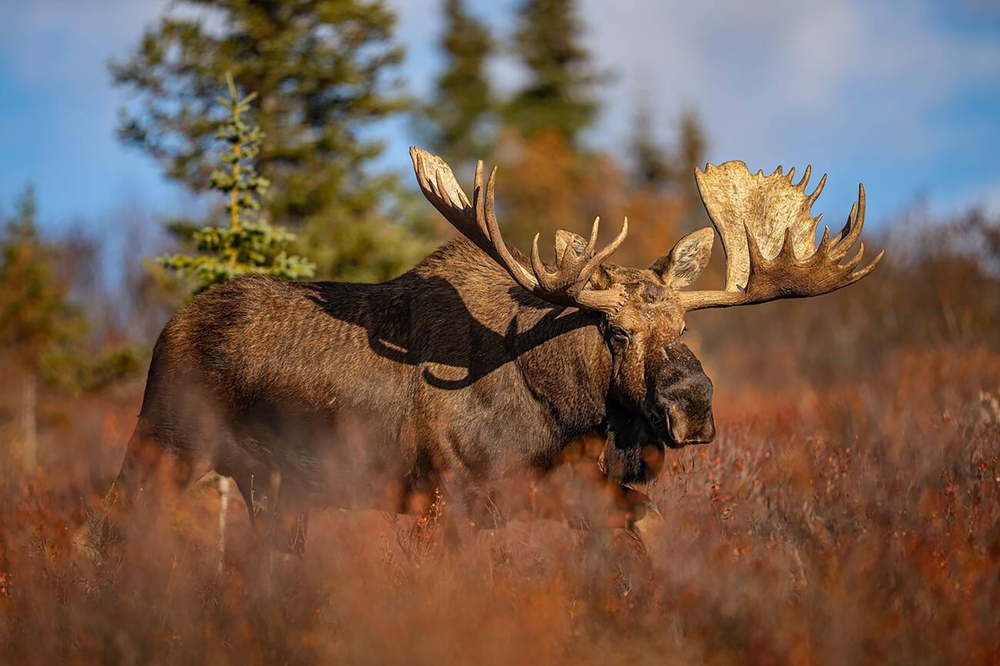
Moose
The moose, the largest deer species in Europe, is often seen grazing in the park’s wetlands and forests. Their preference for aquatic vegetation makes them well-suited to Soomaa’s boggy terrain.

Roe Deer
These agile and graceful deer are commonly found in the park’s woodlands and open areas. They feed on a variety of plants and are an important prey species for predators like wolves and lynxes.

Raccoon Dog
An introduced species, the raccoon dog has adapted well to the park’s habitats. Resembling a raccoon with its distinctive facial markings, it is omnivorous and often seen near water.

Common Frog
A widespread amphibian in Soomaa, the common frog thrives in the park’s wetland environments. It plays a crucial role in controlling insect populations and serves as prey for larger animals.

Birds

Birds

Soomaa National Park is also a haven for bird enthusiasts, with its vast wetlands and floodplains attracting a rich diversity of bird species. Below are some of the popular birds found in the park:

White-tailed Eagle
This majestic bird of prey is one of the largest eagles in Europe. It can often be seen soaring over the park’s rivers and wetlands, hunting for fish and waterfowl.

Common Crane
Known for their elegant stature and elaborate courtship dances, common cranes are a highlight of Soomaa’s birdlife. They breed in the park’s bogs and meadows.

Western Capercaillie
This large grouse is a resident of Soomaa’s forests. Males are known for their spectacular displays during the breeding season, which include vocalizations and dramatic posturing.

Black Stork
A shy and rare species, the black stork nests in the park’s old-growth forests. It feeds on fish and amphibians in the park’s rivers and wetlands.

Eurasian Bittern
This elusive heron is known for its booming call, which resonates through the wetlands. Its camouflaged plumage makes it difficult to spot among reeds.

Whooper Swan
A large and graceful waterbird, the whooper swan is a seasonal visitor to the park. Its loud, trumpet-like calls are a signature sound of the wetlands.

Pied Avocet
Recognized by its striking black-and-white plumage and upturned bill, the pied avocet feeds in the park’s shallow waters, sifting through mud for small invertebrates.

Northern Lapwing
This striking wader is known for its iridescent green plumage and unique crest. Northern lapwings are often seen in the park’s floodplains during the breeding season.

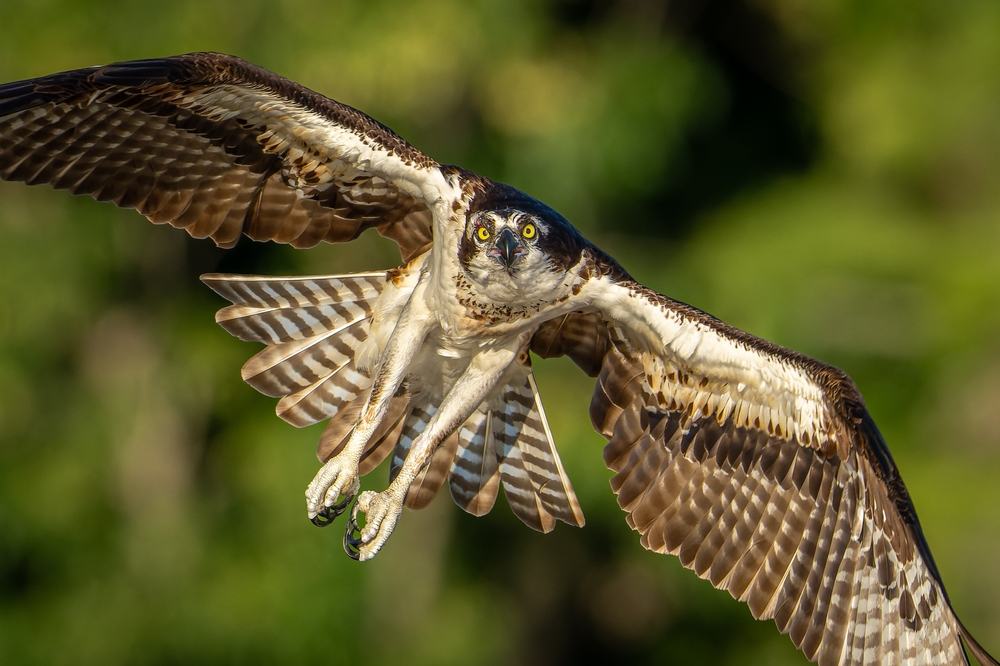
Osprey
A skilled hunter, the osprey is frequently seen diving into the park’s waterways to catch fish. Its impressive wingspan and dramatic hunting style make it a favorite among birdwatchers.

Short-eared Owl
This ground-nesting owl is often spotted hunting during the day in the park’s open areas. Its distinctive flight pattern and piercing yellow eyes make it a fascinating sight.