

About
Tlemcen National Park (French: Parc National de Tlemcen; Arabic: الحديقة الوطنية تلمسان) is located in northwestern Algeria near the historic city of Tlemcen and close to the border with Morocco. Established in 1993, the park covers approximately 320 square miles (825 sq km) and protects a diverse landscape of mountains, forests, caves, waterfalls, and cultural landmarks.
Situated within the Tlemcen Mountains, the park serves as one of Algeria’s most important protected areas, combining significant ecological resources with a rich historical and cultural heritage. Its location at the crossroads of Mediterranean and North African ecosystems contributes to its remarkable biodiversity.
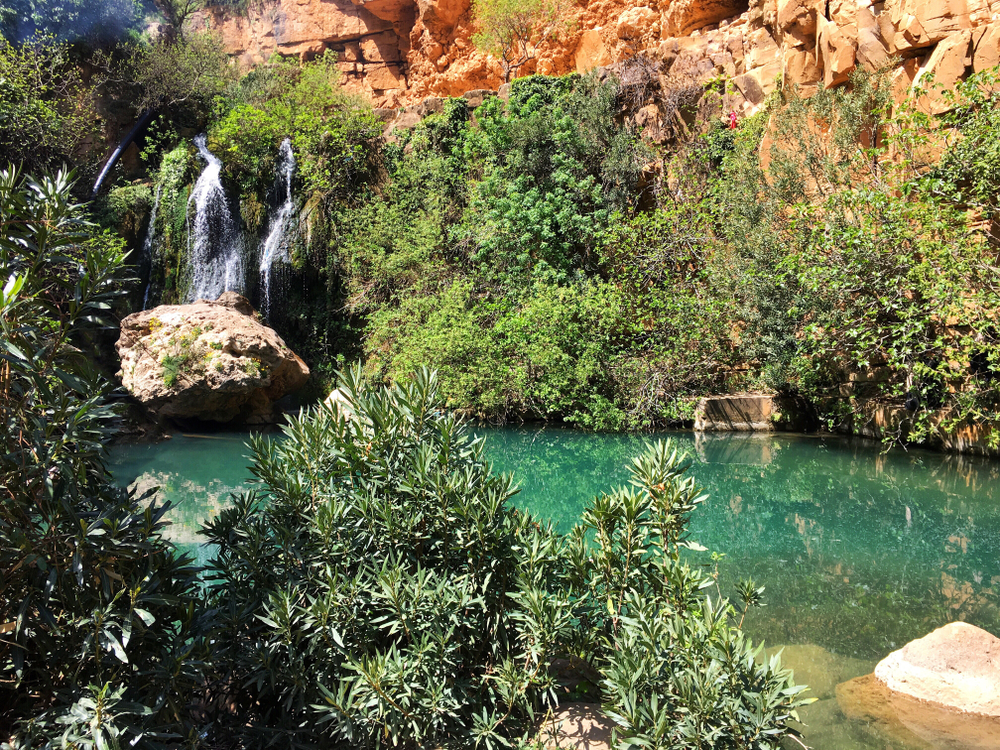
The park is best known for its dramatic natural scenery and historic sites. Visitors are drawn to the beautiful forests, limestone cliffs, caves, and waterfalls that characterize the region. Among its most famous attractions are the spectacular El Ourit Waterfalls and the ancient cave systems of Beni Add, which extend deep beneath the mountains and showcase impressive underground formations.
The park also contains important archaeological and cultural sites reflecting centuries of Berber, Arab, Andalusian, and Ottoman influence. This unique combination of natural and cultural attractions makes Tlemcen National Park one of Algeria’s most distinctive destinations.
Geographically, Tlemcen National Park encompasses a varied landscape of forested mountains, plateaus, valleys, caves, and karst formations. Elevations range from rolling foothills to rugged mountain ridges that provide sweeping views across northwestern Algeria. The park experiences a Mediterranean climate with mild, wetter winters and warm, dry summers.
Vegetation includes Aleppo pine forests, holm oak woodlands, juniper stands, cedar groves, and Mediterranean shrublands. Springs, streams, and seasonal rivers help sustain the park’s ecosystems and contribute to the formation of waterfalls and cave systems throughout the region.
Wildlife within Tlemcen National Park reflects the diversity of its habitats. Mammals include wild boar, red foxes, jackals, genets, hares, and several species of bats that inhabit the park’s caves. The forests provide habitat for a variety of bird species, including eagles, hawks, owls, woodpeckers, and migratory birds traveling between Europe and Africa.
Reptiles and amphibians occupy rocky slopes, streams, and woodland environments, while numerous invertebrates contribute to the ecological complexity of the region. The park’s varied topography and vegetation create important refuge areas for wildlife within northwestern Algeria.
Tlemcen National Park plays a vital role in conserving Algeria’s Mediterranean mountain ecosystems while protecting important geological and cultural resources. The park safeguards forests that help prevent soil erosion, preserve watersheds, and support biodiversity. Its caves, waterfalls, and historical sites further enhance its national significance.
Ecologically and scenically, Tlemcen is often compared to Talassemtane National Park and Cévennes National Park because of its forested mountains, karst landscapes, and cultural heritage. Through its rich biodiversity, scenic beauty, ancient caves, and historical importance, Tlemcen National Park stands as one of Algeria’s most treasured protected areas and a remarkable showcase of North Africa’s natural and cultural legacy.
Things to See
Things To Do
Engaging Tlemcen National Park
