About

Talassemtane National Park, locally known as “Parc National de Talassemtane,” is a breathtaking protected area located in northern Morocco, within the Rif Mountains near the city of Chefchaouen. Established in 2004, the park spans approximately 589 square kilometers (227 square miles) and is one of the most significant conservation areas in the region. Known for its dramatic landscapes, rich biodiversity, and cultural significance, Talassemtane serves as a vital refuge for rare species and a destination for eco-tourism.

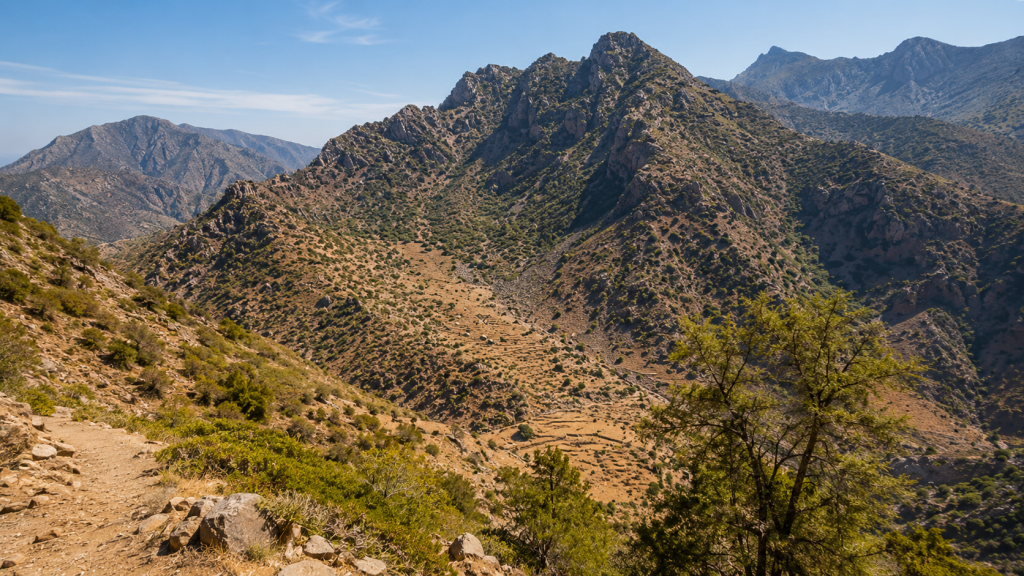
The terrain of Talassemtane National Park is a striking mix of rugged limestone peaks, deep gorges, dense forests, and pristine rivers. The park’s highest point, Jebel Lakraa, reaches an altitude of 2,159 meters (7,083 feet), offering stunning panoramic views of the Rif Mountains. The vegetation is diverse, dominated by cedar and fir forests at higher elevations, while lower areas are covered in oak, pine, and Mediterranean scrub. Seasonal streams and waterfalls, such as the Akchour Waterfalls, further enhance the park’s beauty and ecological importance.

Talassemtane is home to a rich variety of wildlife, including many species that are endemic to the Rif region. The park provides critical habitats for mammals such as Barbary macaques, wild boars, and jackals. Birdlife is abundant, with species like Bonelli’s eagles, peregrine falcons, and the endangered bearded vulture frequently sighted. Reptiles and amphibians, including geckos and frogs, thrive in the park’s diverse habitats, adding to its ecological richness. The flora is equally notable, with rare plants such as Atlas cedars and Spanish firs contributing to the park’s uniqueness.

Visitors to Talassemtane National Park can explore its natural wonders through well-maintained hiking trails that range from leisurely walks to challenging treks. The trail to the Akchour Waterfalls is particularly popular, offering scenic views and a refreshing reward at the end. Wildlife observation and birdwatching are other highlights, providing opportunities to spot rare and endemic species in their natural habitats. Cultural tours of nearby Chefchaouen, known for its blue-painted streets and traditional architecture, add a rich dimension to the visitor experience.

Despite its beauty and ecological significance, Talassemtane faces challenges such as deforestation, overgrazing, and illegal logging. Climate change further threatens the delicate balance of the park’s ecosystems. Conservation efforts led by Moroccan authorities, environmental organizations, and local communities focus on reforestation projects, sustainable tourism, and habitat protection. Educational programs aim to raise awareness about the importance of preserving this unique natural area.

Talassemtane National Park is a jewel of northern Morocco, offering a harmonious blend of dramatic landscapes, diverse wildlife, and cultural heritage. Its forests, rivers, and ecosystems are critical not only for the region but also for global biodiversity conservation. By protecting this extraordinary park, Morocco ensures the survival of its natural treasures for generations to come.

Things to See

Popular

Talassemtane National Park, located in northern Morocco within the Rif Mountains, is a sanctuary of biodiversity. Its lush forests, rugged cliffs, and pristine rivers support a variety of species uniquely adapted to its Mediterranean climate and mountainous terrain.

Barbary Macaque (Macaca sylvanus)
This endangered primate is a key resident of the park, often seen foraging in oak and cedar forests. Barbary macaques live in social groups and play an essential role in seed dispersal, contributing to the forest’s health.

Striped Hyena (Hyaena hyaena)
A nocturnal scavenger, the striped hyena inhabits the park’s open areas and forests. It feeds on carrion and small mammals, helping to maintain the ecological balance.

Spanish Ibex (Capra pyrenaica hispanica)
This agile mountain species is perfectly adapted to the park’s steep cliffs. It grazes on grasses and shrubs, using its climbing skills to evade predators and navigate the rocky terrain.

North African Hedgehog (Atelerix algirus)
This small mammal is commonly found in the park’s grasslands and edges of forests. It feeds on insects, small invertebrates, and fruits, and its spiny coat offers protection from predators.

Berber Toad (Sclerophrys mauritanica)
An amphibian adapted to the park’s rivers and ponds, the Berber toad preys on insects and small aquatic creatures. Its presence is an indicator of healthy freshwater ecosystems.

Cuvier’s Gazelle (Gazella cuvieri)
This graceful species is native to the park’s grasslands and forest edges. It feeds on shrubs, grasses, and leaves and is carefully monitored due to its vulnerable conservation status.

Moroccan Gecko (Tarentola mauritanica)
This small reptile thrives in the park’s rocky and forested habitats. A nocturnal predator, it hunts insects and small invertebrates.

Atlas Mountain Viper (Vipera monticola)
A venomous snake endemic to the region, the Atlas Mountain viper preys on small mammals and reptiles. Its camouflage helps it blend into the rocky environment.

Common Genet (Genetta genetta)
This sleek carnivore is known for its agility and spotted coat. The common genet hunts rodents, reptiles, and insects in the park’s forests and grasslands.

Fat-tailed Sheep (Ovis aries laticaudatus)
Although domesticated, this species is often seen grazing near the park’s boundaries. It contributes to the cultural and agricultural practices of local communities.

Birds

Talassemtane National Park is a birdwatcher’s haven, with its varied habitats hosting an array of avian species. The park’s mix of forests, cliffs, and wetlands provides vital nesting and foraging grounds for resident and migratory birds alike.

Bonelli’s Eagle (Aquila fasciata)
A powerful raptor, Bonelli’s eagle hunts small mammals and reptiles in the park’s rugged cliffs and open landscapes.

Moussier’s Redstart (Phoenicurus moussieri)
An endemic species of North Africa, this colorful bird thrives in the park’s scrublands and forest edges, feeding on insects and small invertebrates.

Levant Sparrowhawk (Accipiter brevipes)
This agile bird of prey is a seasonal visitor to the park, hunting small birds and insects in wooded areas.

Crimson-winged Finch (Rhodopechys sanguineus)
This vibrant finch is commonly found in the park’s high-altitude areas, feeding on seeds and small plants.

Barbary Partridge (Alectoris barbara)
A ground-dwelling bird, the Barbary partridge is well-adapted to the park’s rocky terrain. It forages for seeds, grains, and insects.

Golden Eagle (Aquila chrysaetos)
This iconic raptor is a top predator in the park, hunting mammals and birds from its vantage points in the mountains.

Black Stork (Ciconia nigra)
A migratory bird, the black stork uses the park’s rivers and wetlands for feeding and resting during its journey.

Atlas Flycatcher (Ficedula speculigera)
An endemic species, this flycatcher hunts insects in the park’s dense forests. Its striking plumage makes it a favorite among birdwatchers.

Short-toed Snake Eagle (Circaetus gallicus)
This eagle specializes in hunting reptiles, often seen soaring above the park’s open areas.

Common Kestrel (Falco tinnunculus)
A frequent sight in the park, the common kestrel hovers in search of small mammals, insects, and birds in the grasslands and open landscapes.

Things To Do

Engaging Talassemtane National Park

placeholder

Trekking

placeholder

Hiking

placeholder

Cultural Heritage