

About
Vicente Perez Rosales National Park is located northeast of Puerto Montt in the southern half of Chile. The park encompasses an area of 977 square miles(2,520 sq km). The national park is neighbors with Puyehue National Park in Chile and Nahuel Huapi National Park and Lanin National Park which are both in Argentina.
The collaborative national parks create a protected area that expands across 5,792 square miles (15,000 sq km). It is a mutual investment between the two counries to protect the beauty and ecological signifance of the region.
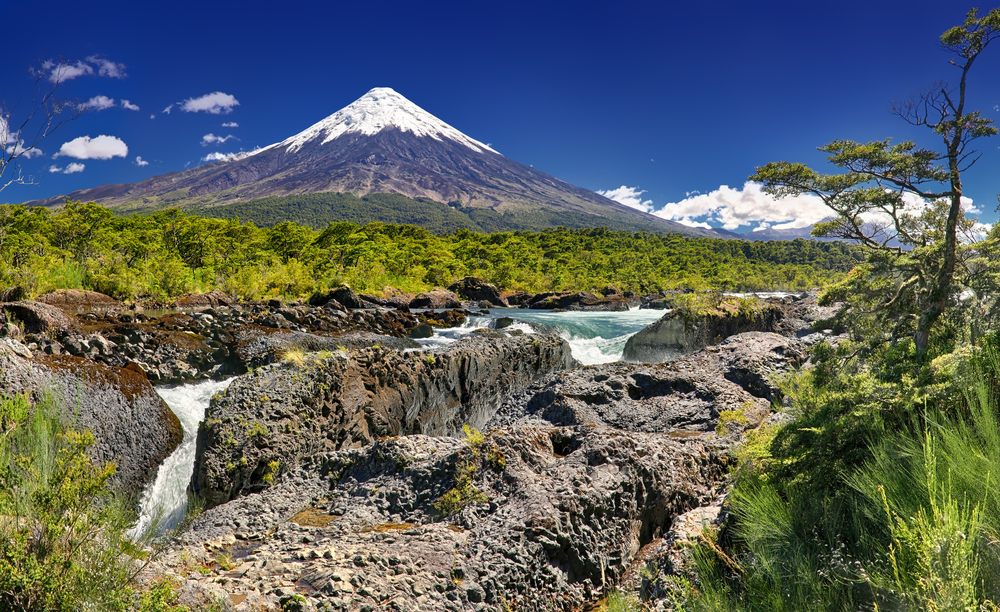
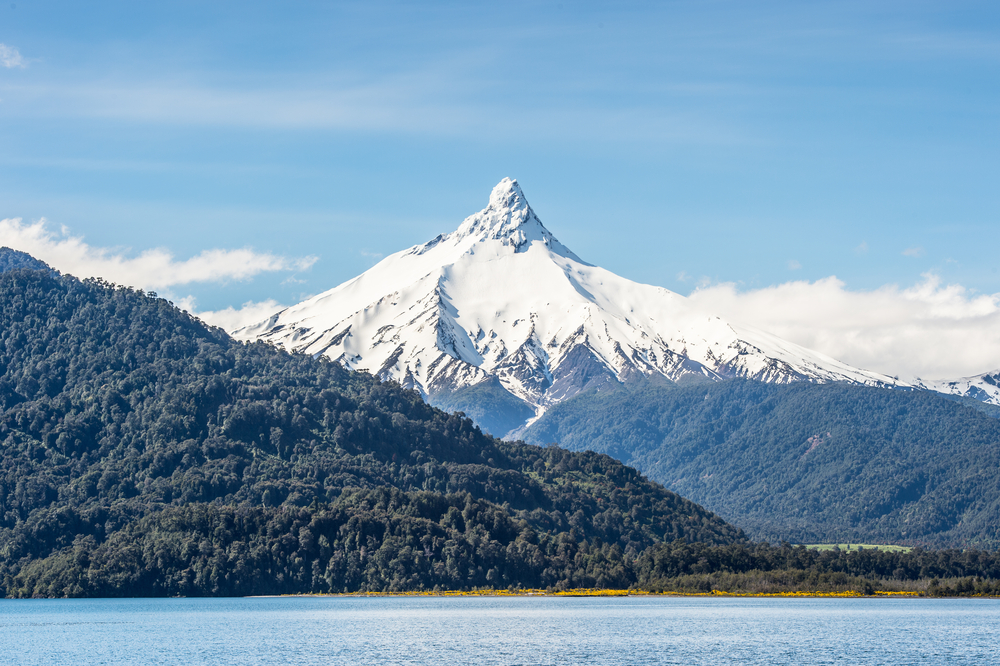
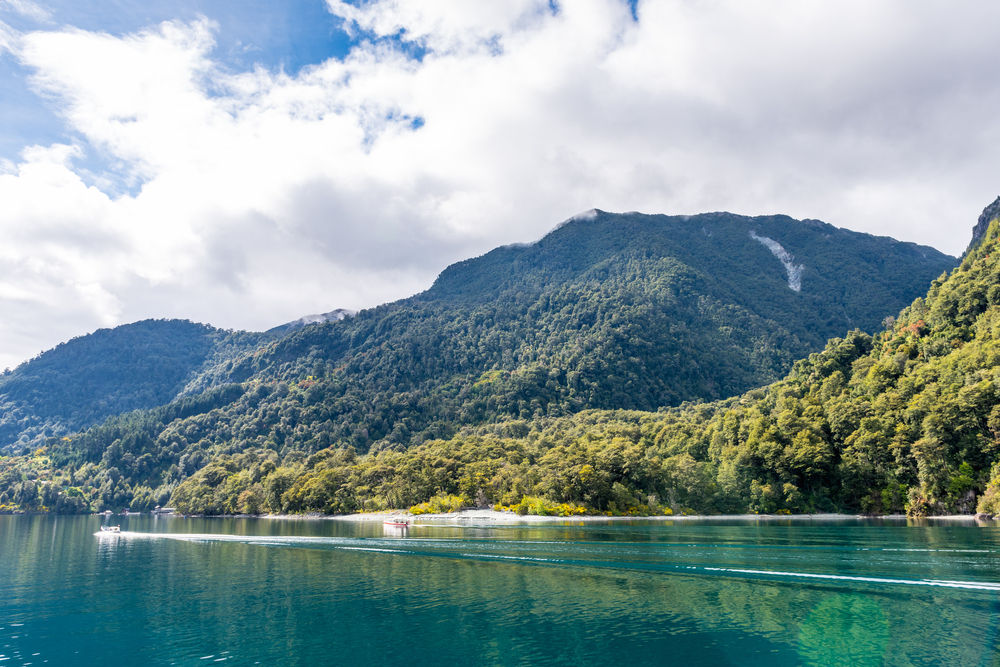
The heart of the park is grounded around Lake Todos los Santos. Mountains surround the lake adding to exquisite landscapes. Boating on the lake is a commo activity and a great way to appreciate the mountainous terrain that surrounds the lake.
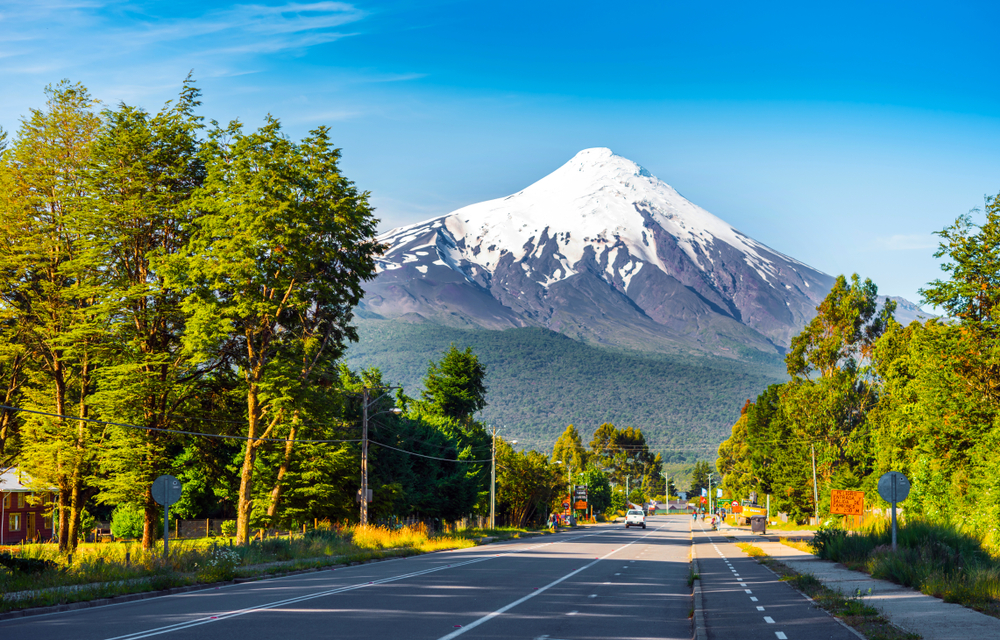
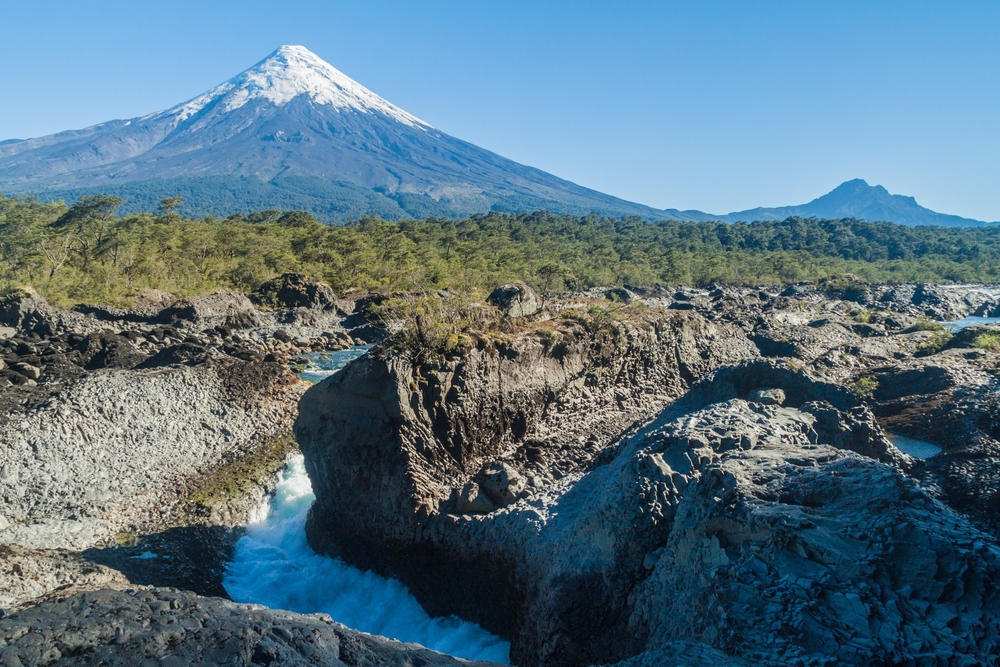
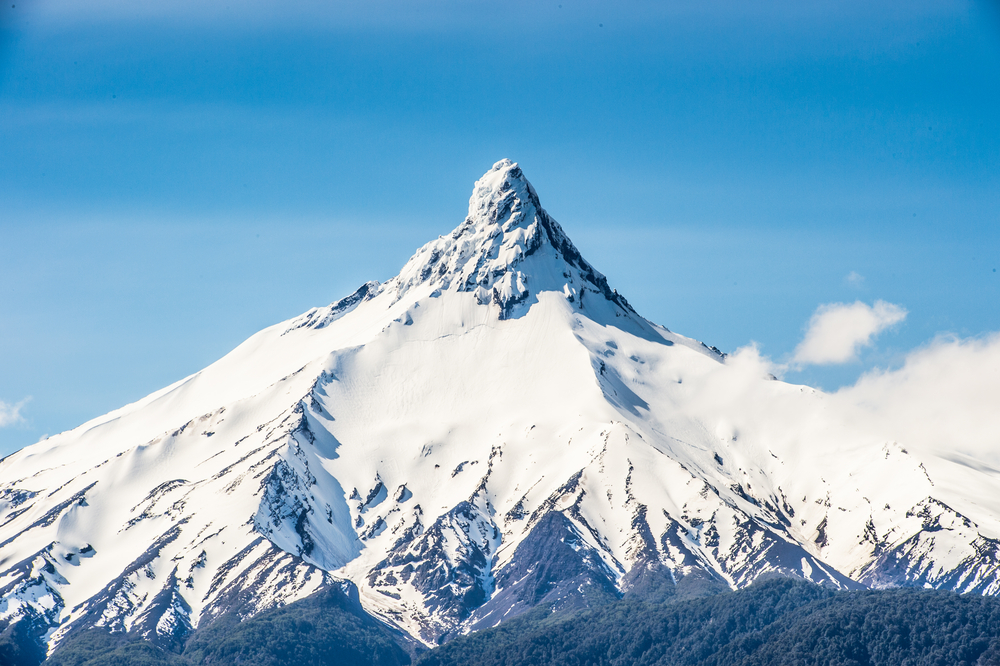
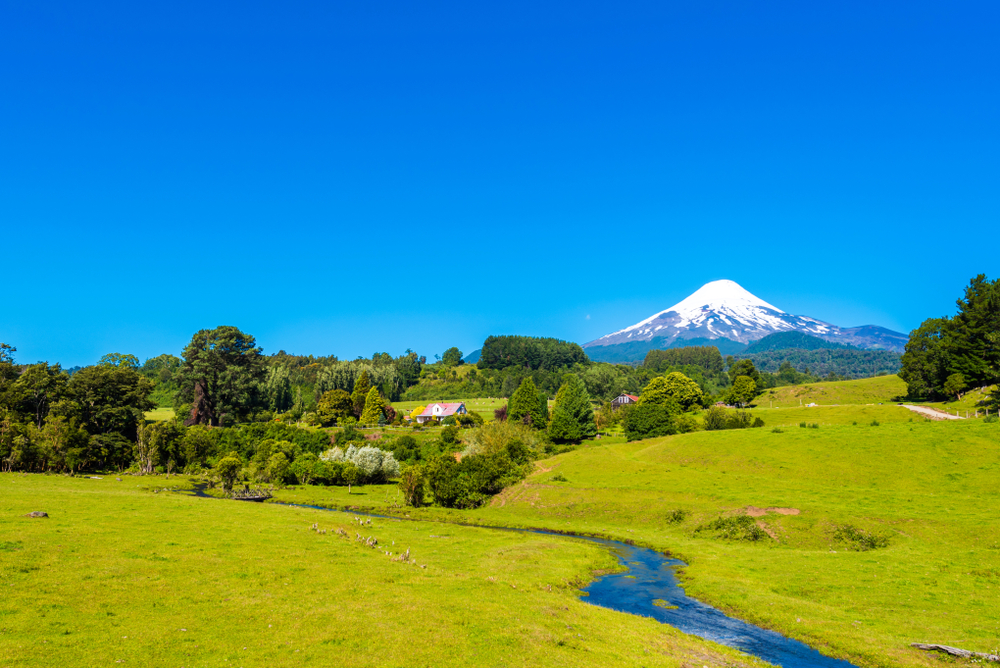
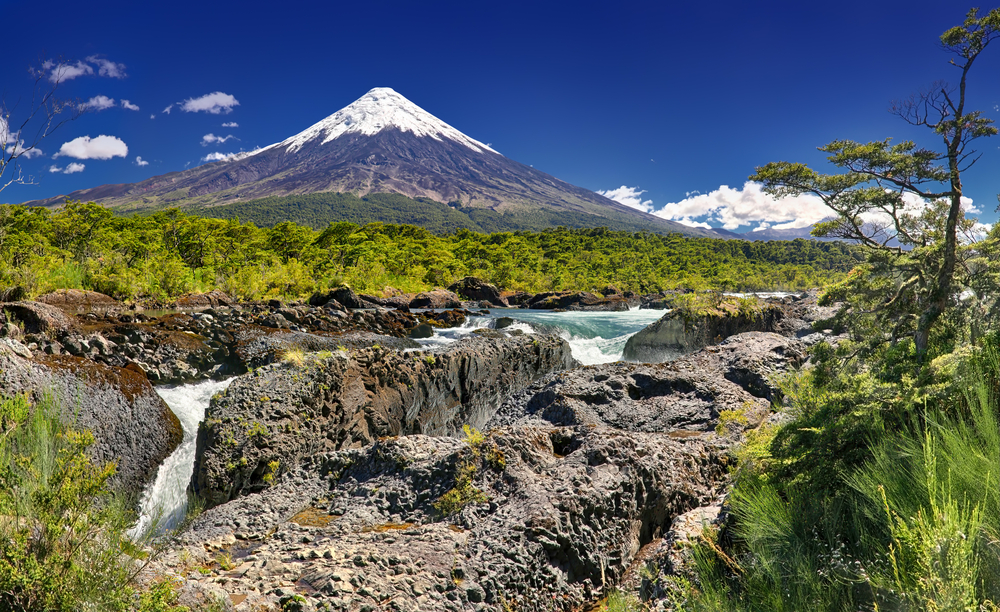
Puntiagudo, Tronador, and Volcan Osorno are three mountains overlook the park while also serving as part of the astounding landscapes. Tronador is the tallest reaching a height of 11,380 feet (3,470 m). All three mountains remain snow-capped throughout the year.
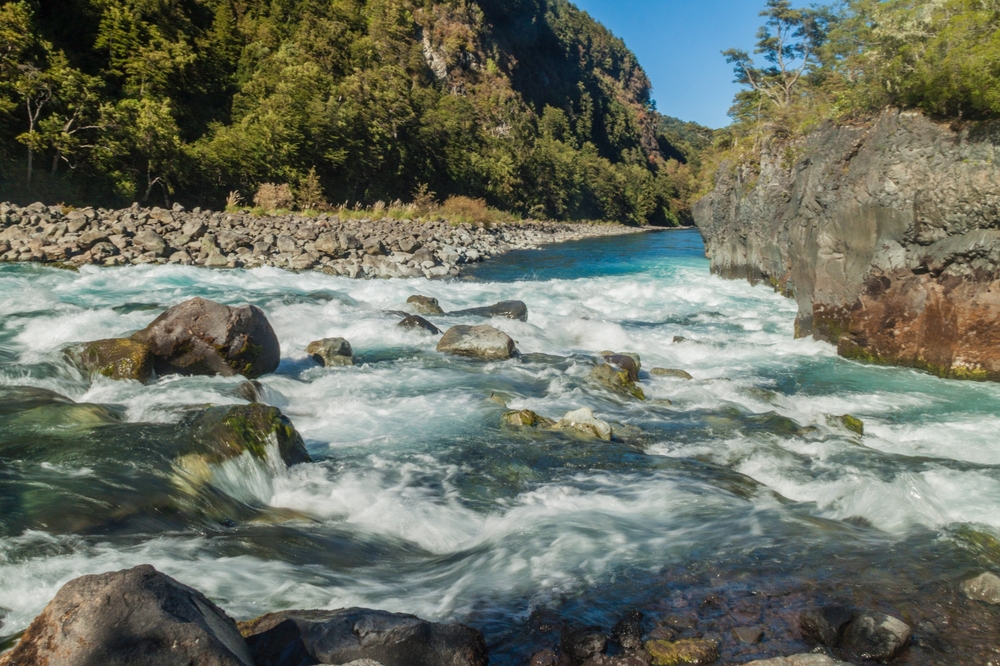
The park ecosystem represensts a Valdivian temperate rain forest with the type of forest varying depending on altitudes. Dombey’s beech, also known as coigue or officially as Nothofagus dombeyi, is the most common trees seen in the park.
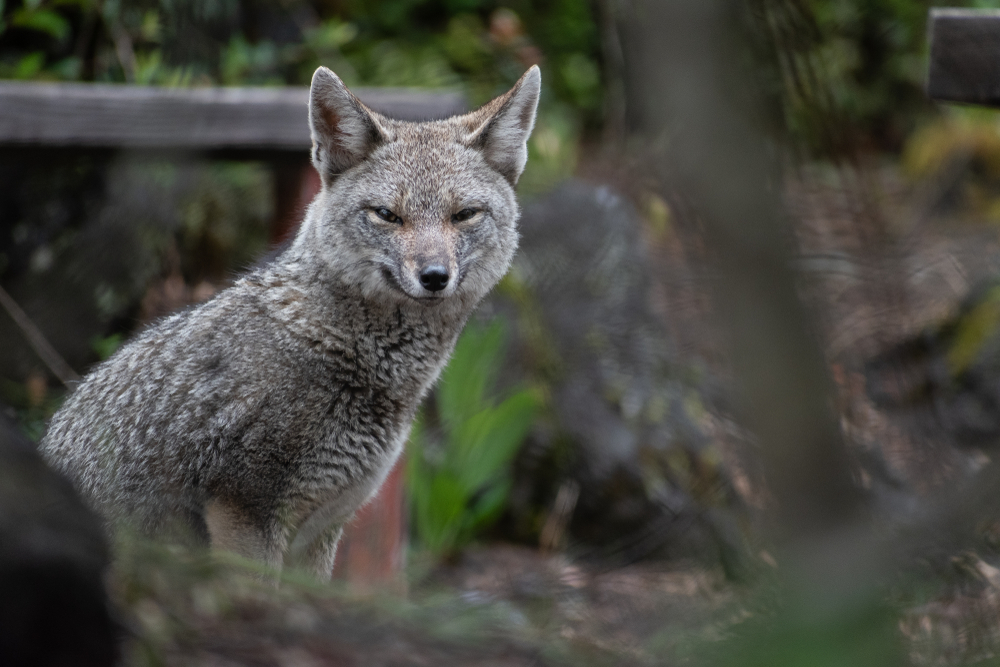
The wildlife is diverse with approximatley 30 species of mammals, 80 species of birds, and many other fish and reptiles. The cougar is one of the most hopeful animal sightings with the kodkod cat being a unique feline encounter. Mustilids, the lesser grison, and the hog-nosed skunk are three smaller carnivores calling the park home.
Photos

Things to See
Vicente Perez Rosales National Park Trails
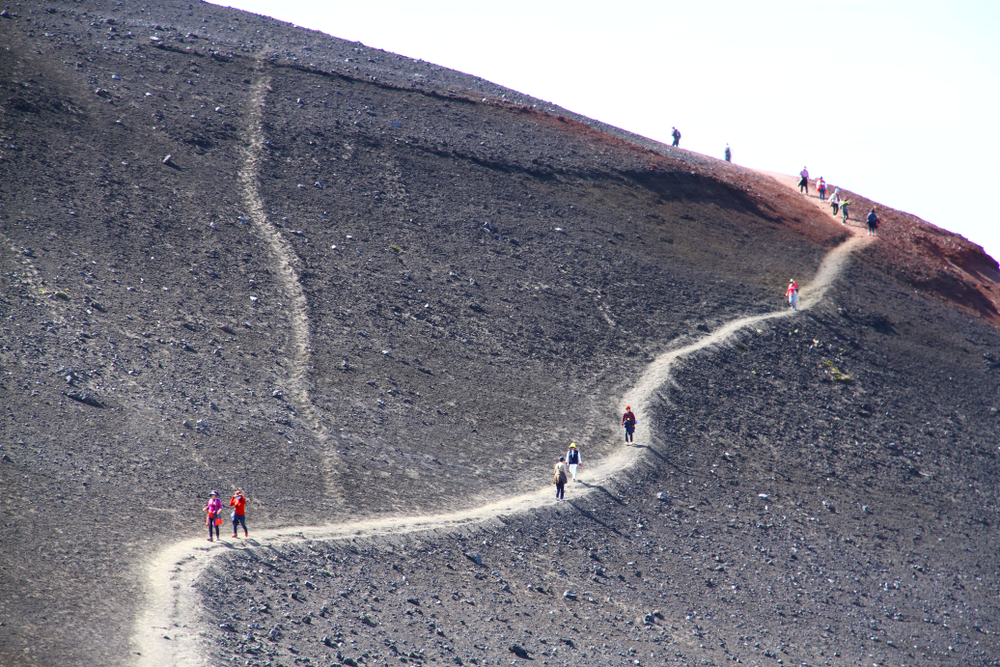
Hiking is one of the most popular activities throughout the park. There are at least 10 different trails for visitors to trek and explore.

Park Protection
Vicente Perez Rosales National Park wasa the first national park created in Argentina in recognition of the striking landscapes and immeasureable ecological importance. There is an abundance and diverse collection of both flora and fauna that are protected by the park. The significance of the national park was affirmed with three neighboring national parks created between Chile and Argentina protecting the surrounding ecosystem and landscapes.
Sources
- All Trails, Best Trails in Vicente Perez Rosales National Park, https://www.alltrails.com/parks/chile/los-lagos/parque-nacional-vicente-perez-rosales, retrieved January 2022.
- Go Chile, Vicente Perez Rosales National Park, https://www.gochile.cl/en/vicente-perez-rosales-national-park/, retrieved January 2022.
- LAC Geo, Vicente Perez Rosales National Park, https://lacgeo.com/vicente-perez-rosales-national-park-chile, retrieved January 2022.
- Peak Visor, Vicente Perez Rosales National Park, https://peakvisor.com/park/vicente-perez-rosales-national-park.html, retrieved 2022.
- Visit Chile, Vicente Perez Rosales National Park, https://www.visitchile.com/en/vicente-perez-rosales-national-park/, retrieved January 2022.