

About
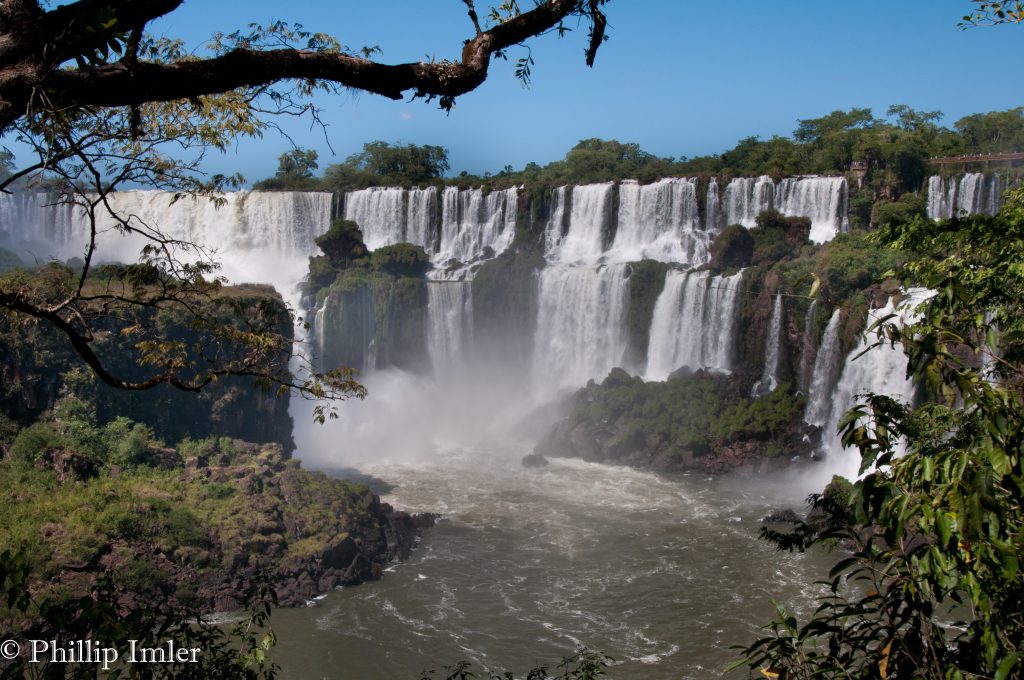
Iguazu National Park is located in Argentina along the Iguazu River which creates a natural border between the country and Brazil. The national park encompasses an area of 261 square miles (677 sq km) and is a sister protected area on the Brazilian side known as Iguacu National Park.
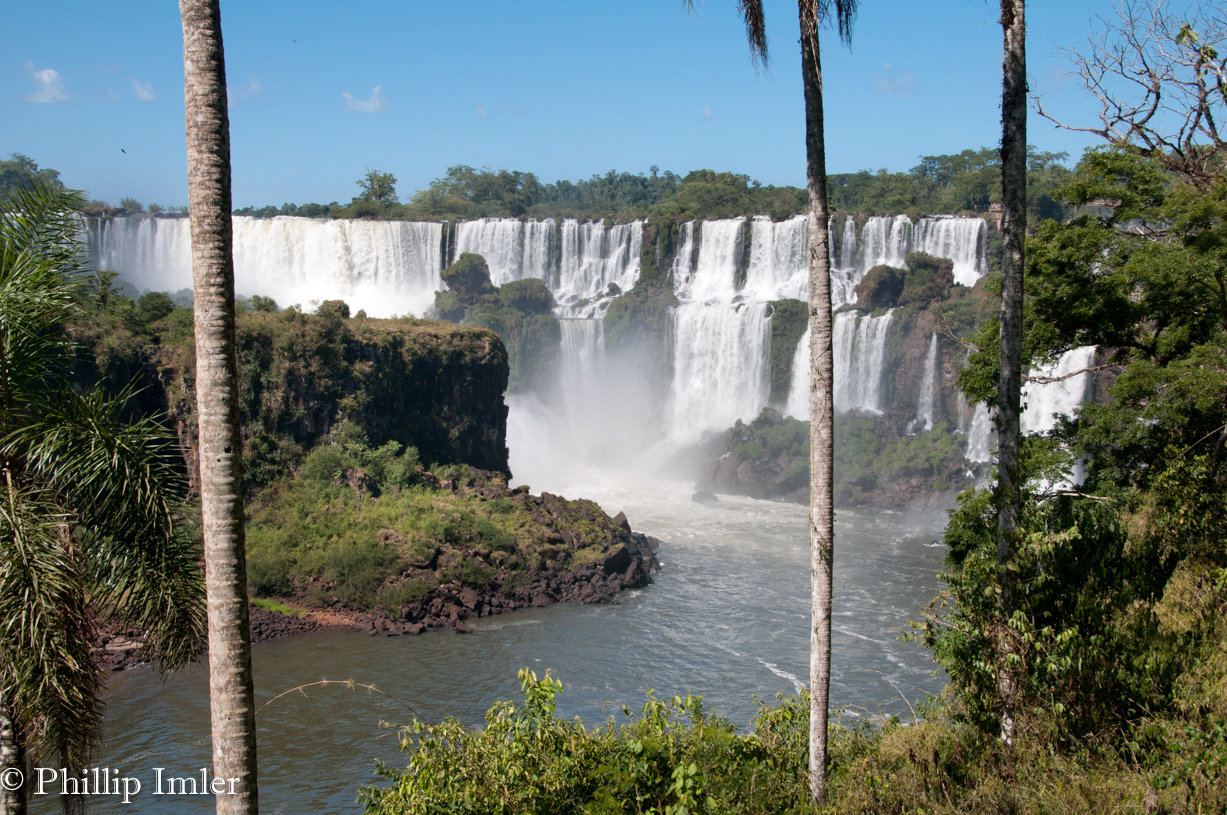
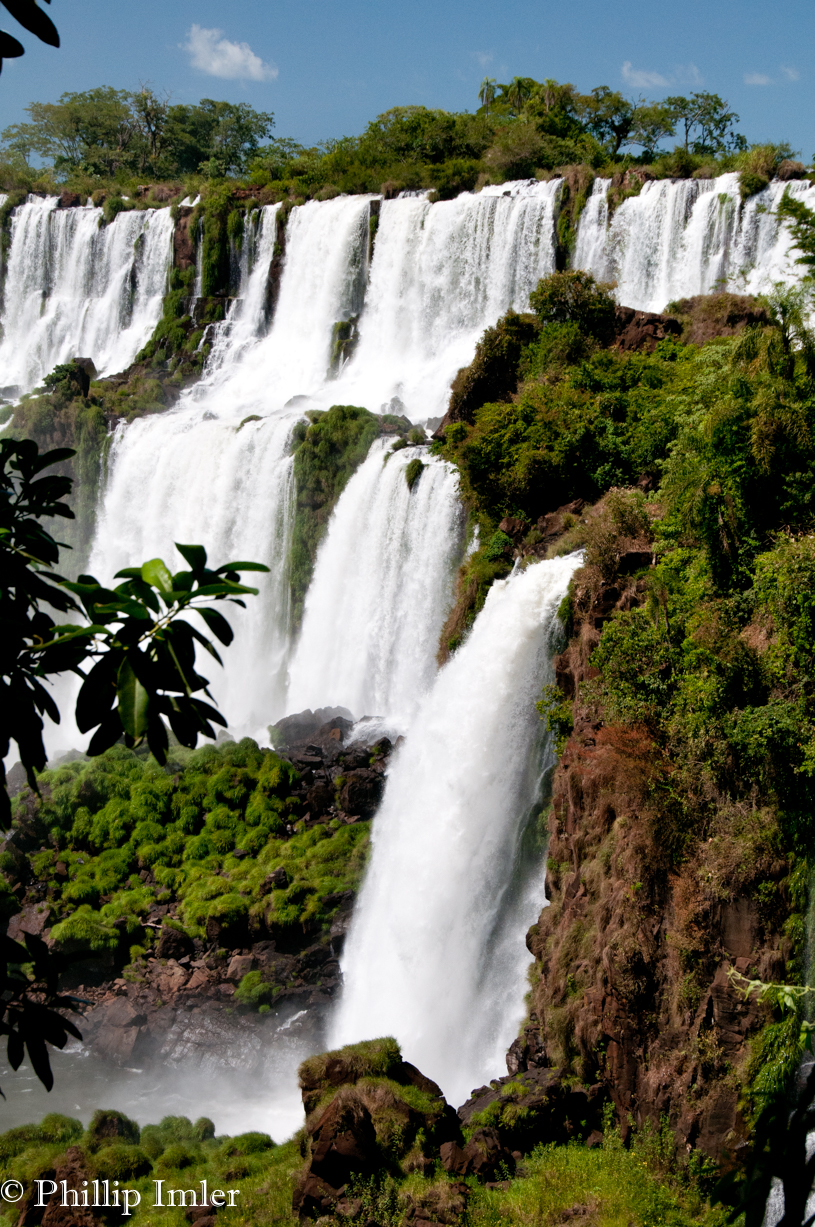
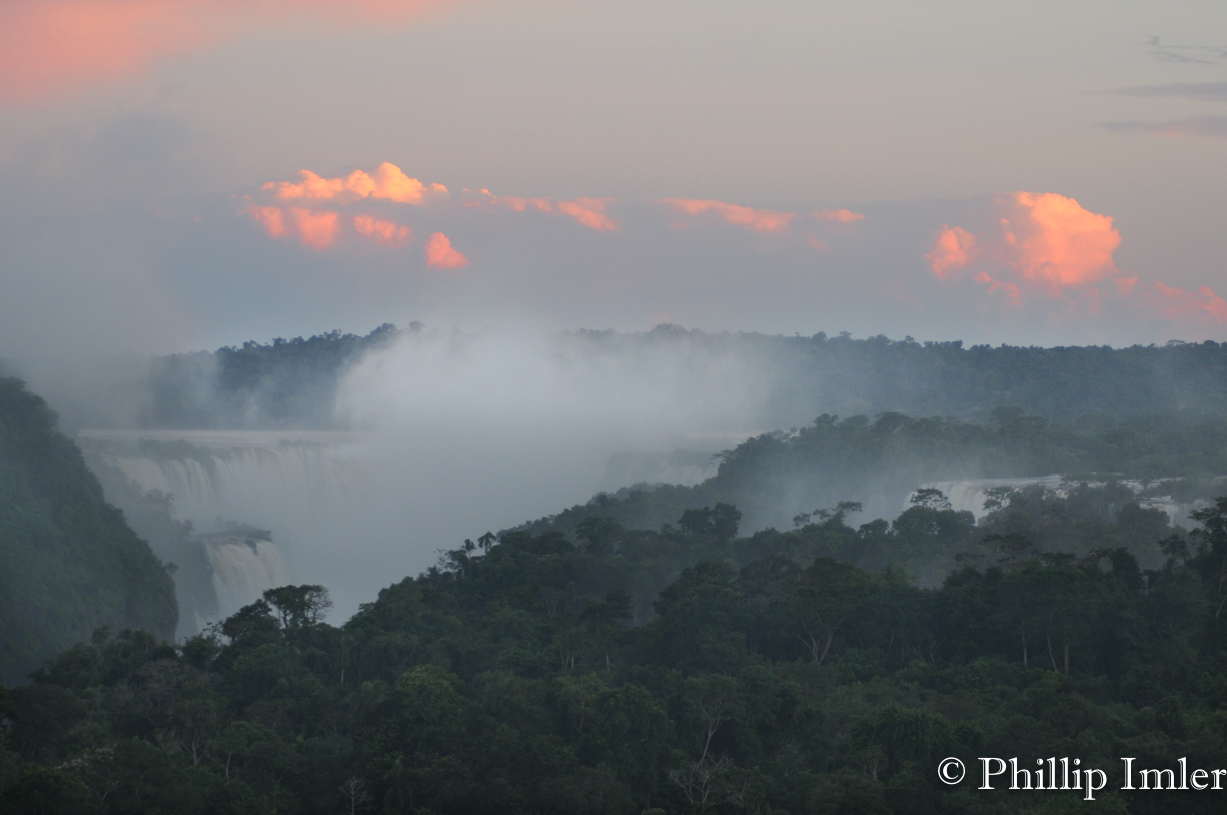
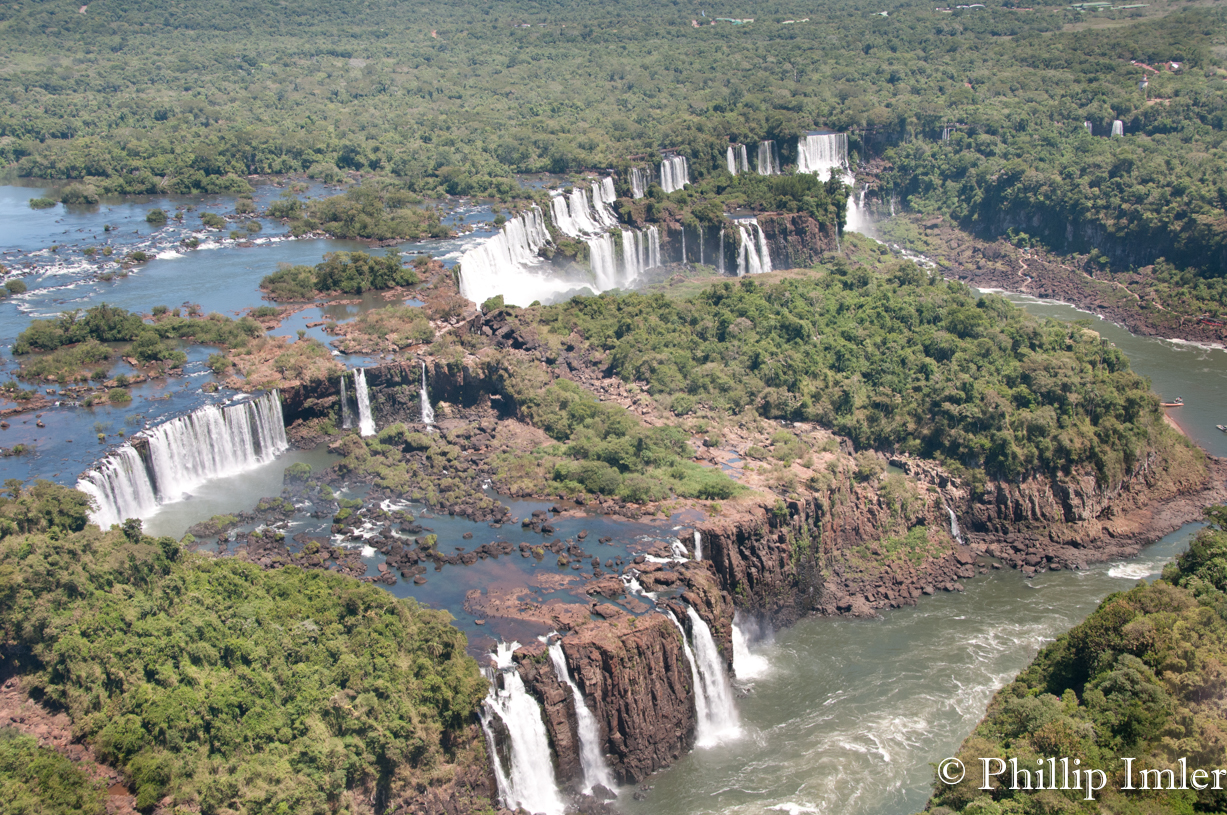
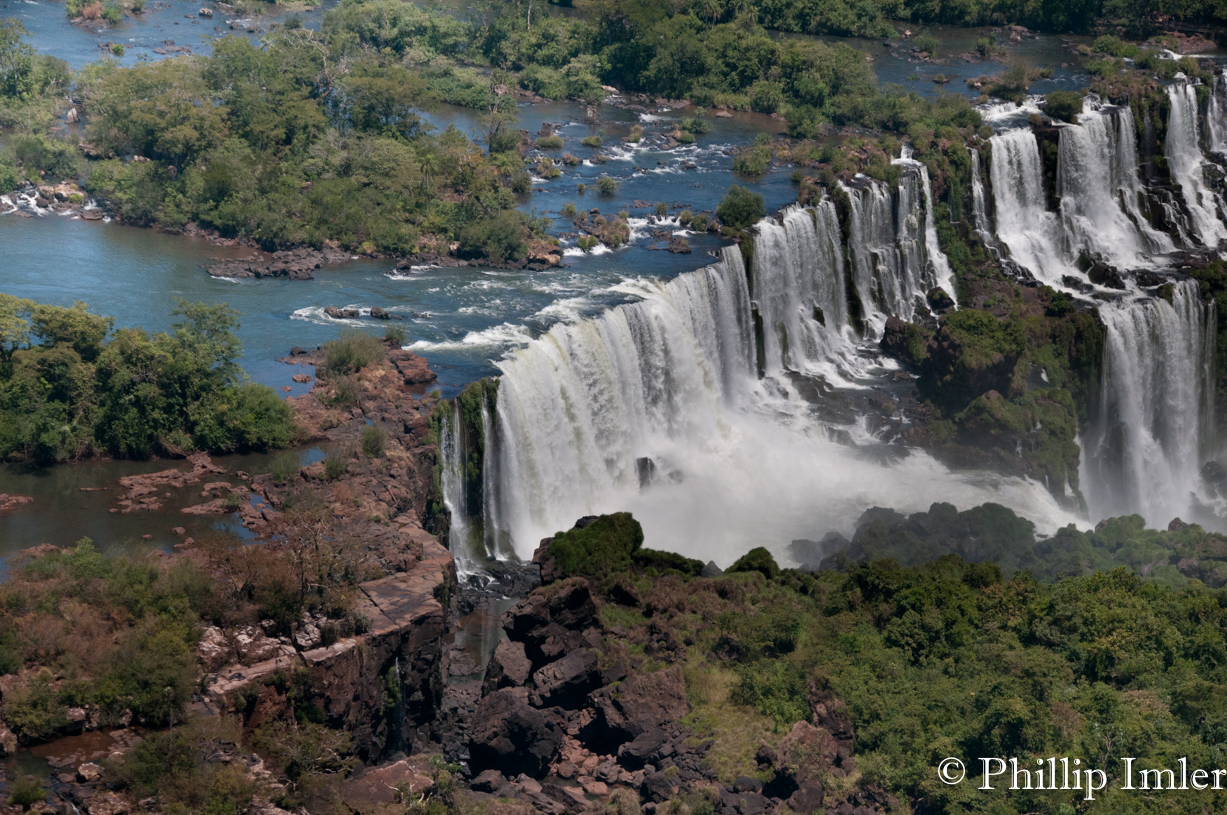
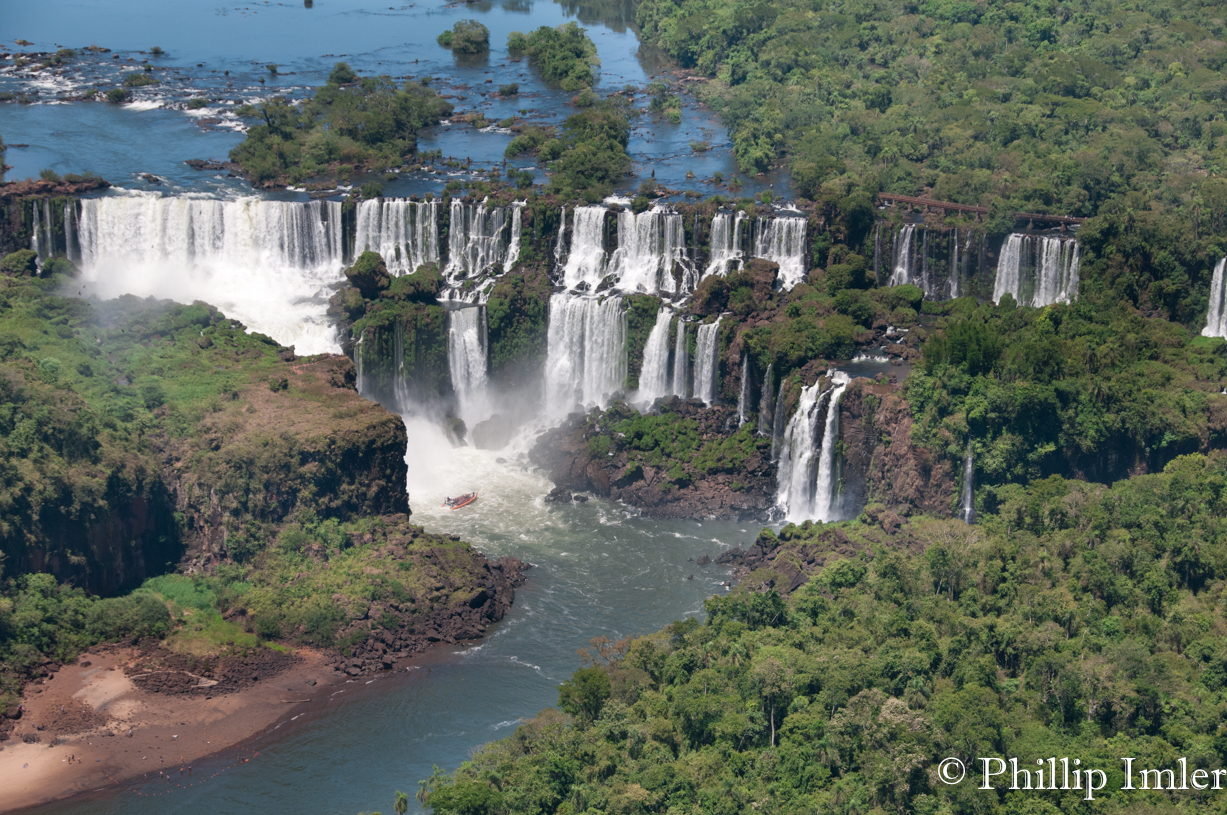
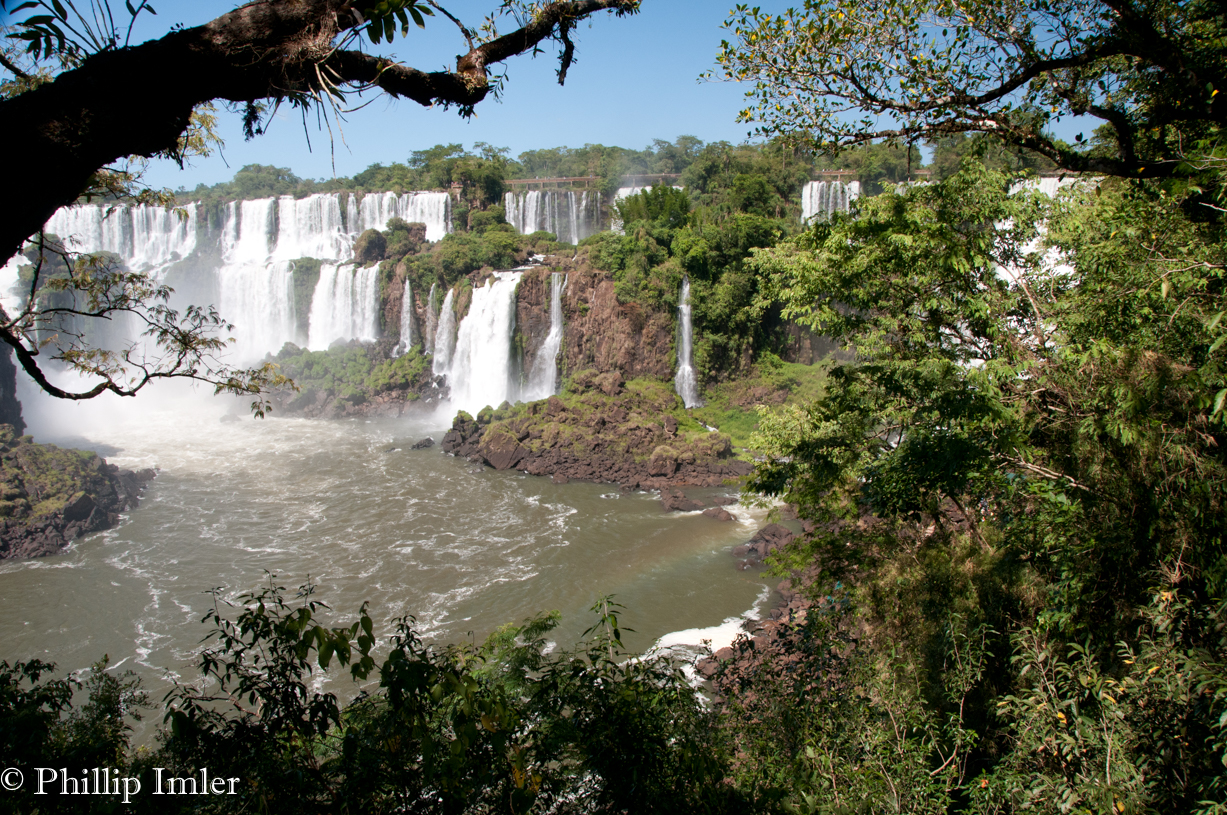
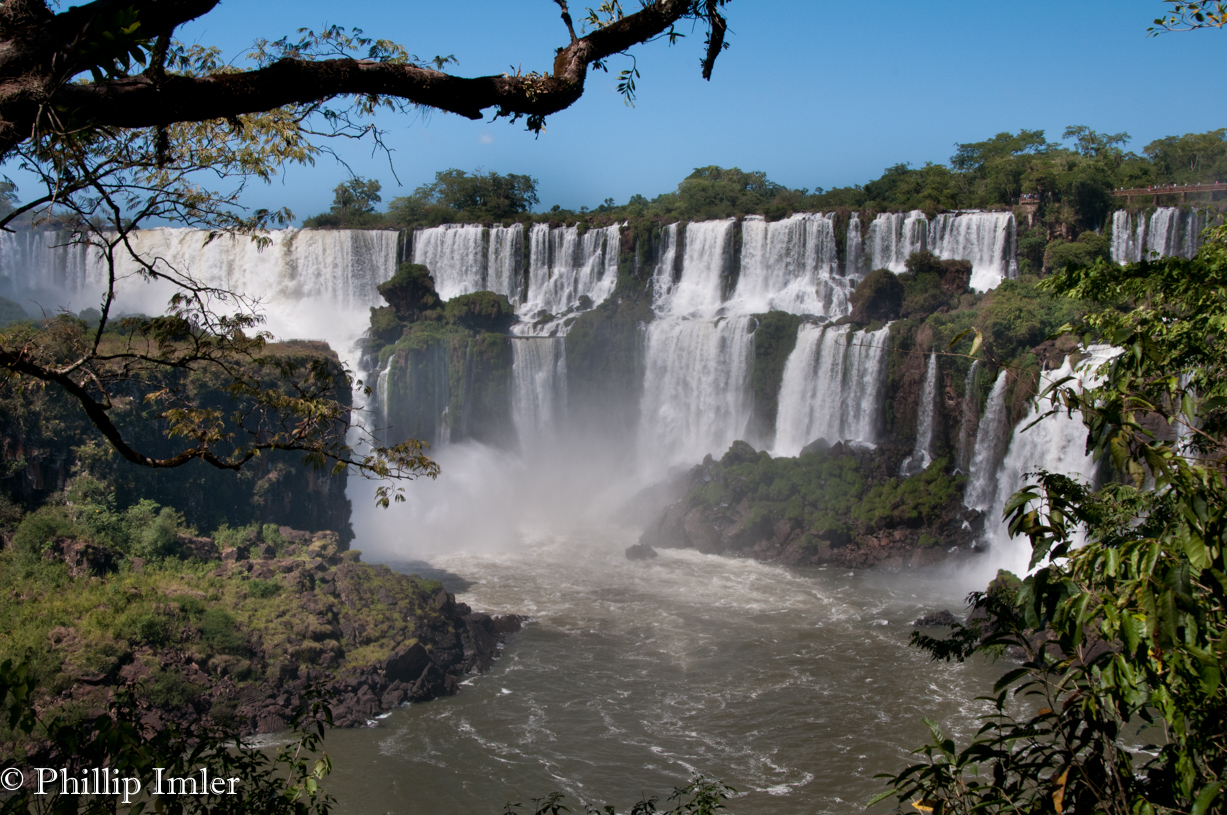
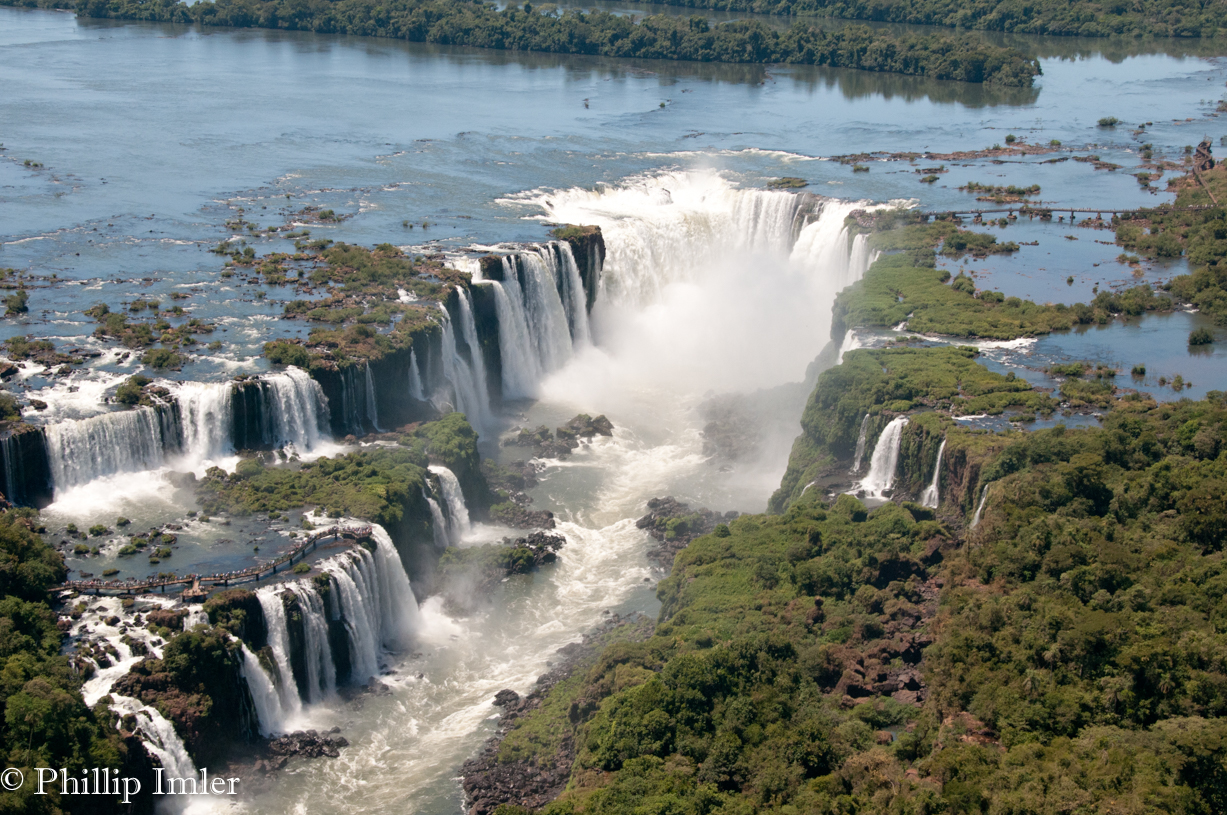
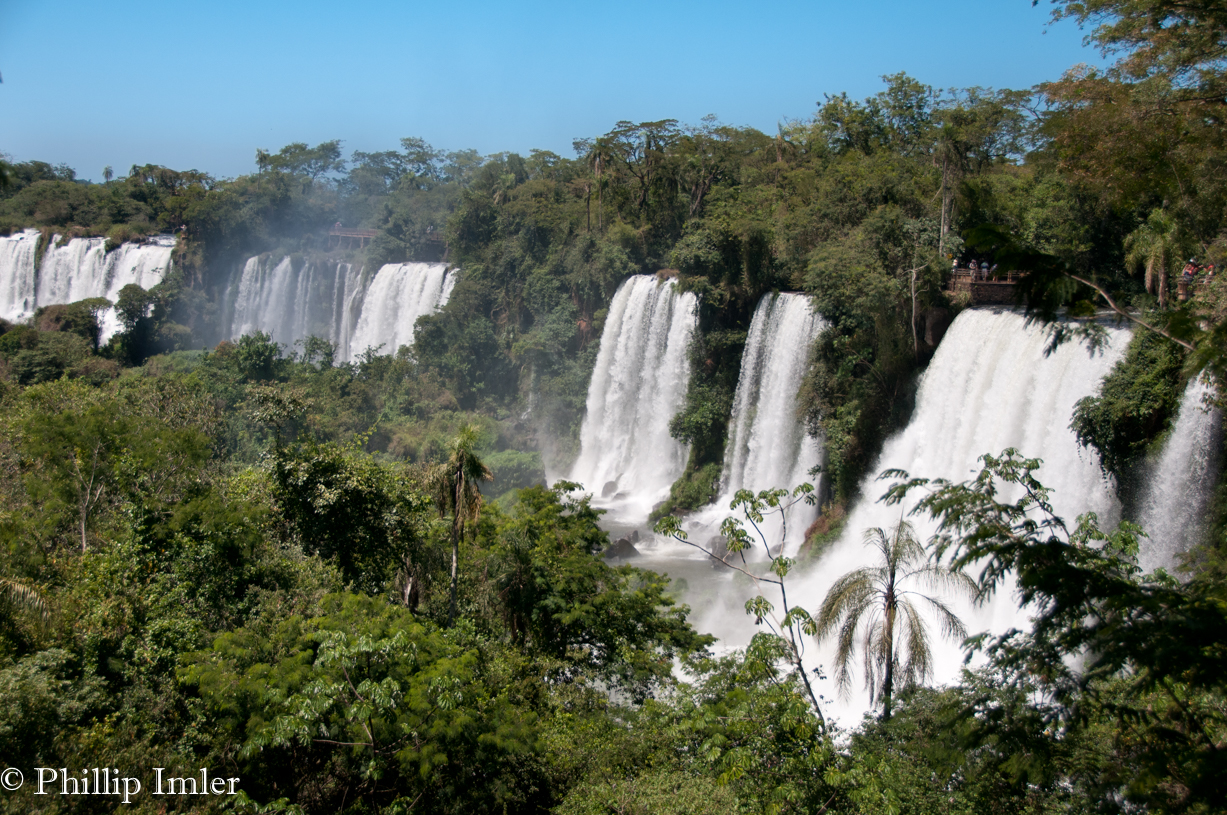
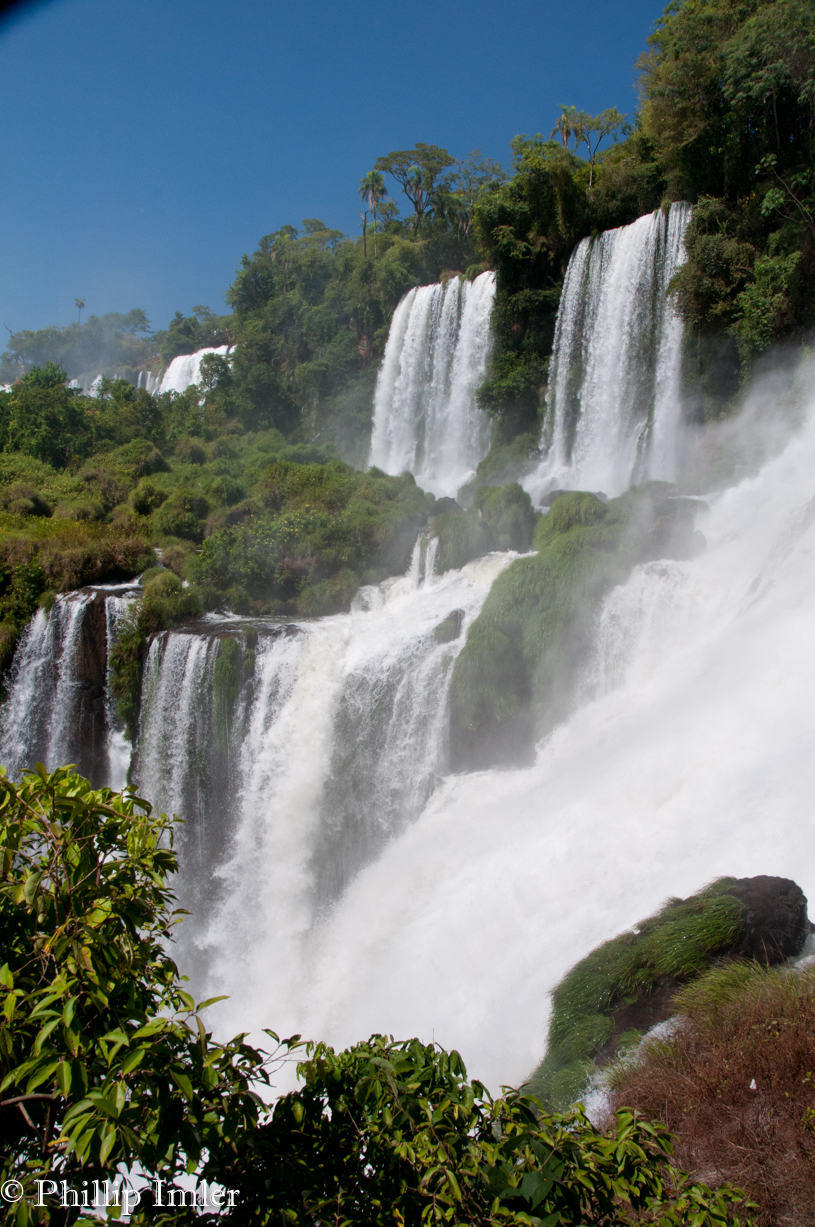
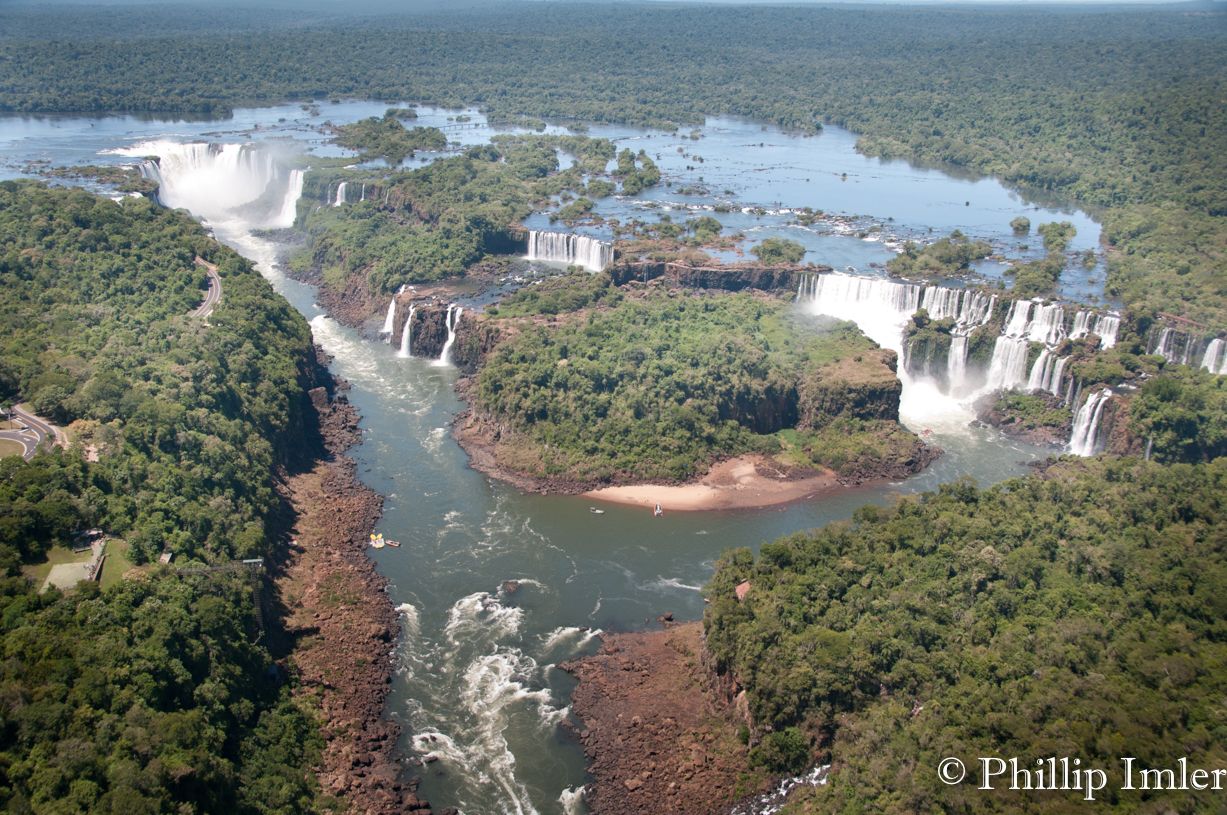
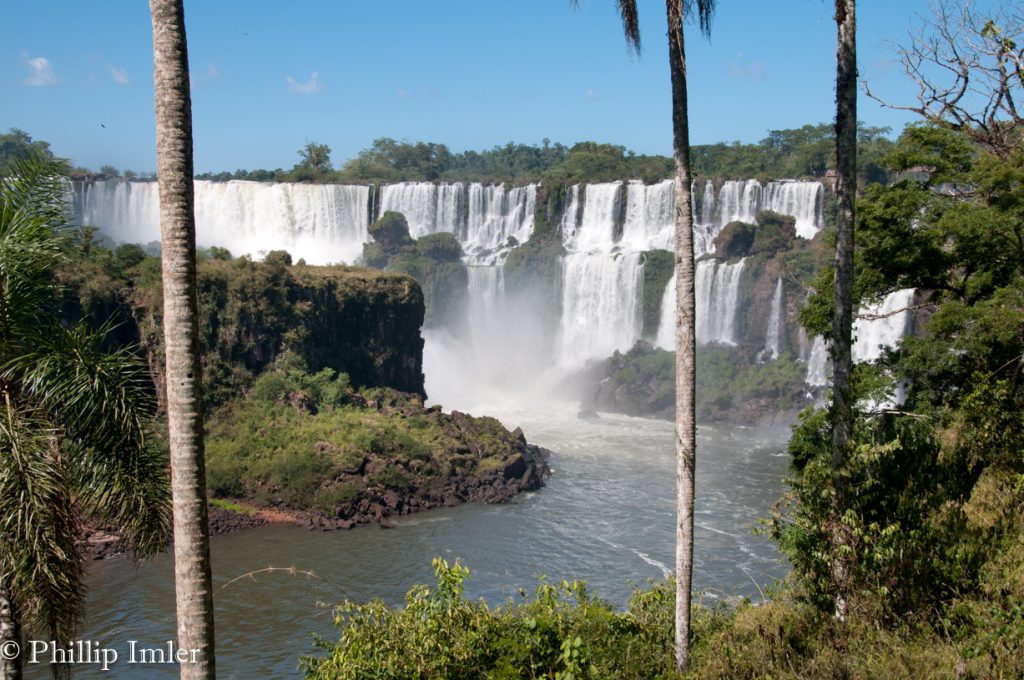
The majority of the falls, approximately 80%, occur within Iguazu National Park. The majority of descriptions of the fall indicate there are 275 distinct separate drops, however, some believe there are some that are continuations of a drop and lessen the number to around 85 different drops.
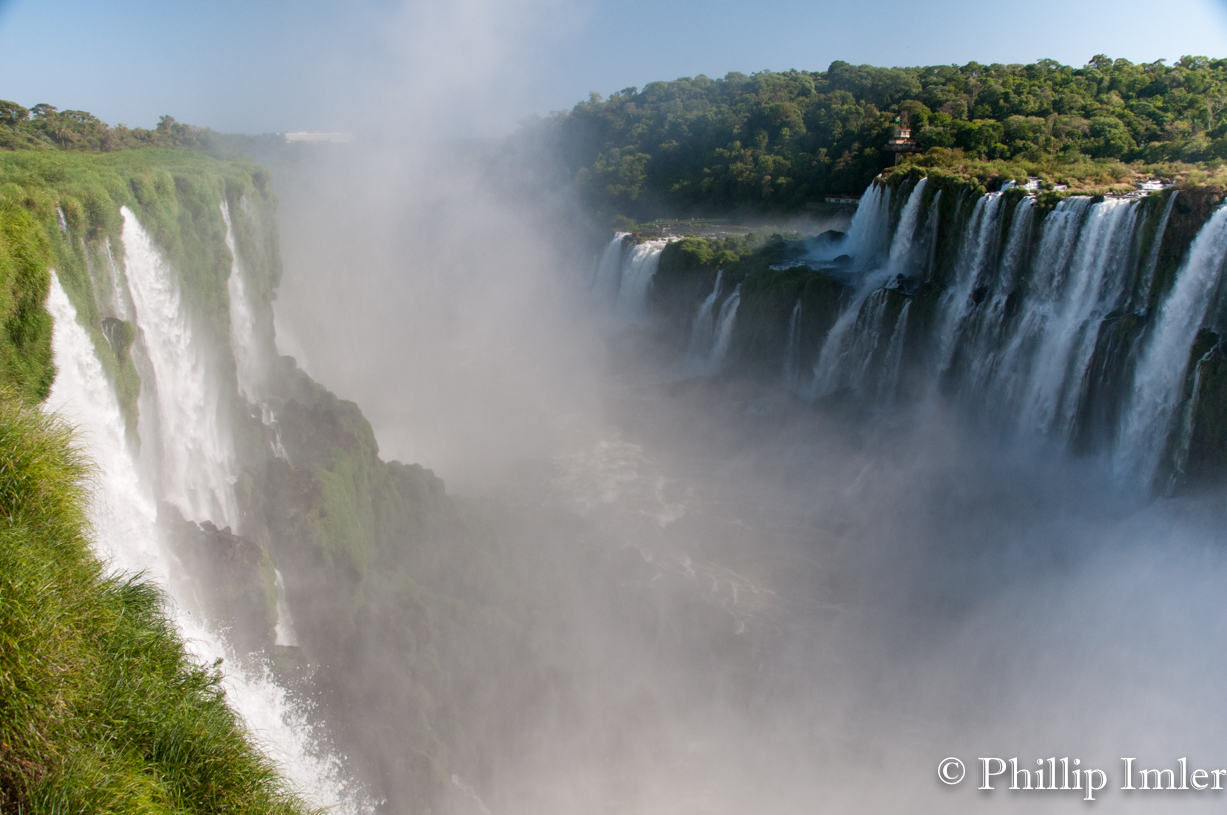
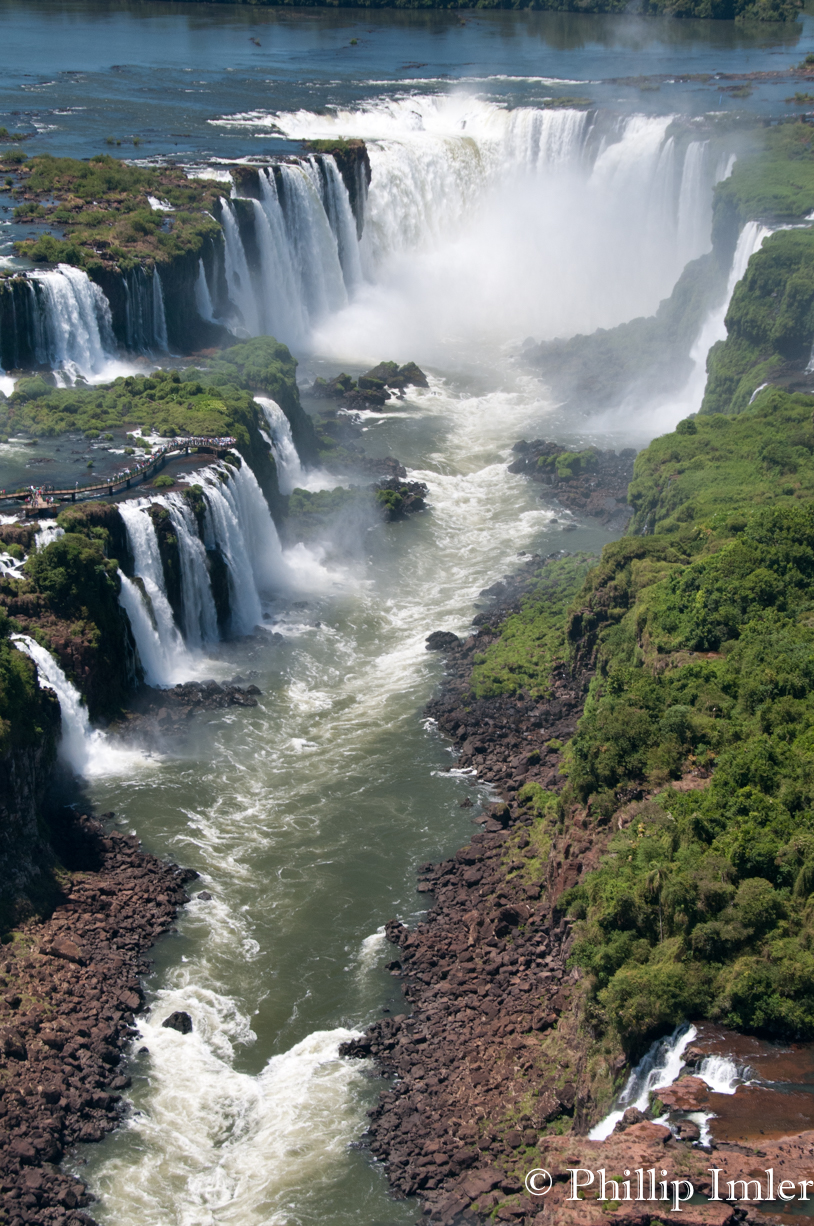
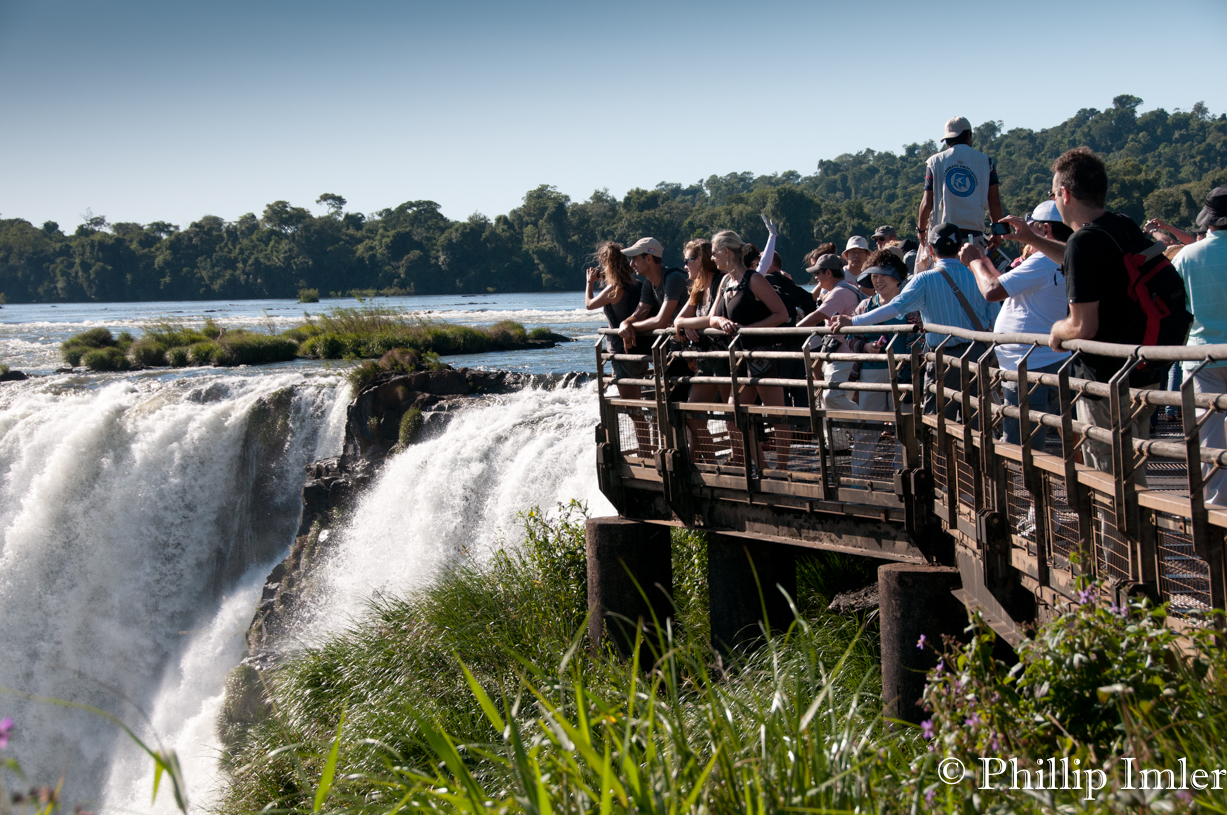
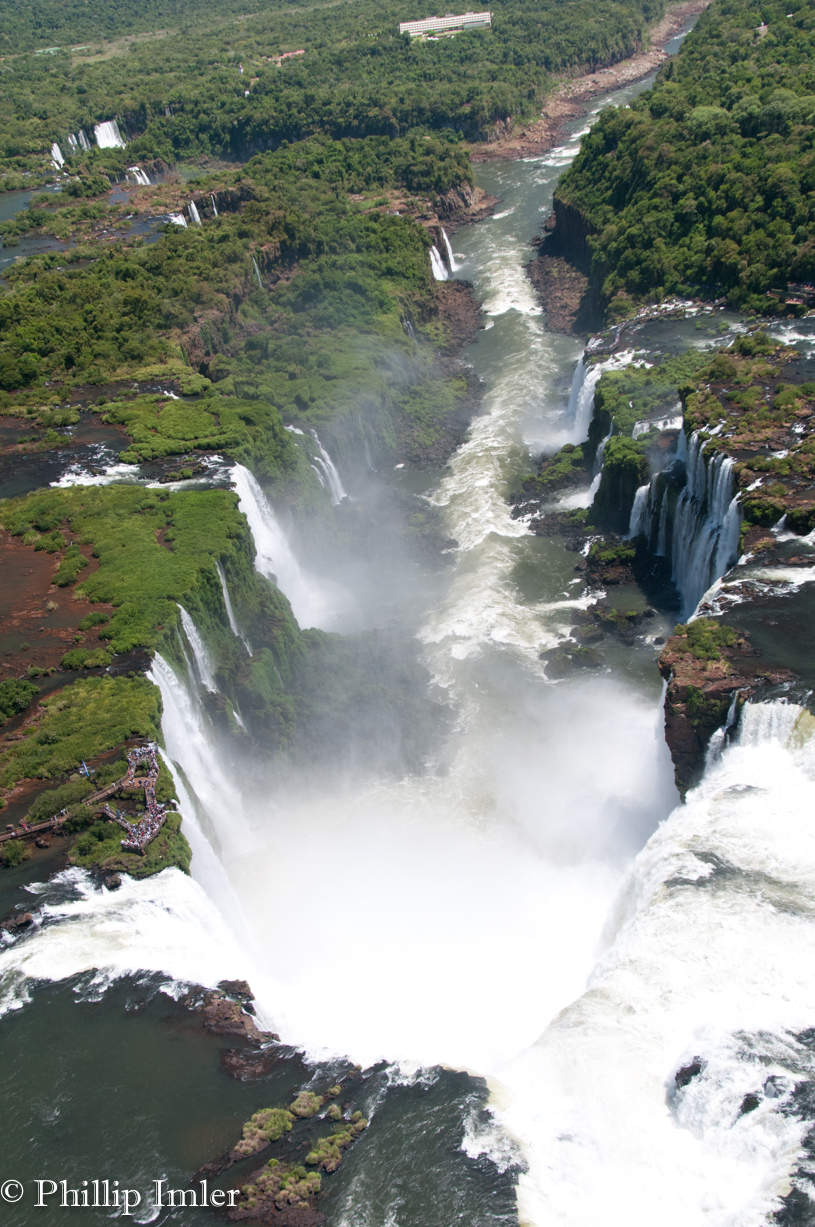
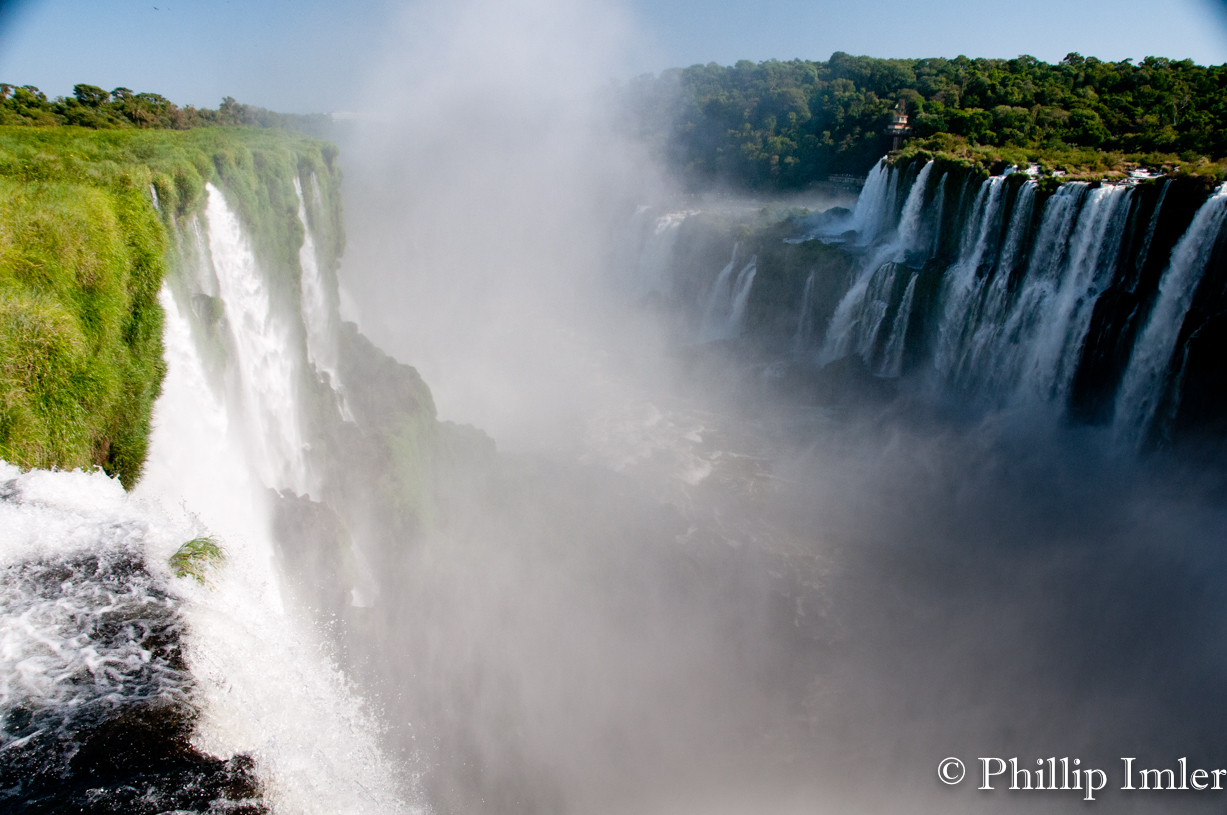
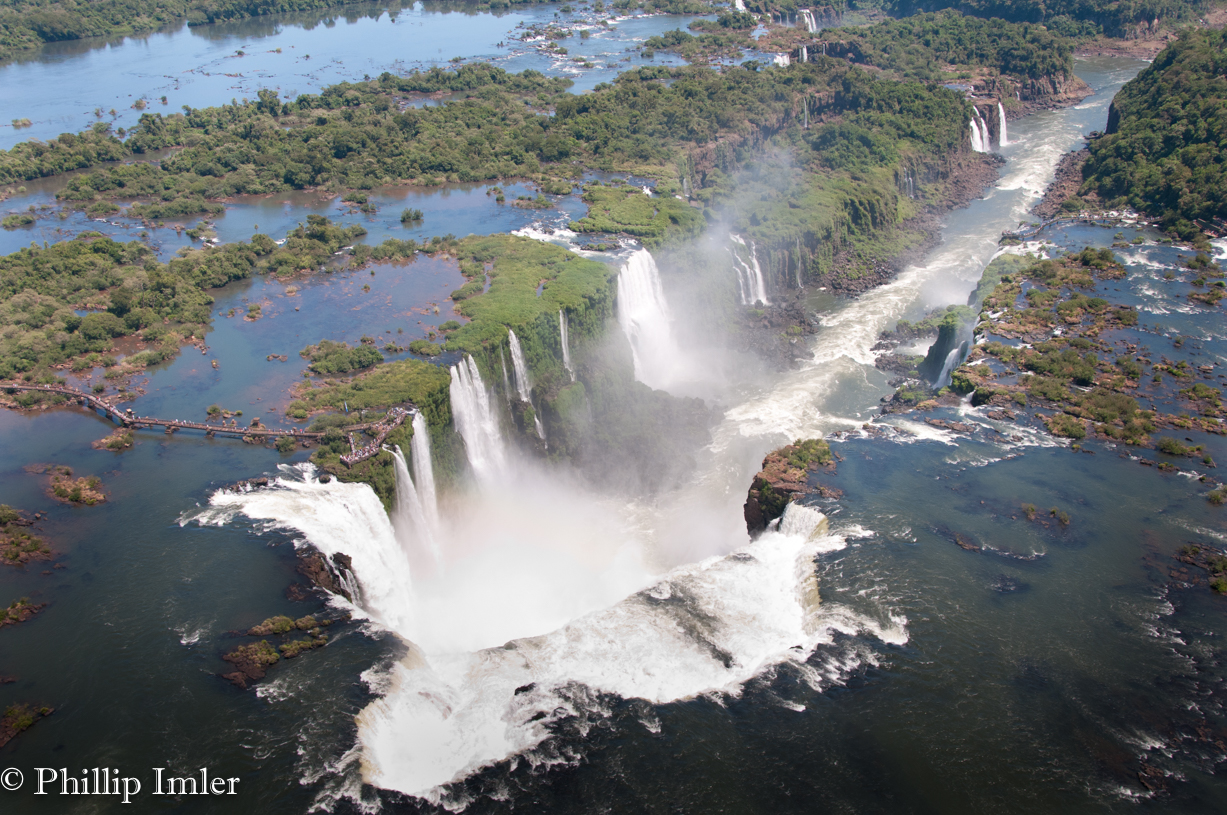
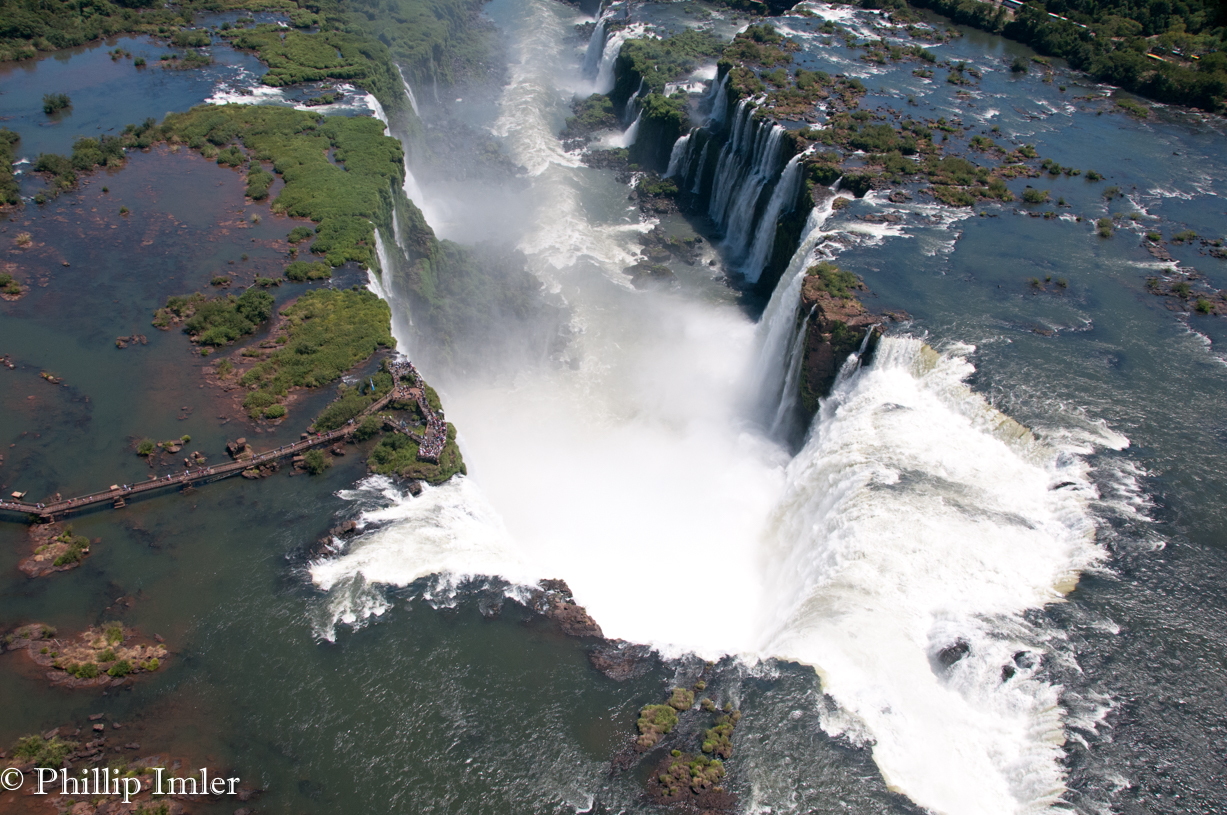
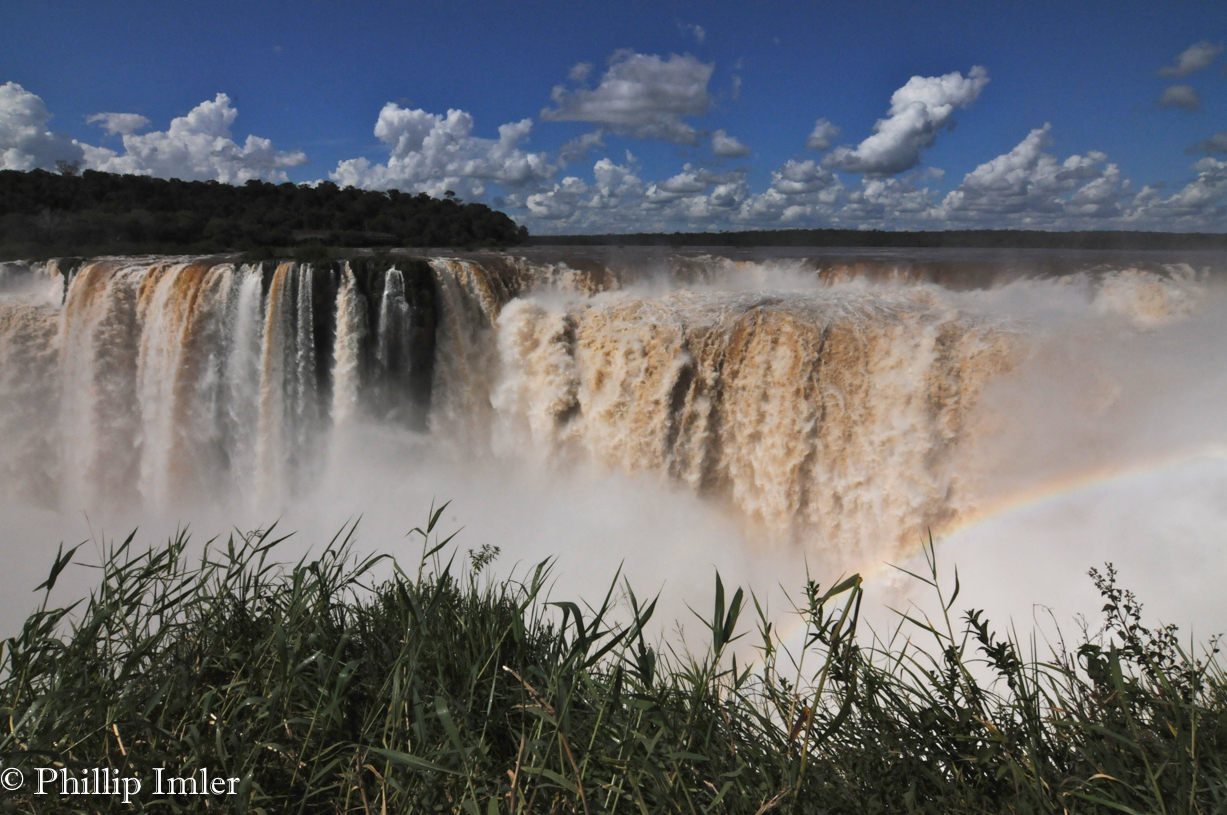
Iguazu Falls stretch across a distance of 1.7 miles (2.7 km) with the highest drop occurring at Devil’s Throat that reaches a height of 269 feet (82 m). The Iguazu drops vary from 197 feet (60 m) to the 269 feet (82 m) drop at the canyon head where it is affectionately known as Devil’s Throat.
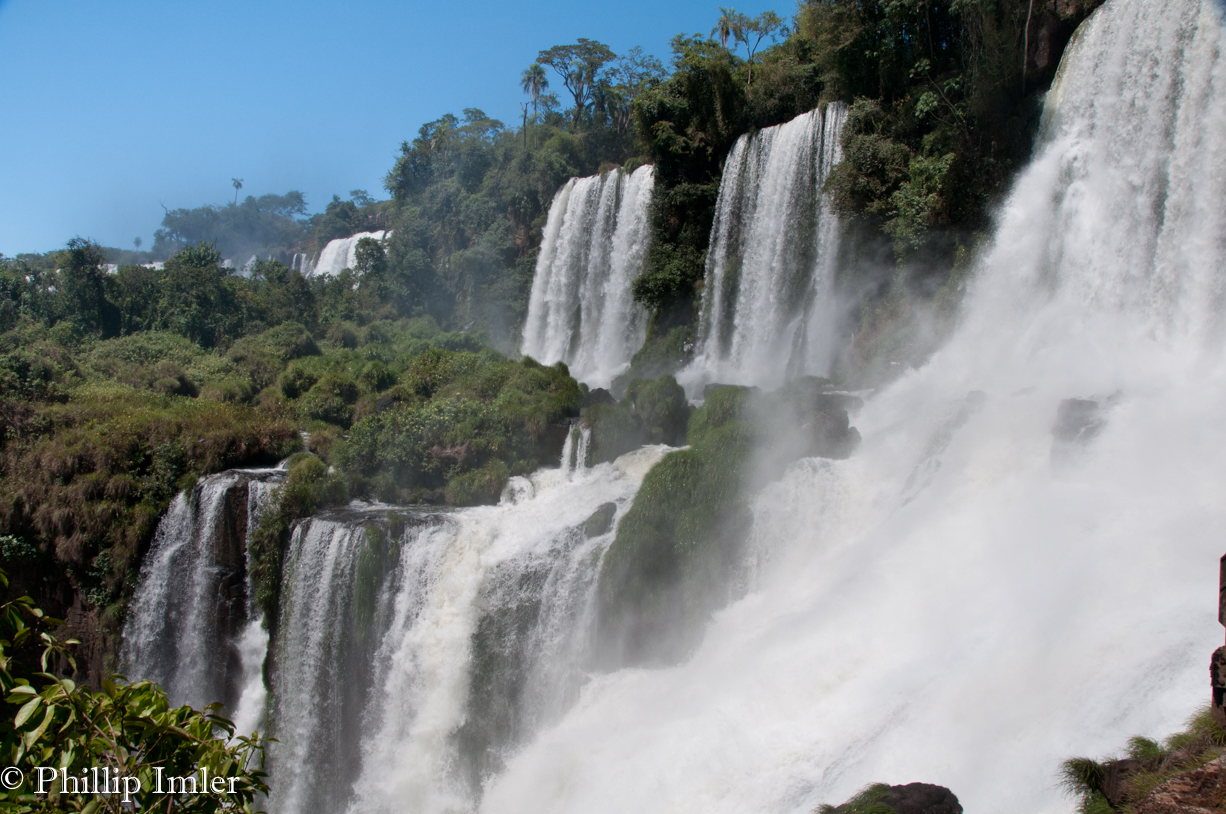
The multi-drop and tiered waterfall complex are characterized by a staircase rock formation created by layers of basalt. The staircase sizes vary from 115 to 131 feet (35-40 m) in height. Iguazu Falls have an average flow rate of 62,010 cubic feet per second (1,756 m3/s).
Iguazu National Park and the Iguazu Falls region feature a spectacular family of wildlife that unfortunately often rarely seen. Predator species include the jaguar, jaguarundi, and ocelot. Some intriguing endangered species include the giant otter and the giant anteater.
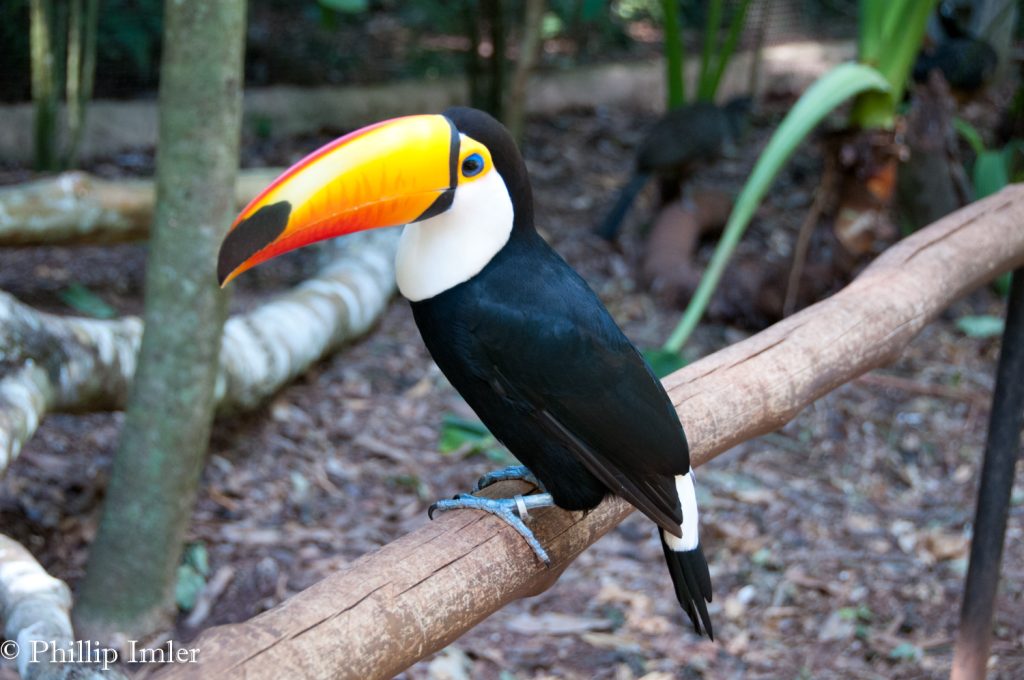
Toucan can be seen more easily on the Argentine side of Iguazu Falls; however, it takes some effort and patience because sightings are more common during the early morning hours just prior to sunrise. Sightings are still possible, but this timeframe offers the greatest probability.
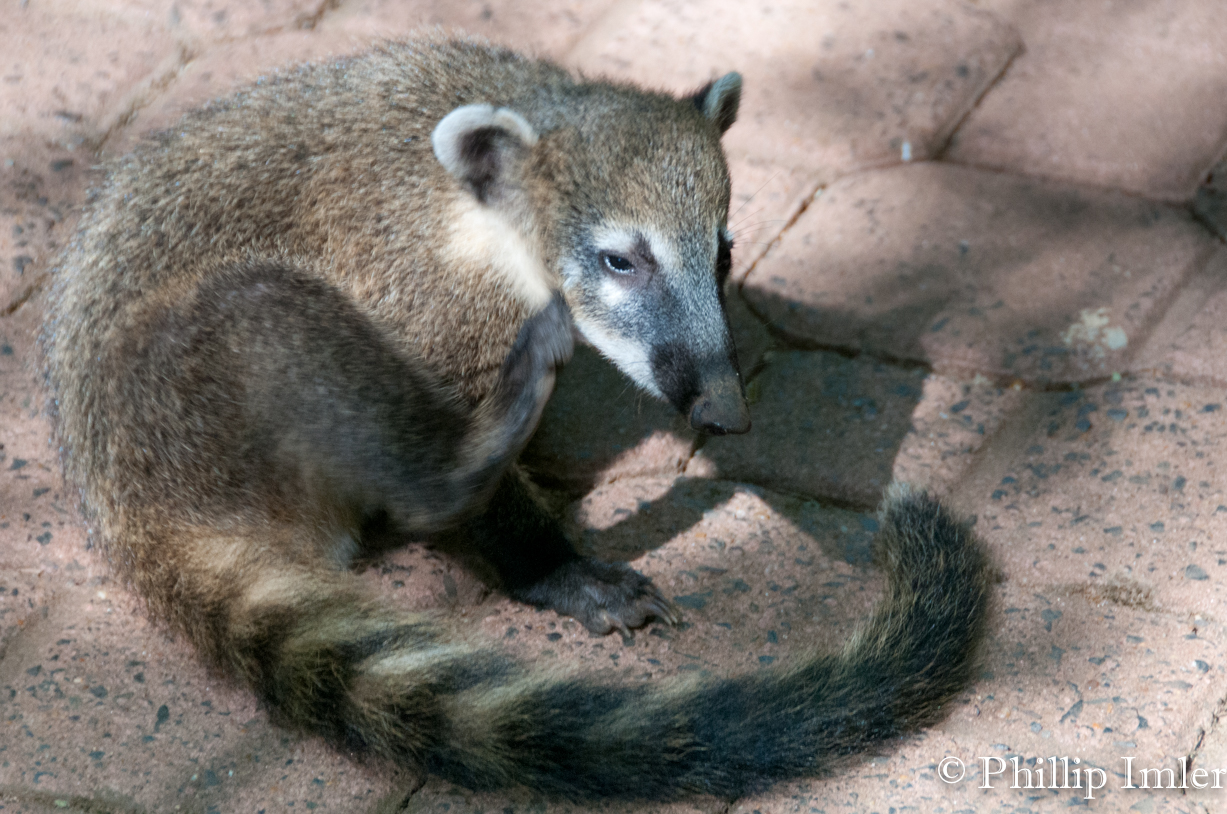
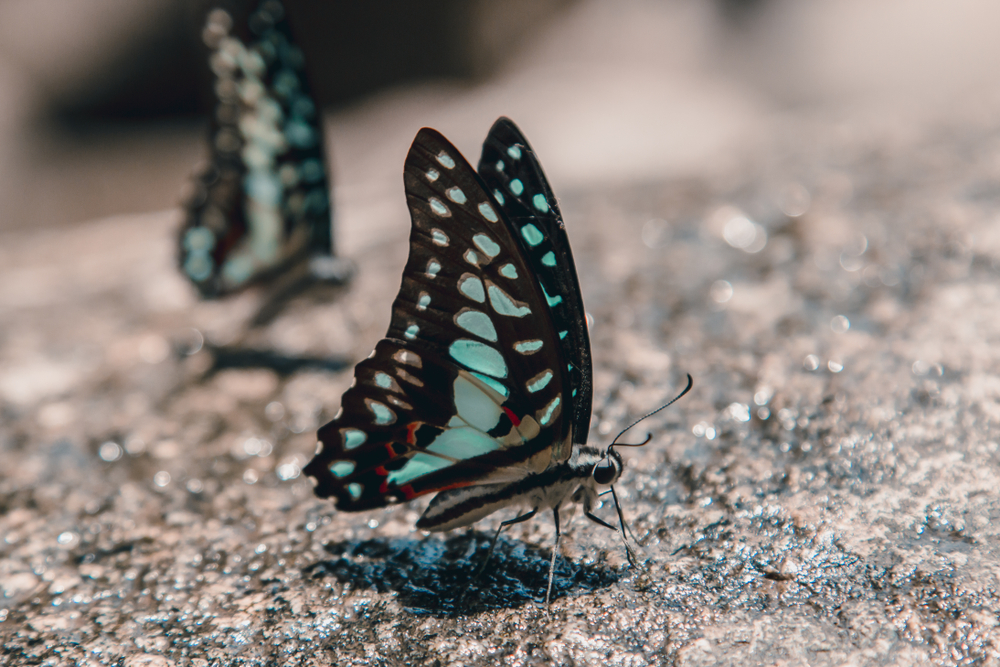
The coati is similar looking to a raccoon type of creature. The good news is that this is fairly tame and is often experienced along the trails of the lower or upper falls trails. Butterflies are numerous near the location where the train ends on the way to Devil’s Throat.
Photos

Things to See
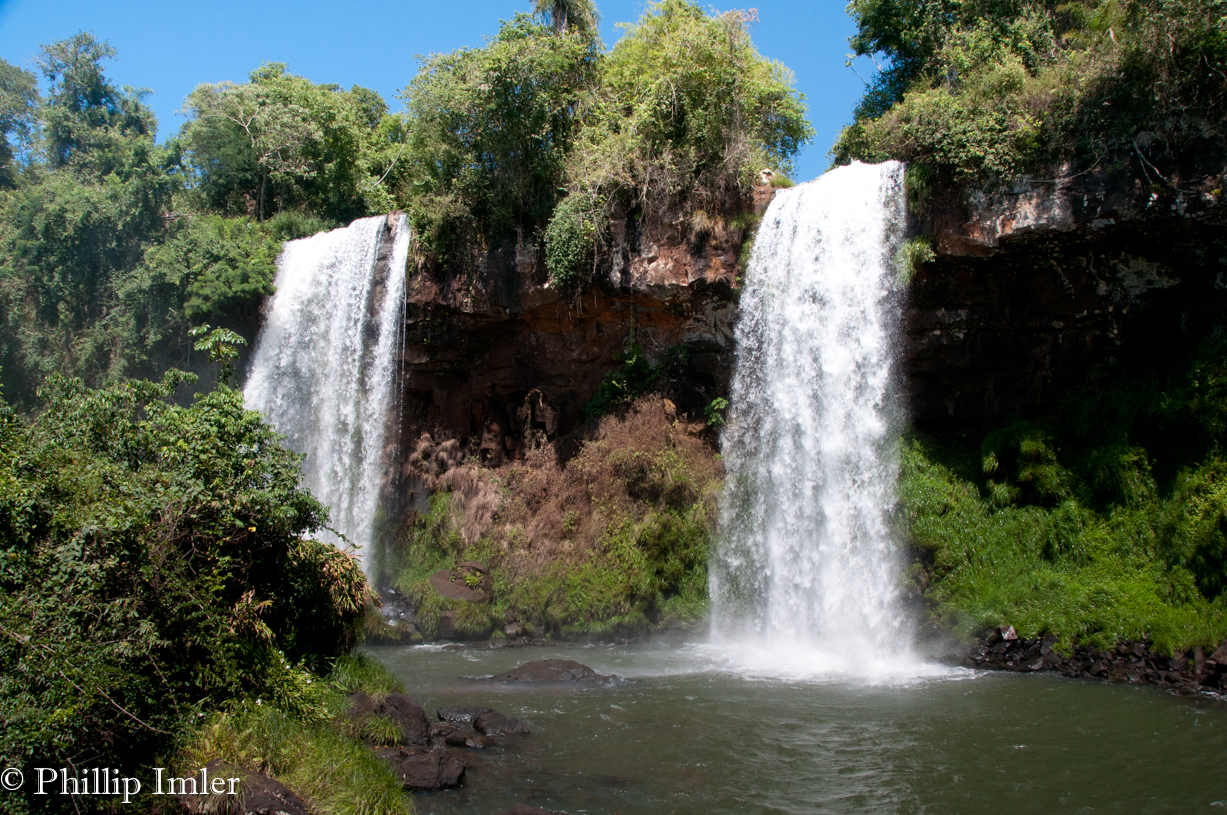
 Iguazu Falls is the largest waterfall system in the world. Depending on the definition of a waterfall, there are either 85 or 275 individual waterfalls that are part of the larger Iguazu Falls system.
Things To Do
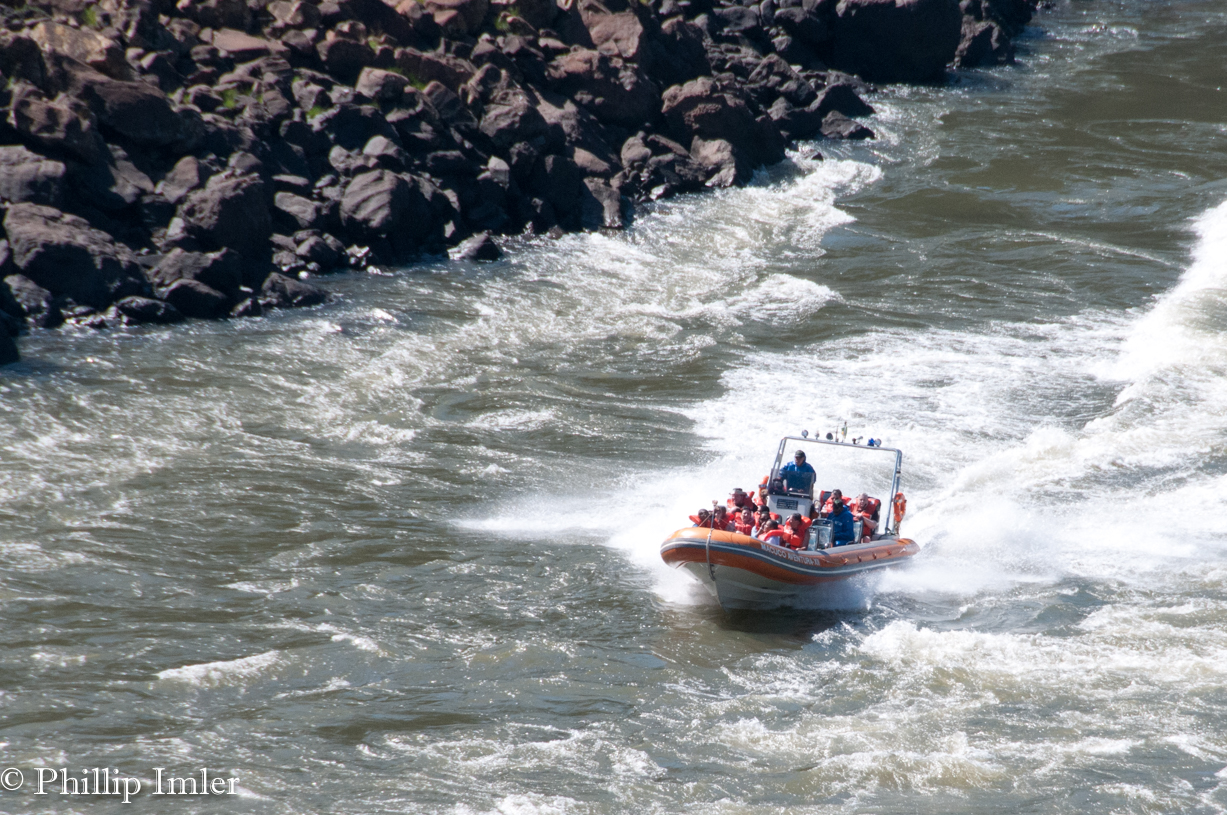
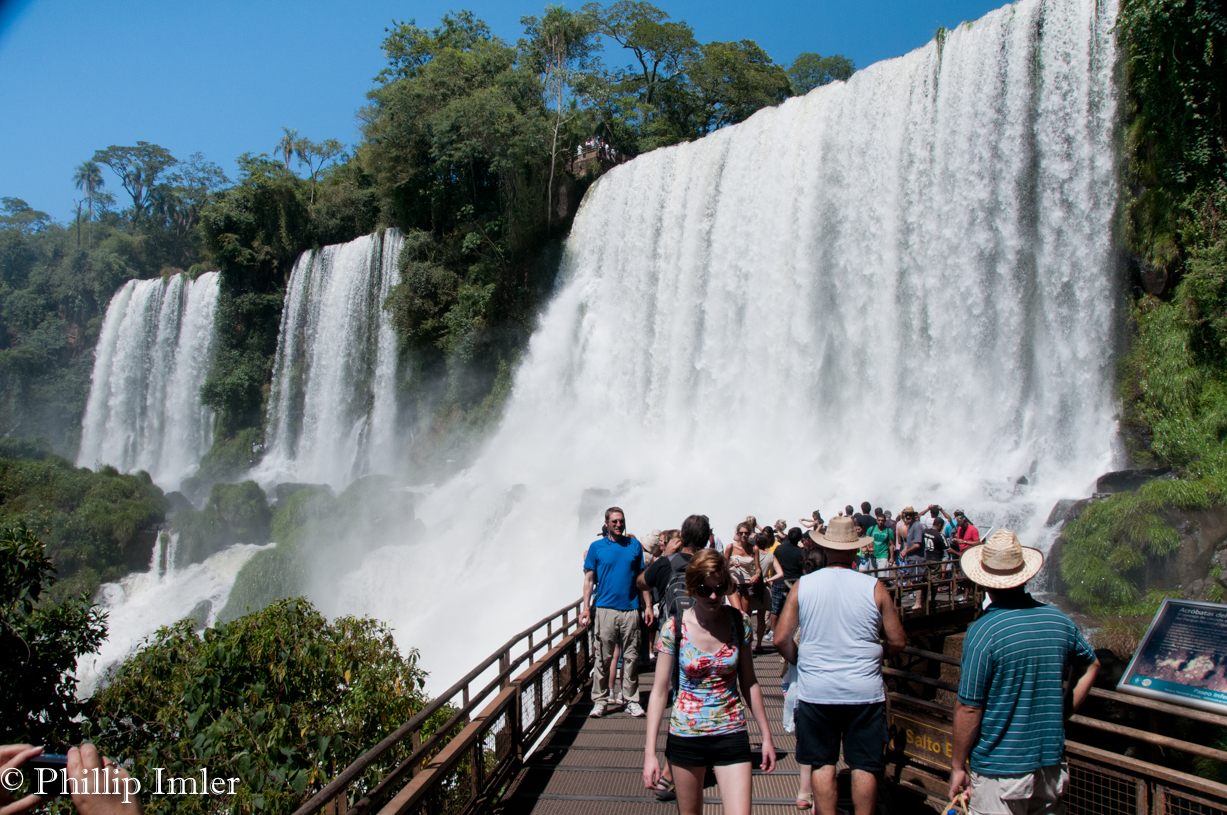
Hiking amongst the falls is the primary activity of the national park, however there are other ways to engage Iguazu Falls and the rainforest that surrounds it.






Iguazu National Park Trails
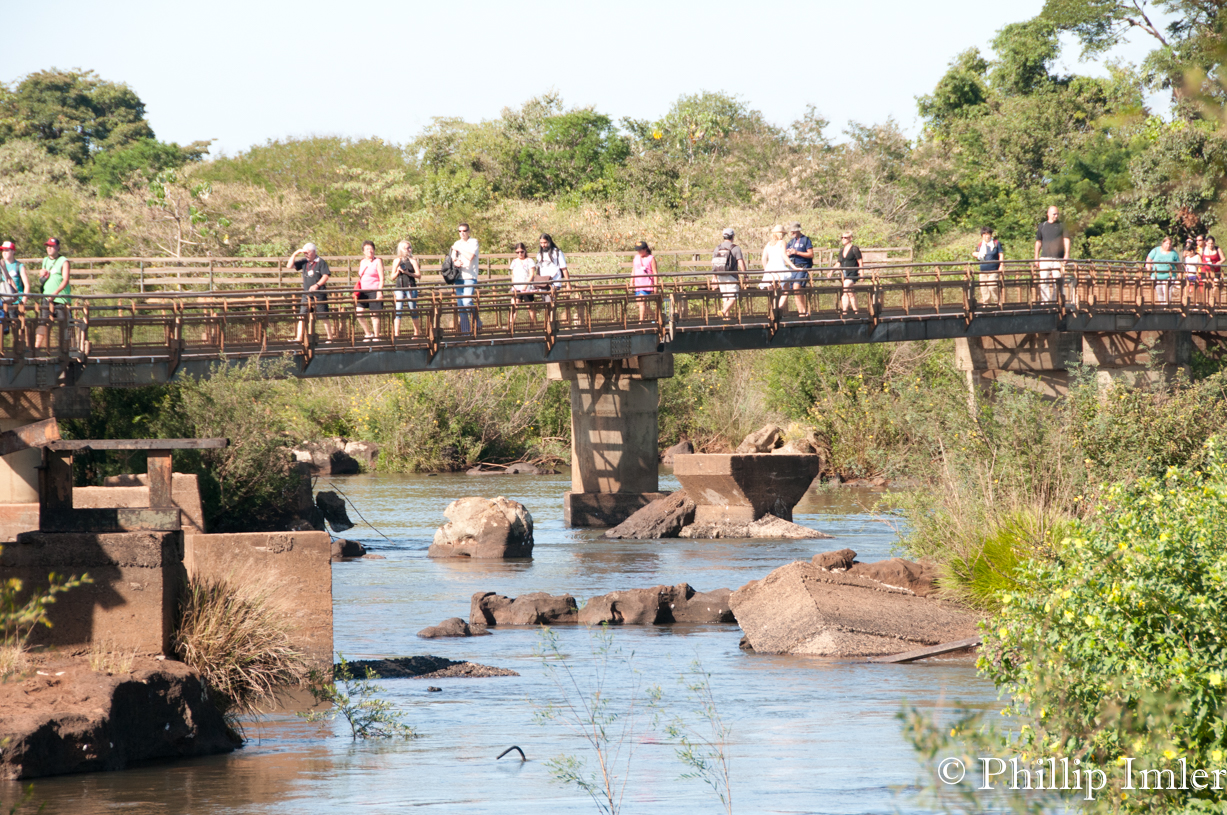
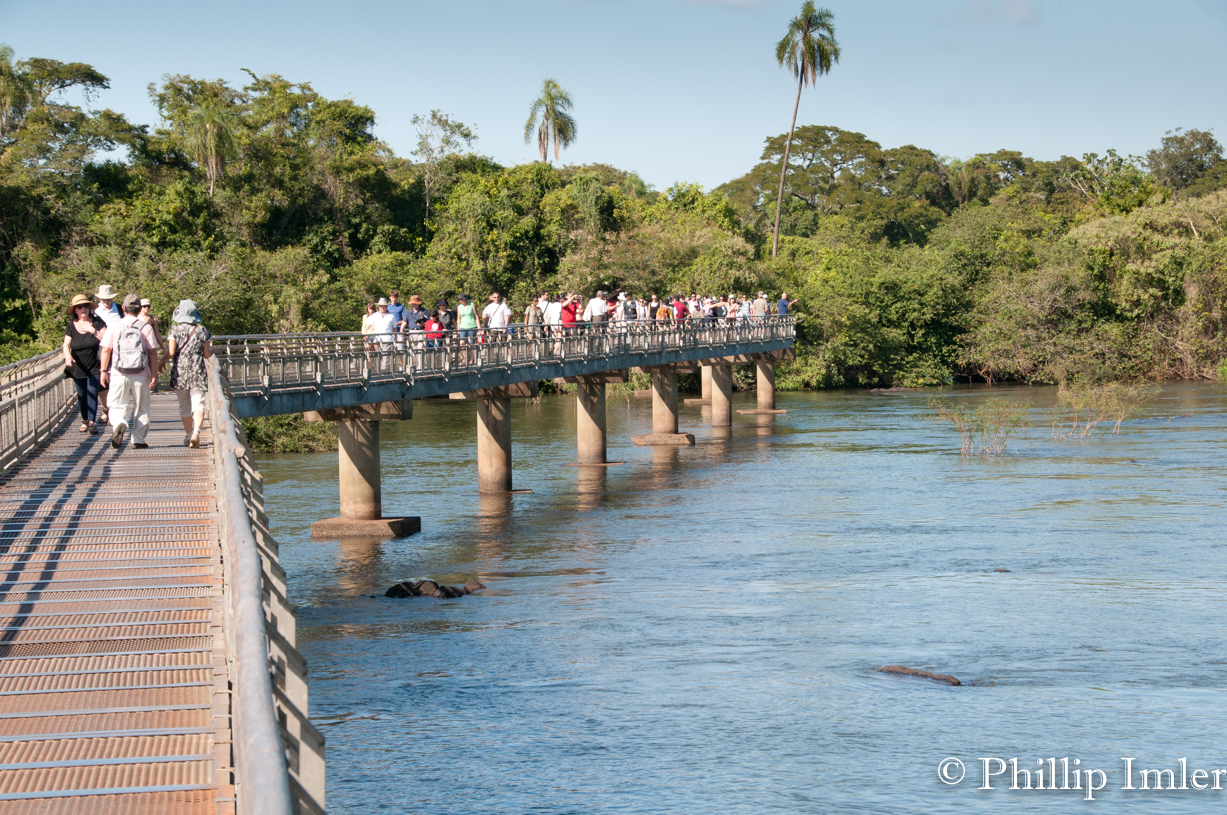
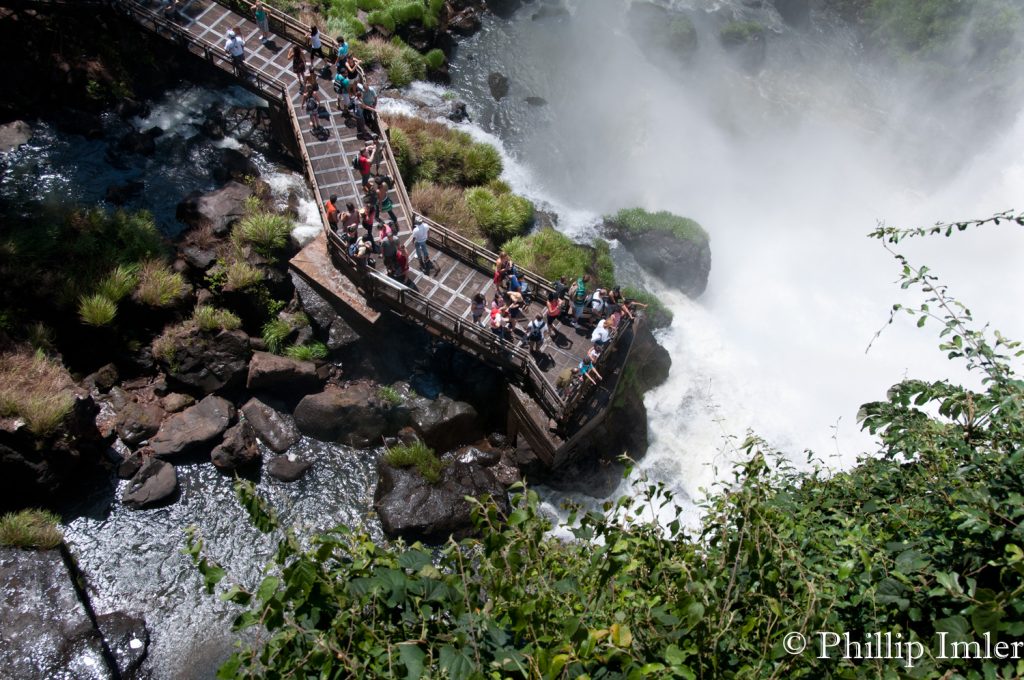
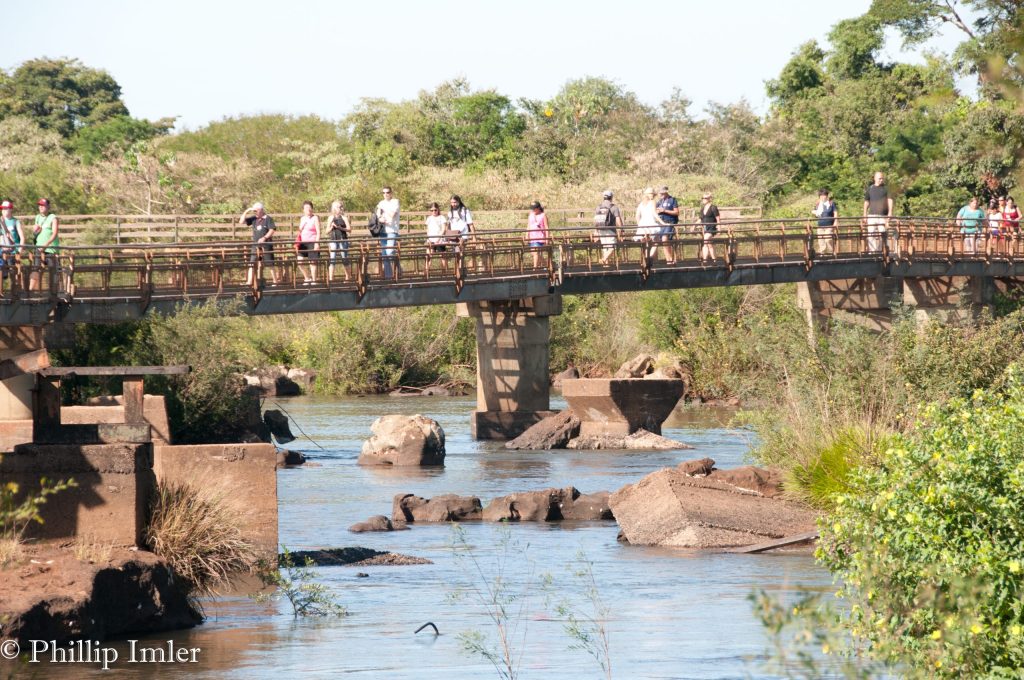
You can hike below the falls, on top of the falls, around the rainforest, and out to Devi’s Throat which is the highest point of the falls. Hiking allows you to experience up-close views of the falls as well as other postcard worth views.
Park Protection
Iguazu Falls National Park protects the world’s largest waterfall complex and the surrounding rainforest habitat that supports jaguar, coati, toucan, and other wildlife species. Argentina teams with Brazil by establishing sister parks that protect both sides of the falls.
Sources
- All Trails, Iguazu Falls National Park, https://www.alltrails.com/parks/argentina/misiones/iguazu-national-park, retrieved June 2020.
- Britannica, Iguacu Falls, https://www.britannica.com/place/Iguacu-Falls, retrieved June 2020.
- Britannica, Iguazu National Park, https://www.britannica.com/place/Iguazu-National-Park, retrieved September 2019.
- Brazil.org, Iguazu Falls, https://www.brazil.org.za/iguazu-falls.html, retrieved September 2019.
- Iguazu Falls, Argentina Side, https://iguazufalls.com/national-park/, retrieved September 2019.
- IUCN World Heritage Outlook, Iguazu National Park, https://www.worldheritageoutlook.iucn.org/explore-sites/wdpaid/10901, retrieved September 2019.
- Lonely Planet, Iguazu Falls, https://www.lonelyplanet.com/argentina/iguazu-falls, retrieved September 2019.
- Travel Triangle, Iguazu National Park, https://traveltriangle.com/blog/iguazu-national-park/, retrieved September 2019.
- UNESCO, Iguazu National Park, https://whc.unesco.org/en/list/303/, retrieved September 2019.