

About
Zion National Park is located in southwestern Utah in the United States and covers approximately 229 square miles (593 sq km). Established as a national park in 1919, Zion protects one of the most spectacular canyon landscapes in North America.
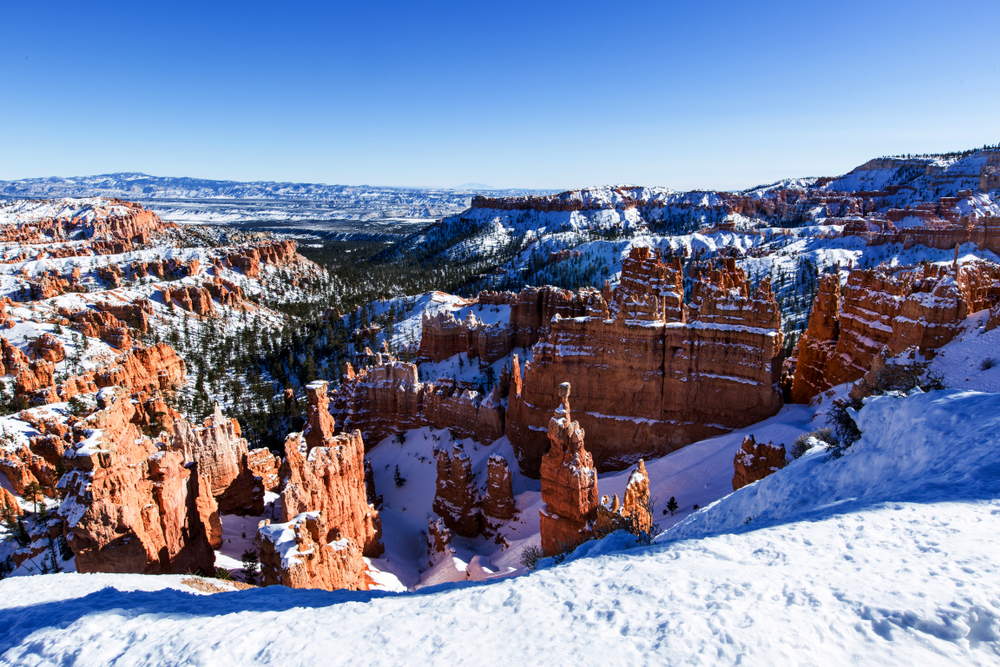
The park lies within the Colorado Plateau and is bordered by other remarkable protected areas, including Bryce Canyon National Park to the northeast and Grand Canyon National Park to the south. Positioned where the Mojave Desert, Great Basin, and Colorado Plateau converge, Zion contains an extraordinary diversity of landscapes and ecosystems. Its towering sandstone cliffs, narrow slot canyons, and lush river corridors have made it one of the most visited and beloved national parks in the United States.
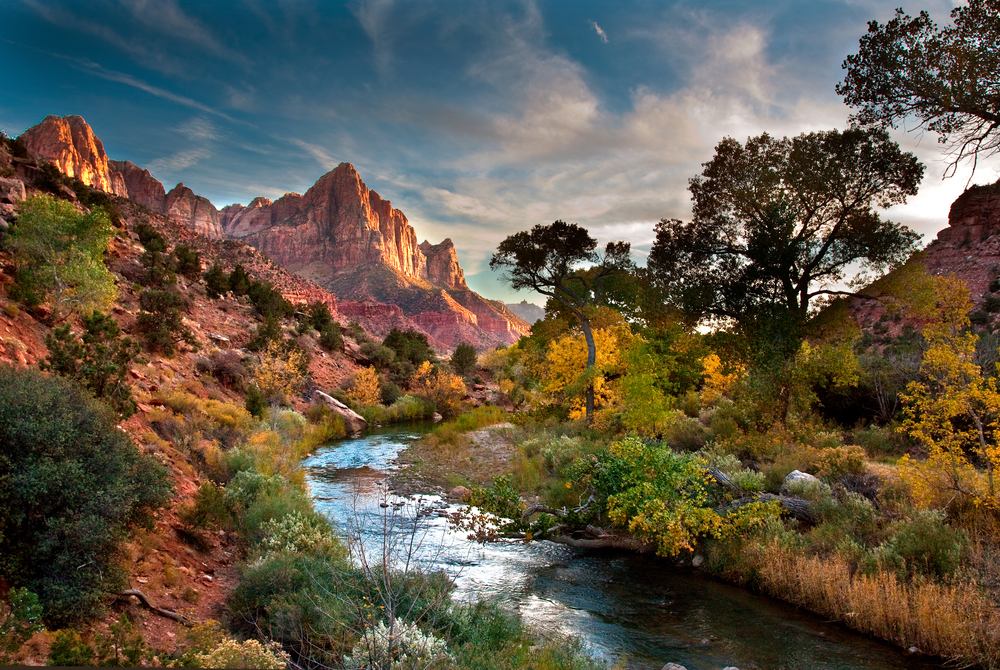
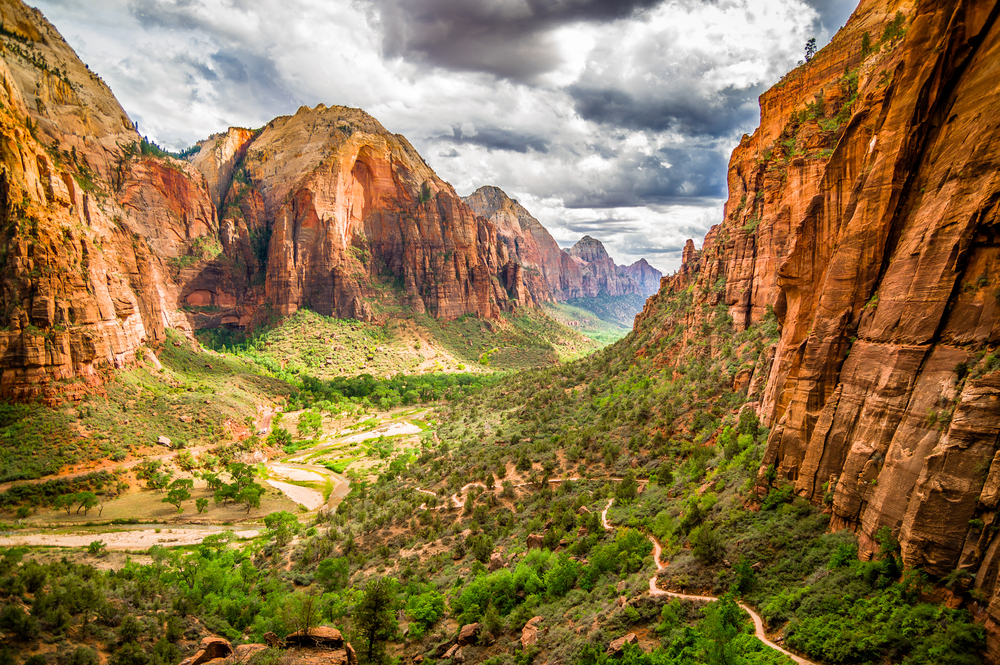
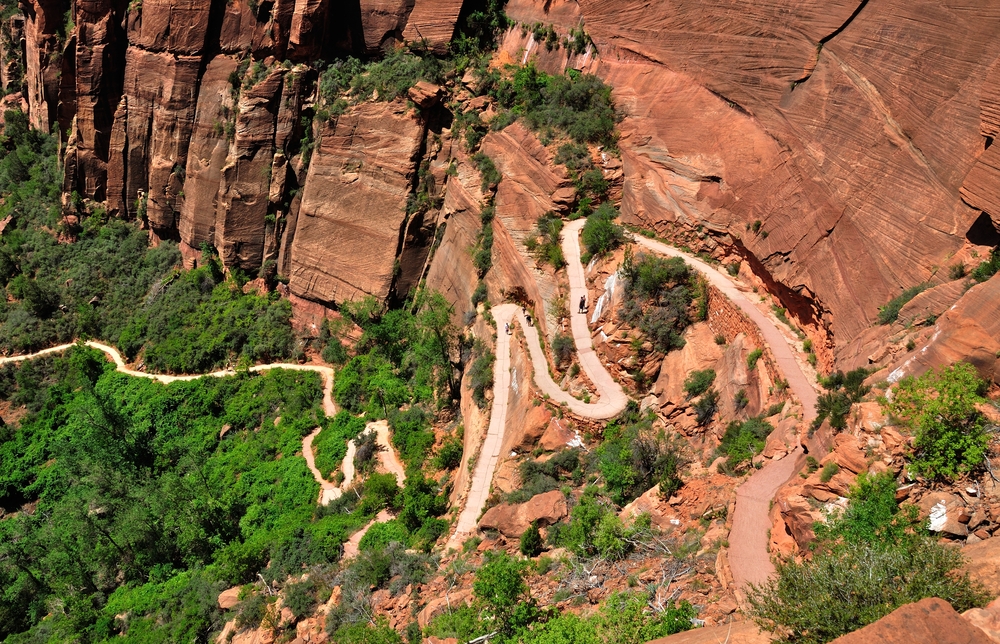
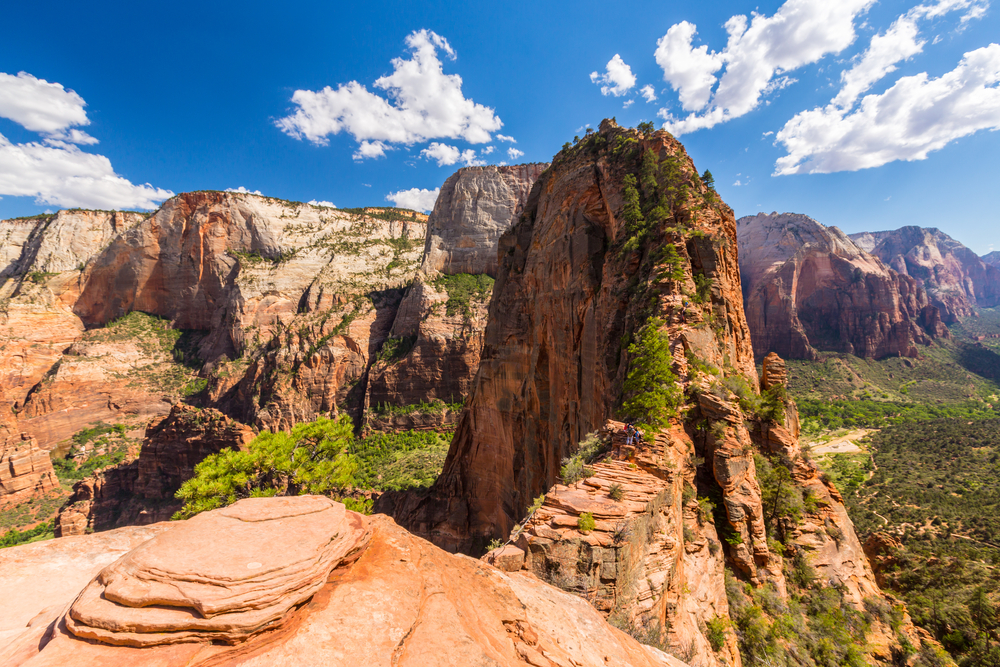
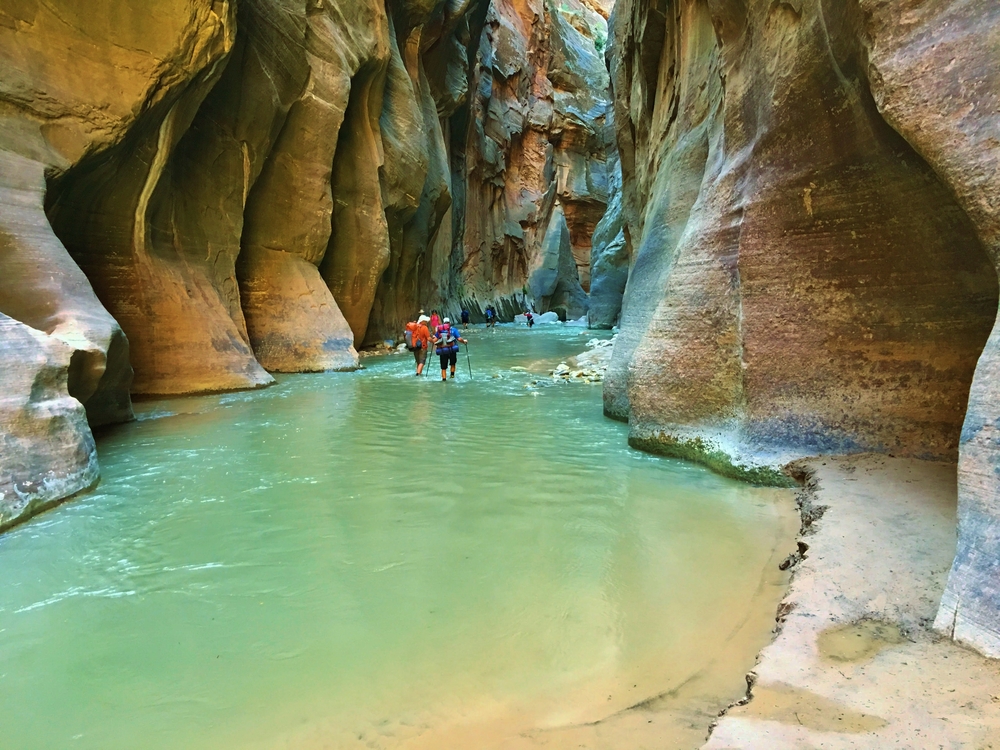
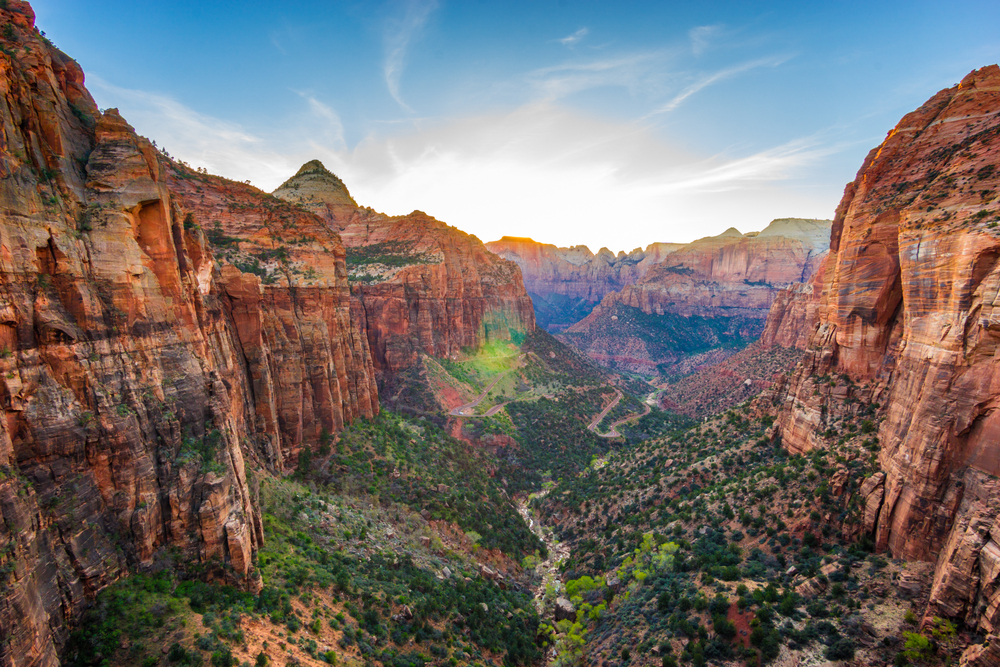
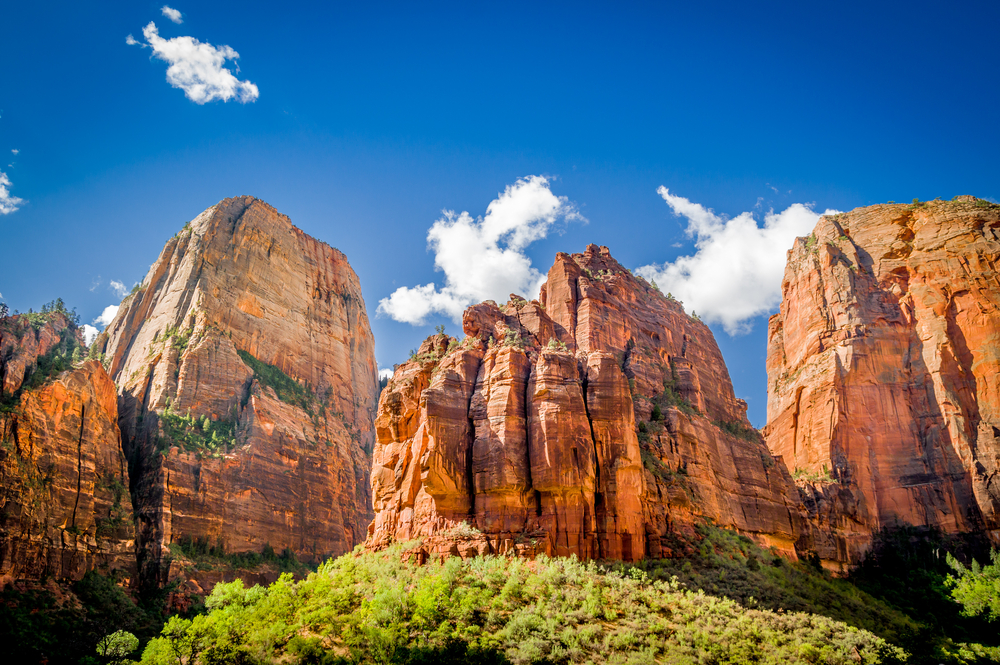
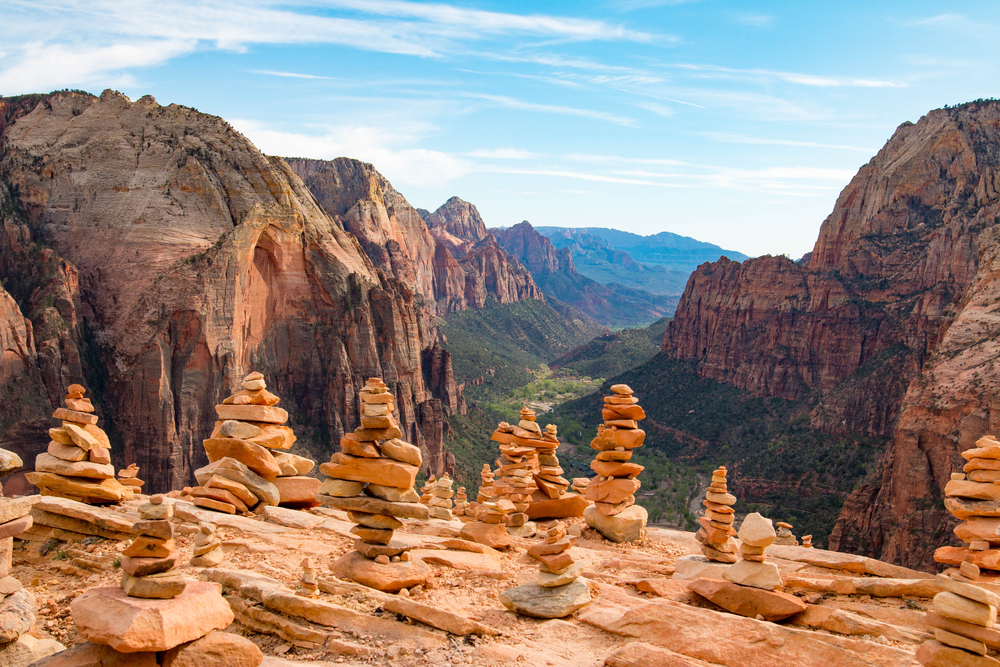
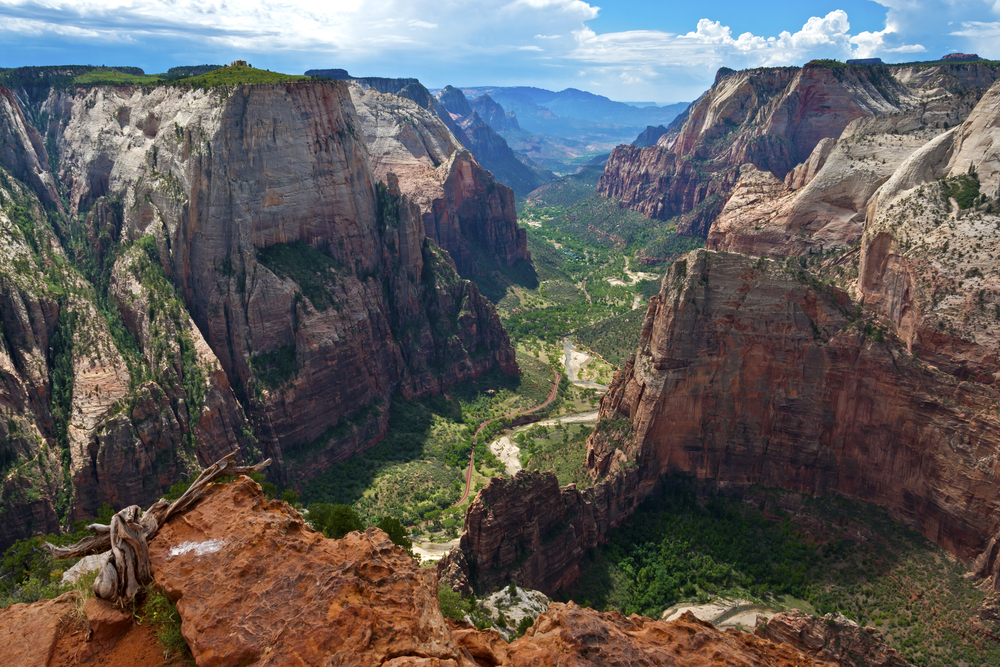
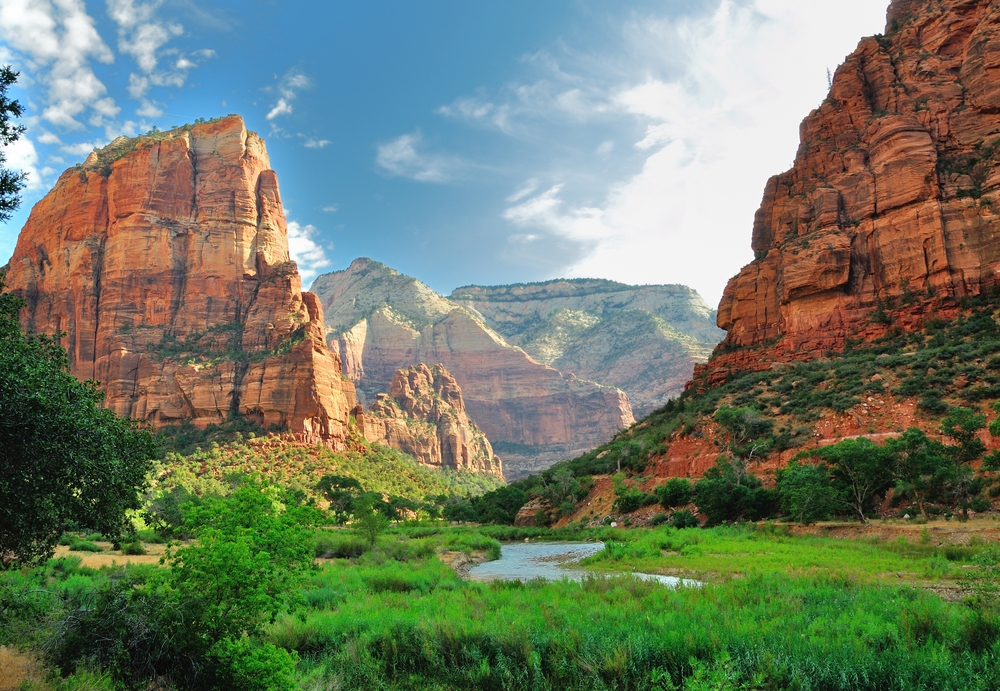
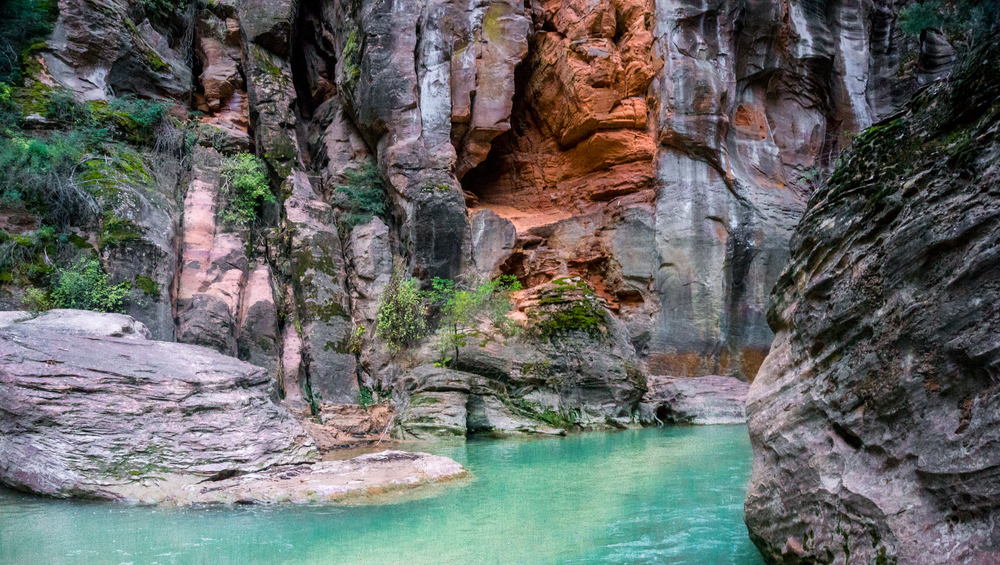
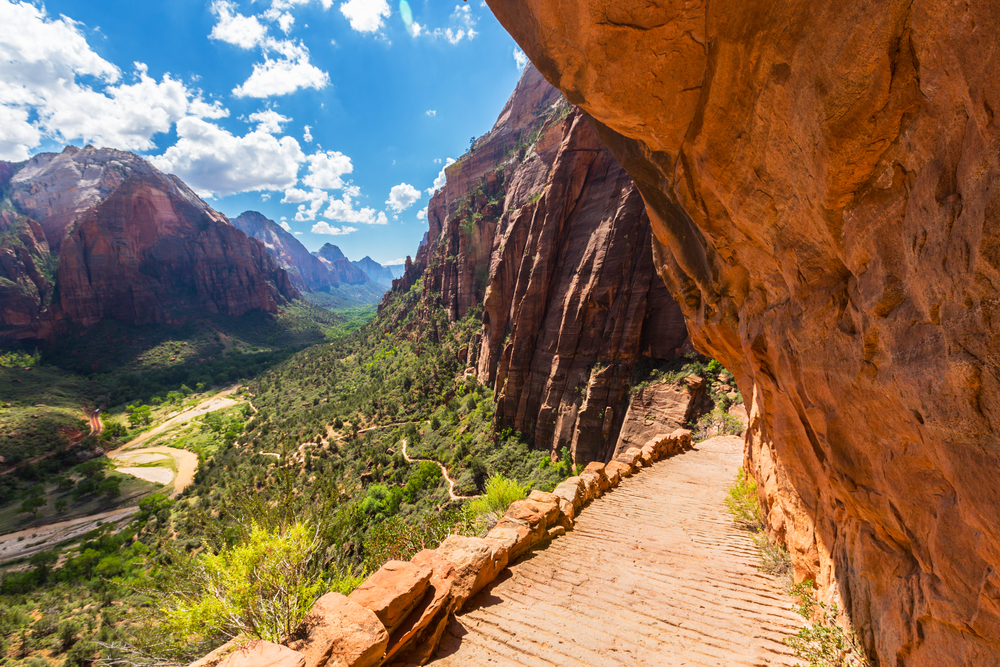
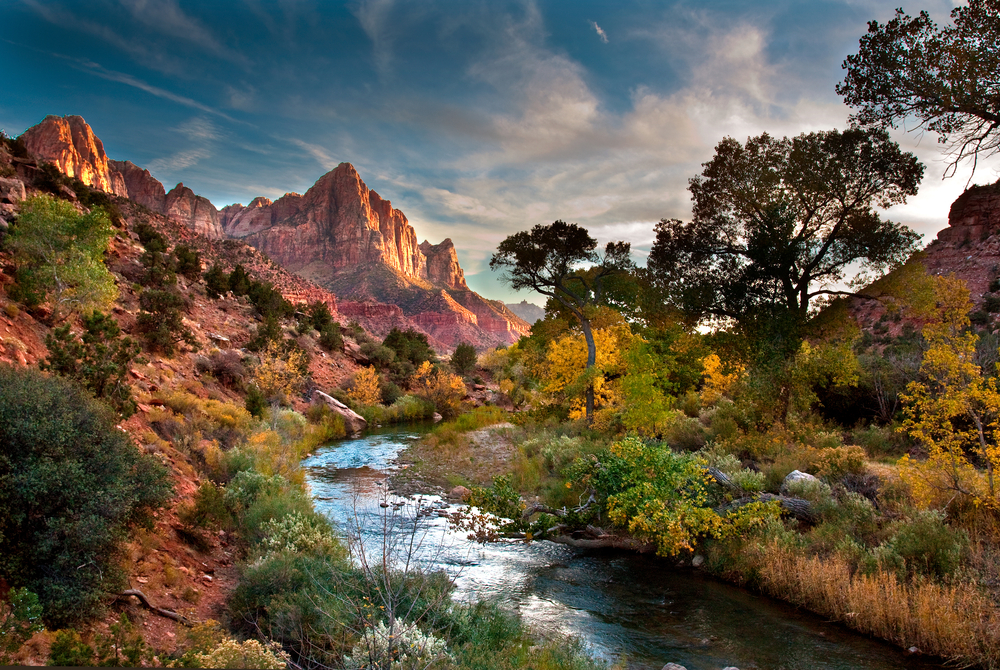
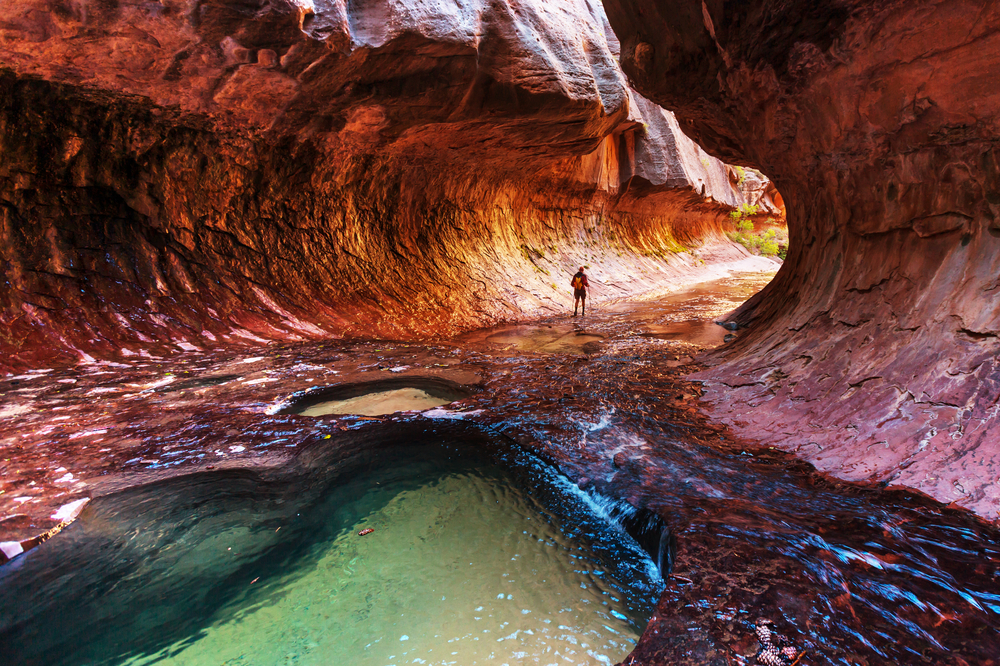
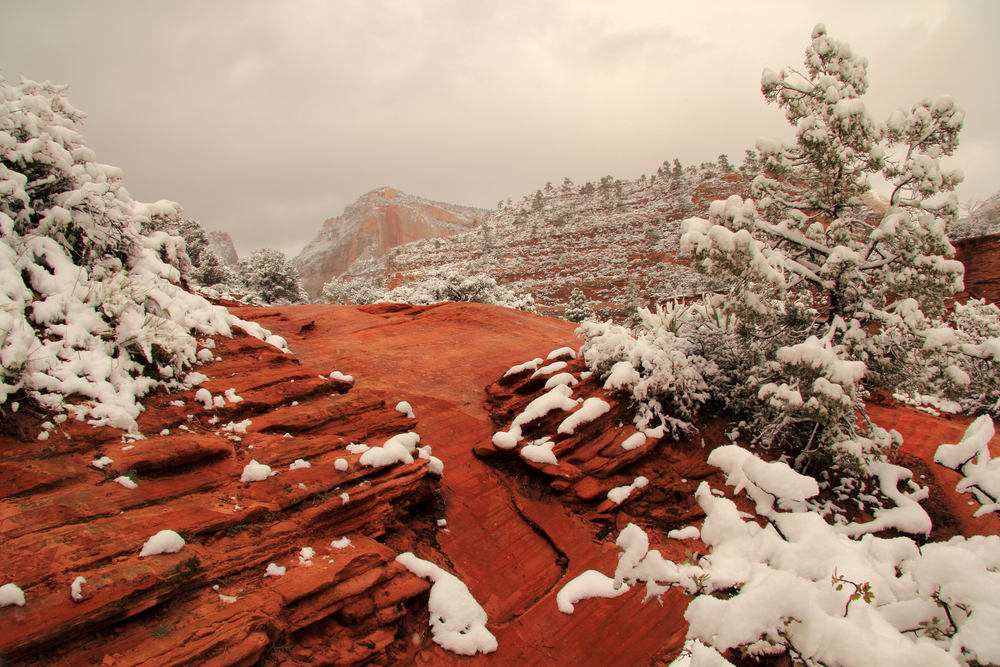
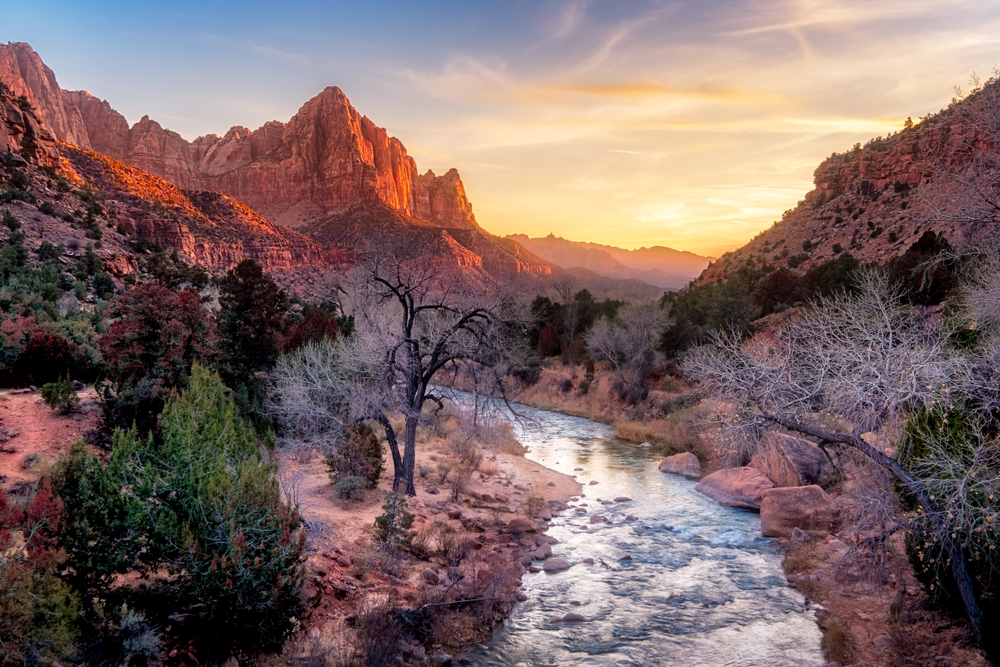
Zion National Park is best known for the dramatic beauty of Zion Canyon, a deep gorge carved by the Virgin River through massive layers of Navajo Sandstone. Visitors are drawn to towering cliffs that rise more than 2,000 feet above the canyon floor. The park offers some of the most iconic hiking experiences in the world, including the famous Angels Landing trail and The Narrows, where hikers walk directly through the river between narrow canyon walls.
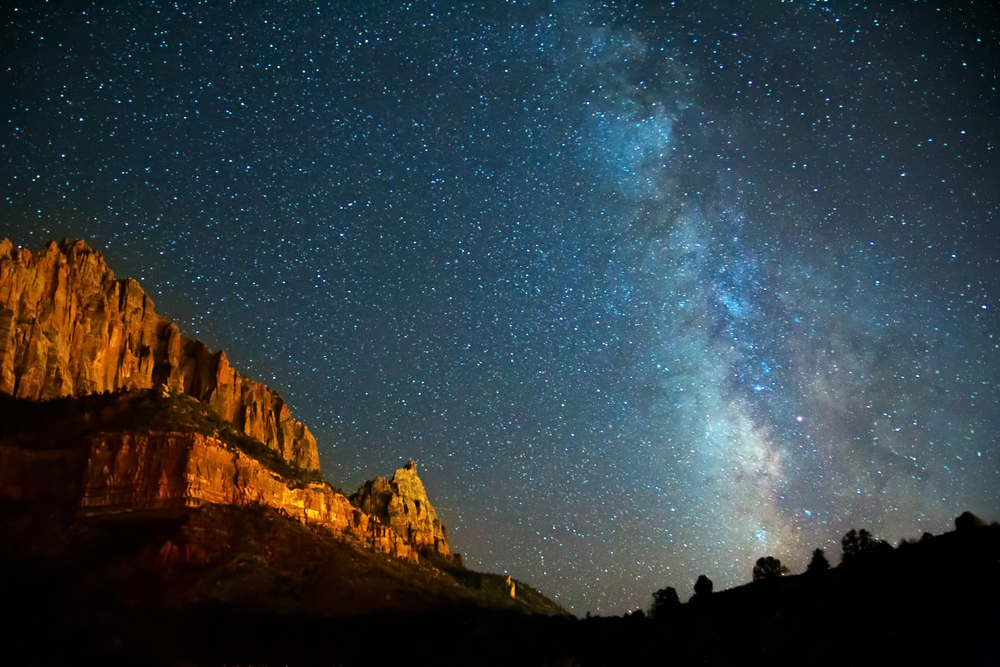
Scenic drives, wildlife viewing, photography, rock climbing, canyoneering, and stargazing provide additional opportunities to experience the park. Every season reveals a different side of Zion’s beauty, from spring wildflowers to autumn colors that illuminate the canyon walls.
The geography of Zion National Park reflects nearly 200 million years of geological history. Layers of sandstone, limestone, shale, and mudstone reveal ancient deserts, rivers, and shallow seas that once covered the region. Erosion by water, wind, and time sculpted the landscape into towering cliffs, mesas, buttes, arches, and narrow slot canyons.
Elevations range from approximately 3,700 feet (1,128 meters) along the Virgin River to over 8,700 feet (2,650 meters) at the park’s highest points. This dramatic elevation change creates a variety of habitats and scenic environments. Vegetation includes cottonwood groves, pinyon-juniper woodlands, desert shrublands, hanging gardens, and high-elevation forests. The contrast between lush river corridors and surrounding desert terrain contributes greatly to Zion’s unique character.
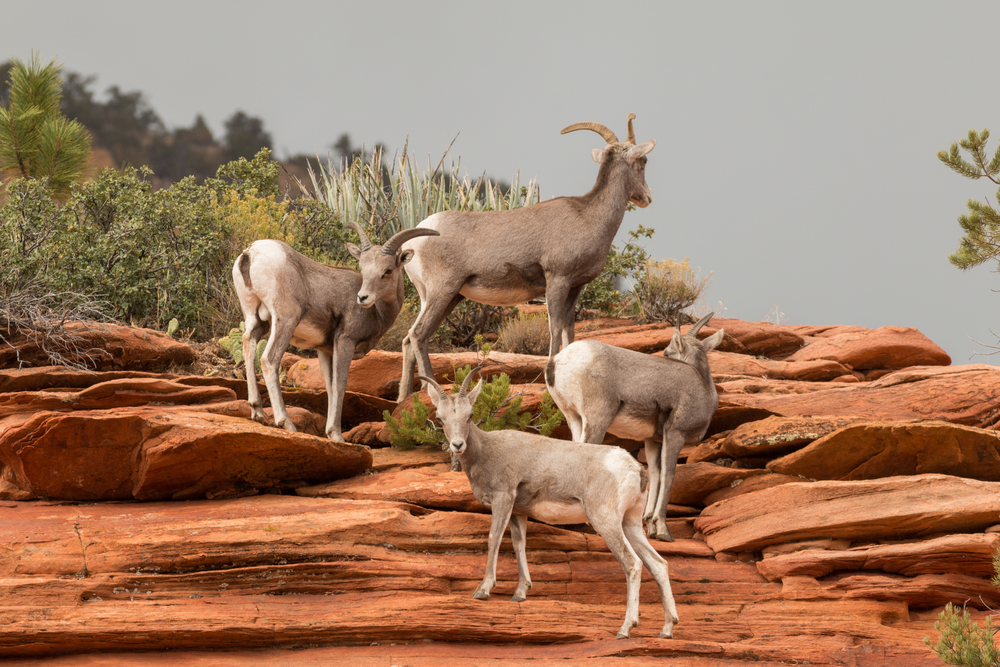
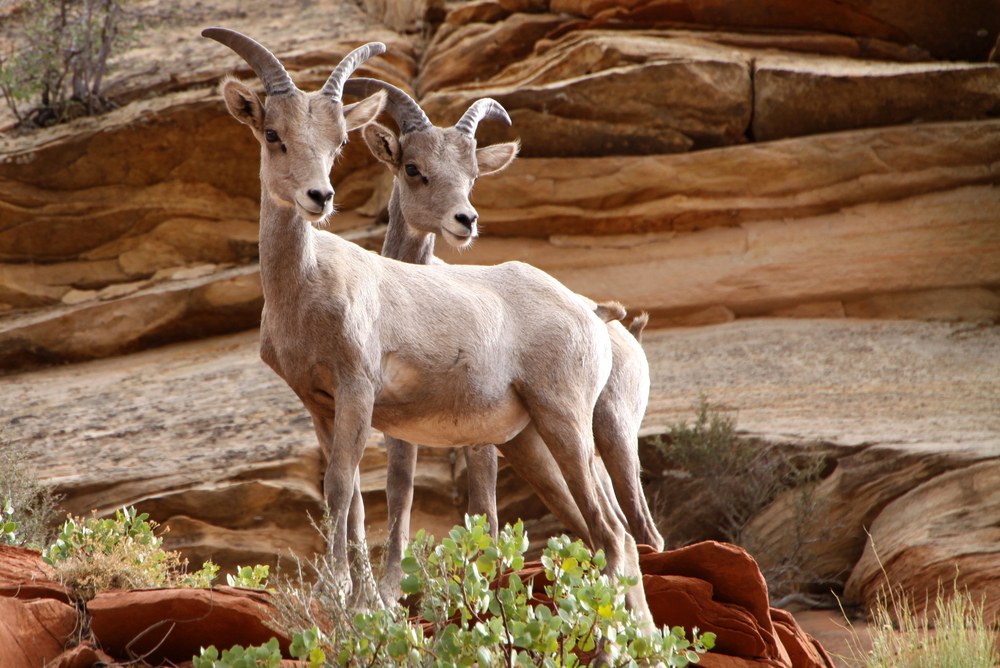
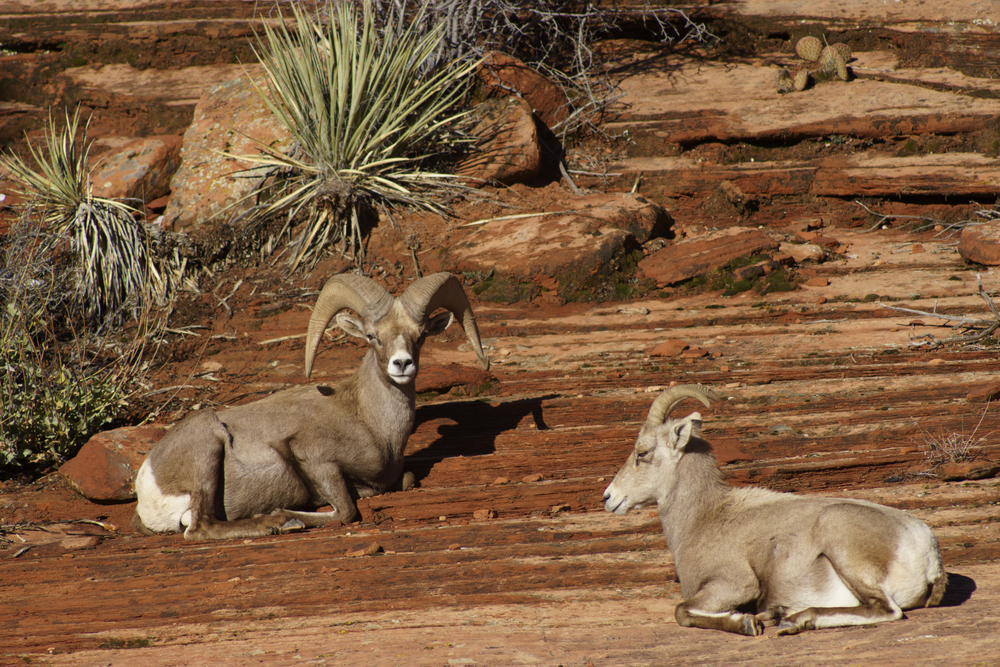
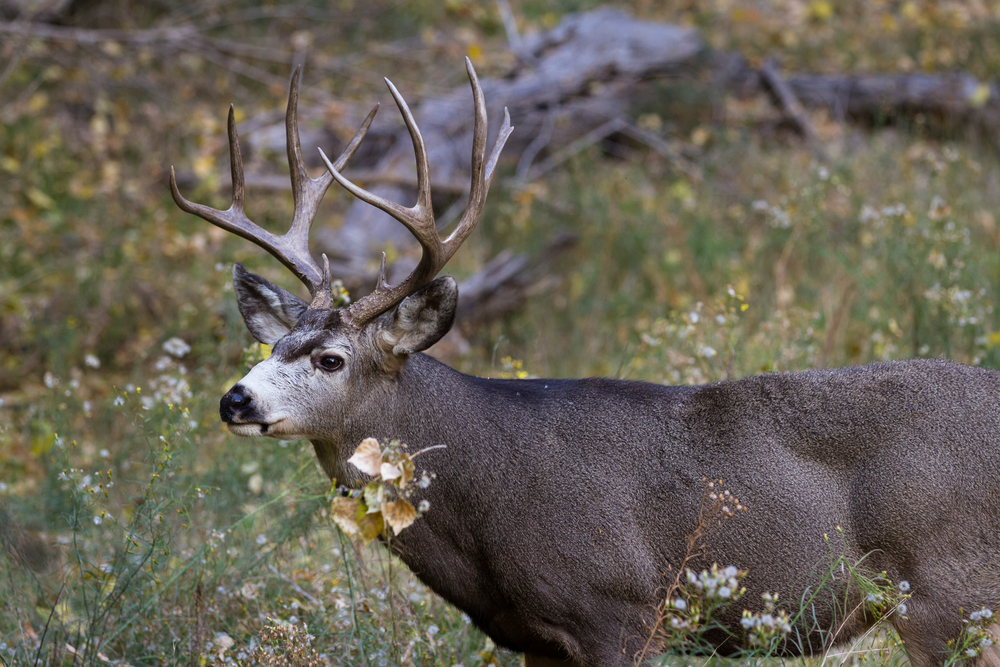
Wildlife within Zion National Park is exceptionally diverse. More than 75 species of mammals inhabit the park, including mule deer, bighorn sheep, mountain lions, bobcats, ringtails, and rock squirrels. Birdlife is especially abundant, with over 290 recorded species. Visitors may observe peregrine falcons, California condors, golden eagles, canyon wrens, and hummingbirds throughout the park.
Reptiles such as collared lizards, whiptail lizards, and rattlesnakes thrive in the warmer habitats, while amphibians inhabit streams and springs. The variety of elevations and ecosystems allows wildlife typically associated with deserts, forests, and mountains to coexist within a relatively compact area.
Zion National Park protects one of the most significant canyon ecosystems in the American Southwest. The park preserves critical habitat for numerous native and sensitive species while safeguarding geological formations that rank among the finest examples of canyon erosion anywhere in the world. Conservation efforts support threatened species such as the California condor and protect fragile riparian habitats that sustain life in an otherwise arid environment.
Zion is often compared to Grand Canyon National Park and Bryce Canyon National Park because of its extraordinary geological features. Yet Zion’s combination of towering sandstone walls, lush canyon floor, and intimate hiking experiences creates a character all its own. Today, the park stands as one of America’s greatest natural treasures, inspiring visitors with landscapes shaped by immense forces of nature over millions of years.
Photos

Things to See
 Hiking the trails of Zion National Park is the pinnacle experience although you can also take guided horseback rides. There is a network of over 50 miles of trails throughout the park featuring 7 trails within Zion Canyon that can be made roundtrip in under four hours.
Zion National Park Trails
Zion National Park is renowned for some of the most intriguing hiking experiences available in North America. There are easy to difficult trails that provide access to the different natural wonders of the park. There are well over 100 trails that traverse through the different facets of nature on display in Zion.

Sources
- All Trails, Best Trails in Zion National Park, https://www.alltrails.com/parks/us/utah/zion-national-park, retrieved July 2020.
- Britannica, Zion National Park, https://www.britannica.com/place/Zion-National-Park, retrieved September 2019.
- Lonely Planet, Zion National Park, https://www.lonelyplanet.com/usa/southwest/zion-national-park, retrieved September 2019.
- National Geographic, Everything to know about Zion National Park, https://www.nationalgeographic.com/travel/national-parks/zion-national-park/, retrieved September 2019.
- National Geographic, Complete National Parks of the United States, National Geographic Publishing, Washington DC.
- National Geographic, Guide to the National Parks of the United States, National Geographic Society, 2003.
- National Geographic, National Parks of North America, Canada-United States-Mexico, National Geographic Society, 1995.
- Visit Southern Utah, Zion National Park, https://www.visitsouthernutah.com/Zion-National-Park, retrieved September 2019.
- Visit Utah, Zion National Park, https://www.visitutah.com/places-to-go/parks-outdoors/zion/, retrieved September 2019.
- Zion National Park, Escape to Zion National Park, https://www.zionnationalpark.com/, retrieved September 2019.