

About
Wind Cave National Park is located on the western side of South Dakota. The park covers an area of 52.88 square miles (136.97 sq km).
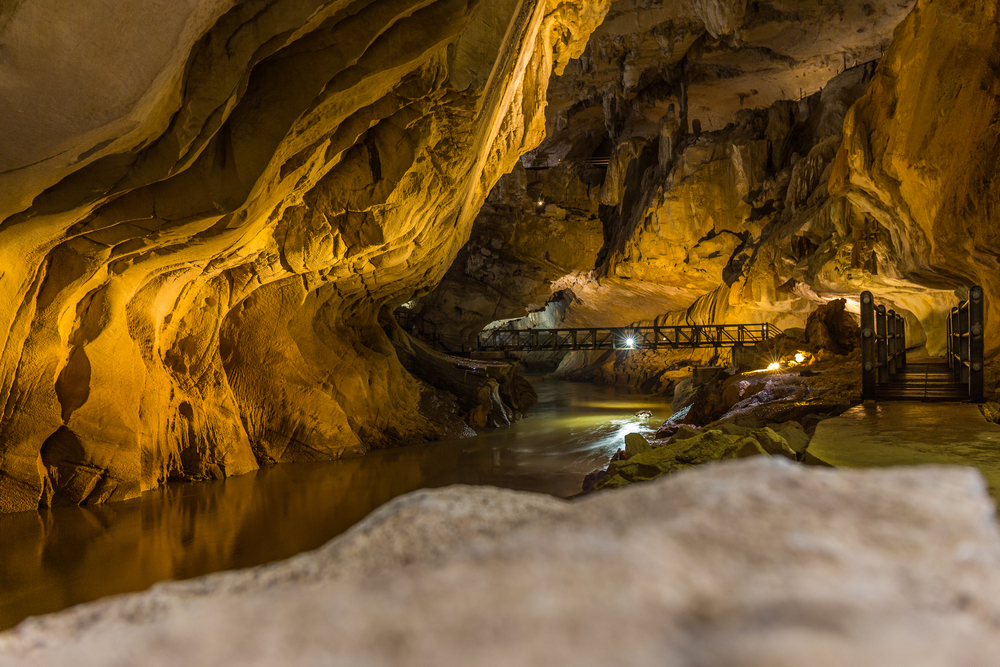
Wind Cave was the first cave system in the world established and recognized as a national park. The currently explored part of the cave measures a distance of 149.01 miles (239.81 km) establishing it as one of the longest caves in the world. Mammoth Cave in Kentucky is currently the longest known cave in the world.
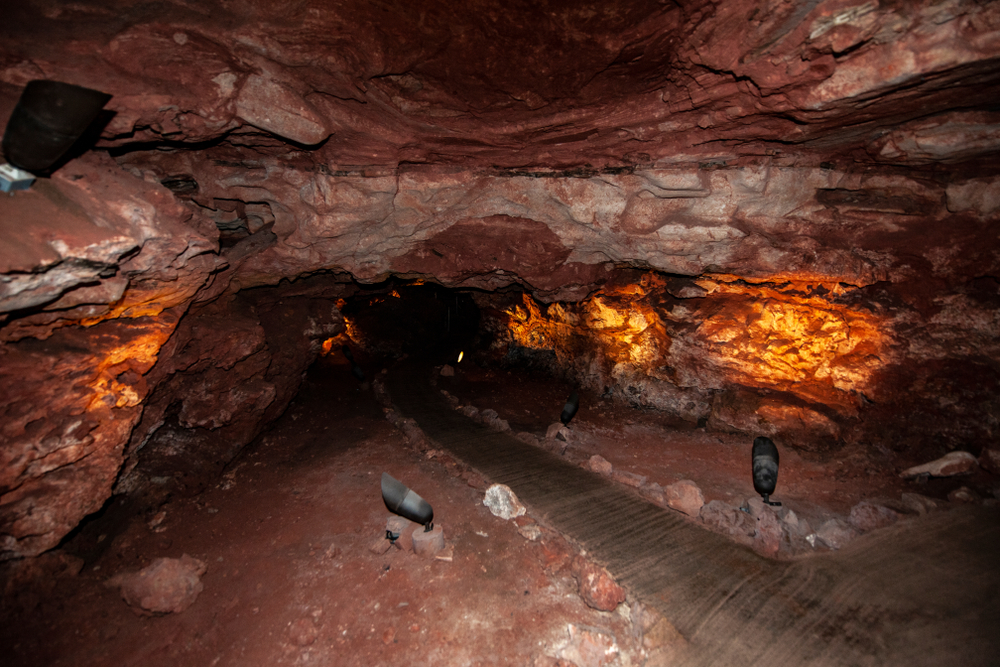
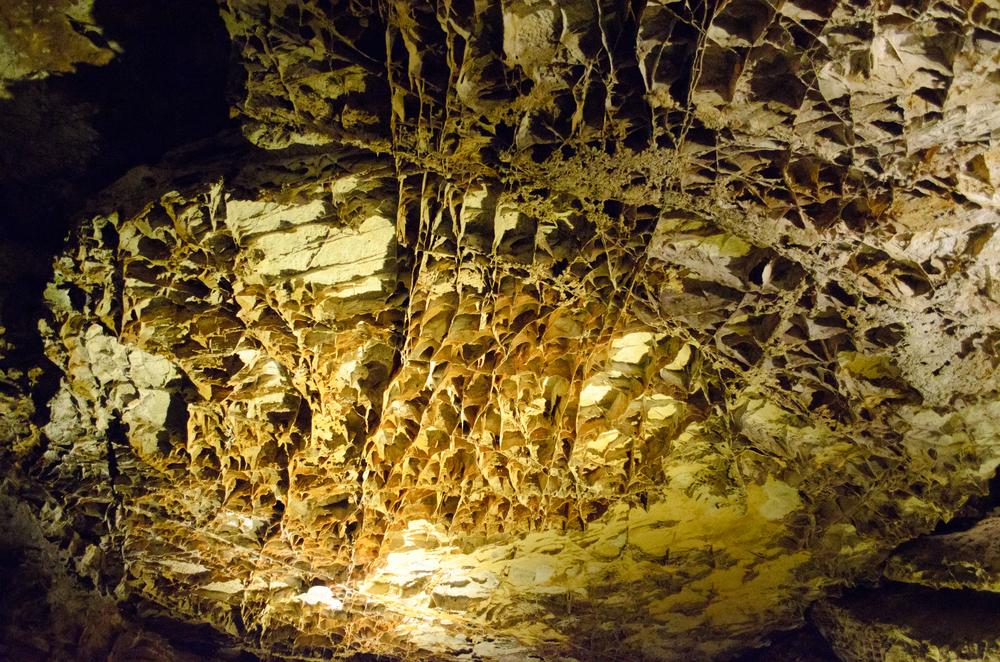
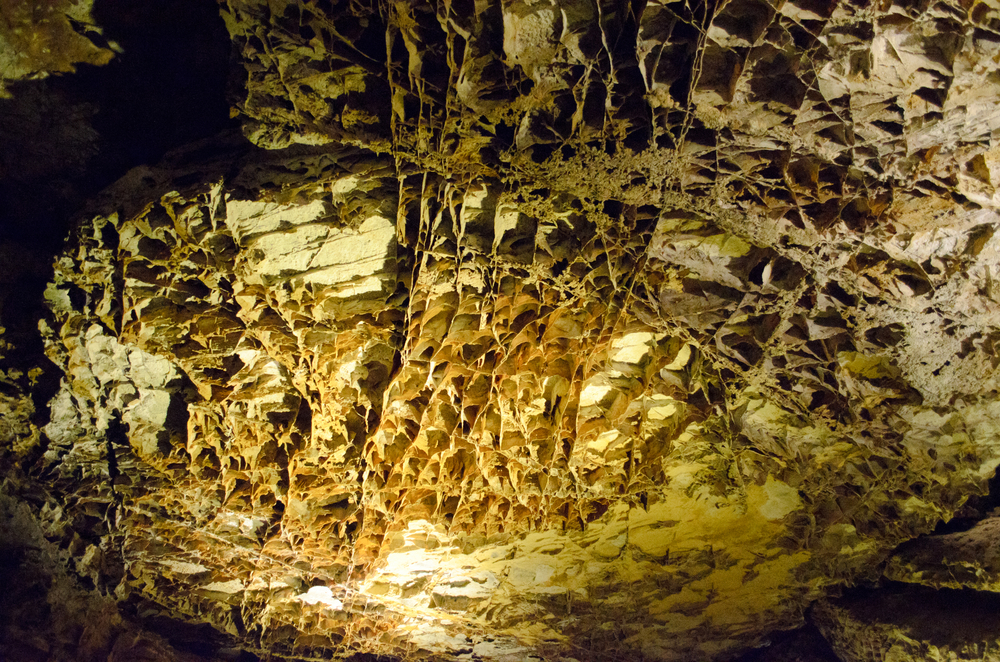
Although not the longest, it is recognized as the densest cave system in the world while demonstrating the largest passage volume per cubic mile. The cave also features a number of unique cavern features like boxwork and frostwork.
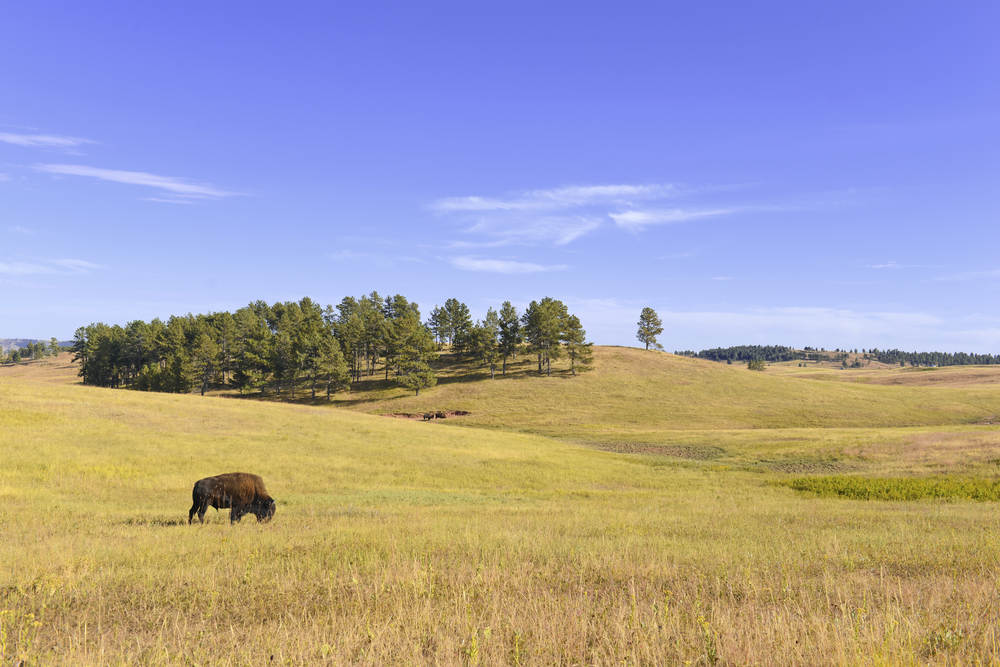
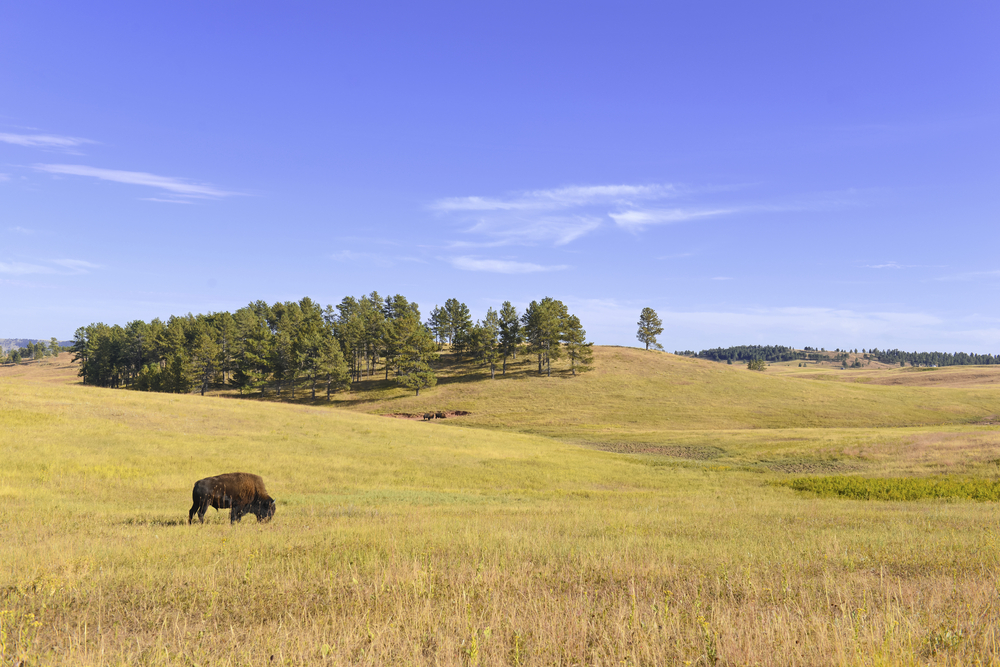
Wind Cave protects more than just the cave below ground. Atop the cave rests the most extensive naturally occurring mixed-grass prairie left in North America. The prairie lands, ponderosa pine forests, and other vegetation have created a diverse ecosystem that is home to an abundance and array of wildlife.
The name of the park comes from the sounds the wind creates as it blows into the entrance of the cave. The air blows in and out of the cave depending on the atmospheric pressure. The sensation of air going in and out of the cave has led some to affectionately describe the cave as “breathing.”
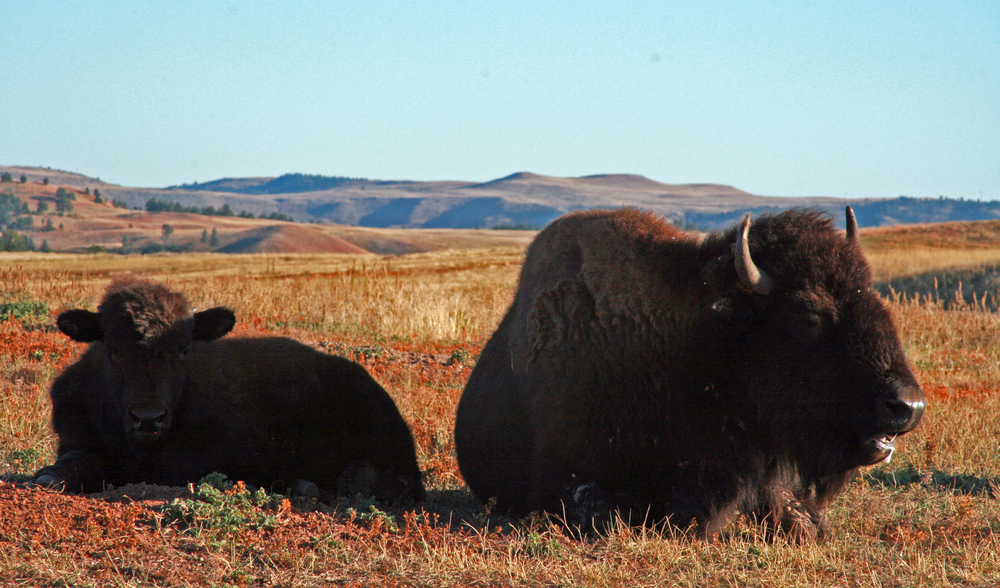
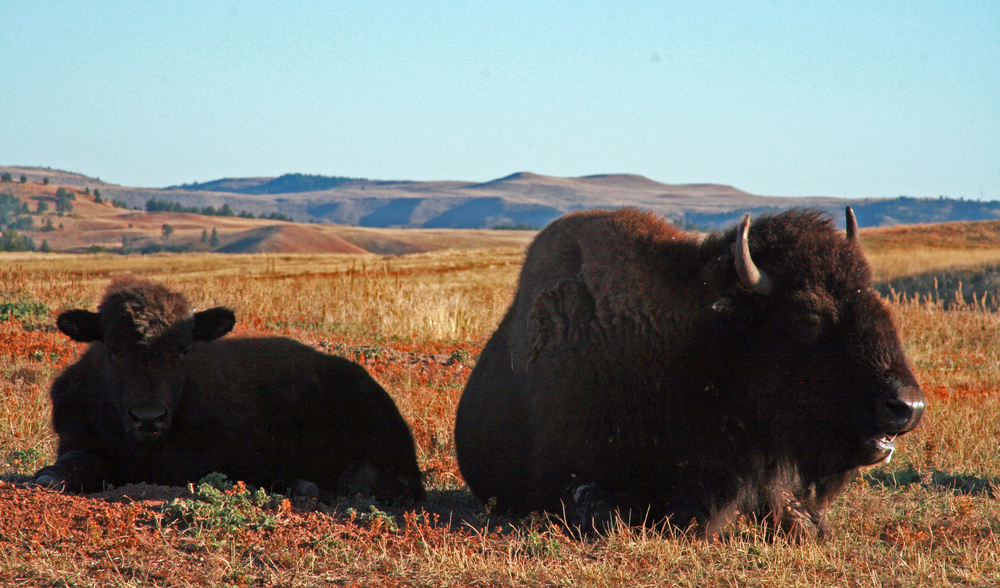
Some of the more exciting wildlife sightings include bison, pronghorn, elk, bobcat, cougar, and coyote. Some of the smaller and often considered cuter sightings include raccoon, skunk, ferret, mink, and prairie dog. The park protects one of the few genetically pure free-roaming bison herds in the country. Yellowstone National Park has one of the others.
Photos
Things to See
Things To Do
Engaging Wind Cave National Park
Wind Cave National Park Trails
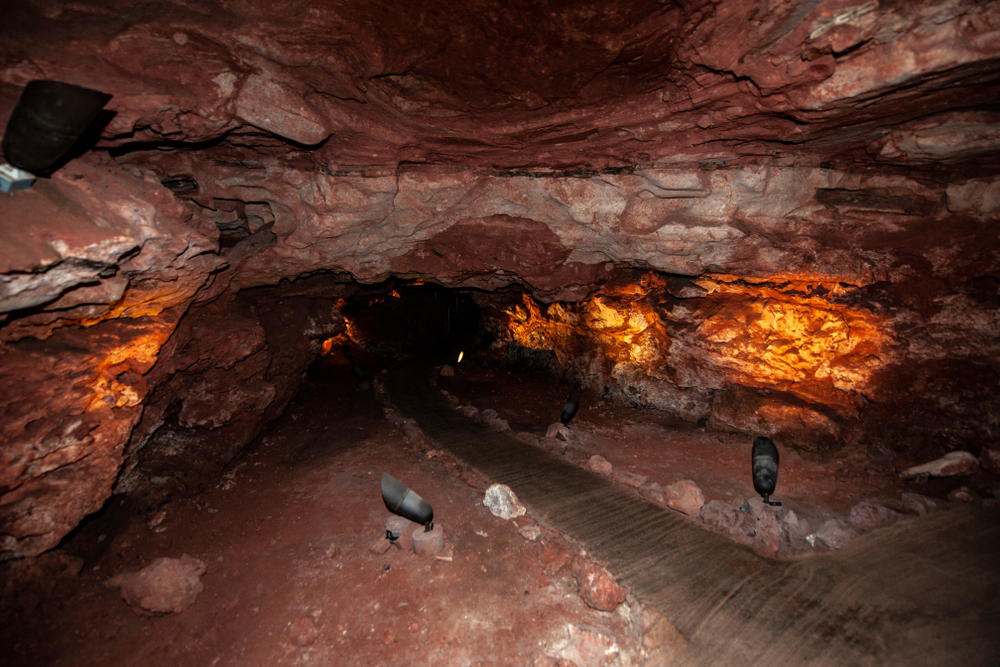
The road system is complemented by over 30 miles (48 km) of hiking trails separate from the exploration of the cave below. The majority of trails are easy to moderate with only a small percentage accounted for by a difficult rating.

FAQ’s
What is Wind Cave National Park known for?
Wind Cave National Park, located in the Black Hills of South Dakota, is renowned for its extensive and complex cave system, which is among the oldest and the third-longest in the world.
What sets Wind Cave apart is its remarkable display of boxwork formations—thin calcite fins that project from cave walls and ceilings, resembling honeycombs. This feature is extraordinarily rare, with Wind Cave having one of the most abundant displays of boxwork in the world.
The park is named for the natural phenomenon at its entrance, where air pressure differences cause the cave to “breathe,” creating winds that can either rush out or draw into the cave.
This unique feature was a signal to the Lakota people, the original inhabitants of the region, of the cave’s significance and spiritual importance.
Above ground, Wind Cave National Park offers a diverse ecosystem of mixed-grass prairie and Ponderosa pine forests, home to a variety of wildlife.
It is one of the few places where one can see bison, elk, pronghorns, and the endangered black-footed ferret in their natural habitat.
The park’s scenic landscapes, hiking trails, and wildlife watching opportunities complement the underground wonders, making Wind Cave National Park a place of both subterranean mystery and surface-level natural beauty.
How does Wind Cave compare to other caves?
Wind Cave stands out among the world’s caves for several unique characteristics and features:
- Boxwork Formations: Wind Cave is renowned for its boxwork, a rare formation composed of thin calcite fins resembling a honeycomb. This feature is more abundant and prominent in Wind Cave than in any other known cave, making it a geological marvel. Boxwork is created through the differential erosion of limestone, leaving behind a network of calcite fins. This distinctive feature provides an intriguing sight for visitors and offers important clues to geologists about the cave’s formation and the history of the Earth.
- Size and Complexity: Wind Cave is one of the longest caves in the world, with over 150 miles (241 kilometers) of explored passageways. Its complex, three-dimensional maze of passages is noted for its intricacy, with many layers of passages stacked atop one another. This complexity makes it a fascinating study for speleologists and cave explorers.
- Cave Breathing: The phenomenon of cave “breathing” is particularly notable at Wind Cave. The cave’s internal air pressure changes with the atmospheric pressure outside, causing air to either blow out of or suck into the cave’s natural entrance. This breathing effect was how the cave was first discovered and remains a point of interest for visitors.
- Ecological Significance: Above ground, Wind Cave National Park encompasses a rare and pristine mixed-grass prairie ecosystem. The park’s surface is as ecologically significant as the cave itself, providing habitat for a diverse array of wildlife, including bison, elk, and the endangered black-footed ferret. This diversity of surface ecosystems is not commonly associated with other cave systems.
- Cultural Importance: Wind Cave holds significant cultural importance for the Lakota people, who consider it a sacred site. According to Lakota mythology, Wind Cave is the site where their people first emerged into the world. This cultural and spiritual significance adds another layer of comparison with other caves, which may not have as direct a connection to indigenous peoples and their cosmologies.
Compared to other caves, Wind Cave’s unique geological features, ecological diversity, and cultural significance make it a standout destination for both scientific study and public interest. Its combination of underground wonders and surface beauty offers a comprehensive and diverse caving experience unlike any other.
What is Wind Cave National Park known for?
Wind Cave National Park, located in the Black Hills of South Dakota, is renowned for its extensive and complex cave system, which is among the oldest and the third-longest in the world.
What sets Wind Cave apart is its remarkable display of boxwork formations—thin calcite fins that project from cave walls and ceilings, resembling honeycombs. This feature is extraordinarily rare, with Wind Cave having one of the most abundant displays of boxwork in the world.
The park is named for the natural phenomenon at its entrance, where air pressure differences cause the cave to “breathe,” creating winds that can either rush out or draw into the cave.
This unique feature was a signal to the Lakota people, the original inhabitants of the region, of the cave’s significance and spiritual importance.
Above ground, Wind Cave National Park offers a diverse ecosystem of mixed-grass prairie and Ponderosa pine forests, home to a variety of wildlife.
It is one of the few places where one can see bison, elk, pronghorns, and the endangered black-footed ferret in their natural habitat.
The park’s scenic landscapes, hiking trails, and wildlife watching opportunities complement the underground wonders, making Wind Cave National Park a place of both subterranean mystery and surface-level natural beauty.
How does Wind Cave compare to other caves?
Wind Cave stands out among the world’s caves for several unique characteristics and features:
- Boxwork Formations: Wind Cave is renowned for its boxwork, a rare formation composed of thin calcite fins resembling a honeycomb. This feature is more abundant and prominent in Wind Cave than in any other known cave, making it a geological marvel. Boxwork is created through the differential erosion of limestone, leaving behind a network of calcite fins. This distinctive feature provides an intriguing sight for visitors and offers important clues to geologists about the cave’s formation and the history of the Earth.
- Size and Complexity: Wind Cave is one of the longest caves in the world, with over 150 miles (241 kilometers) of explored passageways. Its complex, three-dimensional maze of passages is noted for its intricacy, with many layers of passages stacked atop one another. This complexity makes it a fascinating study for speleologists and cave explorers.
- Cave Breathing: The phenomenon of cave “breathing” is particularly notable at Wind Cave. The cave’s internal air pressure changes with the atmospheric pressure outside, causing air to either blow out of or suck into the cave’s natural entrance. This breathing effect was how the cave was first discovered and remains a point of interest for visitors.
- Ecological Significance: Above ground, Wind Cave National Park encompasses a rare and pristine mixed-grass prairie ecosystem. The park’s surface is as ecologically significant as the cave itself, providing habitat for a diverse array of wildlife, including bison, elk, and the endangered black-footed ferret. This diversity of surface ecosystems is not commonly associated with other cave systems.
- Cultural Importance: Wind Cave holds significant cultural importance for the Lakota people, who consider it a sacred site. According to Lakota mythology, Wind Cave is the site where their people first emerged into the world. This cultural and spiritual significance adds another layer of comparison with other caves, which may not have as direct a connection to indigenous peoples and their cosmologies.
Compared to other caves, Wind Cave’s unique geological features, ecological diversity, and cultural significance make it a standout destination for both scientific study and public interest. Its combination of underground wonders and surface beauty offers a comprehensive and diverse caving experience unlike any other.
Sources
- All Trails, Best Trails in Wind Cave National Park, https://www.alltrails.com/parks/us/south-dakota/wind-cave-national-park, retrieved July 2020.
- Black Hills and Badlands, Wind Cave, https://www.blackhillsbadlands.com/parks-monuments/wind-cave-national-park, retrieved July 2020.
- Britannica, Boxwork, https://www.britannica.com/science/boxwork, retrieved July 2020.
- Britannica, Wind Cave National Park, https://www.britannica.com/place/Haleakala-National-Park, retrieved July 2020.
- National Geographic, Complete National Parks of the United States, National Geographic Publishing, Washington DC.
- National Geographic, Guide to the National Parks of the United States, National Geographic Society, 2003.
- National Geographic, National Parks of North America, Canada-United States-Mexico, National Geographic Society, 1995.
- National Park Service, Wind Cave, https://www.nps.gov/wica/index.htm, retrieved July 2020.
- Wikipedia, Frostwork, https://en.wikipedia.org/wiki/Frostwork, retrieved July 2020.