

About
Redwood National Park is located along the northern coast of California in the United States and covers approximately 217 square miles (562 sq km). Established in 1968 and expanded in 1978, the park protects some of the tallest trees on Earth and one of the most remarkable temperate rainforest ecosystems in the world.
The park lies along the Pacific Ocean between Crescent City and Eureka. It is managed in partnership with several adjoining California state parks, creating a vast protected landscape. Together, these protected areas preserve nearly half of the world’s remaining old-growth coastal redwood forests. In 1980, Redwood National Park was designated a UNESCO World Heritage Site and later became part of an International Biosphere Reserve due to its global ecological significance.
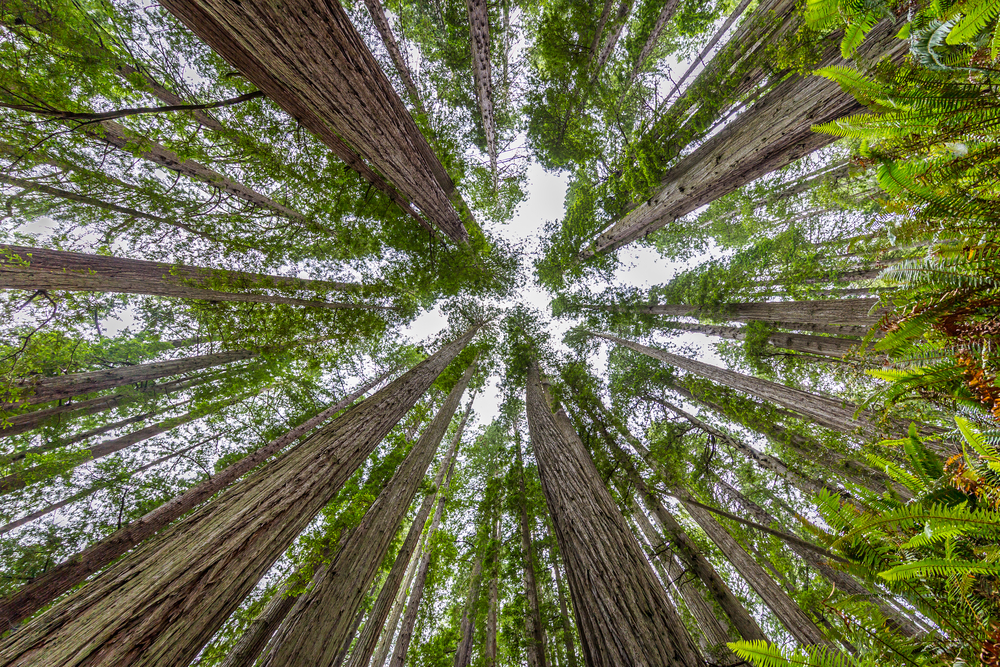
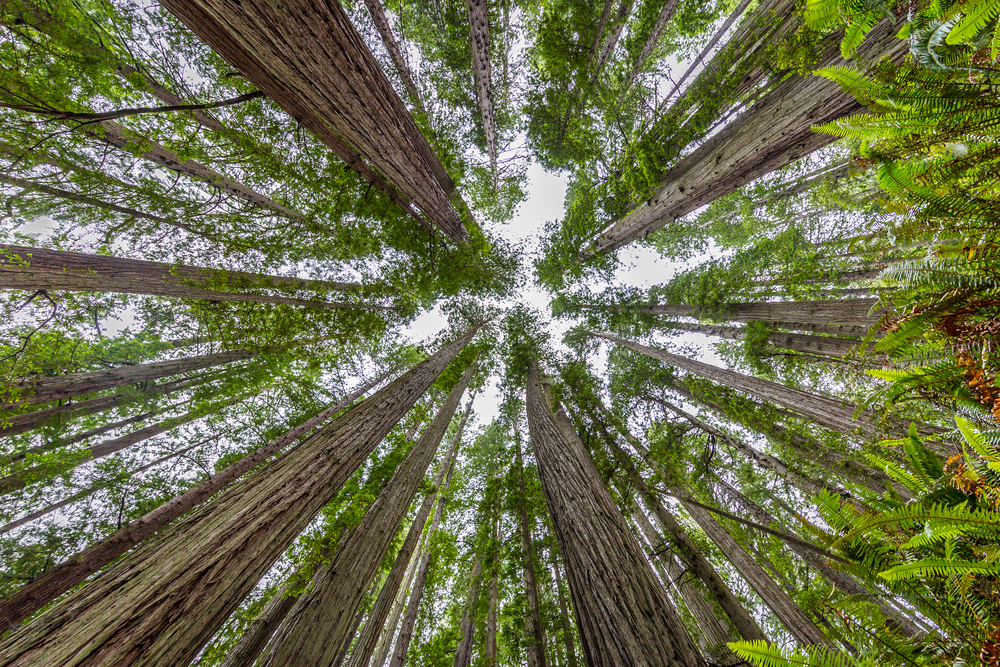
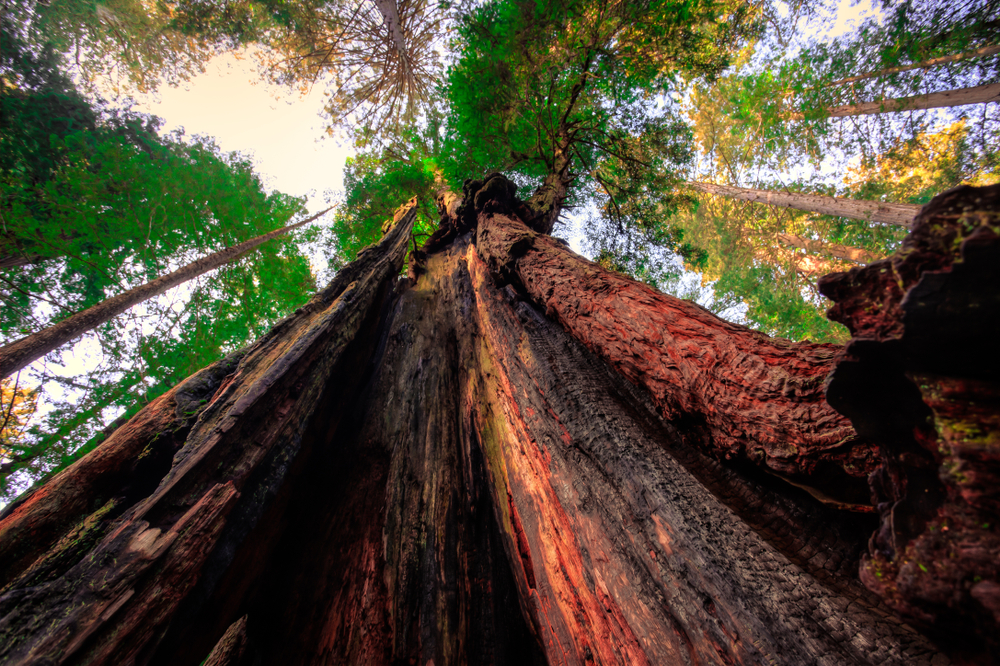
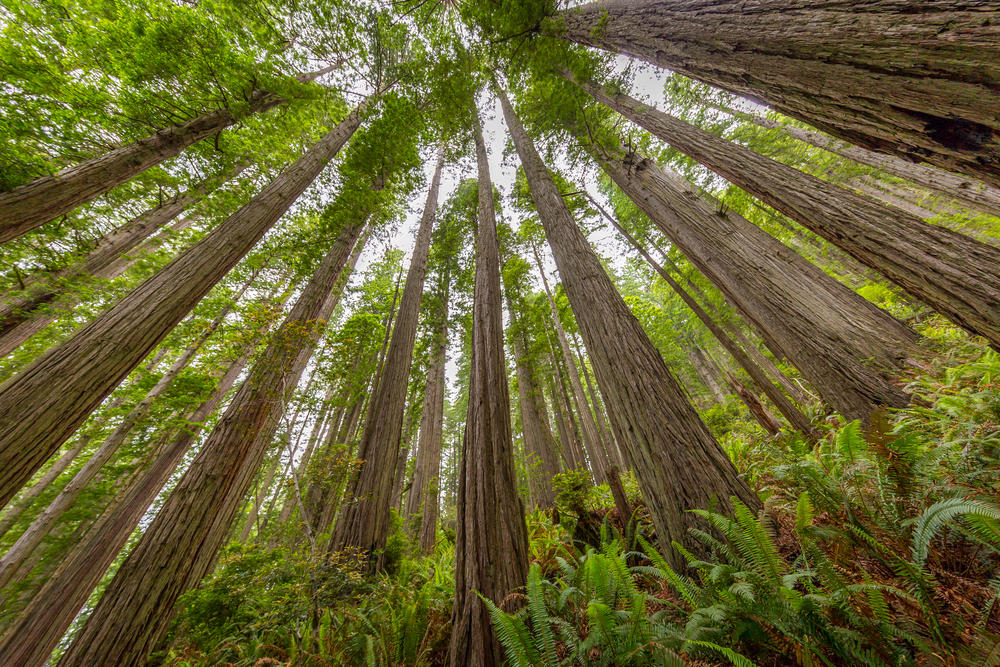
Redwood National Park is best known for its towering coast redwoods, the tallest living trees on Earth. Some of these giants exceed 370 feet (113 meters) in height and can live for more than 2,000 years. Visitors come from around the world to walk among these ancient forests and experience a sense of scale found nowhere else.
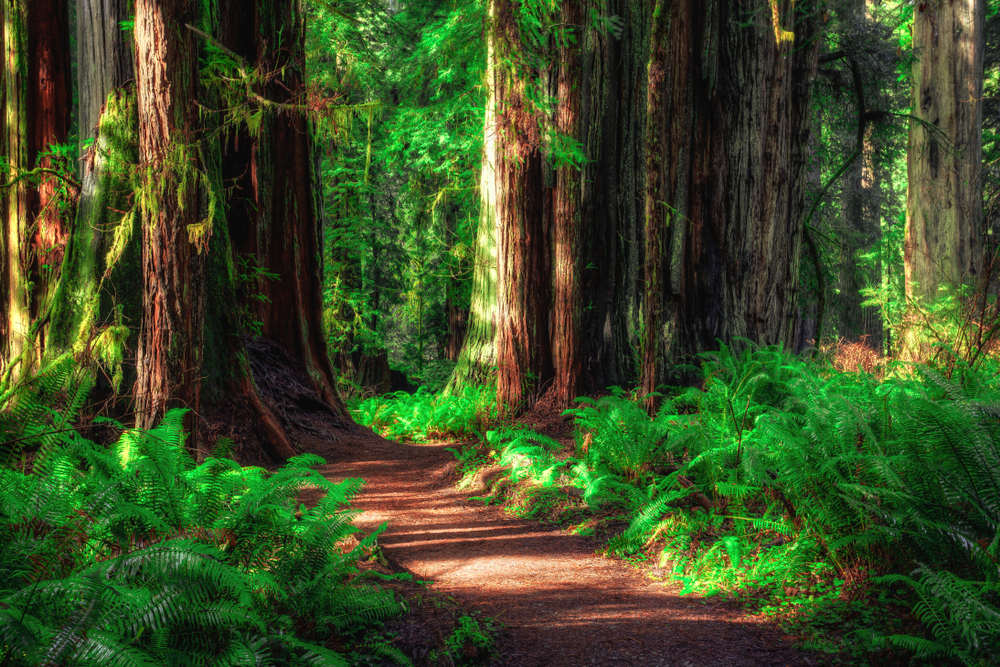
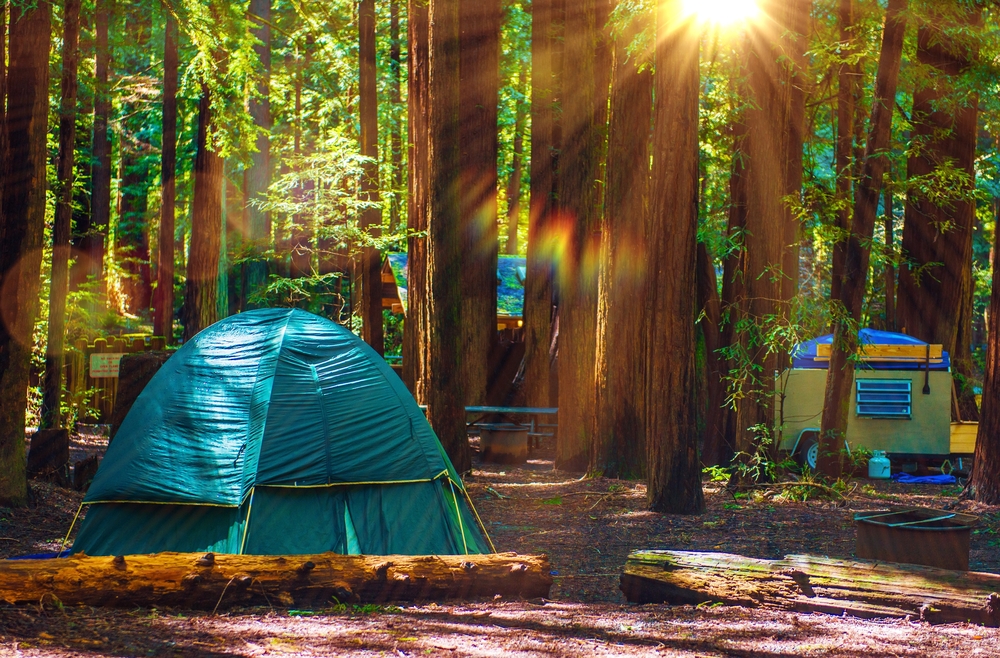
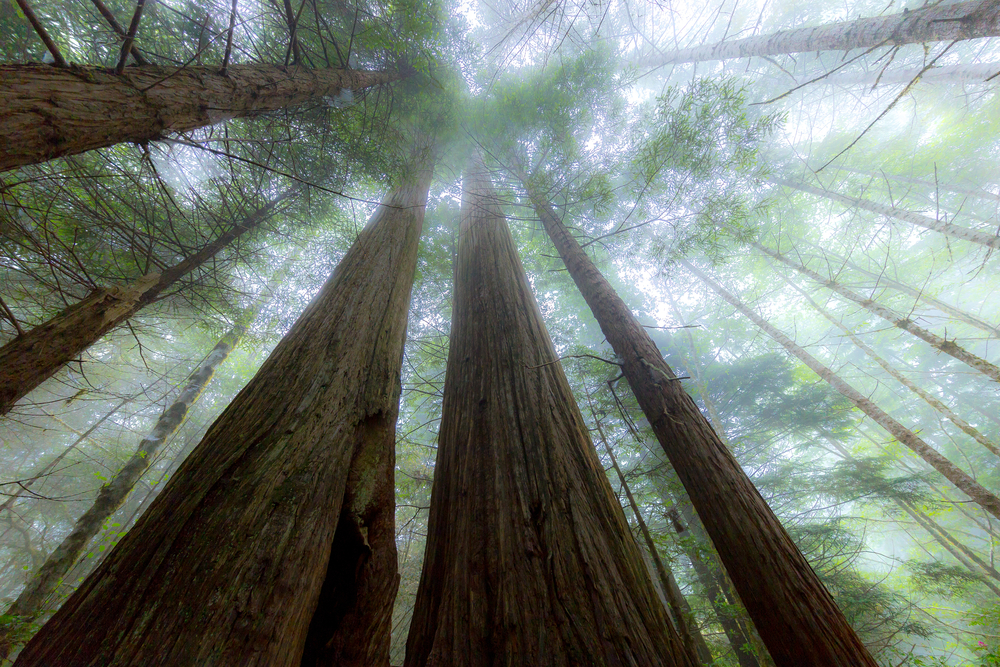
Popular activities include hiking, scenic drives, wildlife viewing, camping, photography, and exploring quiet coastal landscapes. Trails wind through groves where massive trunks rise into a canopy often hidden by fog. The park’s combination of ancient forests, wild rivers, and rugged coastline creates one of the most inspiring visitor experiences in North America.
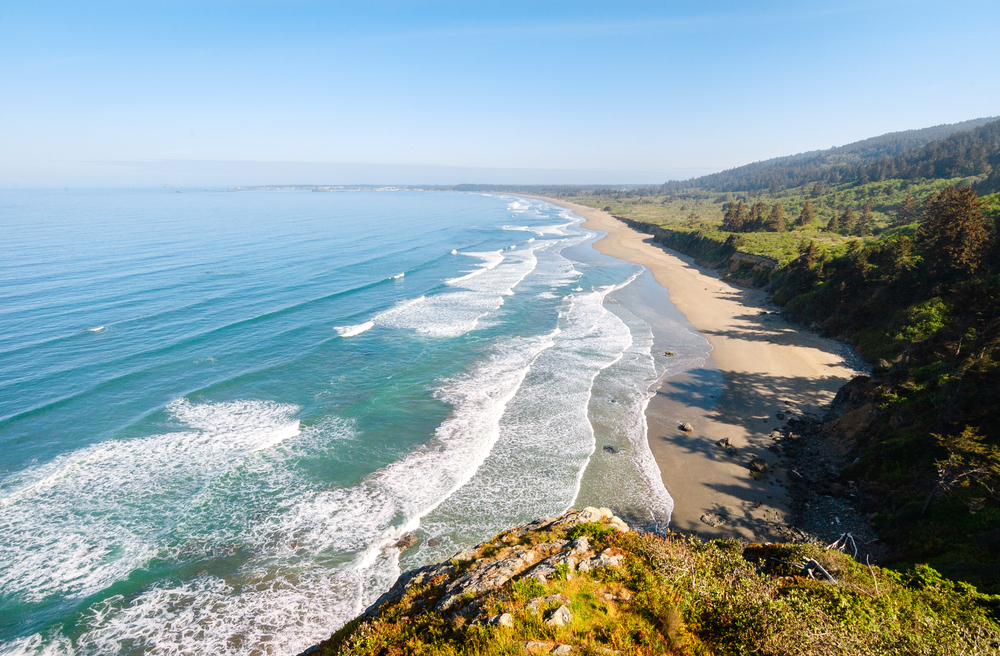
The geography of Redwood National Park is remarkably diverse. While the redwood forests are its most famous feature, the park also contains prairie grasslands, oak woodlands, rivers, wetlands, and approximately forty miles of undeveloped Pacific coastline. Frequent coastal fog plays a critical role in sustaining the redwood ecosystem by providing moisture during the dry summer months.
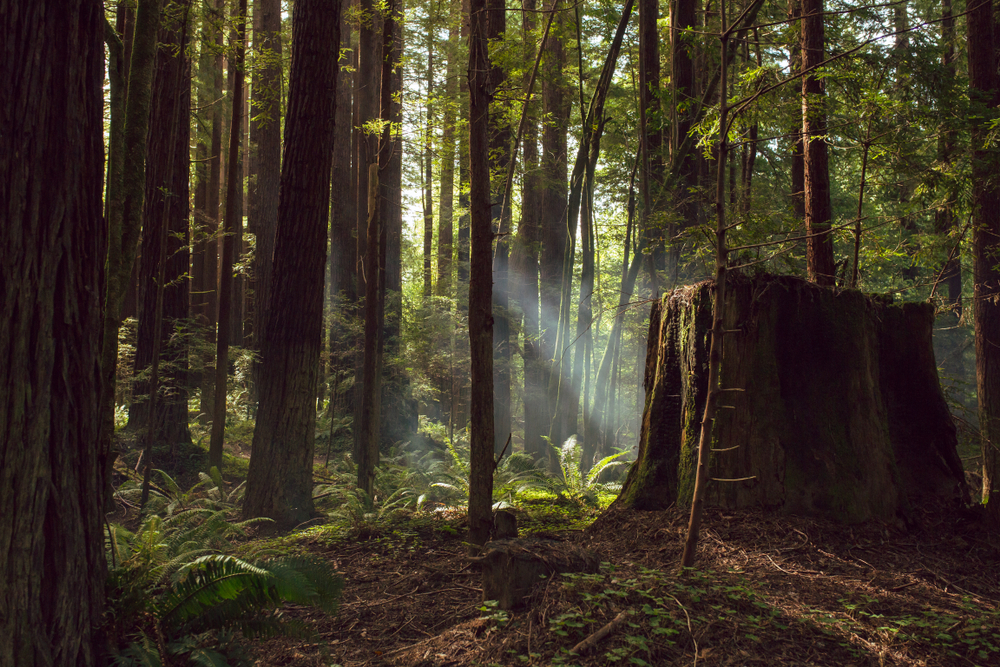
Elevations range from sea level to forested ridges overlooking the ocean. Major waterways such as the Klamath and Redwood Creek watersheds flow through the park, supporting healthy aquatic ecosystems. Ferns, mosses, lichens, and dense understory vegetation thrive beneath the towering trees, creating an environment that feels both ancient and vibrant.
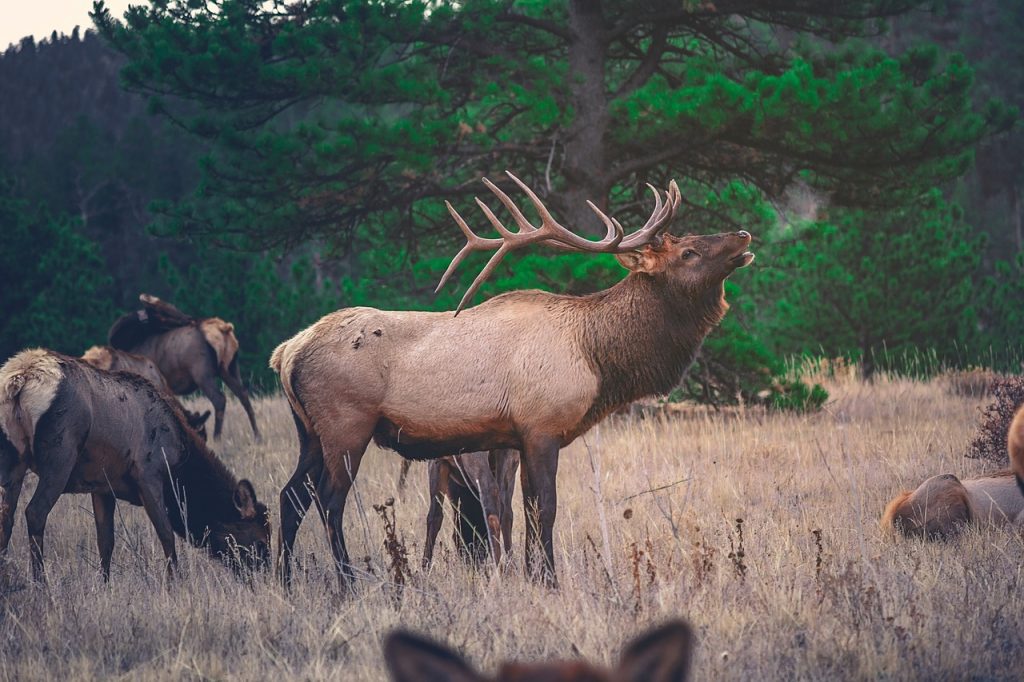
Wildlife within Redwood National Park is abundant and diverse. Roosevelt elk are among the park’s most iconic animals and are frequently seen grazing in meadows and forest edges. Other mammals include black bears, mountain lions, bobcats, coyotes, river otters, and Roosevelt deer.
Birdlife is equally impressive, with species such as bald eagles, northern spotted owls, marbled murrelets, ospreys, and varied thrushes inhabiting the forests and coast. Streams support salmon and steelhead trout, while offshore waters host seals, sea lions, and migrating gray whales. The park’s varied habitats provide refuge for an extraordinary range of species throughout the year.
Redwood National Park plays a critical role in protecting one of the rarest forest ecosystems on Earth. Old-growth coastal redwoods once covered millions of acres along the Pacific Coast, but only a small fraction remains today. The park safeguards these ancient forests while protecting endangered species such as the marbled murrelet and northern spotted owl. Conservation efforts focus on restoring damaged forests, preserving watersheds, and maintaining habitat connectivity.
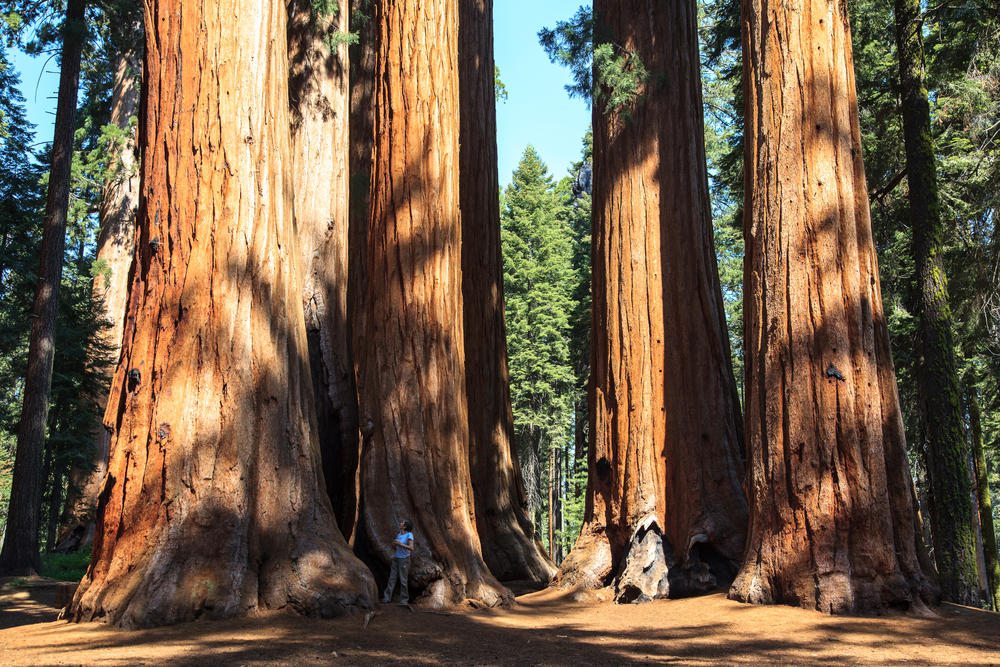
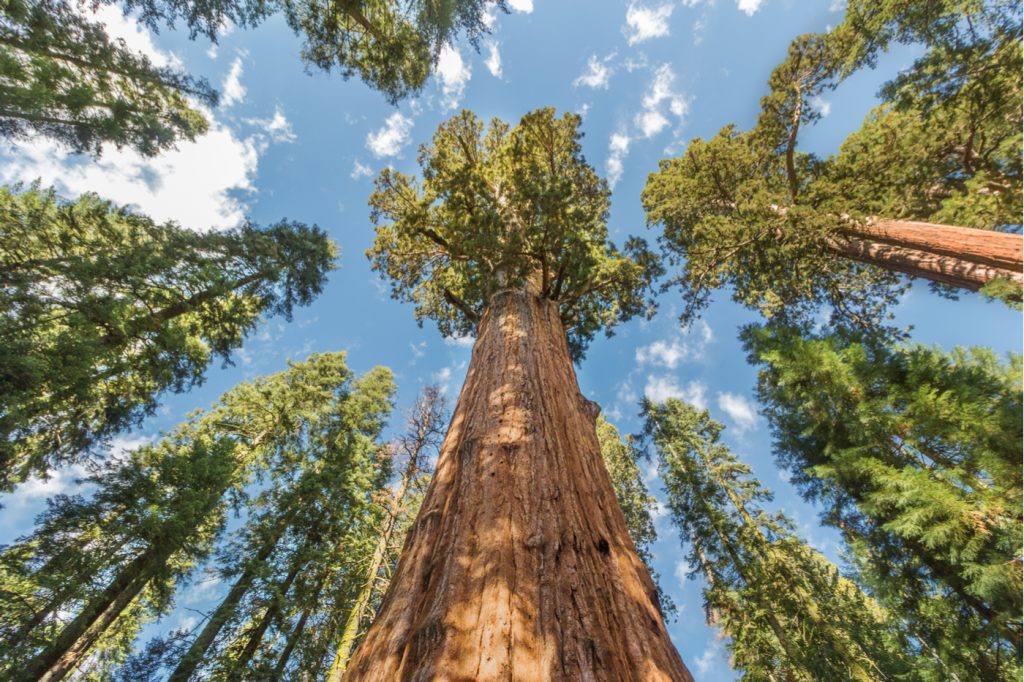
Redwood National Park is often compared to Sequoia National Park because both protect giant trees of extraordinary size and age. However, redwoods are taller, thrive in a coastal environment, and create a rainforest ecosystem unlike any other in North America. Today, Redwood National Park stands as one of the world’s greatest conservation success stories, preserving a living forest of giants that continues to inspire awe and wonder.
Photos
Things to See
Things To Do
Engaging Redwood National Park
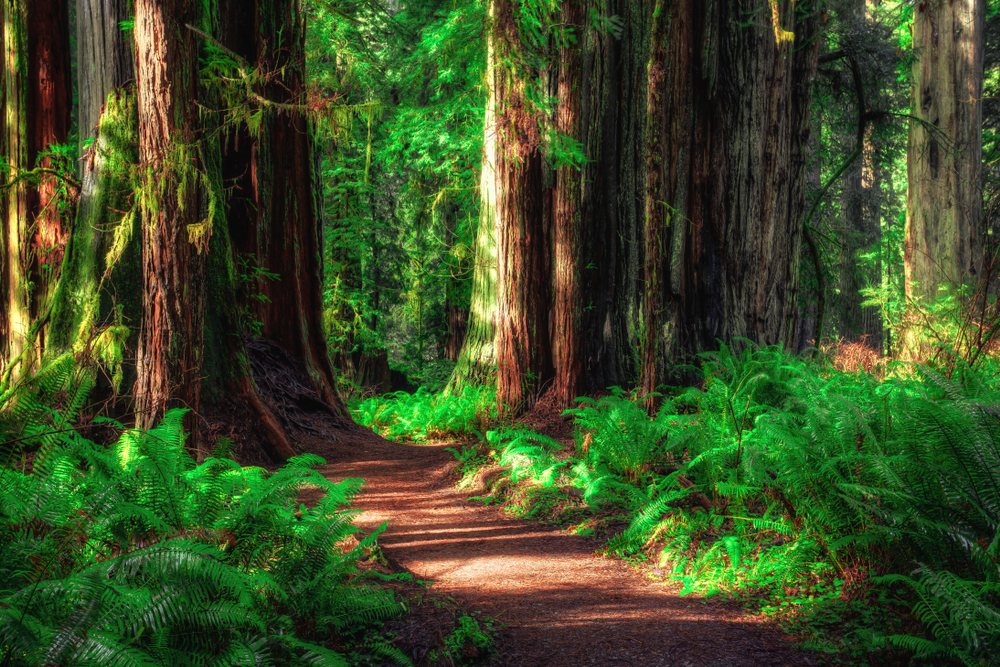
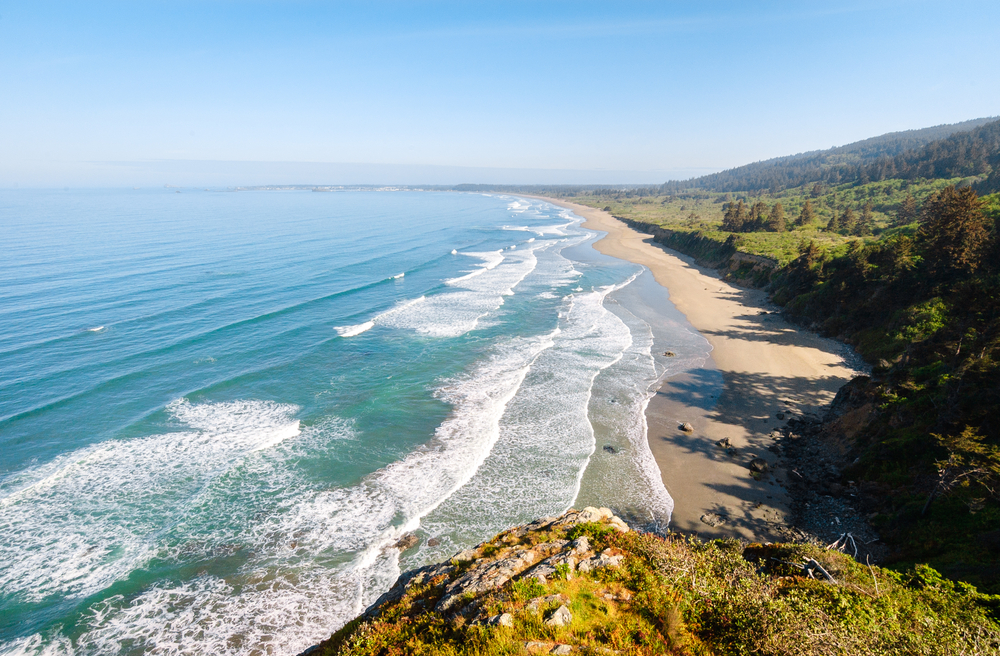
Redwood National Park Trails
There are almost 200 miles (320 km) of hiking trails across the four protected areas that make up the Redwood National and State Parks system. Hiking is one of the best ways to discover and explore the majestic nature of these gorgeous giant trees.

FAQ’s
How do the Redwoods compare to the Squoias?
The Redwoods and the Sequoias are both iconic species of trees found in California, but they differ in several key aspects:
- Size: Sequoias (Sequoiadendron giganteum) are known for their massive size and are considered the largest trees in the world by volume. They can reach heights of over 300 feet (91 meters) and have trunks that can exceed 30 feet (9 meters) in diameter. In contrast, Redwoods (Sequoia sempervirens) are the tallest trees in the world and can reach heights of over 350 feet (107 meters), but they have slightly smaller trunks compared to Sequoias.
- Habitat: Sequoias are primarily found in the Sierra Nevada Mountains of California, particularly in the western slope at elevations between 5,000 and 7,000 feet (1,500 to 2,100 meters). Redwoods, on the other hand, are typically found in coastal regions of Northern California and southern Oregon, where they thrive in the cool, moist climate along the Pacific coast.
- Bark: The bark of Sequoias is thick, fibrous, and deeply furrowed, providing protection against fire and insect damage. In contrast, the bark of Redwoods is thinner and fibrous, but it tends to be more fibrous and has a reddish-brown coloration, giving the trees their name.
- Cone Size: The cones of Sequoias are relatively small, typically measuring about 2 to 3 inches (5 to 7.5 centimeters) in length. In comparison, the cones of Redwoods are slightly larger, ranging from 0.75 to 1.5 inches (2 to 4 centimeters) in length.
- Age: Both Sequoias and Redwoods are known for their longevity, with some individuals living for thousands of years. However, Sequoias are generally considered to be older, with some specimens estimated to be over 3,000 years old, while Redwoods typically live for around 600 to 800 years.
Overall, while both the Redwoods and the Sequoias are awe-inspiring trees that attract visitors from around the world, they differ in their size, habitat, bark characteristics, cone size, and age. Each species has its own unique beauty and significance, contributing to the rich natural heritage of California’s forests.
What is the main reason people visit Redwood National Park?
Redwood National Park is primarily visited to experience the world’s tallest trees, ancient old-growth forests, rugged Pacific coastline, scenic drives, and diverse wildlife. Located along California’s northern coast, the park protects some of the last remaining old-growth coast redwood forests on Earth.
Visitors come to walk among towering redwoods that can exceed 370 feet (113 meters) in height, hike through lush forests, explore coastal landscapes, observe wildlife, and experience one of the most awe-inspiring natural environments in North America.
What animals can visitors hope to see in Redwood National Park?
Redwood National Park supports approximately 75 mammal species and a variety of reptiles, amphibians, and marine wildlife. The park’s forests, prairies, rivers, and coastline provide exceptional biodiversity.
Some of the most notable animals found in Redwood National Park include:
- Roosevelt Elk
- Black Bear
- Cougar
- Bobcat
- Coyote
- Gray Fox
- River Otter
- American Beaver
- Raccoon
- Striped Skunk
- Long-tailed Weasel
- American Marten
- Fisher
- Porcupine
- Black-tailed Deer
- Mule Deer
- Mountain Beaver
- Douglas Squirrel
- Northern Flying Squirrel
- Townsend’s Chipmunk
- Deer Mouse
- Brush Mouse
- California Vole
- Long-tailed Vole
- Pacific Jumping Mouse
- Vagrant Shrew
- Water Shrew
- Big Brown Bat
- Hoary Bat
- Silver-haired Bat
- Little Brown Bat
- Long-legged Myotis
- California Myotis
- Yuma Myotis
- Townsend’s Big-eared Bat
- Harbor Seal
- California Sea Lion
- Steller Sea Lion
- Sea Otter
- Harbor Porpoise
- Dall’s Porpoise
- Gray Whale
- Humpback Whale
- Killer Whale (Orca)
- Pacific Harbor Seal
- Banana Slug
- Rough-skinned Newt
- Pacific Giant Salamander
- Northwestern Salamander
- Various Salmon and Trout Species
What birds can visitors hope to see in Redwood National Park?
Redwood National Park is home to more than 280 bird species. Its forests, rivers, prairies, and coastal habitats support an impressive diversity of resident and migratory birds.
Some of the most popular birds seen in Redwood National Park include:
- Bald Eagle
- Golden Eagle
- Peregrine Falcon
- Osprey
- Cooper’s Hawk
- Sharp-shinned Hawk
- Northern Goshawk
- Great Horned Owl
- Barred Owl
- Northern Pygmy Owl
- Northern Saw-whet Owl
- Common Raven
- Steller’s Jay
- Gray Jay
- Chestnut-backed Chickadee
- Mountain Chickadee
- Red-breasted Nuthatch
- Brown Creeper
- Pacific Wren
- Winter Wren
- American Dipper
- Varied Thrush
- Hermit Thrush
- American Robin
- Cedar Waxwing
- Townsend’s Solitaire
- Pine Siskin
- Evening Grosbeak
- Red Crossbill
- White-winged Crossbill
- Dark-eyed Junco
- Fox Sparrow
- White-crowned Sparrow
- Savannah Sparrow
- Yellow Warbler
- Wilson’s Warbler
- MacGillivray’s Warbler
- Western Tanager
- Black-headed Grosbeak
- Hairy Woodpecker
- Downy Woodpecker
- Northern Flicker
- Pileated Woodpecker
- Marbled Murrelet
- Black Oystercatcher
- Tufted Puffin
- Rhinoceros Auklet
- Common Murre
- Belted Kingfisher
- Brown Pelican
Is Redwood National Park worth visiting?
Yes, Redwood National Park is absolutely worth visiting and is one of the most extraordinary forest destinations in the world.
The park offers visitors the opportunity to stand beneath the tallest trees on Earth, explore pristine old-growth forests, drive scenic roads through towering redwoods, hike coastal trails, observe Roosevelt elk, and enjoy spectacular Pacific Ocean views. Many visitors consider walking among the ancient redwoods to be one of the most memorable experiences in the United States.
The primary hesitation is that many people underestimate how large the park is and how spread out its attractions are along the northern California coast.
What is the best time to visit Redwood National Park?
The best time to visit Redwood National Park is from May through October.
Typical conditions include:
- Spring: 45–65°F (7–18°C)
- Summer: 50–70°F (10–21°C)
- Fall: 45–70°F (7–21°C)
- Winter: 40–60°F (4–16°C)
During this period:
- Hiking conditions are favorable.
- Coastal visibility is often better.
- Wildlife viewing is excellent.
- Temperatures remain comfortable.
- Most roads and trails are accessible.
Summer offers the driest weather, although coastal fog remains common throughout the year.
How many days do you need to visit Redwood National Park?
The park is easily experienced in a day, but many visitors should plan for 2 to 3 days to get more out of the park.
- 1 day: Scenic drives and major redwood groves.
- 2 days: Forest hikes and coastal exploration.
- 3 days: Wildlife viewing, beaches, and additional trails.
- 4+ days: Extensive hiking and photography opportunities.
Because attractions are spread throughout the park, multiple days provide a much richer experience.
How do you get to Redwood National Park?
Redwood National Park is located along California’s northern coast between Crescent City and Orick.
The closest airports include:
- Del Norte County Regional Airport – approximately 15 minutes from the park.
- Arcata-Eureka Airport – approximately 45 minutes to 1 hour away.
- Rogue Valley International-Medford Airport – approximately 2.5 hours away.
Most visitors follow this route:
- Fly into Crescent City, Arcata-Eureka, or Medford.
- Rent a vehicle.
- Travel via U.S. Highway 101.
- Explore the park’s various forest and coastal sections.
Redwood National and State Parks System
One unique feature of the area is that Redwood National Park is managed jointly with several California state parks, creating a larger protected complex that includes:
- Jedediah Smith Redwoods State Park
- Del Norte Coast Redwoods State Park
- Prairie Creek Redwoods State Park
- Redwood National Park
Visitors typically explore all of these areas during a trip.
Jedediah Smith Redwoods State Park
Many visitors begin at:
- Jedediah Smith Redwoods State Park
Highlights include:
- Some of the tallest redwoods in the world.
- Scenic river access.
- Dense old-growth forests.
- The famous Howland Hill Road.
Prairie Creek Redwoods State Park
Another favorite destination is:
- Prairie Creek Redwoods State Park
Known for:
- Roosevelt elk viewing.
- Fern Canyon.
- Coastal forests.
- Outstanding hiking trails.
Scenic Drives
Popular scenic routes include:
- Newton B. Drury Scenic Parkway
- Howland Hill Road
- U.S. Highway 101 through the redwoods.
These roads provide some of the finest redwood forest scenery anywhere in the world.
Major Attractions
Popular destinations include:
- Fern Canyon
- Lady Bird Johnson Grove
- Tall Trees Grove
- Gold Bluffs Beach
- Klamath River Overlook
Travel Times
Typical travel times include:
- Crescent City to Jedediah Smith Redwoods: approximately 15 minutes.
- Crescent City to Prairie Creek Redwoods: approximately 45 minutes.
- Arcata to Prairie Creek Redwoods: approximately 1 hour.
- Medford to Crescent City: approximately 2.5 hours.
- Driving the major attractions of the park complex: approximately 2–4 hours, not including hiking stops.
Visitors should allow extra time because many of the best attractions are reached via scenic secondary roads.
Who is involved in protecting and supporting Redwood National Park?
Several organizations help protect and support Redwood National Park:
- National Park Service – manages Redwood National Park.
- California State Parks – jointly manages the Redwood National and State Parks system.
- Redwood Parks Conservancy – supports education, conservation, and visitor programs.
- National Park Foundation – supports projects throughout the National Park System.
- Indigenous communities including the Yurok Tribe, Tolowa Dee-ni’ Nation, and Karuk Tribe, who maintain longstanding cultural connections to the redwood region.
What is the tallest tree in Redwood National Park?
The tallest known tree on Earth is Hyperion, which stands at approximately 380 feet (116 meters) tall. Its exact location is not publicly disclosed to protect the surrounding ecosystem.
Can you drive through a redwood tree in Redwood National Park?
No. The famous drive-through trees are located outside the national park in privately operated attractions. However, visitors can drive through magnificent redwood groves along scenic roads within the park complex.
Sources
- All Trails, Best Trails in Redwood National Park, https://www.alltrails.com/parks/us/california/redwood-national-park, retrieved June 2020.
- Britannica, Redwood National Park, https://www.britannica.com/place/Redwood-National-Park, retrieved June 2020.
- National Geographic, Everything to know about Redwood National and State Parks, https://www.nationalgeographic.com/travel/national-parks/redwood-national-park/, retrieved June 2020.
- National Geographic, Complete National Parks of the United States, National Geographic Publishing, Washington DC.
- National Geographic, Guide to the National Parks of the United States, National Geographic Society, 2003.
- National Geographic, National Parks of North America, Canada-United States-Mexico, National Geographic Society, 1995.
- National Park Service, Redwood National Park, https://www.nps.gov/redw/index.htm, retrieved June 2020.
- Redwood Hikes, Redwood National Park, http://www.redwoodhikes.com/RNP/RNP.html, retrieved June 2020.
- UNESCO, Redwood National and State Parks, https://whc.unesco.org/en/list/134/, retrieved June 2020.
- Visit California, Redwood National Park, https://www.visitcalifornia.com/attraction/redwood-national-park, retrieved June 2020.
- Visit Redwoods, Redwood National and State Parks, https://www.visitredwoods.com/explore-the-redwoods/redwood-national-park/, retrieved June 2020.