

About
Olympic National Park is located in the western part of the United States in the northwestern part of the state of Washington. It is located on the Olympic Peninsula along the pacific coast. The park boundaries encompass an area of 1,441.6 square miles (3,733.8 sq km).
The park offers visitors three unique ecosystems through four distinct regions of the national park. The park features the Pacific coastline, alpine areas, temperate rainforest, and drier forests.
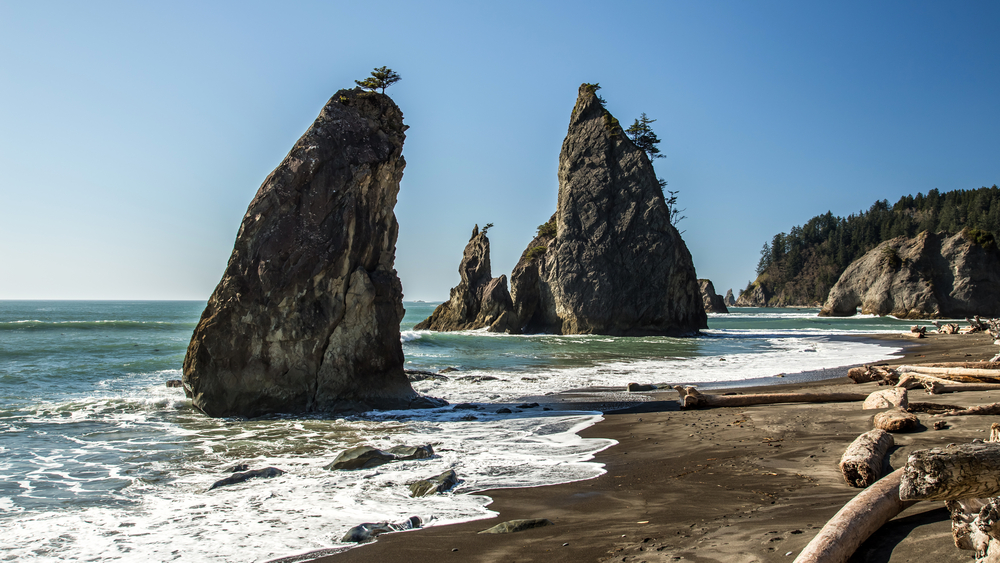
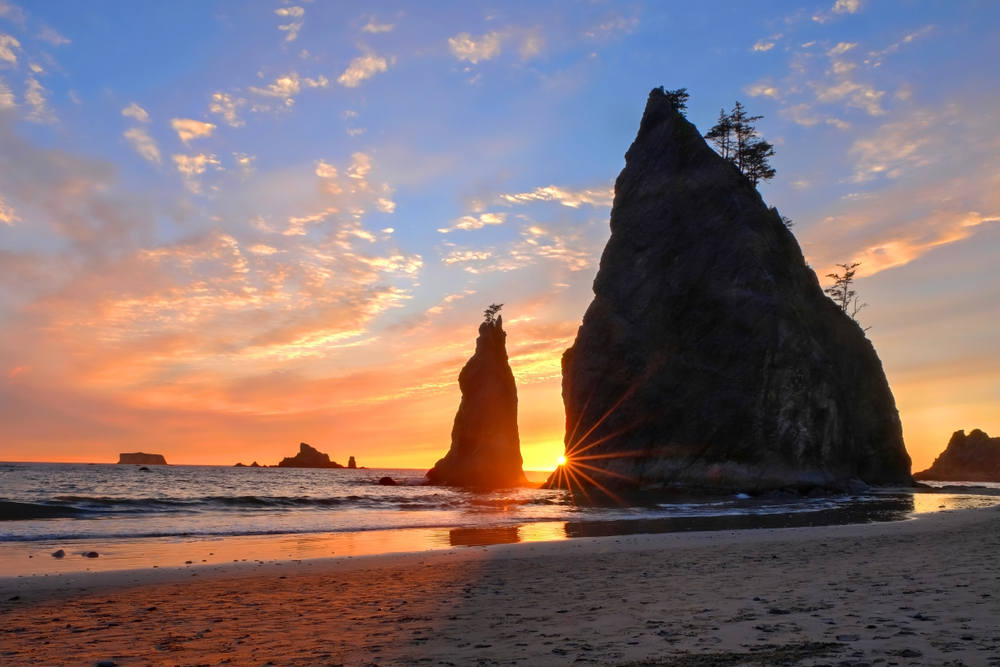
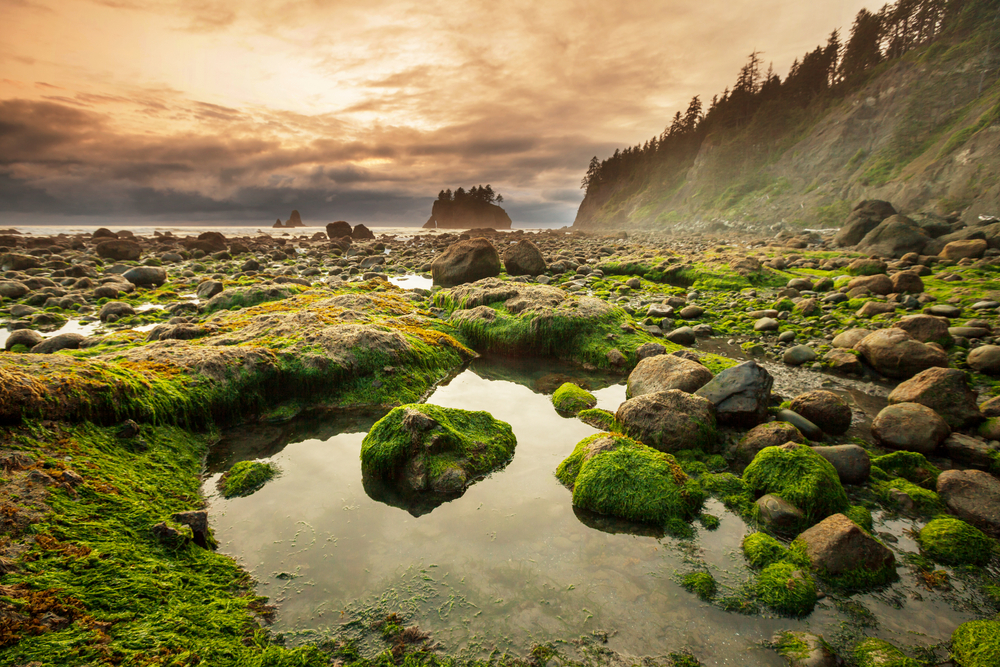
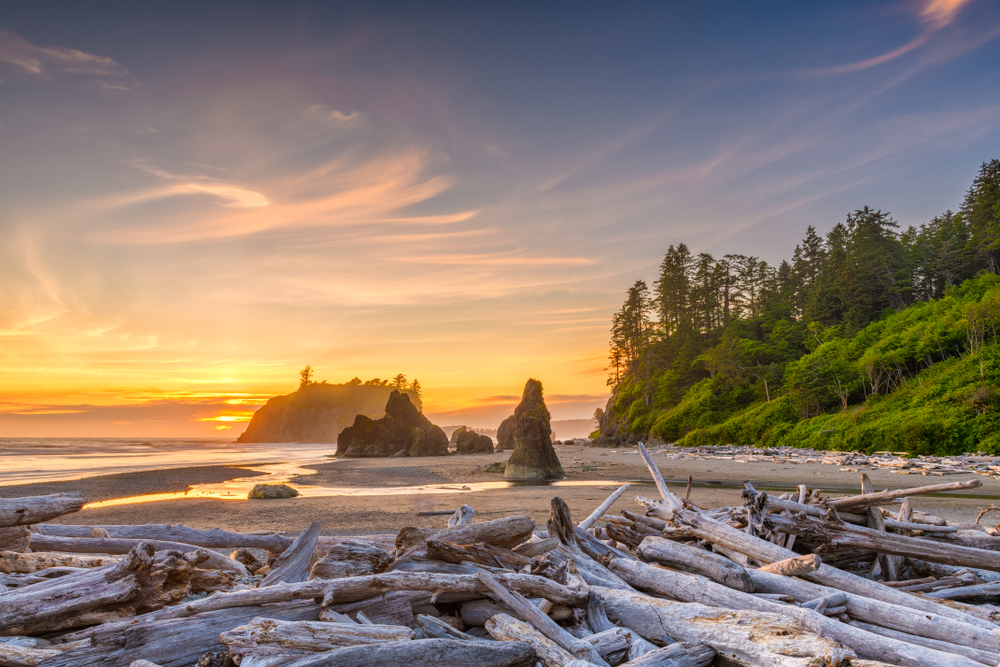
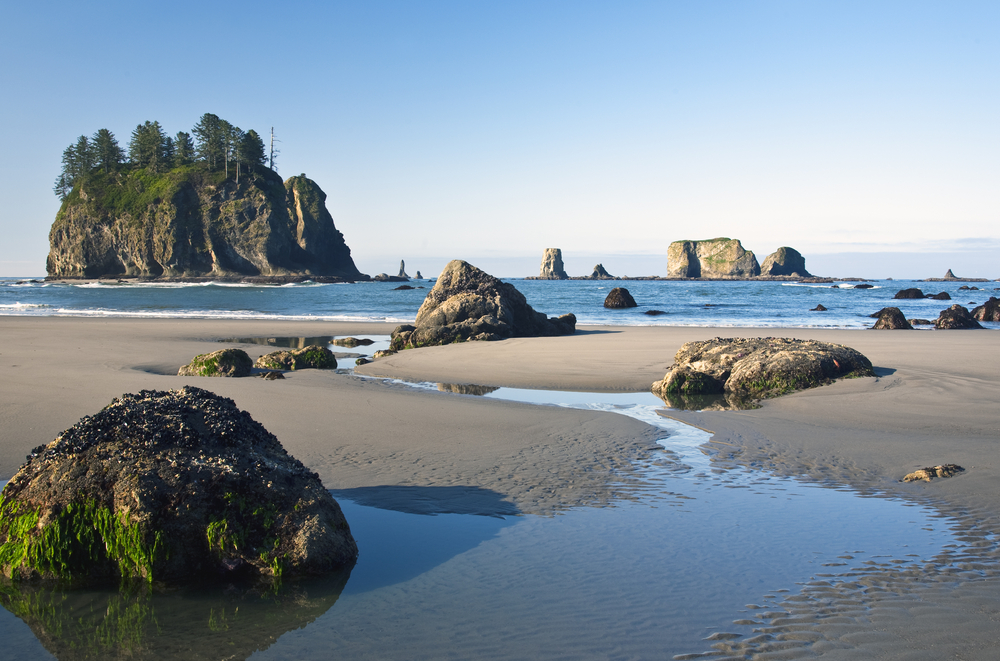
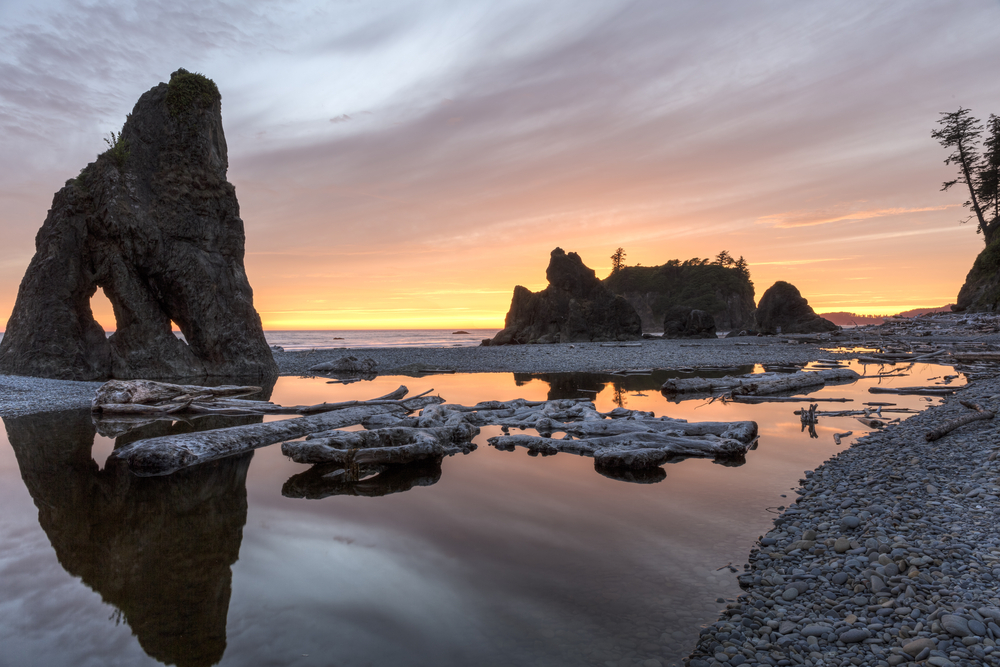
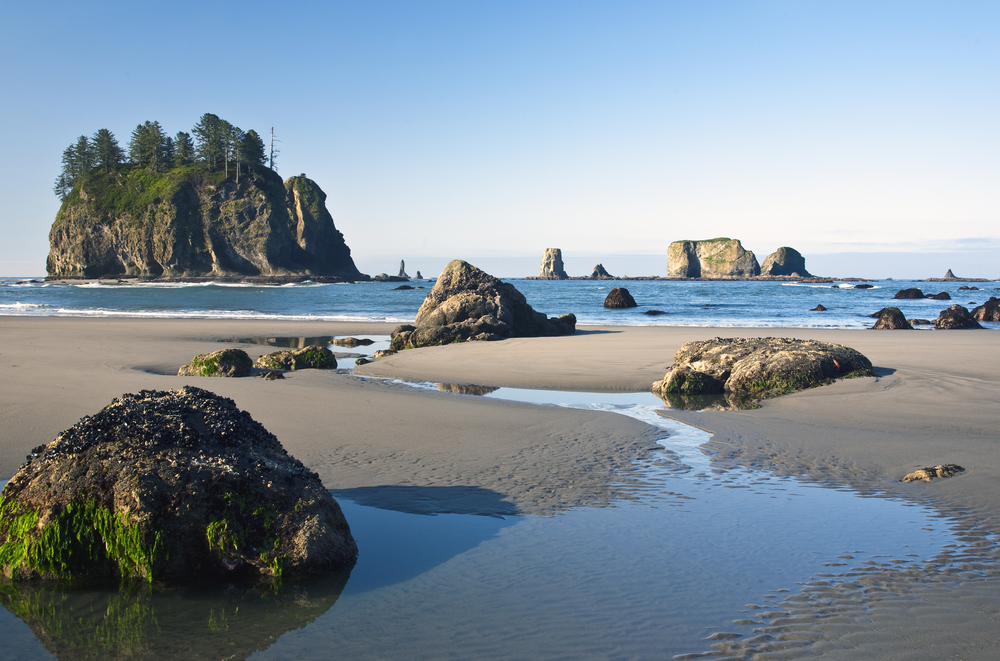
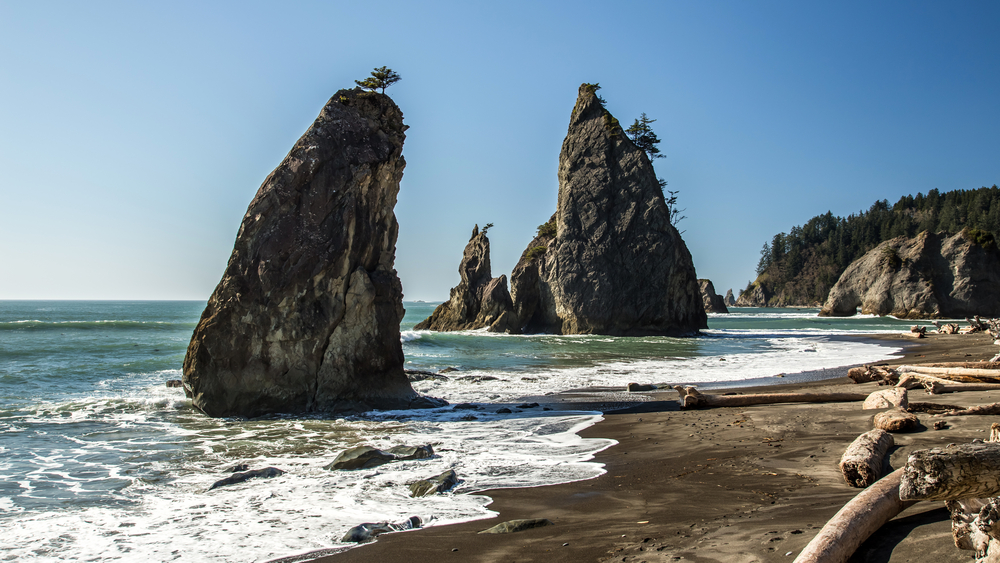
The coastal region of Olympic stretches a distance of 60 miles (97 km), however, it is only a few miles deep. The beach terrain changes from sandy to wilderness to areas covered in rocks and boulders. Hiking the area is challenging because of slippery footing, vegetation, and rain forest weather.
The driftwood, sea stack boulders, forested and rugged coastline is quite picturesque. It offers photographers and artists a myriad of inspirational scenes.
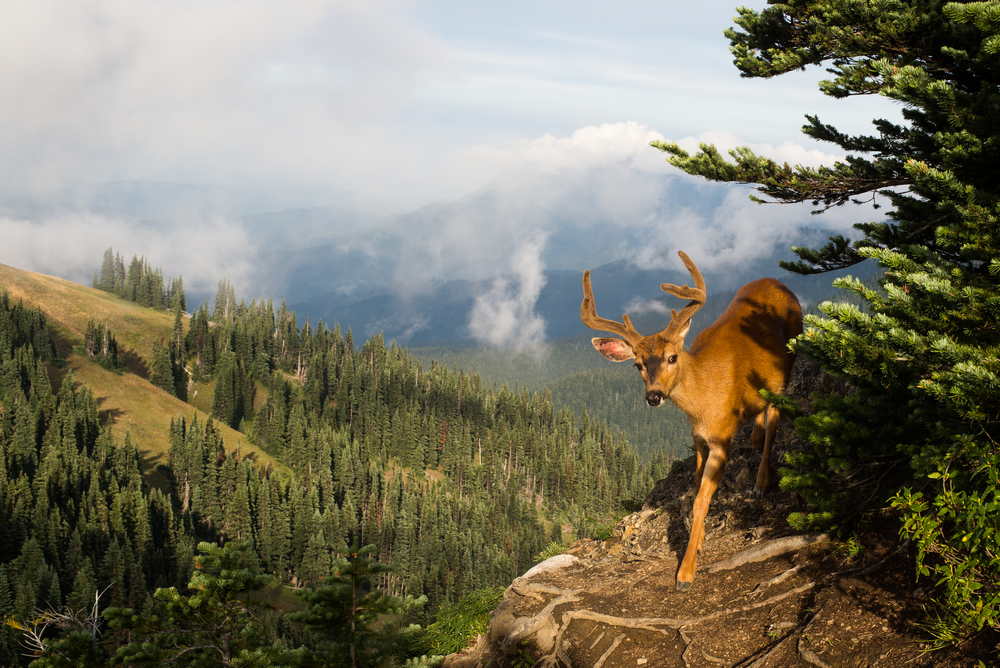
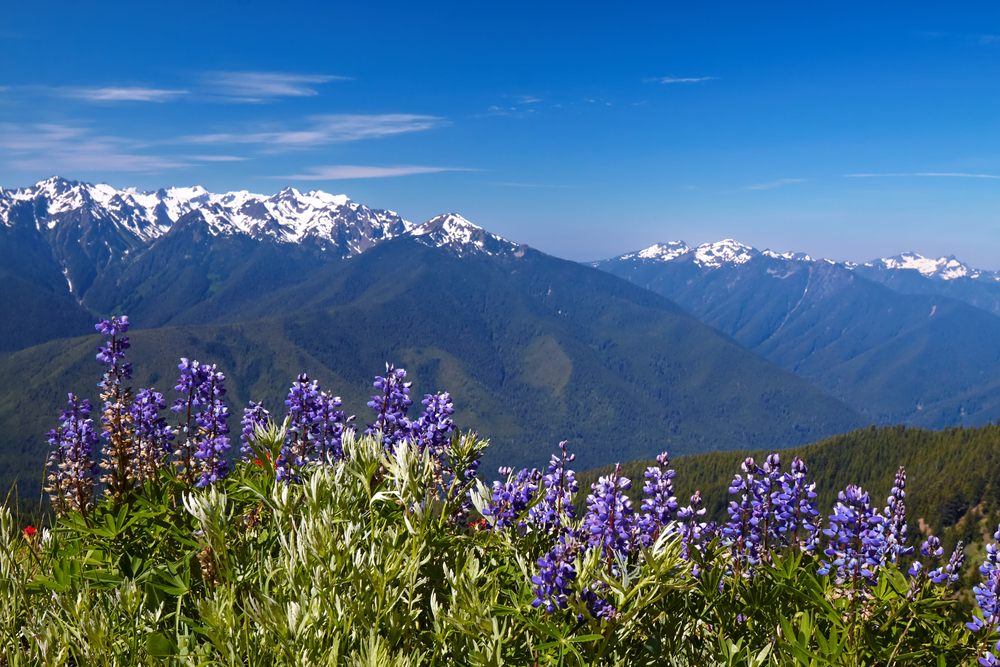
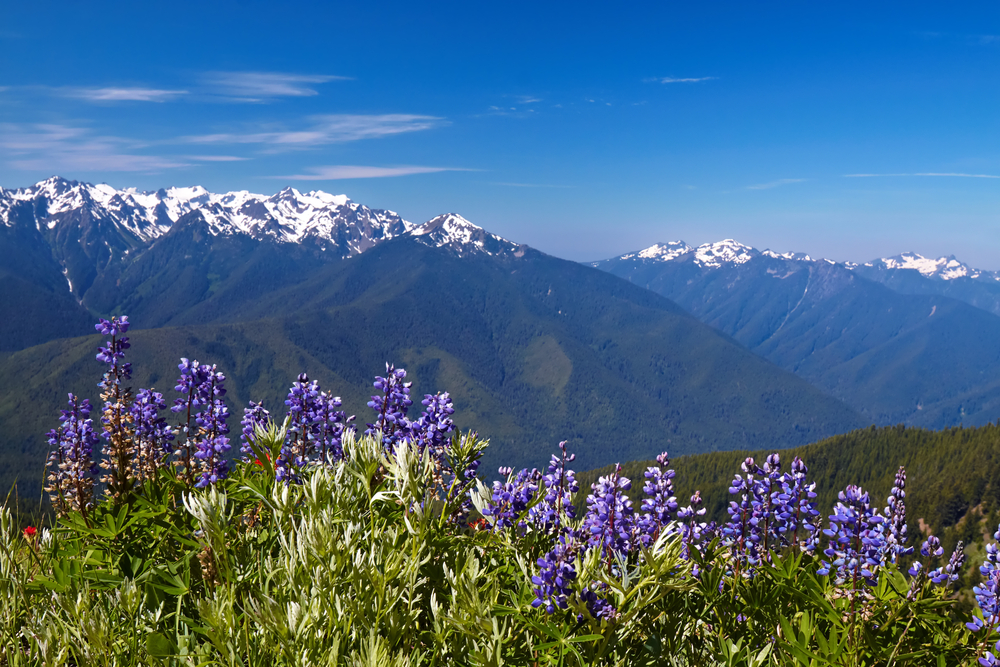
The alpine areas are captivated through the Olympic Mountains toward the center of the national park. Hurricane Ridge is one of the most aesthetically majestic views of mountains. The Olympic range and mountain ridges are usually snow-capped and topped with large glaciers.
The national park is not part of the Cascade Range which gives way to neighboring Mount Rainier National Park and North Cascades National Park. It is common to visit two if not all three of these parks during a visit to Washington.
Mount Olympus reaches a summit of 7,965 feet (2,428 m). Hoh Glacier measuring 3.06 miles (4.93 km) is the largest of several glaciers atop Mount Olympus. The range away from the coastal side experiences less rain and becomes drier and displays rugged ridges. Mount Deception at 7,788 feet (2,374 m) is the highest peak in this part of the mountains.
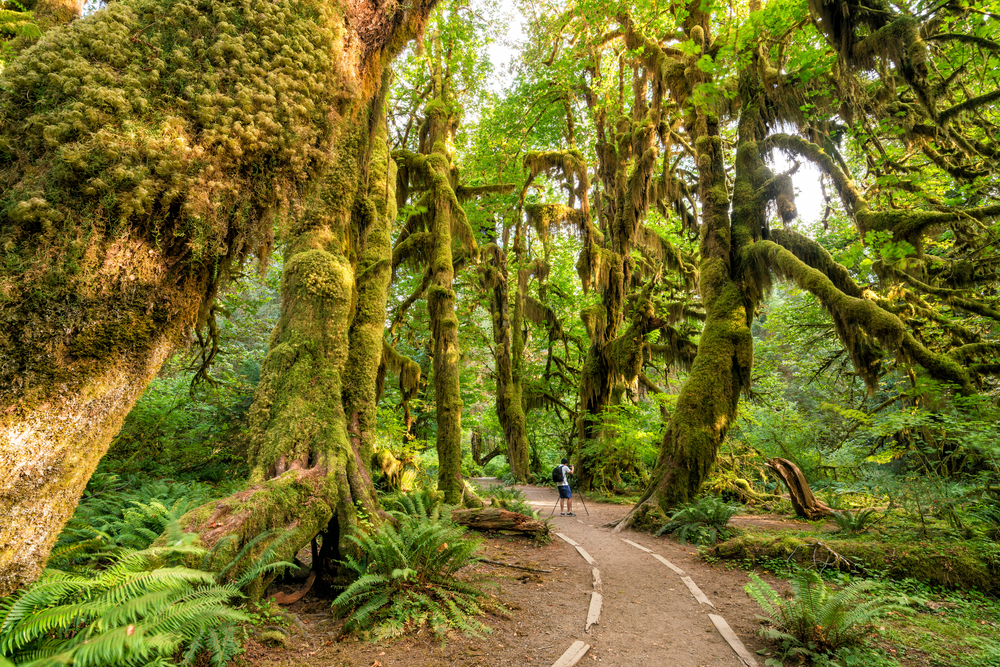
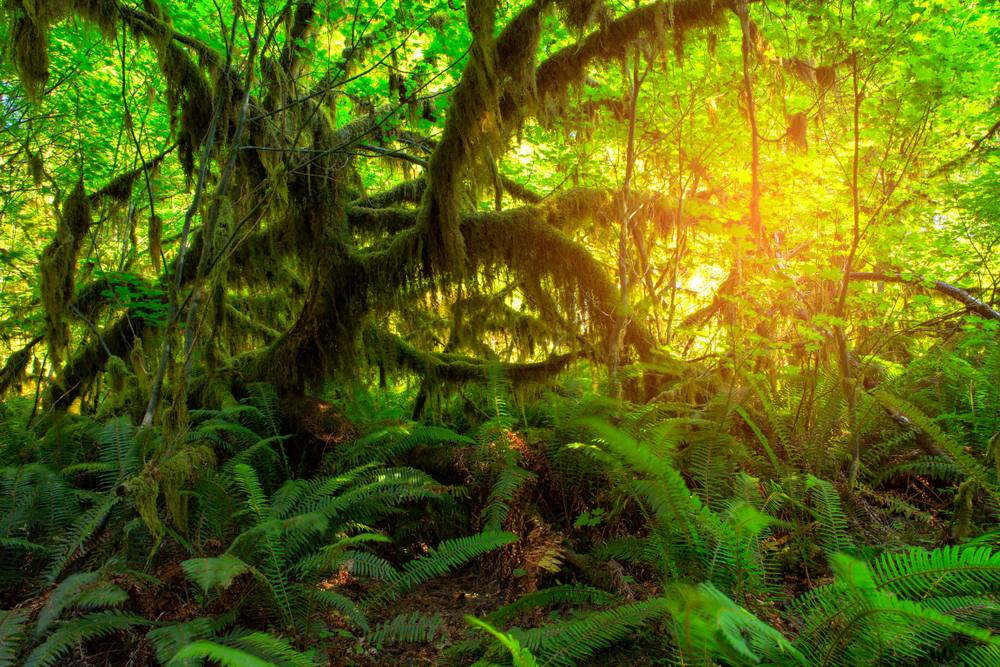
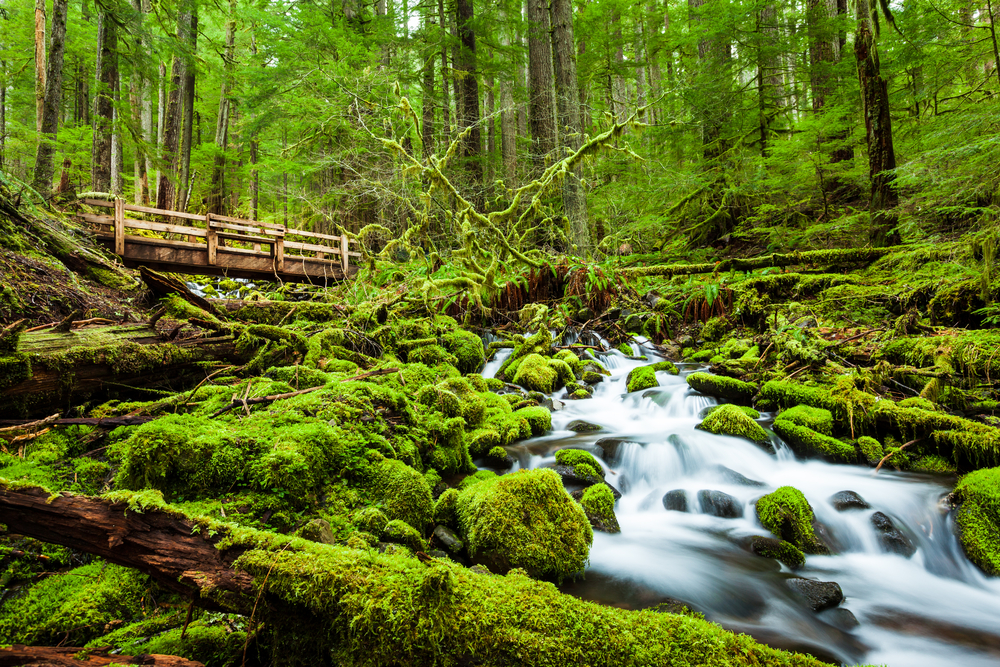
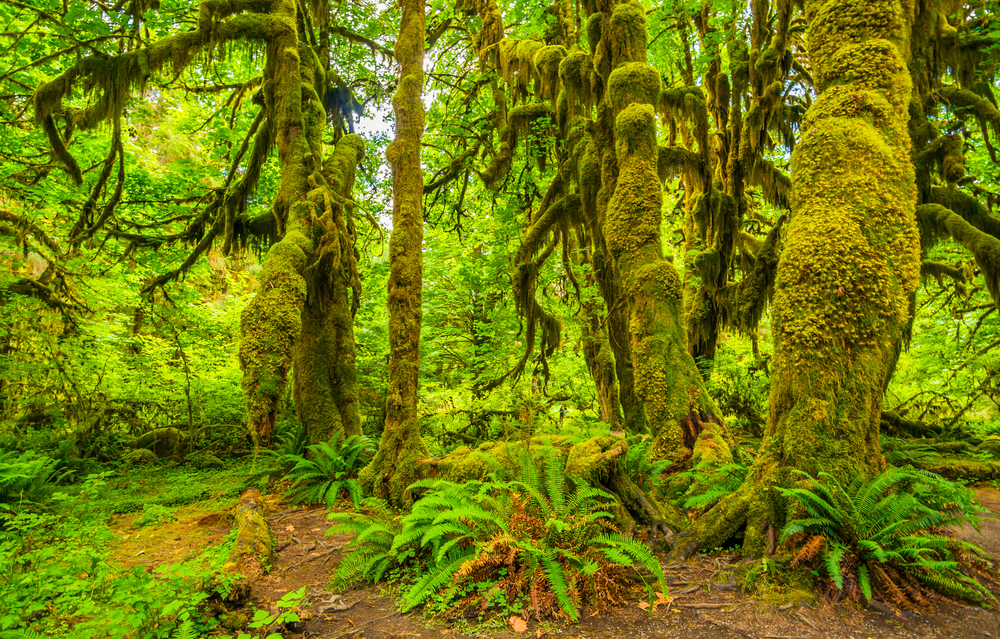
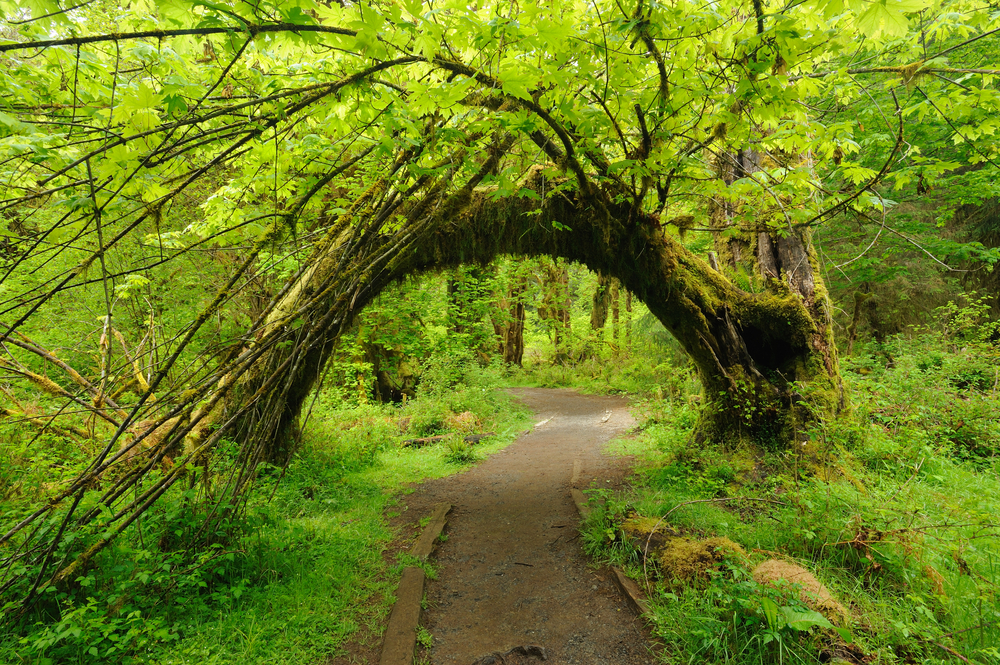
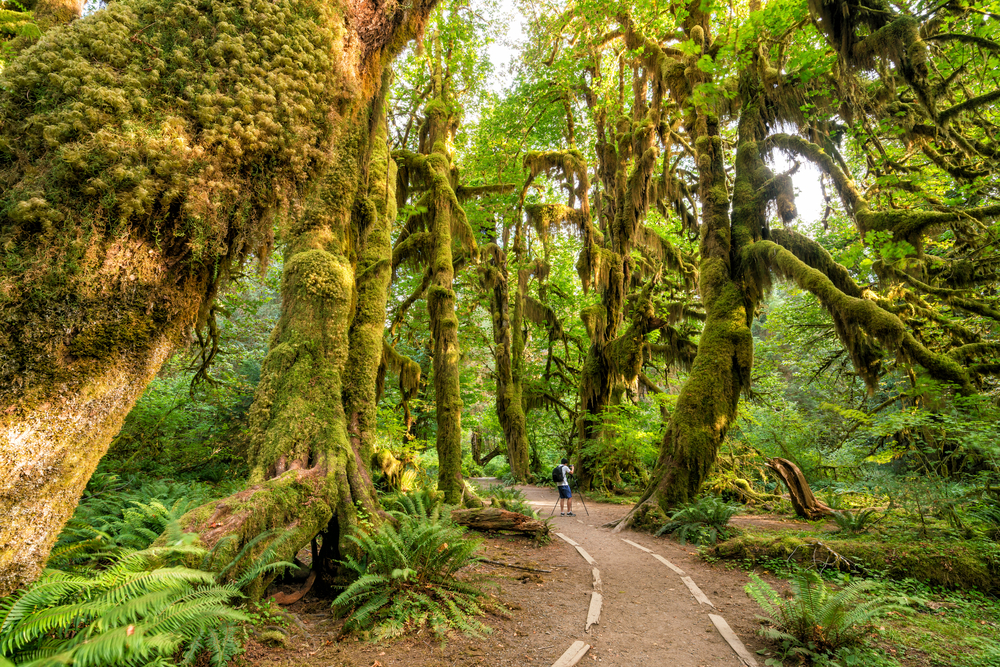
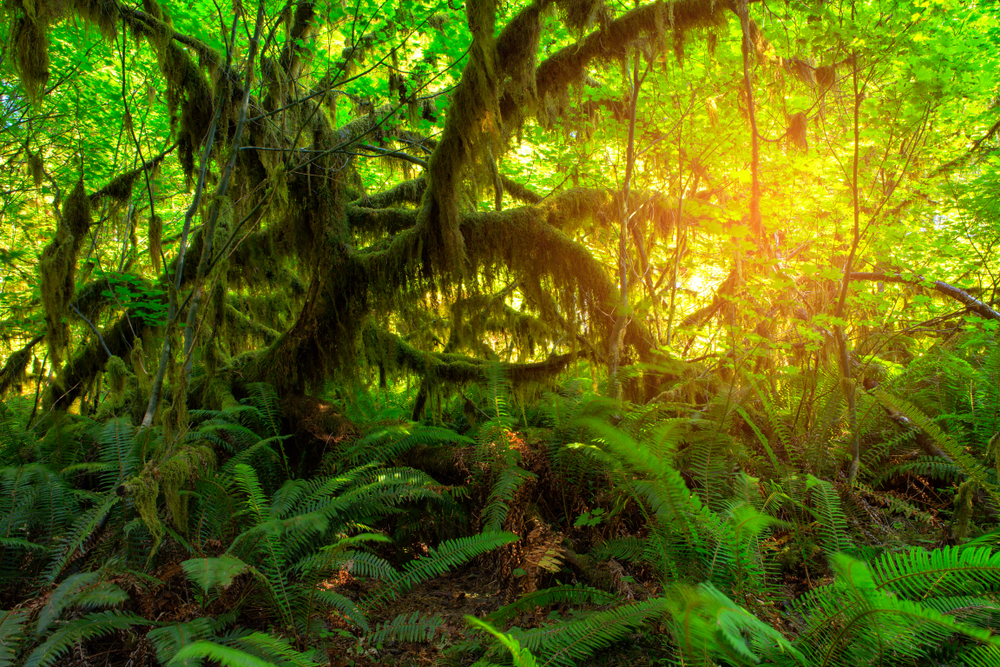
The temperate rainforest is located in the western side of the national park, but inland from the coastal region. Hoh Rainforest and Quinault Rainforest account for this region and collectively get about 150 inches (380 cm) of rain a year.
Hoh and Quinault Rainforests are different from the traditional rainforest comprised of coniferous trees. These trees include Coast Douglas-fir, Sitka Spruce, Western Hemlock, and Western redcedar. Almost every tree is covered in some type of moss.
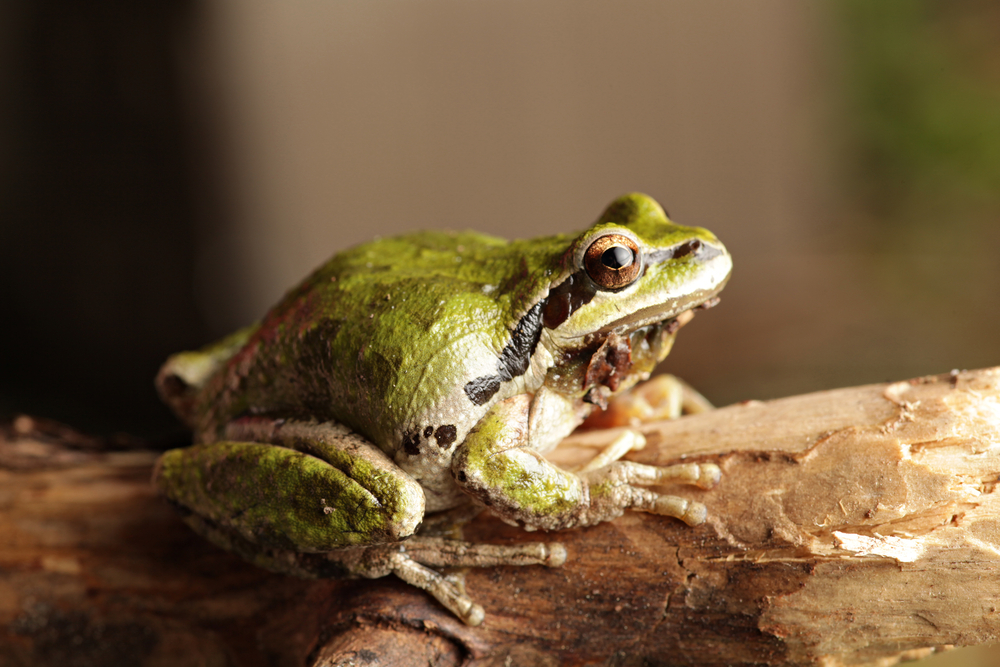
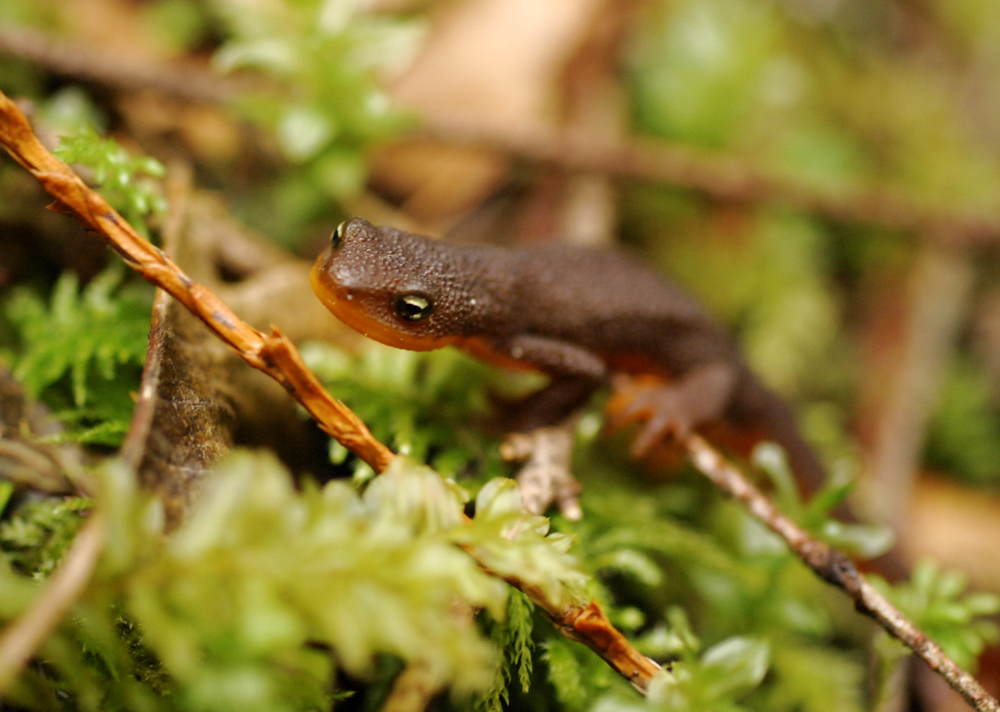
Wildlife includes many beloved species from the cute and cuddly to larger mammals and an abundance of predator species. The fun small wildlife includes chipmunks, muskrat, river otters, skunks, snowshoe hares, squirrel, and weasels.
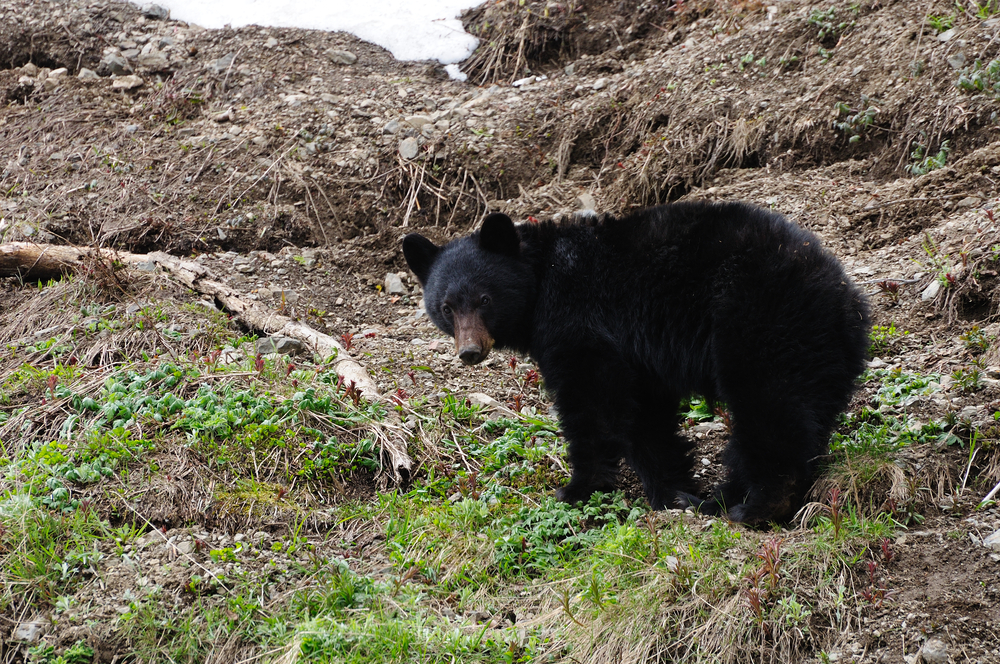
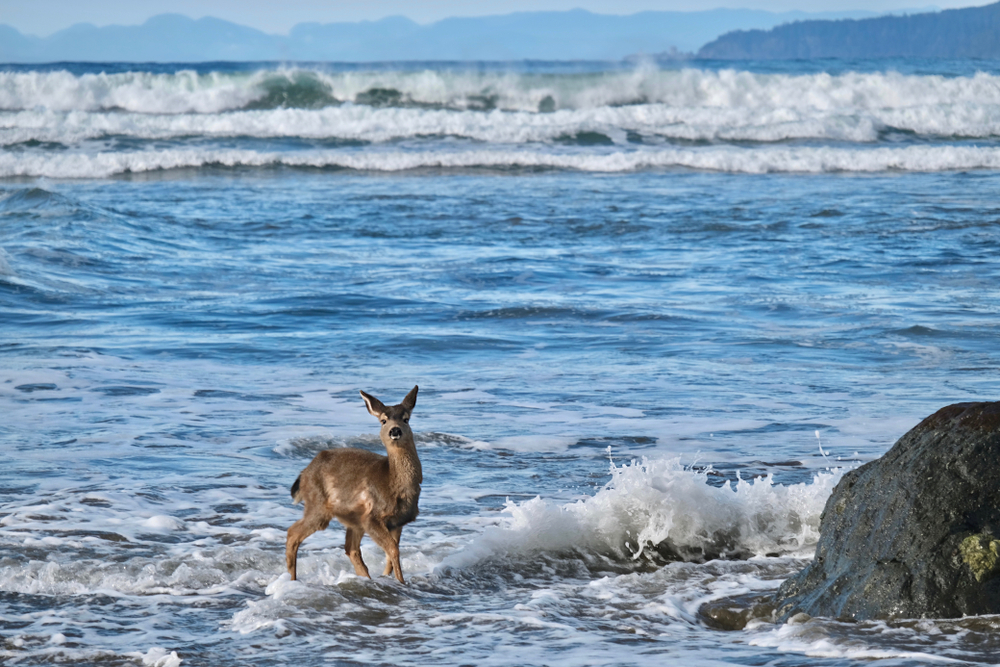
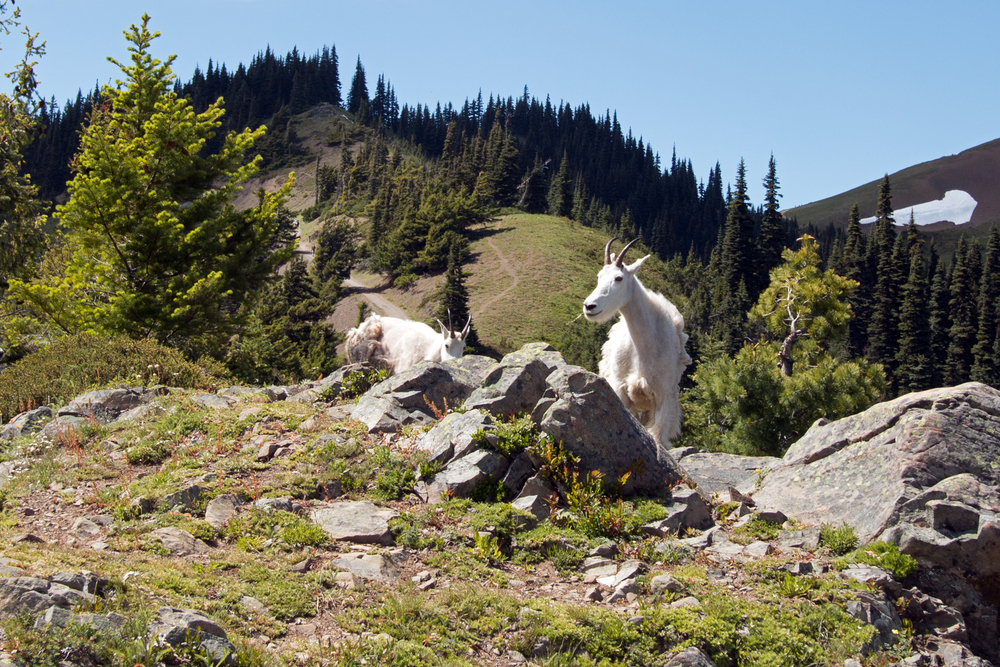
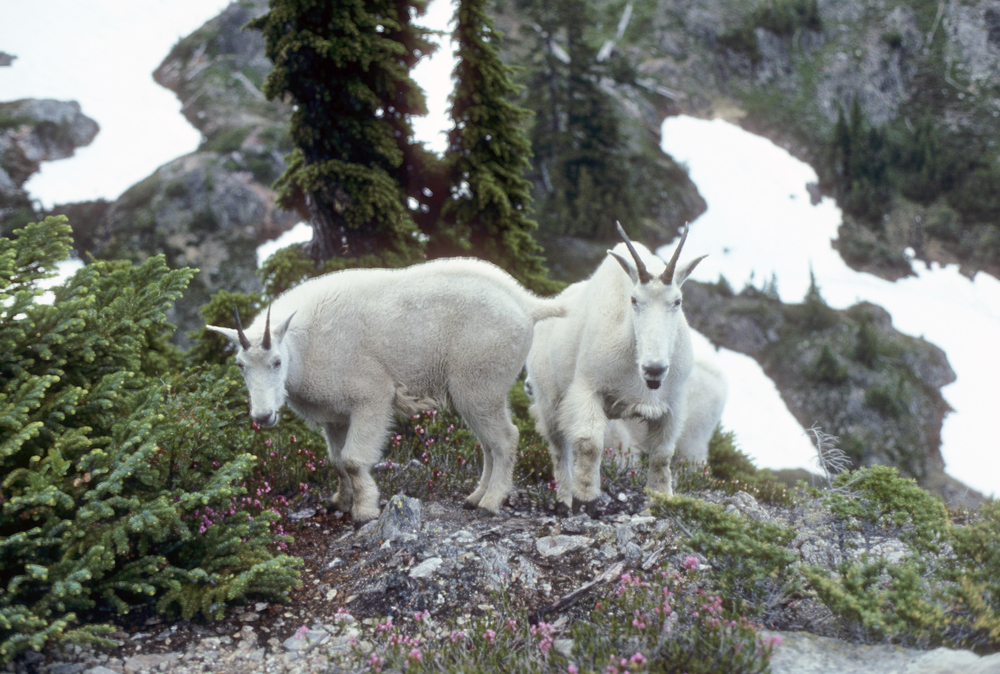
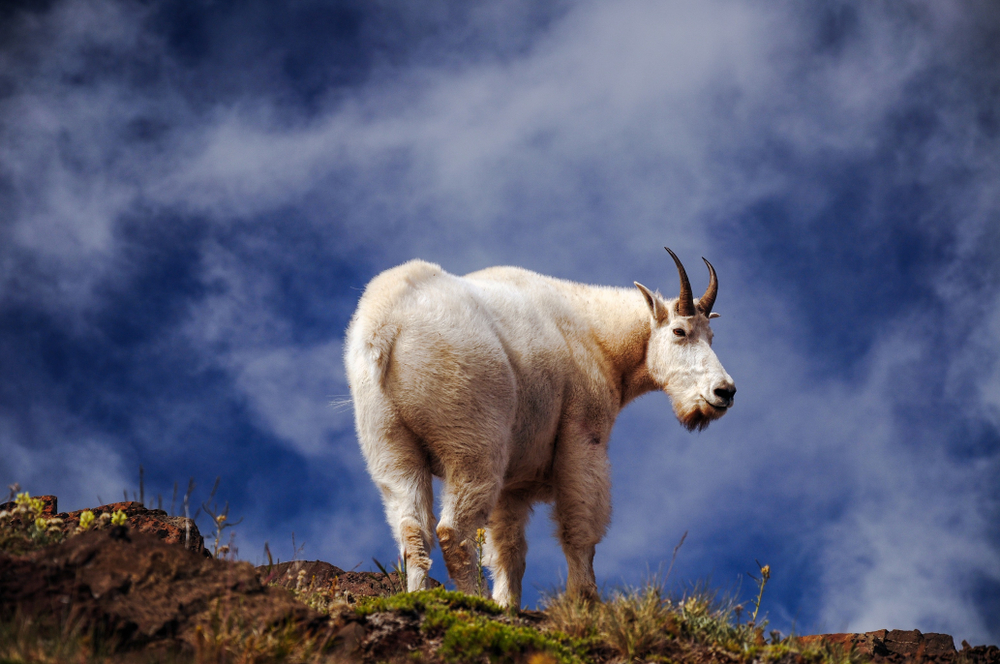
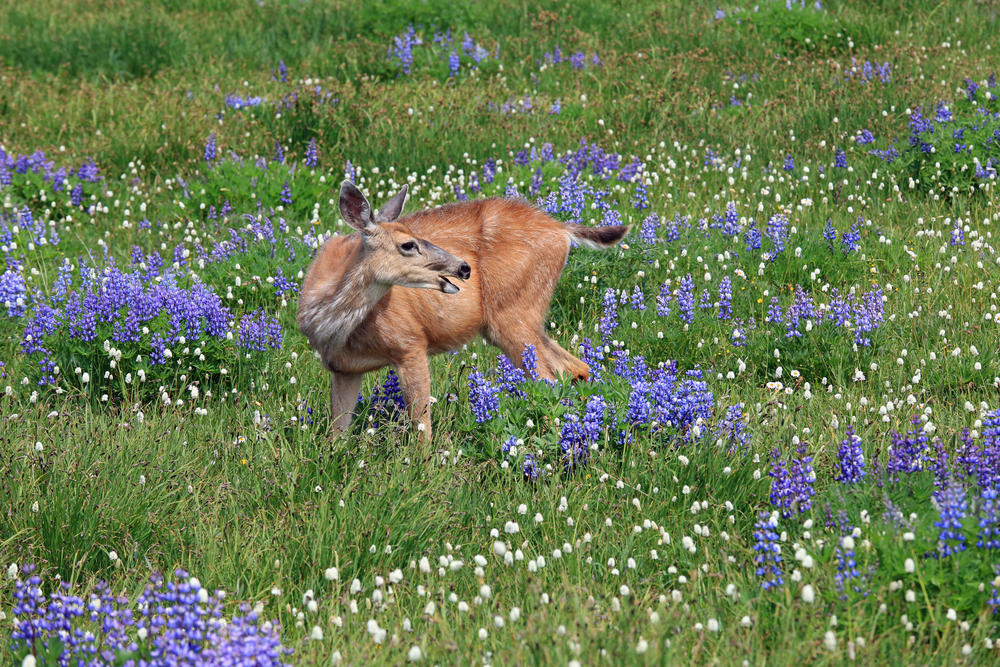
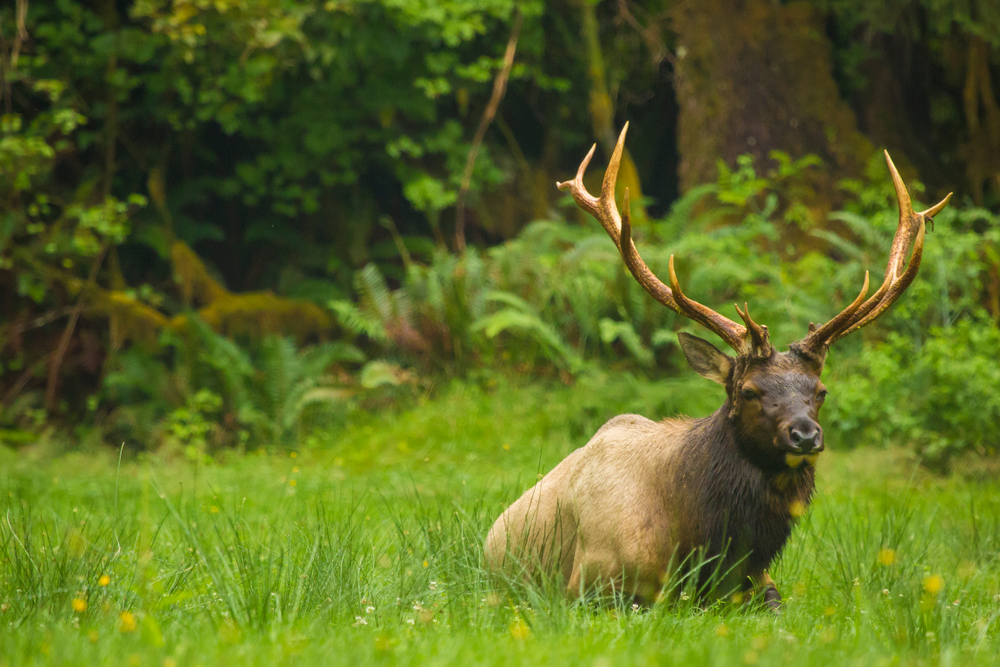
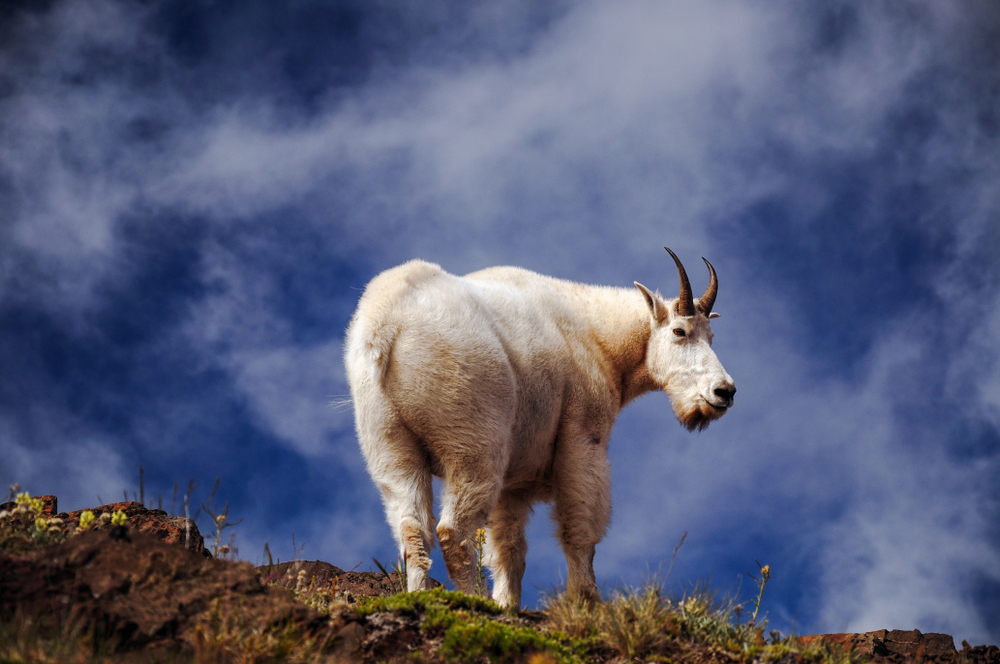
Larger mammals include black-tailed deer, elk, and mountain goats on the land side with dolphins, seals, sea lions, sea otters, whales on and along the coastal part of the park. Predators include black bear, bobcat, cougar, fox, and lynx. There is a large variety of bird species occupying the different parts of the park.
Photos


Things to See
Things To Do
Engaging Olympic National Park
Olympic National Park Trails
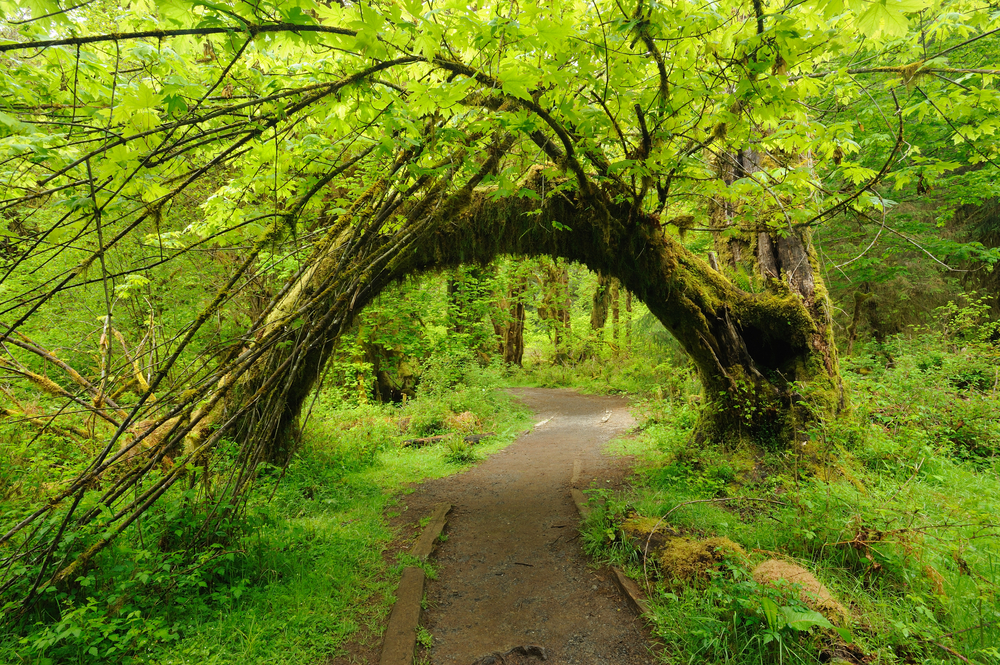
Olympic National Park has at least 175 different trails that allow visitors to hike and explore the rainforest, the mountains, and the varied ecosystems in the park. The trails range from short to long and from easy to difficult providing something for everyone.

FAQ’s
What is Olympic National Park known for?
Olympic National Park is most renowned for its incredible diversity of ecosystems, ranging from rugged coastline to temperate rainforest, alpine meadows, and glaciated peaks.
The park’s iconic features include its stunning coastline, which stretches for over 70 miles (113 kilometers) along the Pacific Ocean, featuring pristine sandy beaches, towering sea stacks, and dramatic coastal cliffs.
Olympic National Park is also famous for its lush temperate rainforests, such as the Hoh Rainforest, which receive abundant rainfall and support a rich variety of plant and animal life.
Furthermore, Olympic National Park is known for its impressive alpine landscapes, including the glaciated peaks of the Olympic Mountains, which rise to heights of over 7,000 feet (2,134 meters).
Visitors to the park can explore a network of hiking trails that lead to breathtaking vistas, serene mountain lakes, and cascading waterfalls.
With its stunning natural beauty, diverse ecosystems, and opportunities for outdoor recreation and wildlife viewing, Olympic National Park stands as a crown jewel of the Pacific Northwest and a UNESCO World Heritage Site.
What is Olympic National Park known for?
Olympic National Park is most renowned for its incredible diversity of ecosystems, ranging from rugged coastline to temperate rainforest, alpine meadows, and glaciated peaks.
The park’s iconic features include its stunning coastline, which stretches for over 70 miles (113 kilometers) along the Pacific Ocean, featuring pristine sandy beaches, towering sea stacks, and dramatic coastal cliffs.
Olympic National Park is also famous for its lush temperate rainforests, such as the Hoh Rainforest, which receive abundant rainfall and support a rich variety of plant and animal life.
Furthermore, Olympic National Park is known for its impressive alpine landscapes, including the glaciated peaks of the Olympic Mountains, which rise to heights of over 7,000 feet (2,134 meters).
Visitors to the park can explore a network of hiking trails that lead to breathtaking vistas, serene mountain lakes, and cascading waterfalls.
With its stunning natural beauty, diverse ecosystems, and opportunities for outdoor recreation and wildlife viewing, Olympic National Park stands as a crown jewel of the Pacific Northwest and a UNESCO World Heritage Site.
Sources
- All Trails, Best Trails in Olympic National Park, https://www.alltrails.com/parks/us/washington/olympic-national-park, retrieved July 2020.
- Britannica, Olympic National Park, https://www.britannica.com/place/Olympic-National-Park, retrieved September 2019.
- National Geographic, Everything to know about Olympic National Park, https://www.nationalgeographic.com/travel/national-parks/olympic-national-park/, retrieved September 2019.
- National Geographic, Complete National Parks of the United States, National Geographic Publishing, Washington DC.
- National Geographic, Guide to the National Parks of the United States, National Geographic Society, 2003.
- National Geographic, National Parks of North America, Canada-United States-Mexico, National Geographic Society, 1995.
- National Park Foundation, Pacific Wilderness, https://www.nationalparks.org/explore-parks/olympic-national-park, retrieved September 2019.
- National Park Service, Olympic, https://www.nps.gov/olym/index.htm, retrieved September 2019.
- UNESCO, Olympic National Park, https://whc.unesco.org/en/list/151/, retrieved September 2019.