

About
Katmai National Park and Preserve is located in southern Alaska on the northern Alaska Peninsula in the United States and covers approximately 6,395 square miles (16,564 sq km). Established as a national monument in 1918 and later redesignated as a national park and preserve in 1980, Katmai protects one of the most spectacular wilderness landscapes in North America.
The park lies southwest of Anchorage and west of Lake Clark National Park and Preserve. Nearby protected areas include Kenai Fjords National Park and the vast Bristol Bay watershed. Katmai is renowned for its volcanic landscapes, abundant salmon runs, and one of the highest concentrations of brown bears in the world. The park offers visitors an extraordinary glimpse into Alaska’s wild and untamed nature.
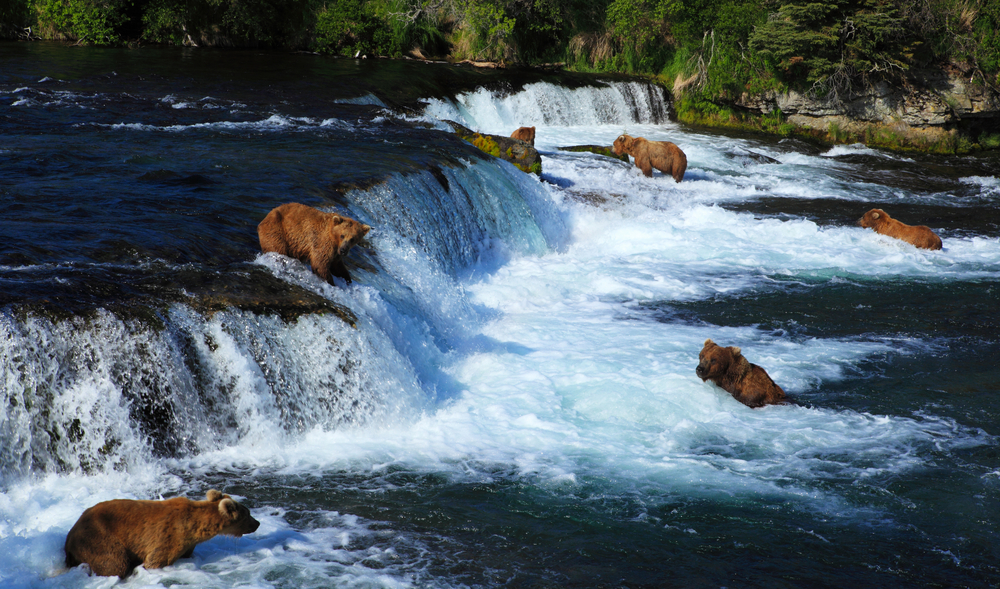
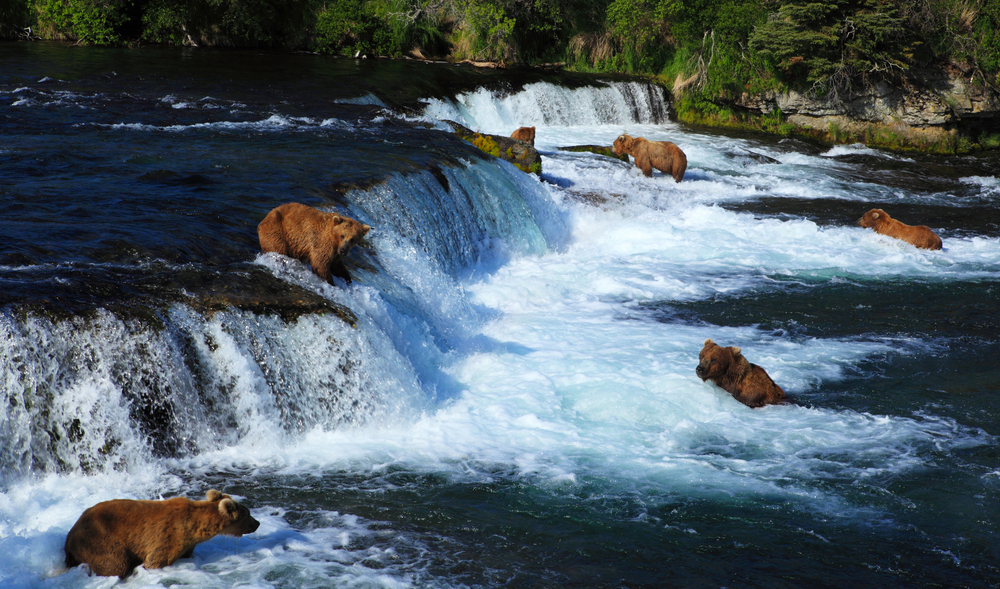
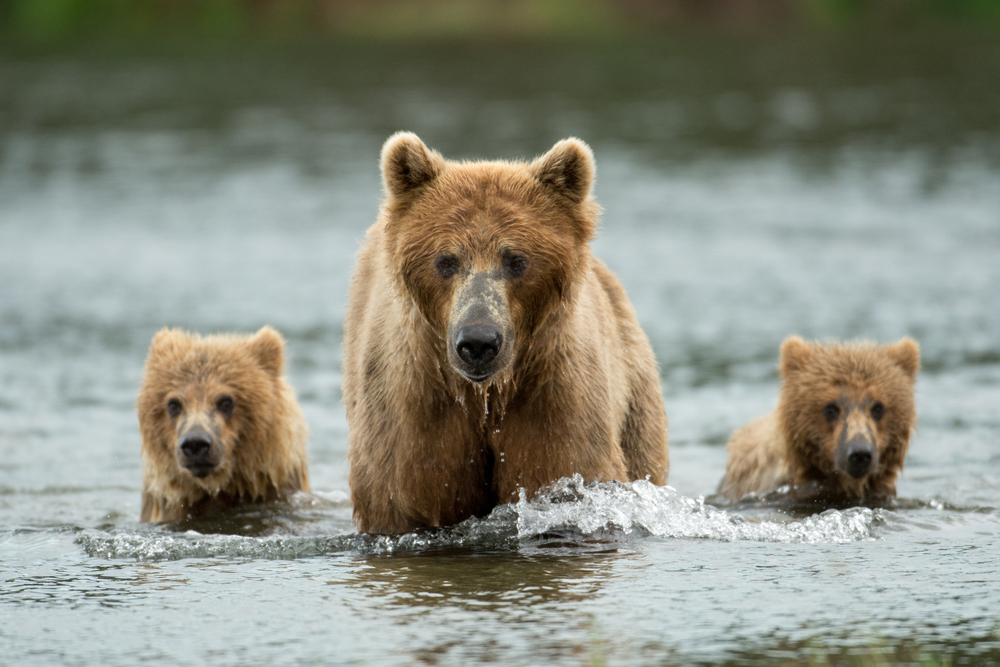
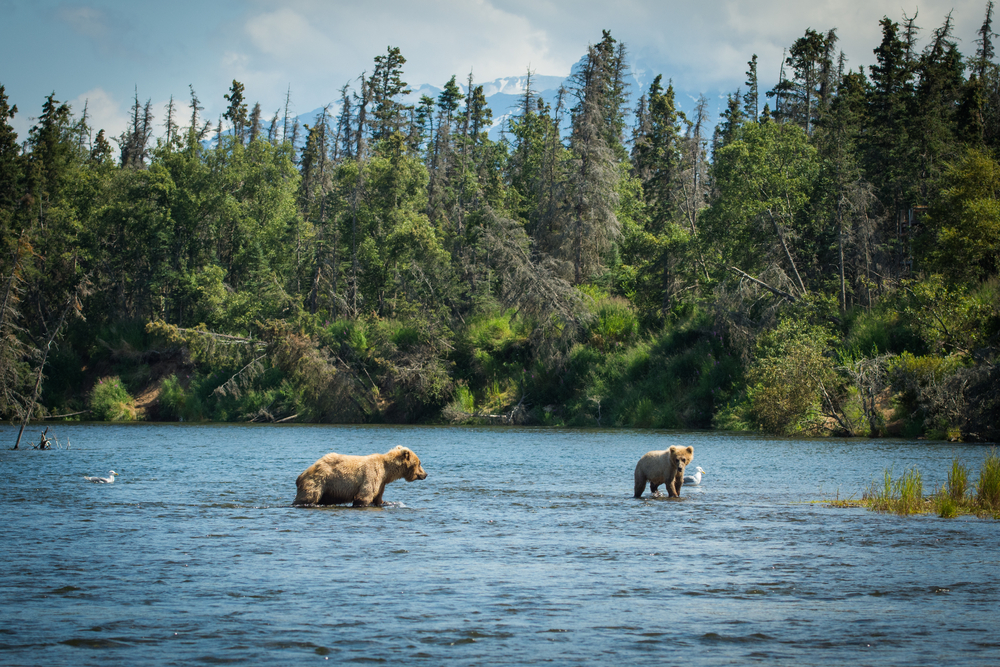
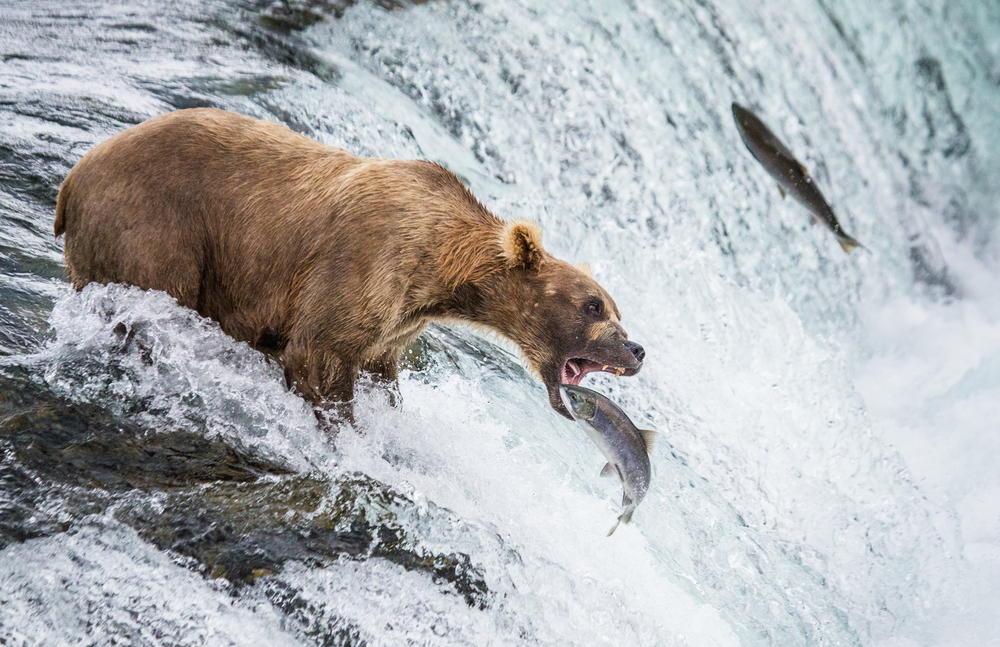
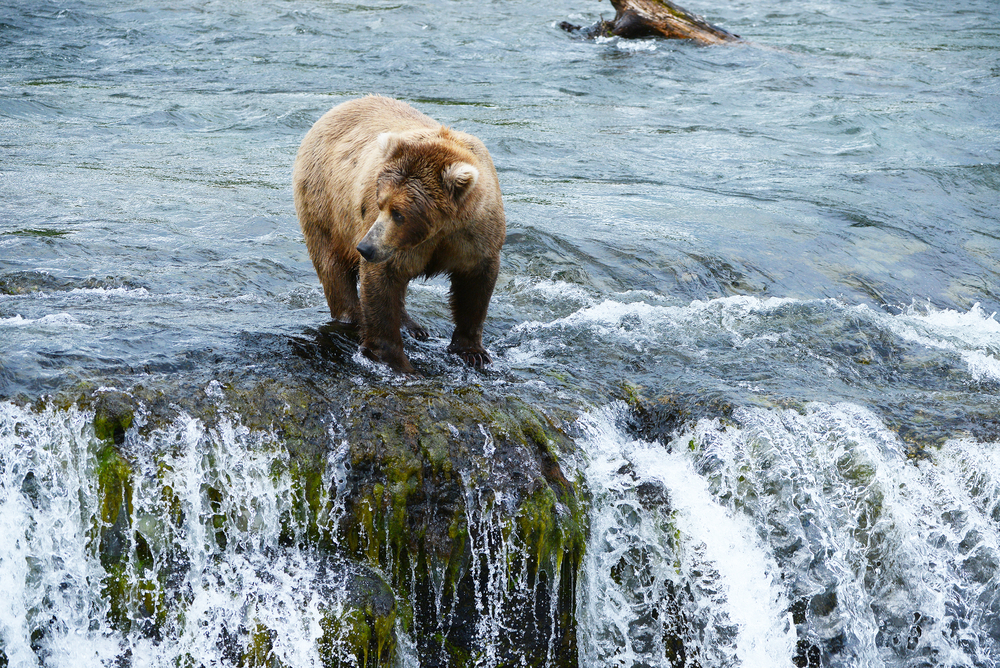
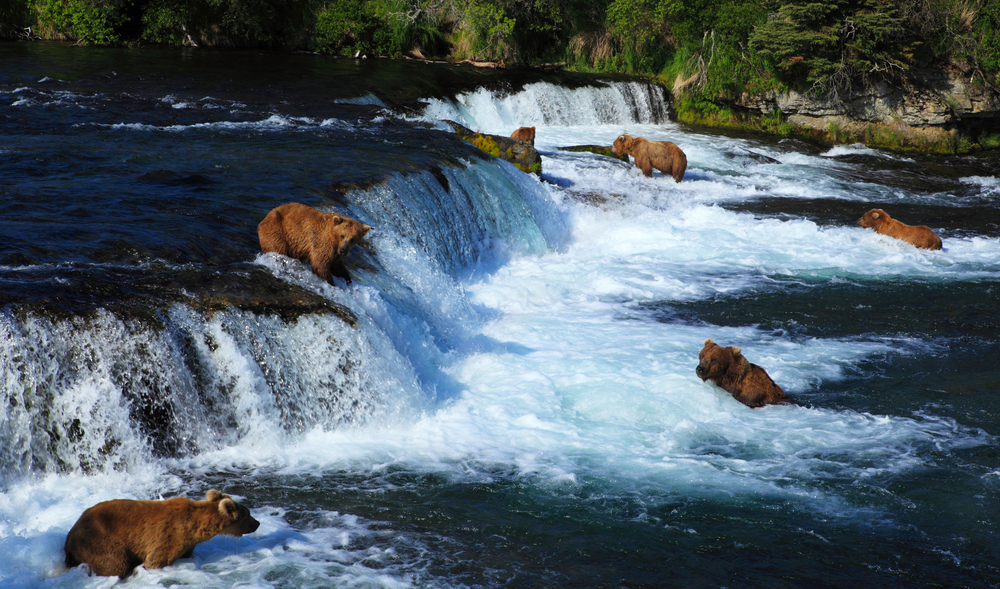
Katmai National Park and Preserve is best known for its famous brown bears and the dramatic annual salmon runs that attract them. Visitors from around the world travel to locations such as Brooks Falls to witness bears catching jumping salmon in one of the most iconic wildlife spectacles on Earth.
The park offers exceptional opportunities for bear viewing, wildlife photography, fishing, kayaking, hiking, camping, and flightseeing. Katmai is also famous for the Valley of Ten Thousand Smokes, a vast volcanic landscape created by the massive 1912 eruption of Novarupta, one of the largest volcanic eruptions of the twentieth century. Together, the park’s wildlife and geological wonders create an experience unlike any other national park in North America.
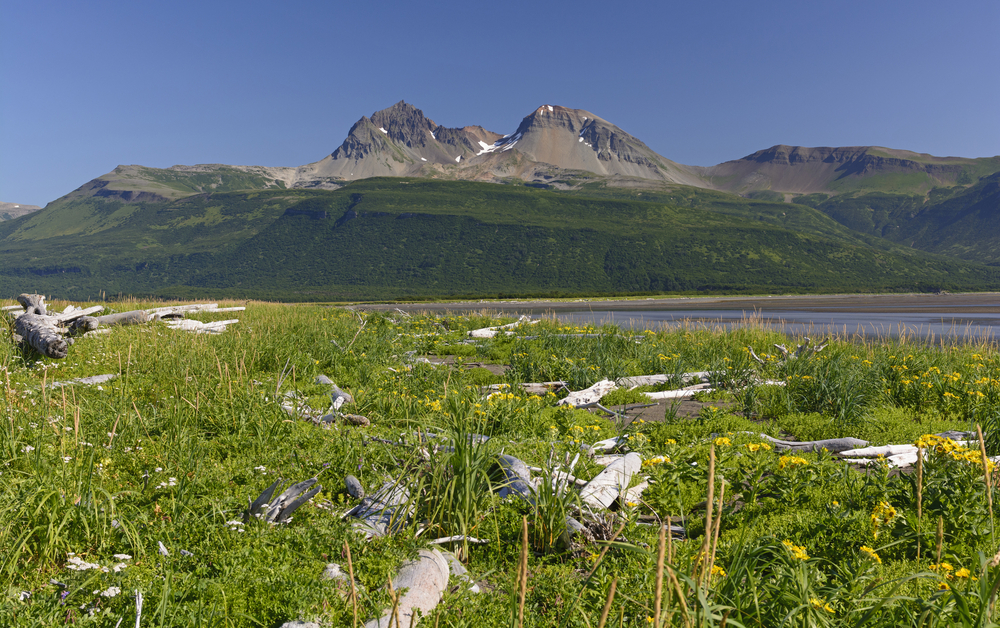
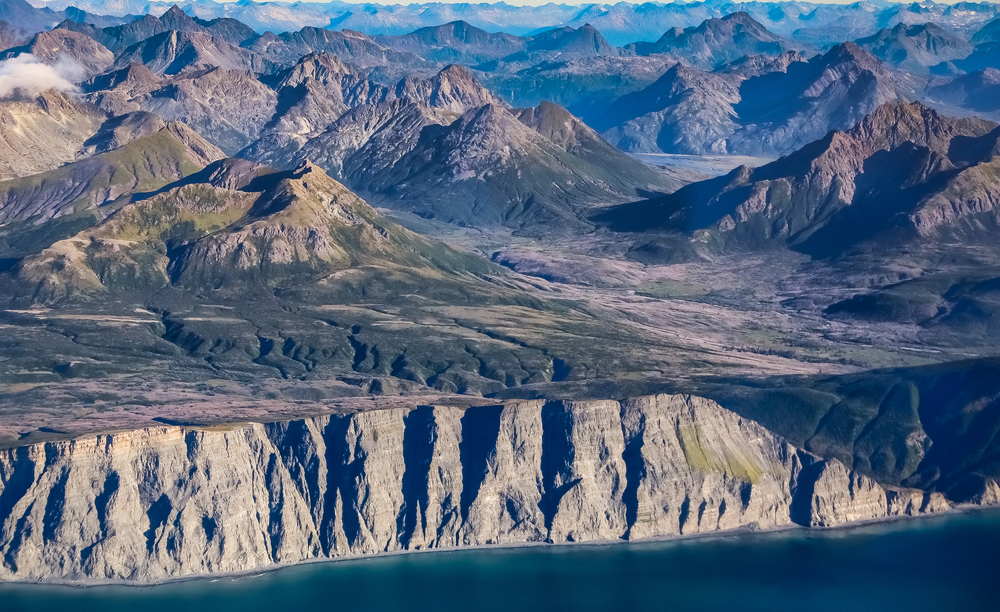
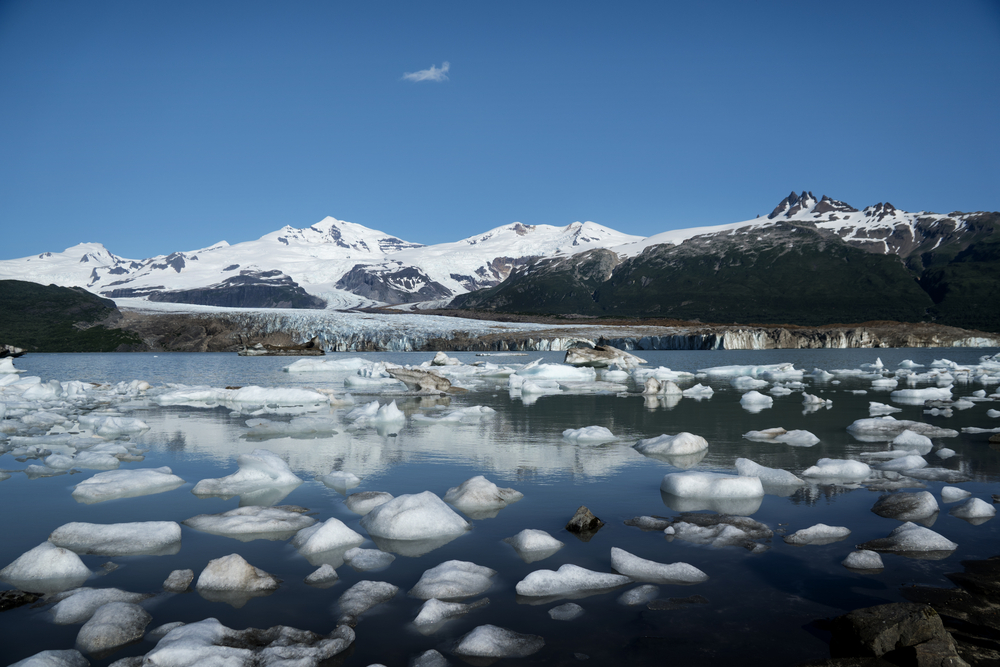
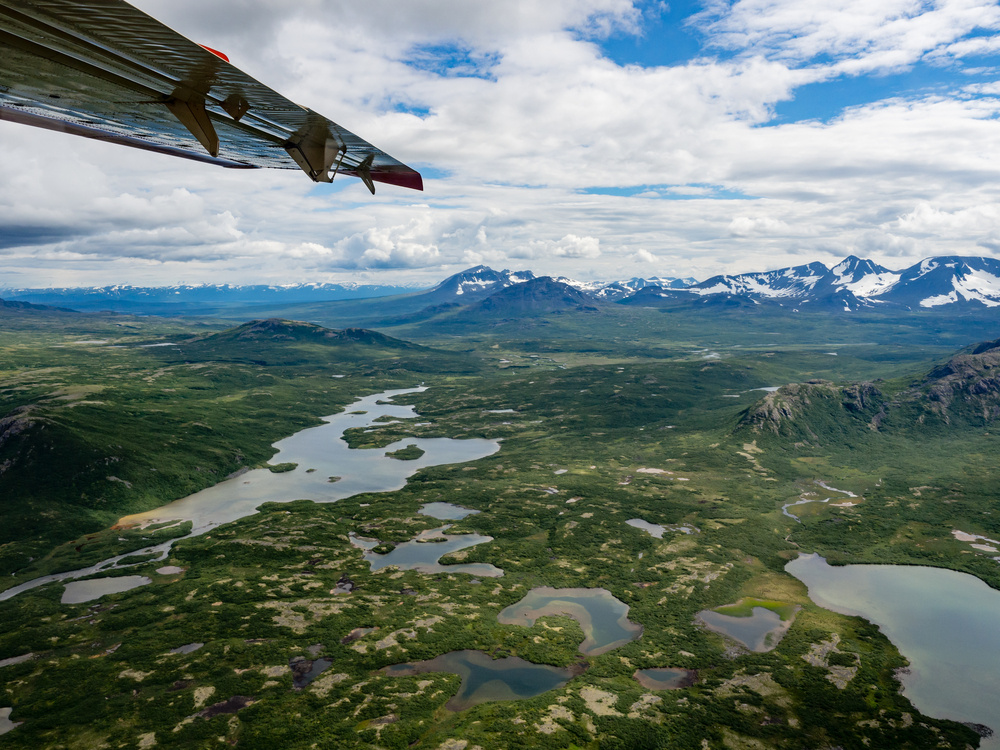
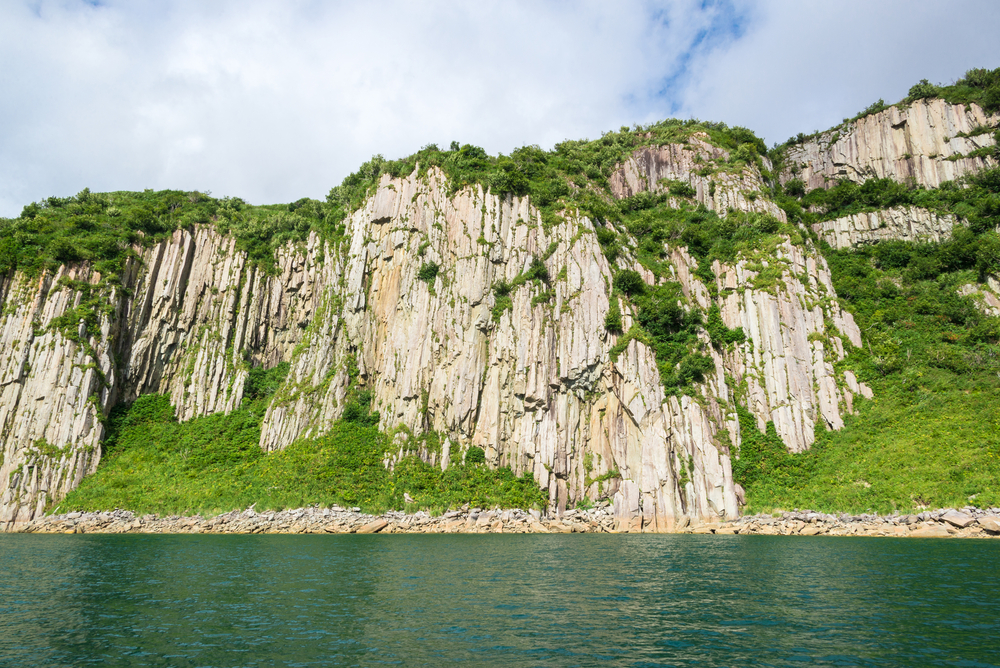
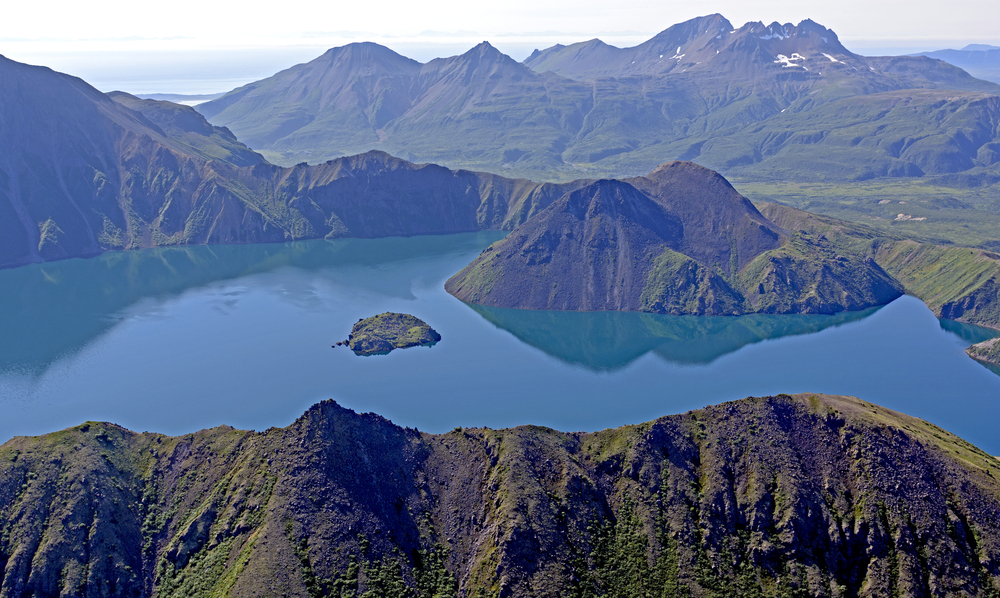
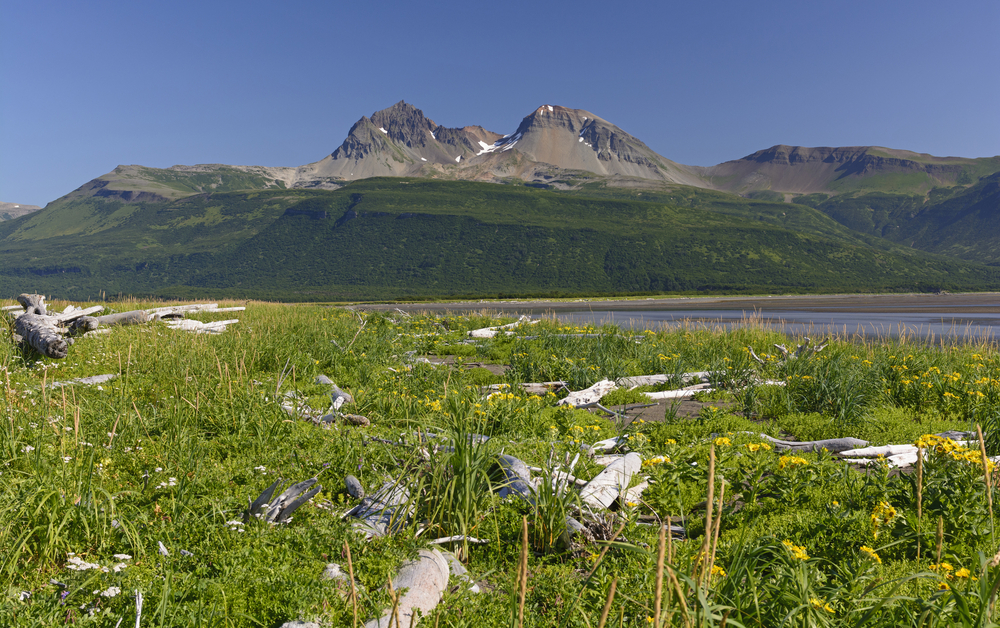
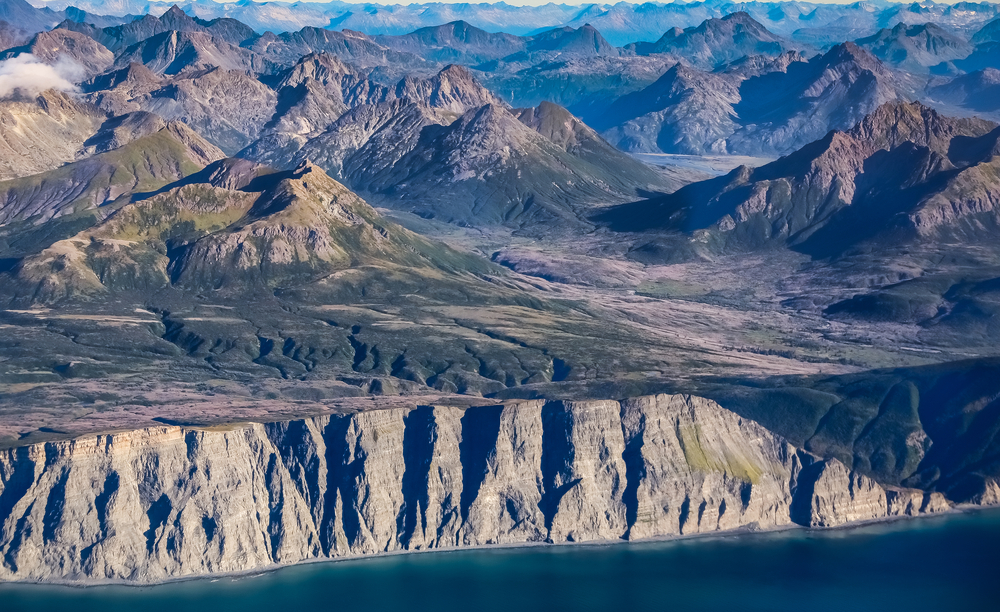
The geography of Katmai National Park and Preserve is defined by active volcanic processes, rugged mountains, glacier-carved valleys, lakes, rivers, and coastal environments. The park contains more than a dozen volcanoes, several of which remain active. The eruption of Novarupta dramatically reshaped the region, covering large areas with volcanic ash and creating the Valley of Ten Thousand Smokes.
Numerous lakes and rivers flow through the park, including important salmon-bearing waters that sustain wildlife across the ecosystem. Vegetation ranges from coastal tundra and wetlands to spruce forests and alpine environments. This remarkable diversity of landscapes supports a wide variety of habitats and contributes to the park’s ecological richness.
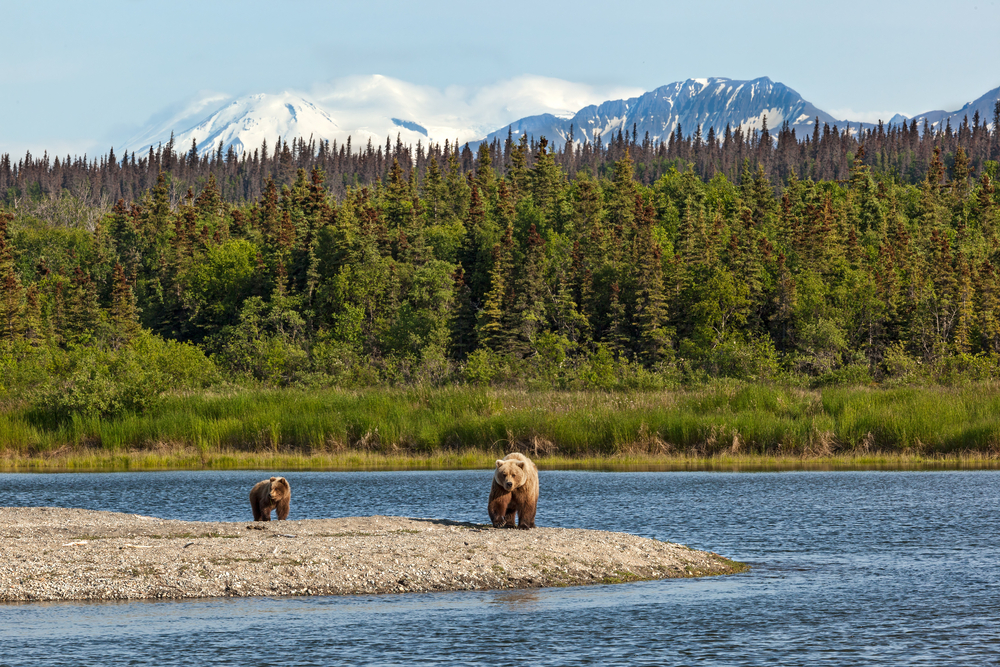
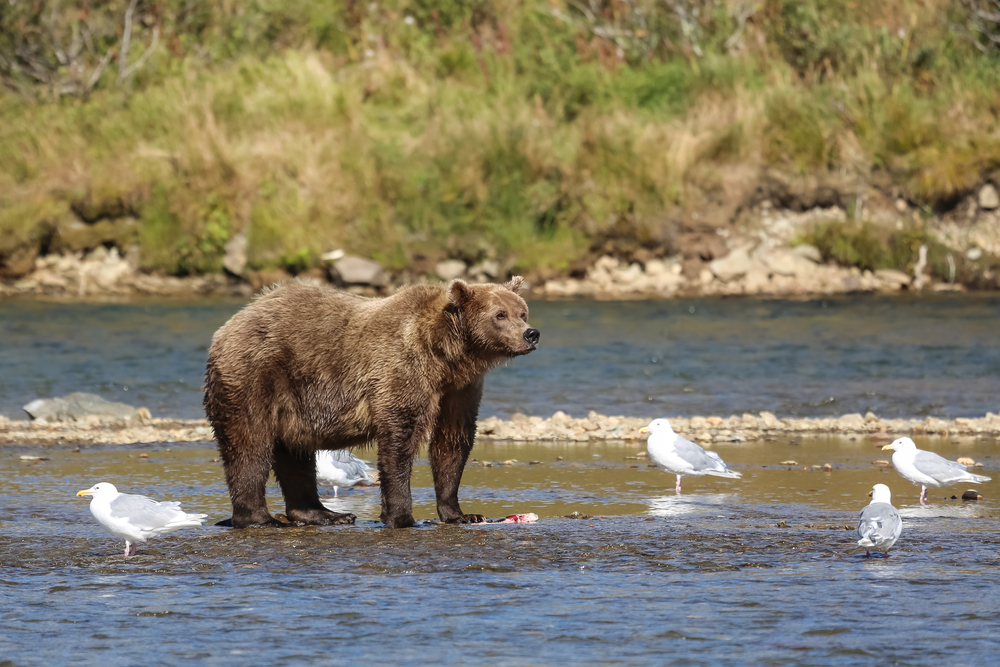
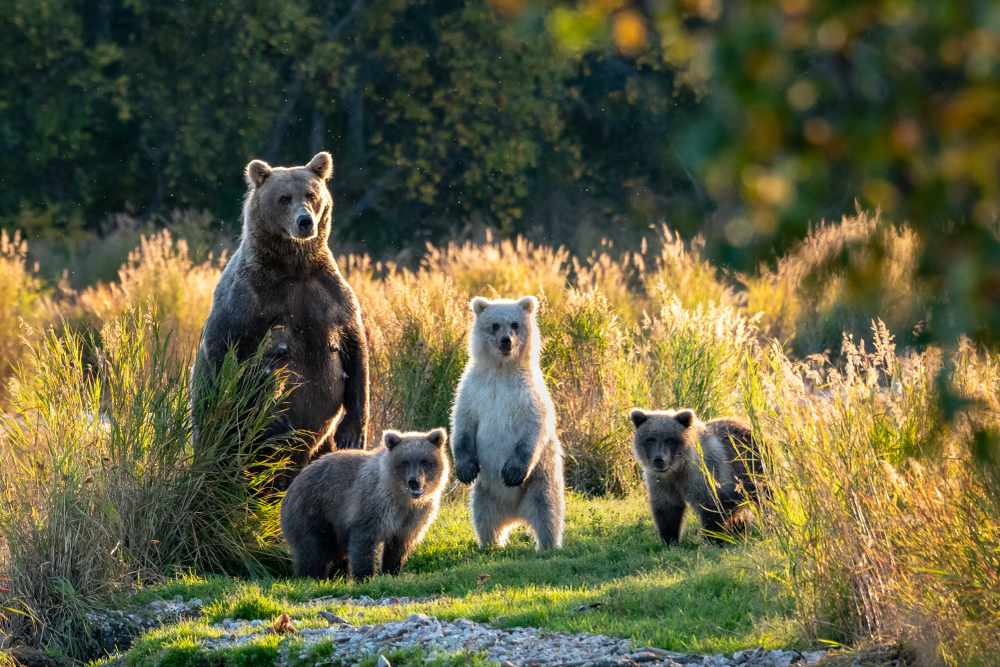
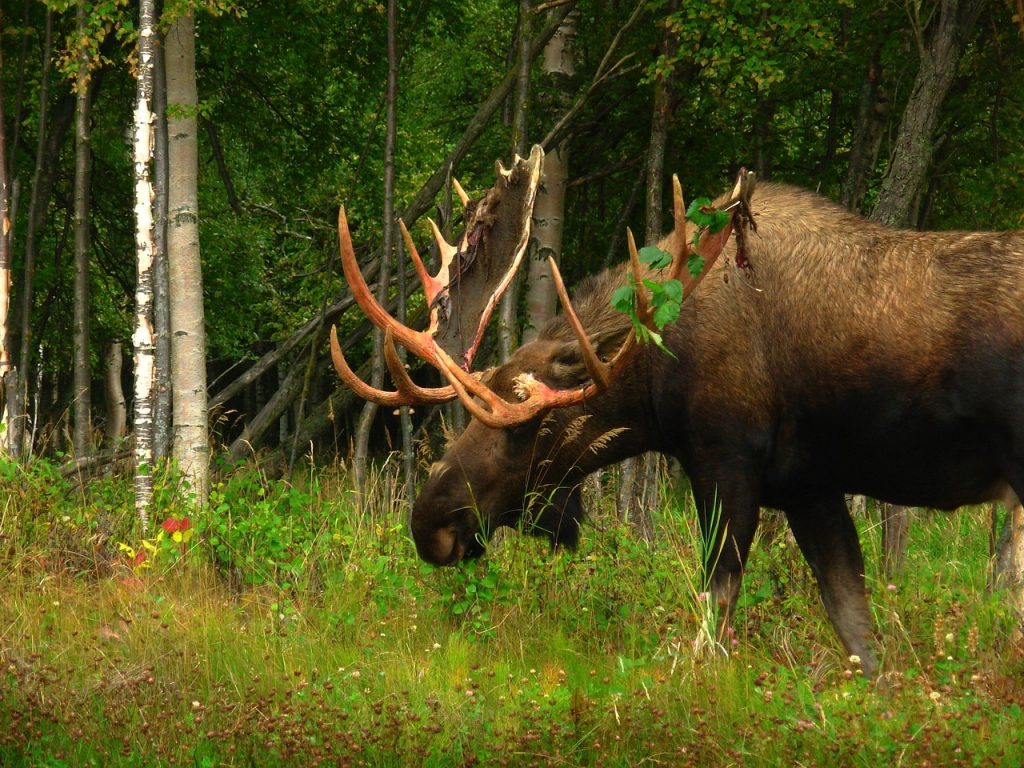
Wildlife within Katmai National Park and Preserve is among the most impressive in North America. Brown bears are the park’s most famous residents, with thousands inhabiting the region and gathering along rivers during salmon runs. Other large mammals include moose, wolves, red foxes, wolverines, lynx, and caribou.
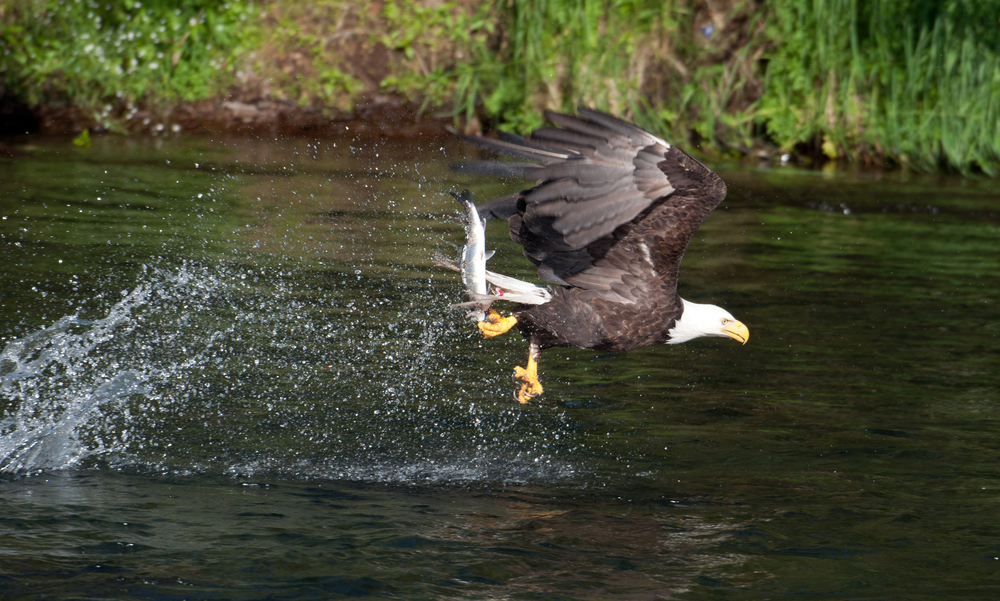
Marine mammals such as sea otters, harbor seals, and whales can be found along portions of the coastline. Birdlife is equally abundant, with bald eagles, golden eagles, puffins, loons, tundra swans, and numerous migratory waterfowl inhabiting the park. The annual migration of millions of Pacific salmon supports a complex food web and serves as the ecological foundation for many of Katmai’s wildlife populations.
Katmai National Park and Preserve plays a critical role in protecting one of the world’s most intact wilderness ecosystems. The park safeguards vital salmon habitat, active volcanic landscapes, extensive wetlands, and globally significant populations of brown bears. Conservation efforts focus on preserving natural ecological processes and maintaining the health of the Bristol Bay watershed, one of the most productive salmon ecosystems on Earth.
Katmai is often compared to Yellowstone National Park because of its volcanic features and to Lake Clark National Park and Preserve because of its bear populations and wilderness character. Yet the combination of world-famous bear viewing, active volcanism, and immense salmon runs makes Katmai truly unique. Today, the park remains one of Alaska’s greatest natural treasures, preserving a landscape where fire, water, wildlife, and wilderness continue to shape the natural world.
Photos
Things to See
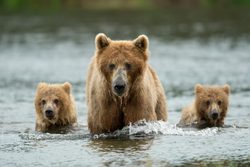 The Katmai area is renowned for grizzly bears and just seeing one is a highlight for most people. However, the highlights are abundant in Katmai when it comes to grizzly bears.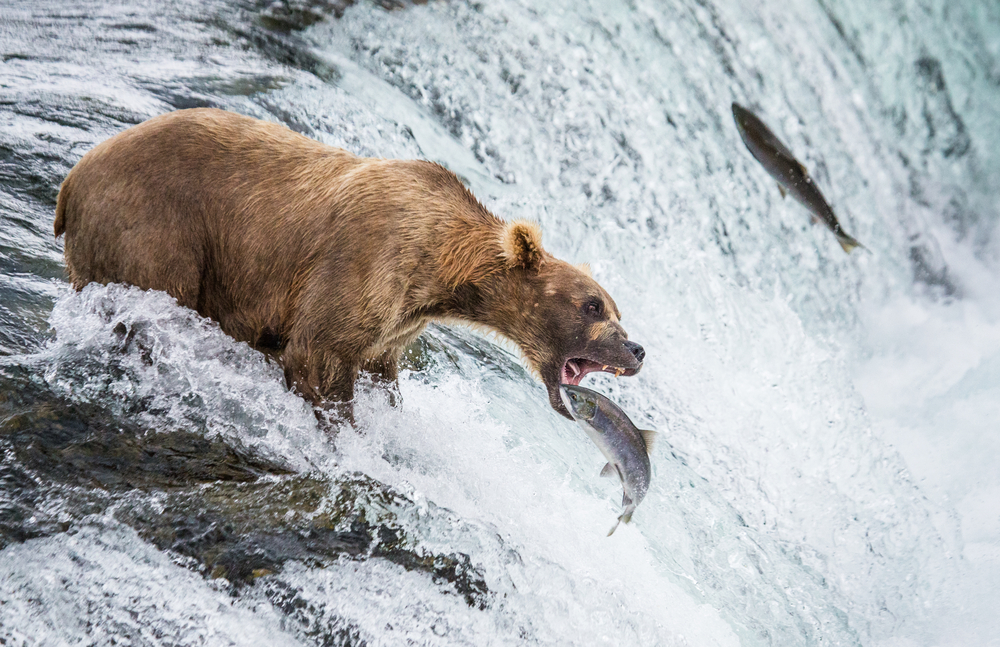
Things To Do
Engaging Katmai National Park
Katmai National Park Trails
Hiking in Katmai is one of the most popular activities. Trekking through this exquisite wilderness leaves most people speechless. There are several opportunities for hiking ranging from easy to difficult endeavors.
Backcountry camping and trekking is a common activity for those who truly enjoy the rugged outdoors and the adventure that awaits exploring Katmai.

FAQ’s
What is Katmai National Park known for?
Katmai National Park, located in southern Alaska, is known for its spectacular volcanic landscapes, abundant wildlife, and world-renowned brown bear viewing opportunities.
The park is home to the Valley of Ten Thousand Smokes, a vast volcanic landscape created by the eruption of Novarupta Volcano in 1912. Visitors come to Katmai to explore this otherworldly terrain, characterized by deep gorges, steaming fumaroles, and colorful ash deposits.
Additionally, Katmai is famous for its population of coastal brown bears, which gather along the Brooks River during the summer months to feed on spawning salmon.
The park’s bear viewing platforms offer unparalleled opportunities to observe these magnificent animals in their natural habitat, making Katmai a must-visit destination for wildlife enthusiasts and outdoor adventurers.
What is the main reason people visit Katmai National Park?
Katmai National Park is primarily visited for its world-famous brown bear viewing, active volcanic landscapes, pristine wilderness, and outstanding fishing opportunities. Located in southern Alaska on the Alaska Peninsula, the park protects more than 4 million acres of mountains, lakes, rivers, glaciers, and tundra.
Visitors come to observe large concentrations of brown bears at Brooks Falls, explore volcanic features created by the 1912 eruption of Novarupta, experience remote wilderness, photograph spectacular wildlife, and enjoy one of the finest bear-viewing destinations in the world.
What animals can visitors hope to see in Katmai National Park?
Katmai National Park supports approximately 40 mammal species and relatively few reptiles and amphibians due to its northern climate. The park is particularly famous for its exceptionally large population of brown bears.
Some of the most notable animals found in Katmai National Park include:
- Brown Bear
- Black Bear
- Gray Wolf
- Red Fox
- Arctic Fox
- Moose
- Caribou
- Dall Sheep
- Wolverine
- Canada Lynx
- River Otter
- Sea Otter
- American Beaver
- Muskrat
- Mink
- Marten
- Ermine
- Harbor Seal
- Steller Sea Lion
- Northern Fur Seal
- Harbor Porpoise
- Dall’s Porpoise
- Humpback Whale
- Killer Whale (Orca)
- Gray Whale
- Minke Whale
- Fin Whale
- Snowshoe Hare
- Hoary Marmot
- Arctic Ground Squirrel
- Red Squirrel
- Northern Flying Squirrel
- Deer Mouse
- Meadow Vole
- Northern Red-backed Vole
- Tundra Vole
- Water Shrew
- Masked Shrew
- Little Brown Bat
- Hoary Bat
- Silver-haired Bat
- Porcupine
- Harbor Seal Pup
- Sea Lion Pup
- Pacific Salmon Species
- Rainbow Trout
- Arctic Char
- Dolly Varden
- Northern Pike
- Various Freshwater Fish Species
What birds can visitors hope to see in Katmai National Park?
Katmai National Park is home to more than 200 bird species. The park’s rivers, lakes, coastlines, tundra, and forests provide critical habitat for both resident and migratory birds.
Some of the most popular birds seen in Katmai National Park include:
- Bald Eagle
- Golden Eagle
- Peregrine Falcon
- Merlin
- Northern Harrier
- Osprey
- Great Horned Owl
- Short-eared Owl
- Snowy Owl
- Common Raven
- Gray Jay
- Black-billed Magpie
- Boreal Chickadee
- American Robin
- Varied Thrush
- Hermit Thrush
- Red-breasted Nuthatch
- Brown Creeper
- Pacific Wren
- Pine Grosbeak
- Common Redpoll
- Pine Siskin
- White-winged Crossbill
- Red Crossbill
- Dark-eyed Junco
- Fox Sparrow
- Savannah Sparrow
- White-crowned Sparrow
- Yellow Warbler
- Wilson’s Warbler
- Sandhill Crane
- Trumpeter Swan
- Tundra Swan
- Canada Goose
- Greater White-fronted Goose
- Harlequin Duck
- Common Goldeneye
- Barrow’s Goldeneye
- Surf Scoter
- Black Scoter
- Common Merganser
- Red-breasted Merganser
- Great Blue Heron
- Black-legged Kittiwake
- Glaucous-winged Gull
- Herring Gull
- Arctic Tern
- Tufted Puffin
- Horned Puffin
- Common Murre
Is Katmai National Park worth visiting?
Yes, Katmai National Park is absolutely worth visiting and is considered one of the world’s premier wildlife destinations.
The park offers unparalleled brown bear viewing, spectacular volcanic landscapes, pristine rivers filled with salmon, exceptional fishing opportunities, and true Alaskan wilderness. Watching dozens of bears fishing for salmon at Brooks Falls is an experience many visitors consider one of the greatest wildlife spectacles on Earth.
The primary hesitation is cost and accessibility. Katmai is remote and typically requires flights, floatplanes, or guided tours, making it more expensive to visit than most national parks.
What is the best time to visit Katmai National Park?
The best time to visit Katmai National Park is from June through September.
Typical conditions include:
- June: 40–65°F (4–18°C)
- July: 45–70°F (7–21°C)
- August: 45–70°F (7–21°C)
- September: 35–60°F (2–16°C)
During this period:
- Bear viewing is excellent.
- Salmon runs are active.
- Most visitor facilities are open.
- Weather is relatively mild.
- Flight services operate regularly.
July and September are often considered the best months for bear viewing at Brooks Falls.
How many days do you need to visit Katmai National Park?
Most visitors should plan for 2 to 4 days.
- 1 day: Fly-in bear viewing excursion.
- 2 days: Brooks Camp and surrounding trails.
- 3–4 days: Bear viewing, fishing, hiking, and wildlife photography.
- 5+ days: Backcountry exploration and wilderness adventures.
Because travel to the park requires significant effort, many visitors find that staying multiple days provides a much richer experience.
How do you get to Katmai National Park?
Katmai National Park is one of the most remote national parks in the United States and has no roads connecting it to the rest of Alaska.
Most visitors begin their journey in Anchorage and then travel to King Salmon, the primary gateway community for the park.
The most common route is:
- Fly into Ted Stevens Anchorage International Airport.
- Take a regional flight (approximately 1.5 hours) to King Salmon Airport.
- Board a floatplane or small aircraft for the short flight to Brooks Camp.
Many visitors never actually drive during their Katmai trip because access beyond King Salmon is almost entirely by air.
Alternative access options include:
- Guided fly-in tours from Anchorage.
- Floatplane excursions from Homer.
- Charter flights from nearby Alaska communities.
- Private boats along portions of the park’s coastline.
Most visitors arrive at Brooks Camp, the park’s most famous destination and the gateway to Brooks Falls bear viewing areas.
Travel times from major cities:
- Anchorage to King Salmon: approximately 1.5 hours by air.
- King Salmon to Brooks Camp: approximately 20–30 minutes by floatplane.
- Homer to Brooks Camp: approximately 1–1.5 hours by floatplane.
Because weather can affect flight schedules, visitors should allow flexibility in their travel plans. Advance reservations are strongly recommended for flights, lodging, and bear-viewing permits during peak summer months.
Who is involved in protecting and supporting Katmai National Park?
Several organizations help protect and support Katmai National Park:
- National Park Service – manages Katmai National Park.
- Katmai Conservancy – supports education, research, conservation, and visitor programs.
- National Park Foundation – supports projects throughout the National Park System.
- Alaska Geographic – supports educational initiatives across Alaska’s public lands.
- The Alutiiq People and other Indigenous communities who maintain longstanding cultural connections to the region.
How many bears live in Katmai National Park?
Scientists estimate that more than 2,000 Brown Bear inhabit Katmai National Park and Preserve, making it one of the highest-density brown bear populations in North America.
Sources
- Alaska, Katmai National Park, https://www.alaska.org/destination/katmai-national-park-and-preserve, retrieved June 2020.
- All Trails, Katmai National Park, https://www.alltrails.com/parks/us/alaska/katmai-national-park-2, retrieved June 2020.
- Britannica, Katmai National Park, https://www.britannica.com/place/Katmai-National-Park-and-Preserve, retrieved June 2020.
- Britannica, Mount Katmai National Park, https://www.britannica.com/place/Mount-Katmai, retrieved June 2020.
- National Geographic, Complete National Parks of the United States, National Geographic Publishing, Washington DC.
- National Geographic, Guide to the National Parks of the United States, National Geographic Society, 2003.
- National Geographic, National Parks of North America, Canada-United States-Mexico, National Geographic Society, 1995.
- National Park Service, Katmai, https://www.nps.gov/katm/index.htm, retrieved June 2020.
- Travel Alaska, Katmai National Park and Preserve, https://www.travelalaska.com/Destinations/Parks-and-Public-Lands/Katmai-National-Park-and-Preserve.aspx, retrieved June 2020.