About

Isle Royale National Park is located in the northwestern portion of Lake Superior in the state of Michigan, United States, and covers approximately 894 square miles (2,315 sq km), most of which consists of water. Established in 1940, the park protects a remote archipelago of more than 450 islands and surrounding waters near the border with Canada.

Isle Royale lies southeast of Pukaskwa National Park and north of Michigan’s Upper Peninsula. Unlike most national parks, Isle Royale is accessible only by boat or seaplane, creating a sense of isolation that few protected areas in the continental United States can match. This remoteness has allowed the park to preserve a largely undisturbed wilderness ecosystem and has made it one of the most unique national parks in North America.

Isle Royale National Park is best known for its pristine wilderness, rugged shoreline, and long-running predator-prey research involving wolves and moose. Visitors come to experience a landscape largely free from roads, vehicles, and modern development. Hiking, backpacking, canoeing, kayaking, fishing, scuba diving, wildlife viewing, and boating are among the park’s most popular activities.

More than 165 miles of trails cross the island, including the famous Greenstone Ridge Trail, which traverses much of the main island’s length. The park’s secluded coves, rocky shorelines, inland lakes, and dense forests provide visitors with an immersive wilderness experience that feels far removed from the modern world.

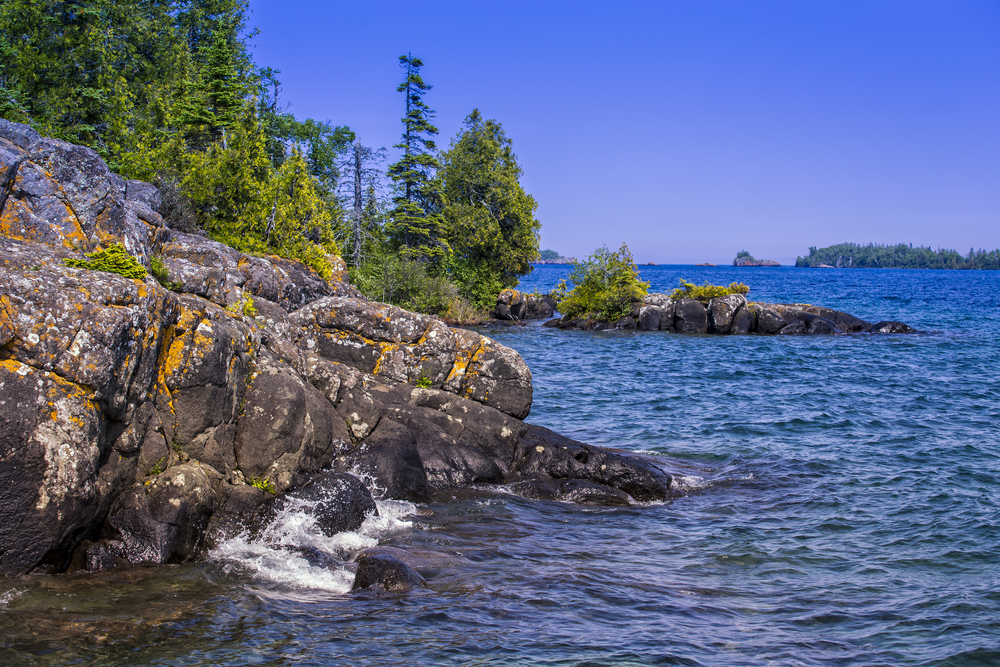
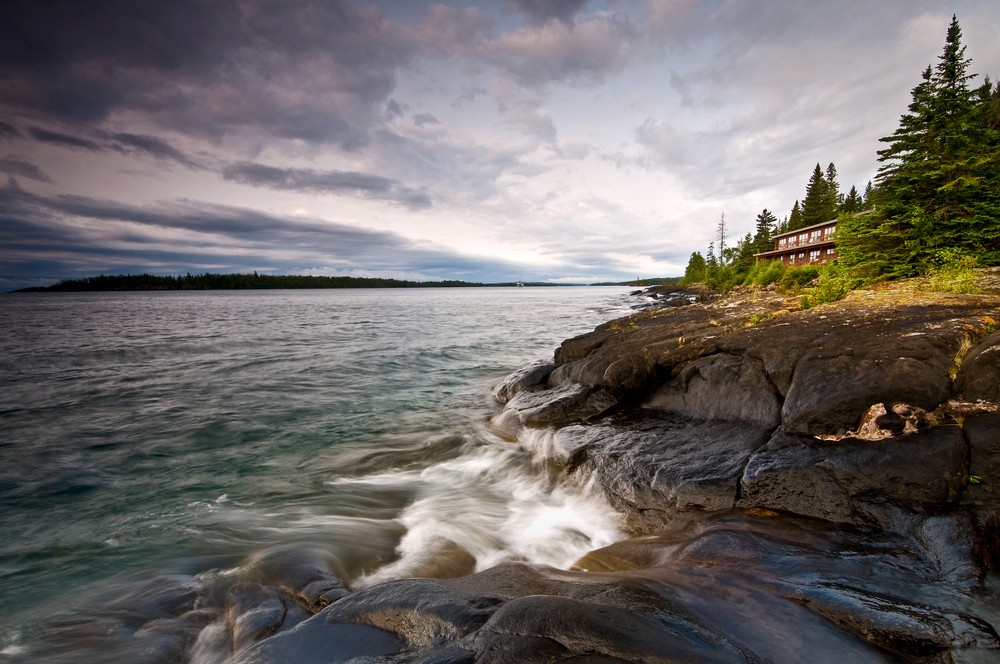
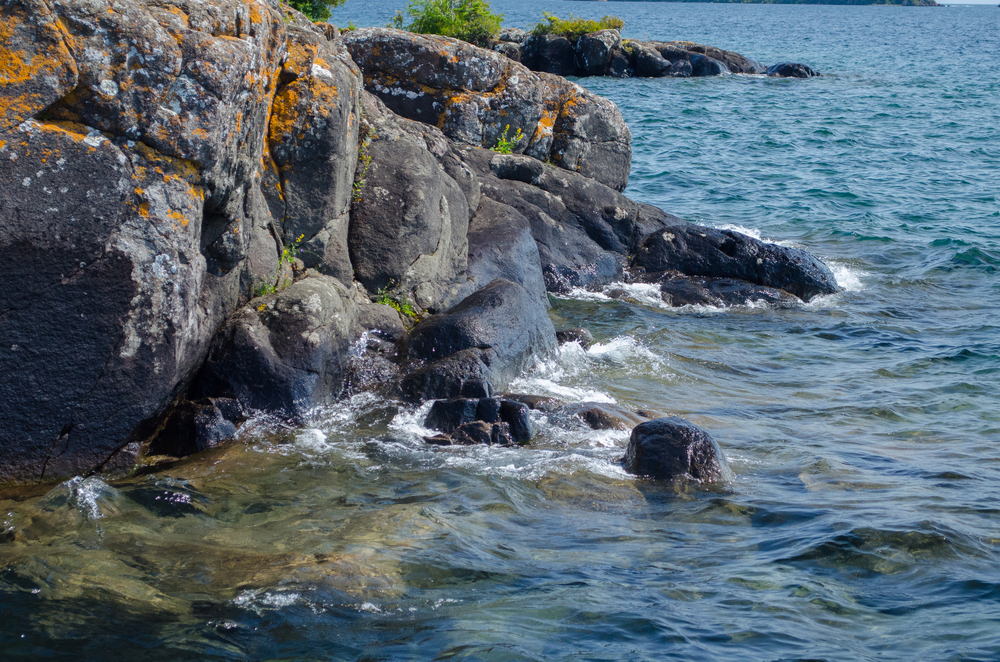
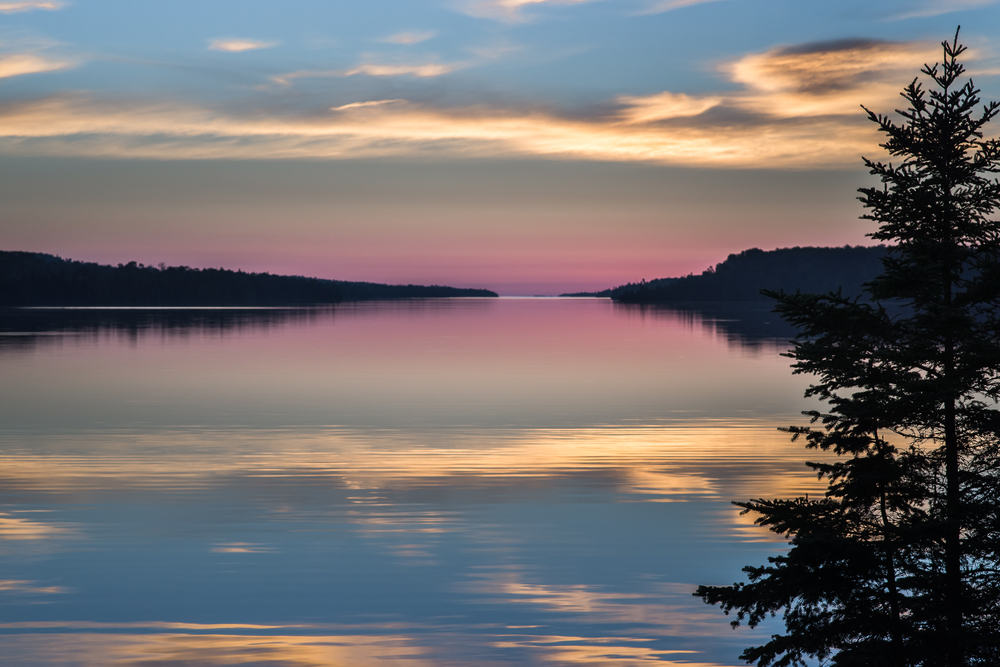
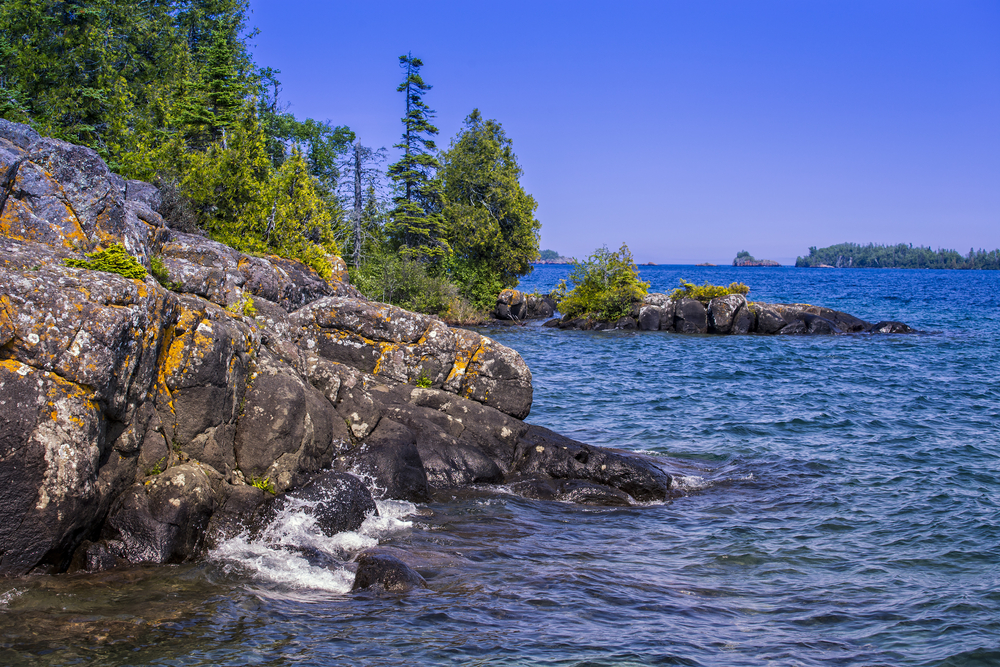
The geography of Isle Royale National Park was shaped by ancient volcanic activity and repeated glaciation. The main island stretches approximately forty-five miles from northeast to southwest and is characterized by parallel ridges, forested uplands, wetlands, and hundreds of inland lakes. Rocky shorelines, sheltered bays, and countless smaller islands create a complex freshwater coastal environment.

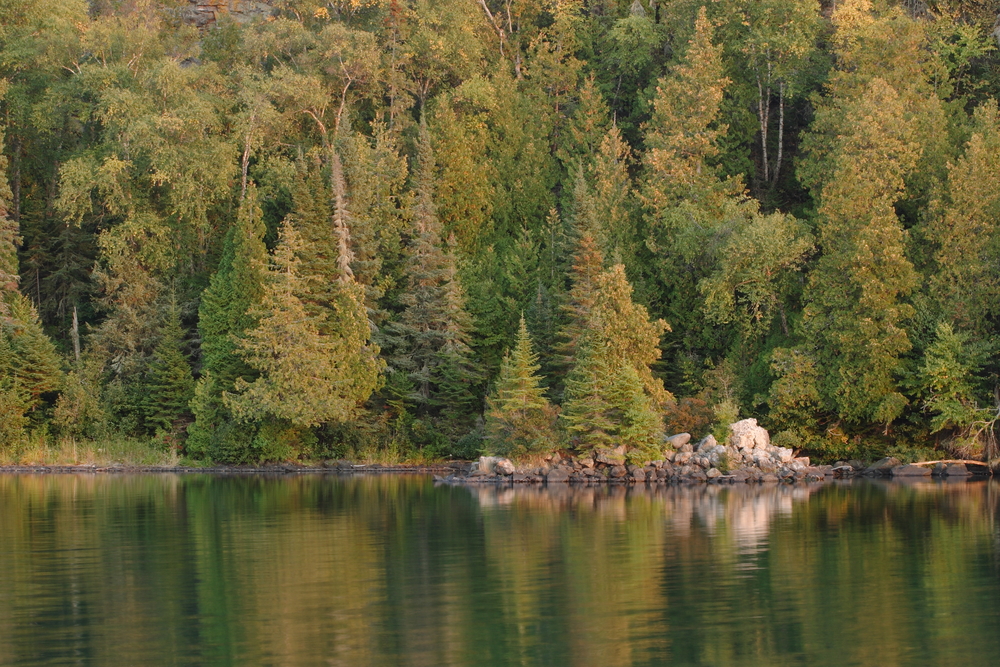
Elevations are modest compared to mountain parks, yet the ridges provide scenic views across Lake Superior, the largest freshwater lake by surface area in the world. Vegetation includes boreal forests dominated by spruce, fir, birch, and aspen, along with wetlands, mosses, lichens, and wildflowers that thrive in the cool northern climate.

Wildlife within Isle Royale National Park is one of its defining features. Moose are the park’s most iconic animals and play a central role in one of the world’s longest-running ecological studies. Wolves, which naturally colonized the island decades ago, have become equally famous as researchers have monitored their relationship with the moose population.

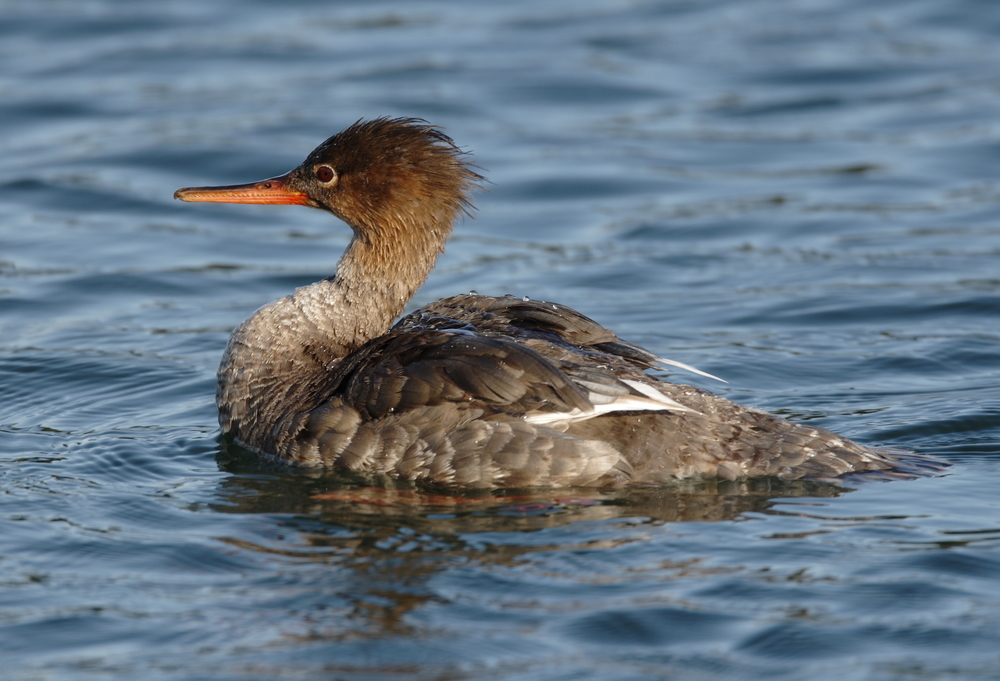
Other mammals include red foxes, beavers, river otters, snowshoe hares, pine martens, and bats. Birdlife is abundant, with loons, bald eagles, ospreys, warblers, gulls, and migratory waterfowl commonly observed throughout the park. The surrounding waters of Lake Superior support fish species such as lake trout, whitefish, and northern pike, while the island’s wetlands and forests provide habitat for a diverse range of smaller wildlife.

Isle Royale National Park plays a vital role in protecting one of the most intact freshwater wilderness ecosystems in North America. The park safeguards critical boreal forest habitats, freshwater environments, and ecological processes that have remained largely undisturbed for decades. Conservation efforts focus on preserving native species, maintaining ecosystem balance, and protecting the park’s internationally significant scientific research values.

Isle Royale is often compared to Voyageurs National Park and Pukaskwa National Park because of its remote wilderness and freshwater landscapes. Yet its island setting, wolf-moose ecology, and remarkable isolation make it truly distinctive. Today, Isle Royale National Park stands as one of America’s greatest wilderness treasures, preserving a landscape where nature continues to function much as it has for centuries.

Things to See

Hiking and kayaking the islands are the primary draw to the park.  Visitors that make the journey to this remote part of the world are looking for the tranquility and uniqueness the park has to offer.

Isle Royale

Isle Royale is the largest island in Lake Superior and the largest island in the national park.  The island measures 45 miles (72 km) long while reaching a width of 9 miles (14 km).

Isle Royale is a large enough island with elevation changes that have allowed for streams and inland lakes separate from Lake Superior.

Popular

Popular

Isle Royale National Park, an isolated wilderness archipelago in Lake Superior, offers a unique glimpse into predator-prey dynamics, showcasing species that have adapted to the challenges of island life within its rugged and pristine landscapes.

Moose – The park’s most iconic inhabitants, Moose roam freely, their populations a key study in the balance of island ecology and predator-prey relationships.

Gray Wolf – Once on the brink of local extinction, Gray Wolves have been reintroduced, playing a crucial role in maintaining the health of the island’s ecosystem.

Red Fox – The Red Fox, smaller and more elusive than wolves, scavenges and hunts across the island, adapting to a variety of habitats within the park.

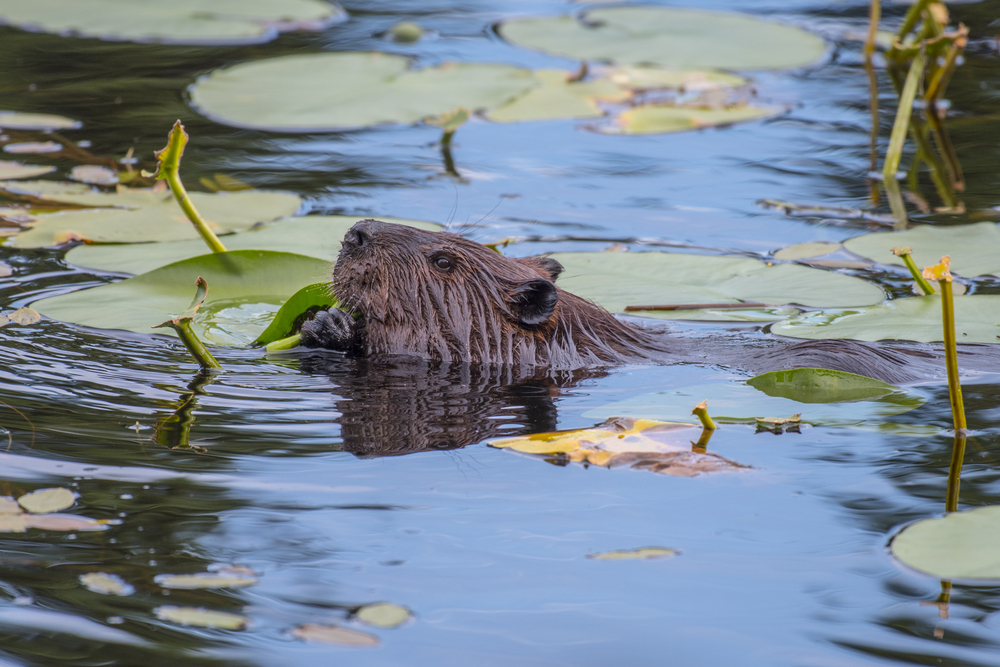
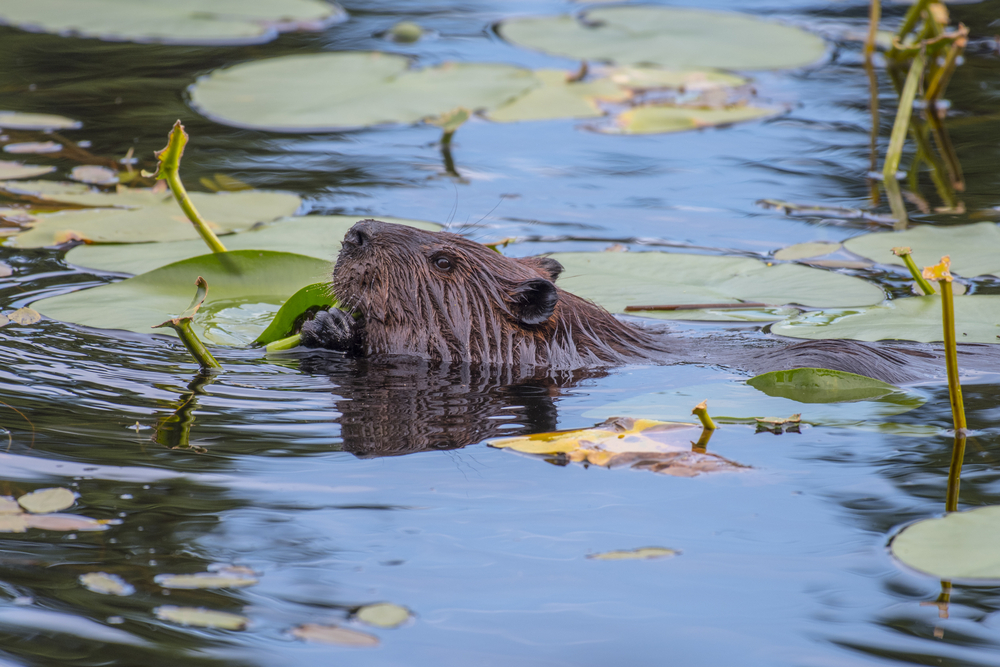
BeaverBeavers are ecosystem engineers of Isle Royale, creating ponds and wetlands that benefit a multitude of species by altering the landscape with their dams.

Common Loon – The haunting call of the Common Loon is a quintessential sound of the northwoods, echoing across the park’s inland lakes and coastal waters.

Bald Eagle – With their impressive wingspan and iconic stature, Bald Eagles are a majestic sight, nesting in tall trees and fishing the cold Lake Superior waters.

Canada Goose – Often seen in family groups, Canada Geese frequent the park’s lakeshores and wetlands, their migrations marking the changing seasons at Isle Royale.

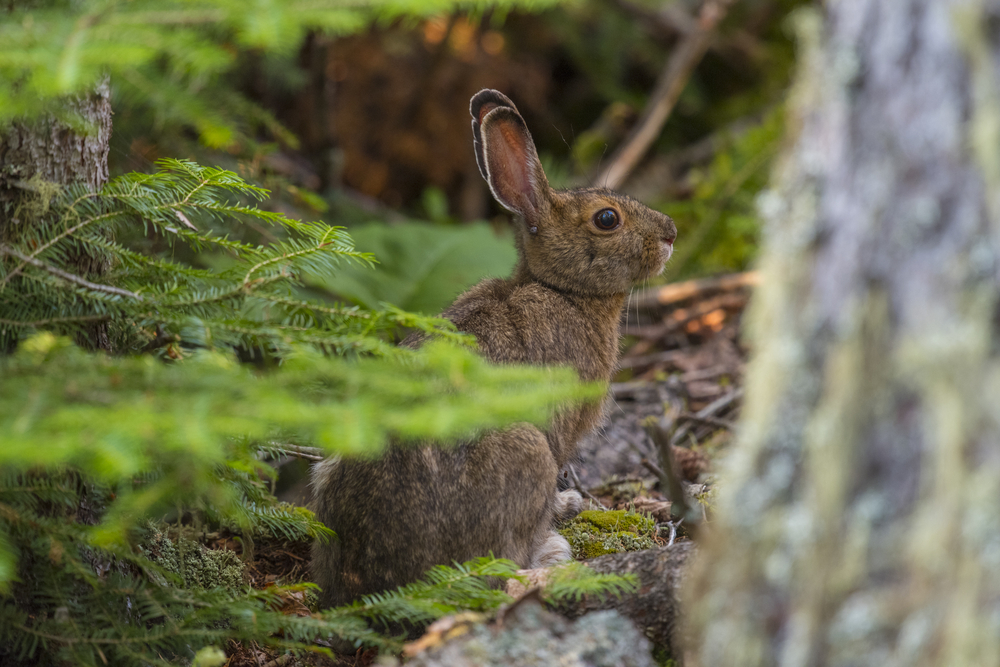
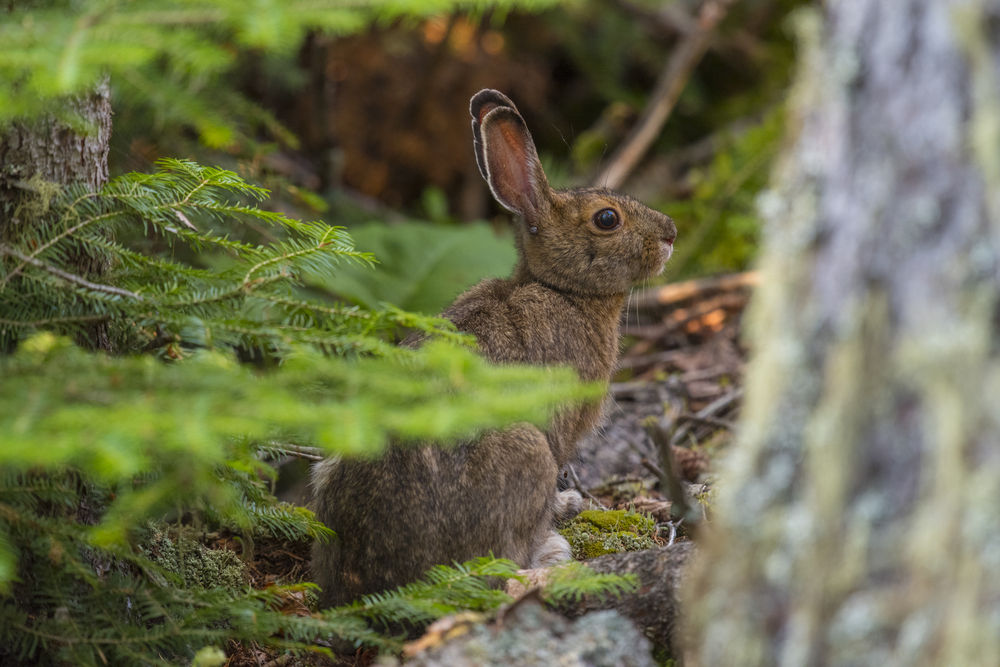
Snowshoe Hare – The Snowshoe Hare, with its winter-white fur, is a vital link in the park’s food chain, providing prey for lynx, foxes, and wolves.

River Otter – Sleek and playful, River Otters glide through the park’s waterways, their presence indicative of the clean, unpolluted waters of Isle Royale.

Northern Goshawk – The elusive Northern Goshawk, a formidable bird of prey, hunts through the park’s forests, a testament to the wilderness that defines Isle Royale.

Isle Royale National Park’s wildlife, from the majestic Moose to the secretive Northern Goshawk, illustrates the complexity of island ecosystems, offering visitors a profound connection to the natural world in one of America’s most remote national parks.

Things To Do

Engaging Isle Royale

Kayaking

Paddle the crystal-clear waters surrounding Isle Royale National Park on a sea kayaking expedition. Explore the park’s rugged coastline, sheltered coves, and secluded bays as you navigate through the pristine waters of Lake Superior.

With over 400 smaller islands to explore, kayakers can discover hidden beaches, rocky shorelines, and remote islands teeming with wildlife. Keep an eye out for bald eagles soaring overhead, otters playing in the surf, and moose grazing along the shoreline as you paddle through this pristine wilderness area.

Hiking

Traverse the rugged terrain and pristine wilderness of Isle Royale National Park on its extensive network of hiking trails. With over 165 miles of trails winding through ancient forests, along rocky ridges, and past secluded lakeshores, hikers can explore the island’s diverse landscapes and ecosystems.

Choose from short day hikes to multi-day treks, with options for all skill levels and interests. Highlights include the Greenstone Ridge Trail, which traverses the length of the island and offers panoramic views of Lake Superior, and the Stoll Trail, which meanders through lush forests to scenic overlooks.

Hiking on Isle Royale provides a unique opportunity to immerse yourself in nature and discover the untamed beauty of this remote wilderness area.

Backpacking

Explore the pristine wilderness of Isle Royale National Park on a multi-day backpacking adventure.

With over 165 miles of scenic trails crisscrossing the island, backpackers can immerse themselves in the park’s rugged landscapes, ancient forests, and remote shoreline. Traverse rocky ridges, ford tranquil streams, and discover hidden waterfalls as you hike from one pristine campsite to the next.

Backpacking on Isle Royale offers unparalleled solitude and a chance to connect with nature in its purest form, with opportunities to spot wildlife such as moose, wolves, and foxes along the way.

Kayaking

Paddle the crystal-clear waters surrounding Isle Royale National Park on a sea kayaking expedition. Explore the park’s rugged coastline, sheltered coves, and secluded bays as you navigate through the pristine waters of Lake Superior.

With over 400 smaller islands to explore, kayakers can discover hidden beaches, rocky shorelines, and remote islands teeming with wildlife. Keep an eye out for bald eagles soaring overhead, otters playing in the surf, and moose grazing along the shoreline as you paddle through this pristine wilderness area.

Hiking

Traverse the rugged terrain and pristine wilderness of Isle Royale National Park on its extensive network of hiking trails. With over 165 miles of trails winding through ancient forests, along rocky ridges, and past secluded lakeshores, hikers can explore the island’s diverse landscapes and ecosystems.

Choose from short day hikes to multi-day treks, with options for all skill levels and interests. Highlights include the Greenstone Ridge Trail, which traverses the length of the island and offers panoramic views of Lake Superior, and the Stoll Trail, which meanders through lush forests to scenic overlooks.

Hiking on Isle Royale provides a unique opportunity to immerse yourself in nature and discover the untamed beauty of this remote wilderness area.

Backpacking

Explore the pristine wilderness of Isle Royale National Park on a multi-day backpacking adventure.

With over 165 miles of scenic trails crisscrossing the island, backpackers can immerse themselves in the park’s rugged landscapes, ancient forests, and remote shoreline. Traverse rocky ridges, ford tranquil streams, and discover hidden waterfalls as you hike from one pristine campsite to the next.

Backpacking on Isle Royale offers unparalleled solitude and a chance to connect with nature in its purest form, with opportunities to spot wildlife such as moose, wolves, and foxes along the way.

Isle Royale National Park Trails

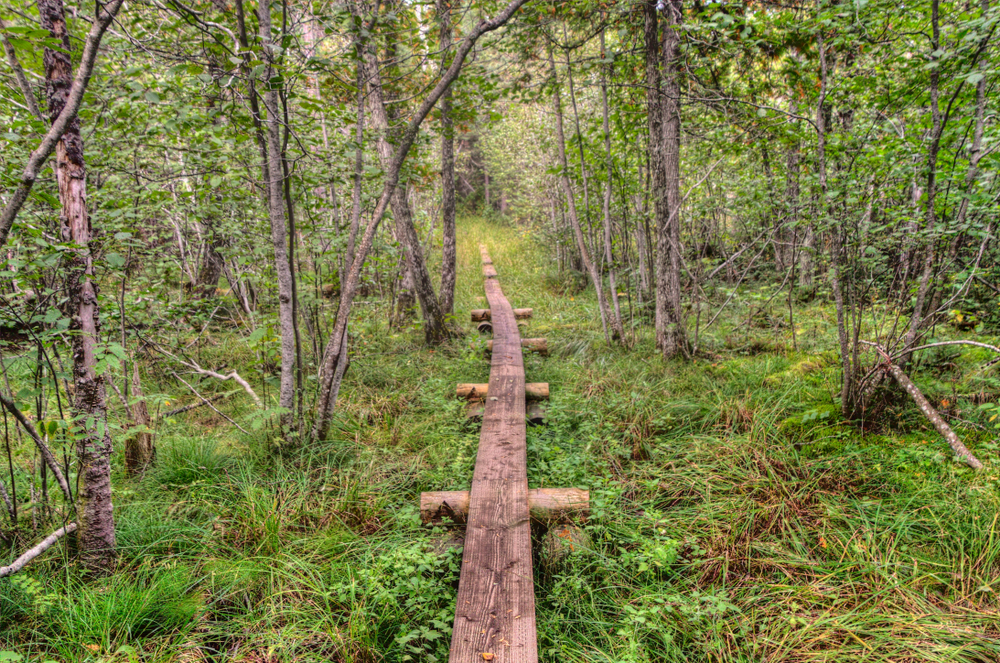
Although the park is comprised of a series of islands, there are over 165 miles (266 km) hiking trails to explore the area. Several of the campgrounds are only reachable by hiking or kayaking.

placeholder

Greenstone Ridge Trail

This is the most adventurous trail in the park and the longest.  It crosses from one end of the island to the other covering a distance of 40 miles (64 km). The 4 to 5-day trek is the most intimate way to experience what Isle Royale has to offer.

placeholder

Stoll Trail

This is one of the easy 4.1-mile (6.60 km) loop trails that provide views of the rocky rugged coastline.  There is only an elevation gain of 111 feet (33.8 m).

placeholder

Tobin Harbor Trail

This is another easy trail that features a longer journey.  The point-to-point trail covers a distance of 5.9 miles (1.79 km) while meandering through the forests and out to a view of the lake.  The way back lets you relive the tranquil forests.

placeholder

Scoville Point Loop

This is a moderate rated trail with a distance of 4.9-miles (7.88 km) that features an elevation gain of 849 feet (258.7 m).  There will be views of the lake, chances to see wildlife and rocky and forested terrain.

placeholder

Greenstone Ridge Trail

Rating: Strenuous

Distance and Elevation Gain: Up to 40 miles one way with variable elevation gain

Description: Spanning the length of Isle Royale, this backbone trail offers a challenging but rewarding trek through the island’s rugged interior. Hikers will experience breathtaking vistas, serene forests, and the chance to spot moose and wolves. The trail can be accessed from multiple points, allowing for shorter segments to be hiked.

placeholder

Rock Harbor Trail

Rating: Moderate

Distance and Elevation Gain: 11 miles one way with minimal elevation gain

Description: Connecting Rock Harbor to Moskey Basin, this trail offers scenic views of Lake Superior’s shoreline, lighthouses, and several coves. Hikers can enjoy relatively easy terrain, making it suitable for day hikes or an overnight trek. Wildflowers and thimbleberries provide a colorful backdrop during the summer months.

placeholder

Minong Ridge Trail

Rating: Very Strenuous

Distance and Elevation Gain: Up to 29 miles one way with significant elevation gain and loss

Description: For those seeking solitude and a challenging hike, the Minong Ridge Trail provides rugged terrain, stunning overlooks, and opportunities for wildlife sightings. This trail is less traveled and offers a more remote experience, with rough paths and spectacular views of the northern part of the island.

placeholder

Stoll Memorial Trail

Rating: Easy to Moderate

Distance and Elevation Gain: 4.3 miles loop with minimal elevation gain

Description: This loop trail around Scoville Point offers an easier hiking option with significant historical and natural interest. Hikers can enjoy panoramic views of Rock Harbor, dense forests, and rocky shorelines. The trail passes the Edisen Fishery and the Rock Harbor Lighthouse, adding cultural insights to the scenic hike.

placeholder

Lookout Louise Trail

Rating: Moderate

Distance and Elevation Gain: 2 miles round trip with an elevation gain of about 200 feet (61 meters)

Description: This relatively short hike leads to one of the best vistas on Isle Royale, offering expansive views of Canada and Lake Superior. The trail, starting near the Hidden Lake dock, climbs through boreal forests to the lookout point, providing a rewarding panorama for a modest effort.

placeholder

Greenstone Ridge Trail

Rating: Strenuous

Distance and Elevation Gain: Up to 40 miles one way with variable elevation gain

Description: Spanning the length of Isle Royale, this backbone trail offers a challenging but rewarding trek through the island’s rugged interior. Hikers will experience breathtaking vistas, serene forests, and the chance to spot moose and wolves. The trail can be accessed from multiple points, allowing for shorter segments to be hiked.

placeholder

Rock Harbor Trail

Rating: Moderate

Distance and Elevation Gain: 11 miles one way with minimal elevation gain

Description: Connecting Rock Harbor to Moskey Basin, this trail offers scenic views of Lake Superior’s shoreline, lighthouses, and several coves. Hikers can enjoy relatively easy terrain, making it suitable for day hikes or an overnight trek. Wildflowers and thimbleberries provide a colorful backdrop during the summer months.

placeholder

Minong Ridge Trail

Rating: Very Strenuous

Distance and Elevation Gain: Up to 29 miles one way with significant elevation gain and loss

Description: For those seeking solitude and a challenging hike, the Minong Ridge Trail provides rugged terrain, stunning overlooks, and opportunities for wildlife sightings. This trail is less traveled and offers a more remote experience, with rough paths and spectacular views of the northern part of the island.

placeholder

Stoll Memorial Trail

Rating: Easy to Moderate

Distance and Elevation Gain: 4.3 miles loop with minimal elevation gain

Description: This loop trail around Scoville Point offers an easier hiking option with significant historical and natural interest. Hikers can enjoy panoramic views of Rock Harbor, dense forests, and rocky shorelines. The trail passes the Edisen Fishery and the Rock Harbor Lighthouse, adding cultural insights to the scenic hike.

placeholder

Lookout Louise Trail

Rating: Moderate

Distance and Elevation Gain: 2 miles round trip with an elevation gain of about 200 feet (61 meters)

Description: This relatively short hike leads to one of the best vistas on Isle Royale, offering expansive views of Canada and Lake Superior. The trail, starting near the Hidden Lake dock, climbs through boreal forests to the lookout point, providing a rewarding panorama for a modest effort.

FAQ’s

What is Isle Royle National Park known for?

Isle Royale National Park, located in Lake Superior off the coast of Michigan, is known for its remote wilderness, rugged landscapes, and pristine ecosystems.

The park encompasses Isle Royale and over 400 smaller islands, offering visitors a unique opportunity to explore an untouched wilderness area.

Isle Royale is renowned for its ancient forests, crystal-clear lakes, and abundant wildlife, including moose, wolves, and bald eagles.

The park’s extensive network of hiking trails provides opportunities for backpacking, camping, and wildlife viewing in a truly wild and remote setting.

Additionally, Isle Royale National Park is designated as a UNESCO Biosphere Reserve, highlighting its ecological significance and commitment to conservation.

What is Isle Royle National Park known for?

Isle Royale National Park, located in Lake Superior off the coast of Michigan, is known for its remote wilderness, rugged landscapes, and pristine ecosystems.

The park encompasses Isle Royale and over 400 smaller islands, offering visitors a unique opportunity to explore an untouched wilderness area.

Isle Royale is renowned for its ancient forests, crystal-clear lakes, and abundant wildlife, including moose, wolves, and bald eagles.

The park’s extensive network of hiking trails provides opportunities for backpacking, camping, and wildlife viewing in a truly wild and remote setting.

Additionally, Isle Royale National Park is designated as a UNESCO Biosphere Reserve, highlighting its ecological significance and commitment to conservation.

Sources