

About
Great Sand Dunes National Park and Preserve is located in southern Colorado in the United States and covers approximately 233 square miles (603 sq km). Established as a national park and preserve in 2004, the park protects the tallest sand dunes in North America along with a remarkable diversity of mountain, grassland, wetland, and alpine ecosystems.
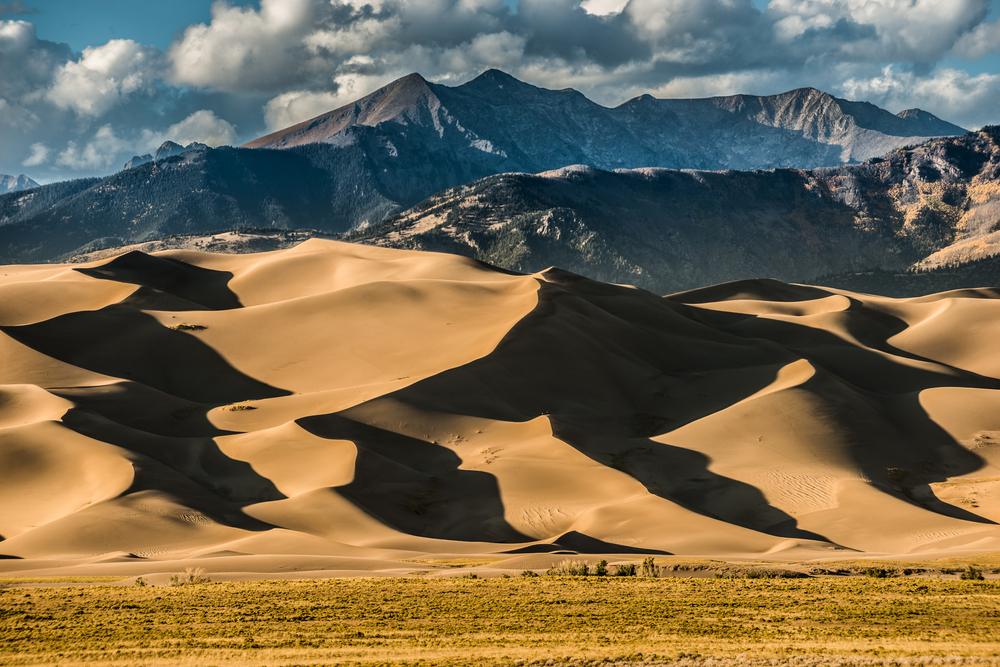
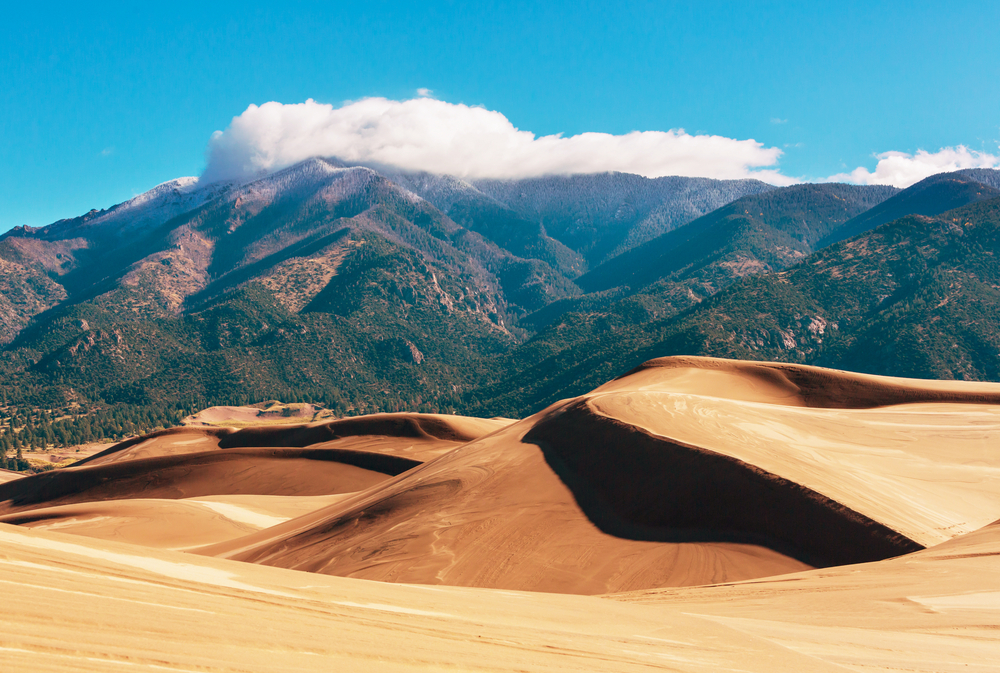
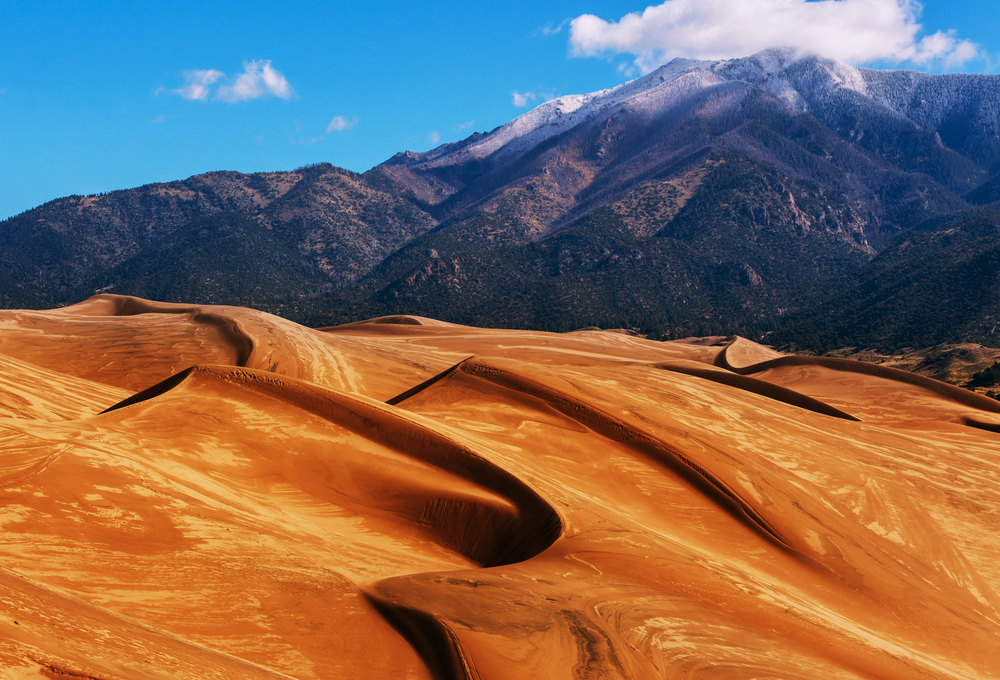
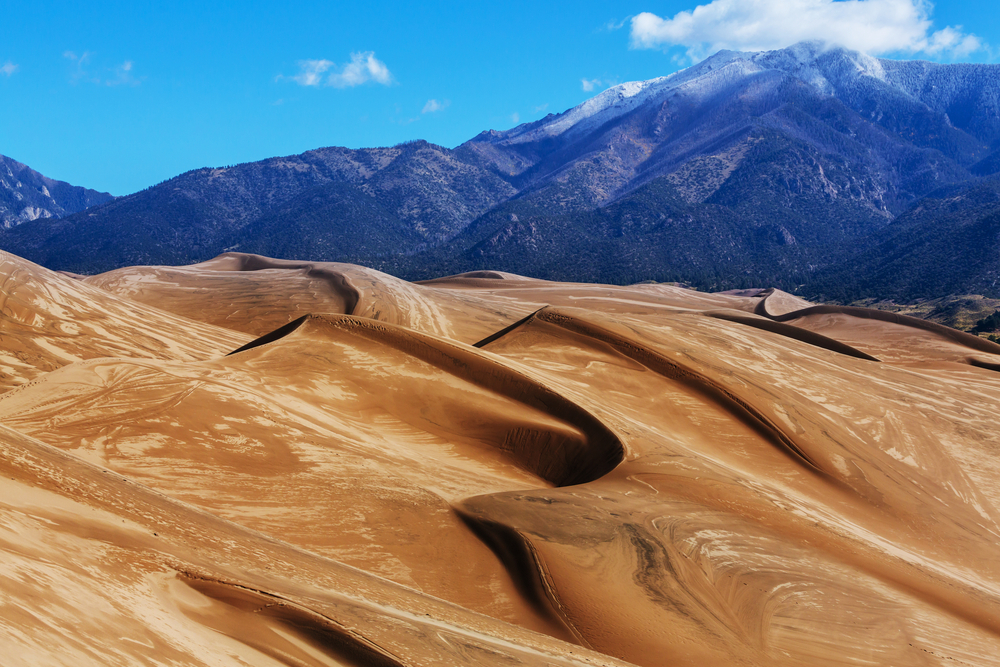
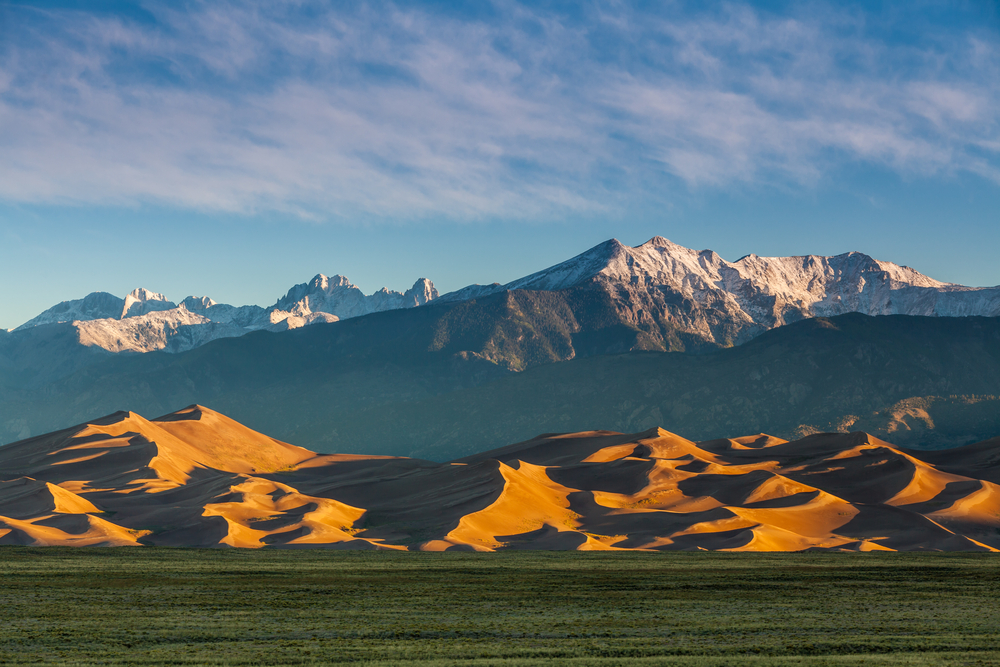
It lies east of the San Juan Mountains and at the base of the rugged Sangre de Cristo Mountains. Nearby protected areas include Rio Grande National Forest and Alamosa National Wildlife Refuge. The park preserves one of the most unusual landscapes in North America, where massive sand dunes rise dramatically against a backdrop of snow-capped mountains and expansive desert valleys.
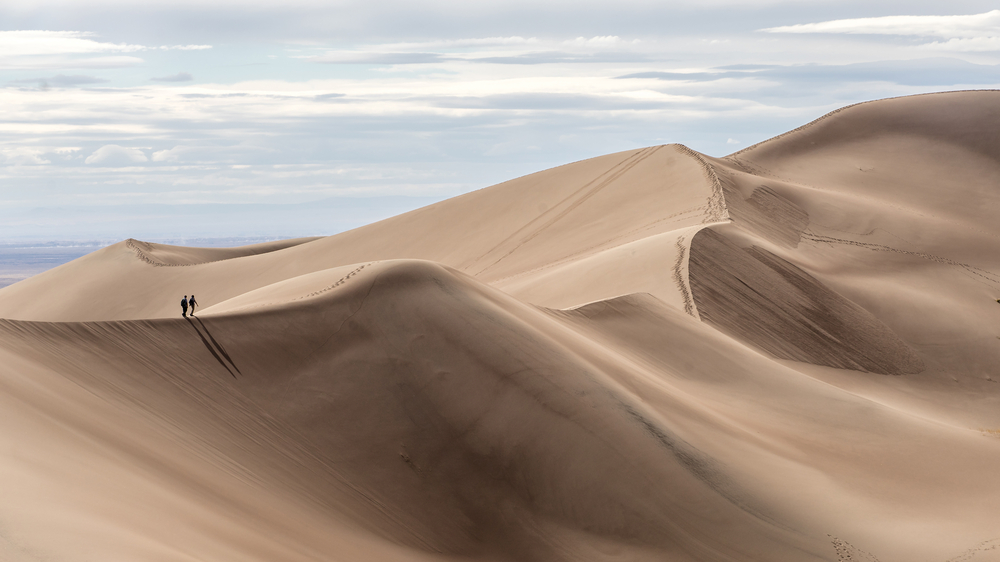
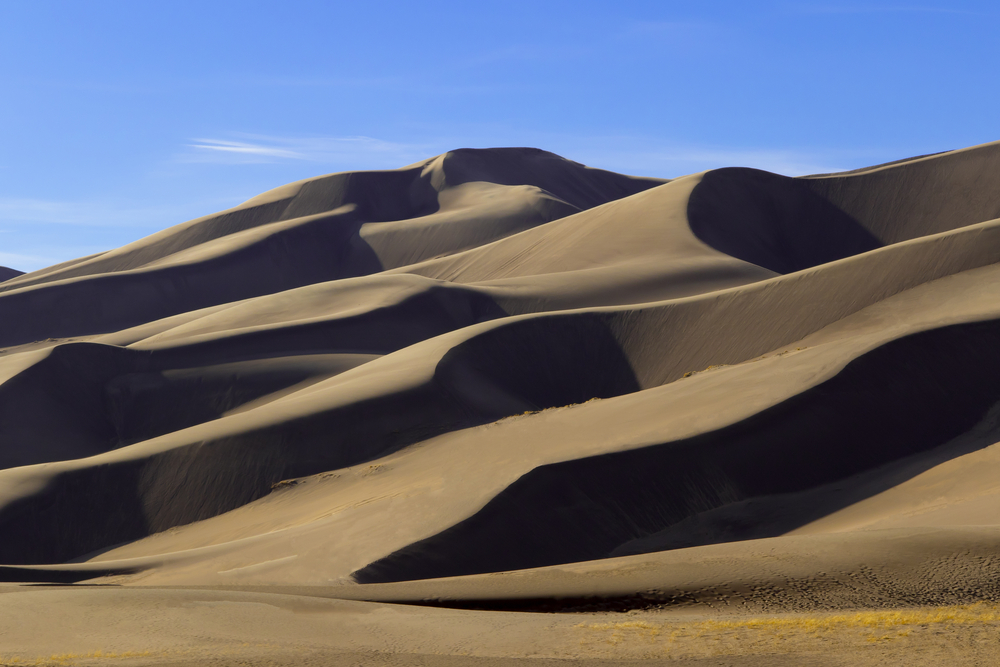
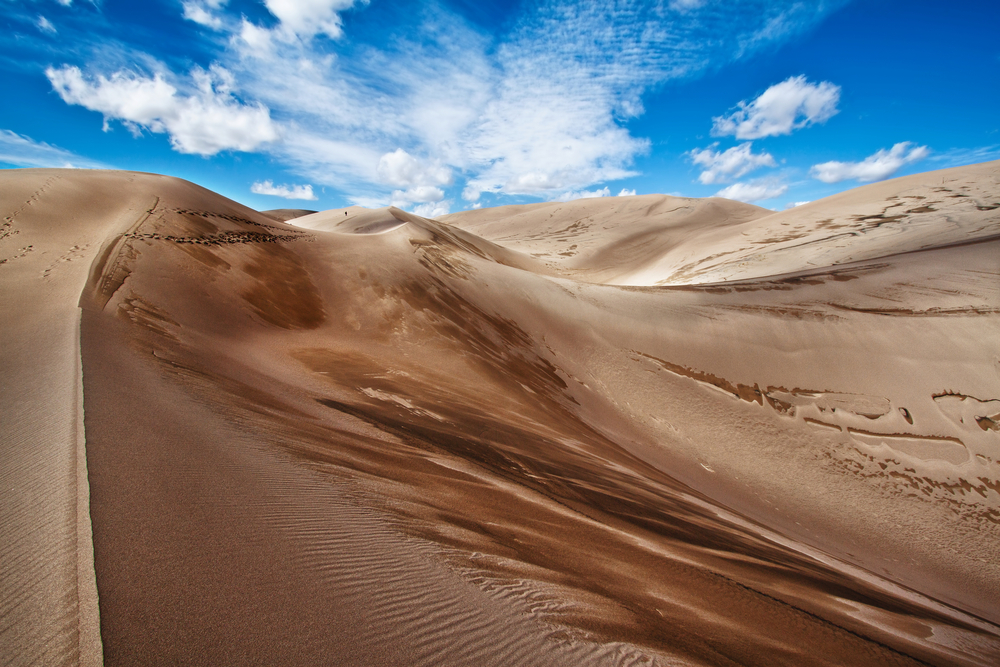
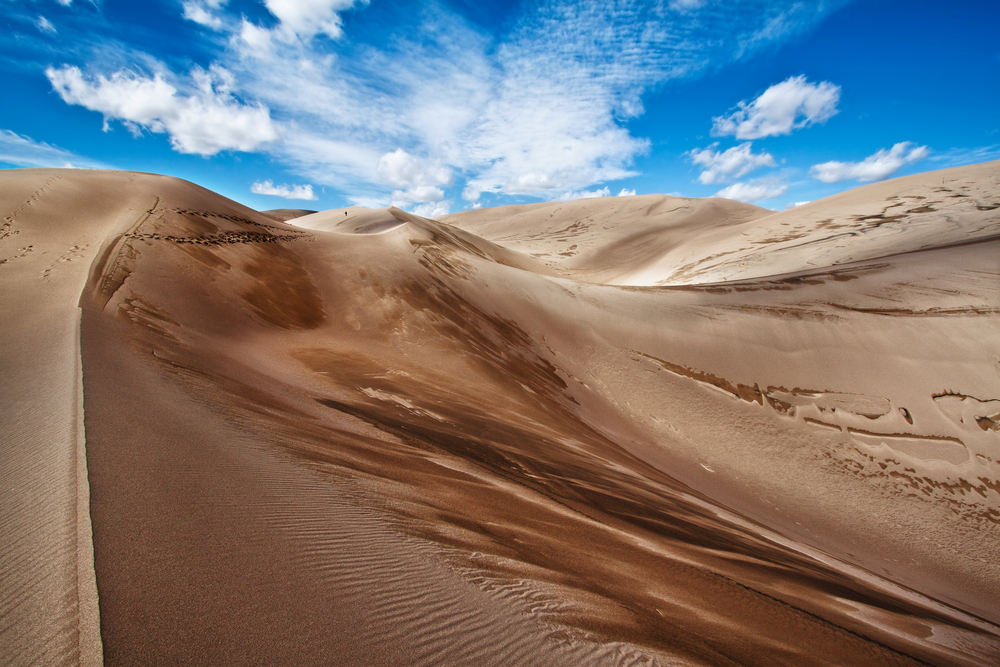
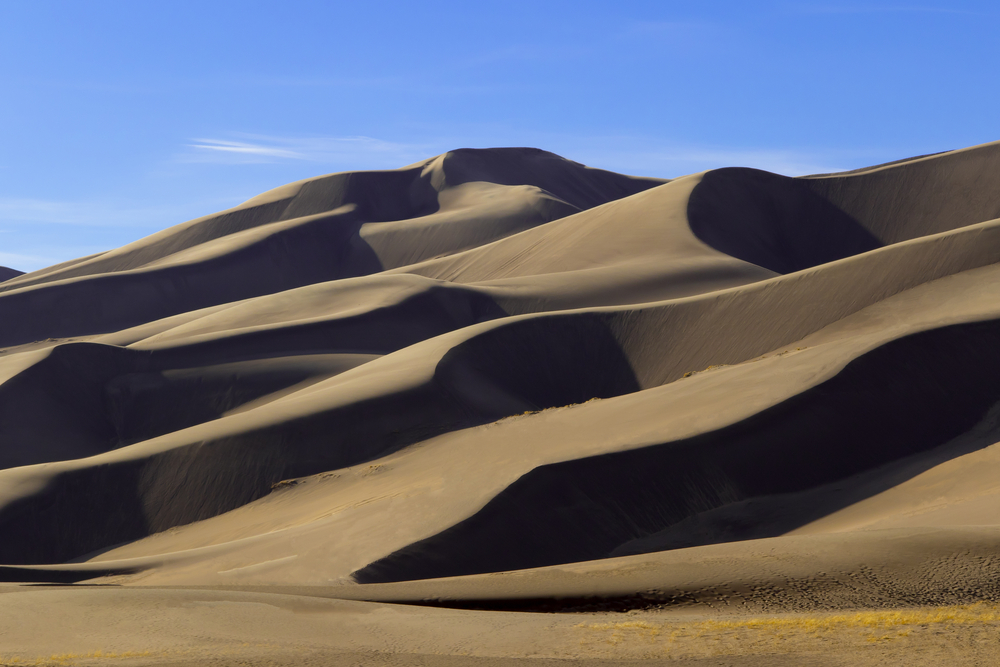
Great Sand Dunes National Park and Preserve is best known for its immense dune field, which contains dunes reaching heights of more than 750 feet (230 meters). Visitors are often amazed by the contrast between the towering dunes and the surrounding mountains. The park offers unique recreational opportunities including sandboarding, sand sledding, hiking, backpacking, stargazing, photography, and wildlife viewing.
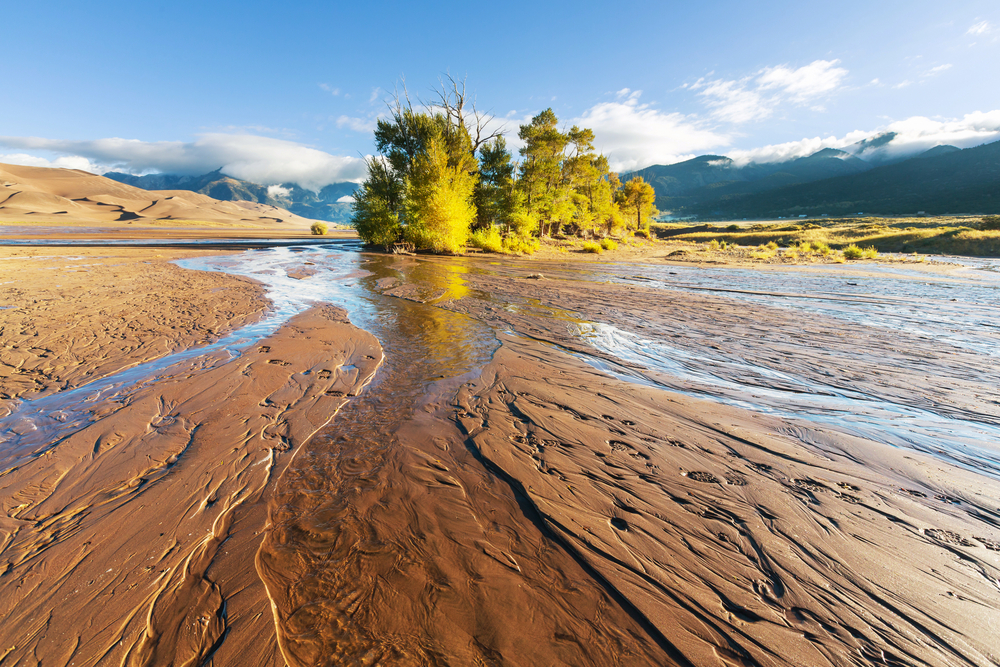
During late spring and early summer, Medano Creek flows seasonally along the base of the dunes, creating a natural beach environment that attracts families and outdoor enthusiasts. The combination of towering dunes, mountain scenery, and seasonal water features creates a visitor experience unlike any other national park in the United States.
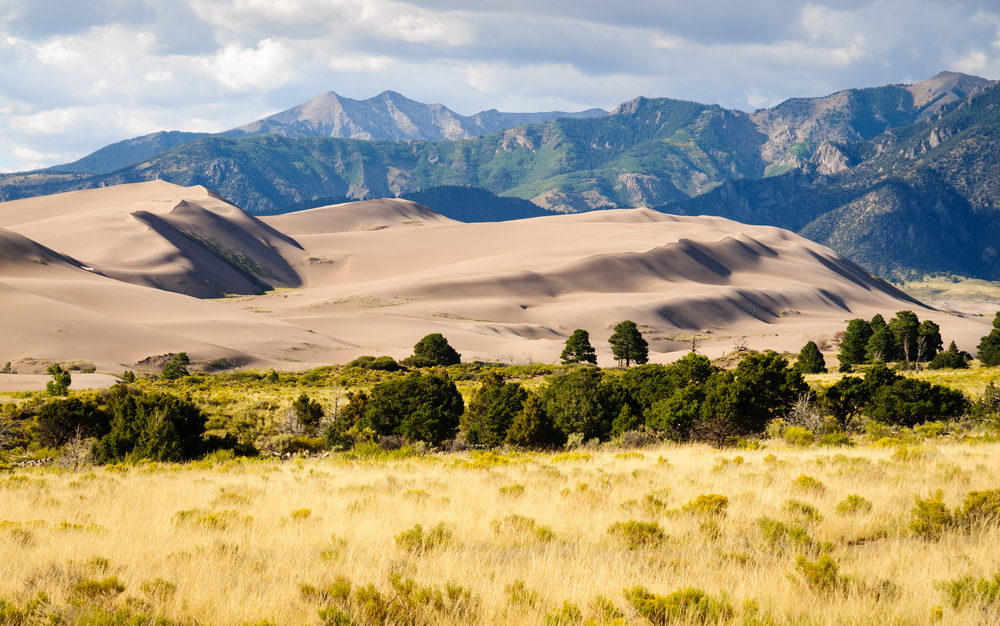
The geography of Great Sand Dunes National Park and Preserve is the result of thousands of years of geological and climatic processes. Winds blowing across the broad San Luis Valley gradually deposited sand against the Sangre de Cristo Mountains, forming the largest dune system in North America. The landscape includes active dunes, stabilized grass-covered dunes, wetlands, alpine lakes, forests, tundra, and mountain peaks rising above 13,000 feet (3,962 meters).
Elevations within the park range from approximately 7,500 feet (2,286 meters) on the valley floor to over 13,600 feet (4,145 meters) in the surrounding mountains. Vegetation varies dramatically across these elevations and includes cottonwood groves, grasslands, pinyon-juniper woodlands, spruce-fir forests, alpine meadows, and tundra communities.
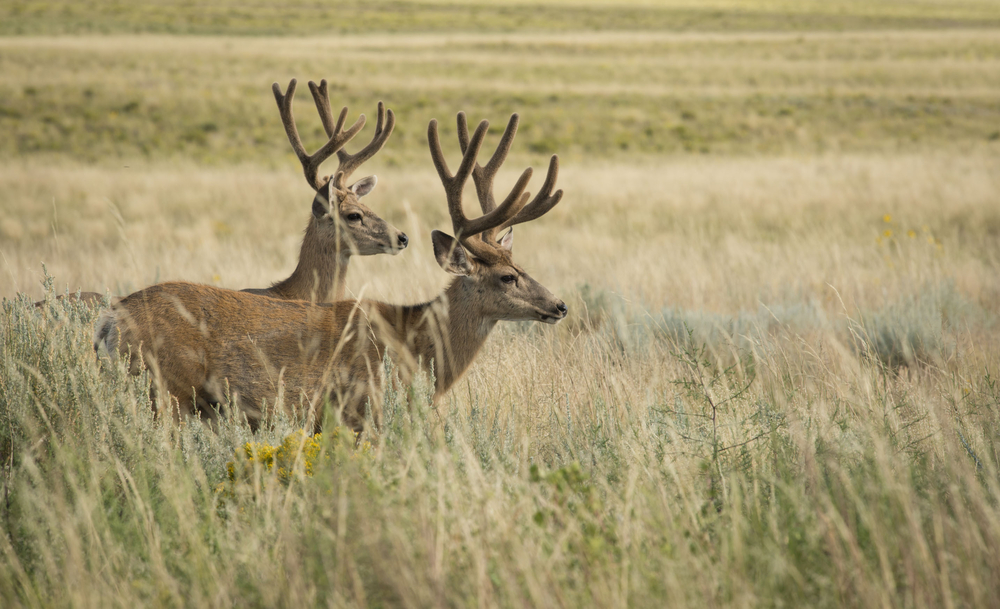
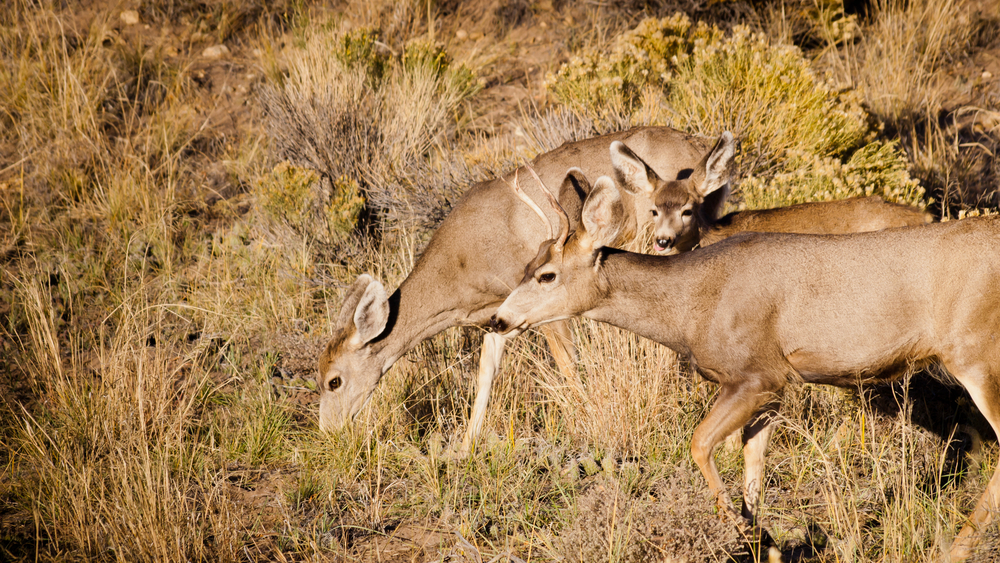
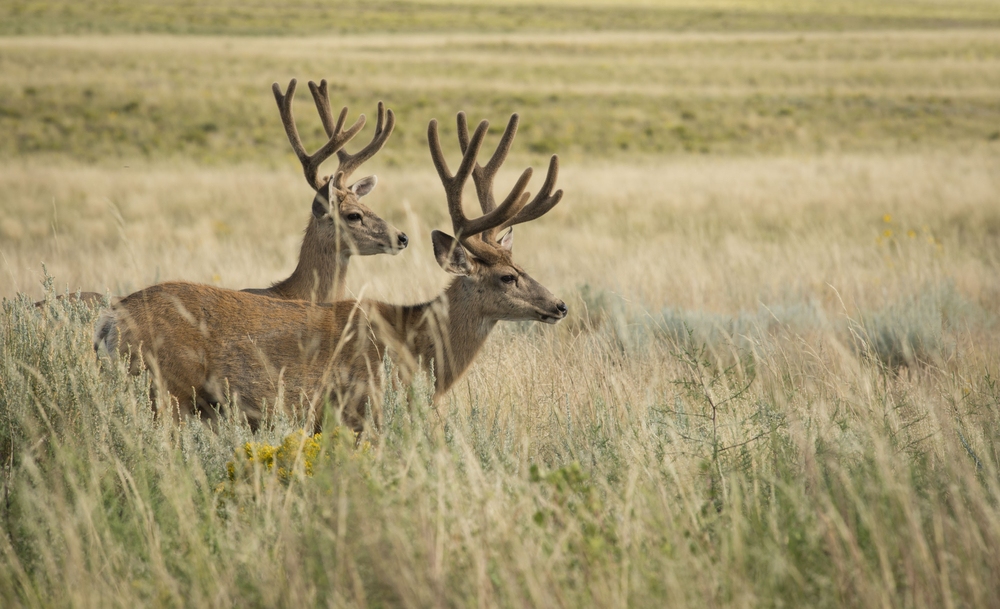
Wildlife within Great Sand Dunes National Park and Preserve reflects the diversity of habitats found across the landscape. Mammals include mule deer, elk, black bears, mountain lions, coyotes, bobcats, and pronghorn. More than 250 bird species have been recorded within the park, including golden eagles, peregrine falcons, sandhill cranes, mountain bluebirds, and numerous migratory waterfowl.
Wetlands and seasonal streams support amphibians and aquatic species, while the dunes themselves host specialized insects and other organisms adapted to the challenging sandy environment. The park’s broad range of ecosystems supports an impressive variety of plant and animal life rarely found within a single protected area.
Great Sand Dunes National Park and Preserve plays a critical role in protecting one of the world’s most extraordinary dune ecosystems. The park safeguards rare wetlands, mountain habitats, alpine environments, and the hydrological systems that sustain the dune field. Conservation efforts focus on preserving natural water flows, protecting wildlife habitats, and maintaining the integrity of this unique landscape.
Great Sand Dunes is often compared to White Sands National Park and Namib-Naukluft National Park because of its spectacular dune formations. Yet the combination of North America’s tallest dunes, alpine mountains, and diverse ecosystems makes it truly distinctive. Today, Great Sand Dunes National Park and Preserve stands as one of America’s most remarkable natural treasures, preserving a landscape where wind, water, sand, and mountains continue to shape an environment of extraordinary beauty.
Photos
Things to See
Things To Do
Engaging Great Sand Dunes
Great Sand Dunes National Park Trails
There are several trails in the park and hiking amongst the dunes is permissible. However, you are warned that temperatures can be excessive. Plan for drinking lots of water.

FAQ’s
What is Great Sand Dunes National Park known for?
Great Sand Dunes National Park and Preserve, located in southern Colorado, is renowned for its massive dunes, which are among the tallest in North America. The park features a diverse landscape that includes dunes, forests, wetlands, and alpine lakes, providing a unique ecosystem for a variety of wildlife. Here are some key features and activities that make Great Sand Dunes famous:
- Sand Dunes: The park’s most striking feature is its vast dune field, which covers about 30 square miles. The tallest dune, Star Dune, stands approximately 750 feet (229 meters) from base to crest, but the heights of the dunes are always changing due to the shifting sands.
- Diverse Ecosystems: Beyond the dunes, the park encompasses tundra, forests, wetlands, and grasslands, offering habitats for diverse flora and fauna. This variety of ecosystems makes it a fantastic place for nature observation and photography.
- Recreational Activities: Visitors can enjoy a wide range of activities, including sandboarding and sand sledding on the dunes, hiking, camping, and stargazing. The park’s remote location and minimal light pollution make it an ideal spot for viewing the night sky.
- Cultural History: The area has a rich cultural history, with evidence of human habitation dating back over 11,000 years. It has been used by Native American tribes, early explorers, and settlers, each leaving their mark on the landscape.
- Medano Creek: This seasonal stream at the base of the dunes is a popular spot in late spring and early summer. Visitors enjoy wading, tubing, and experiencing the unique “surge flow” phenomenon, where waves form in the creek due to sand and water interactions.
Great Sand Dunes National Park and Preserve provides a distinctive and awe-inspiring landscape that attracts visitors from around the world, offering them the chance to explore its natural beauty, engage in outdoor adventures, and learn about the area’s ecological and cultural significance.
What is the main reason people visit Great Sand Dunes National Park?
Great Sand Dunes National Park is primarily visited for its towering sand dunes, dramatic mountain backdrop, unique landscapes, and outdoor recreation opportunities. Located in southern Colorado, the park protects the tallest sand dunes in North America, with some rising more than 750 feet (229 meters) above the surrounding valley floor.
Visitors come to hike and sandboard on the dunes, splash in seasonal Medano Creek, explore alpine and forest habitats, photograph spectacular scenery, and experience one of the most unusual landscapes in the United States.
What animals can visitors hope to see in Great Sand Dunes National Park?
Great Sand Dunes National Park supports approximately 75 mammal species and more than 20 reptile species. The park’s habitats range from high alpine tundra and forests to wetlands, grasslands, and dune ecosystems.
Some of the most notable animals found in Great Sand Dunes National Park include:
- Elk
- Mule Deer
- Pronghorn
- Black Bear
- Mountain Lion
- Bobcat
- Coyote
- Red Fox
- Gray Fox
- American Badger
- Raccoon
- Striped Skunk
- Long-tailed Weasel
- Short-tailed Weasel
- River Otter
- American Beaver
- Muskrat
- Porcupine
- Desert Cottontail
- Black-tailed Jackrabbit
- Snowshoe Hare
- Yellow-bellied Marmot
- Golden-mantled Ground Squirrel
- Thirteen-lined Ground Squirrel
- Rock Squirrel
- Cliff Chipmunk
- Least Chipmunk
- Deer Mouse
- Canyon Mouse
- Pocket Mouse
- Kangaroo Rat
- Pocket Gopher
- Meadow Vole
- Montane Vole
- Harvest Mouse
- Northern Flying Squirrel
- Big Brown Bat
- Hoary Bat
- Pallid Bat
- Townsend’s Big-eared Bat
- Mexican Free-tailed Bat
- Silver-haired Bat
- Little Brown Bat
- Long-legged Myotis
- Fringed Myotis
- Yuma Myotis
- California Myotis
- Desert Shrew
- Vagrant Shrew
- Various Rodent Species
What birds can visitors hope to see in Great Sand Dunes National Park?
Great Sand Dunes National Park is home to more than 250 bird species. The park’s diverse habitats support an impressive variety of resident and migratory birds.
Some of the most popular birds seen in Great Sand Dunes National Park include:
- Golden Eagle
- Bald Eagle
- Peregrine Falcon
- Prairie Falcon
- Red-tailed Hawk
- Ferruginous Hawk
- Swainson’s Hawk
- Cooper’s Hawk
- American Kestrel
- Turkey Vulture
- Great Horned Owl
- Northern Pygmy Owl
- Burrowing Owl
- Common Raven
- Clark’s Nutcracker
- Pinyon Jay
- Steller’s Jay
- Black-billed Magpie
- Mountain Bluebird
- Western Bluebird
- Horned Lark
- Canyon Wren
- Rock Wren
- House Wren
- Bewick’s Wren
- Mountain Chickadee
- Juniper Titmouse
- White-breasted Nuthatch
- Red-breasted Nuthatch
- Brown Creeper
- Black-throated Sparrow
- Brewer’s Sparrow
- Chipping Sparrow
- White-crowned Sparrow
- Dark-eyed Junco
- Green-tailed Towhee
- Western Meadowlark
- Say’s Phoebe
- Ash-throated Flycatcher
- Western Kingbird
- Violet-green Swallow
- Cliff Swallow
- Barn Swallow
- White-throated Swift
- Broad-tailed Hummingbird
- Rufous Hummingbird
- Northern Flicker
- Lewis’s Woodpecker
- Hairy Woodpecker
- Western Tanager
Is Great Sand Dunes National Park worth visiting?
Yes, Great Sand Dunes National Park is absolutely worth visiting and offers one of the most unique landscapes in North America.
The combination of massive sand dunes, snow-capped mountains, wetlands, forests, and seasonal streams creates a setting unlike any other national park. Visitors can hike directly on the dunes, try sandboarding or sand sledding, explore mountain trails, and enjoy exceptional night skies. Many travelers consider it one of the most underrated national parks in the United States.
The main hesitation is that summer sand temperatures can become extremely hot during the middle of the day.
What is the best time to visit Great Sand Dunes National Park?
The best time to visit Great Sand Dunes National Park is from May through October.
Typical conditions include:
- May: 40–75°F (4–24°C)
- June: 50–85°F (10–29°C)
- July–August: 55–85°F (13–29°C)
- September–October: 35–75°F (2–24°C)
During this period:
- Medano Creek often flows in late spring and early summer.
- Sandboarding conditions are excellent.
- Most roads and trails are accessible.
- Wildlife activity is high.
Late spring is especially popular because of the seasonal creek flow.
How many days do you need to visit Great Sand Dunes National Park?
Most visitors should plan for 1 to 2 days.
- Half day: Dune exploration and visitor center.
- 1 day: Hiking, sandboarding, and Medano Creek.
- 2 days: Dunes plus mountain trails and wildlife viewing.
- 3+ days: Backcountry hiking and camping.
The park can be enjoyed in a short visit but rewards those who spend additional time exploring its diverse ecosystems.
How do you get to Great Sand Dunes National Park?
Great Sand Dunes National Park is located in southern Colorado near Alamosa.
Most visitors:
- Fly into Denver, Colorado Springs, or Alamosa.
- Drive to the San Luis Valley.
- Enter the park via Colorado Highway 150.
The park is approximately 35 miles (56 km) northeast of Alamosa.
Who is involved in protecting and supporting Great Sand Dunes National Park?
Several organizations help protect and support Great Sand Dunes National Park:
- National Park Service – manages Great Sand Dunes National Park.
- Great Sand Dunes National Park and Preserve Friends Group – supports education, stewardship, and conservation efforts.
- National Park Foundation – supports projects throughout the National Park System.
- Colorado Open Lands – supports regional land and habitat conservation.
- The Ute People and other Indigenous communities maintain longstanding cultural connections to the San Luis Valley.
How tall are the sand dunes in Great Sand Dunes National Park?
The tallest dunes in the park rise approximately 750 feet (229 meters) above the valley floor, making them the tallest sand dunes in North America.
Sources
- Alamosa, The Great Sand Dunes National Park, https://www.alamosa.org/things-to-do-in-alamosa/alamosa-scenic-wonders/387-the-great-sand-dunes-national-park-preserve, retrieved June 2020.
- All Trails, Best Trails in Great Sand Dunes National Park and Preserve, https://www.alltrails.com/parks/us/colorado/great-sand-dunes-national-park-and-preserve, retrieved June 2020.
- Britannica, Great Sand Dunes National Park, https://www.britannica.com/place/Great-Sand-Dunes-National-Park-and-Preserve, retrieved June 2020.
- Colorado, National Park Profile: Great Sand Dunes National Park & Preserve, https://www.colorado.com/articles/national-park-profile-great-sand-dunes-national-park-preserve, retrieved June 2020.
- My Colorado, 10 Things to Do in Great Sand Dunes National Park, https://www.mycoloradoparks.com/things-to-do/things-to-do-great-sand-dunes, Retrieved June 2020.
- National Geographic, Complete National Parks of the United States, National Geographic Publishing, Washington DC.
- National Geographic, Guide to the National Parks of the United States, National Geographic Society, 2003.
- National Geographic, National Parks of North America, Canada-United States-Mexico, National Geographic Society, 1995.
- National Park Service, Great Sand Dunes, https://www.nps.gov/grsa/index.htm, retrieved June 2020.
- UNESCO, White Sands National Monument, https://whc.unesco.org/en/tentativelists/5254/, retrieved June 2020.
- Visit the USA, Great Sand Dunes National Park and Preserve, https://www.visittheusa.com/destination/great-sand-dunes-national-park-and-preserve, retrieved June 2020.