

About
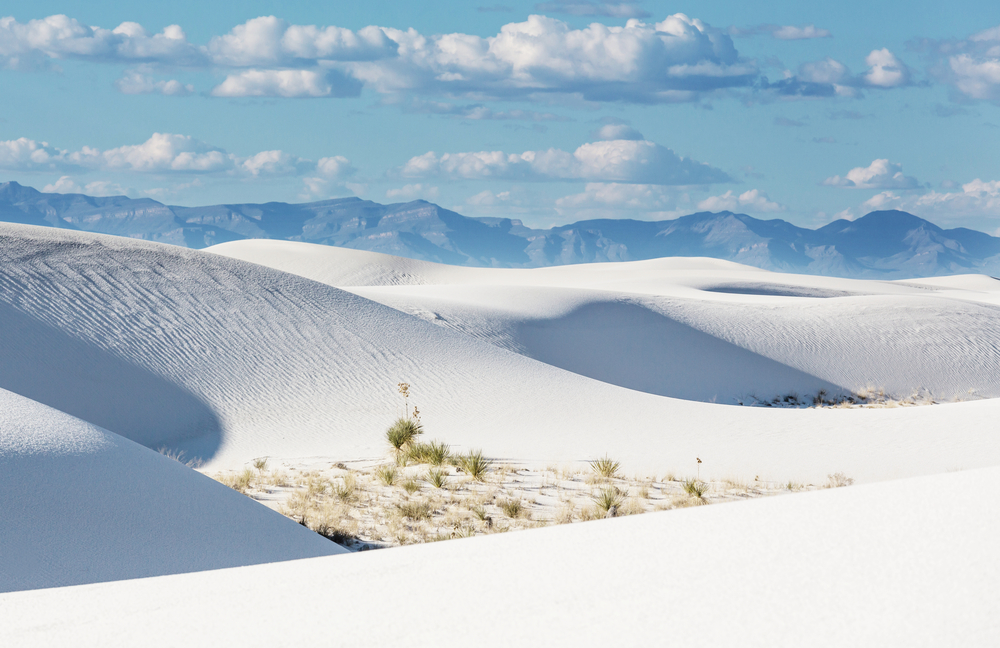
White Sands National Park is located in southern New Mexico in the United States and covers approximately 227 square miles (588 sq km). Established as a national park in 2019 after first being protected as a national monument in 1933, the park preserves the world’s largest gypsum dune field.
It lies within the northern portion of the Tularosa Basin, surrounded by the Sacramento Mountains to the east and the San Andres Mountains to the west. Nearby protected areas include White Sands Missile Range and the larger Chihuahuan Desert ecosystem that extends across portions of New Mexico, Texas, and Mexico. Few places on Earth offer a landscape as visually striking and unique as White Sands National Park.
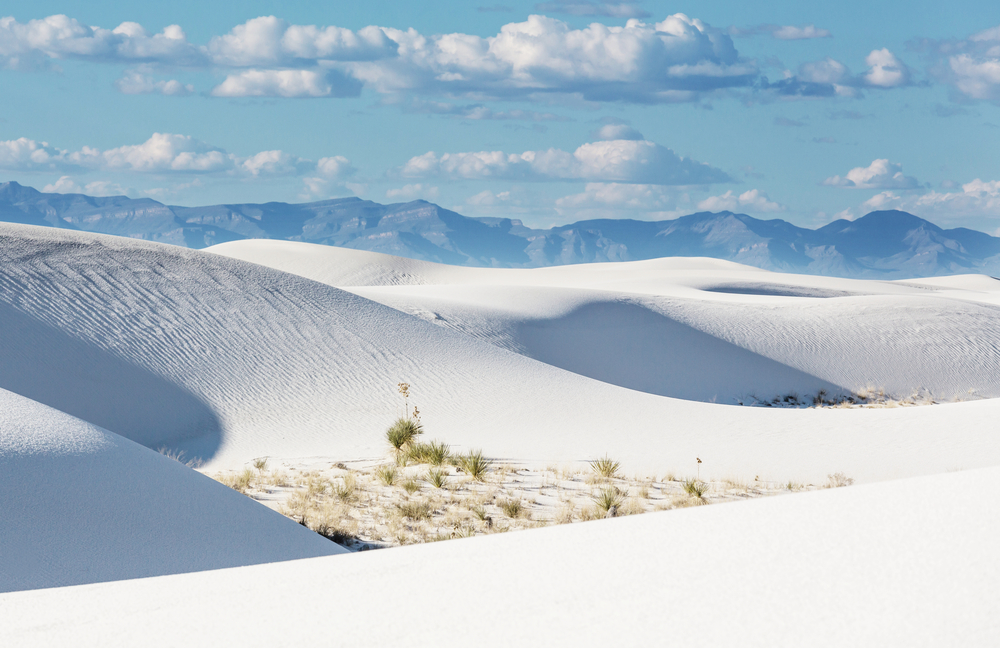
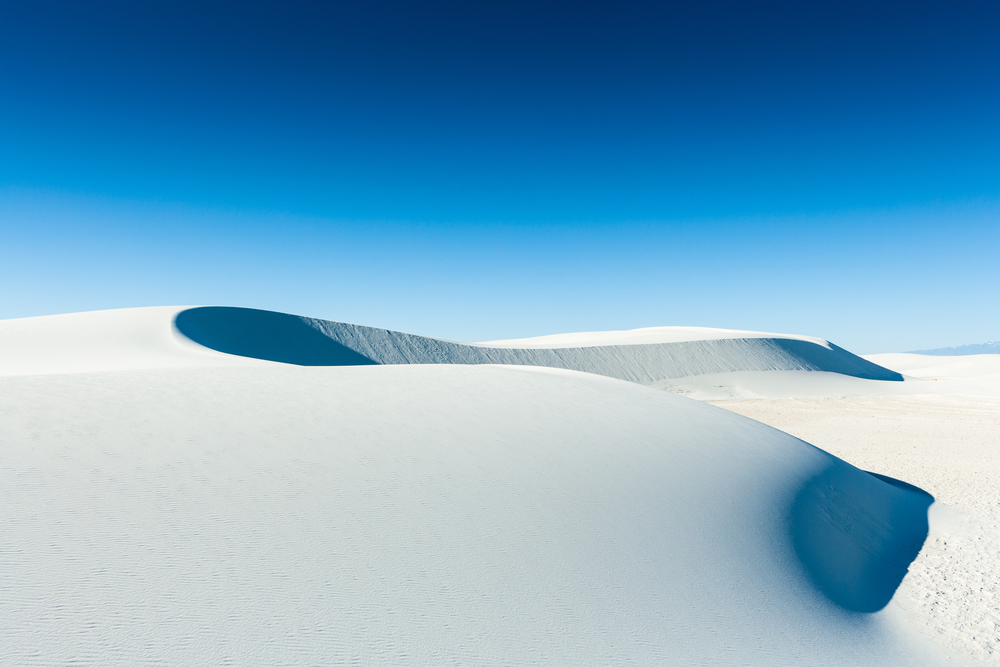
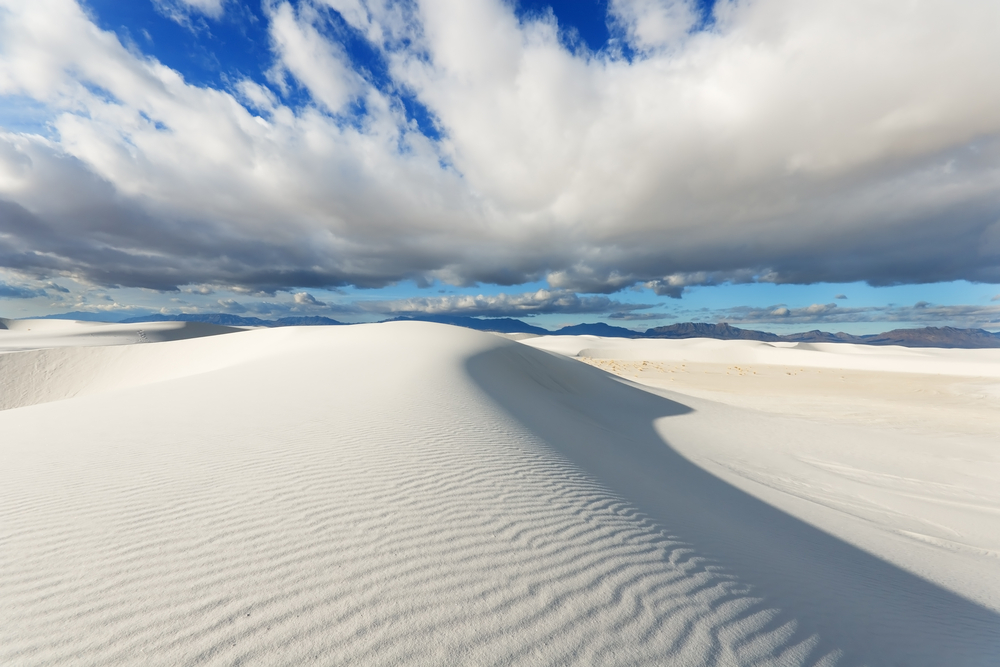
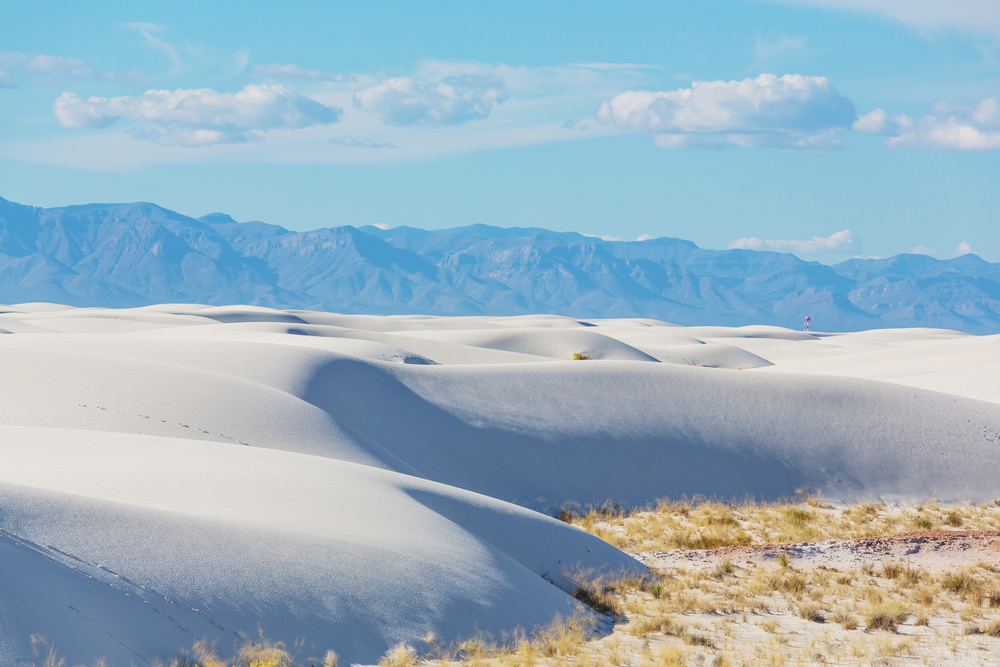
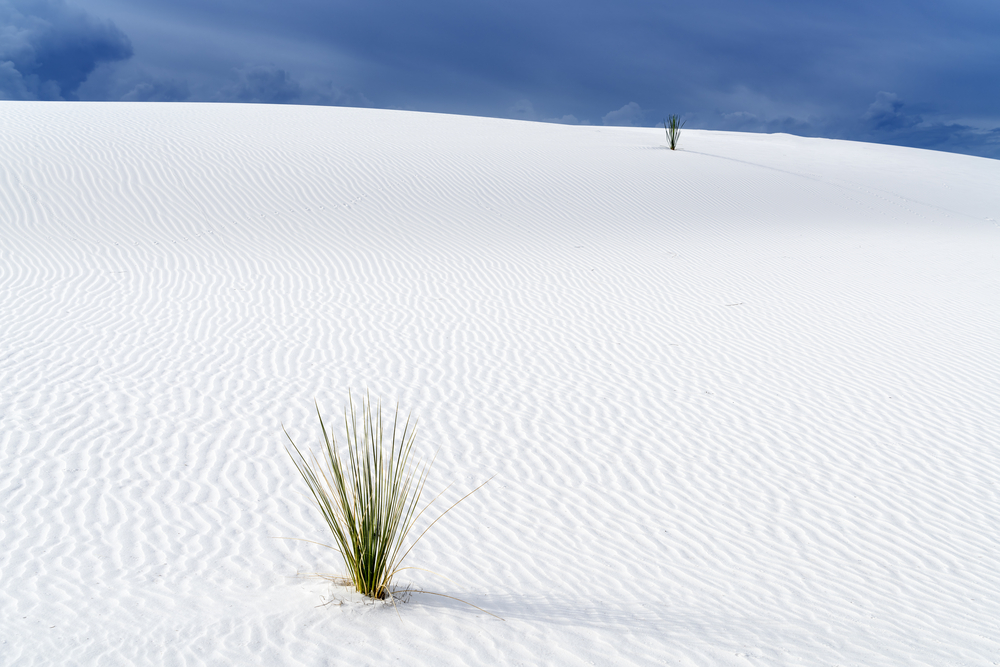
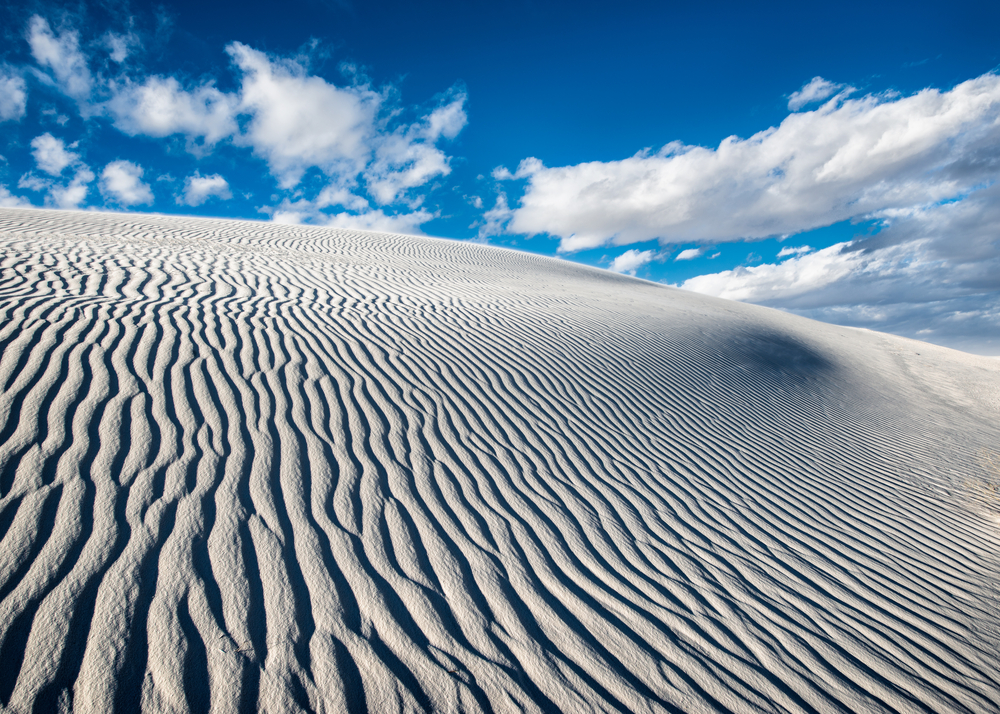
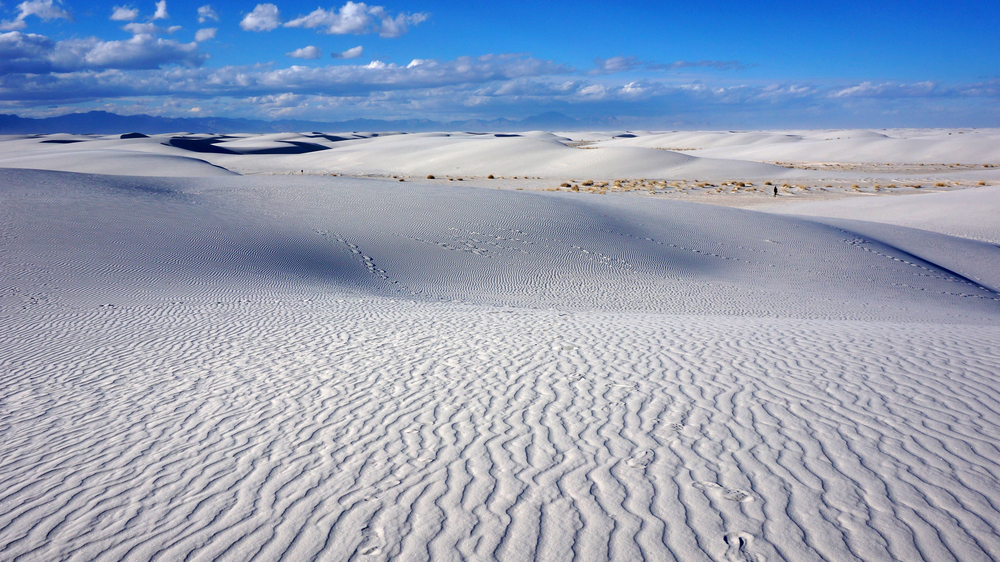
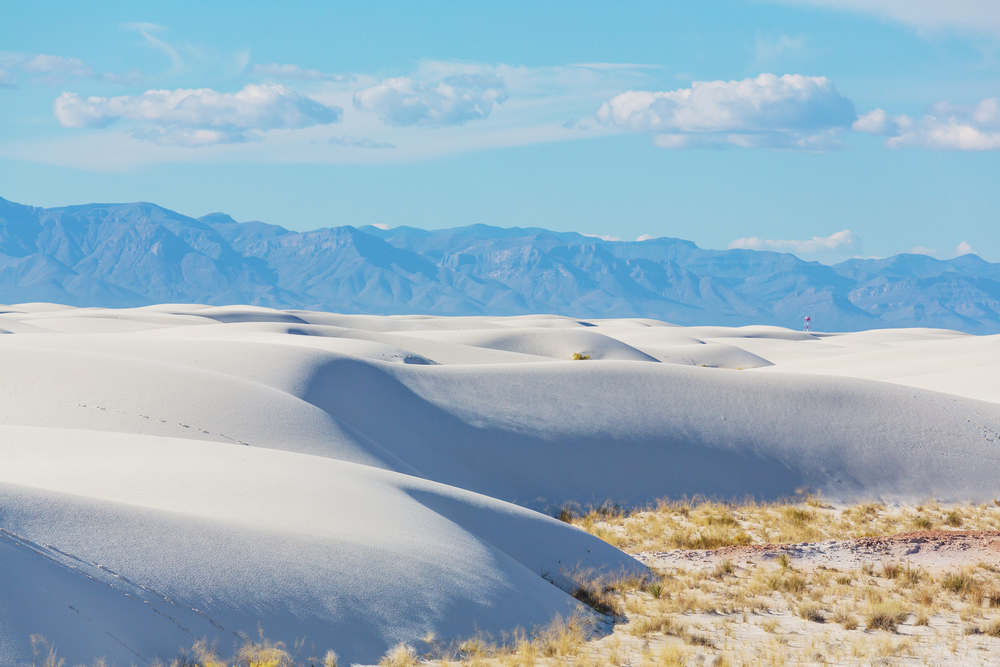
The park is best known for its brilliant white dunes that stretch across the horizon like a frozen sea of snow. Unlike most dunes formed from quartz sand, these dunes consist almost entirely of gypsum crystals. The result is a dazzling landscape that reflects sunlight and remains surprisingly cool underfoot.
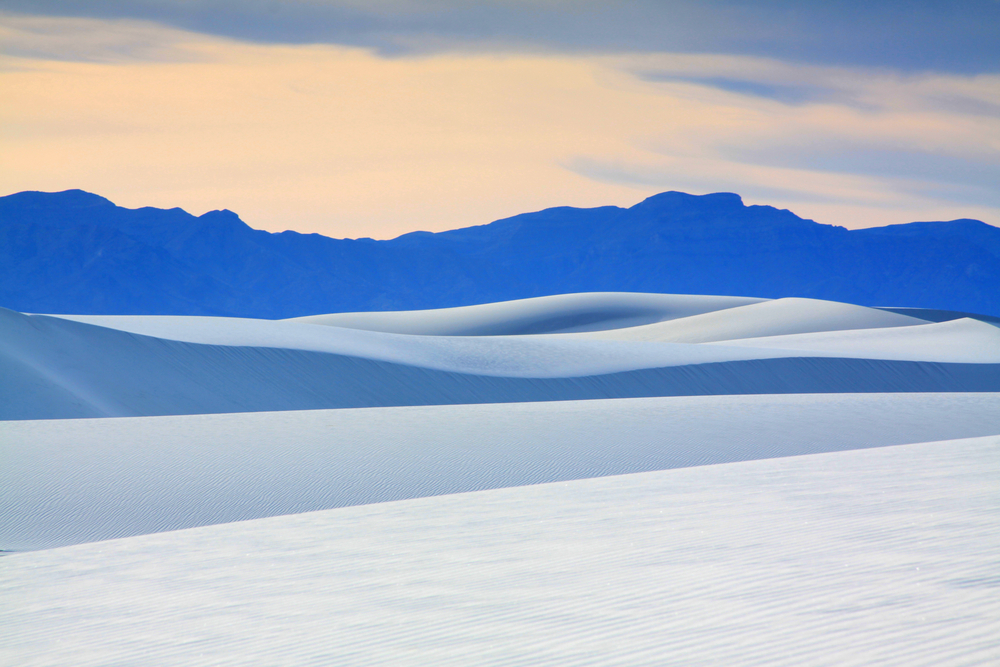
Visitors come to experience the surreal beauty of the dunes through hiking, photography, sand sledding, camping, and ranger-led programs. Sunrise and sunset are especially popular times to visit, as shifting light transforms the dunes into waves of gold, pink, and silver. The park offers one of the most distinctive visitor experiences in the National Park System.
The geography of White Sands National Park tells a fascinating geological story. Millions of years ago, an ancient inland sea covered the region. As the sea disappeared, thick gypsum deposits remained behind. Water flowing from nearby mountains dissolved the gypsum and carried it into the basin. Over time, evaporation left large crystal deposits that were broken apart by wind and weather.
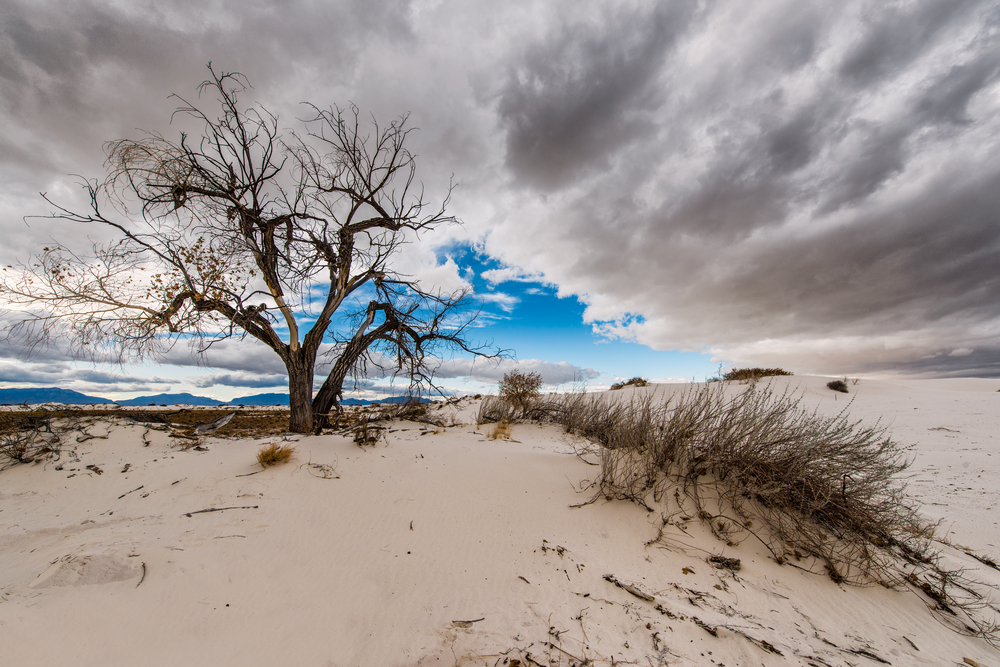
Strong desert winds continue to shape and move the dunes today. Some dunes rise more than sixty feet high and slowly migrate across the landscape. The park also contains interdunal flats, seasonal wetlands, and desert grasslands that add diversity to the environment. Vegetation includes yucca, skunkbush sumac, cottonwood trees, saltbush, and various desert grasses adapted to challenging conditions.
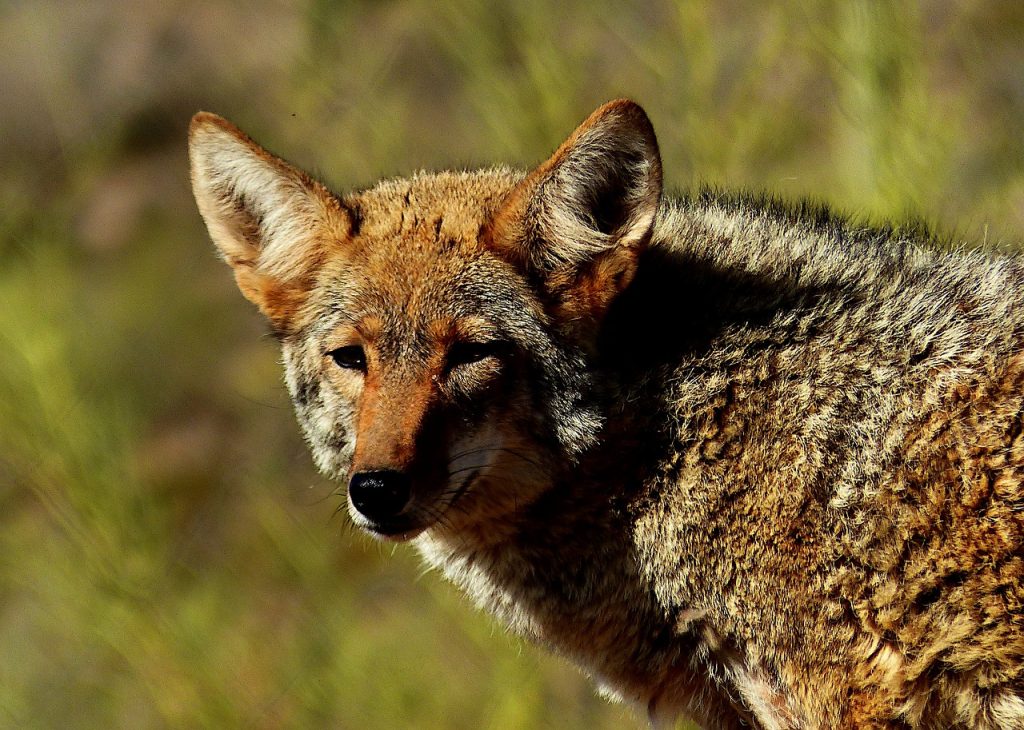
Wildlife thrives despite the harsh desert environment. More than 250 bird species have been recorded within the park. Roadrunners, ravens, hawks, and great horned owls are commonly seen. Mammals include coyotes, kit foxes, black-tailed jackrabbits, badgers, and mule deer. Reptiles such as whiptail lizards, rattlesnakes, and horned lizards inhabit the dunes and surrounding desert habitats.
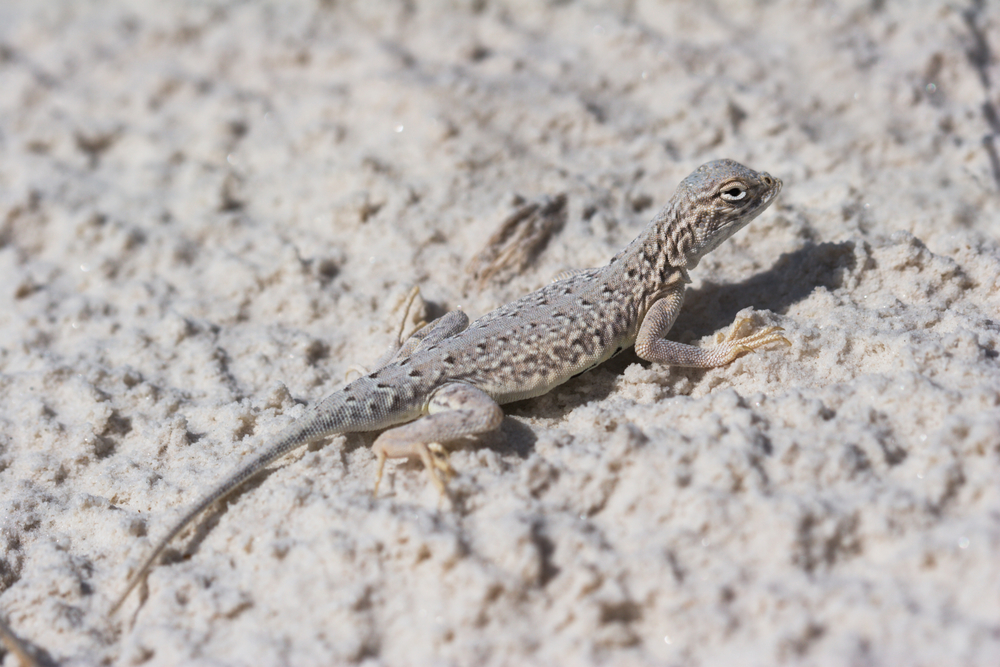
Many animals have developed specialized adaptations that help them survive extreme temperatures and limited water availability. Several species exhibit lighter coloration than their relatives elsewhere, allowing them to blend into the white gypsum environment.
White Sands National Park protects one of the world’s rarest geological landscapes and an ecosystem found nowhere else. Scientists continue to study its unique plants, animals, and shifting dune systems. The park also preserves important archaeological resources, including evidence of human presence dating back thousands of years. Recent discoveries of ancient human footprints have provided valuable insights into early life in North America.
White Sands is often compared to great desert parks such as Namib-Naukluft National Park and Lençóis Maranhenses National Park because of its extraordinary dune landscapes. Yet its vast gypsum dunes make it entirely unique. Today, White Sands National Park stands as one of America’s most remarkable natural treasures, preserving a landscape that appears almost otherworldly while revealing the power of geology, adaptation, and time.
Photos



Things to See
Things To Do
Engaging White Sands National Park



White Sands National Park Trails
White Sands National Park allows for exploration throughout the park. There is a boardwalk that allows easy access to experience the park. With any of the trails, it is recommended that you wear protective gear, sunscreen lotion, and take plenty of water. This is a desert and the temperatures can be quite hot. The springtime provides a great opportunity to see wildflowers amongst the vegetation surrounding the dunes.

FAQ’s
What is White Sands National Park known for?
White Sands National Park is renowned for its strikingly beautiful landscape of white gypsum sand dunes. Covering over 275 square miles (712 km²) of desert, it is the largest gypsum dune field in the world.
This unique feature forms the heart of the park’s attractions and activities, offering a surreal and otherworldly landscape that captivates visitors.
The gypsum that creates these dunes is a soft mineral that is rarely found in the form of sand because it is soluble in water. However, the unique set of circumstances in the Tularosa Basin traps the gypsum and creates the magnificent white dunes.
Unlike typical desert sand, the gypsum sand does not absorb the sun’s heat, so it remains cool to the touch, even in the heat of summer, making it comfortable for barefoot exploration.
White Sands National Park is known for more than just its beauty; it offers a variety of recreational activities. Visitors can enjoy sledding down the dunes, hiking, photography, picnicking, and star gazing under some of the clearest night skies in the United States.
The park also supports a diverse ecosystem of plants and animals adapted to this extreme environment, including species such as the bleached earless lizard, which are specially adapted to blend into the white sand.
Furthermore, the park has a rich history, from ancient cultures that left behind fossilized footprints to the testing of the first atomic bomb at the nearby Trinity Site. White Sands National Park offers a blend of natural wonder, recreational fun, and historical intrigue, making it a unique and captivating destination for visitors.
What is White Sands National Park known for?
White Sands National Park is renowned for its strikingly beautiful landscape of white gypsum sand dunes. Covering over 275 square miles (712 km²) of desert, it is the largest gypsum dune field in the world.
This unique feature forms the heart of the park’s attractions and activities, offering a surreal and otherworldly landscape that captivates visitors.
The gypsum that creates these dunes is a soft mineral that is rarely found in the form of sand because it is soluble in water. However, the unique set of circumstances in the Tularosa Basin traps the gypsum and creates the magnificent white dunes.
Unlike typical desert sand, the gypsum sand does not absorb the sun’s heat, so it remains cool to the touch, even in the heat of summer, making it comfortable for barefoot exploration.
White Sands National Park is known for more than just its beauty; it offers a variety of recreational activities. Visitors can enjoy sledding down the dunes, hiking, photography, picnicking, and star gazing under some of the clearest night skies in the United States.
The park also supports a diverse ecosystem of plants and animals adapted to this extreme environment, including species such as the bleached earless lizard, which are specially adapted to blend into the white sand.
Furthermore, the park has a rich history, from ancient cultures that left behind fossilized footprints to the testing of the first atomic bomb at the nearby Trinity Site. White Sands National Park offers a blend of natural wonder, recreational fun, and historical intrigue, making it a unique and captivating destination for visitors.
Sources
- All Trails, White Sands National Monument, https://www.alltrails.com/parks/us/new-mexico/white-sands-national-monument, retrieved December 2020.
- Britannica, White Sands National Monument, https://www.britannica.com/place/White-Sands-National-Monument, retrieved December 2019.
- National Park Foundation, White Sands National Monument, https://www.nationalparks.org/explore-parks/white-sands-national-monument, retrieved December 2019.
- National Park Service, White Sands National Monument, https://www.nps.gov/whsa/index.htm, retrieved December 2019.
- New Mexico, White Sands National Monument, https://www.newmexico.org/places-to-visit/regions/southeast/white-sands-national-monument/, retrieved December 2019.