About

Glacier Bay National Park is located in corner of southwestern Alaska. The park covers an area of 5,037 square miles (13,044 sq km). The majority of the park, 4,328 square miles (11,210 sq km) has been declared wilderness area

Although it is only accessible by plane or boat, it receives approximately 500,000 visitors annually giving testimony to the astounding wilderness landscapes and environmental solitudes it offers to those who venture into this pristine paradise.

Glacier Bay neighbors up to Wrangell-St. Elias National Park and Kluane National Park in Canada creating one of the most serene protected areas in North America.  It is the epitome of wilderness and is recognized as Biosphere Reserve and UNESCO World Heritage Site.

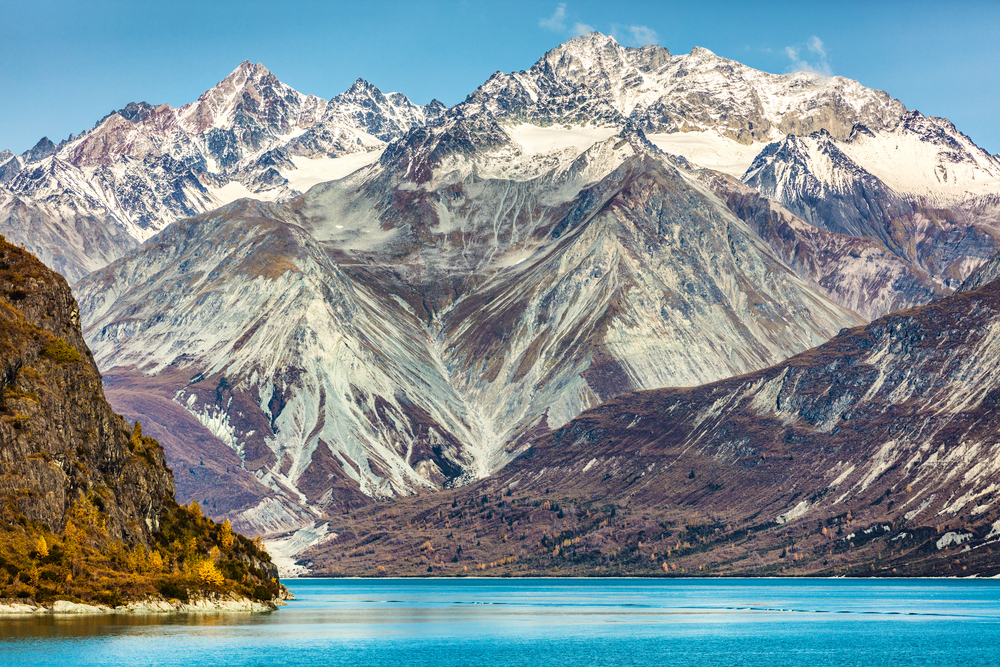
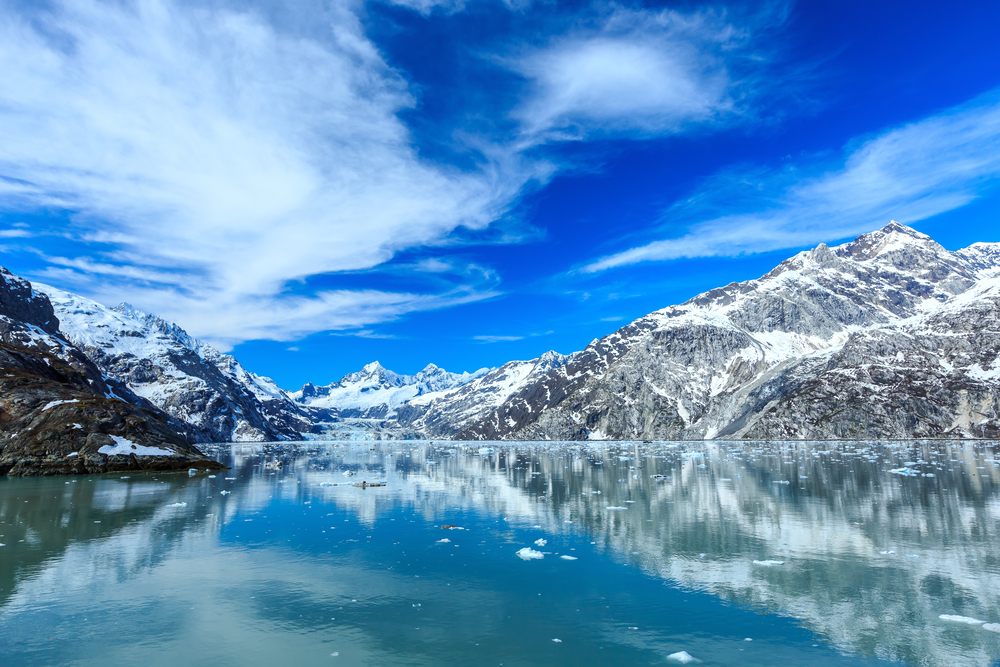
The park is renowned from stunning glaciers, towering mountains, rugged majestic coastlines, incredible rainforests, and striking fjords.  Wildlife from both the sea and on land enhance this wilderness experience.

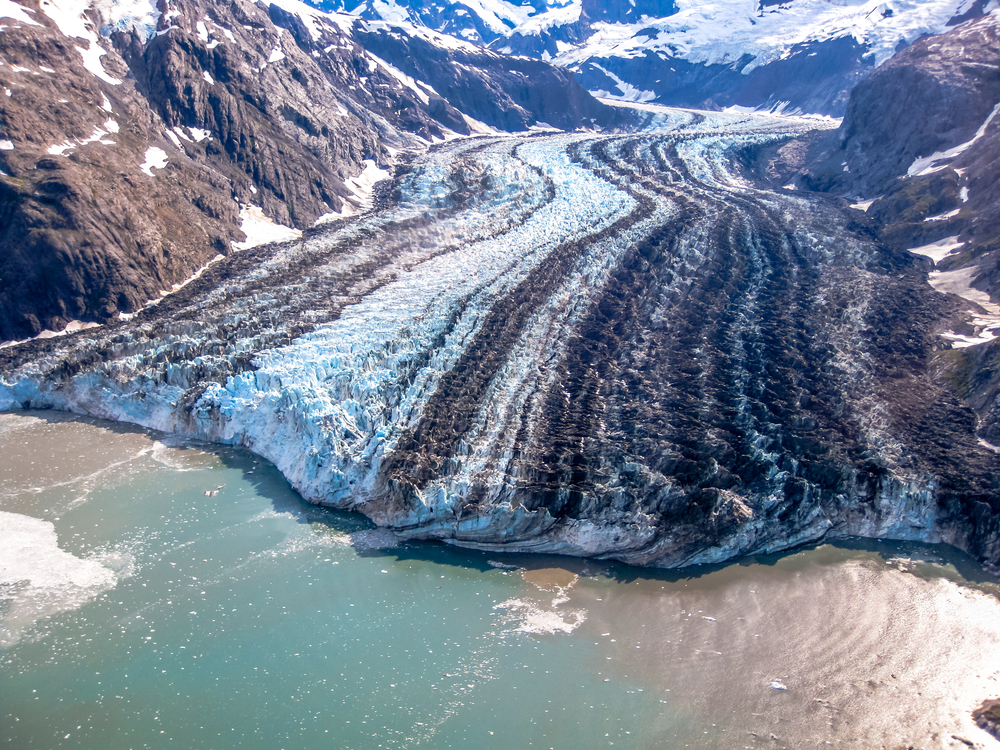
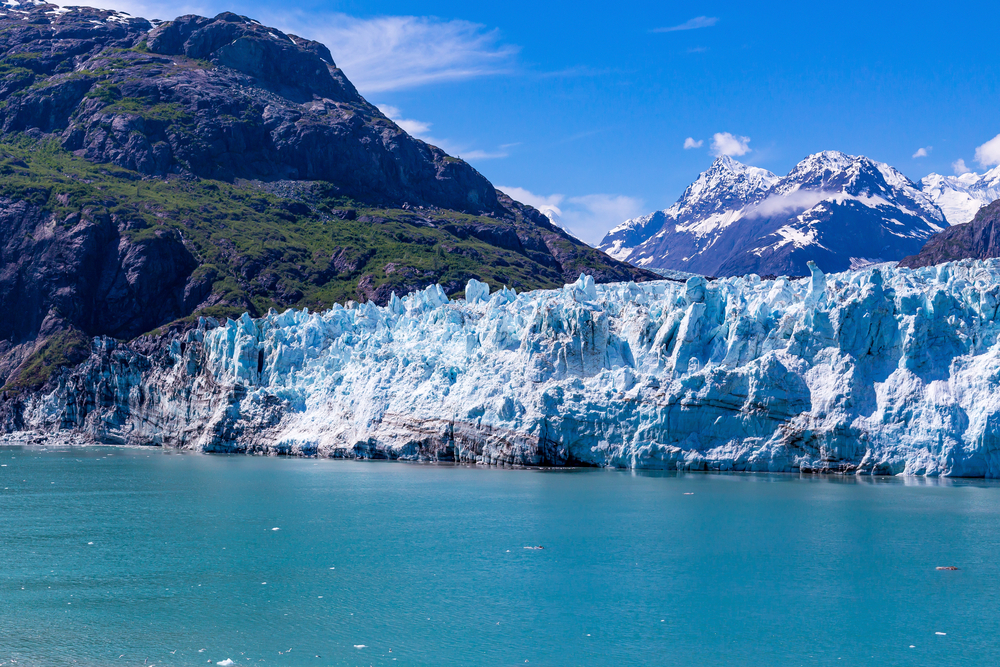
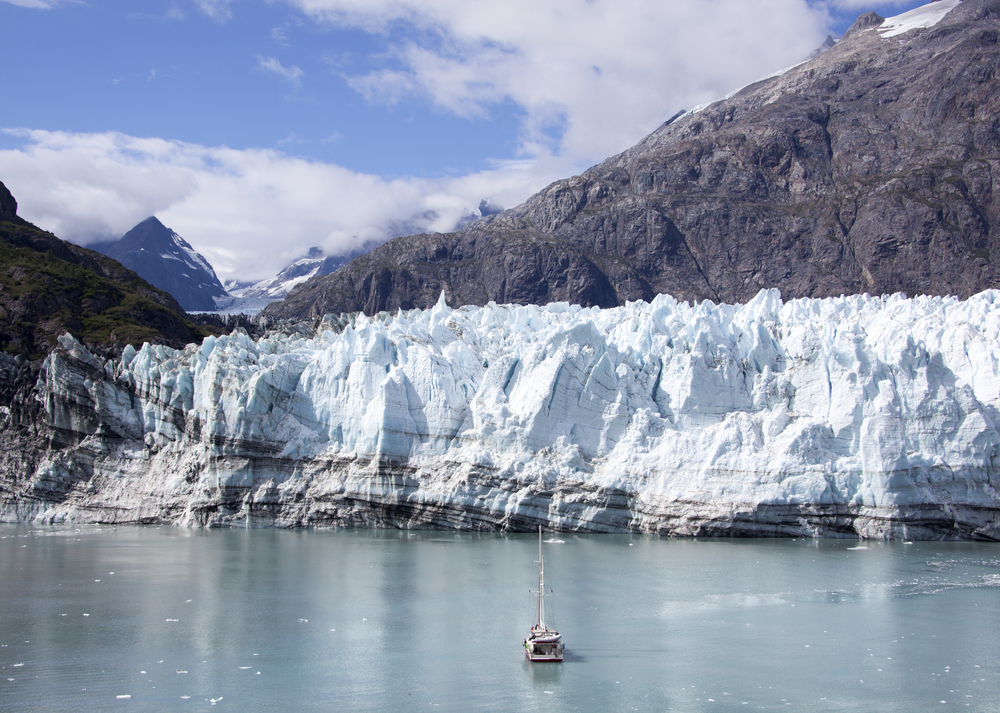
Four separate mountain rangers traverse the park and serve as the foundation for over 100 glaciers.  Glaciers and their subsequent landscapes are the pinnacle attraction of the park.  Four of the glaciers are actively calving and delivering icebergs into the bay.  There are seven tidewater glaciers which include:

  • Gilman Glacier
  • Grand Pacific Glacier
  • Johns Hopkins Glacier
  • Lamplugh Glacier
  • LaPerouse Glacier
  • Margerie Glacier
  • McBride Glacier

High tide-water glaciers include:

  • Lituya Glacier
  • North Crillon Glacier
  • Reid Glacier
  • Riggs Glacier

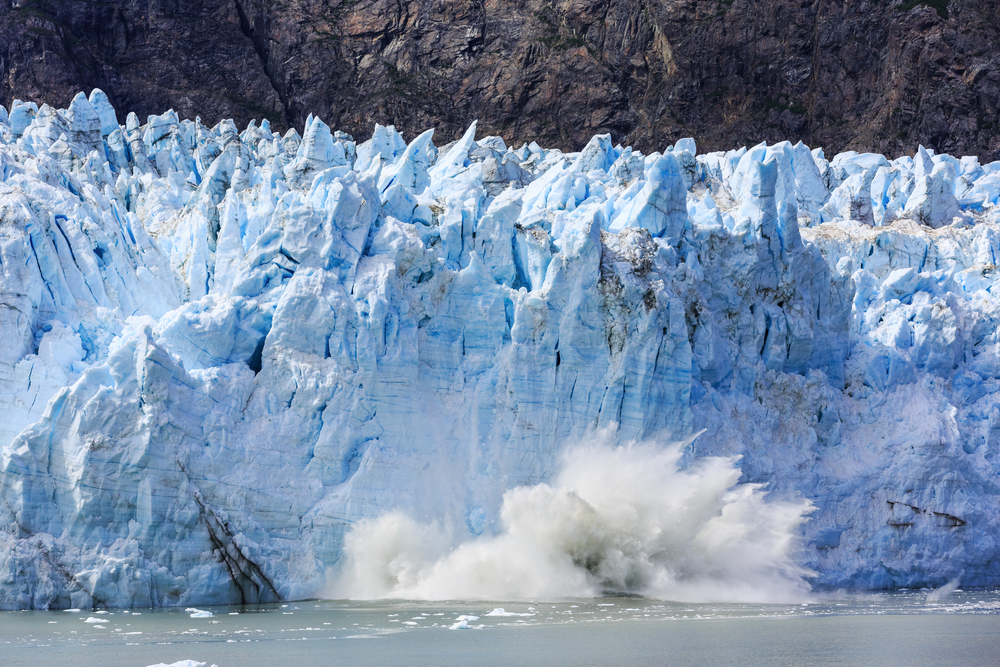
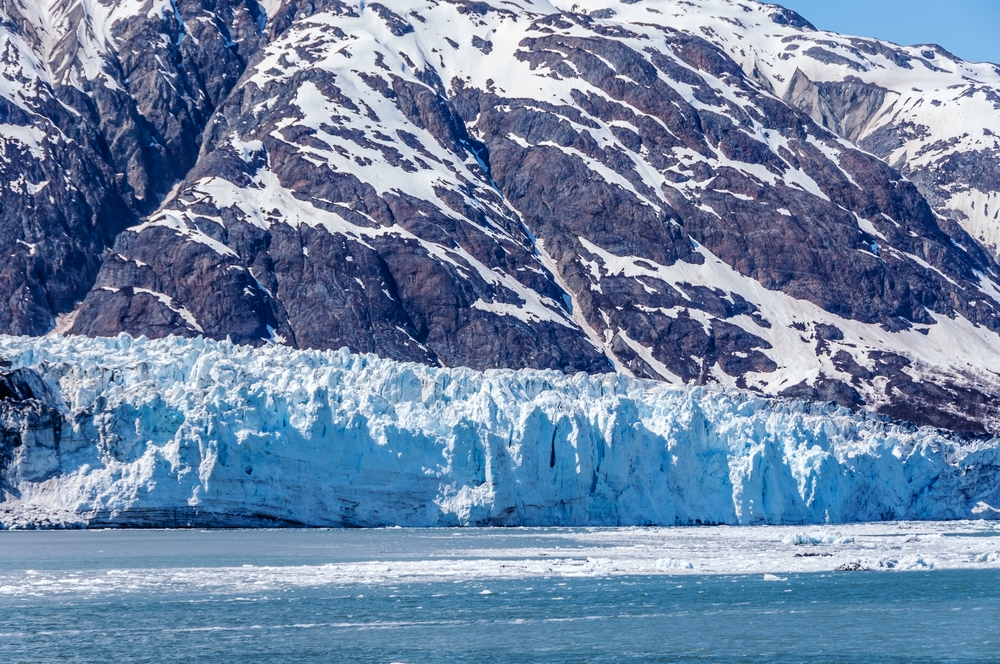
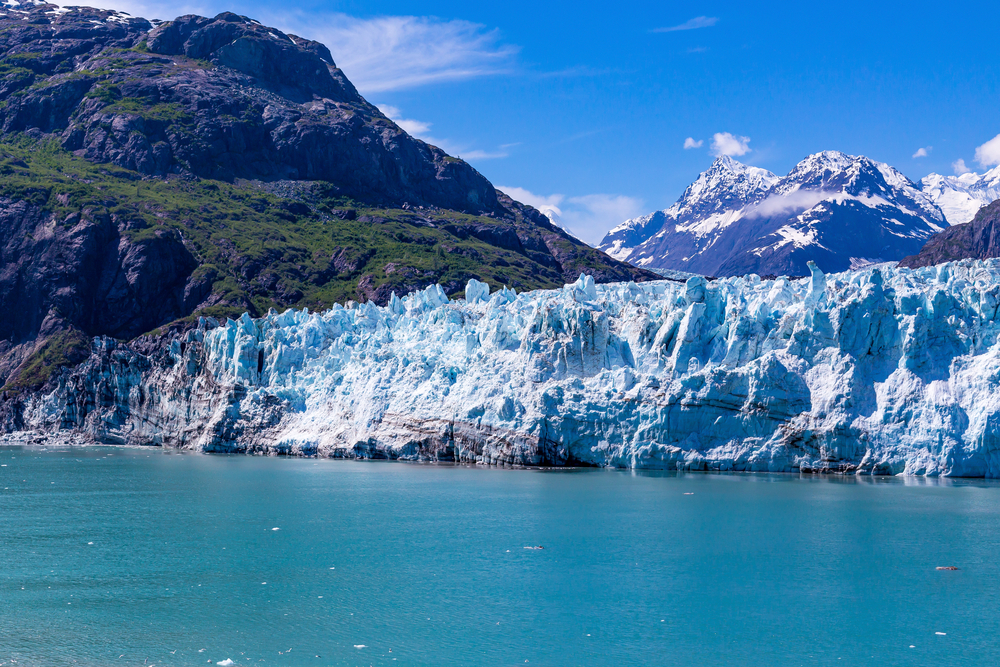
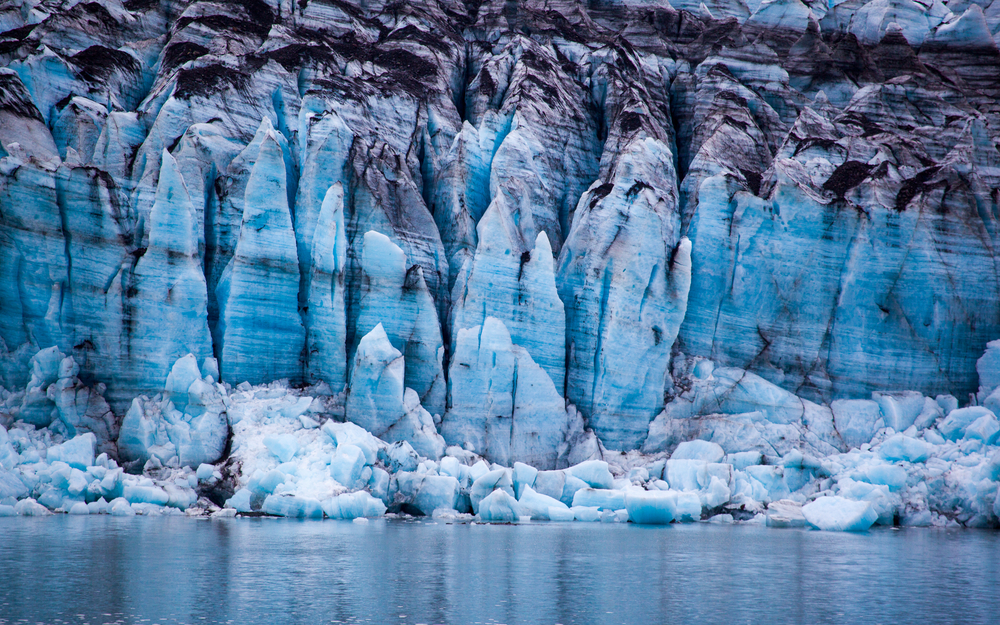
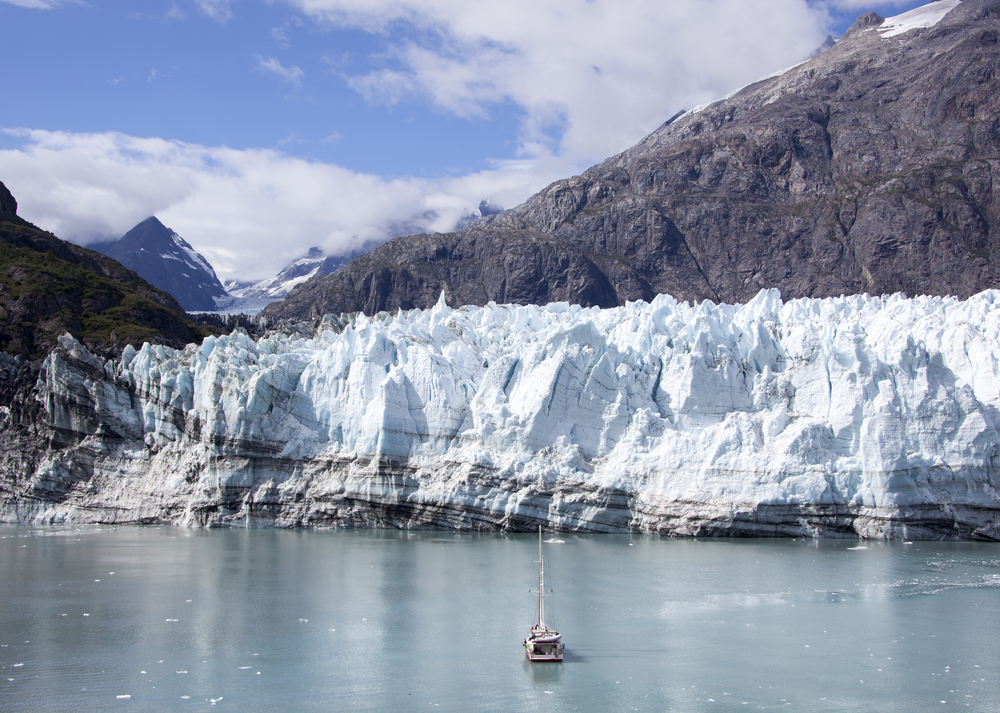
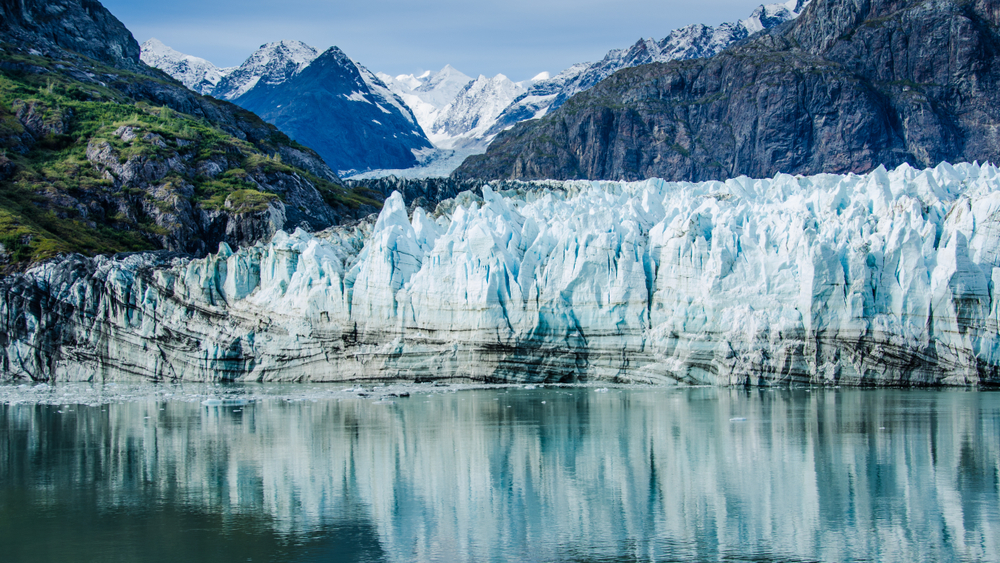
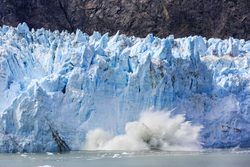
Calving glaciers are one of the natural phenomenons of the park.  Blocks of ice reaching heights of 200 feet (60.9 m) crash into the blistering cold waters below.  The local Tinglet natives refer to the pounding noise of the glaciers as “white thunder.”

Mount Fairweather with a summit of 15,300 feet (4,700 m) is the highest point in the park.  The park features four different distinct ecosystems which include alpine tundra, coastal forest, glaciers and icefields, and wet tundra.  Where much of the park is glacial and alpine tundra, the coastal regions can be thick with vegetation.

Wildlife is part of this wilderness haven.  Many travelers visiting the park hope to see some of the amazing wildlife that is prevalent throughout the area.  Some of the most hopeful sightings include brown bear, black bear, caribou, coyote, timber wolf, mountain goat, lynx, and moose.

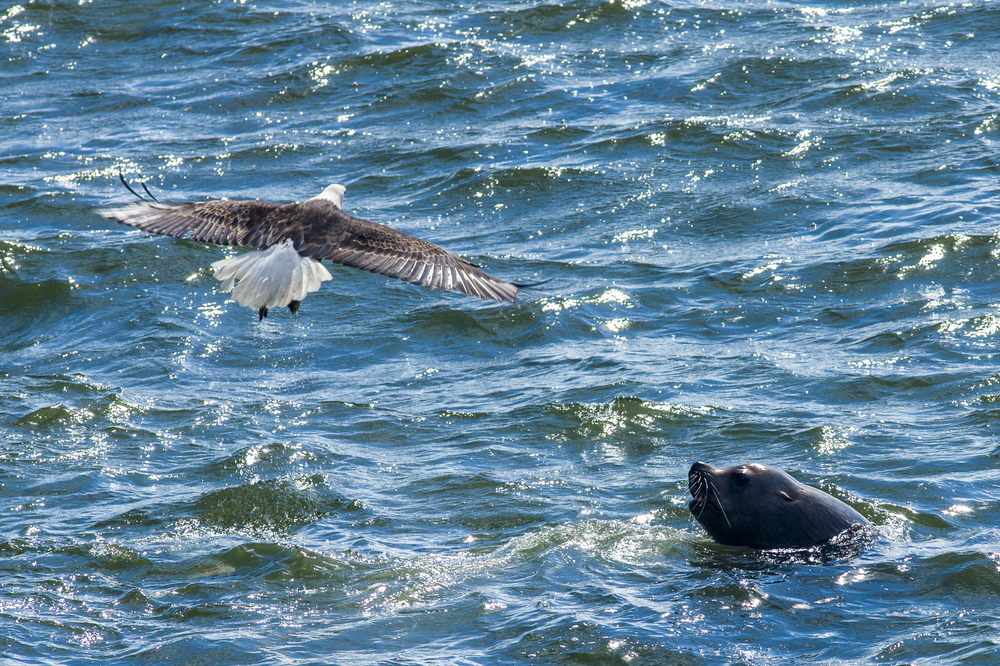
Smaller fauna includes fox, marmot, beaver, otter, mink, and wolverine.  The majestic bald eagle and the incredibly powerful golden eagle are both present.

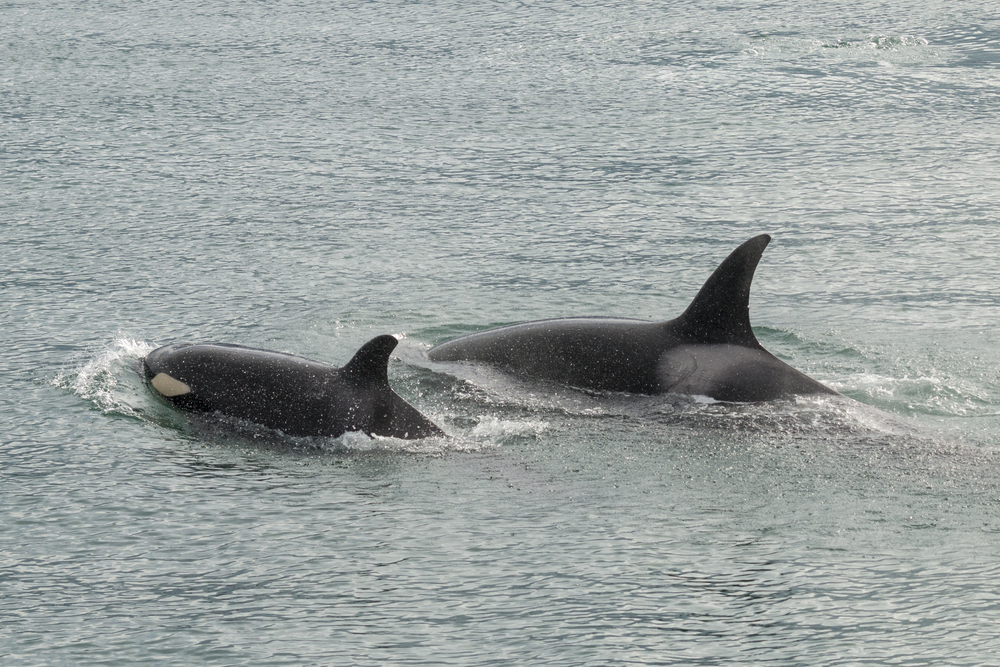
Marine species that are found in the waters of Glacier Bay include humpback whale, minke whale, white-sided dolphin, sea lion, harbor seal, sea otters, and the most exciting orca or killer whales.

White-water rafter starts in the Yukon Territory and completes the journey at Dry Bay Ranger Station her in Glacier Bay.  This journey usually takes six days to complete and also passes through Kluane National Park.

The majority of people visit the park as part of a cruise ship excursion with Glacier Bay as part of the renowned, Alaska’s Inside Passage.  The majority of these people experience the park using smaller tour boats to get closer views of the glaciers and shorelines.

For those who are more adventurous, some of the activities that are available to engage the wilderness include fishing, hiking, kayaking, mountaineering, and rafting.  Halibut and rainbow trout are the most popular pursuits of fishermen.

The park is also home to two different Tlingit ancestral homelands that reflect the cultural and even spiritual importance of the park as well.

Things to See

The glacial landscapes with towering mountains and stunning glaciers are the highlight of the national park.  These are the pinnacle attraction. The over 100 glaciers is what gave the park its name.

Calving Glaciers

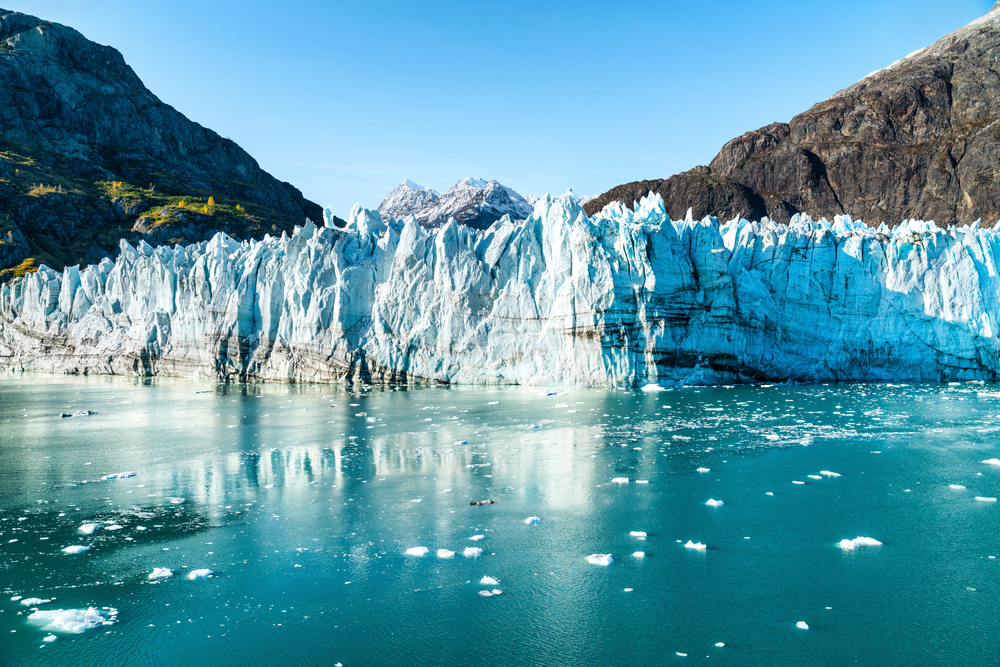
Seeing glaciers is awe-inspiring but witnessing one of the calving glaciers drop sizeable icebergs into the bay is astounding.  When a massive 200-foot (60.9 m) block of ice thunders into the bay with the sound waves penetrating your being, you cannot help but respect the power of nature.

Margerie Glacier is one of the most popular glaciers and destinations in the park because it is one of the most active glaciers advancing about 12 to 14 feet (3.6-4.3 m) a day.  This means that you will have a pretty good chance of seeing a calving glacier. 

Wildlife Sightings

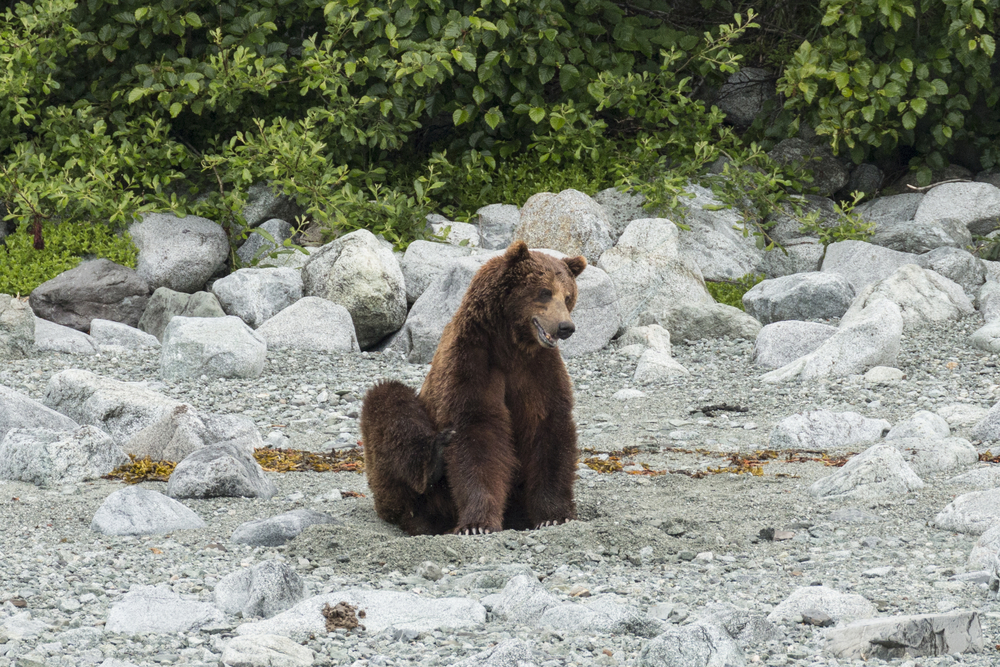
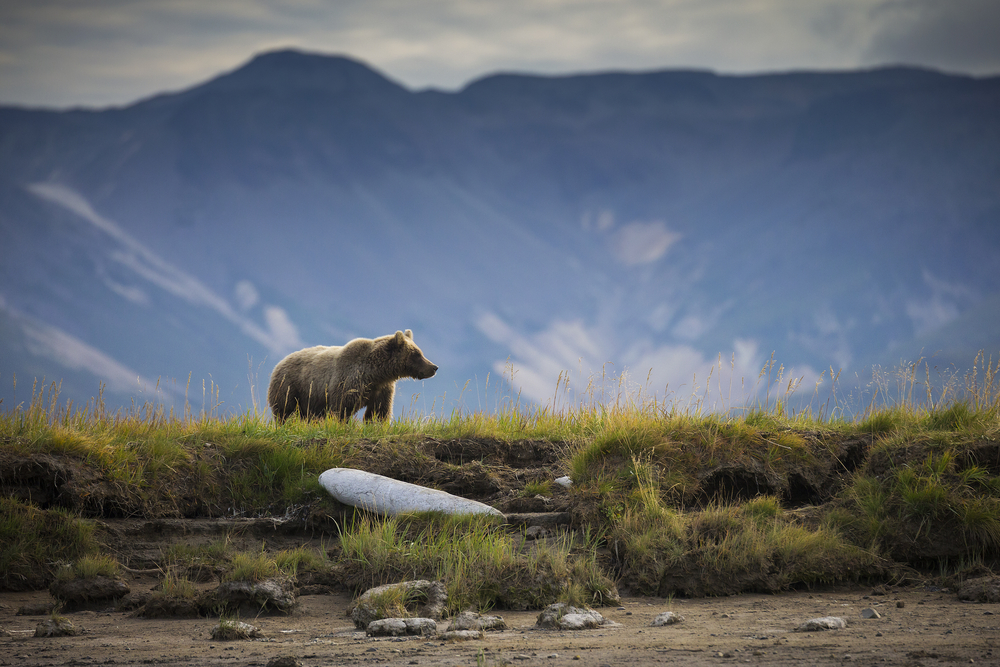
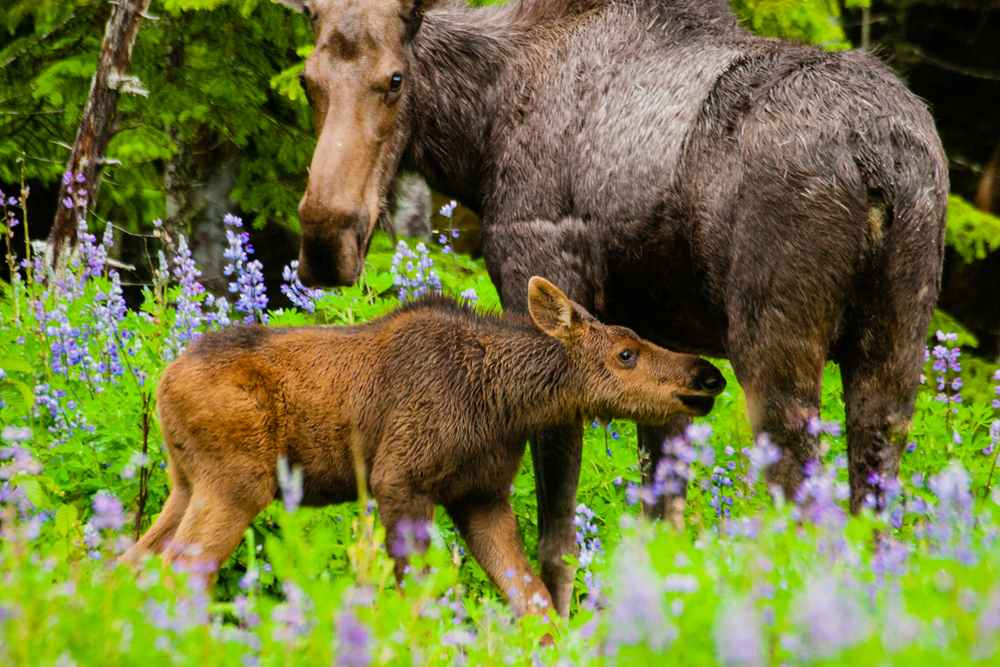
Almost everyone traveling to Alaska possesses a desire to see some of the magnificent creatures that are hard to find anywhere else in the United States. On land, people hope to see the grizzly bear – this is the pinnacle wildlife sighting.  Other species that people hope to see include black bears, caribou, and moose.

From a marine perspective, coming across either the humpback whale or a pod of orcas is the most sought-after marine wildlife sightings.  This can be even further enhanced by seeing a jumping and splashing humpback whale or seeing a pod of orcas on a hunt.

Popular

Popular

Glacier Bay National Park, a breathtaking expanse of wilderness in Southeast Alaska, is celebrated for its dramatic landscapes and as a haven for an array of wildlife species that thrive in its marine, coastal, and forested environments, drawing visitors from around the globe who seek to experience the untouched beauty of the Alaskan wilderness.

Humpback Whale – Migrating to the park’s nutrient-rich waters each summer, Humpback Whales are known for their spectacular breaches and haunting songs, a highlight for any visitor.

Brown Bear – Roaming the park’s forests and coastlines, Brown Bears are a magnificent sight, foraging for salmon in rivers and sifting through tidal flats for food.

Bald Eagle – Emblematic of American wilderness, Bald Eagles are often seen perched atop trees or soaring above the water, scouting for fish.

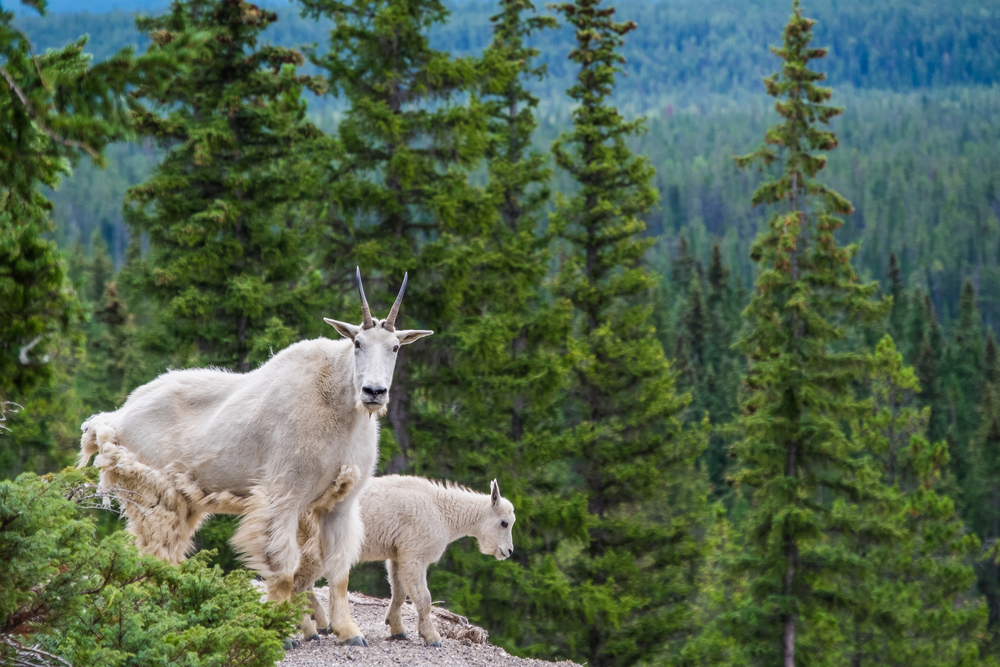
Mountain Goat – Adapted to Glacier Bay’s rugged terrain, Mountain Goats are spotted on steep cliffs and rocky outcrops, their white coats standing out against the landscape.

Sea Otter – Floating on their backs in kelp beds, Sea Otters are a playful presence in the park, using rocks to crack open shellfish.

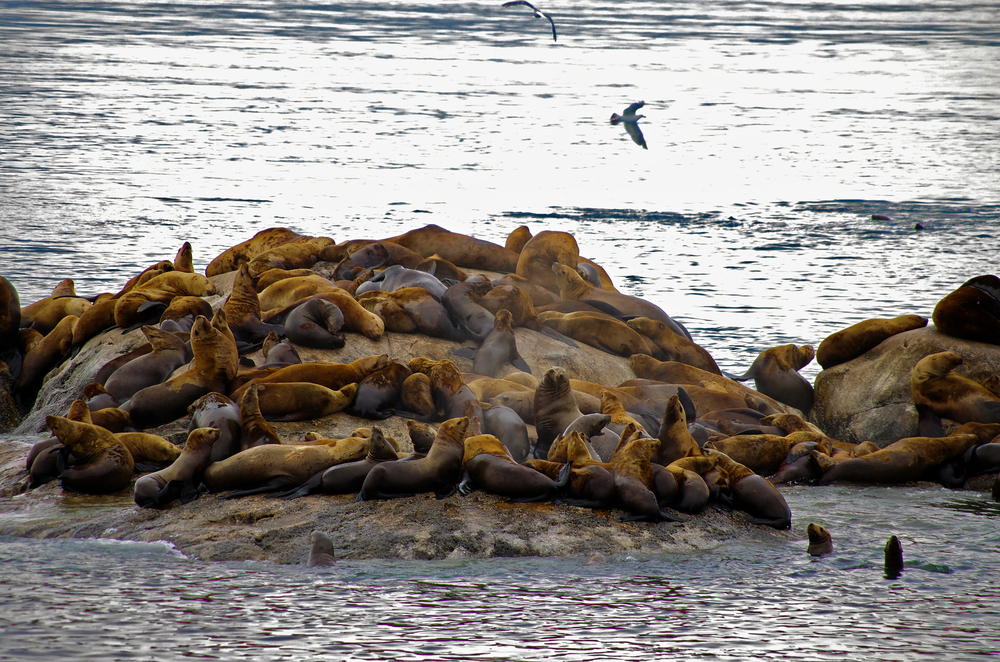
Steller Sea Lion – These massive marine mammals gather on the park’s rocky haul-outs, their loud roars a common sound along the coastline.

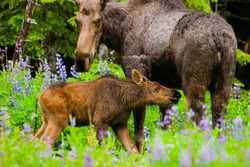
Moose – The largest member of the deer family, Moose are often seen browsing the park’s willow thickets and aquatic vegetation in wetland areas.

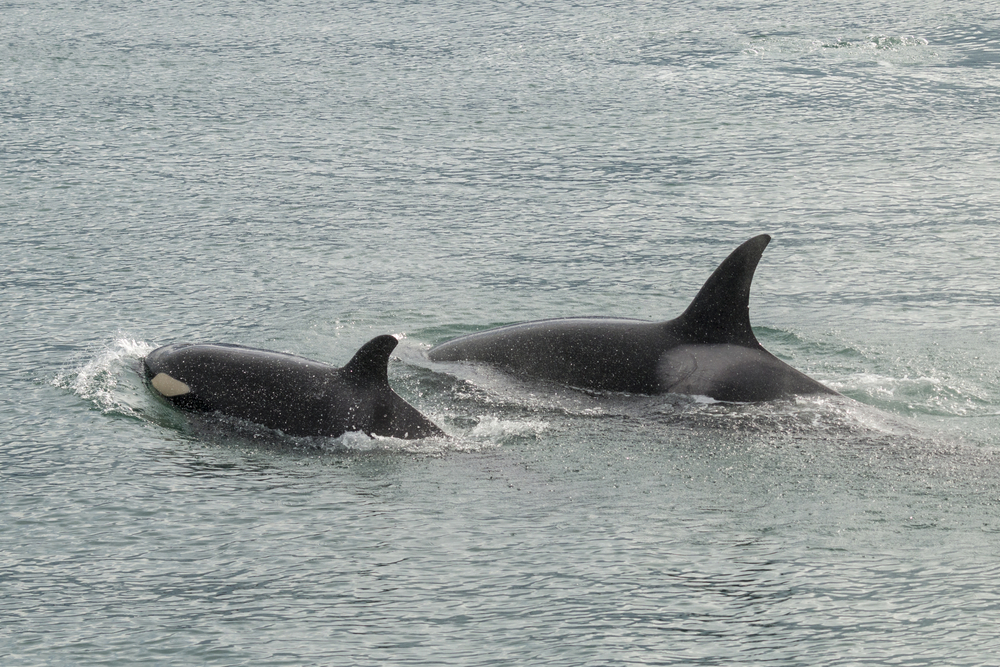
Orca – Also known as killer whales, Orcas are powerful predators, occasionally seen hunting in the park’s waters, their striking black and white patterns unmistakable.

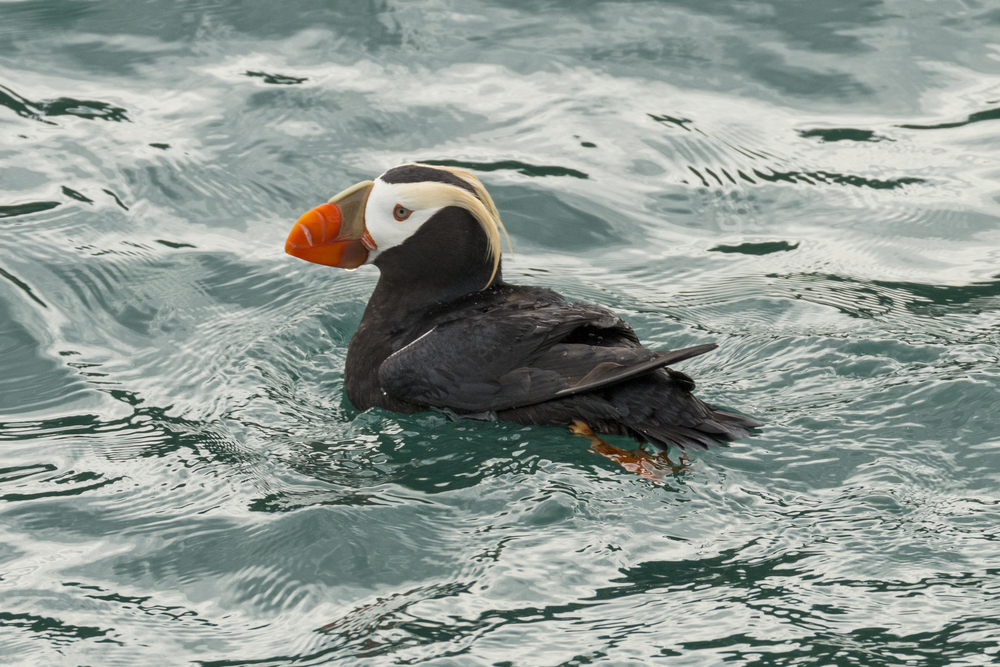
Puffin – Both the Horned and Tufted Puffins breed on the park’s remote islands, their colorful beaks and awkward landings a delightful sight.

Harbor Seal – Resting on ice floes and beaches, Harbor Seals are a common sight, their round, curious eyes watching visitors as they navigate the bay’s waters.

Glacier Bay National Park’s diverse inhabitants, from the majestic Humpback Whale to the solitary Moose, showcase the incredible adaptability and richness of wildlife in one of the world’s most spectacular natural settings, offering endless opportunities for discovery and awe.

Majestic Glacial Landscapes

Majestic Glacial Landscapes

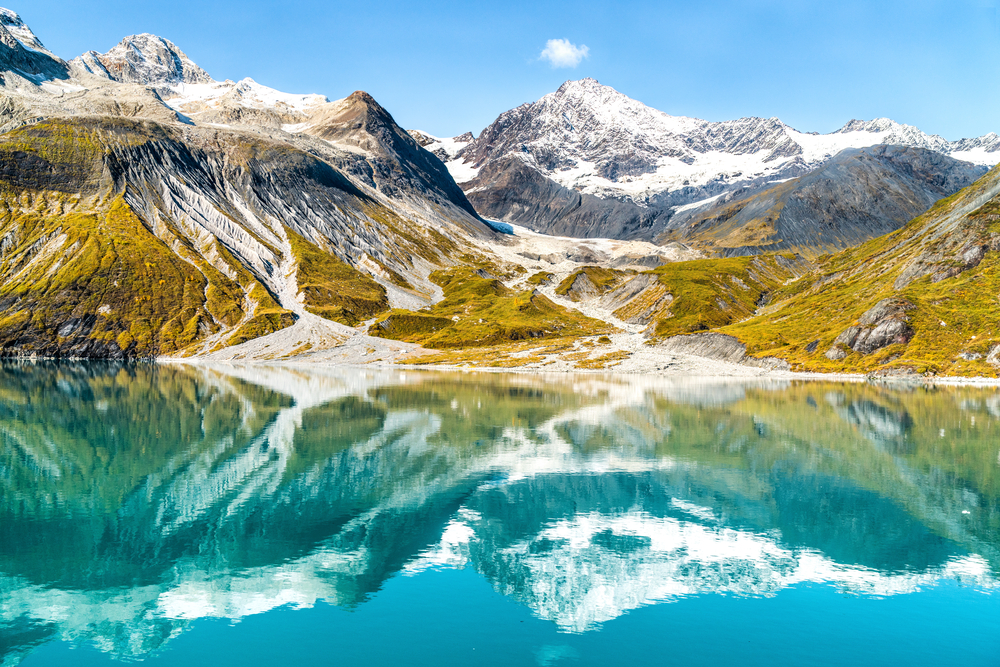
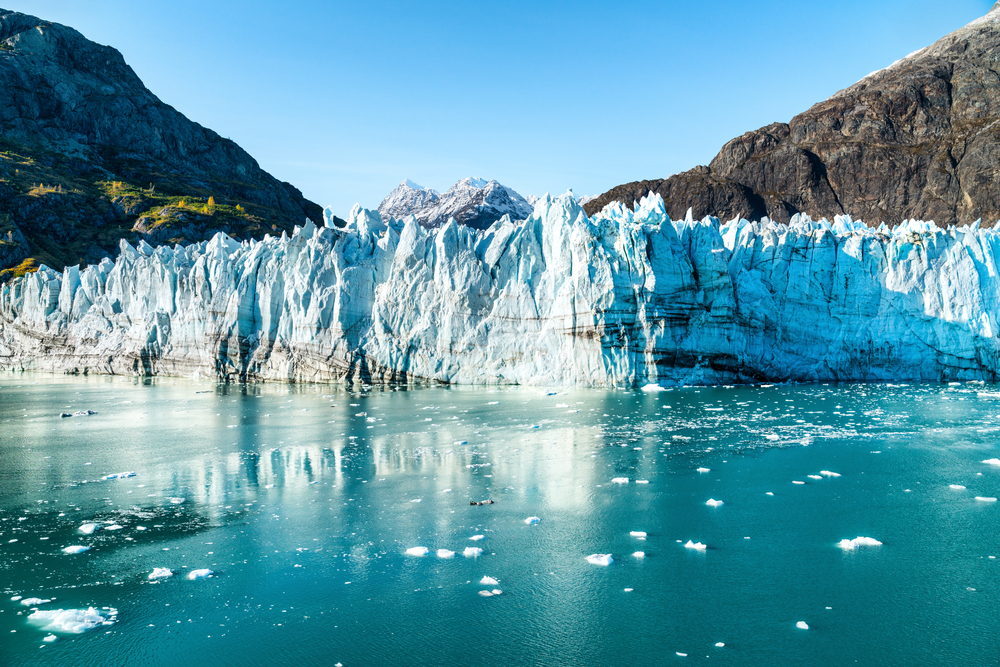
Glacier Bay National Park is renowned for its breathtaking glaciers and stunning landscapes. Towering tidewater glaciers cascade down from rugged mountains into the icy waters of the bay, creating a mesmerizing spectacle of calving ice and thunderous sounds.

The park’s landscape is shaped by the dynamic forces of ice and water, with fjords, cliffs, and coastal forests providing a dramatic backdrop to the icy wilderness.

Visitors to Glacier Bay can witness the timeless beauty of ancient glaciers, some dating back thousands of years, as they slowly carve their way through the landscape.

The park’s ever-changing scenery offers endless opportunities for exploration and discovery, with pristine wilderness areas waiting to be explored by adventurous travelers.

Whether marveling at the immense scale of the glaciers or hiking through pristine forests, Glacier Bay promises an unforgettable experience immersed in the wonders of nature.

Things To Do

Engaging Glacier Bay

Glacier Viewing and Calving

Witness the awe-inspiring spectacle of glaciers in Glacier Bay National Park. Marvel at the towering ice formations as they calve, creating massive icebergs that crash into the sea with a thunderous roar. Guided boat tours offer the best vantage points for viewing these majestic glaciers up close.

Kayaking

Explore the tranquil waters of Glacier Bay by kayak, immersing yourself in the serenity of this pristine wilderness. Paddle through glassy fjords flanked by towering cliffs and glaciers, with the possibility of encountering seals, porpoises, and other marine life along the way.

Glacier Viewing and Calving

Witness the awe-inspiring spectacle of glaciers in Glacier Bay National Park. Marvel at the towering ice formations as they calve, creating massive icebergs that crash into the sea with a thunderous roar. Guided boat tours offer the best vantage points for viewing these majestic glaciers up close.

Kayaking

Explore the tranquil waters of Glacier Bay by kayak, immersing yourself in the serenity of this pristine wilderness. Paddle through glassy fjords flanked by towering cliffs and glaciers, with the possibility of encountering seals, porpoises, and other marine life along the way.

Glacier Bay National Park Trails

The majority of Glacier Bay is admired and experienced from smaller watercraft tours.  The more adventurous may go mountaineering into the park, but this is not really on marked trails.  Bartlett Cove has the only three maintained trails in the park.

placeholder

Forest Loop Trail

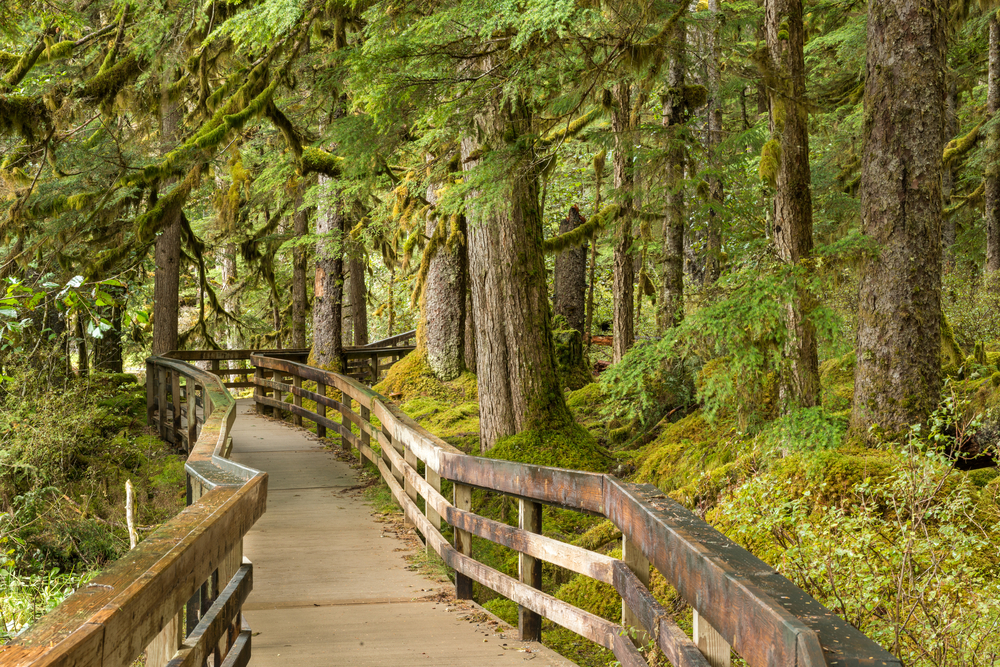
This is a 1-mile (1.6 km) loop trail that travels through the hemlock rainforest.  Part of the trail is a developed boardwalk.  One of the highlights is Blackwater pond.

placeholder

Bartlett River Trail

This trail travels 1.5 miles (2.4 km) through the rainforest to overlook the Bartlett River.  This trail is more rugged than the developed Forest Loop Trail and usually takes about half a day to experience in full.

placeholder

Beach Trail

This is the longest of the three trails traveling 6 miles (9.6 km) along the beach and shoreline.  It is a pleasant outing and popular for those who just like to walk.  Cyclists will also use this trail.

placeholder

Bartlett River Trail

Rating: Moderate

Distance and Elevation Gain: 4 miles round trip with minimal elevation gain

Description: This trail winds through the rainforest and along the beach, offering views of Bartlett Cove and the chance to spot wildlife, including bears, moose, and eagles. The trail ends at the Bartlett River estuary, where hikers can observe the interplay of marine and river ecosystems, making it a perfect spot for bird watching.

placeholder

Forest Loop Trail

Rating: Easy

Distance and Elevation Gain: 1 mile round trip with minimal elevation gain

Description: Starting from the Glacier Bay Lodge, this easy loop takes visitors through a lush temperate rainforest and offers educational displays about the local flora and fauna. It’s an excellent introduction to the park’s natural history, suitable for all ages and fitness levels.

placeholder

Beach Trail

Rating: Easy

Distance and Elevation Gain: 1 mile round trip with minimal elevation gain

Description: Connecting the Bartlett Cove campground with the dock area, this trail offers a pleasant walk along the shoreline with beautiful views of Glacier Bay. Hikers can explore the intertidal zone, observe marine wildlife, and enjoy the tranquil scenery of the bay.

placeholder

Tlingit Trail

Rating: Easy

Distance and Elevation Gain: 0.5 miles round trip with minimal elevation gain

Description: This short, interpretive trail near the Glacier Bay Lodge provides insights into the Tlingit culture and their historical ties to the land. Along the trail, visitors will find totem poles and interpretive signs that tell the story of the Tlingit people and their connection to Glacier Bay.

placeholder

Bartlett Lake Trail

Rating: Strenuous

Distance and Elevation Gain: 8 miles round trip with significant elevation gain

Description: For those seeking a more challenging hike, the Bartlett Lake Trail offers a full-day adventure through dense forests and alpine meadows, culminating at Bartlett Lake. This trail is less frequented and requires good physical condition but rewards hikers with solitude and stunning landscapes.

placeholder

Bartlett River Trail

Rating: Moderate

Distance and Elevation Gain: 4 miles round trip with minimal elevation gain

Description: This trail winds through the rainforest and along the beach, offering views of Bartlett Cove and the chance to spot wildlife, including bears, moose, and eagles. The trail ends at the Bartlett River estuary, where hikers can observe the interplay of marine and river ecosystems, making it a perfect spot for bird watching.

placeholder

Forest Loop Trail

Rating: Easy

Distance and Elevation Gain: 1 mile round trip with minimal elevation gain

Description: Starting from the Glacier Bay Lodge, this easy loop takes visitors through a lush temperate rainforest and offers educational displays about the local flora and fauna. It’s an excellent introduction to the park’s natural history, suitable for all ages and fitness levels.

placeholder

Beach Trail

Rating: Easy

Distance and Elevation Gain: 1 mile round trip with minimal elevation gain

Description: Connecting the Bartlett Cove campground with the dock area, this trail offers a pleasant walk along the shoreline with beautiful views of Glacier Bay. Hikers can explore the intertidal zone, observe marine wildlife, and enjoy the tranquil scenery of the bay.

placeholder

Tlingit Trail

Rating: Easy

Distance and Elevation Gain: 0.5 miles round trip with minimal elevation gain

Description: This short, interpretive trail near the Glacier Bay Lodge provides insights into the Tlingit culture and their historical ties to the land. Along the trail, visitors will find totem poles and interpretive signs that tell the story of the Tlingit people and their connection to Glacier Bay.

placeholder

Bartlett Lake Trail

Rating: Strenuous

Distance and Elevation Gain: 8 miles round trip with significant elevation gain

Description: For those seeking a more challenging hike, the Bartlett Lake Trail offers a full-day adventure through dense forests and alpine meadows, culminating at Bartlett Lake. This trail is less frequented and requires good physical condition but rewards hikers with solitude and stunning landscapes.

FAQ’s

What is Glacier Bay National Park known for?

Glacier Bay National Park is renowned for its stunning glacial landscapes, diverse wildlife, and pristine wilderness. The park features towering tidewater glaciers, massive icebergs, and rugged mountains, providing a breathtaking backdrop for outdoor adventures.

Visitors can witness the dramatic calving of glaciers, explore pristine fjords, and observe wildlife such as humpback whales, sea otters, and brown bears in their natural habitat. Glacier Bay is also a haven for birdwatchers, with numerous species of seabirds and waterfowl inhabiting the park.

Additionally, the park offers opportunities for kayaking, hiking, camping, and guided boat tours, allowing visitors to immerse themselves in the beauty and serenity of one of Alaska’s most iconic destinations.

What is Glacier Bay National Park known for?

Glacier Bay National Park is renowned for its stunning glacial landscapes, diverse wildlife, and pristine wilderness. The park features towering tidewater glaciers, massive icebergs, and rugged mountains, providing a breathtaking backdrop for outdoor adventures.

Visitors can witness the dramatic calving of glaciers, explore pristine fjords, and observe wildlife such as humpback whales, sea otters, and brown bears in their natural habitat. Glacier Bay is also a haven for birdwatchers, with numerous species of seabirds and waterfowl inhabiting the park.

Additionally, the park offers opportunities for kayaking, hiking, camping, and guided boat tours, allowing visitors to immerse themselves in the beauty and serenity of one of Alaska’s most iconic destinations.

Sources