

About
Death Valley National Park is located in the southcentral part of eastern California. The park runs along the border of California and Nevada. The park covers an area of 5,270 square miles (13,650 sq km) making it the largest national park in the lower 48 contiguous states. Four national parks in Alaska are all larger with Wrangell-St. Elias being the largest.
The park is comprised of Death Valley, portions of Panamint Valley in the north, Eureka Valley in the south, and much of Saline Valley and serves as the foundation for the UNESCO’s Mojave and Colorado Deserts Biosphere Reserve.
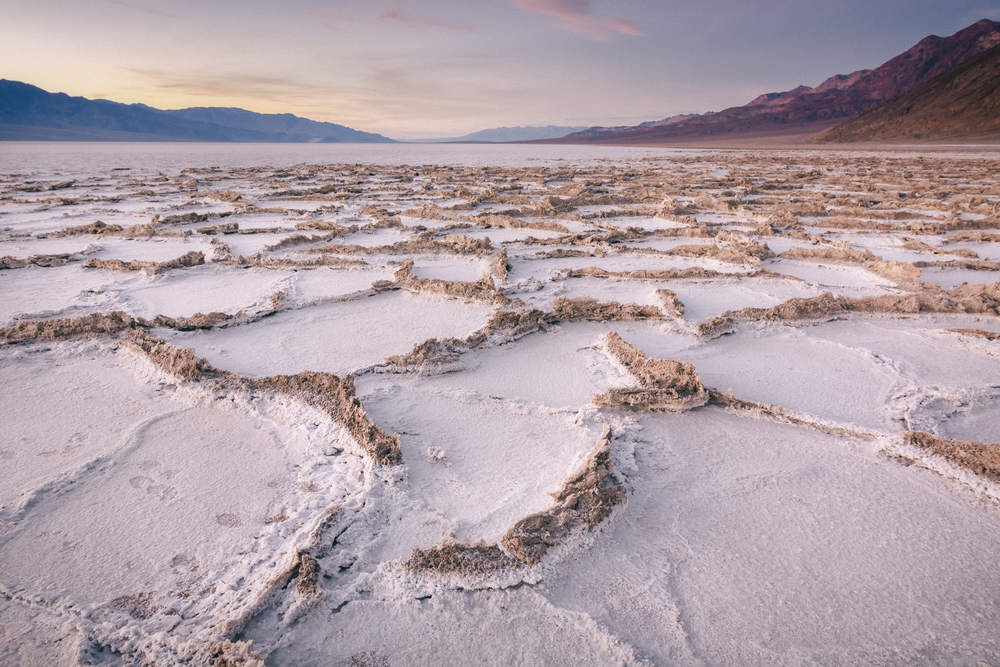
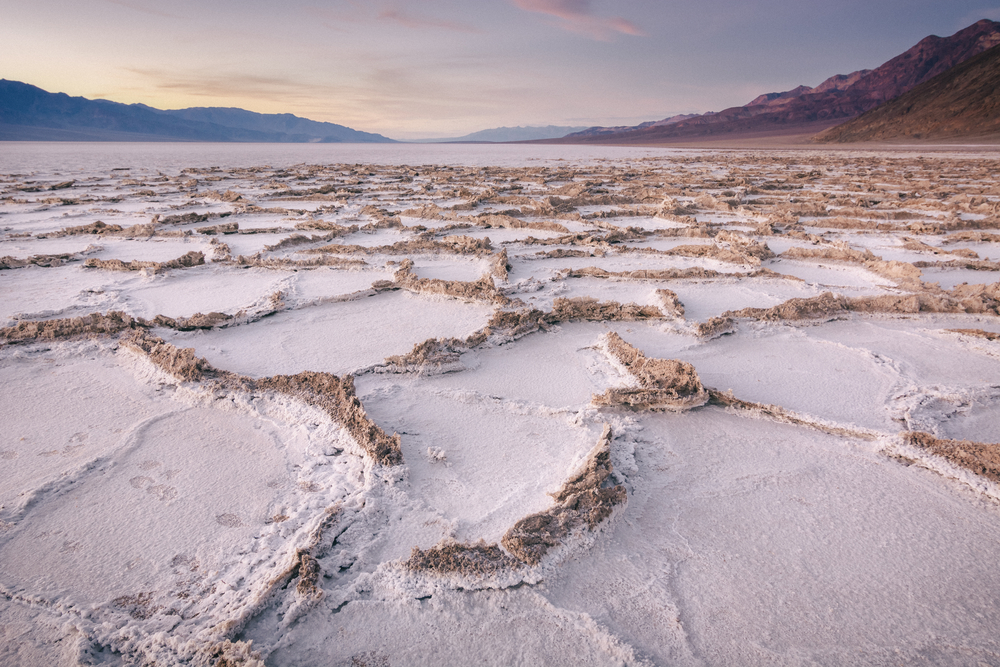
Statistically speaking, Death Valley is the driest, hottest, and lowest of all the national parks in the United States. At 282 feet (86 m) below sea level, Badwater Basin is the lowest elevation in North America. The lowest elevation in the world occurs at the Dead Sea with an elevation of 1,341 feet (409 m) below sea level.
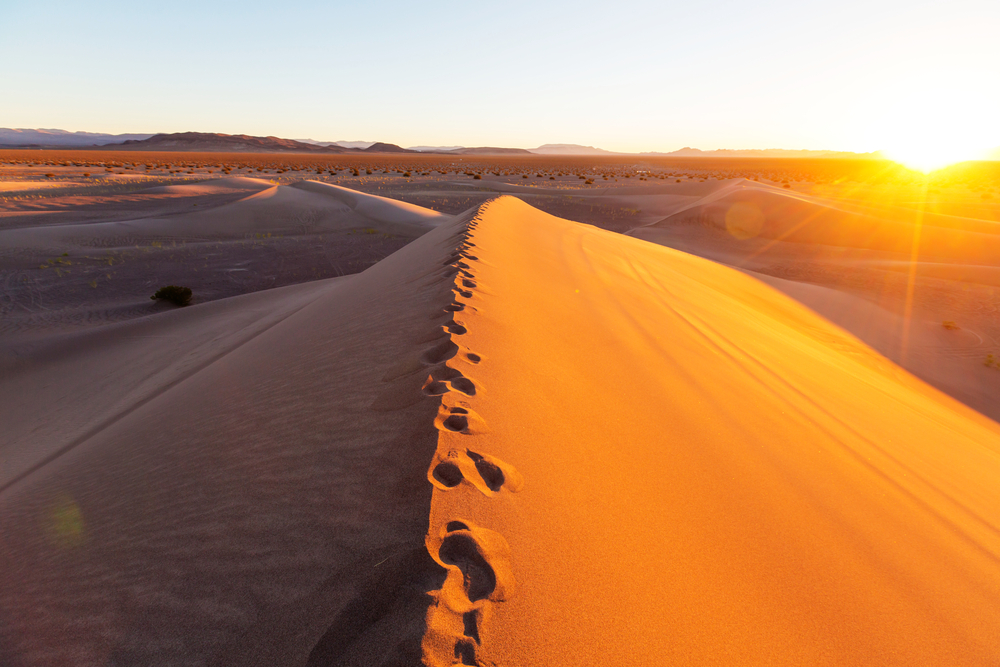
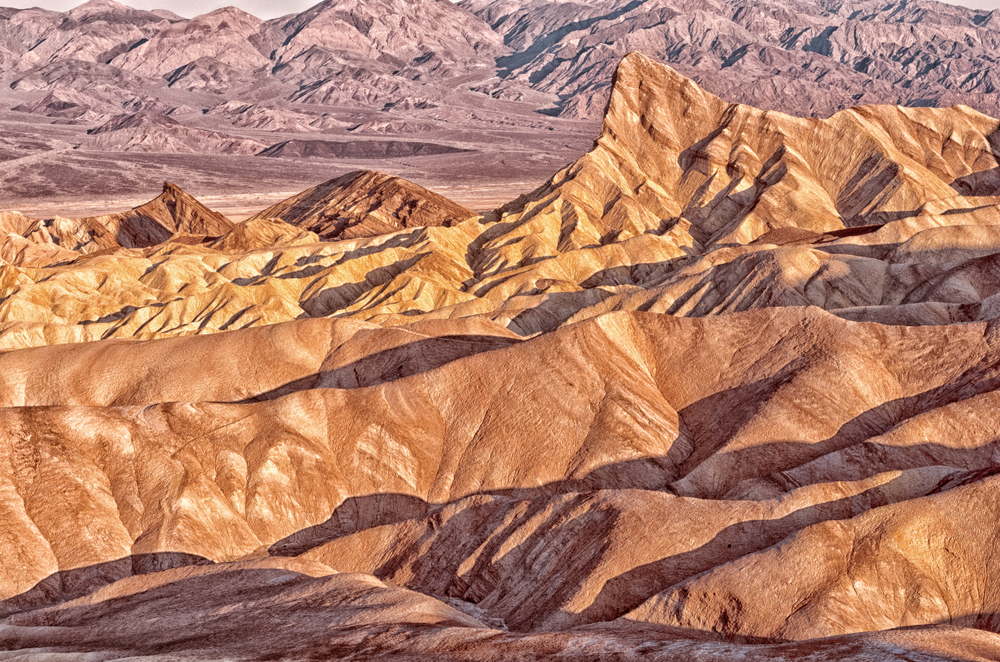
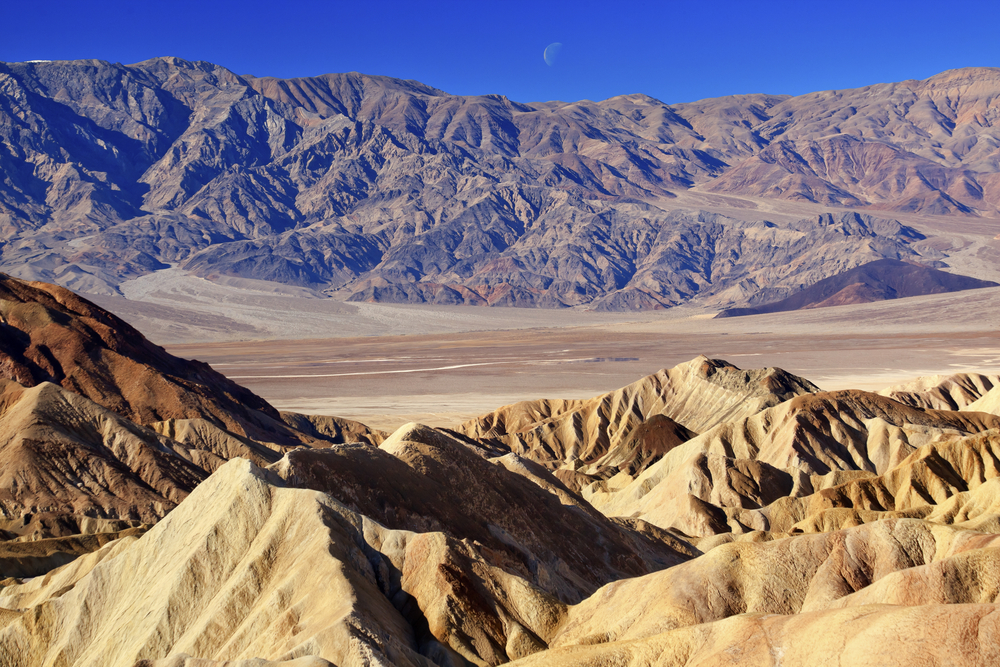
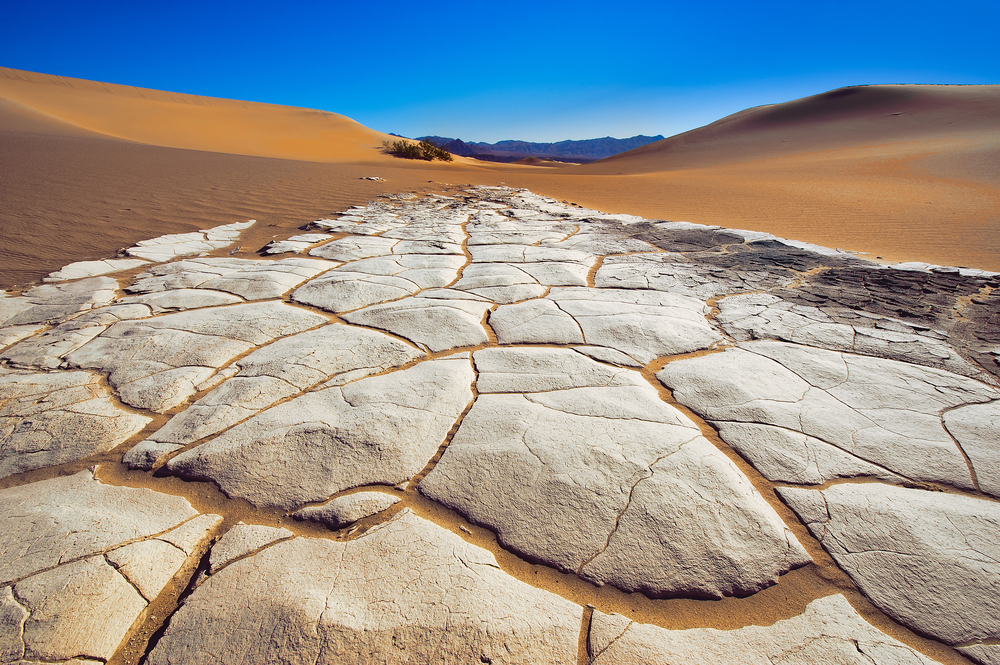
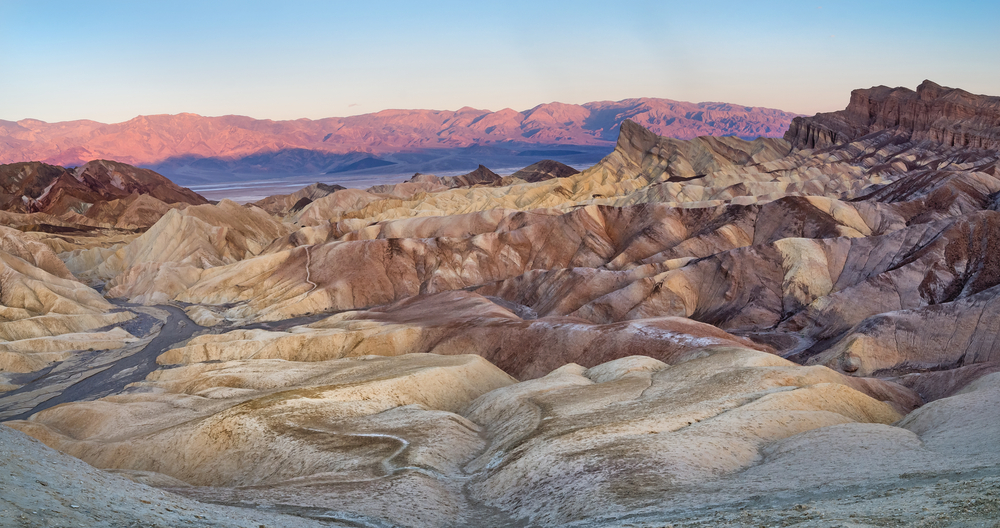
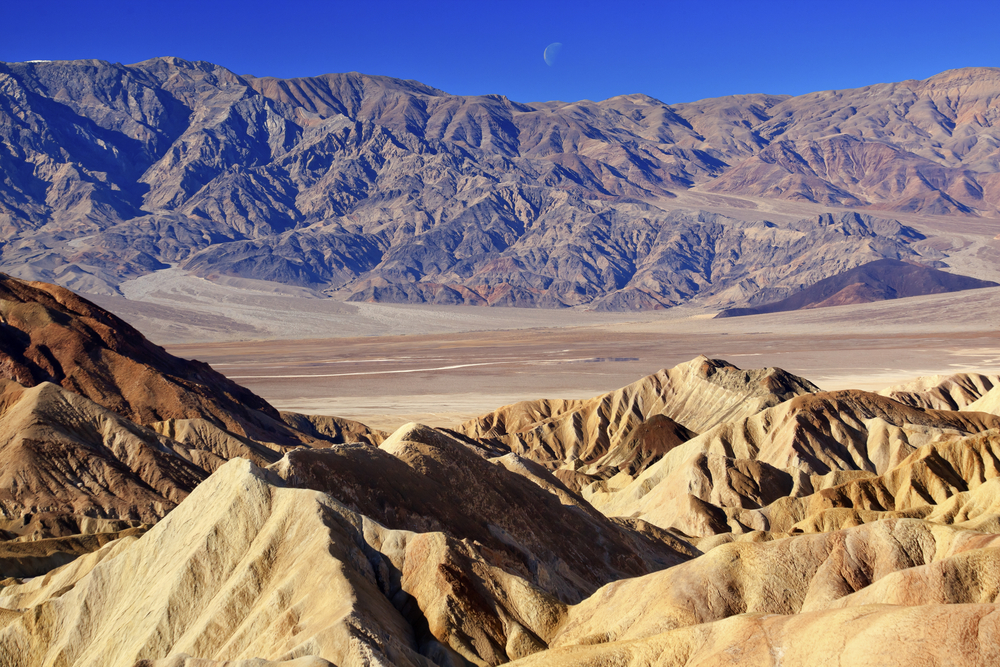
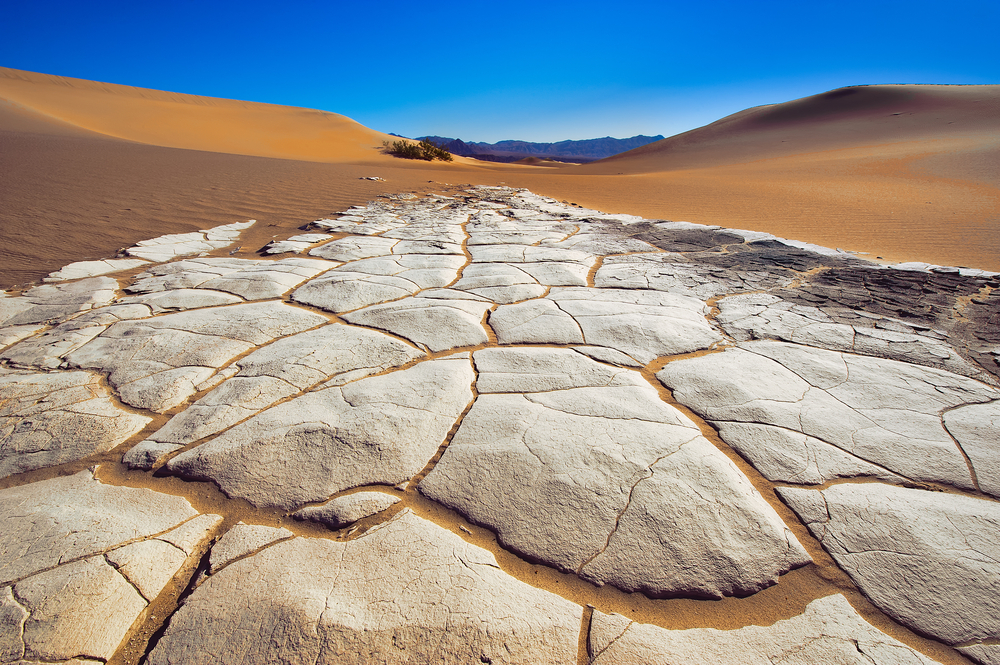
The landscapes are arid but vibrant, desolate but full of life, and vastness that delivers intricate uniqueness. The national park features sculpted badlands, canyons, and mountains, brilliant sand dunes and endless salt-flats. The park intertwines the ecology of both the Great Basin and the Mojave Desert.
Death Valley can be shadowed by rugged peaks blanketed with winter snows and decorated with wildflowers during rains the bless the scorched earth. The ecosystem is arid, dry, and hot but life still finds a way to exist.
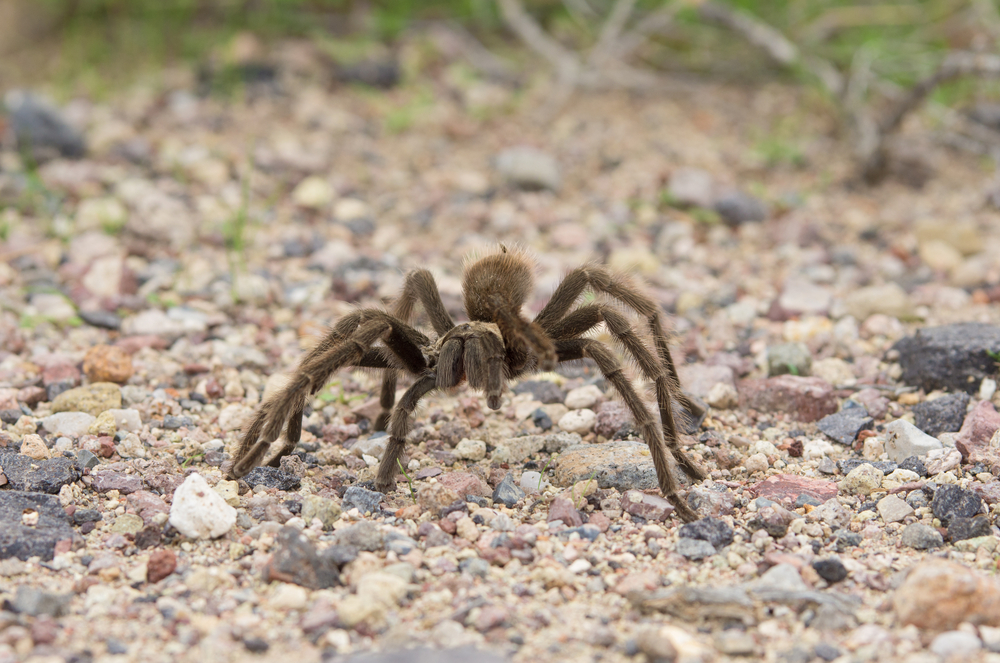
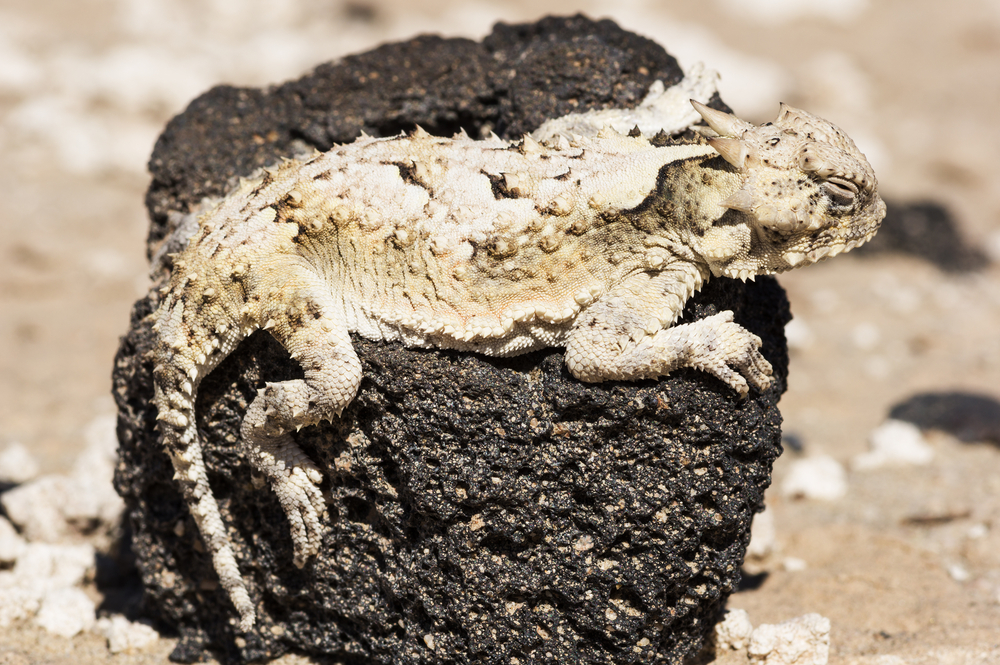
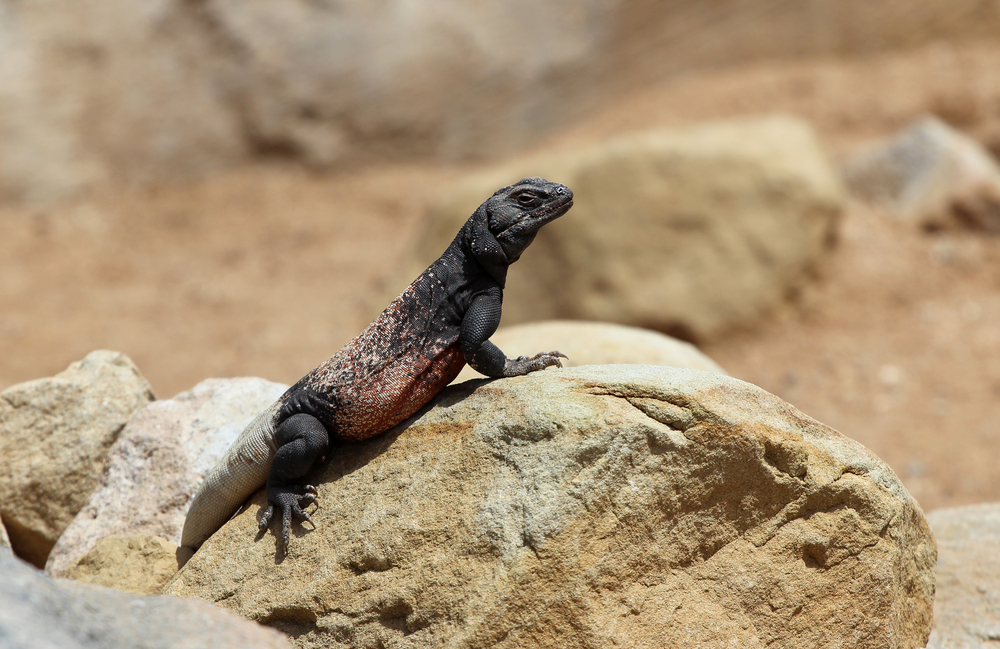
Black brush, mesquite, Joshua tree, bristlecone pine, sage, and desert holly make up some of the vegetation that has adapted to the harsh environments and gives way to wildlife. There are over 50 species of mammals, 36 species of reptiles, and over 300 species of birds.
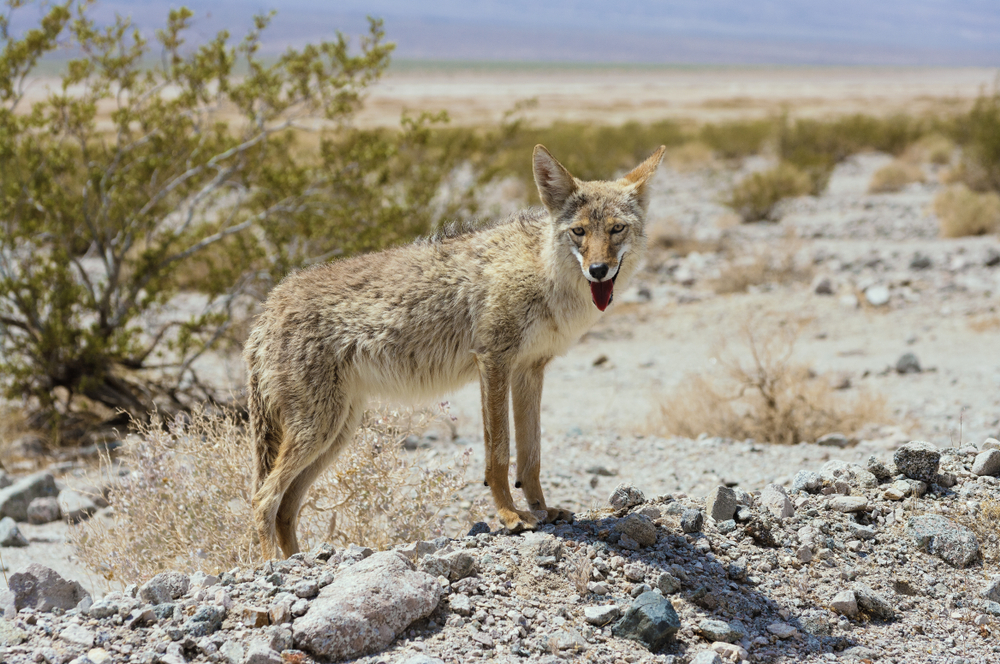
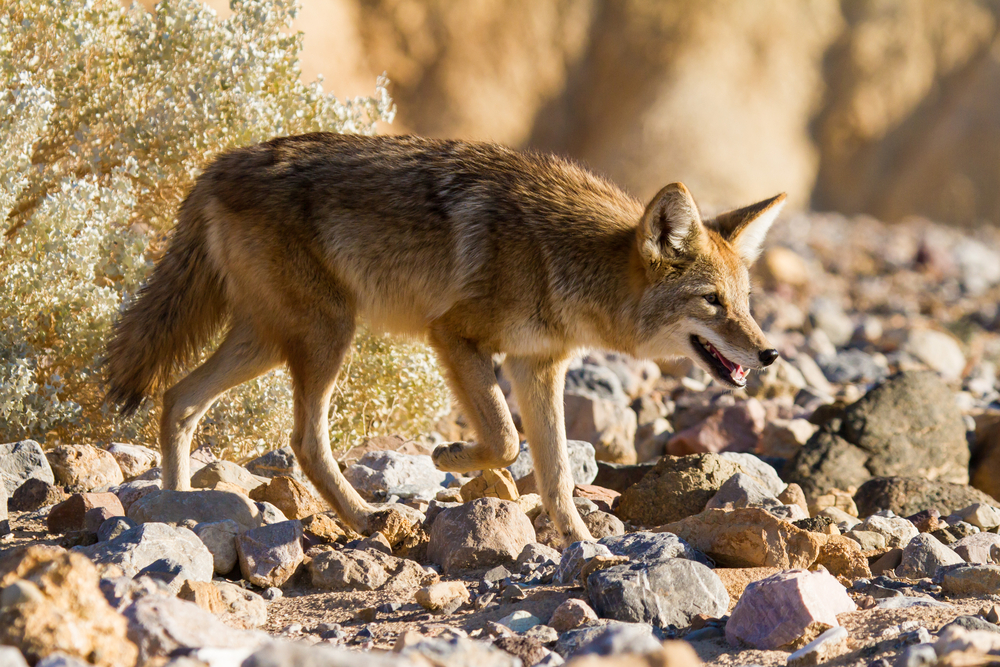
The popular wildlife species of the park include bighorn sheep, bobcat, fox, cougar, coyote, and mule deer. The best chance to see any wildlife is during the early hours around dawn and even hours around dusk.
Photos







Things to See
 Mojave Desert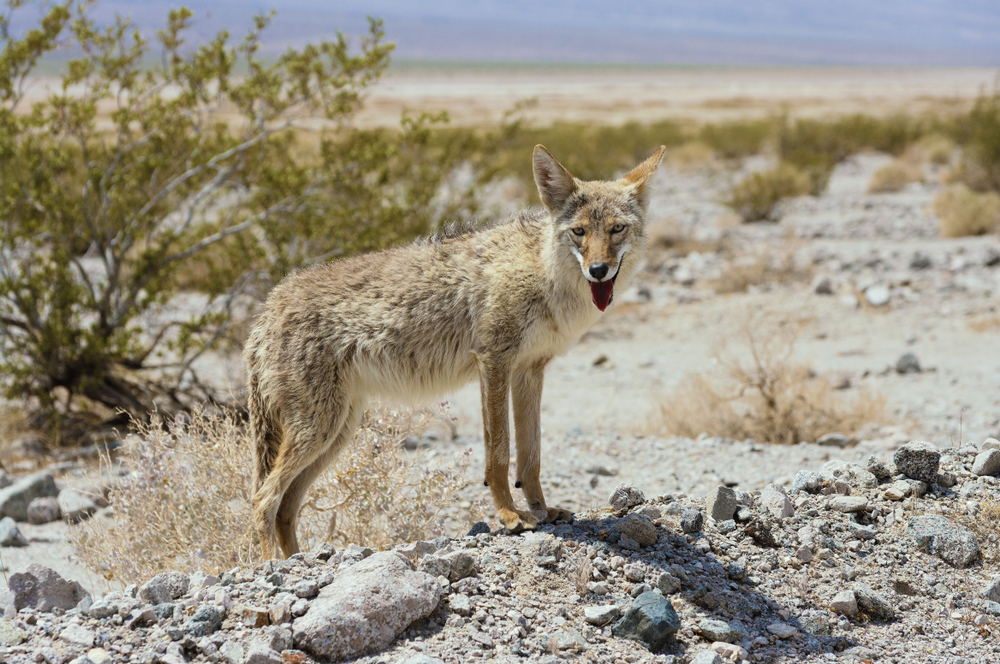
Things To Do
Engaging Death Valley
Death Valley National Park Trails
Death Valley is arid making the need for managed or constructed trails irrelevant. The majority of hikes travel across the desert floor, through canyons, or along the ridges of the mountains.

FAQ’s
What is the hottest desert in the world?
The lowest point in the United States is Badwater Basin, located within Death Valley National Park in California. It sits at an elevation of 282 feet (86 meters) below sea level.
Badwater Basin is a vast salt flat that stretches for miles, surrounded by towering mountain ranges, including the Panamint Range to the west and the Black Mountains to the east.
Despite its inhospitable conditions, it attracts visitors who come to witness its unique landscape and extreme temperatures, particularly during the summer months when temperatures can soar above 120°F (49°C).
What is the hottest location in the United States?
The hottest location in the United States is indeed Death Valley, particularly the Furnace Creek area. Death Valley holds the record for the highest reliably reported air temperature on Earth, which reached 134°F (56.7°C) on July 10, 1913, at Furnace Creek Ranch.
The valley’s extreme heat is attributed to its low elevation, below sea level, coupled with its arid climate and lack of vegetation.
While other locations may occasionally experience higher temperatures during heatwaves, Death Valley consistently ranks among the hottest places on Earth.
Its extreme temperatures and harsh environment make it a unique and challenging destination for visitors seeking to experience one of nature’s most extreme environments.
What is the hottest desert in the world?
The lowest point in the United States is Badwater Basin, located within Death Valley National Park in California. It sits at an elevation of 282 feet (86 meters) below sea level.
Badwater Basin is a vast salt flat that stretches for miles, surrounded by towering mountain ranges, including the Panamint Range to the west and the Black Mountains to the east.
Despite its inhospitable conditions, it attracts visitors who come to witness its unique landscape and extreme temperatures, particularly during the summer months when temperatures can soar above 120°F (49°C).
What is the hottest location in the United States?
The hottest location in the United States is indeed Death Valley, particularly the Furnace Creek area. Death Valley holds the record for the highest reliably reported air temperature on Earth, which reached 134°F (56.7°C) on July 10, 1913, at Furnace Creek Ranch.
The valley’s extreme heat is attributed to its low elevation, below sea level, coupled with its arid climate and lack of vegetation.
While other locations may occasionally experience higher temperatures during heatwaves, Death Valley consistently ranks among the hottest places on Earth.
Its extreme temperatures and harsh environment make it a unique and challenging destination for visitors seeking to experience one of nature’s most extreme environments.
Sources
- American Southwest, Badwater, Death Valley National Park, https://www.americansouthwest.net/california/death_valley/badwater.html, retrieved June 2020.
- Britannica, Death Valley, https://www.britannica.com/place/Death-Valley, retrieved June 2020.
- Britannica, Glacier Bay National Park, https://www.britannica.com/place/Death-Valley-National-Park, retrieved June 2020.
- California, Death Valley National Park, https://www.visitcalifornia.com/destination/spotlight-death-valley-national-park, retrieved June 2020.
- National Geographic, Death Valley National Park, https://www.nationalgeographic.com/travel/national-parks/death-valley-national-park/, retrieved June 2020.
- National Geographic, Complete National Parks of the United States, National Geographic Publishing, Washington DC.
- National Geographic, Guide to the National Parks of the United States, National Geographic Society, 2003.
- National Geographic, National Parks of North America, Canada-United States-Mexico, National Geographic Society, 1995.
- National Park Service, Death Valley, https://www.nps.gov/deva/index.htm, retrieved June 2020.
- UNESCO, Mojave and Colorado Deserts, http://www.unesco.org/mabdb/br/brdir/directory/biores.asp?mode=all&Code=USA+39, retrieved June 2020.
- Wikipedia, Mojave Desert, https://en.wikipedia.org/wiki/Mojave_Desert, retrieved June 2020.