About

Canyonlands National Park is located in the southeastern corner of Utah.  The national park covers an area of 527 square miles (1,364.9 sq km).  Canyonlands combines with Arches National Park, Bryce Canyon National Park, Capitol Reef National Park, and Zion National Park to highlight the natural beauty of the state.

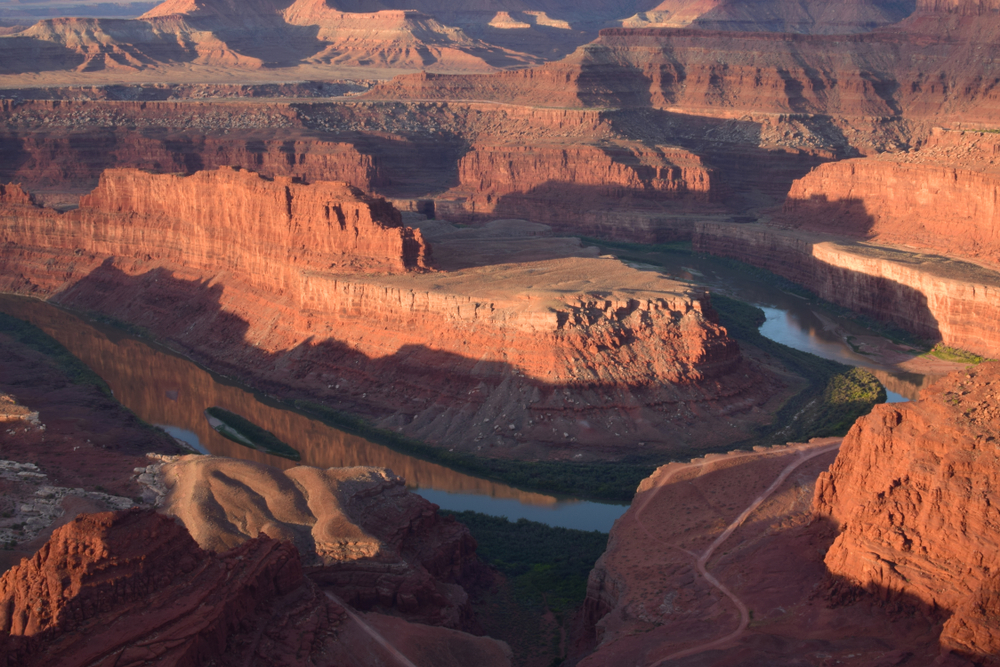
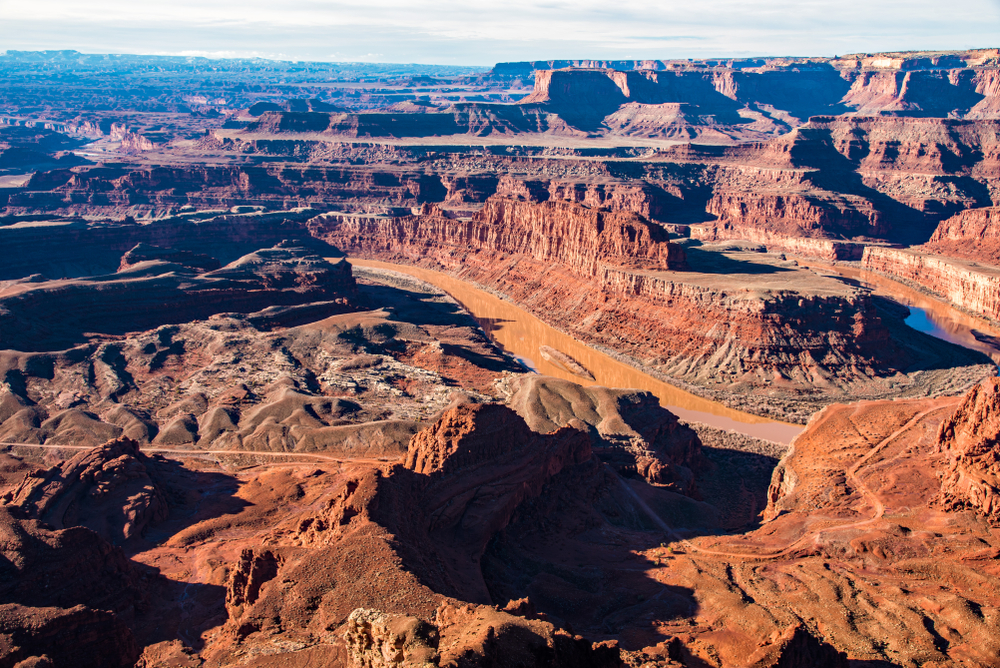
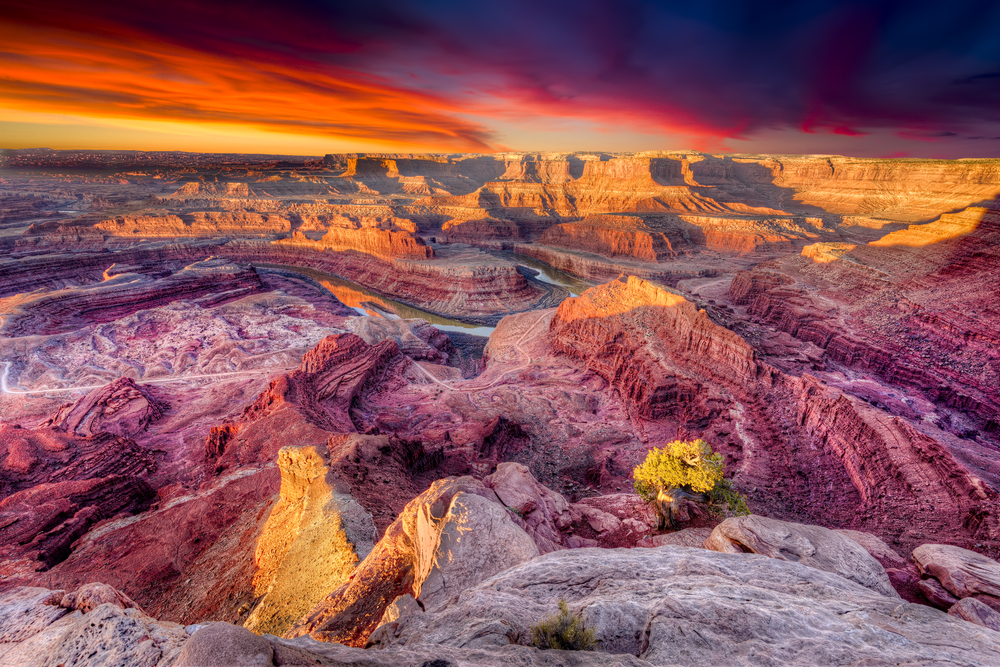
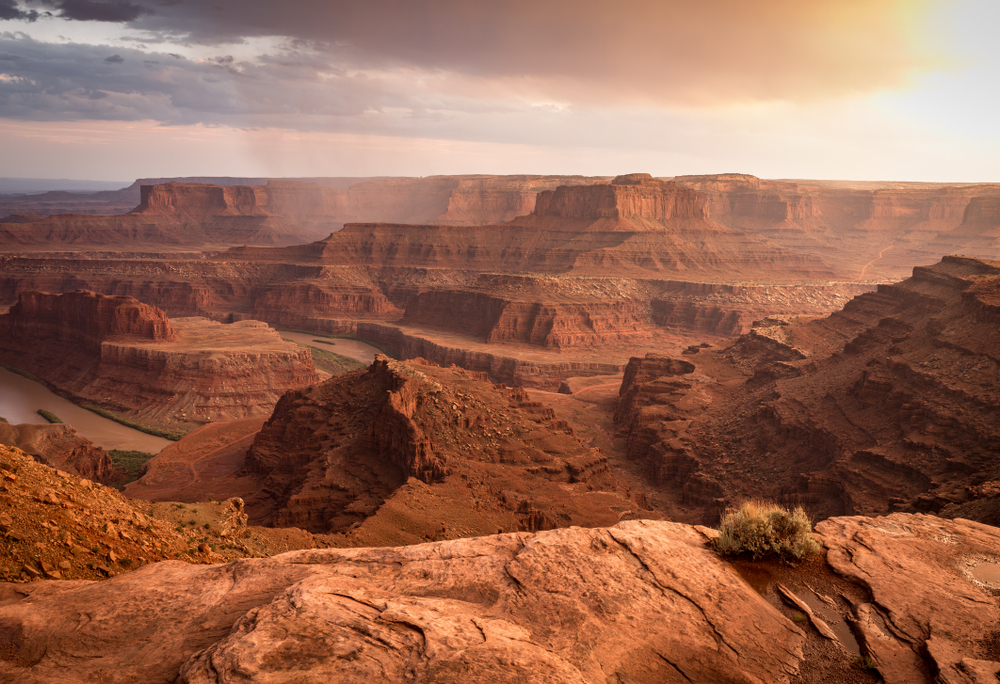
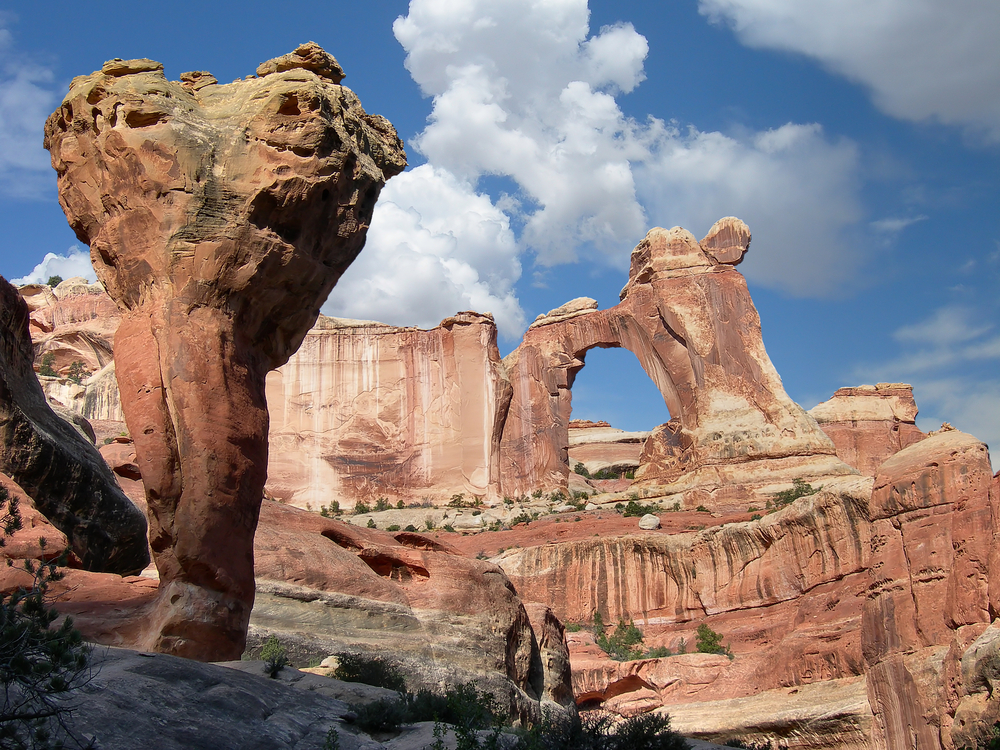
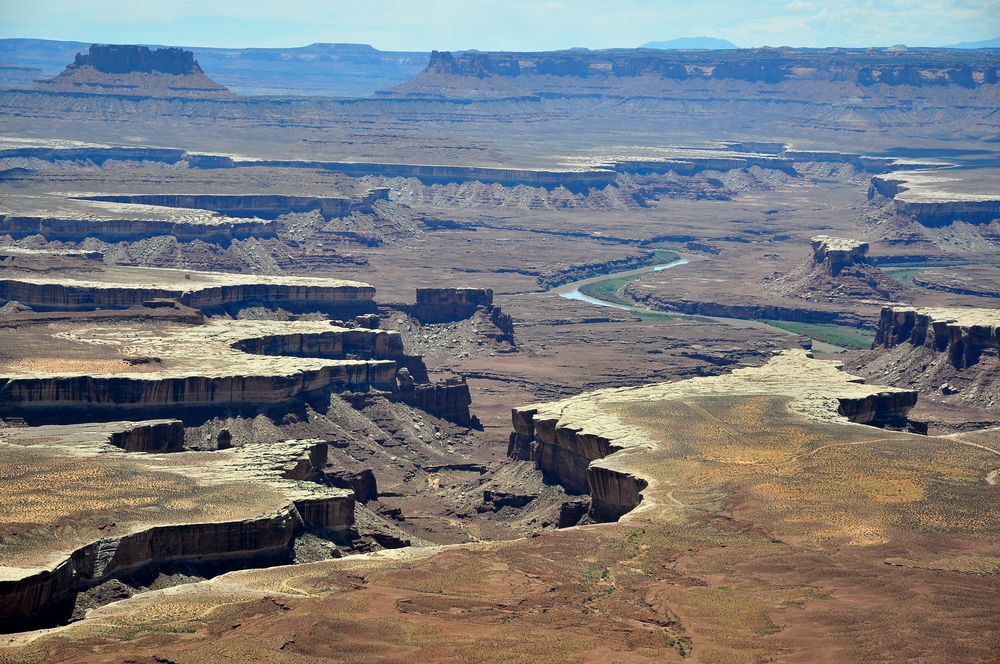
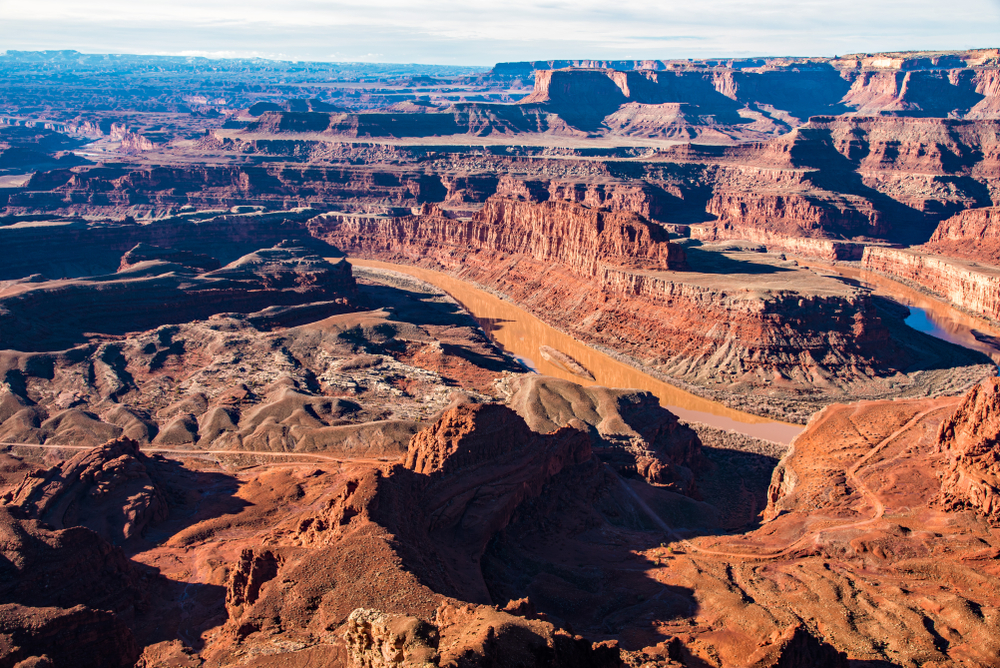
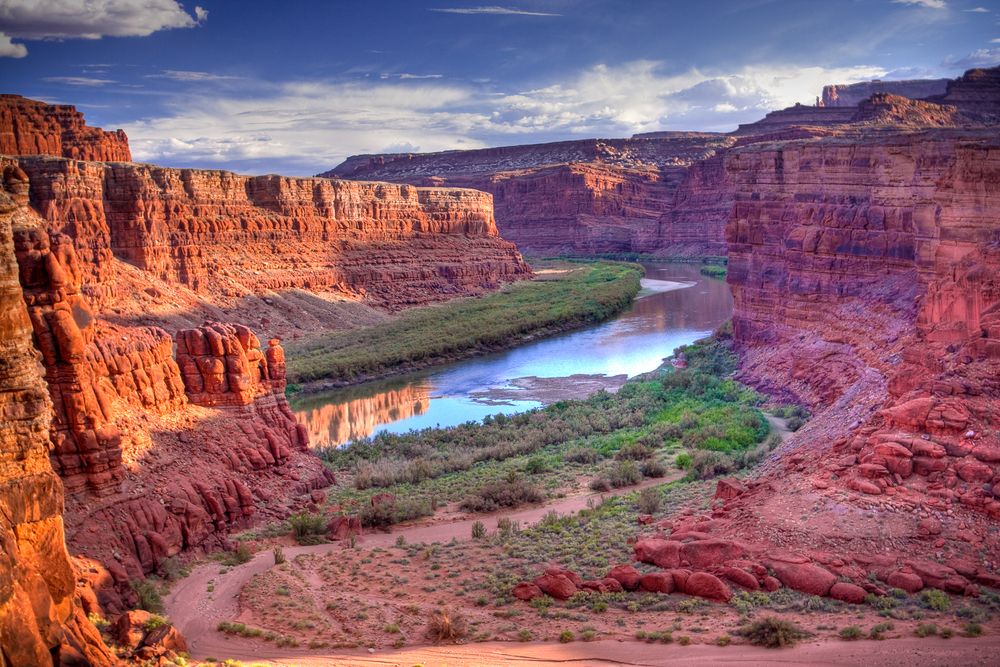
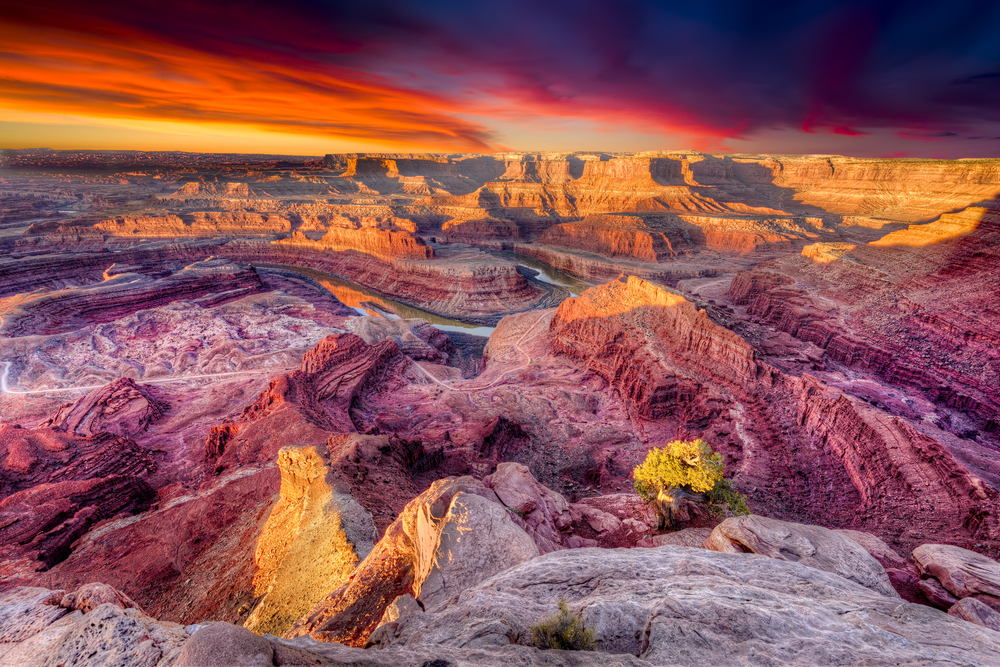
The park is renowned for its abundant canyons, buttes, mesas, and spectacular desert landscapes.  The Colorado River and the Green River along with their tributaries have carved through the Colorado Plateau creating these endless breathtaking landscapes.

The national park is separated into four regions.  These regions or districts include the Island in the Sky, the Maze, the Needles, and the two rivers.  Although each features its own ecological aspects, there is a common denominator of arid desert characteristics amongst them all.

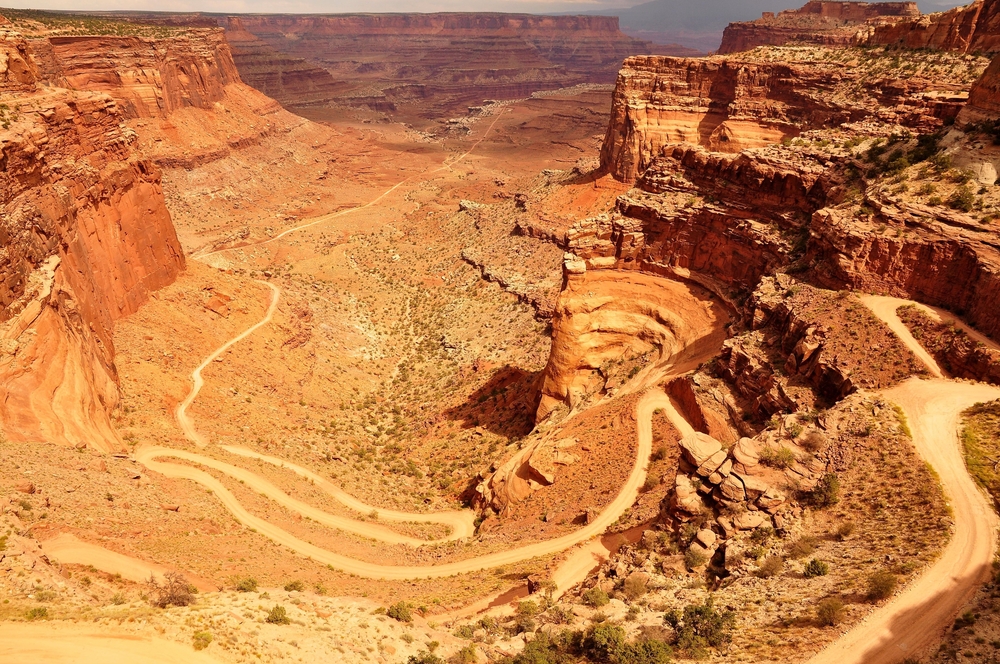
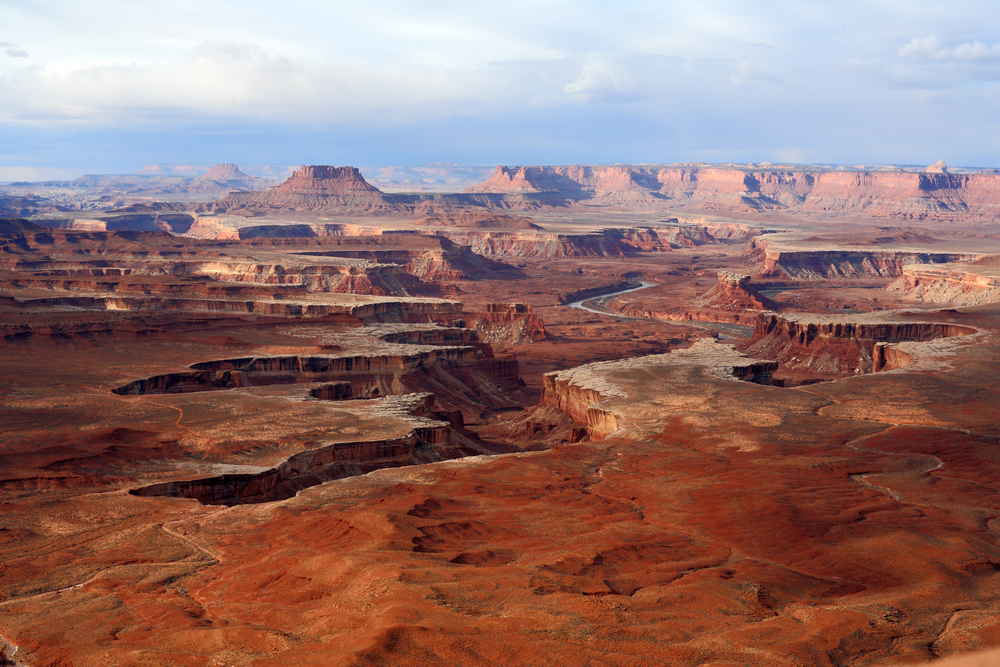
A scenic road, known as White Rim Road, cut across the park in between the river region and the Island in the Sky.  This road is popular among cyclists and four-wheelers.

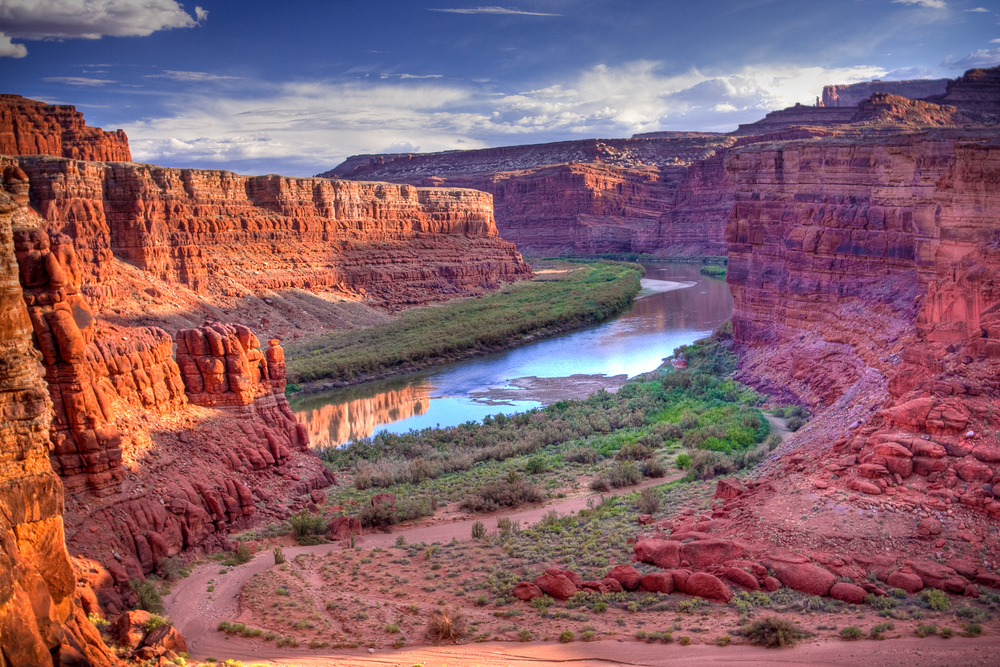
Cataract Canyon was created by the Colorado River and serves as part of the boundary to the Island in the Sky district.  This district provides scenic vistas viewing the White Rim and the rivers below.

Most of the arches are remote and require extensive hikes or four-wheel-drive excursions to experience them.  Horseshoe Canyon is part of the Maze district and it features historical rock paintings that add intrigue and cultural history to the natural beauty of the park.

The plant life is abundant as well but reflective of arid desert zones.  The desert atmosphere features 11 different cactus species with several other wildflowers and shrubs.  The Utah juniper and pinyon pine are some of the common trees found across the park.

The park is home to over 270 species of birds with a good number of predator species gracing the skies.  Both the powerful golden eagle and majestic bald eagles are found in Canyonlands.  The popular wildlife of the park includes badger, bats, black bears, bobcat, cougar, coyote, elk, mule deer, ring-tailed cat, and skunk. 

Things to See

Canyonlands is bountiful with highlights that all leverage the stunning desert landscape that was carved by the Colorado and Green Rivers.  Mesas, buttes, canyons, and arches abound throughout the park.

The Island in the Sky, the Maze, and the Needles are all regions of the park and feature multiple highlights in each area.  Hiking through the park is a highlight as these trails take you to stunning vistas and viewpoints that will leave you speechless.

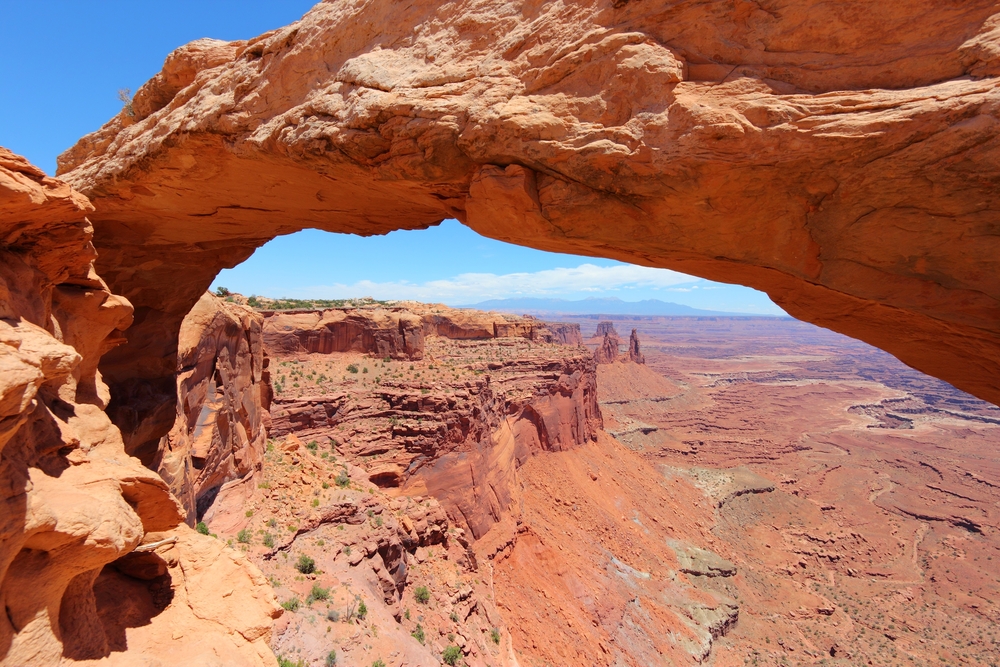
Mesa Arch

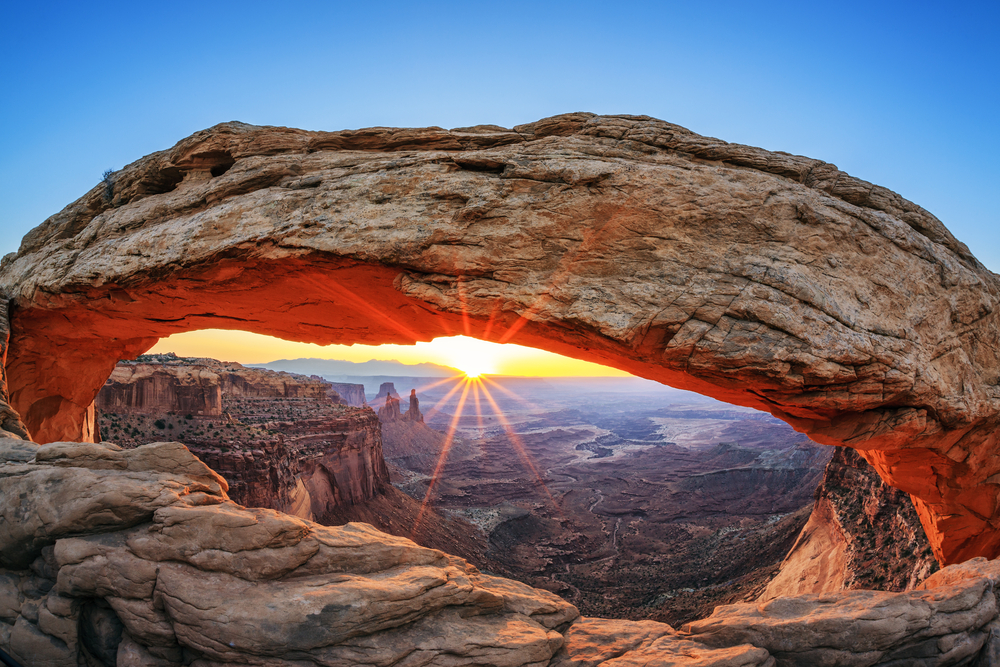
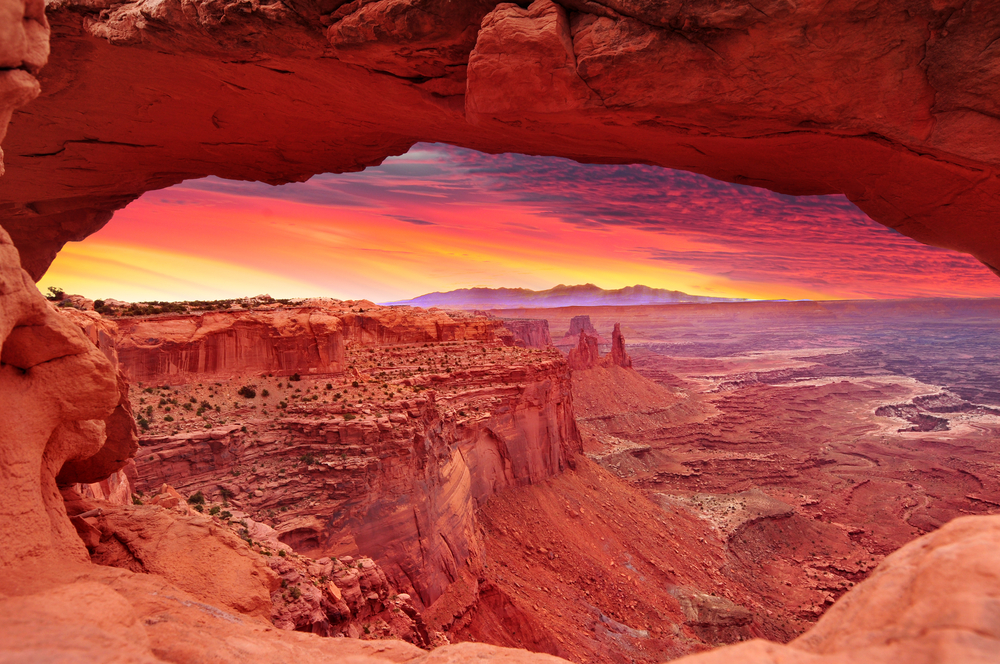
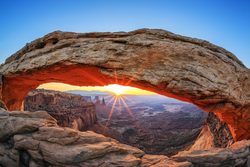
Mesa Arch offers an incredible sunrise view underneath the arch.  The arch is also known as Rotary Arch and Trail Arch.  This is a pothole arch located on the eastern side of the Island in the Sky.

White Rim Road

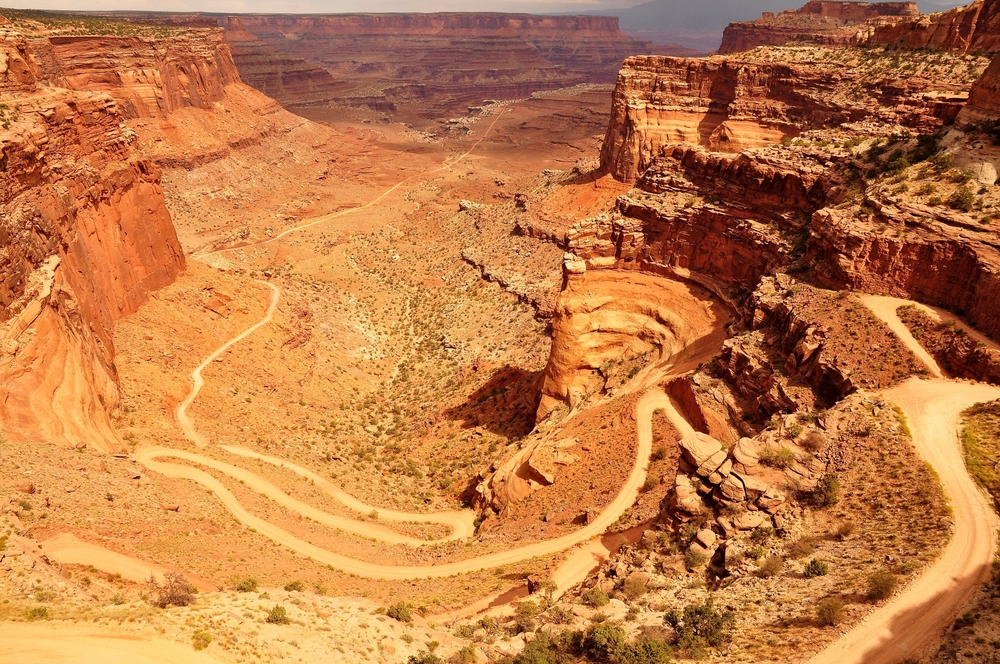
This scenic unpaved road travels a distance of 71.2 miles (114.6 km).  It follows along the top of the sandstone ridge that sits below the Island in the Sky mesa.  The road usually takes 2 days on four-wheelers and three days on mountain bikes.

Cataract Canyon

Cataract Canyon extends a distance of 46 miles (74 km) along the Colorado River. Half of the canyon is below the waters of Lake Powell.  Whitewater rafting is a common way to engage the canyon.  The walls are layered with colors.  The whitewater rapids are similar to those found in Grand Canyon National Park.

Popular

Popular

Canyonlands National Park, a sprawling wilderness of canyons, mesas, and buttes carved by the Colorado River in southeastern Utah, offers an awe-inspiring backdrop for a diverse assembly of wildlife. This rugged terrain, with its array of ecosystems from high desert to riparian areas, supports a variety of species well-adapted to the challenging environment. Visitors to Canyonlands can expect to encounter a range of animals that have become emblematic of the American Southwest’s natural beauty and ecological complexity.

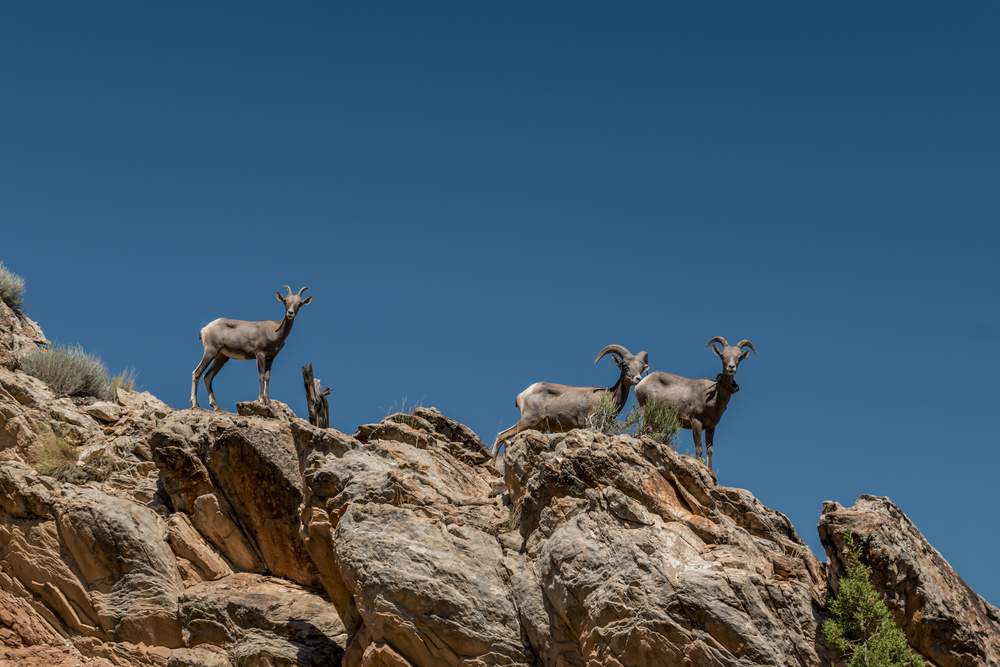
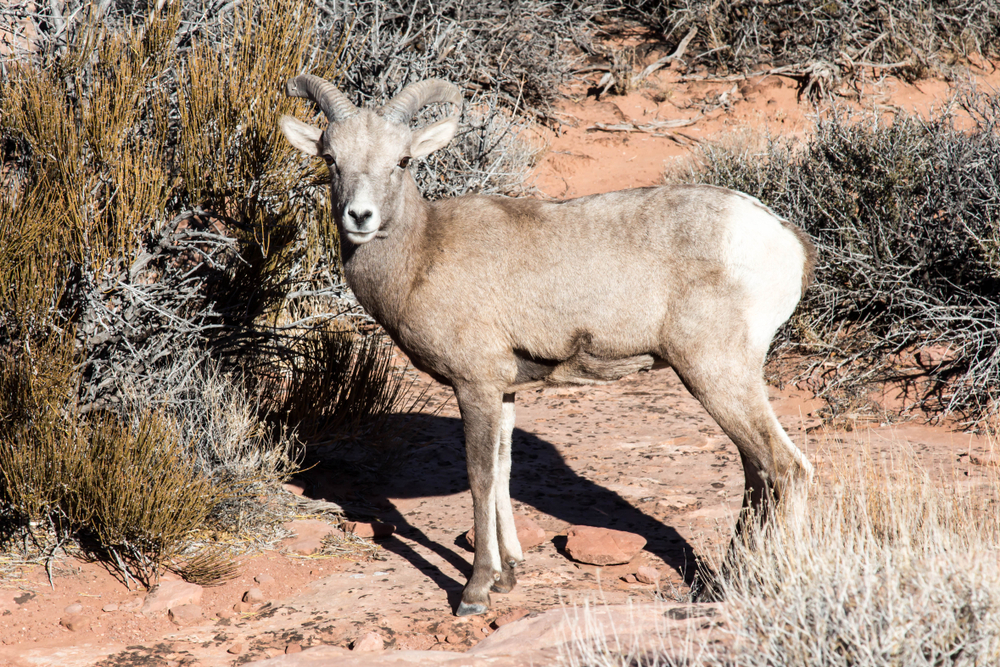
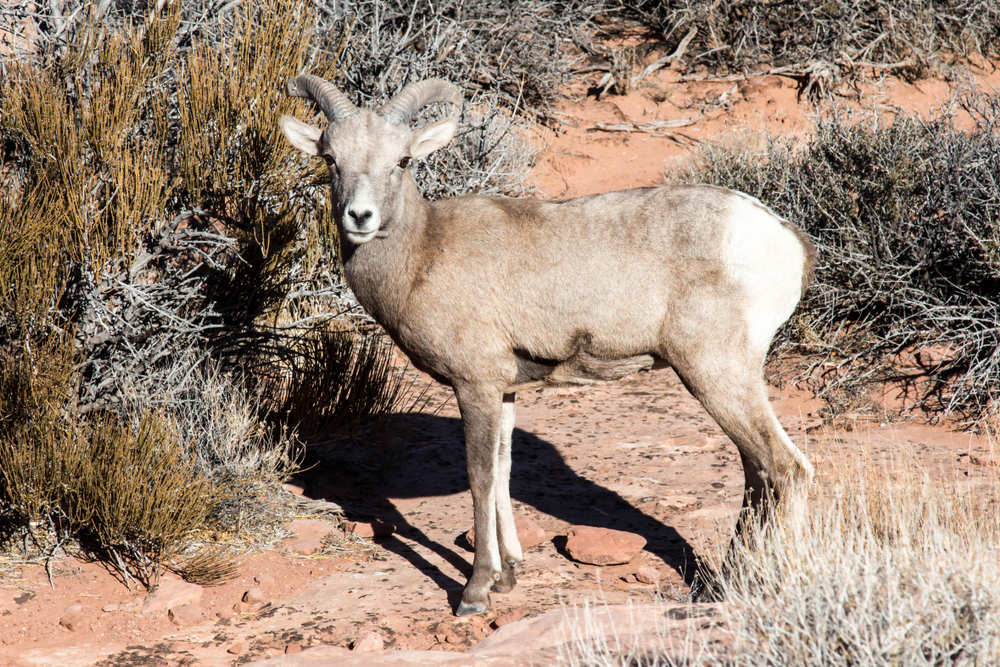
Desert Bighorn Sheep – Once near extinction in the area, these agile mammals have made a comeback, skillfully navigating the park’s rocky cliffs and ledges.

Mule Deer – Commonly seen at dawn and dusk, Mule Deer are vital to the park’s ecosystem, browsing on shrubs and saplings throughout the varied landscapes.

Coyote – Emblematic of the American West, Coyotes play an essential role as both predator and scavenger, adapting to almost every habitat within the park.

Black-tailed Jackrabbit – With their long ears and powerful hind legs, Black-tailed Jackrabbits are a common sight, especially in the park’s open areas at twilight.

Mountain Lion – These elusive predators are the top carnivores within Canyonlands, roaming the park in search of deer and other prey.

Red-tailed Hawk – Soaring above the canyons, the Red-tailed Hawk is a majestic presence, utilizing thermal updrafts to glide while searching for rodents and reptiles.

Peregrine Falcon – The fastest bird in the world, Peregrine Falcons nest on the park’s cliff faces, diving at incredible speeds to catch their prey in flight.

Ravens – Highly intelligent and adaptable, Ravens are a common sight, known for their problem-solving skills and complex social behaviors.

Western Rattlesnake – A venomous inhabitant of the park, Western Rattlesnakes are most active at dusk, playing a critical role in controlling rodent populations.

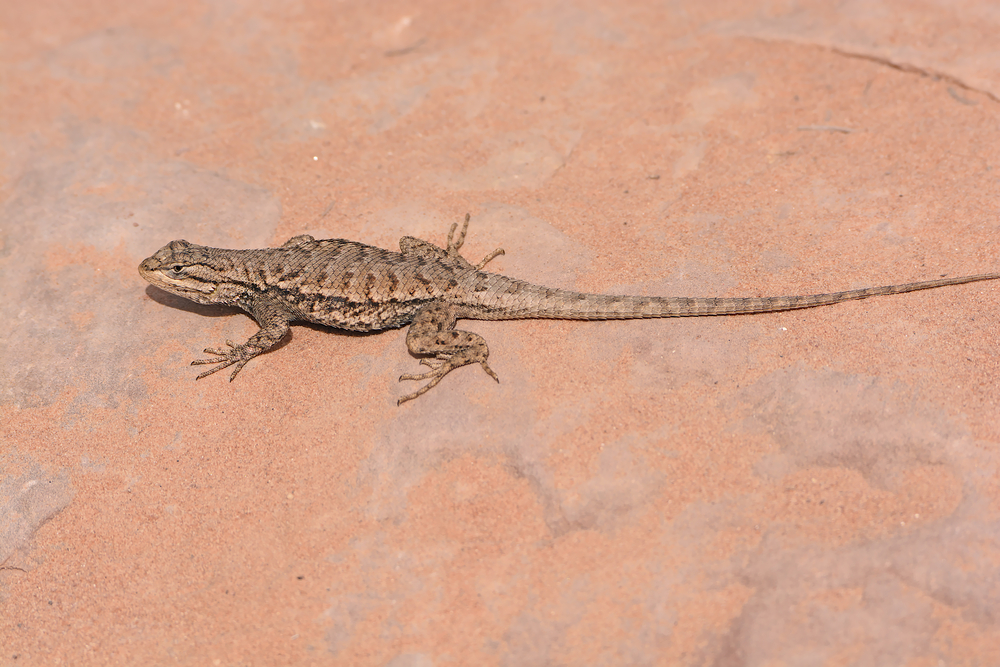
Collared Lizard – Colorful and fast, Collared Lizards are often seen basking on rocks, their vibrant hues a stark contrast against the desert backdrop.

The wildlife of Canyonlands National Park not only adds to the grandeur and mystique of the landscape but also highlights the intricate balance of life in one of America’s most rugged and beautiful wild places.

Things To Do

Engaging Canyonlands

Hiking

Explore the diverse landscapes of Canyonlands National Park on foot, with trails ranging from easy strolls to challenging treks. Hikers can marvel at towering mesas, deep canyons, and unique rock formations while immersing themselves in the park’s natural beauty.

Hiking is the most popular activity within the park and the best way to experience all that the park has to offer.

Scenic Drives

Take in the awe-inspiring vistas of Canyonlands National Park from the comfort of your vehicle. Scenic drives like the Island in the Sky route offer panoramic views of the canyons, while the Shafer Trail provides an adventurous off-road experience through rugged terrain.

Rafting

Embark on an exhilarating river journey along the Colorado and Green Rivers, winding through the heart of Canyonlands National Park.

Guided rafting trips offer opportunities to navigate rapids, explore hidden side canyons, and witness stunning geological features from a unique perspective.

Hiking

Explore the diverse landscapes of Canyonlands National Park on foot, with trails ranging from easy strolls to challenging treks. Hikers can marvel at towering mesas, deep canyons, and unique rock formations while immersing themselves in the park’s natural beauty.

Hiking is the most popular activity within the park and the best way to experience all that the park has to offer.

Scenic Drives

Take in the awe-inspiring vistas of Canyonlands National Park from the comfort of your vehicle. Scenic drives like the Island in the Sky route offer panoramic views of the canyons, while the Shafer Trail provides an adventurous off-road experience through rugged terrain.

Rafting

Embark on an exhilarating river journey along the Colorado and Green Rivers, winding through the heart of Canyonlands National Park.

Guided rafting trips offer opportunities to navigate rapids, explore hidden side canyons, and witness stunning geological features from a unique perspective.

Canyonlands National Park Trails

There are several trails that allow visitors to engage the national park in full.  Mountain bikes and ATVs allow more of the park to be experienced easier and quicker, but hiking is more intimate.

placeholder

Grand View Trail

This is an easy 2-mile round-trip that goes allow the mesa edge ending with one of the most stunning views in the world.  This amazing view is what earned the trail’s name, the Grand View Trail. 

placeholder

Horseshoe Canyon Trail

This is a difficult 6.5 mile (10.46 km) that crosses through the Maze District.  One of the features of the trail is the historical rock paintings from original natives.

placeholder

Mesa Arch Trail

This is a short easy trail that is just over half of a mile.  It provides an incredible sunrise view underneath the Mesa Arch. It also provides views of canyons, rock spires, and the La Sal Mountains. The trailhead is just at a wide parking area off Grand View Point Road.

placeholder

Confluence Overlook Trail

This is a moderate 11-mile round-trip trail that leads hikers to a vista overlooking the spot where the Colorado River and Green River merge together.  The trail gets hot making hikes in the summer months challenging.  

placeholder

Upper Salt Creek

This is a really difficult and challenging 22.5 mile (36.2 km) one-way trail.  The trail provides access to some of the most incredible arches and landscapes.  This is a backpacking adventure and for those who are more physically fit.

placeholder

Mesa Arch Trail

Rating: Easy

Distance and Elevation Gain: 0.5 miles round trip with minimal elevation gain

Description: This short, accessible hike leads to the iconic Mesa Arch, a perfect window to the vast canyon below and the La Sal Mountains in the distance. Ideal for sunrise, the arch glows brilliantly as the sun rises, offering one of the most photographed scenes in Canyonlands. The trail is suitable for all ages and provides a quick taste of the park’s beauty.

placeholder

Grand View Point Trail

Rating: Easy

Distance and Elevation Gain: 2 miles round trip with minimal elevation gain

Description: Offering panoramic views of the Canyonlands’ dramatic landscapes, this trail leads to the Grand View Point Overlook, where visitors can see the White Rim Road, the Colorado River, and the Island in the Sky. The relatively flat path is well-marked and provides breathtaking vistas at every turn, making it a must-do for first-time visitors.

placeholder

Upheaval Dome Trail

Rating: Moderate

Distance and Elevation Gain: 1.8 miles round trip with an elevation gain of about 300 feet (91 meters) to the second viewpoint

Description: This trail offers two viewpoints of the mysterious Upheaval Dome, a unique geological feature whose origin is debated among scientists. The hike is moderately strenuous with some steep sections, leading to spectacular views of the dome’s striking colors and formations, providing a fascinating glimpse into the park’s geologic diversity.

placeholder

Chesler Park Loop Trail (The Needles)

Rating: Strenuous

Distance and Elevation Gain: 11 miles round trip with an elevation gain of about 1,600 feet (488 meters)

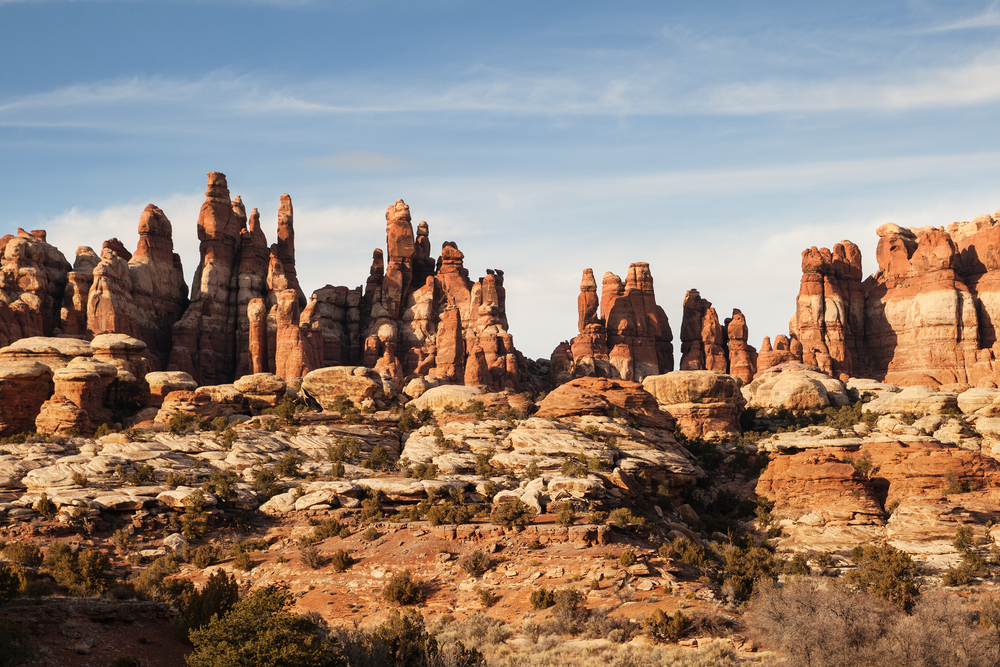
Description: This trail in the Needles District takes hikers through a stunning landscape of needle-like rock formations, deep canyons, and expansive grasslands. The path includes some challenging sections but rewards with incredible views and solitude. It’s an immersive experience in the unique geography that defines the Needles.

placeholder

Syncline Loop Trail

Rating: Strenuous

Distance and Elevation Gain: 8.3 miles round trip with an elevation gain of about 1,300 feet (396 meters)

Description: Circling the Upheaval Dome, the Syncline Loop offers a challenging and remote hiking experience. The trail descends into the syncline, requiring careful navigation over rocky terrain and steep passes. Hikers are rewarded with close-up views of the geological complexity surrounding the dome and a sense of adventure in the park’s rugged wilderness.

placeholder

Mesa Arch Trail

Rating: Easy

Distance and Elevation Gain: 0.5 miles round trip with minimal elevation gain

Description: This short, accessible hike leads to the iconic Mesa Arch, a perfect window to the vast canyon below and the La Sal Mountains in the distance. Ideal for sunrise, the arch glows brilliantly as the sun rises, offering one of the most photographed scenes in Canyonlands. The trail is suitable for all ages and provides a quick taste of the park’s beauty.

placeholder

Grand View Point Trail

Rating: Easy

Distance and Elevation Gain: 2 miles round trip with minimal elevation gain

Description: Offering panoramic views of the Canyonlands’ dramatic landscapes, this trail leads to the Grand View Point Overlook, where visitors can see the White Rim Road, the Colorado River, and the Island in the Sky. The relatively flat path is well-marked and provides breathtaking vistas at every turn, making it a must-do for first-time visitors.

placeholder

Upheaval Dome Trail

Rating: Moderate

Distance and Elevation Gain: 1.8 miles round trip with an elevation gain of about 300 feet (91 meters) to the second viewpoint

Description: This trail offers two viewpoints of the mysterious Upheaval Dome, a unique geological feature whose origin is debated among scientists. The hike is moderately strenuous with some steep sections, leading to spectacular views of the dome’s striking colors and formations, providing a fascinating glimpse into the park’s geologic diversity.

placeholder

Chesler Park Loop Trail (The Needles)

Rating: Strenuous

Distance and Elevation Gain: 11 miles round trip with an elevation gain of about 1,600 feet (488 meters)

Description: This trail in the Needles District takes hikers through a stunning landscape of needle-like rock formations, deep canyons, and expansive grasslands. The path includes some challenging sections but rewards with incredible views and solitude. It’s an immersive experience in the unique geography that defines the Needles.

placeholder

Syncline Loop Trail

Rating: Strenuous

Distance and Elevation Gain: 8.3 miles round trip with an elevation gain of about 1,300 feet (396 meters)

Description: Circling the Upheaval Dome, the Syncline Loop offers a challenging and remote hiking experience. The trail descends into the syncline, requiring careful navigation over rocky terrain and steep passes. Hikers are rewarded with close-up views of the geological complexity surrounding the dome and a sense of adventure in the park’s rugged wilderness.

FAQ’s

What is Canyonlands National Park known for?

Canyonlands National Park is renowned for its stunning geological formations, including vast canyons, towering mesas, and spectacular rock arches.

The park’s rugged terrain, carved by the Colorado and Green Rivers over millions of years, offers visitors unparalleled opportunities for outdoor adventure and exploration.

Canyonlands is also celebrated for its diverse ecosystems, ranging from desert landscapes to lush river corridors, supporting a wide array of plant and animal life.

Additionally, the park’s remote backcountry and dark night skies make it an ideal destination for stargazing and experiencing the tranquility of nature.

With its breathtaking vistas and rugged beauty, Canyonlands National Park captivates visitors with its unique and awe-inspiring natural wonders.

What is Canyonlands National Park known for?

Canyonlands National Park is renowned for its stunning geological formations, including vast canyons, towering mesas, and spectacular rock arches.

The park’s rugged terrain, carved by the Colorado and Green Rivers over millions of years, offers visitors unparalleled opportunities for outdoor adventure and exploration.

Canyonlands is also celebrated for its diverse ecosystems, ranging from desert landscapes to lush river corridors, supporting a wide array of plant and animal life.

Additionally, the park’s remote backcountry and dark night skies make it an ideal destination for stargazing and experiencing the tranquility of nature.

With its breathtaking vistas and rugged beauty, Canyonlands National Park captivates visitors with its unique and awe-inspiring natural wonders.

Sources