

About
Arches National Park is located in eastern Utah near the city of Moab. Established as a national park in 1971, it covers approximately 119 square miles (310 sq km) and protects the world’s greatest concentration of natural sandstone arches.
The park lies within the Colorado Plateau, a vast region known for its dramatic red rock landscapes, and is situated near other iconic protected areas including Canyonlands National Park and Dead Horse Point State Park. With more than 2,000 documented natural stone arches, Arches National Park is one of the most geologically unique destinations in North America.
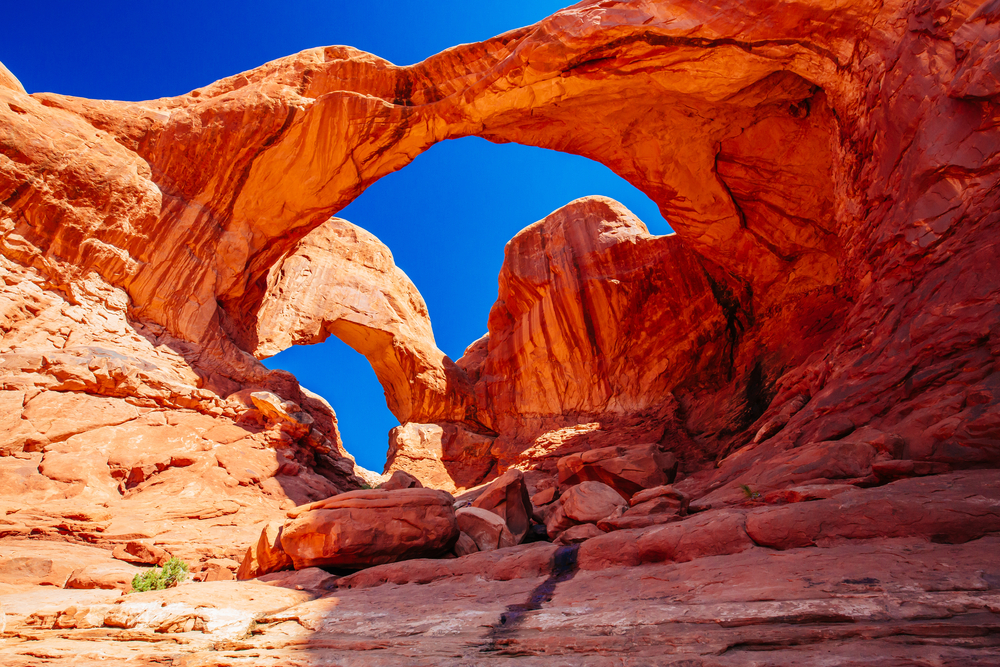
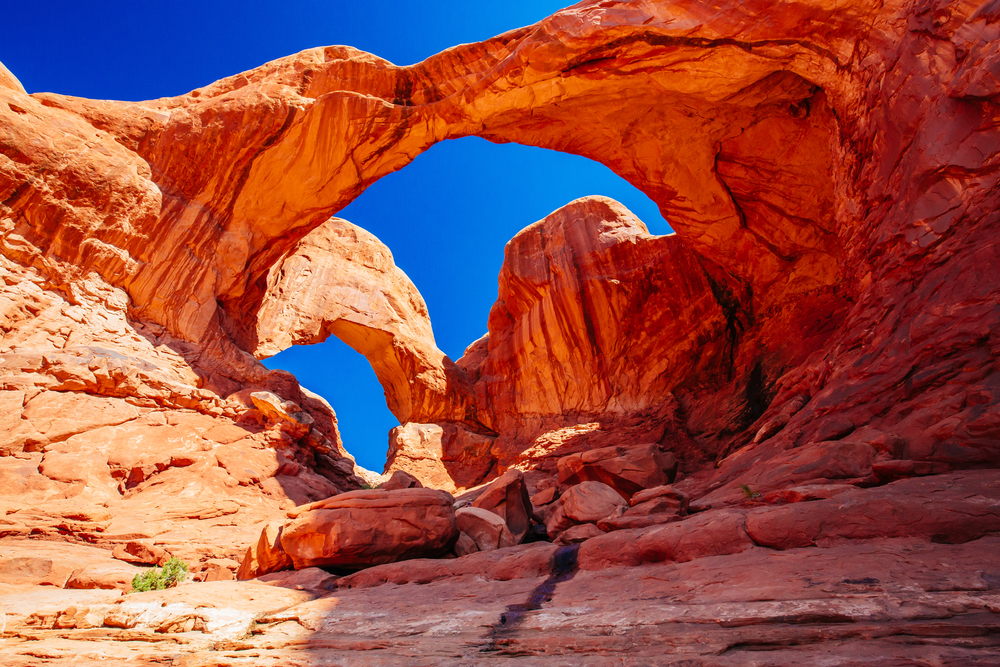
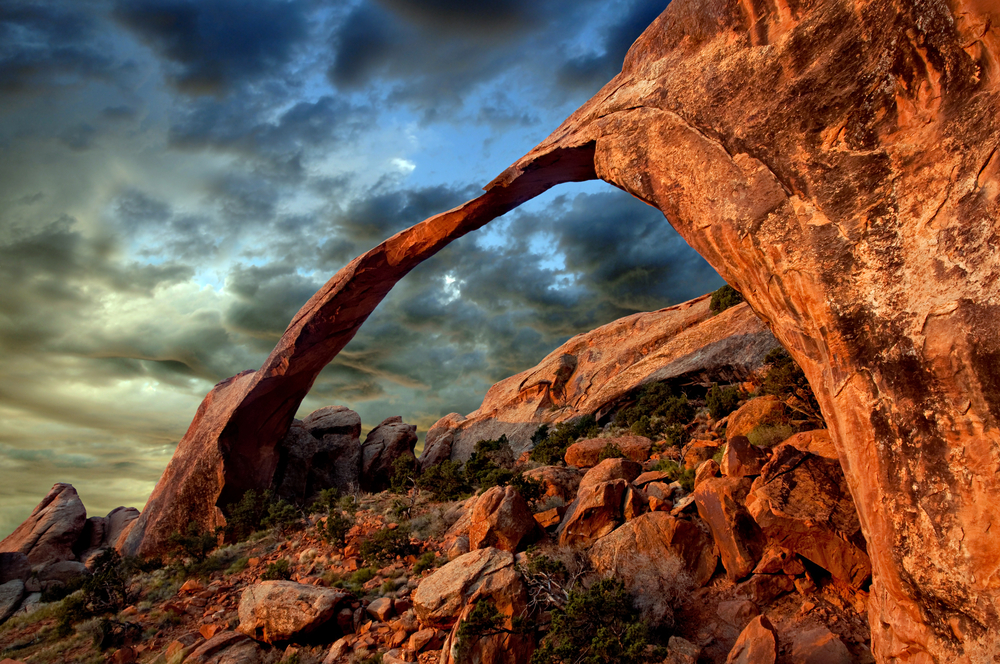
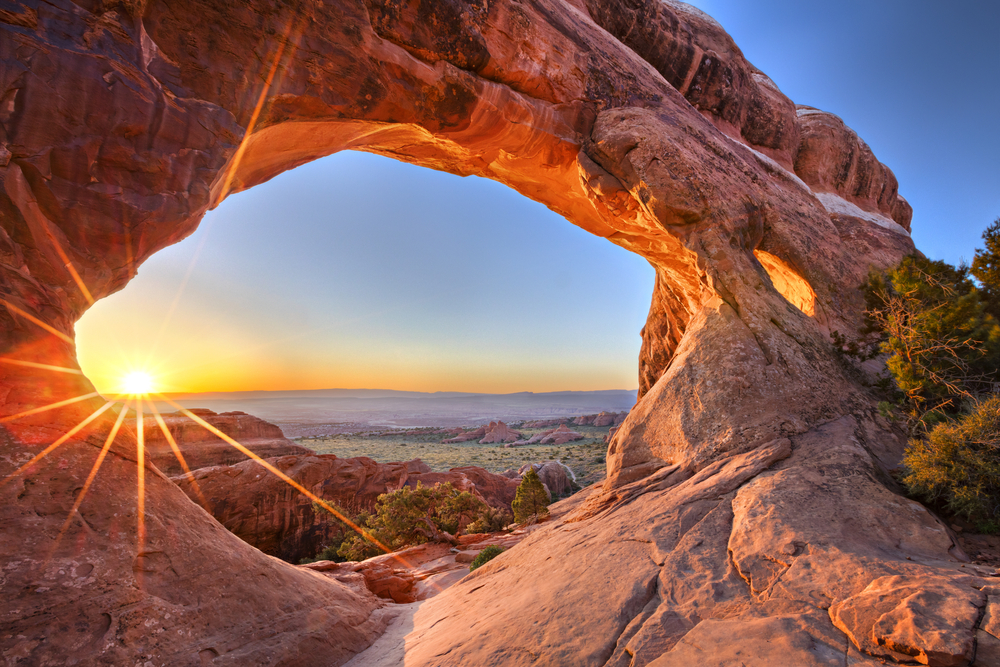
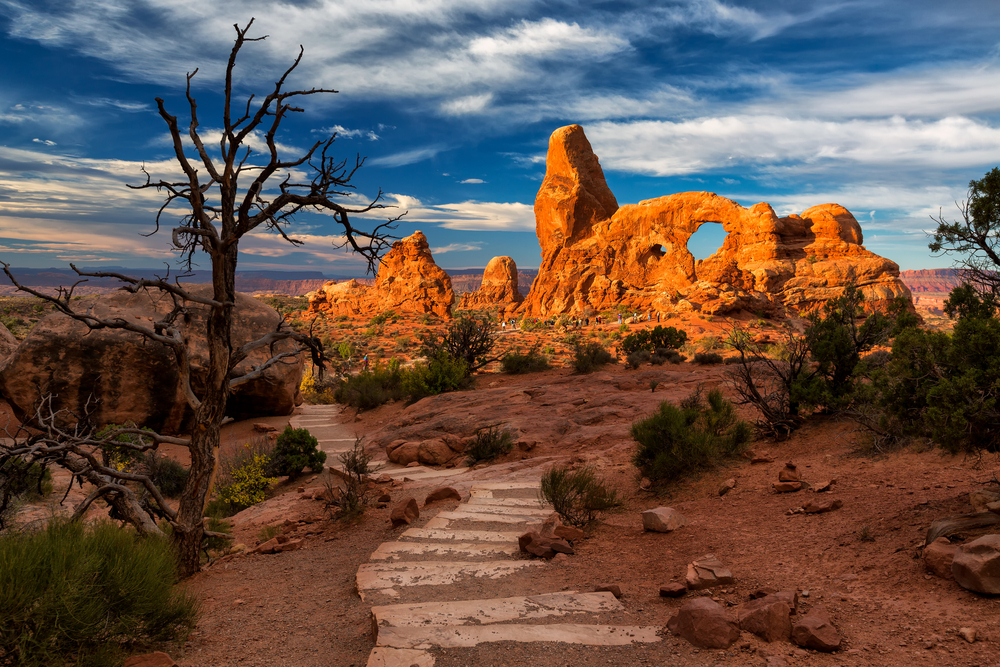
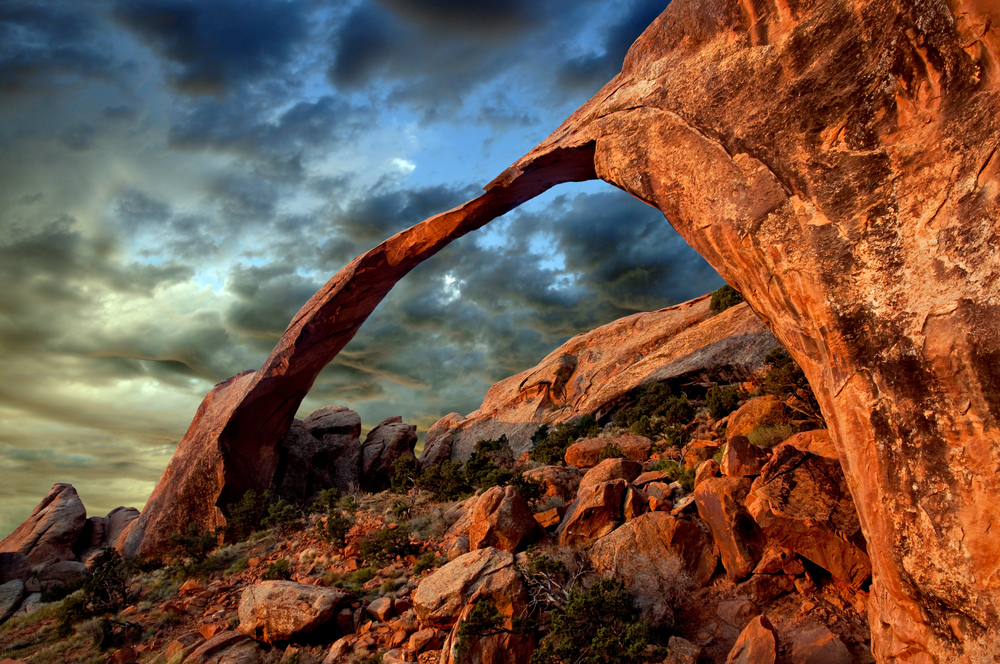
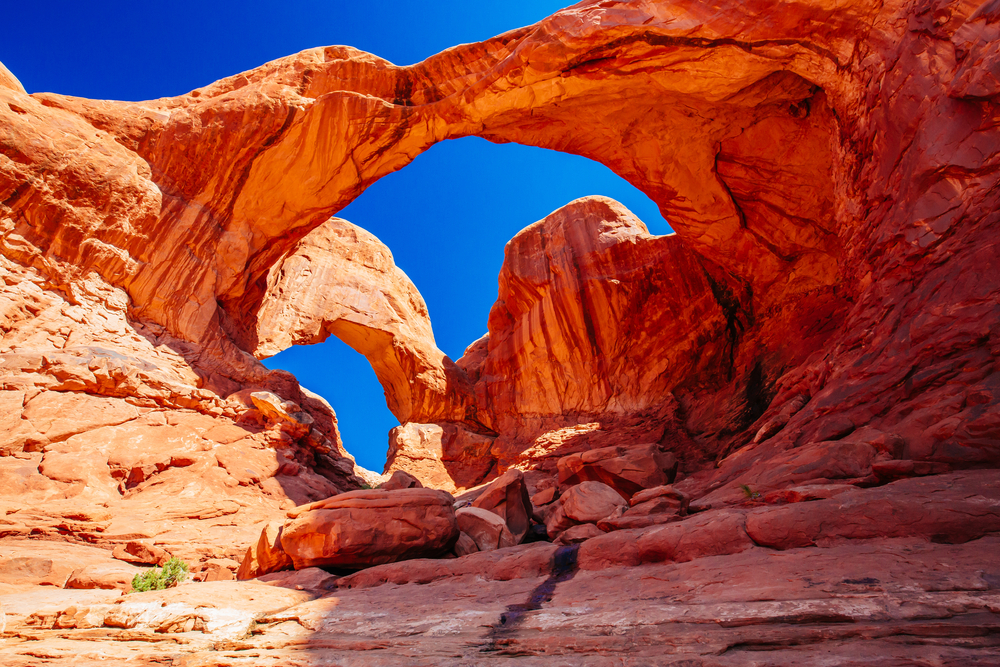
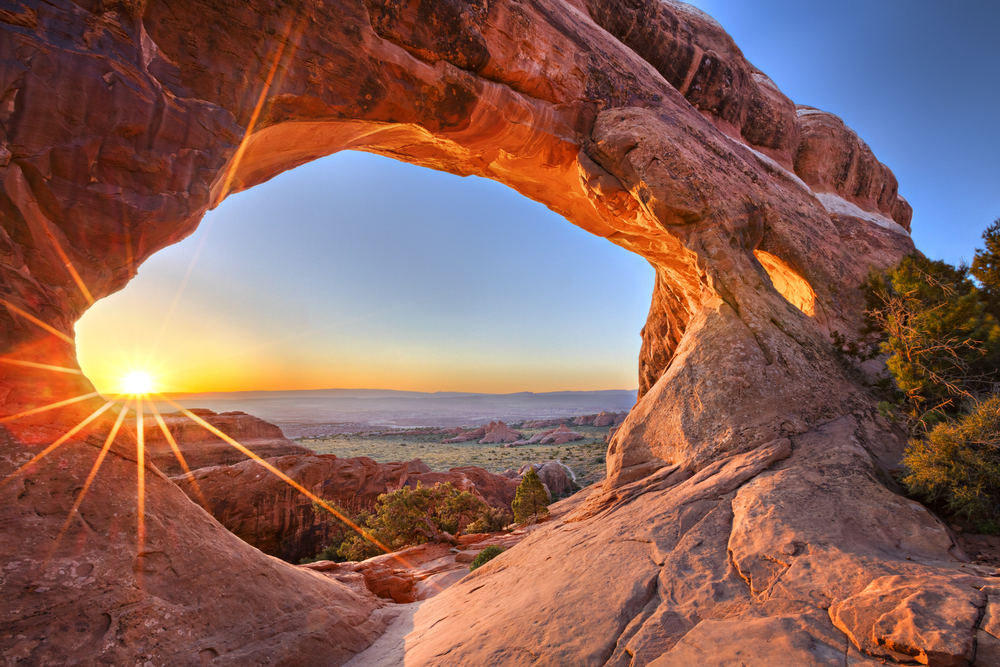
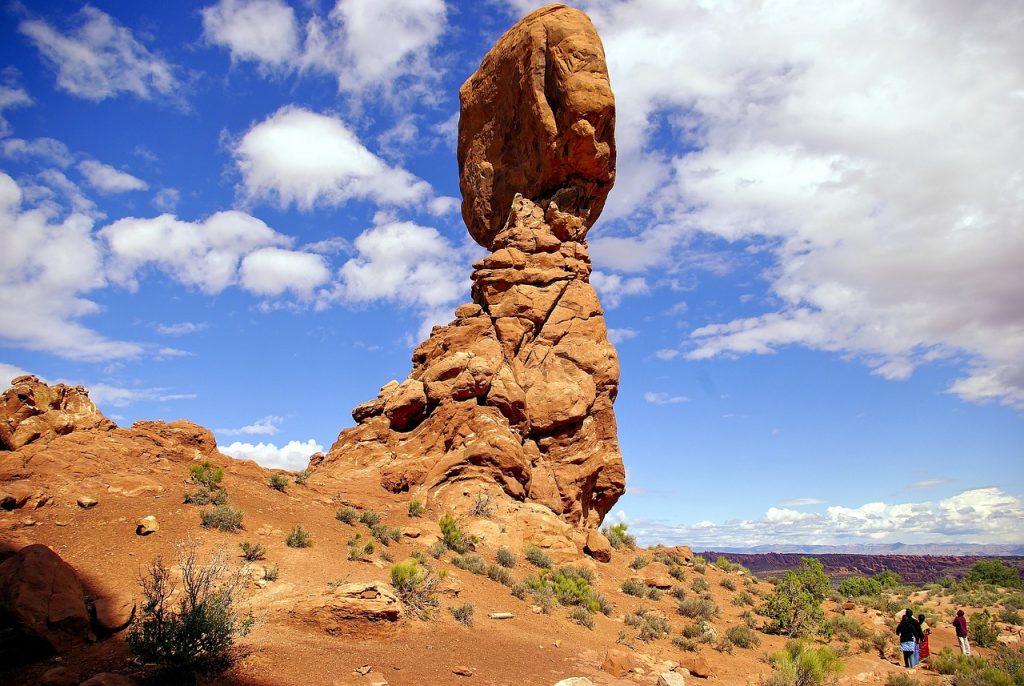
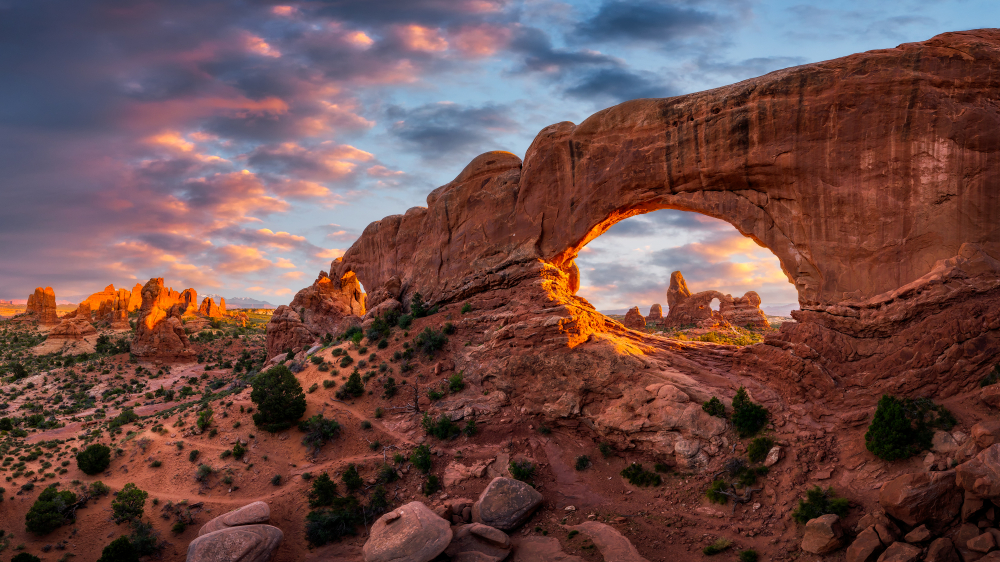
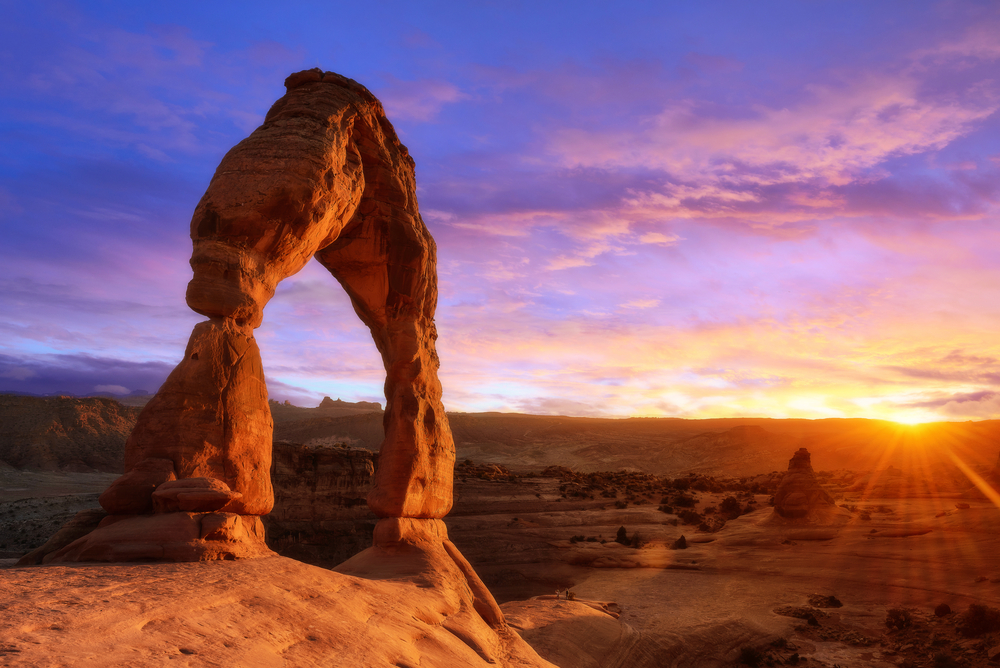
The park is best known for its extraordinary collection of natural arches, towering rock fins, balanced rocks, and sculpted sandstone formations. Visitors come from around the world to witness iconic landmarks such as Delicate Arch, the unofficial symbol of Utah, along with Landscape Arch, Double Arch, and the Windows Section.
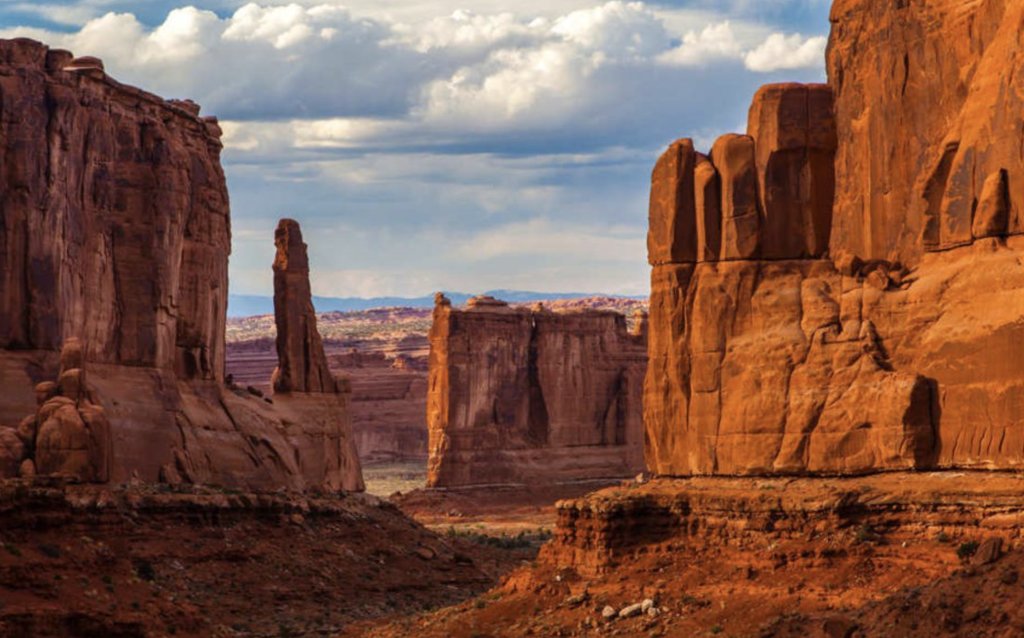
The park’s striking red and orange rock formations create unforgettable scenery, particularly during sunrise and sunset when the sandstone glows with vibrant colors. Scenic drives, short walks, and challenging hikes allow visitors to explore a landscape that appears almost otherworldly. Photographers, hikers, and outdoor enthusiasts consistently rank Arches among the most spectacular national parks in the United States.
Geographically, Arches National Park sits atop a vast underground salt bed deposited thousands of years ago. Over time, shifting salt layers, uplift, erosion, and weathering created the remarkable formations visible today. The landscape is dominated by Entrada Sandstone, whose unique properties make it especially susceptible to arch formation.
The park contains towering sandstone fins, narrow canyons, mesas, buttes, and exposed rock layers that reveal thousands of years of geological history. Despite its desert environment, subtle variations in elevation and terrain create a surprising diversity of habitats across the park.
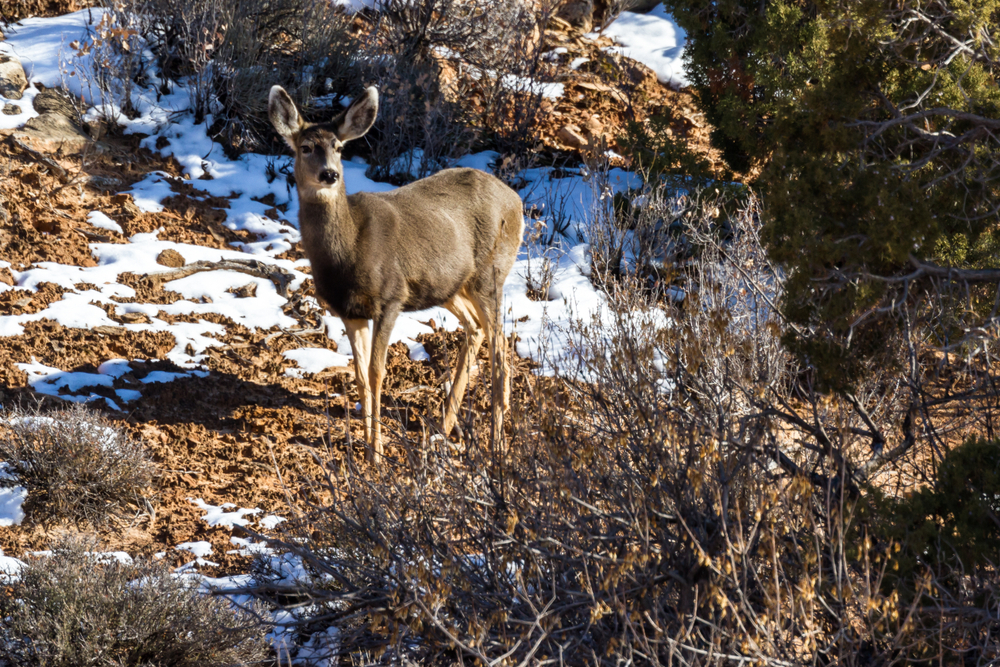
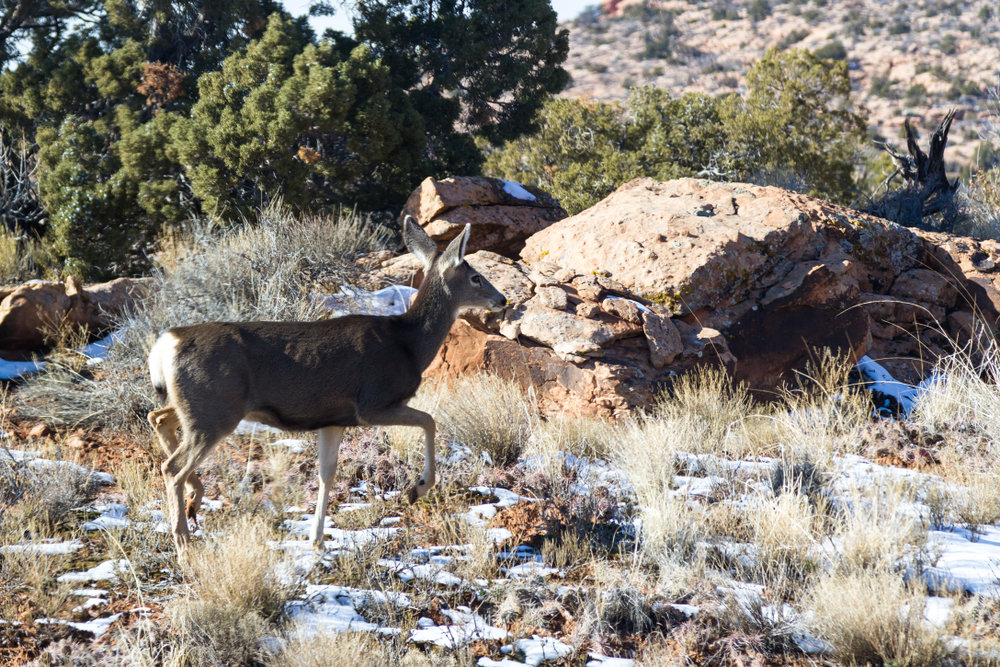
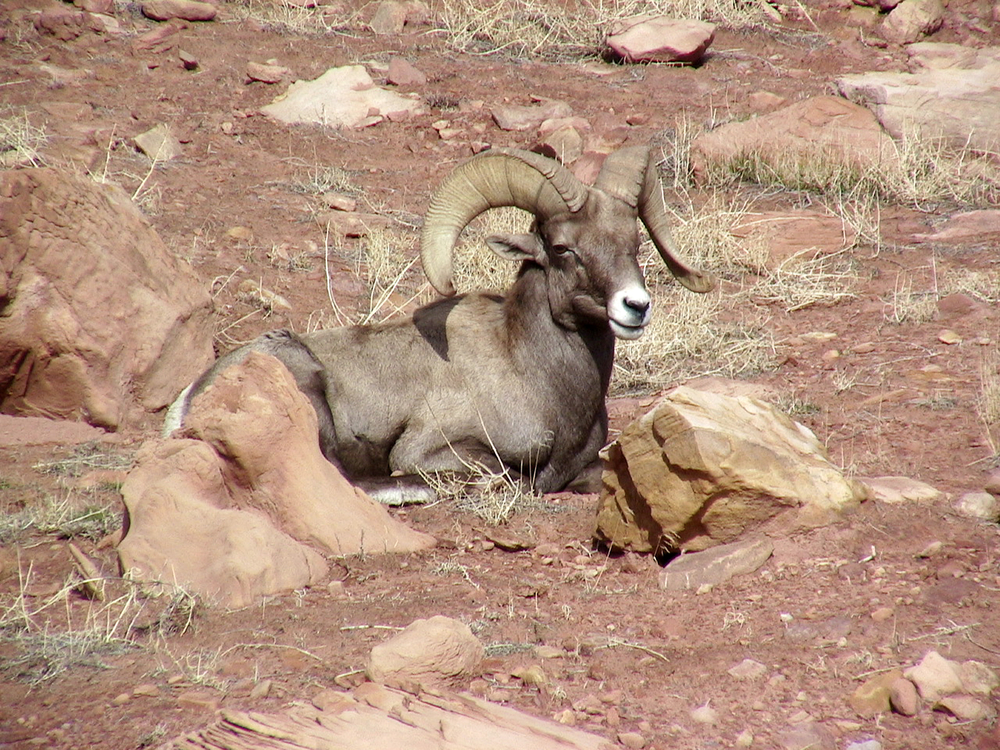
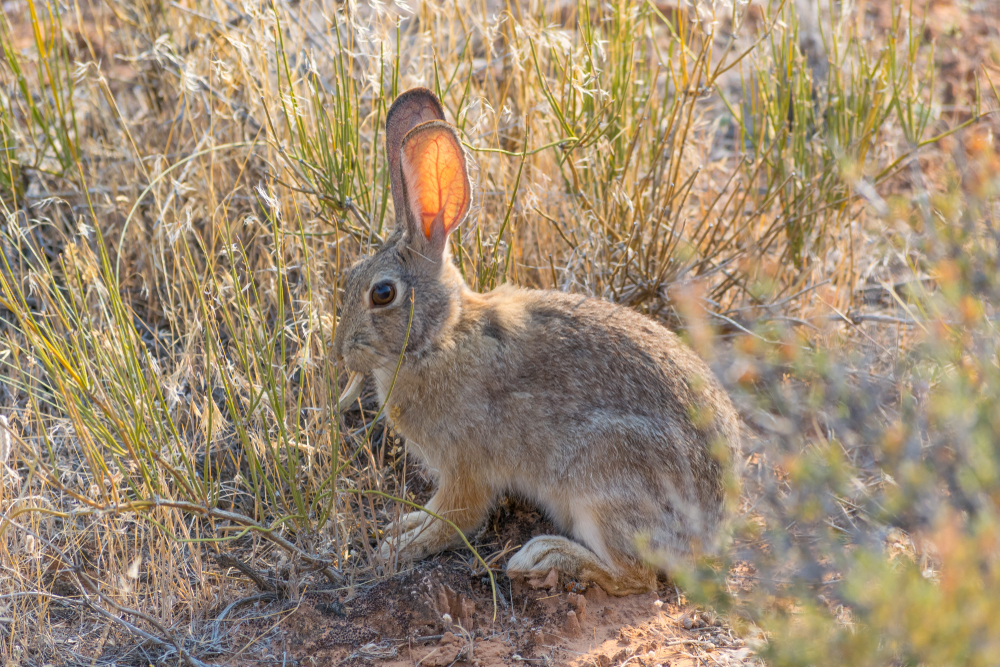
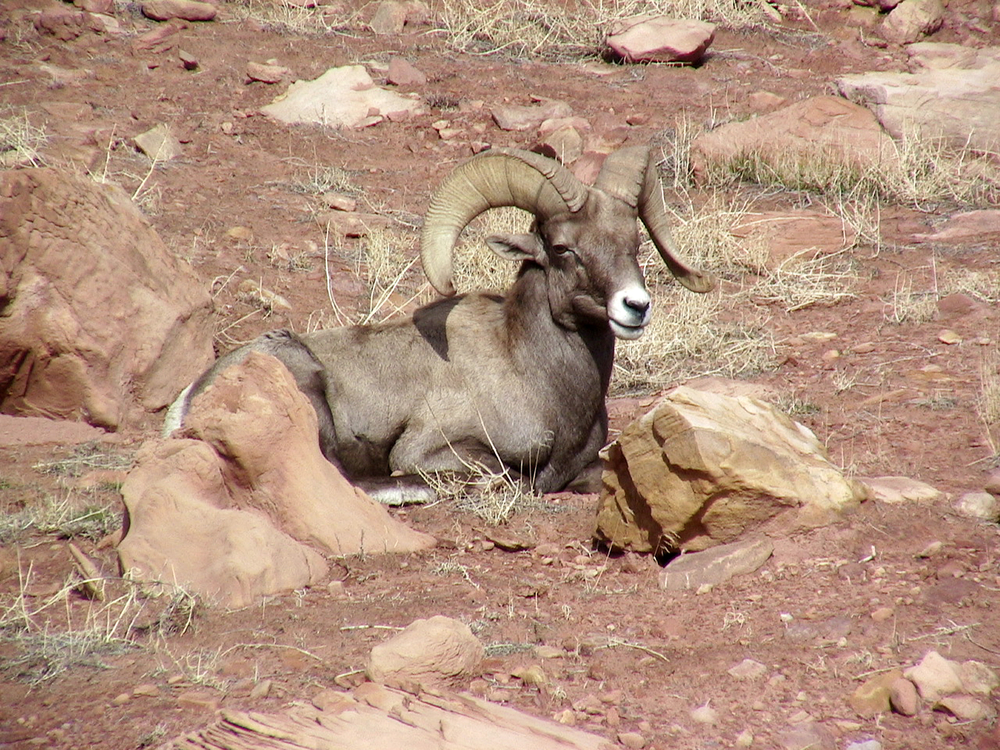
Wildlife in Arches National Park has adapted to the challenges of the high desert. Mammals include mule deer, coyotes, bobcats, desert cottontails, kangaroo rats, and foxes. Bighorn sheep occasionally inhabit rocky areas near the park. Birdlife includes ravens, golden eagles, peregrine falcons, pinyon jays, and numerous migratory species.
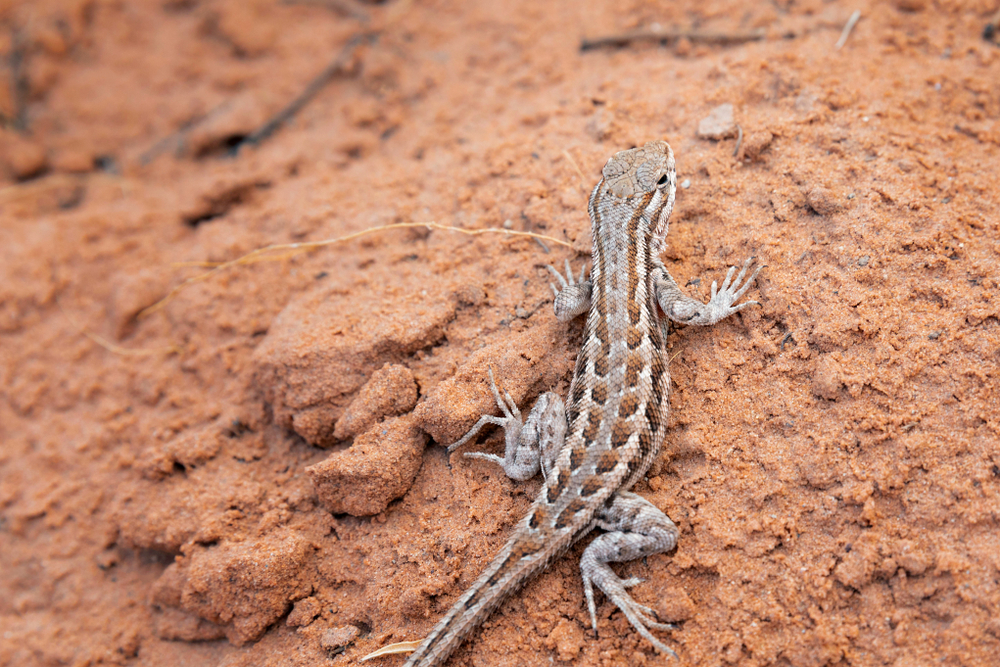
Reptiles such as collared lizards, whiptails, and rattlesnakes are common in warmer months. Biological soil crusts, composed of mosses, lichens, algae, and cyanobacteria, play a crucial ecological role by stabilizing soil and supporting desert ecosystems. These fragile communities are among the park’s most important and vulnerable natural resources.
Arches National Park protects one of the most remarkable geological landscapes on Earth. Its arches and sandstone formations represent a rare concentration of natural features found nowhere else in such abundance. The park also preserves fragile desert ecosystems that support a surprising diversity of life despite limited water resources.
Geologically, Arches is often compared to famous desert parks such as Bryce Canyon National Park and Capitol Reef National Park, yet its unparalleled concentration of natural arches makes it truly unique. Through its extraordinary rock formations, desert wildlife, and stunning landscapes, Arches National Park stands as one of America’s most iconic natural treasures and one of the world’s greatest showcases of geological artistry.
Photos


Things to See
Things To Do
Engaging Arches National Park
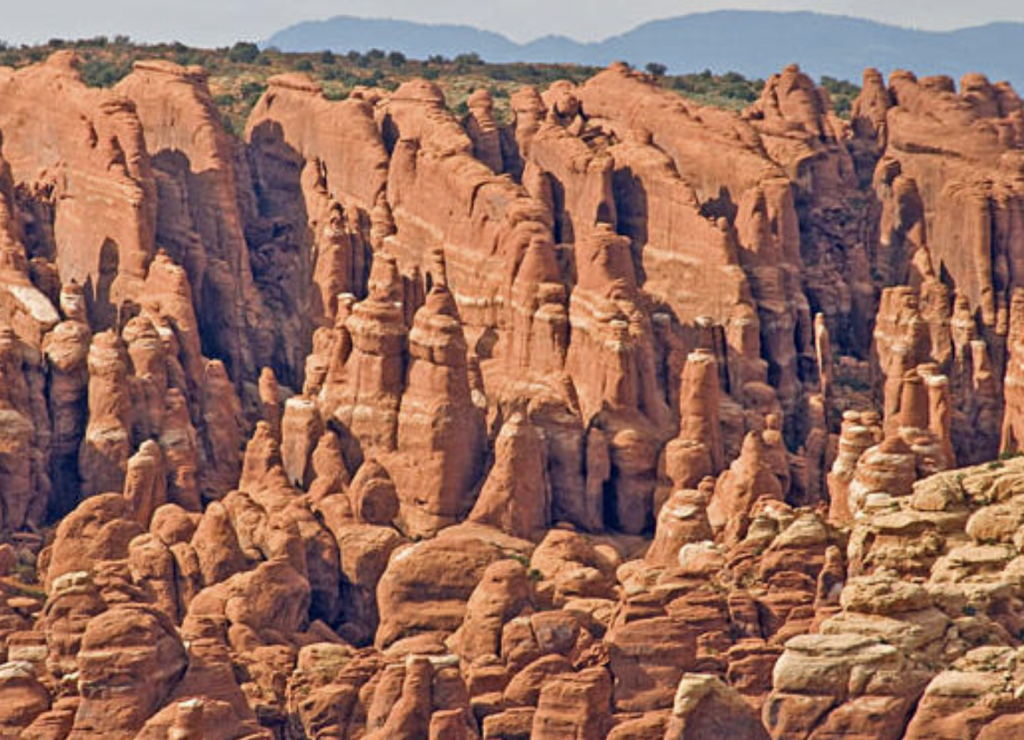
Arches National Park Trails
There are several trails through the national park that allow you to experience the abundance of arches in a more personal way.

Park Protection
 Arches National Park was created to protect one of the world’s most extraordinary concentrations of natural sandstone arches, towering rock fins, balanced rocks, and other geological formations sculpted by millions of years of erosion. The park preserves over 2,000 documented natural arches, including some of the most famous examples on Earth. While geology is its primary focus, the park also protects desert wildlife, including bighorn sheep, golden eagles, and numerous reptiles and small mammals adapted to the harsh environment of the Colorado Plateau.
The park safeguards fragile biological soil crusts that are essential to desert health and help prevent erosion. It also protects specialized desert plant communities capable of surviving extreme heat and limited rainfall. Arches is globally significant because few places contain such a dense concentration of natural stone arches and related formations. Together, the park preserves an internationally recognized desert landscape where unique geology and resilient desert ecosystems exist side by side.
FAQ’s
How many arches are there in Arches National Park?
Arches National Park, a mesmerizing landscape sculpted by time, wind, and water, is home to over 2,000 natural stone arches.
This incredible concentration of natural arches, forged from the park’s Entrada and Navajo sandstone, creates a unique and awe-inspiring desert landscape that attracts visitors from around the globe.
What is the largest arch in Arches national park?
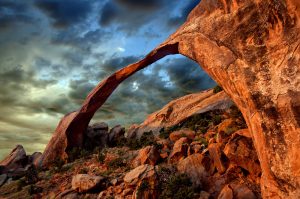
The largest arch within the park is Landscape Arch. Stretching an impressive length of about 306 feet (93 meters), Landscape Arch is one of the longest natural stone arches in the world.
Its delicate frame, with certain sections measuring only 6 feet (1.8 meters) in diameter, makes it a remarkable sight and a testament to the natural forces that shaped this landscape.
What is the easiest arch to see in the park?
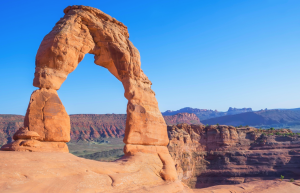
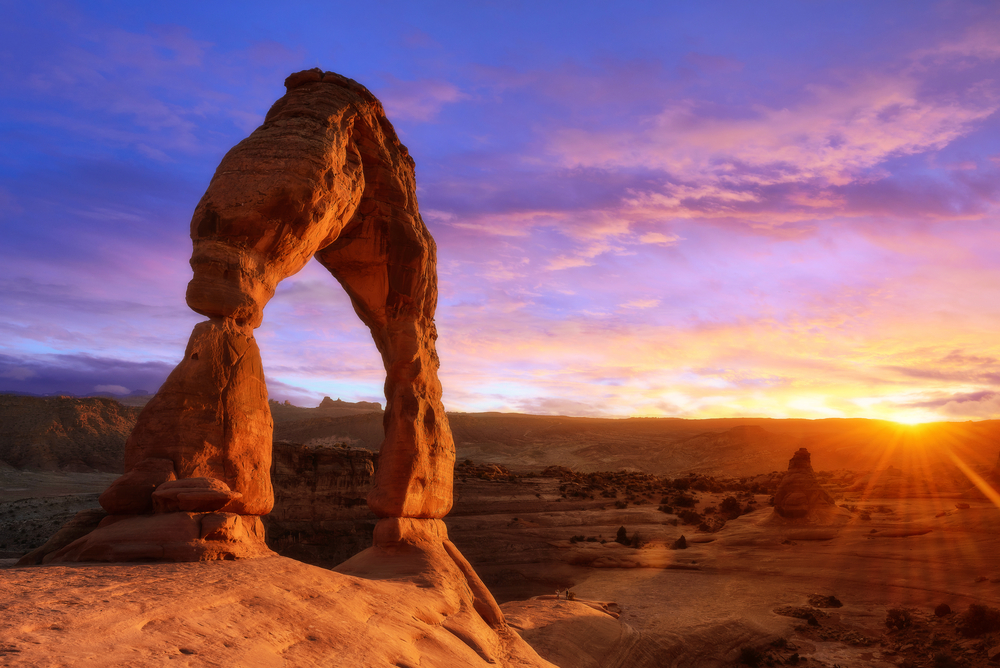
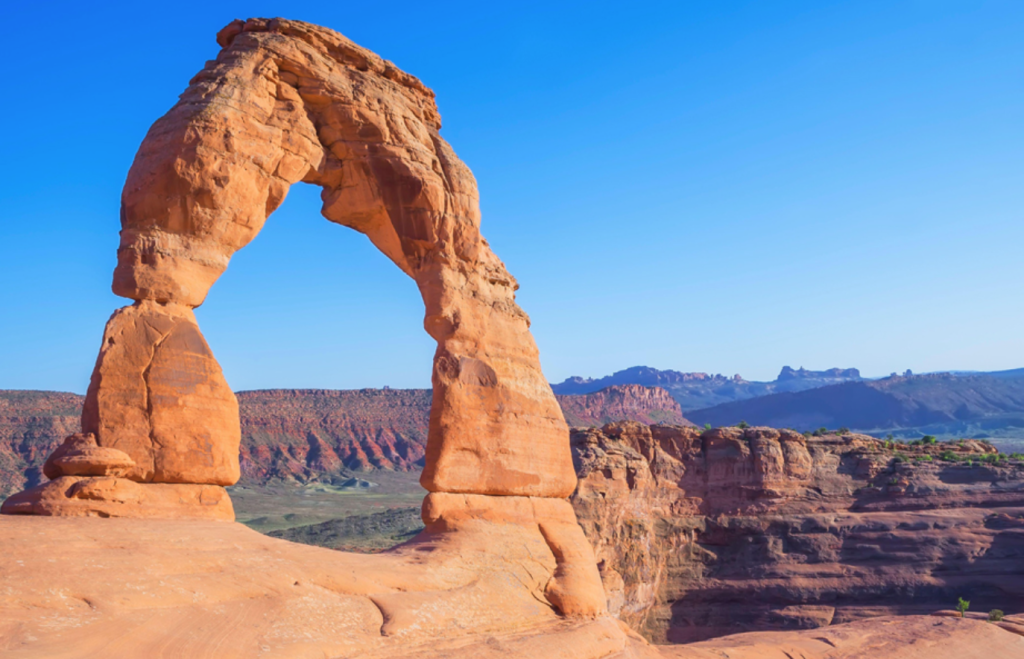
For visitors seeking an easily accessible and iconic feature of Arches National Park, Delicate Arch is the most straightforward to visit and undoubtedly one of the park’s most famous symbols.
Standing alone on the edge of a slickrock bowl with a dramatic backdrop of the La Sal Mountains, Delicate Arch is accessible via a 3-mile (4.8 km) round-trip hike that is considered moderate in difficulty.
Its solitary form, standing 46 feet (14 meters) high and 32 feet (9.8 meters) wide, has become synonymous with the state of Utah and offers one of the most recognizable and photographed scenes in the park.
What is the main reason people visit Arches National Park?
Arches National Park is primarily visited for its extraordinary concentration of natural sandstone arches, dramatic red rock landscapes, and iconic desert scenery. Located in eastern Utah near Moab, the park contains more than 2,000 documented natural stone arches—the highest concentration found anywhere in the world.
Visitors come to hike among towering fins and balanced rocks, photograph famous landmarks such as Delicate Arch, enjoy scenic drives, experience spectacular sunrises and sunsets, and explore one of the most recognizable landscapes in the American Southwest.
What animals can visitors hope to see in Arches National Park?
Arches National Park supports approximately 50 mammal species and more than 20 reptile species. Although wildlife can be elusive in the desert environment, the park provides habitat for a wide variety of animals adapted to arid conditions.
Some of the most notable mammals found in Arches National Park include:
- Mule Deer
- Desert Bighorn Sheep
- Mountain Lion
- Bobcat
- Coyote
- Gray Fox
- Red Fox
- Ringtail
- Raccoon
- American Badger
- Striped Skunk
- Spotted Skunk
- Long-tailed Weasel
- Black-tailed Jackrabbit
- Desert Cottontail
- Rock Squirrel
- White-tailed Antelope Squirrel
- Cliff Chipmunk
- Golden-mantled Ground Squirrel
- Deer Mouse
- Canyon Mouse
- Kangaroo Rat
- Pocket Mouse
- Woodrat
- Pocket Gopher
- Porcupine
- Beaver
- Muskrat
- Big Brown Bat
- Pallid Bat
- Mexican Free-tailed Bat
- Townsend’s Big-eared Bat
- Hoary Bat
- Western Pipistrelle
- Long-legged Myotis
- Yuma Myotis
- Little Brown Bat
- Desert Shrew
- Merriam’s Shrew
- Harvest Mouse
- Ground Squirrel Species
- Pack Rat Species
- Vole Species
- Desert Rodent Species
- Canyon Bat Species
- Small Carnivore Species
- Small Desert Mammals
- Various Rodent Species
- Various Bat Species
- Various Small Mammals
What birds can visitors hope to see in Arches National Park?
Arches National Park is home to more than 270 bird species. The park’s cliffs, canyons, desert shrublands, and riparian areas attract a wide variety of resident and migratory birds.
Some of the most popular birds seen in Arches National Park include:
- Golden Eagle
- Bald Eagle
- Peregrine Falcon
- Prairie Falcon
- Red-tailed Hawk
- Cooper’s Hawk
- Sharp-shinned Hawk
- American Kestrel
- Turkey Vulture
- Common Raven
- Pinyon Jay
- Clark’s Nutcracker
- Woodhouse’s Scrub-Jay
- Black-billed Magpie
- Mountain Bluebird
- Western Bluebird
- Canyon Wren
- Rock Wren
- Bewick’s Wren
- House Wren
- Black-throated Sparrow
- Sagebrush Sparrow
- Brewer’s Sparrow
- Chipping Sparrow
- White-crowned Sparrow
- Horned Lark
- Western Meadowlark
- Say’s Phoebe
- Ash-throated Flycatcher
- Western Kingbird
- Violet-green Swallow
- Cliff Swallow
- Barn Swallow
- White-throated Swift
- Black-chinned Hummingbird
- Broad-tailed Hummingbird
- Rufous Hummingbird
- Northern Flicker
- Lewis’s Woodpecker
- Downy Woodpecker
- Juniper Titmouse
- Bushtit
- Yellow-rumped Warbler
- Orange-crowned Warbler
- Common Yellowthroat
- American Robin
- Western Tanager
- Lazuli Bunting
- Canyon Towhee
- Greater Roadrunner
Is Arches National Park worth visiting?
Yes, Arches National Park is absolutely worth visiting and is widely regarded as one of the most spectacular national parks in the United States.
Its unique concentration of natural arches, striking red rock formations, accessible hiking trails, and incredible photography opportunities make it a bucket-list destination for many travelers. Combined with nearby Canyonlands National Park, it offers one of the premier outdoor experiences in North America.
Because of its popularity, visitors should expect crowds during peak seasons and may need advance reservations during certain times of the year.
What is the best time to visit Arches National Park?
The best time to visit Arches National Park is:
- March to May
- September to October
During these months:
- Temperatures are comfortable for hiking.
- Scenic conditions are excellent.
- Wildflowers may bloom in spring.
- Photography conditions are often ideal.
Summer can be extremely hot, while winter offers solitude and occasional snow-covered landscapes.
How many days do you need to visit Arches National Park?
Most visitors should plan for 1 to 3 days.
- 1 day: Major viewpoints and iconic arches.
- 2 days: Popular hikes and scenic drives.
- 3 days: Comprehensive exploration of the park.
- 4+ days: Photography, backcountry hiking, and nearby attractions.
Many visitors combine Arches with Canyonlands and other Utah parks.
How do you get to Arches National Park?
Arches National Park is located just north of Moab.
Most visitors:
- Fly into Salt Lake City, Grand Junction, or Moab.
- Drive to the park entrance.
- Access most attractions via the park’s scenic road network.
The entrance is only a few minutes from downtown Moab.
Who is involved in protecting and supporting Arches National Park?
Several organizations help protect Arches National Park:
- National Park Service – manages Arches National Park.
- Southeast Utah Parks Conservancy – supports education, conservation, and visitor programs in Arches and nearby parks.
- National Park Foundation – supports projects throughout the National Park System.
- Grand Canyon Trust – supports conservation across the Colorado Plateau.
- Local communities, volunteers, and conservation organizations that contribute to stewardship and preservation efforts.
Sources
- Britannica, Arches National Park, https://www.britannica.com/place/Arches-National-Park, retrieved March 2020.
- Discover Moab, Arches National Park, https://www.discovermoab.com/arches-national-park/, retrieved March 2020.
- Lonely Planet, Arches National Park, https://www.lonelyplanet.com/usa/southwest/arches-national-park, retrieved S March 2020.
- National Geographic, Utah’s National Parks, https://www.nationalgeographic.com/travel/national-parks/arches-national-pa…, retrieved March 2020.
- National Park Service, Arches National Park, https://www.nps.gov/arch/index.htm, retrieved March 2020.
- Visit Utah, Arches National Park, https://www.visitutah.com/places-to-go/parks-outdoors/arches/, retrieved March 2020.