

About
Cairngorms National Park is located in the Scottish Highlands of northeastern Scotland within the United Kingdom. Covering approximately 1,748 square miles (4,528 sq km), it is the largest national park in the United Kingdom.
Established in 2003, Cairngorms National Park protects a vast landscape of mountains, forests, rivers, lochs, moorlands, and traditional Highland communities. The park extends across portions of Aberdeenshire, Moray, Angus, Perth and Kinross, and Highland council areas.
Situated south of Inverness and west of Aberdeen, the park encompasses five of the six highest mountains in the United Kingdom and preserves one of Europe’s most important natural environments. Today, it is widely recognized as the heart of the Scottish Highlands and one of Britain’s premier protected landscapes.
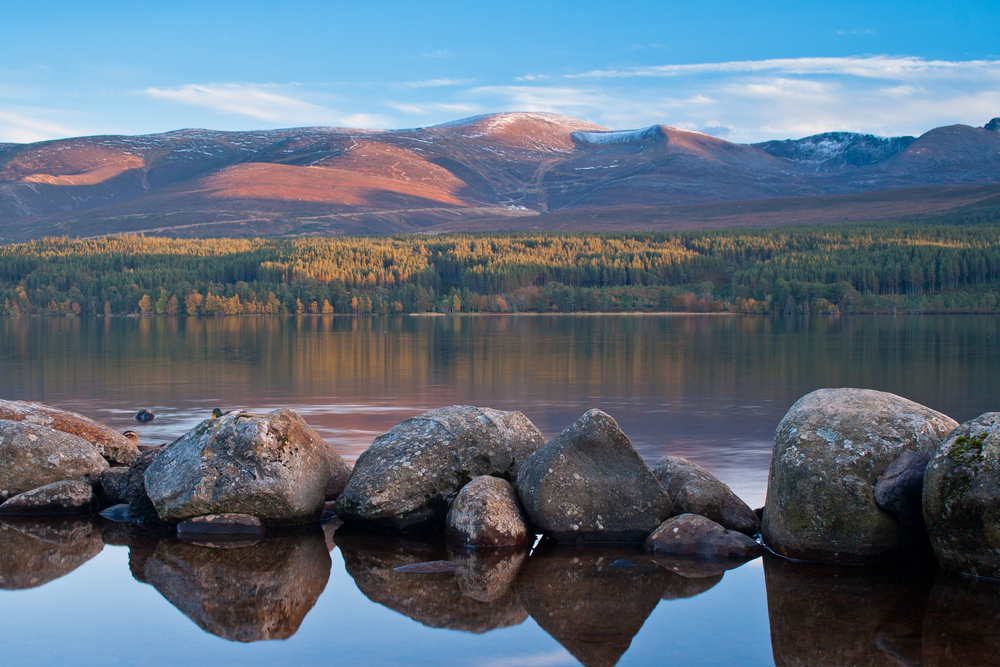
Cairngorms National Park is best known for its spectacular mountain scenery, ancient forests, and outstanding opportunities for outdoor recreation. Visitors are drawn to towering peaks, expansive glens, pristine rivers, and some of the largest remaining areas of native woodland in Britain. The park offers exceptional opportunities for hiking, mountaineering, skiing, cycling, wildlife watching, fishing, and photography.
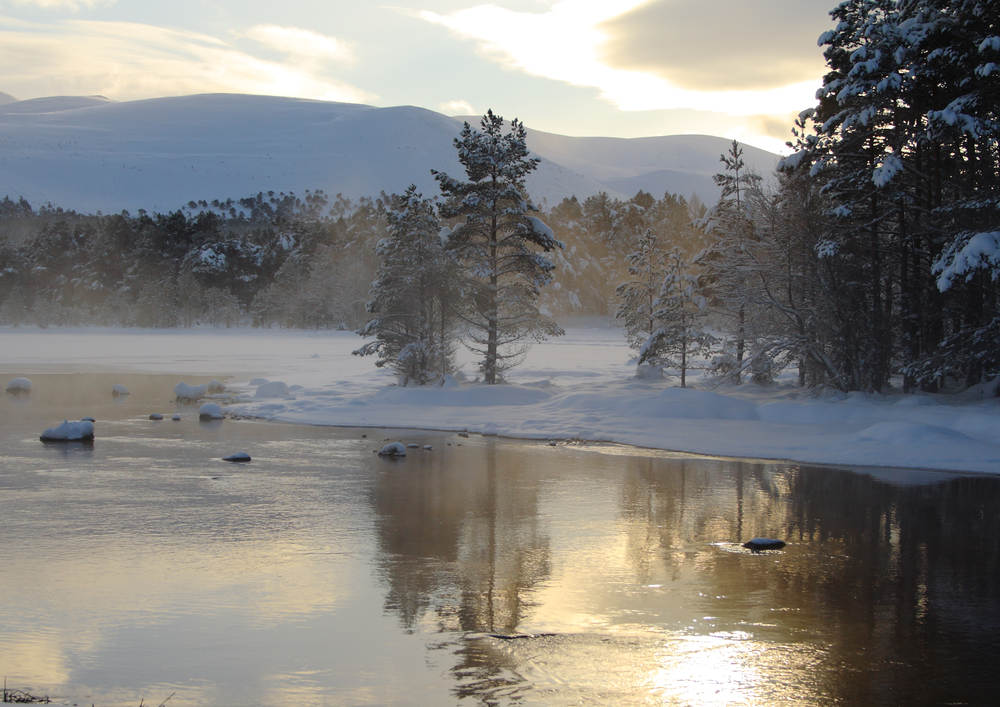
During winter, the Cairngorm Mountains become one of Scotland’s primary destinations for snow sports, while summer brings visitors seeking adventure and exploration across the Highlands. The combination of dramatic landscapes and rich biodiversity makes the Cairngorms one of the most celebrated natural destinations in Europe.
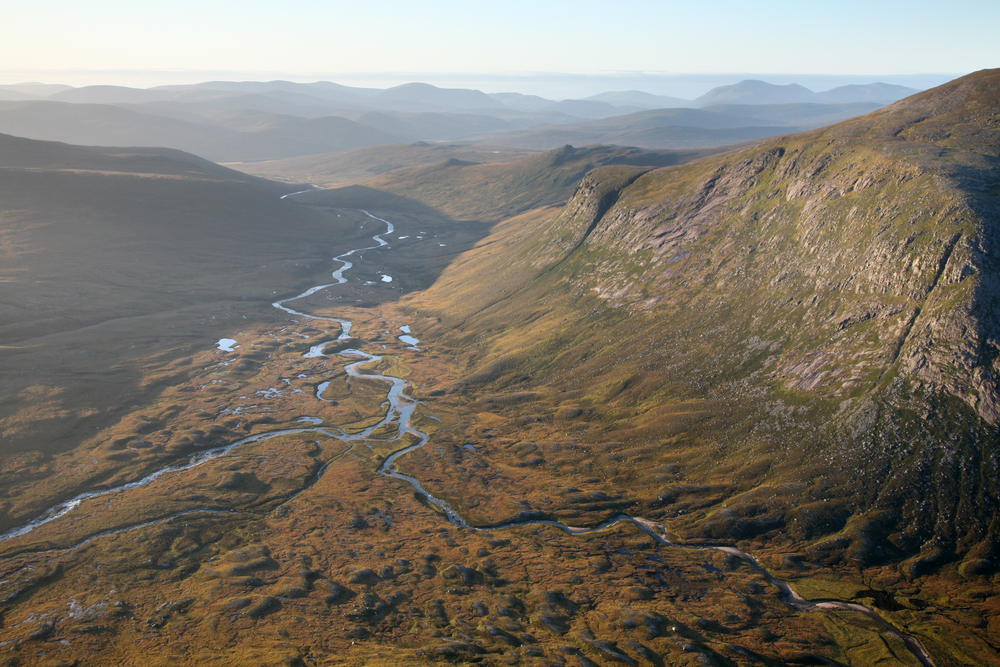
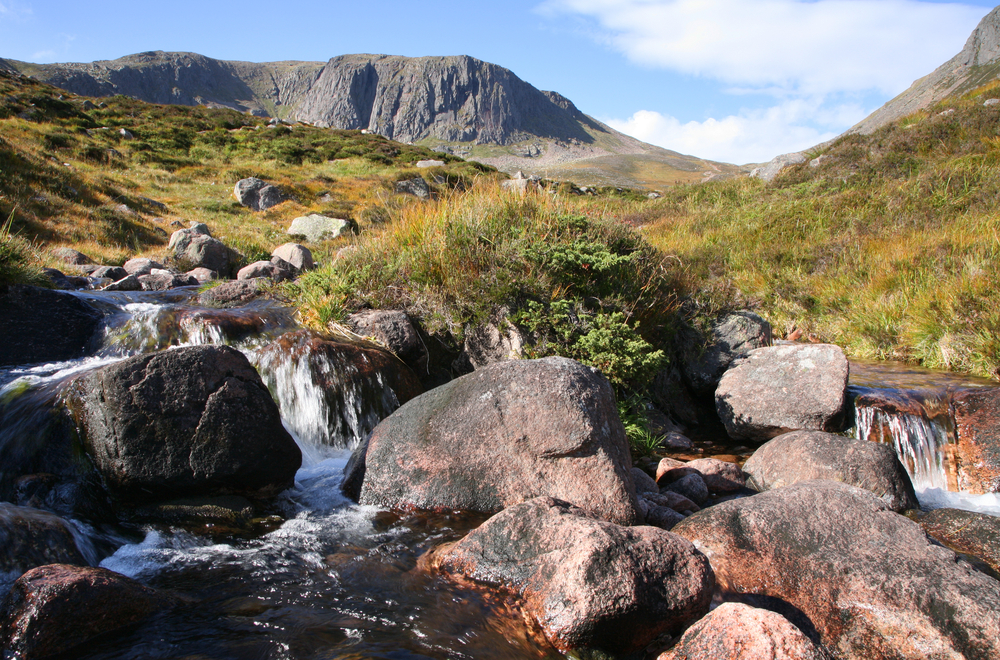
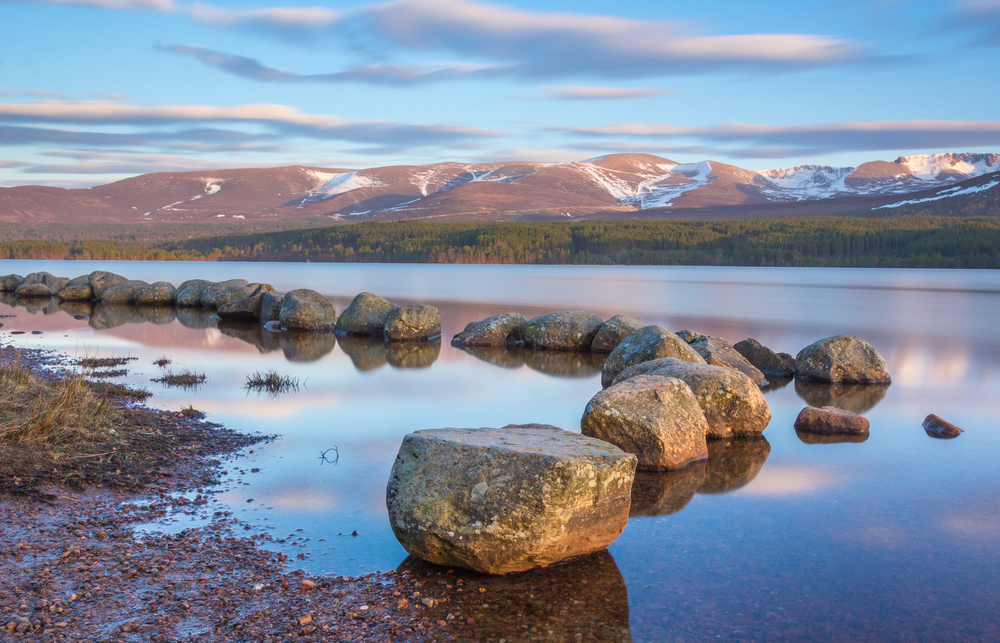
The geography of Cairngorms National Park is dominated by a high mountain plateau that forms the largest area of Arctic-alpine terrain in the British Isles. Peaks such as Ben Macdui, Cairn Gorm, and Braeriach rise above broad valleys, glacial corries, and extensive upland plateaus. The park contains numerous rivers, including portions of the Spey, Dee, Don, and Tay watersheds, which support important freshwater ecosystems.
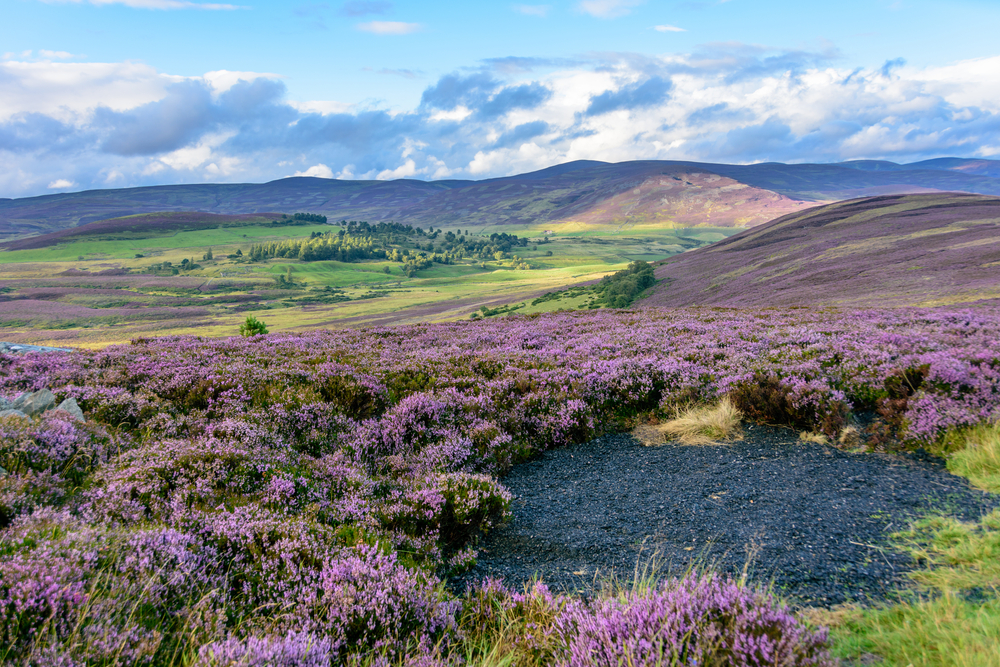
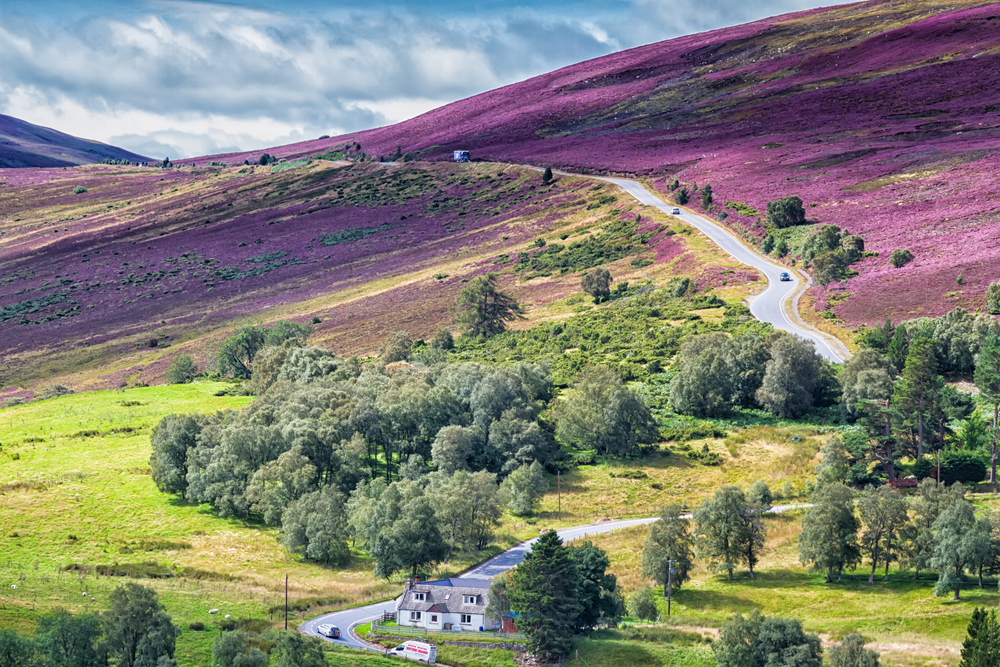
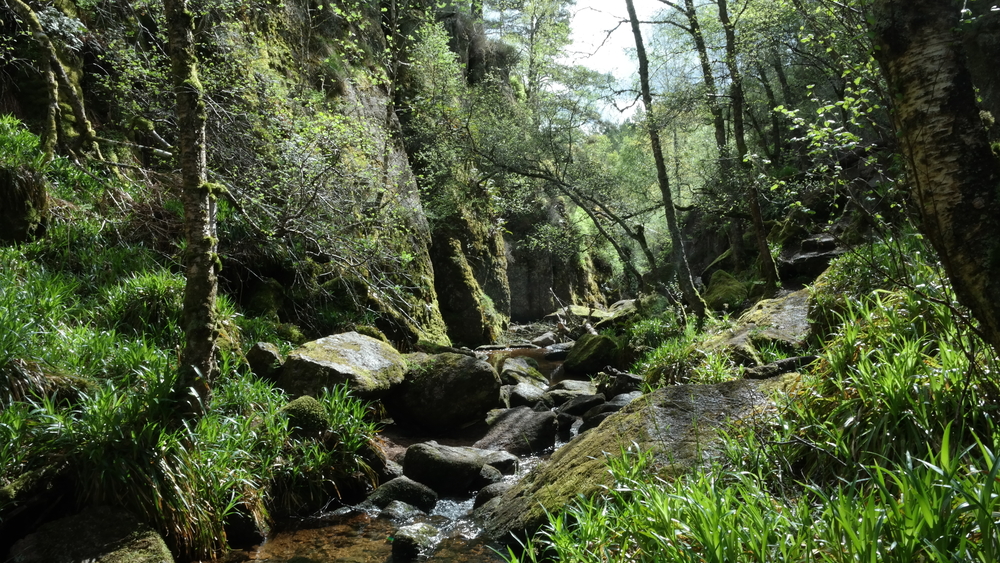
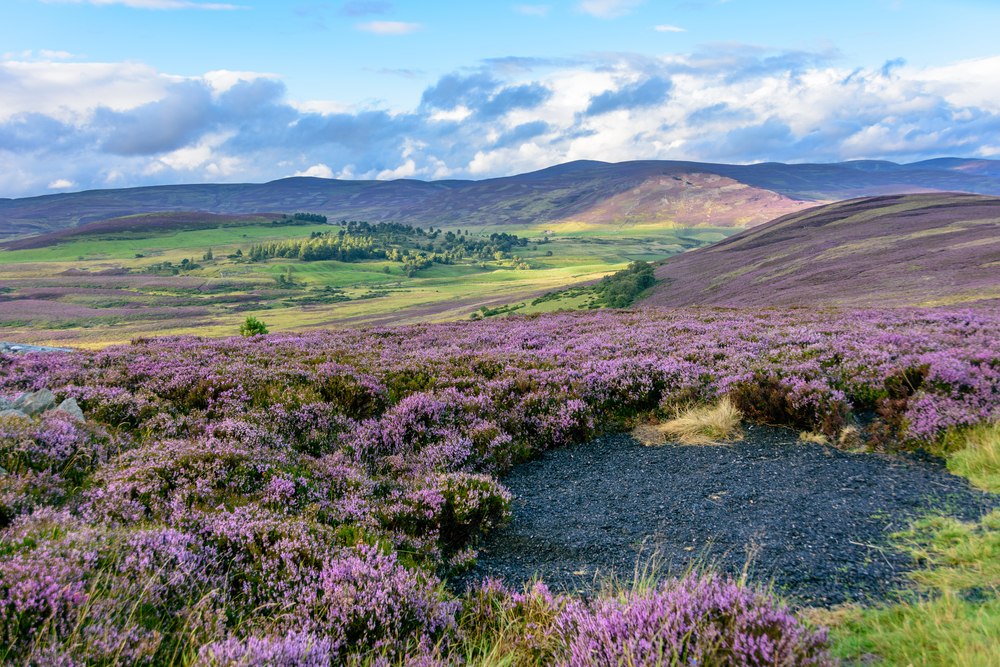
Ancient Caledonian pine forests, heather-covered moorlands, wetlands, and alpine habitats contribute to a remarkable diversity of landscapes. The region’s geology and glacial history have created one of the most distinctive mountain environments in the United Kingdom.
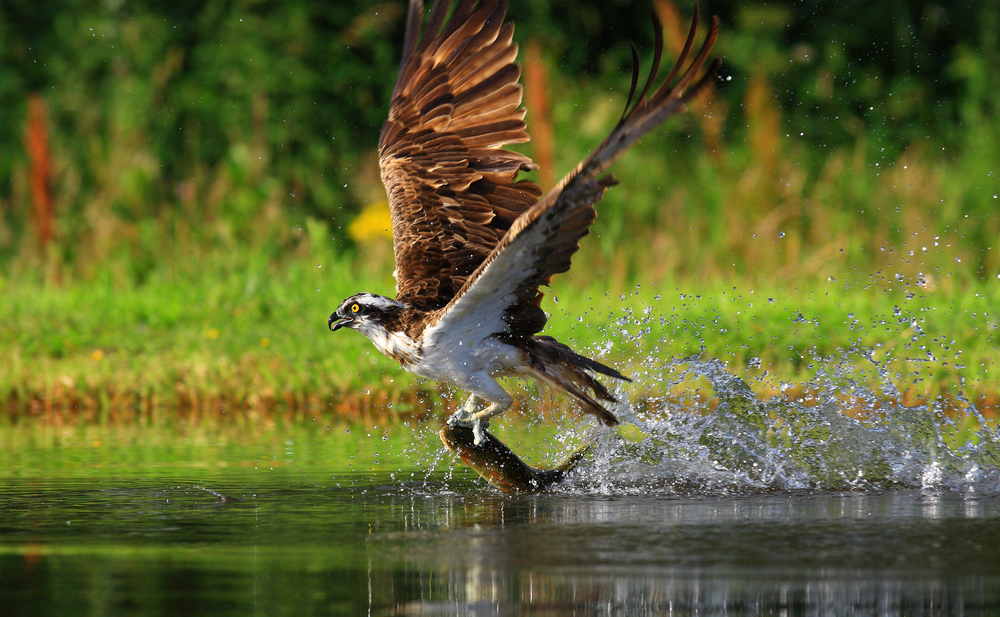
Wildlife within Cairngorms National Park is among the richest and most distinctive in Britain. The park supports species rarely found elsewhere in the United Kingdom, including Scottish wildcats, pine martens, red squirrels, mountain hares, and red deer. Birdlife is particularly exceptional, with golden eagles, white-tailed eagles, capercaillie, ptarmigan, osprey, and crested tits inhabiting the park’s forests and uplands.
The Cairngorms contain more than a quarter of the United Kingdom’s threatened species and support important populations of rare plants, insects, and freshwater organisms. The combination of mountain, forest, and river habitats creates one of Europe’s most significant biodiversity strongholds.
Cairngorms National Park plays a critical role in conserving Scotland’s natural heritage and protecting some of the most important ecosystems in the British Isles. The park safeguards ancient Caledonian forests, mountain habitats, freshwater systems, and wildlife populations of national and international significance.
Its conservation importance is often compared to Loch Lomond and The Trossachs National Park and Snowdonia National Park because of its ecological value and iconic landscapes. However, the Cairngorms’ vast size, Arctic-alpine environments, and exceptional biodiversity give it a unique character. Today, the park remains one of Europe’s most treasured protected areas, preserving a landscape where mountains, forests, rivers, and wildlife continue to thrive in the heart of the Scottish Highlands.
Photos
Things to See
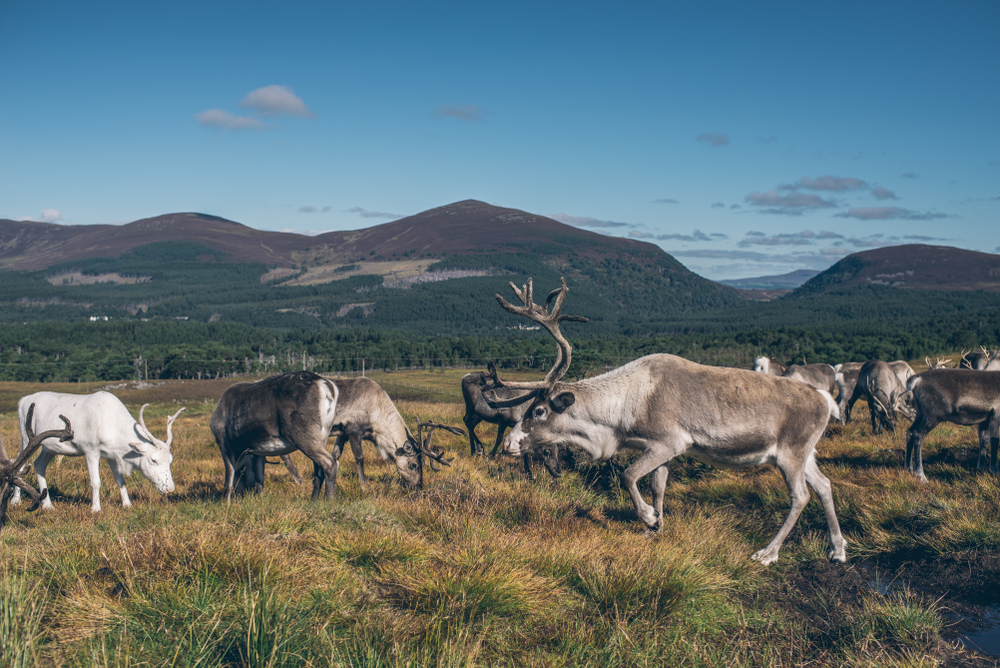
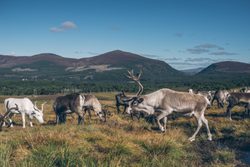 The Cairngorms is home to the only population of reindeer in all of the United Kingdom. The species is more commonly experienced in Russia, Canada, and northern Europe. The reindeer is of course one of the pinnacle representations of Santa Claus and Christmas.
Cairngorms National Park Trails
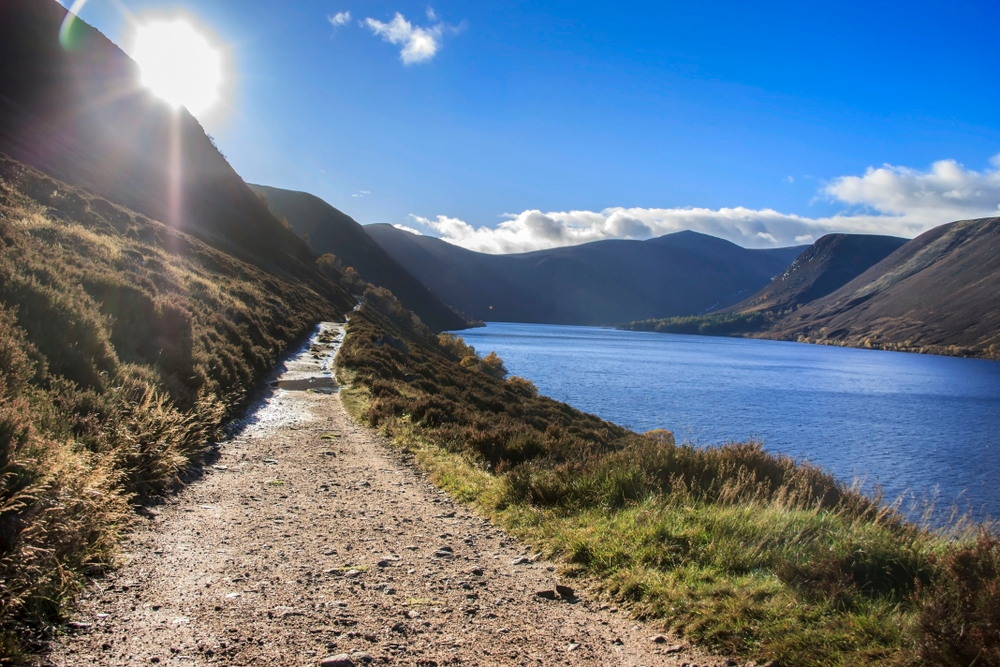
Hiking amongst the mountains and hills of Cairngorms National Park is one of the leading activities associated with the protected area. There are numerous trails that meander through and up into the mountains. Two of Scotland’s Great Trails also meander through the park.
There are 55 different mountains reaching heights of 3,000 feet (910 m) that are locally known as Munros. Each of them offers a chance for hikers and trekkers to ascend to the top to take in the views around the area. The trails range from easy to difficult and short to multi-day.

Park Protection
The park protects the unique upland plateau and surrounding Cairngorms mountain landscapes and many of the rare species of vegetation and wildlife located in the park. The park is protecting the only herd of reindeer located in the United Kingdom.
Sources
- Aberdeenshire Scotland, 10 Reasons to Visit Cairngorms National Park, https://www.visitabdn.com/blog/10-reasons-to-visit-the-cairngorms-national-park/, retrieved July 2020.
- All Trails, Best Trails in Cairngorms National Park, https://www.alltrails.com/parks/scotland/highland/cairngorms-national-park, retrieved July 2020.
- Britannica, Cairngorms National Nature Reserve, https://www.britannica.com/place/Cairngorms-National-Nature-Reserve, retrieved July 2020.
- Cairngorms National Park, Park Site, https://cairngorms.co.uk/, retrieved July 2020.
- Cairngorms National Park, Official Site, https://visitcairngorms.com/, retrieved July 2020.
- Visit Scotland, Cairngorms National Park, https://www.visitscotland.com/see-do/landscapes-nature/national-parks-gardens/cairngorms/, retrieved July 2020.