

About
Located in northern Tanzania, Tarangire National Park is one of the country’s most scenic and wildlife-rich safari destinations. The park covers approximately 1,096 square miles (2,850 sq km) and lies southwest of Lake Manyara National Park within Tanzania’s famous northern safari circuit.
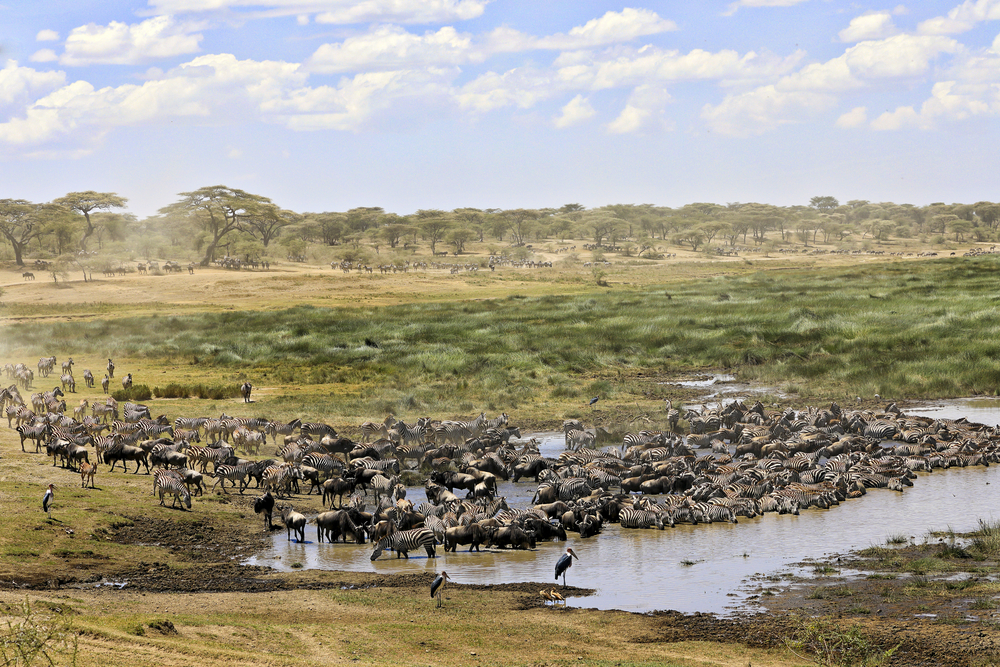
Tarangire National Park is often visited alongside Serengeti National Park and Ngorongoro Conservation Area, yet it maintains a quieter and less crowded atmosphere than many of its neighboring parks. The park is named after the Tarangire River, which serves as the region’s primary water source during the dry season and attracts extraordinary concentrations of wildlife.
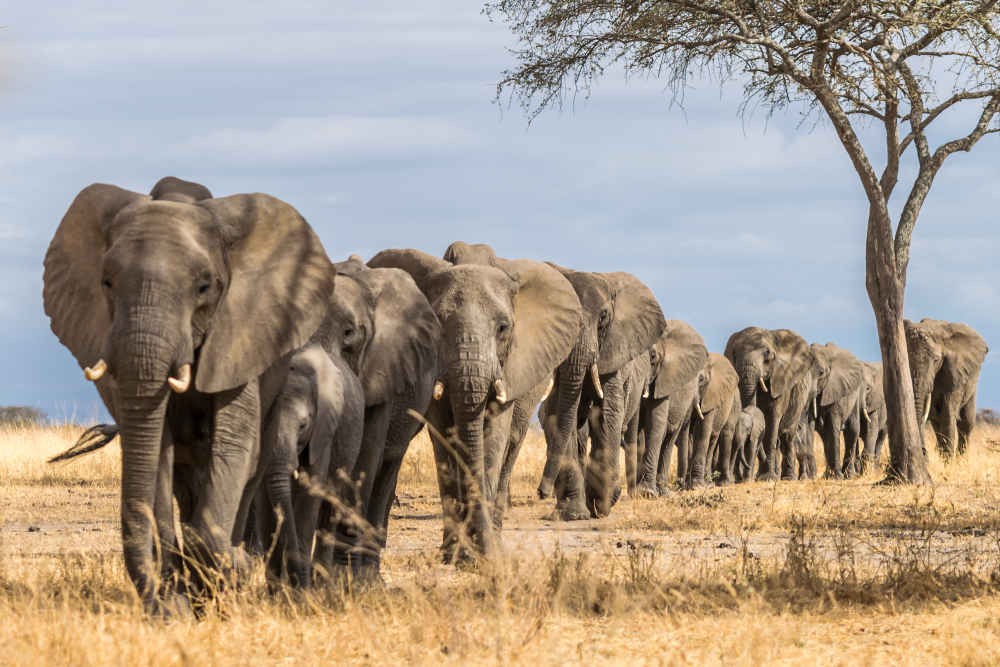
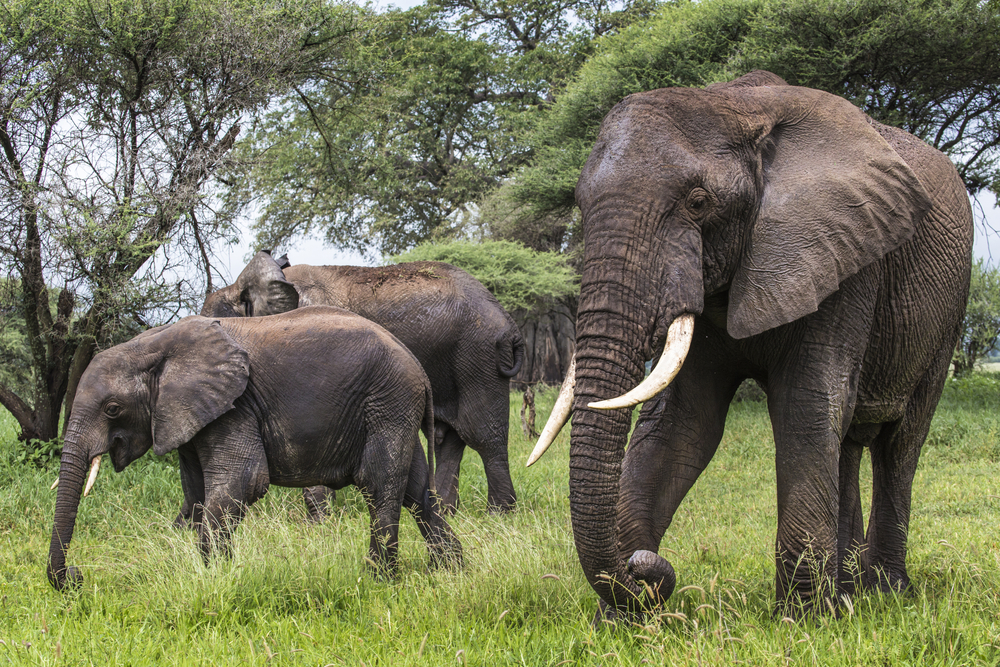
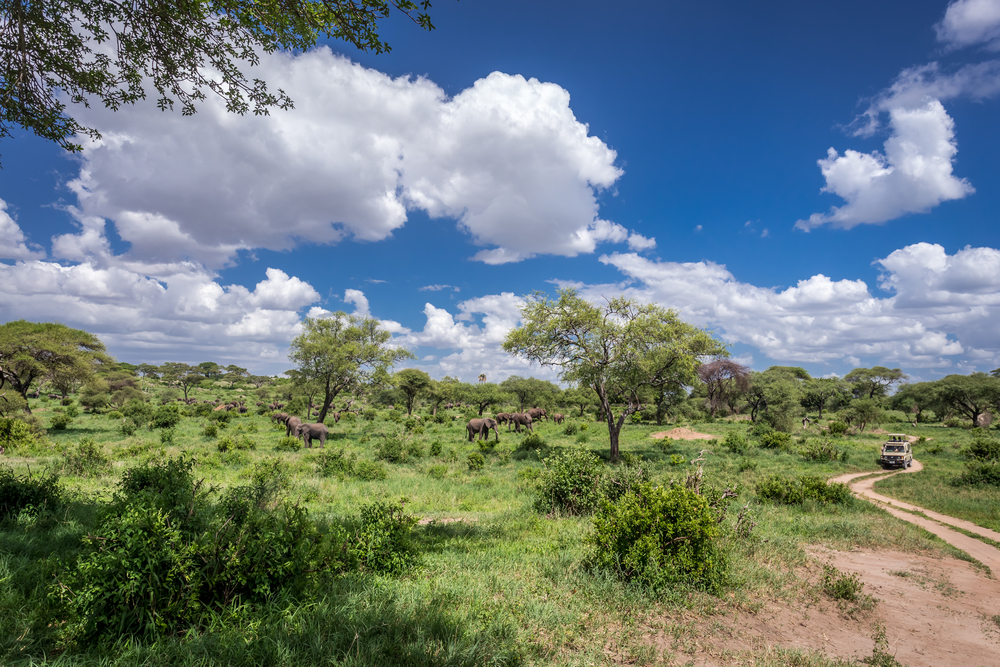
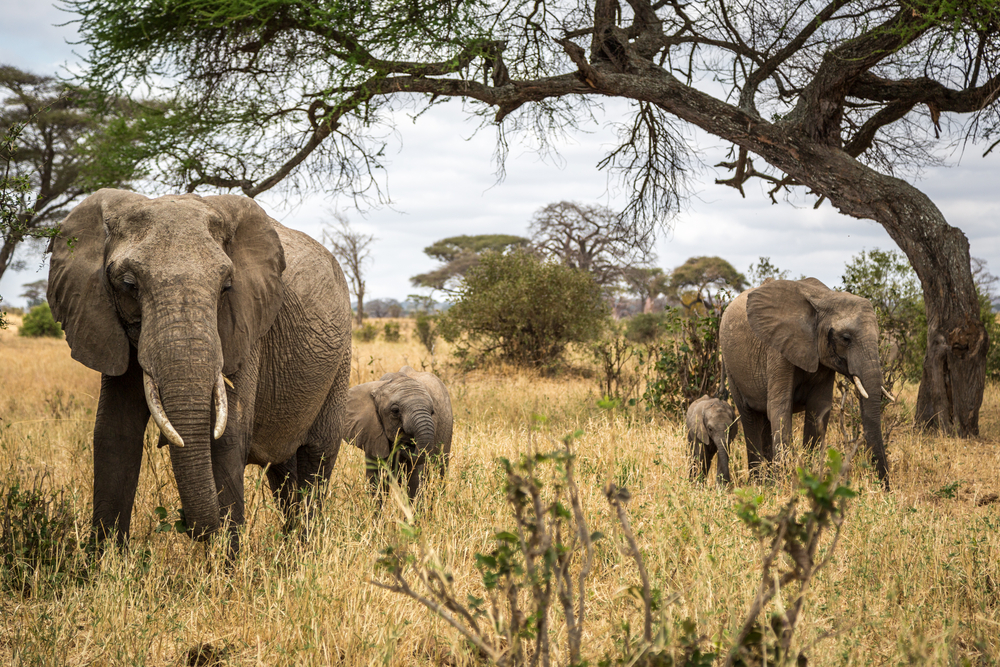
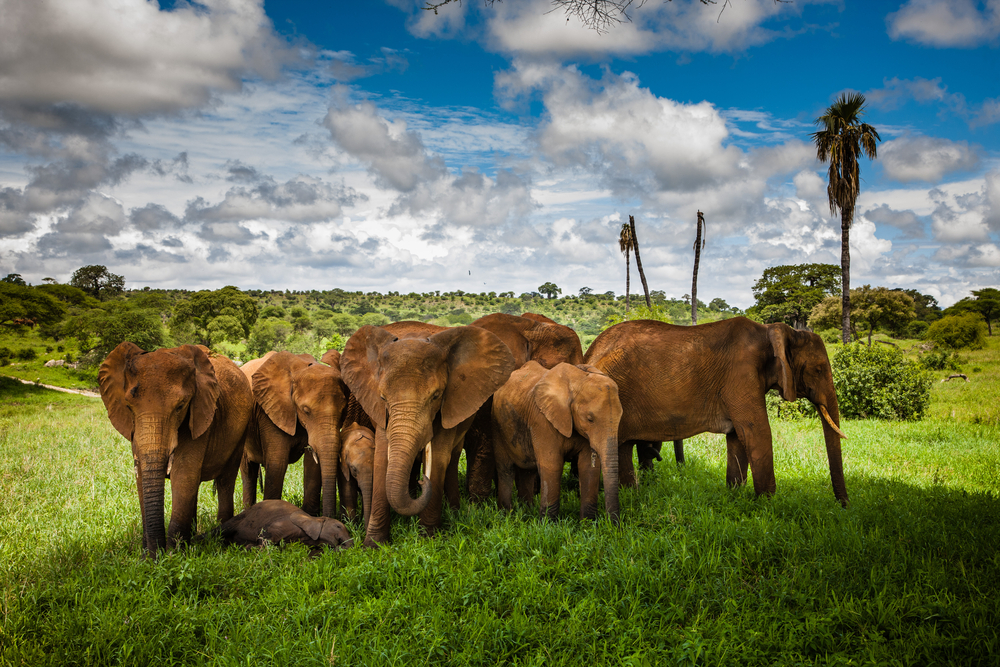
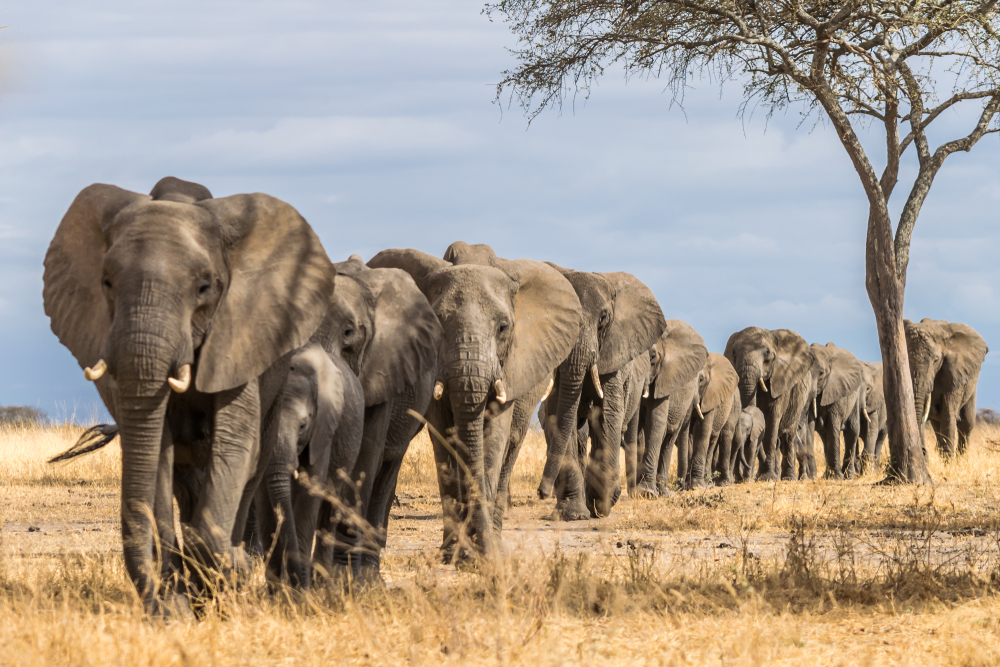
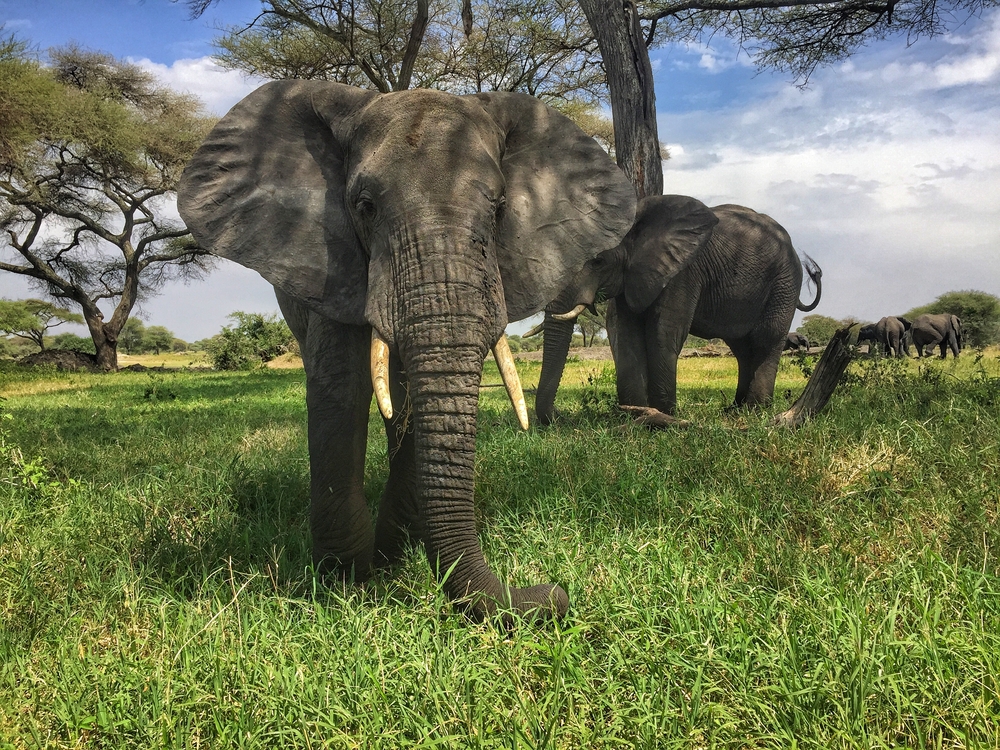
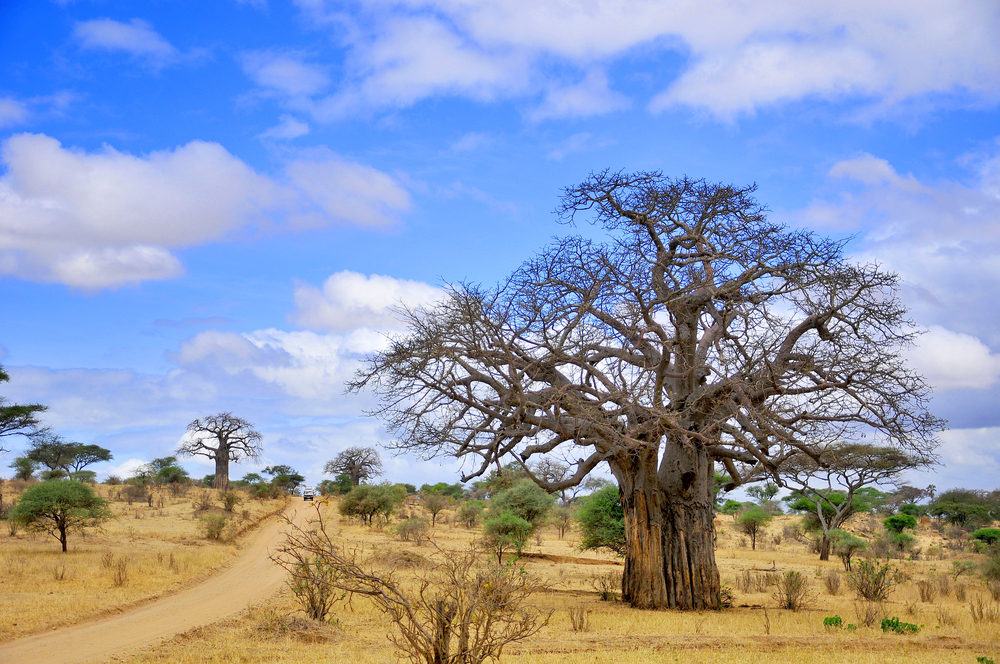
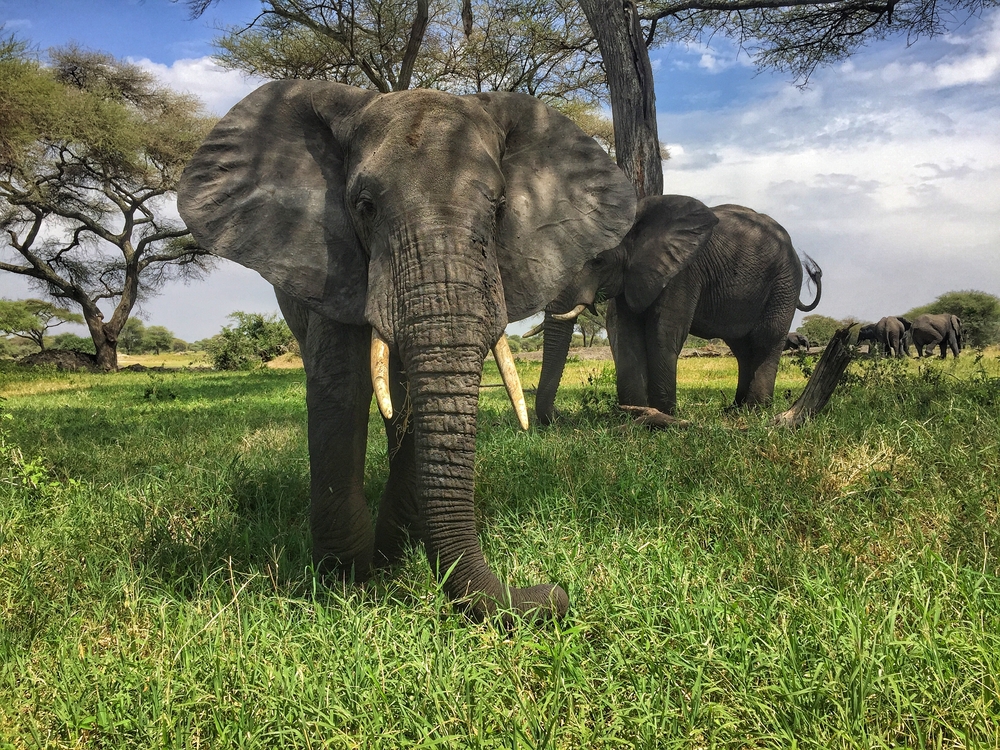
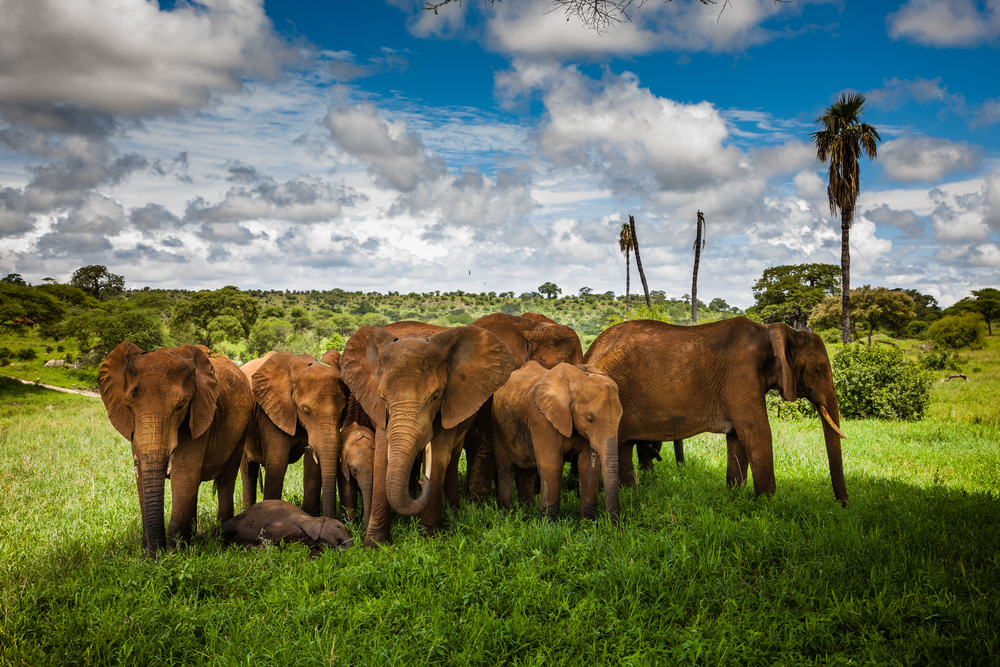
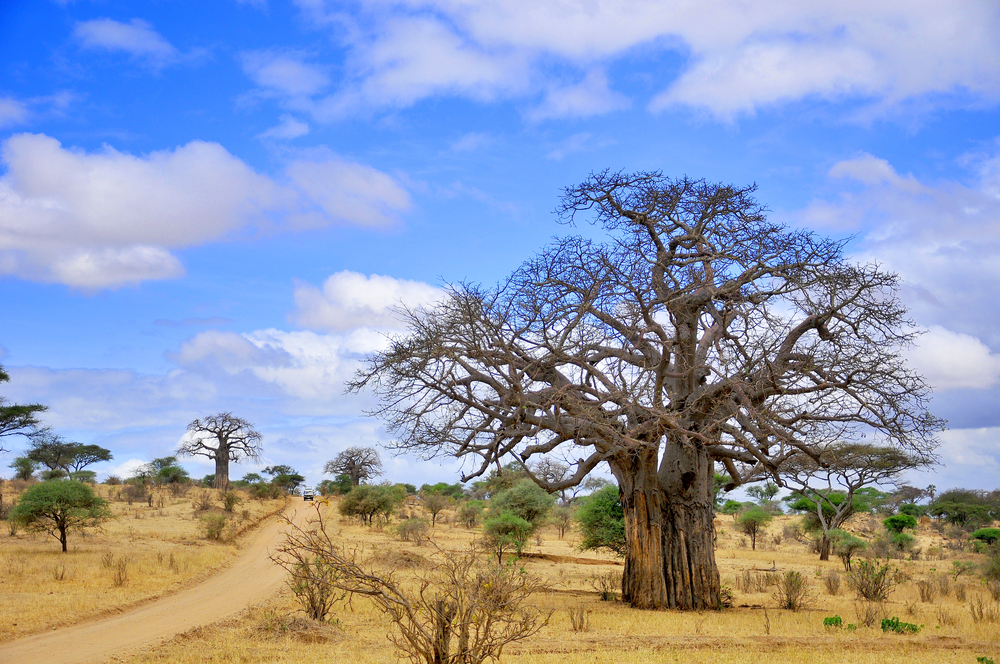
Tarangire National Park is best known for its massive elephant herds and iconic baobab trees that tower above the savannah. During the dry season, thousands of animals migrate toward the Tarangire River, creating one of East Africa’s most impressive wildlife gatherings outside the Serengeti migration system. Visitors often witness large elephant families crossing open plains or feeding beneath ancient baobabs that appear almost prehistoric in shape.
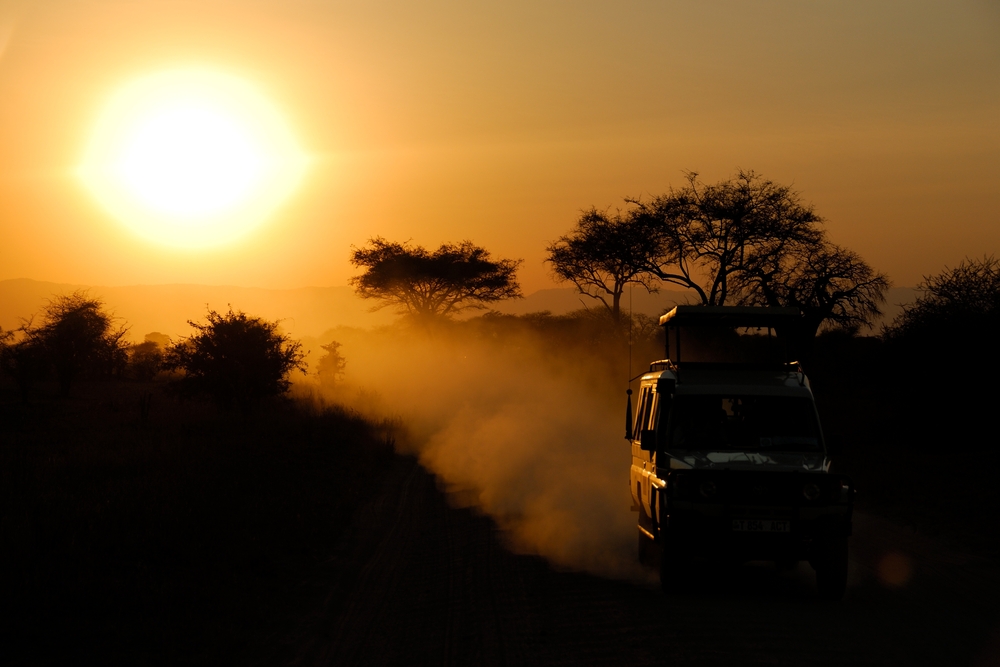
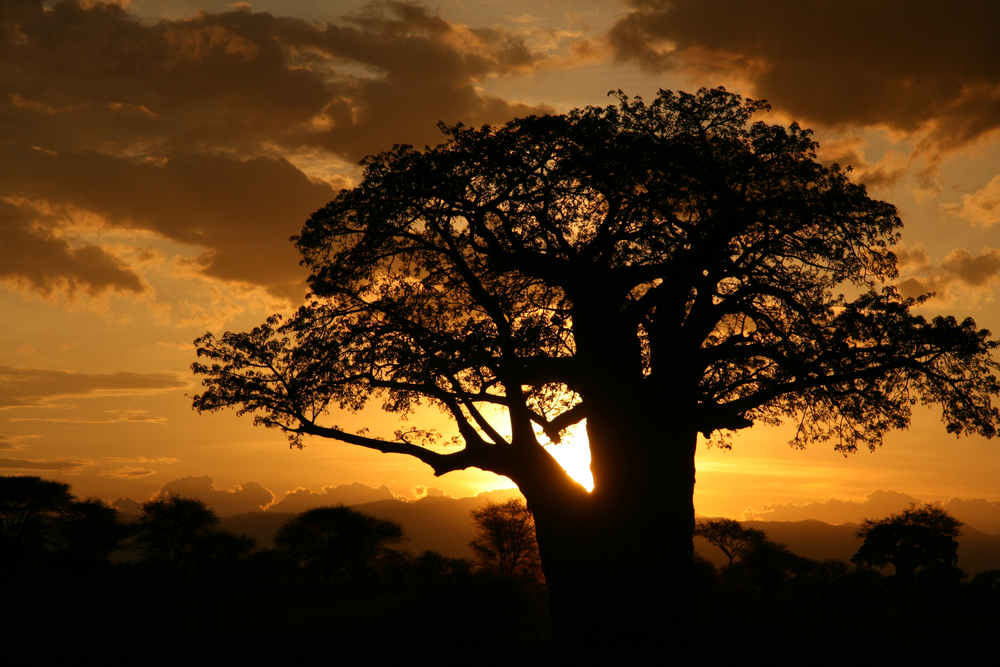
The park is especially valued for its peaceful safari experience and excellent opportunities for photography. Game drives frequently produce close wildlife encounters without the heavy vehicle traffic found in some larger safari destinations. Tarangire is also known for spectacular sunsets that illuminate the landscape in deep orange and gold tones.
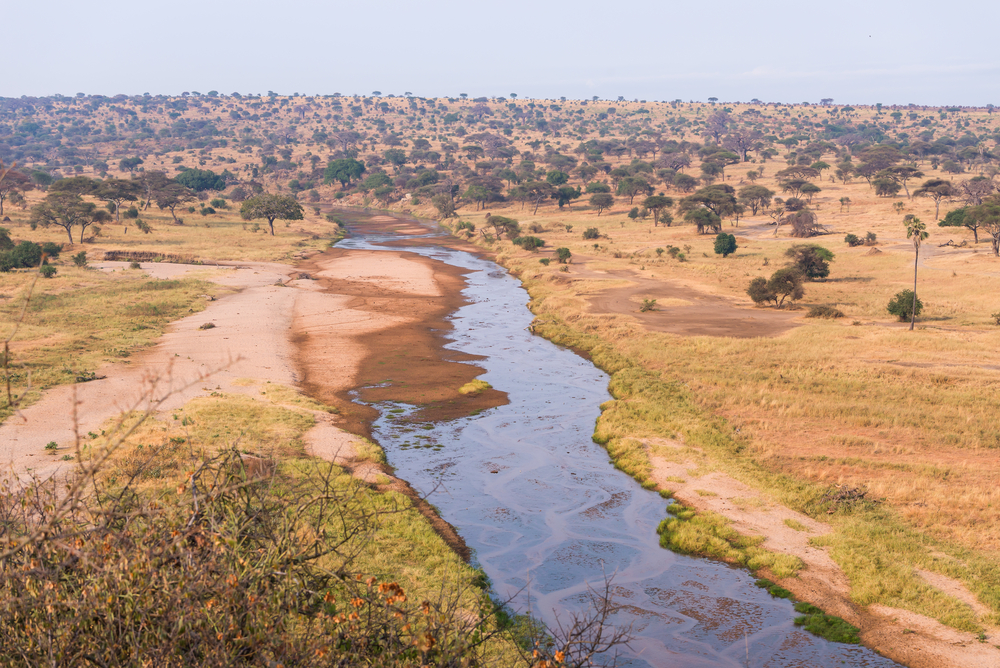
The geography of Tarangire National Park combines rolling savannah, seasonal swamps, acacia woodlands, river valleys, and rocky ridges. The Tarangire River flows through the park and creates a lifeline for wildlife during periods of drought. The landscape changes dramatically throughout the year. During the rainy season, grasslands become lush and green while seasonal wetlands attract migratory birds.
In the dry season, vegetation thins and wildlife concentrates near remaining water sources. Massive baobab trees dominate much of the scenery and provide nesting sites for birds as well as shelter for wildlife. Open plains and scattered woodland habitats create excellent visibility for observing animals across broad landscapes.
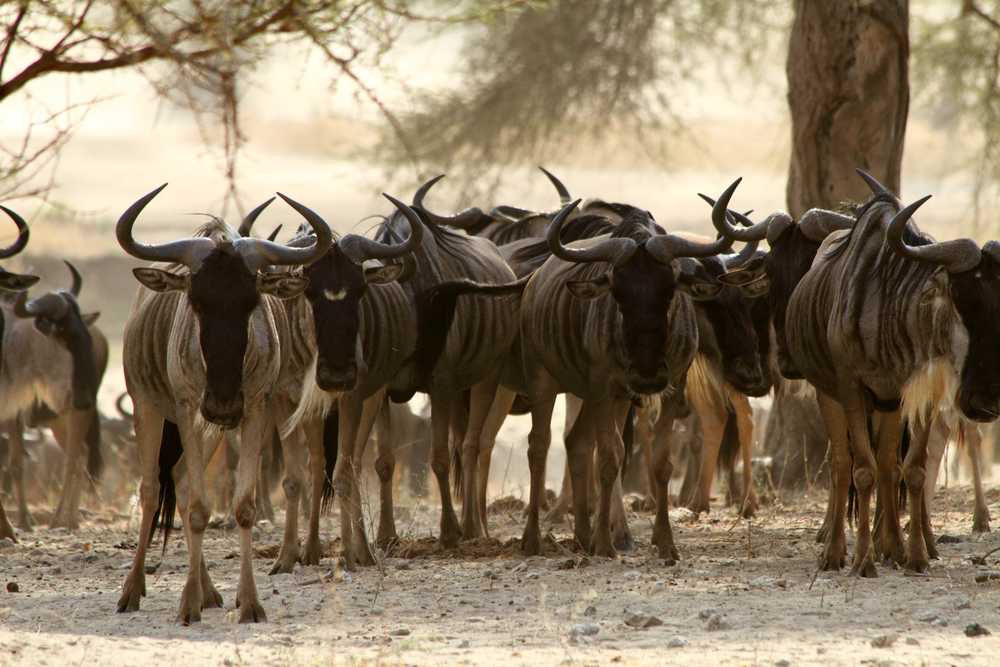
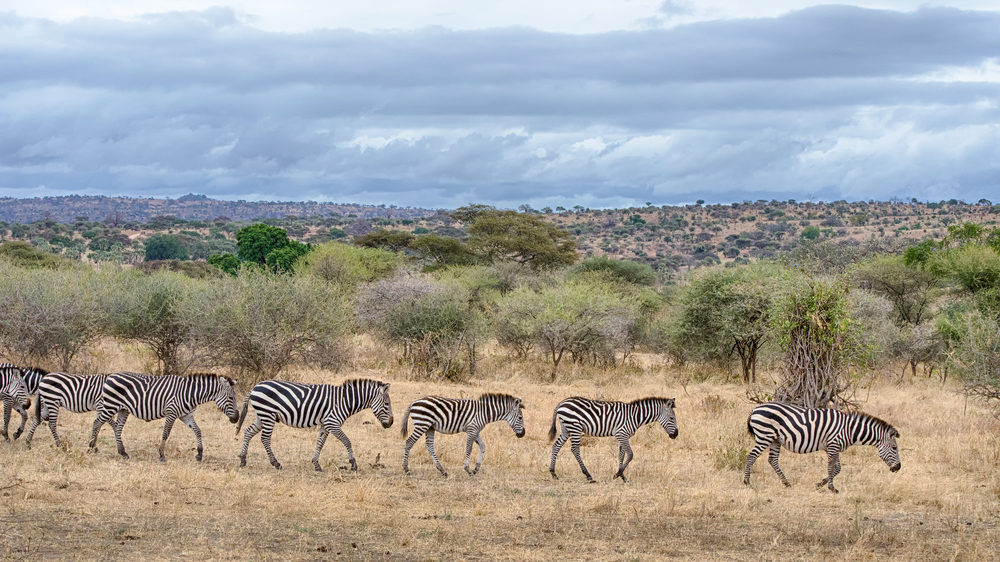
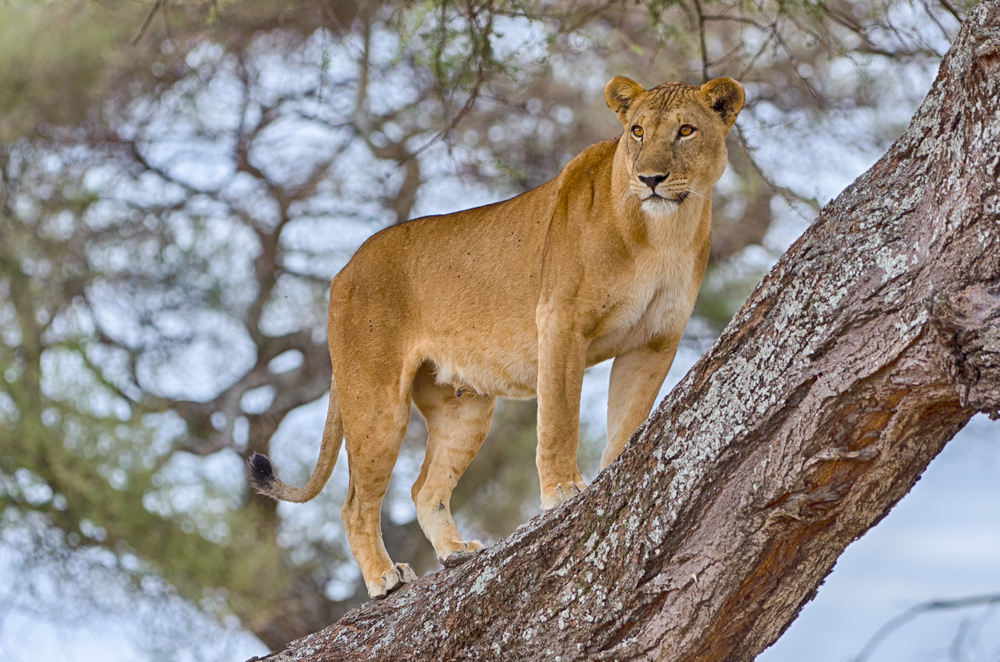
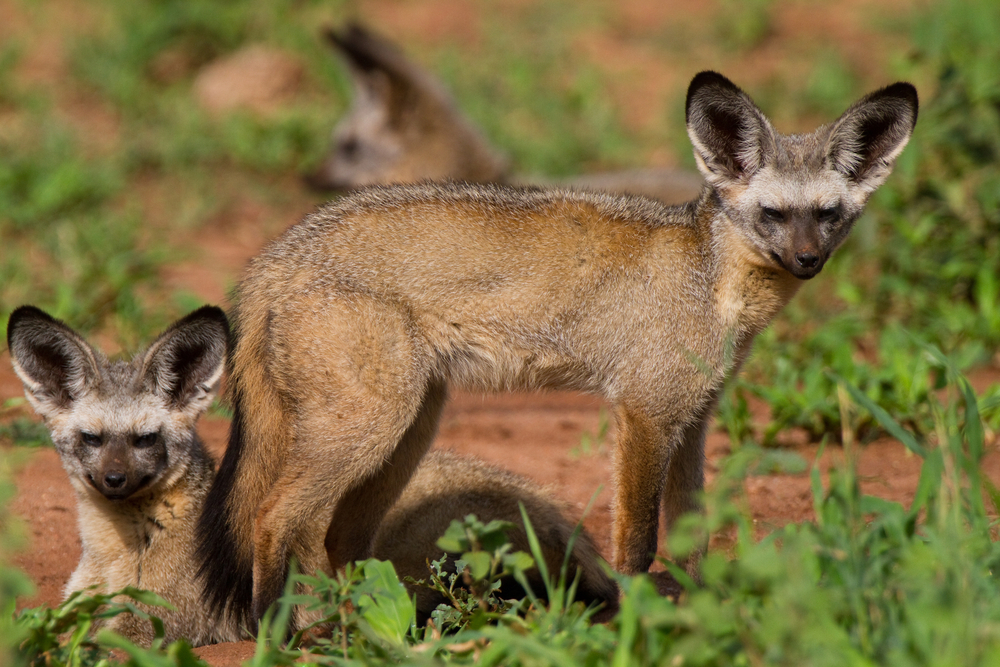
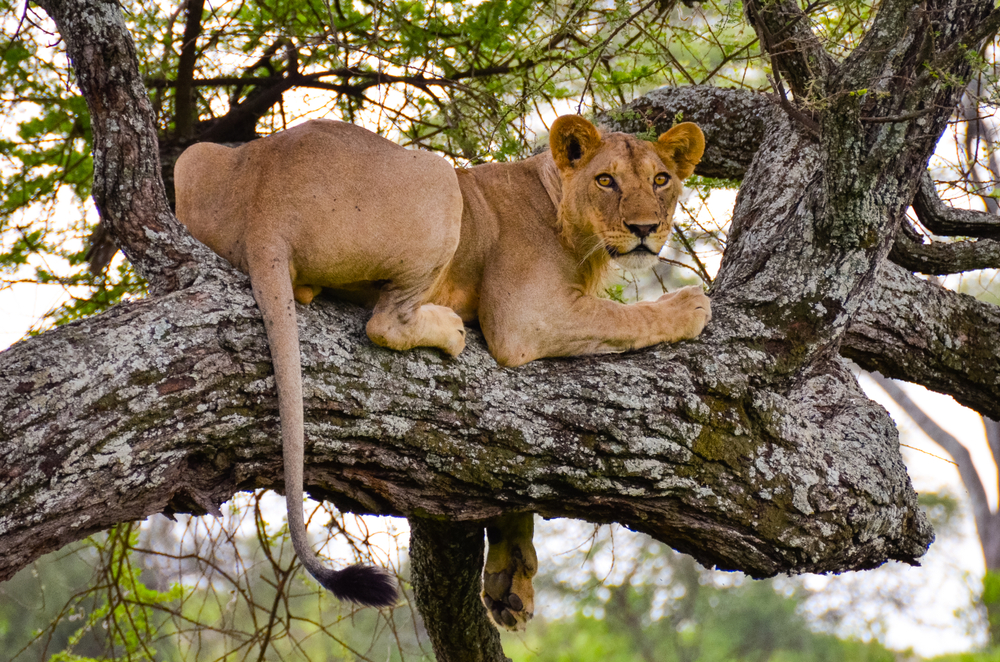
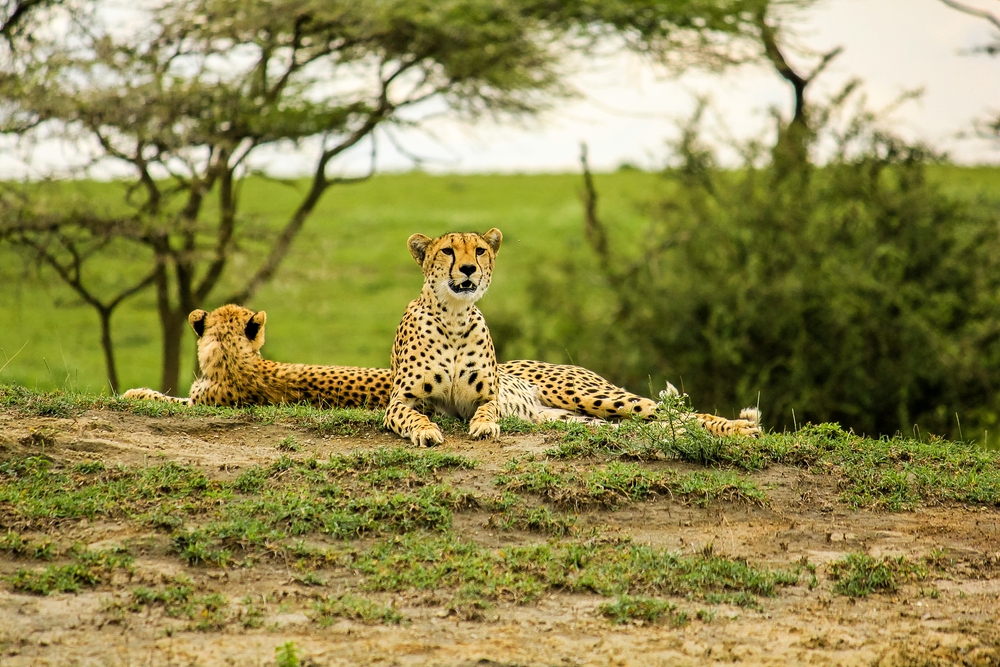
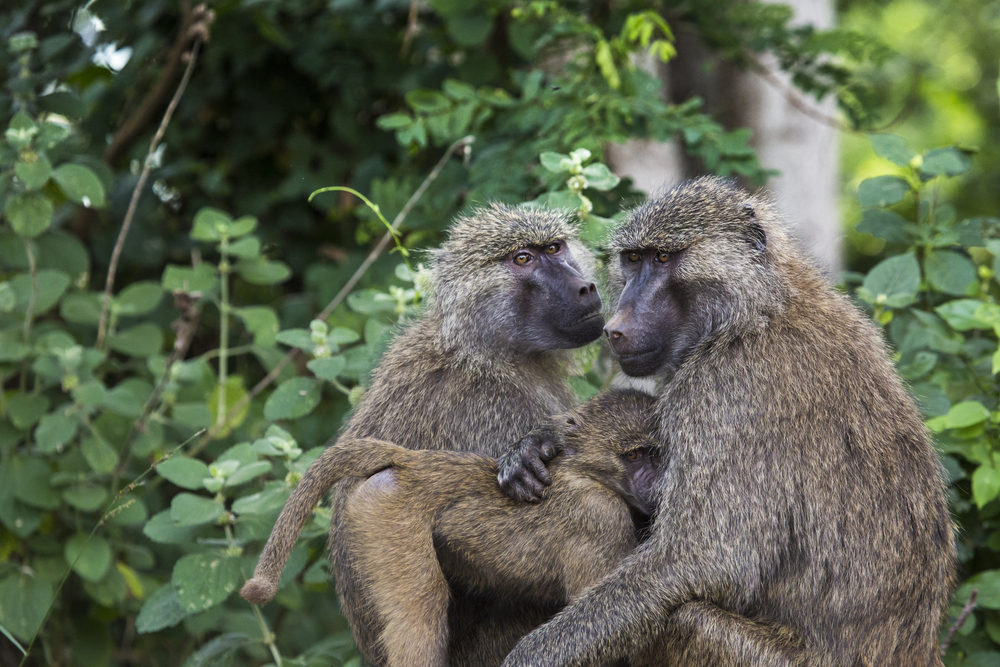
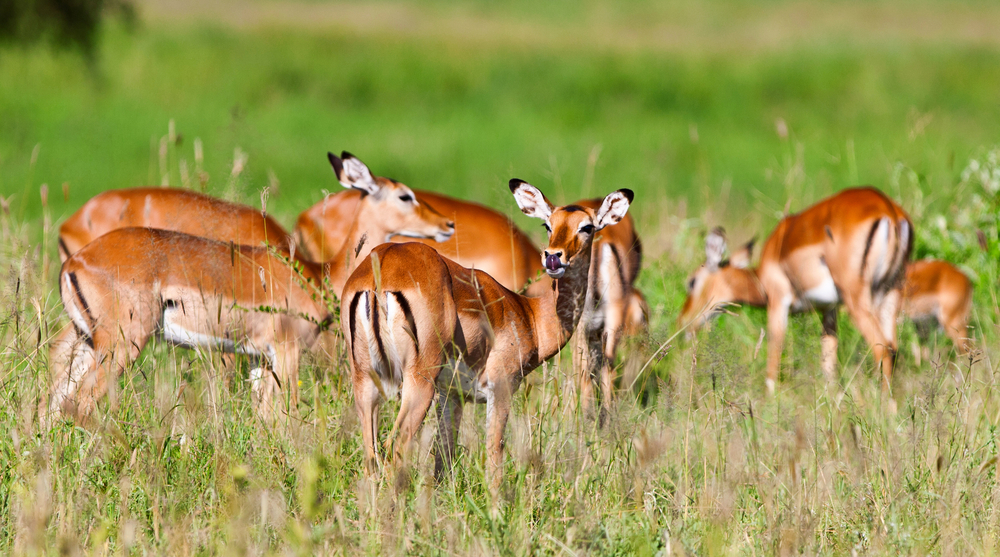
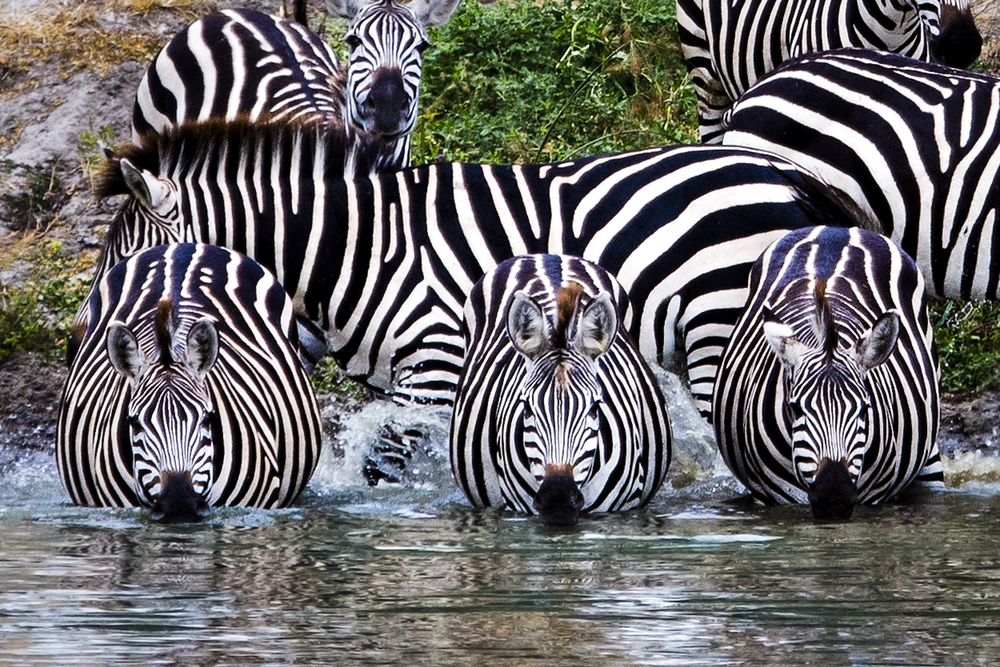
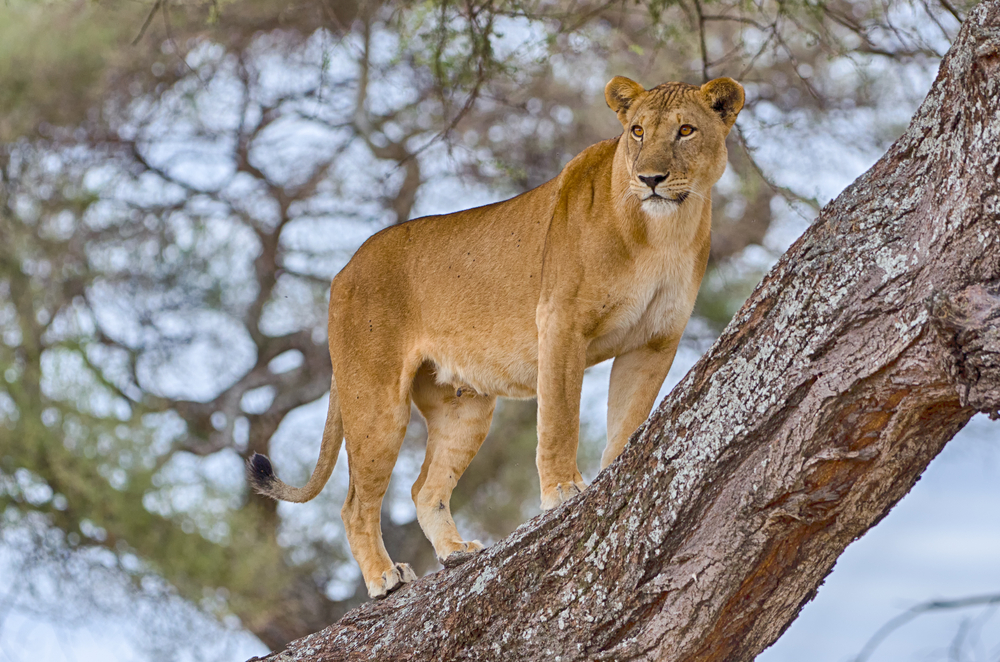
Tarangire National Park supports an impressive diversity of wildlife and is especially important for elephants. The park contains one of Tanzania’s highest elephant concentrations, with herds sometimes numbering in the hundreds. Other commonly seen animals include lions, leopards, cheetahs, buffalo, giraffes, zebras, wildebeest, impalas, and warthogs.
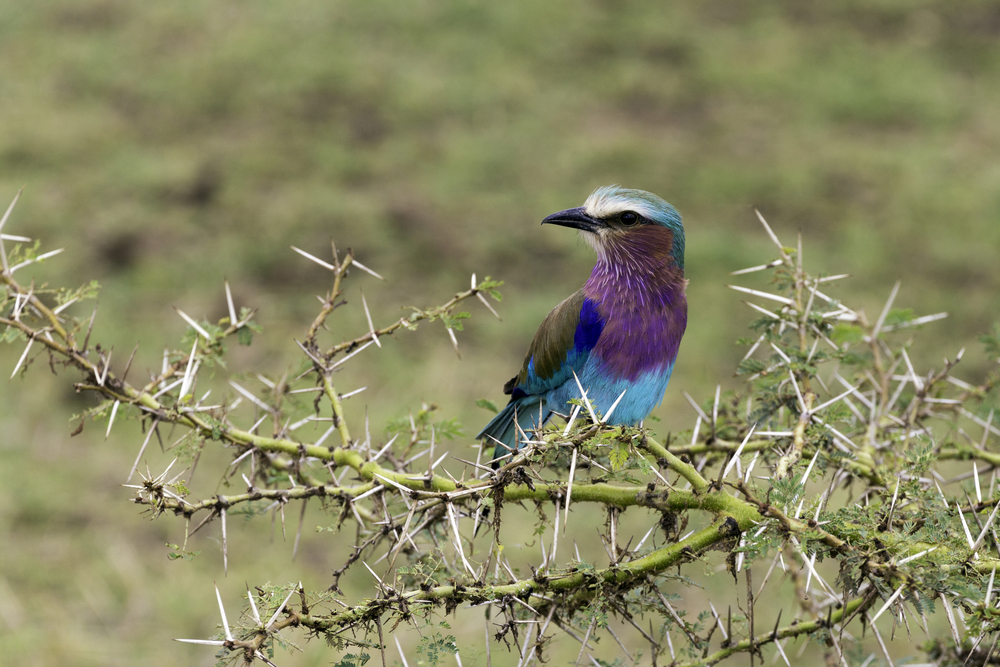
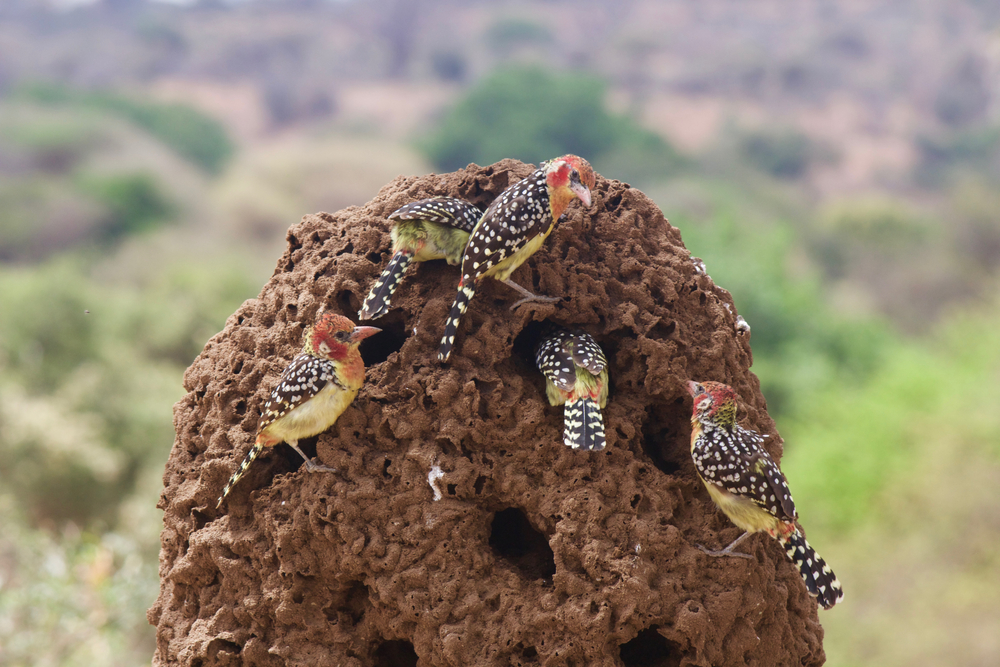
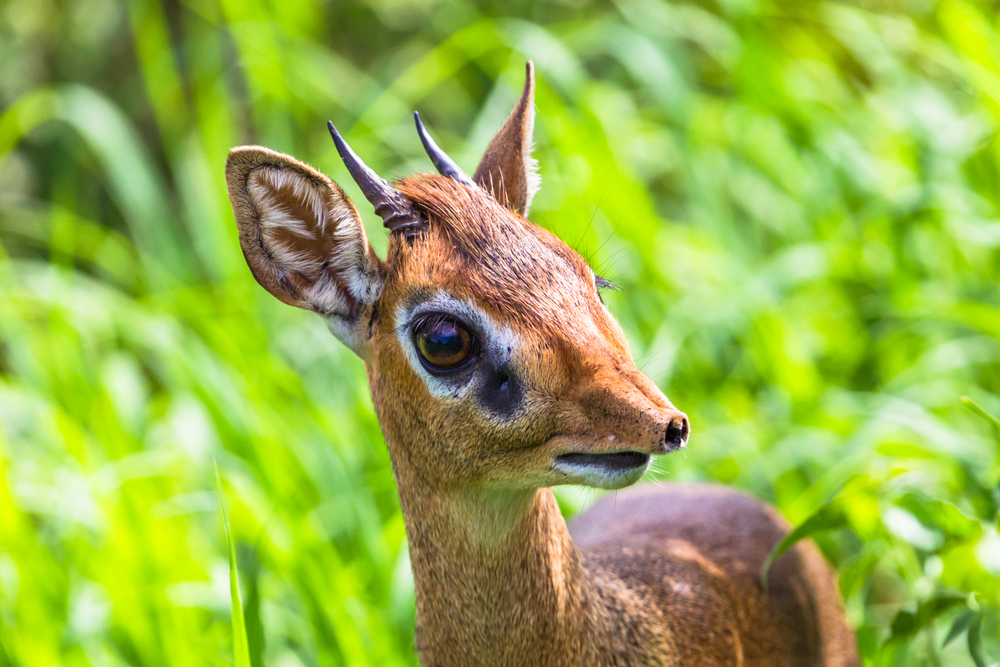
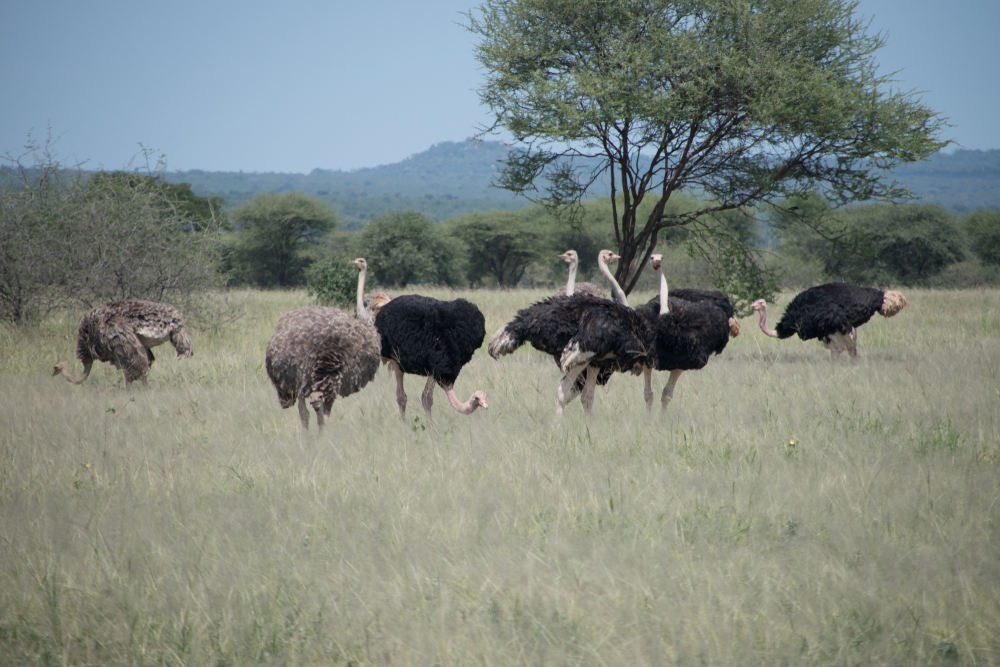
Rare species such as fringe-eared oryx and greater kudu also inhabit the park, making Tarangire unique within Tanzania’s northern parks. Birdlife is extraordinary with more than 500 recorded species, including yellow-collared lovebirds, hornbills, ostriches, and large raptors. Swamps and wetlands attract waterbirds throughout the year and become especially active during migration seasons.
Tarangire National Park plays a critical role in protecting migratory wildlife corridors and seasonal habitats essential for northern Tanzania’s ecosystems. The park safeguards elephant populations and supports species that move between protected areas and community lands.
Compared to famous safari parks such as Kruger National Park or Maasai Mara National Reserve, Tarangire offers a quieter and more intimate safari experience while still supporting exceptional biodiversity. Its ancient baobabs, thriving elephant populations, and uncrowded landscapes make it one of East Africa’s hidden gems. Tarangire National Park remains a vital sanctuary for wildlife conservation and one of Tanzania’s most rewarding natural destinations.
Photos
Things to See
Things To Do
Discovering Tarangire National Park


Tarangire National Park Trails
There are no trails for hiking in Tarangire. This is a wilderness area with an abundance of wildlife. The good news is that there are guided walking safaris that allow visitors to have a more personal outdoor experience with nature and the abundance of wildlife.

FAQ’s
How large is Tarangire National Park?
Tarangire National Park is located in northern Tanzania and covers an area of approximately 2,850 square kilometers (1,100 square miles).
It is the sixth-largest national park in Tanzania, known for its diverse landscapes, including vast savannahs, acacia woodlands, and the Tarangire River, which flows through the park and serves as a crucial water source for wildlife during the dry season.
Tarangire is famous for its large elephant herds, baobab trees, and abundant birdlife, making it a popular destination for wildlife enthusiasts and photographers.
What is Tarangire National Park famous for?
Tarangire National Park in Tanzania is famous for several reasons:
- Large Elephant Population: The park is renowned for its large population of elephants, which can be seen roaming freely throughout the park. During the dry season (June to October), Tarangire National Park hosts one of the largest concentrations of elephants in Tanzania as they gather around the Tarangire River.
- Baobab Trees: The landscape of Tarangire is dotted with iconic baobab trees, which add to the park’s scenic beauty. These ancient trees provide a picturesque backdrop for wildlife viewing and photography.
- Diverse Wildlife: In addition to elephants, Tarangire National Park is home to a wide variety of wildlife, including lions, leopards, cheetahs, giraffes, zebras, wildebeests, buffalo, and numerous antelope species such as impalas, gazelles, and oryx.
- Birdwatching: Tarangire is a paradise for birdwatchers, with over 550 bird species recorded within the park. The Tarangire River attracts a diverse array of birdlife, including raptors, waterbirds, and colorful migratory species.
- Scenic Landscapes: The park’s varied terrain, which includes open grasslands, woodlands, swamps, and riverine forests, offers stunning scenic views and opportunities for exploring different ecosystems.
Overall, Tarangire National Park is celebrated for its incredible wildlife diversity, scenic landscapes, and the unique experience it offers to visitors seeking an authentic safari adventure in Tanzania.
When is the best time to visit Tarangire?
The best time to visit Tarangire National Park largely depends on what you hope to experience during your visit:
- Dry Season (June to October):
- This is considered the best time for wildlife viewing in Tarangire.
- During the dry season, vegetation thins out, and water sources become scarce, leading animals to gather around the Tarangire River and other permanent water sources.
- Wildlife concentrations are high, making it easier to spot animals, including large herds of elephants.
- The weather is generally dry and sunny, with cooler temperatures.
- Green Season (November to May):
- Also known as the rainy season or the green season, this period sees sporadic rainfall.
- The landscape becomes lush and green, and migratory bird species arrive in the park.
- The scenery is beautiful, with wildflowers blooming and newborn animals.
- Wildlife disperses more widely throughout the park, as water and food sources are more abundant.
- Fewer tourists visit during this time, offering a more exclusive safari experience, and accommodations may offer lower rates.
Ultimately, the best time to visit Tarangire depends on your preferences and interests. If you prioritize wildlife viewing and high animal concentrations, the dry season may be ideal. However, if you enjoy birdwatching, lush landscapes, and fewer crowds, the green season could be a great choice. It’s essential to consider both weather and wildlife patterns when planning your visit.
How large is Tarangire National Park?
Tarangire National Park is located in northern Tanzania and covers an area of approximately 2,850 square kilometers (1,100 square miles).
It is the sixth-largest national park in Tanzania, known for its diverse landscapes, including vast savannahs, acacia woodlands, and the Tarangire River, which flows through the park and serves as a crucial water source for wildlife during the dry season.
Tarangire is famous for its large elephant herds, baobab trees, and abundant birdlife, making it a popular destination for wildlife enthusiasts and photographers.
What is Tarangire National Park famous for?
Tarangire National Park in Tanzania is famous for several reasons:
- Large Elephant Population: The park is renowned for its large population of elephants, which can be seen roaming freely throughout the park. During the dry season (June to October), Tarangire National Park hosts one of the largest concentrations of elephants in Tanzania as they gather around the Tarangire River.
- Baobab Trees: The landscape of Tarangire is dotted with iconic baobab trees, which add to the park’s scenic beauty. These ancient trees provide a picturesque backdrop for wildlife viewing and photography.
- Diverse Wildlife: In addition to elephants, Tarangire National Park is home to a wide variety of wildlife, including lions, leopards, cheetahs, giraffes, zebras, wildebeests, buffalo, and numerous antelope species such as impalas, gazelles, and oryx.
- Birdwatching: Tarangire is a paradise for birdwatchers, with over 550 bird species recorded within the park. The Tarangire River attracts a diverse array of birdlife, including raptors, waterbirds, and colorful migratory species.
- Scenic Landscapes: The park’s varied terrain, which includes open grasslands, woodlands, swamps, and riverine forests, offers stunning scenic views and opportunities for exploring different ecosystems.
Overall, Tarangire National Park is celebrated for its incredible wildlife diversity, scenic landscapes, and the unique experience it offers to visitors seeking an authentic safari adventure in Tanzania.
When is the best time to visit Tarangire?
The best time to visit Tarangire National Park largely depends on what you hope to experience during your visit:
- Dry Season (June to October):
- This is considered the best time for wildlife viewing in Tarangire.
- During the dry season, vegetation thins out, and water sources become scarce, leading animals to gather around the Tarangire River and other permanent water sources.
- Wildlife concentrations are high, making it easier to spot animals, including large herds of elephants.
- The weather is generally dry and sunny, with cooler temperatures.
- Green Season (November to May):
- Also known as the rainy season or the green season, this period sees sporadic rainfall.
- The landscape becomes lush and green, and migratory bird species arrive in the park.
- The scenery is beautiful, with wildflowers blooming and newborn animals.
- Wildlife disperses more widely throughout the park, as water and food sources are more abundant.
- Fewer tourists visit during this time, offering a more exclusive safari experience, and accommodations may offer lower rates.
Ultimately, the best time to visit Tarangire depends on your preferences and interests. If you prioritize wildlife viewing and high animal concentrations, the dry season may be ideal. However, if you enjoy birdwatching, lush landscapes, and fewer crowds, the green season could be a great choice. It’s essential to consider both weather and wildlife patterns when planning your visit.
Sources
- Expert Africa, Tarangire National Park, https://www.expertafrica.com/tanzania/tarangire-national-park, retrieved December 2019.
- Lonely Planet, Tarangire National Park, https://www.lonelyplanet.com/tanzania/northern-tanzania/tarangire-national-park, retrieved December 2019.
- Tarangire Tanzania, Tarangire National Park, https://www.tarangiretanzania.com/, retrieved December 2019.
- Tarangire National Park, park site, https://www.tarangirenationalpark.com/, retrieved December 2019.
- Tanzania Expeditions, Tarangire National Park, https://www.tanzania-expeditions.com/tarangire-national-park-safari/, retrieved December 2019.