

About
Located in northern Tanzania, Serengeti National Park is one of the world’s most famous wildlife destinations and among Africa’s greatest conservation success stories. The park covers approximately 5,700 square miles (14,763 sq km) of protected savannah, woodland, and river ecosystems.
Serengeti National Park borders Ngorongoro Conservation Area to the southeast and connects directly with Maasai Mara National Reserve to the north, forming one of the largest and most important wildlife ecosystems on Earth. The name “Serengeti” comes from a Maasai word meaning “endless plains,” a fitting description for the vast grasslands stretching toward the horizon. It is often a destination paired with Mount Kilimanjaro National Park.
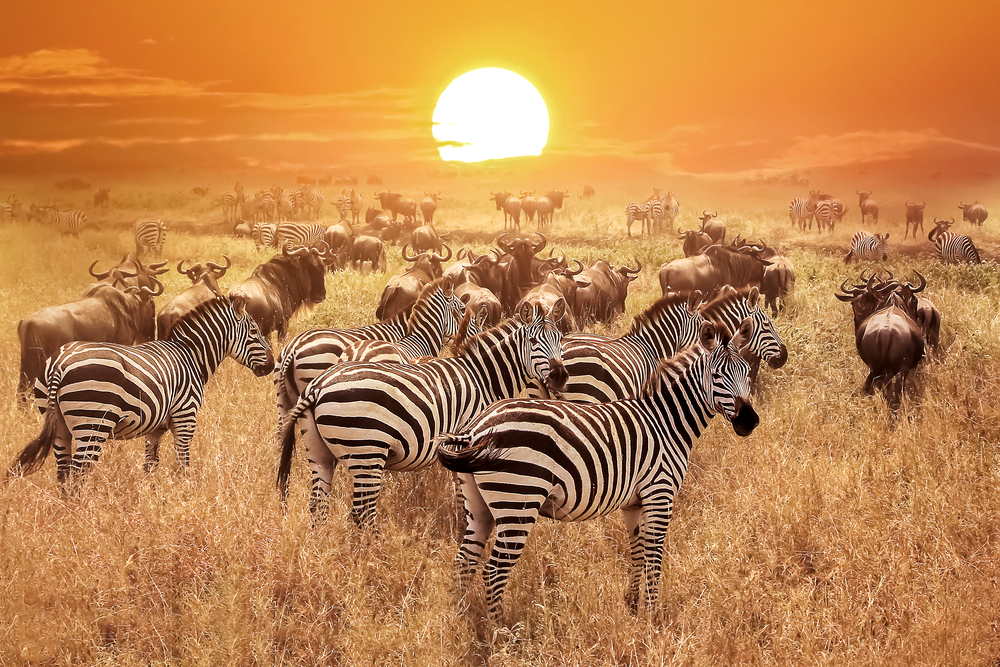
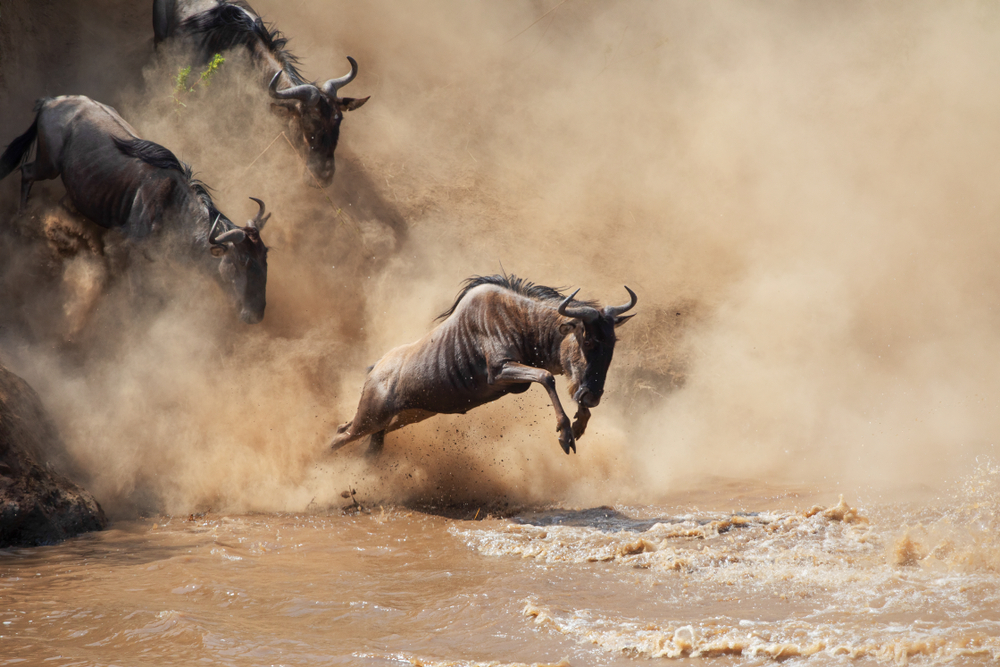
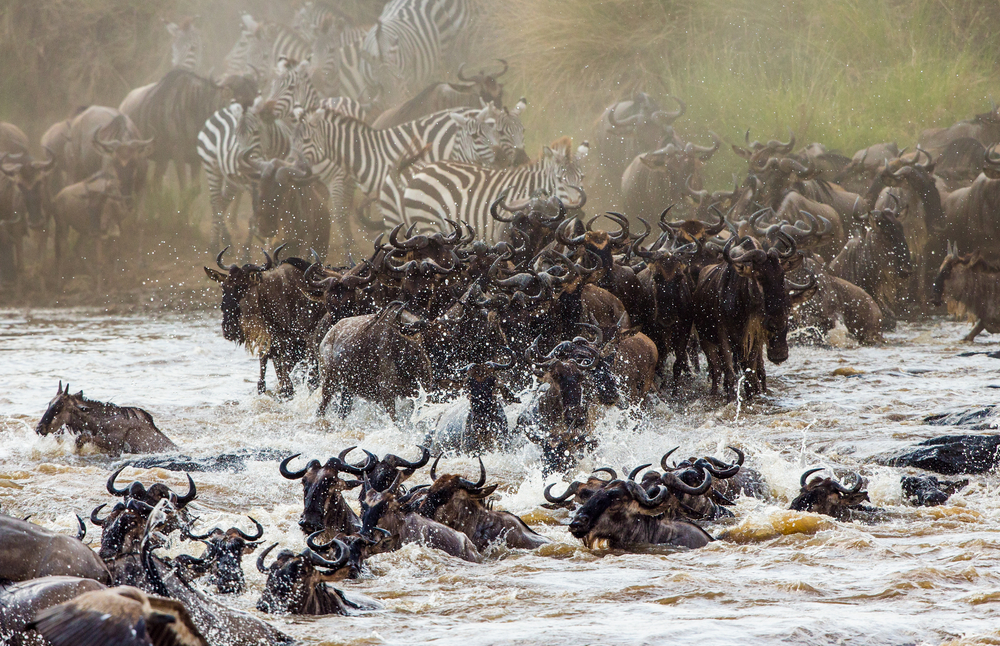
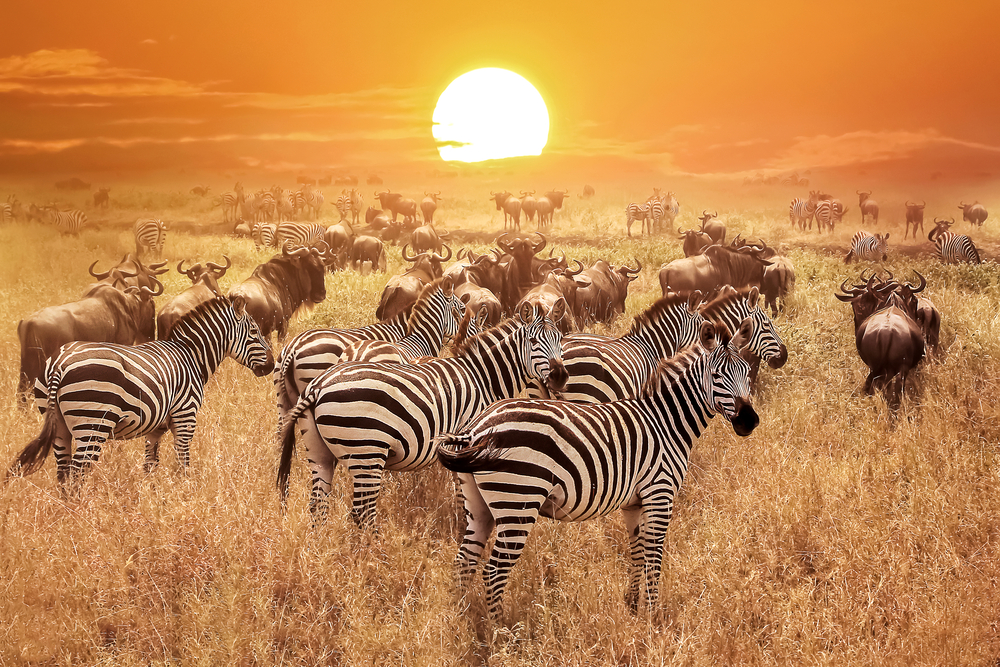
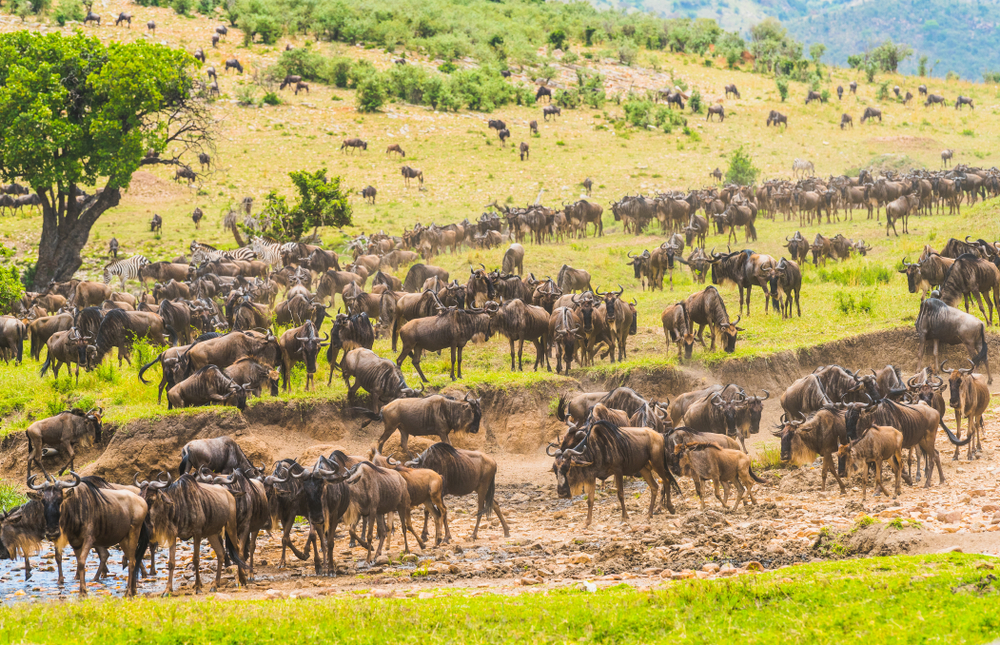
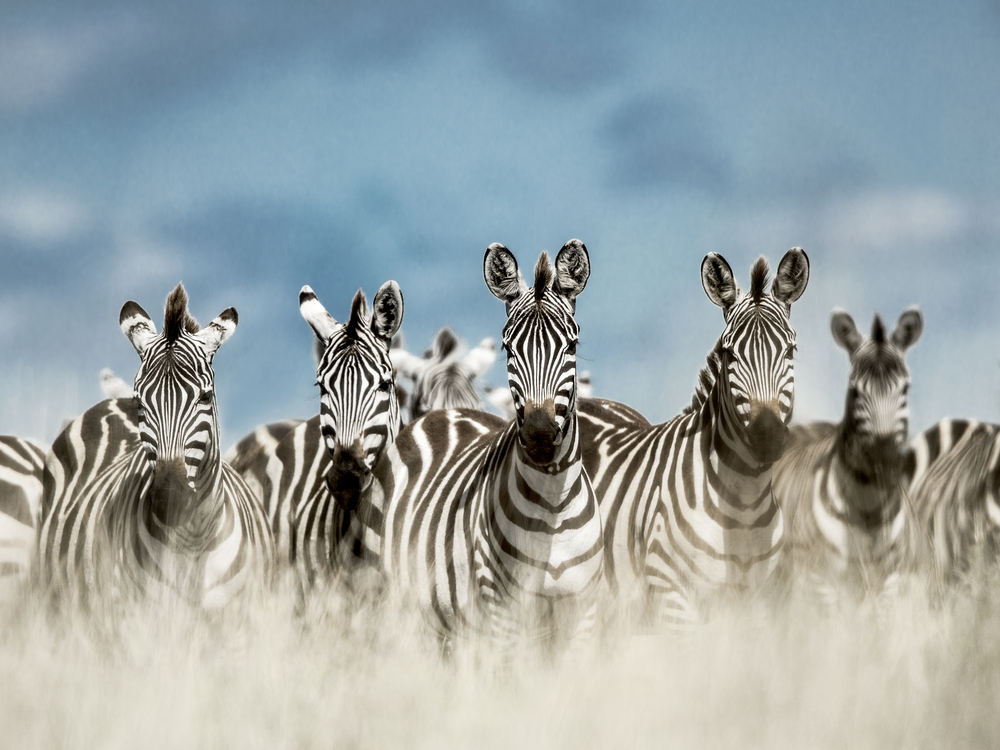
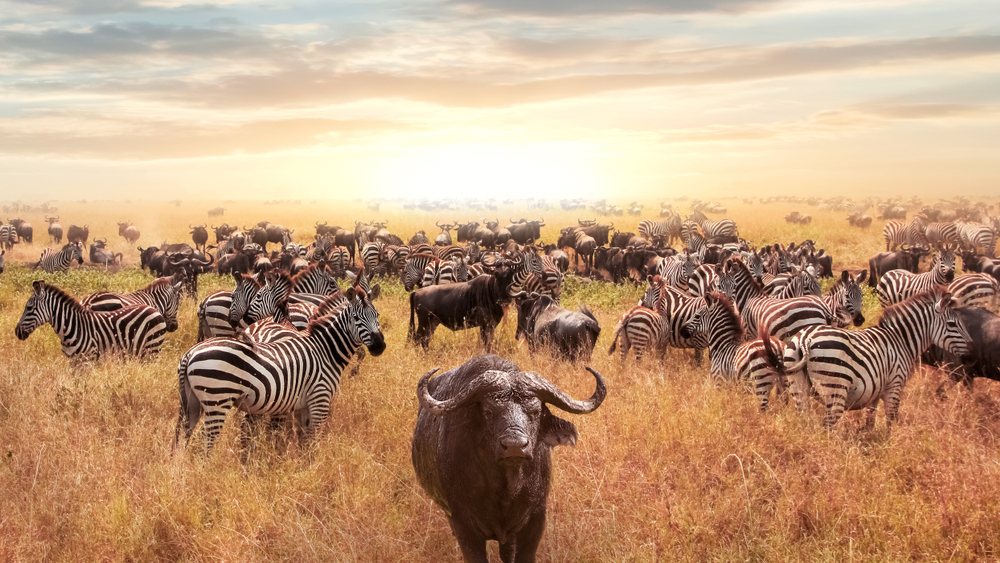
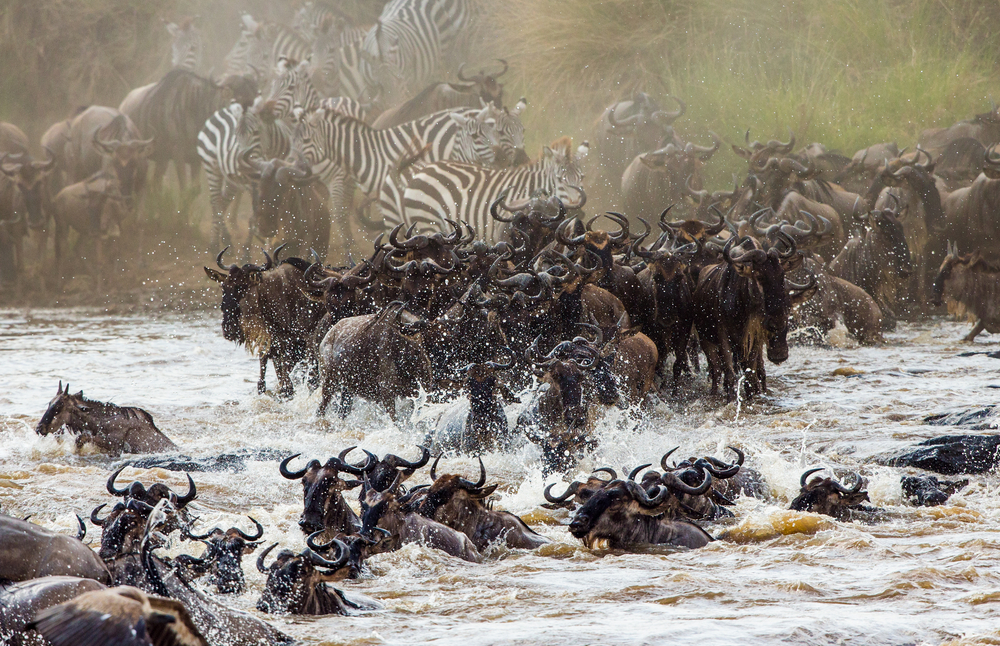
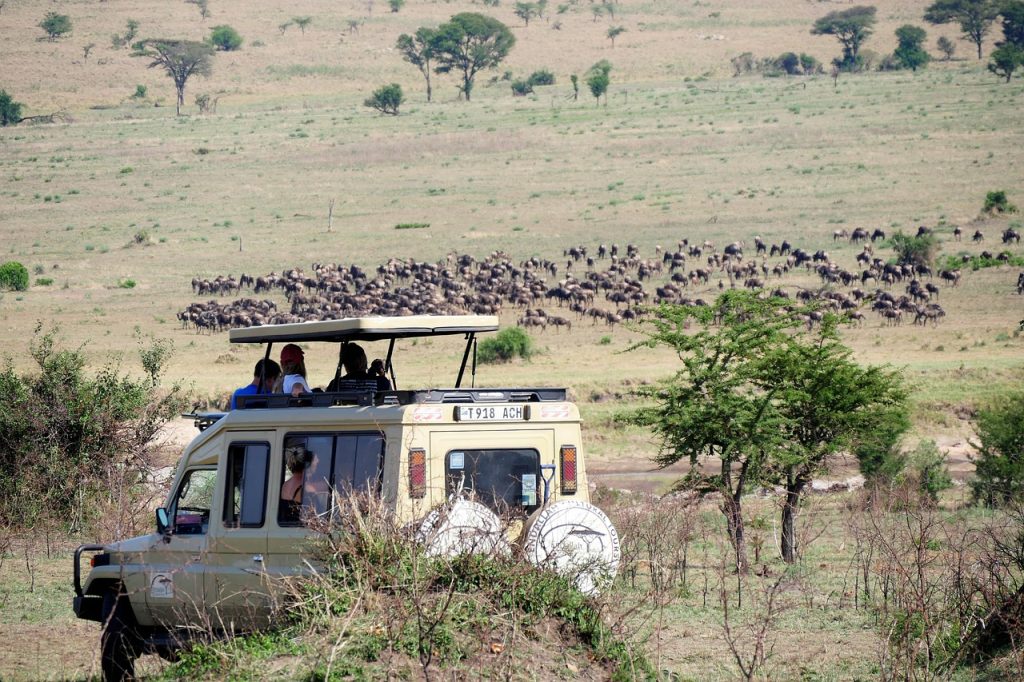
Serengeti National Park is best known for the Great Migration, one of the most extraordinary wildlife events on the planet. Each year, more than a million wildebeest, along with hundreds of thousands of zebras and gazelles, move across the Serengeti ecosystem in search of fresh grazing and water. This continuous migration creates dramatic scenes of river crossings, predator encounters, and massive herds covering the plains.
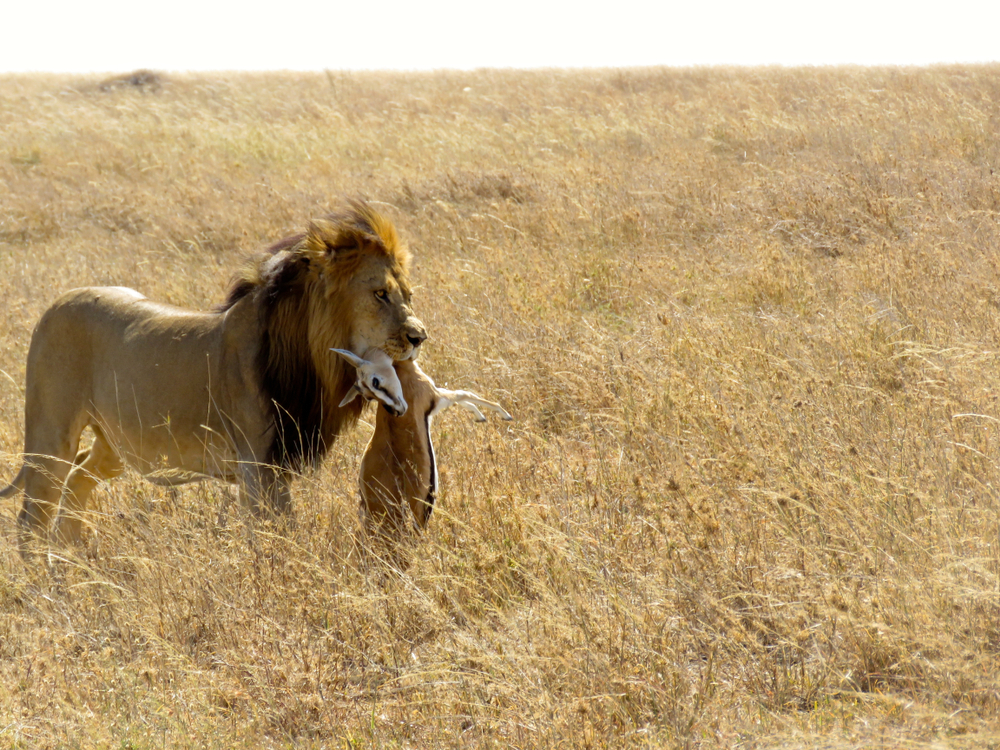
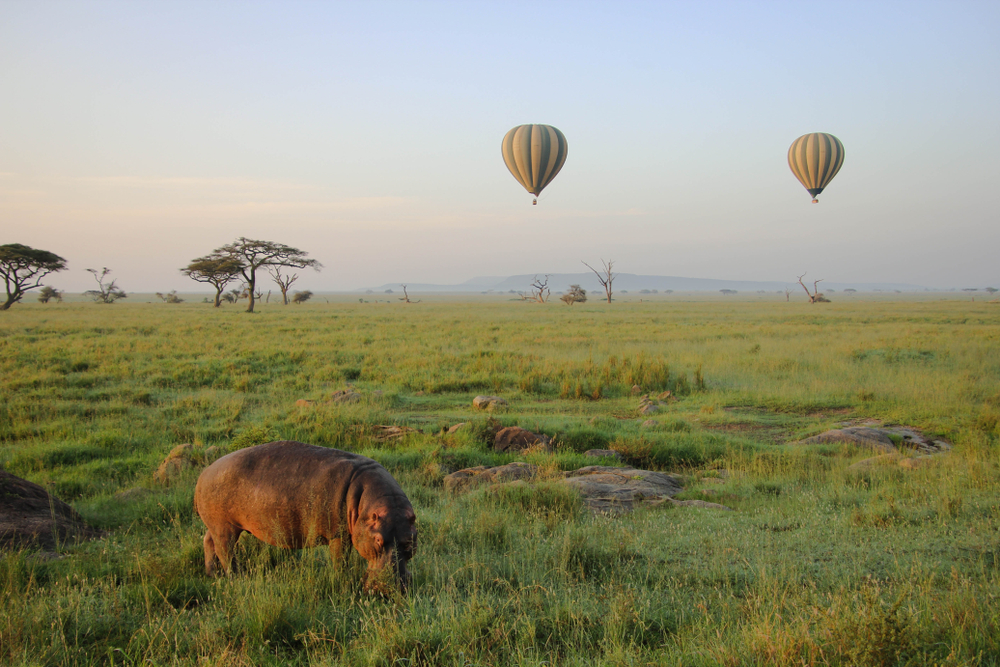
Visitors from around the world travel to the Serengeti to witness lions stalking prey, crocodiles waiting at river crossings, and vast columns of animals stretching for miles. Beyond the migration, the park is renowned for classic African safari experiences that include sunrise game drives, balloon safaris, and breathtaking wildlife photography opportunities.
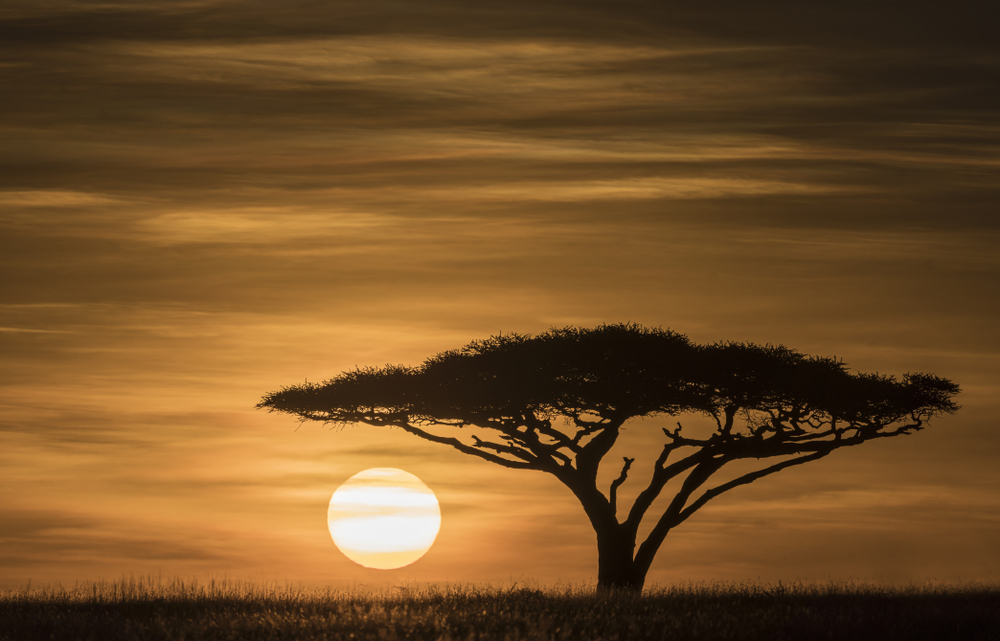
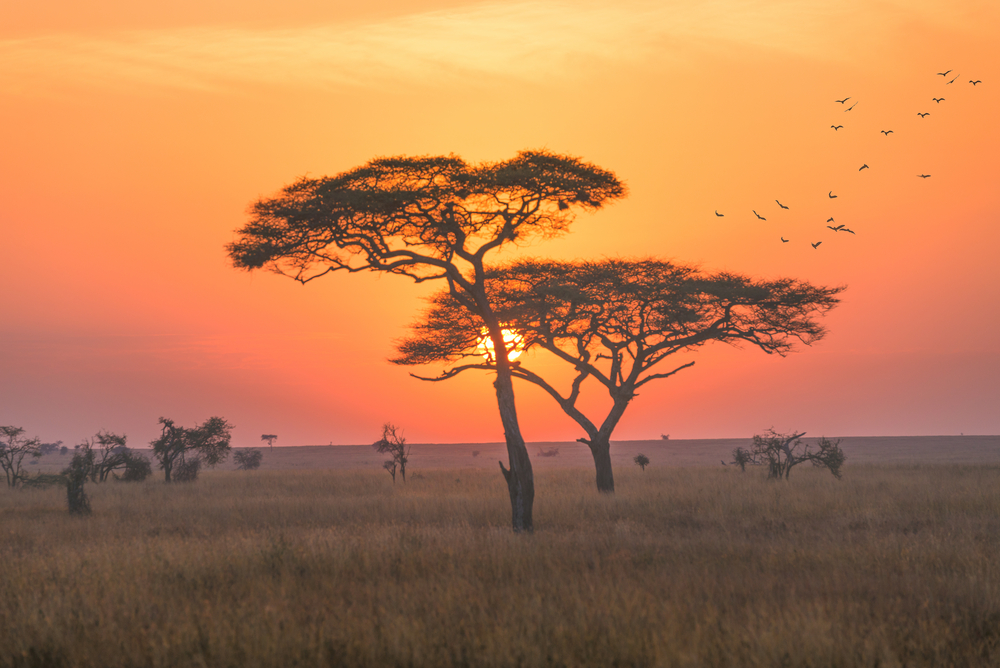
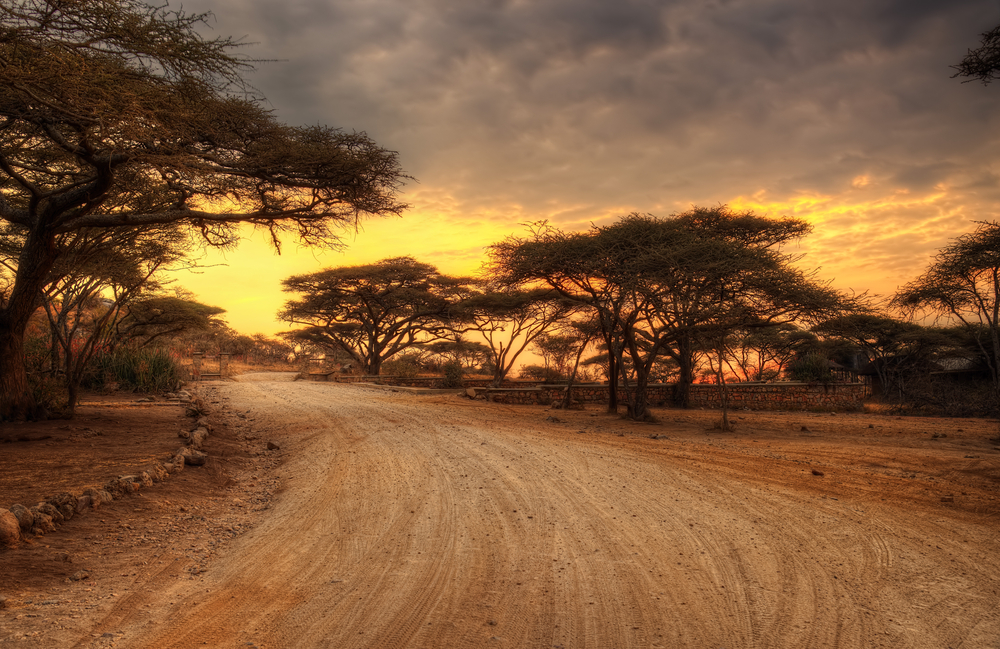
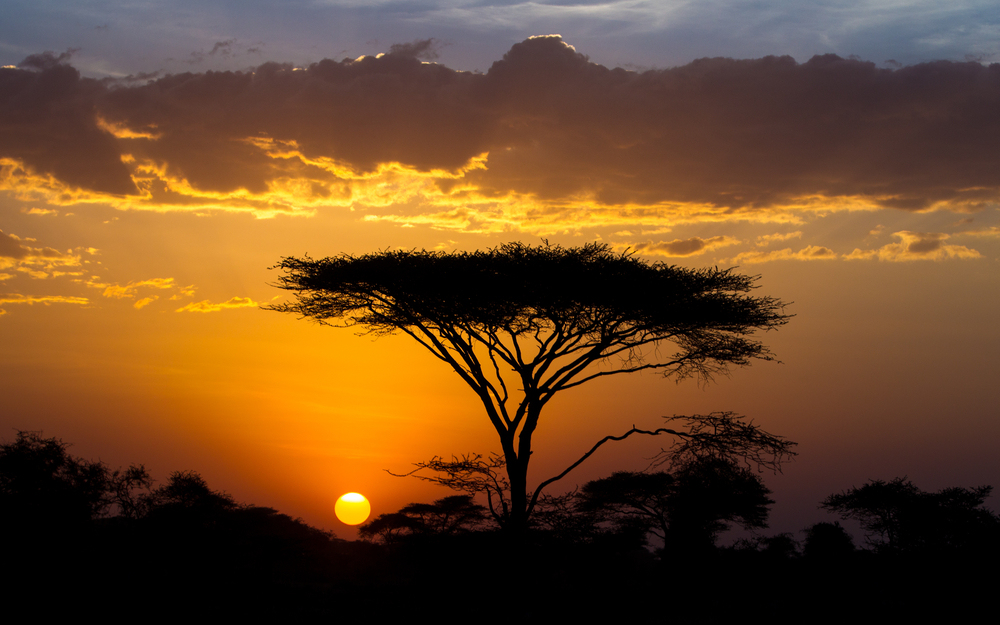
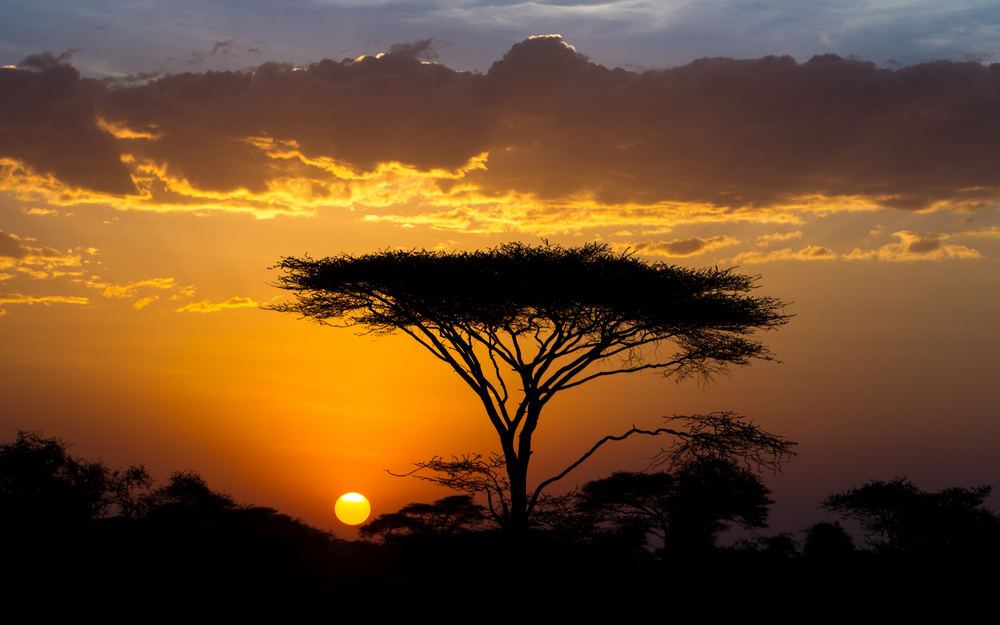
The geography of Serengeti National Park is remarkably diverse despite its reputation for open plains. Endless savannah grasslands dominate the southern and central regions, while rolling hills, rocky kopjes, acacia woodlands, and river systems create varied habitats throughout the park. The western corridor follows the Grumeti River and supports dense vegetation and aquatic ecosystems. Northern sections near the Kenyan border contain greener hills and river valleys shaped by seasonal rainfall.
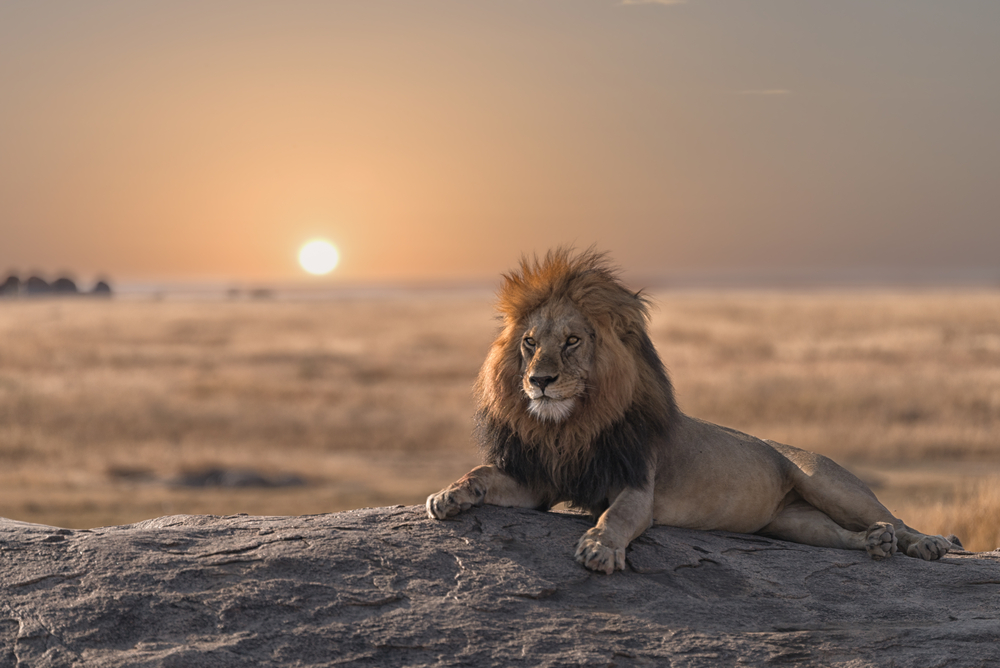
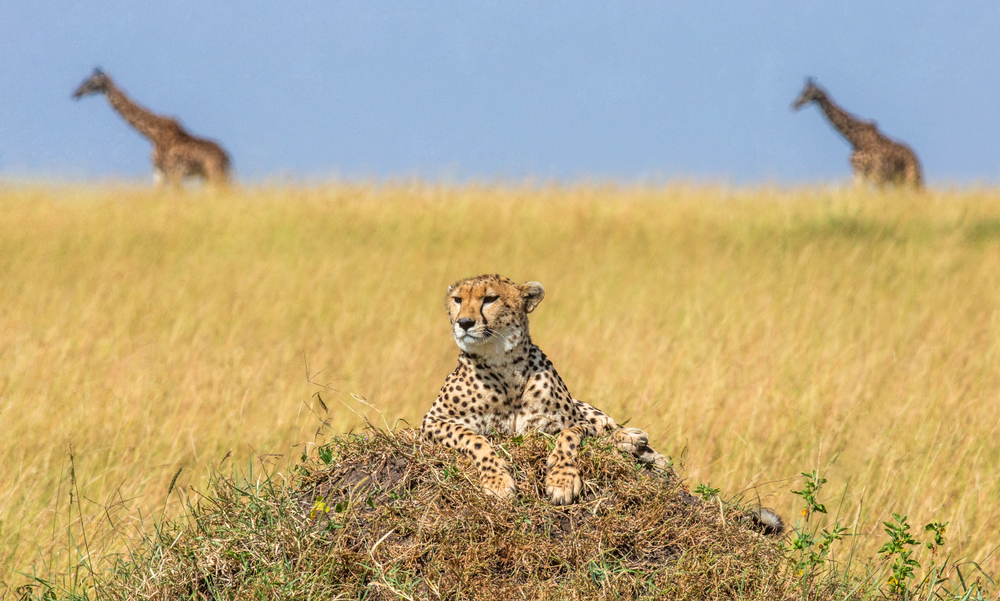
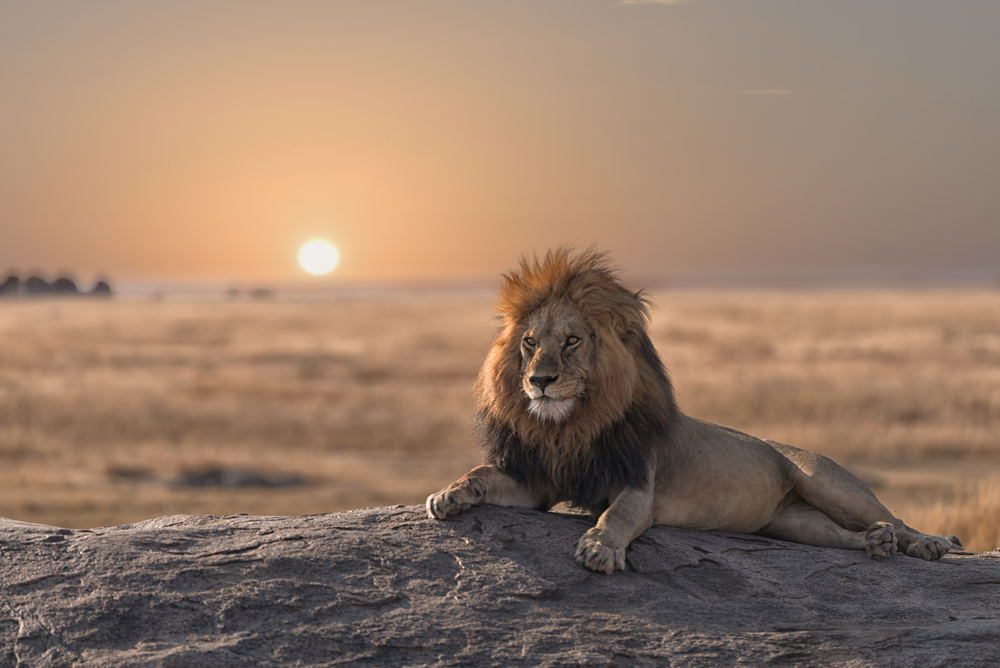
The park’s famous kopjes, massive granite rock formations rising above the plains, provide shelter and lookout points for predators such as lions and leopards. Seasonal changes transform the landscape from lush green grasslands during the rainy season to golden plains during drier months.
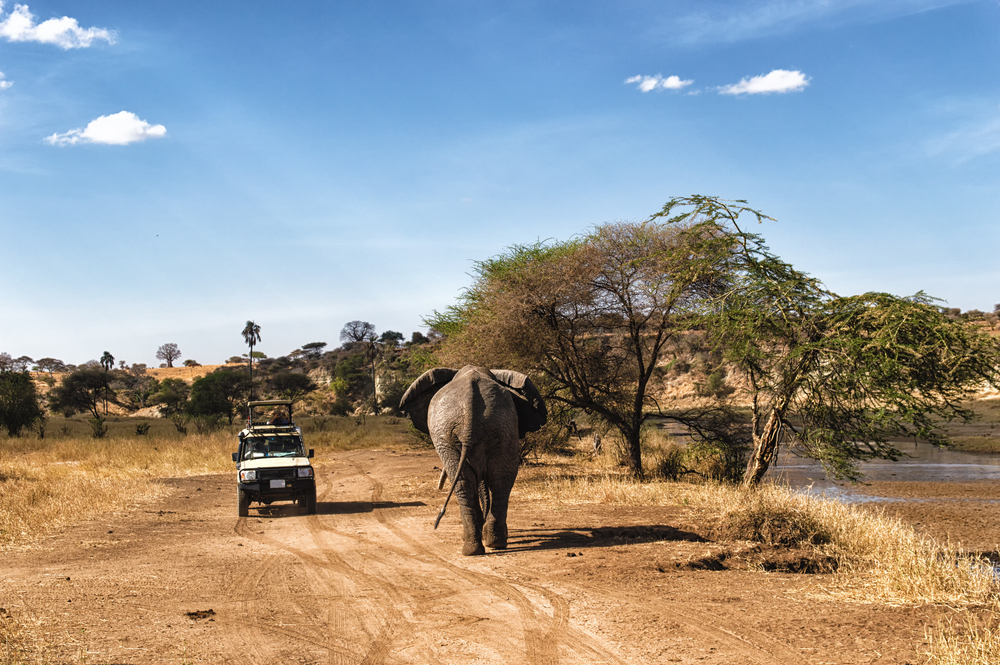
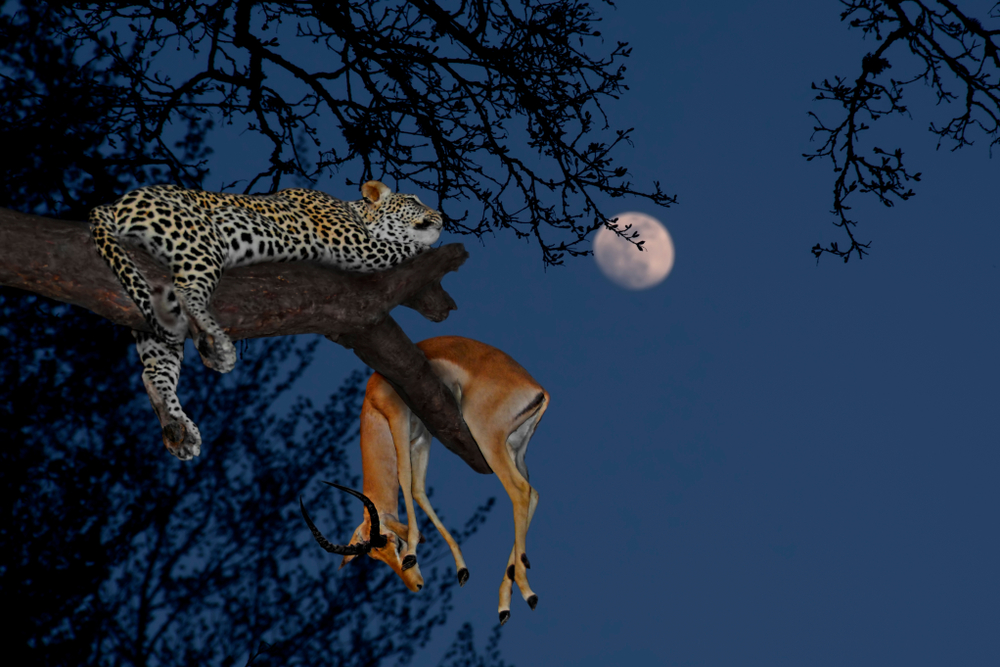
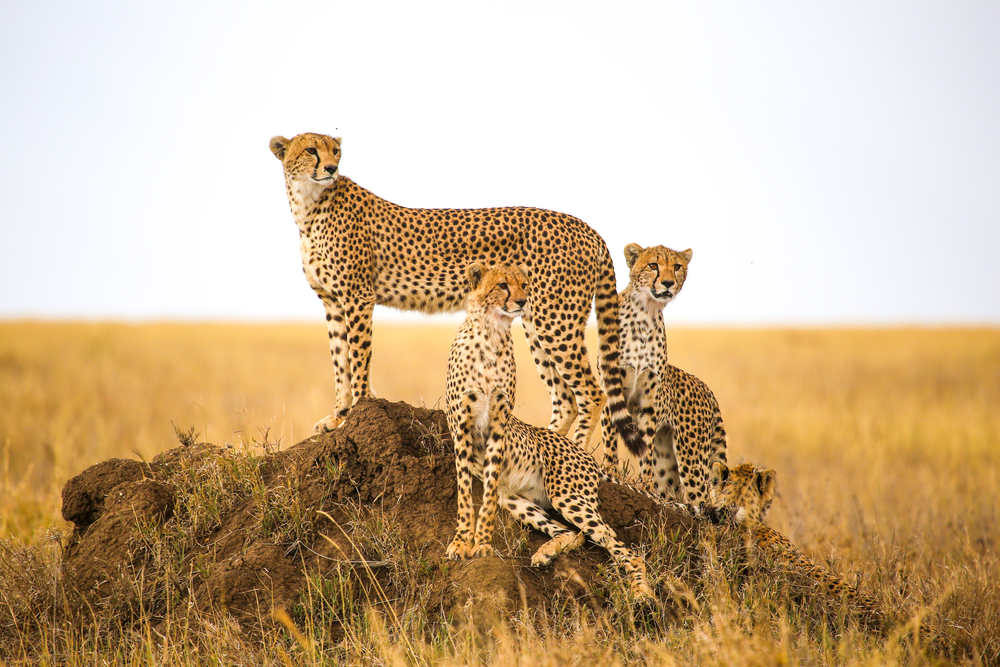
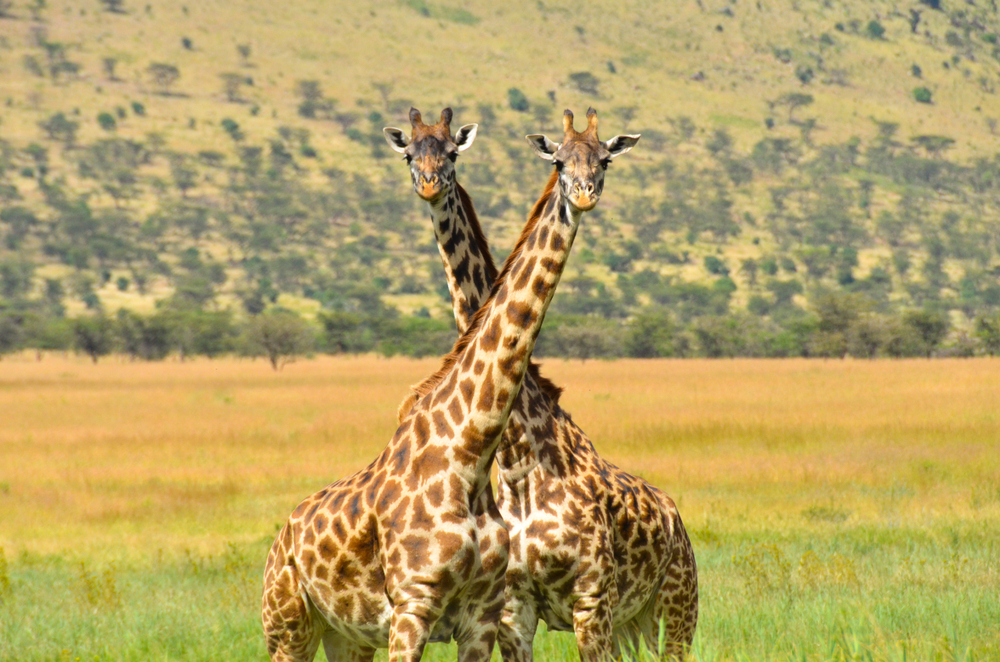
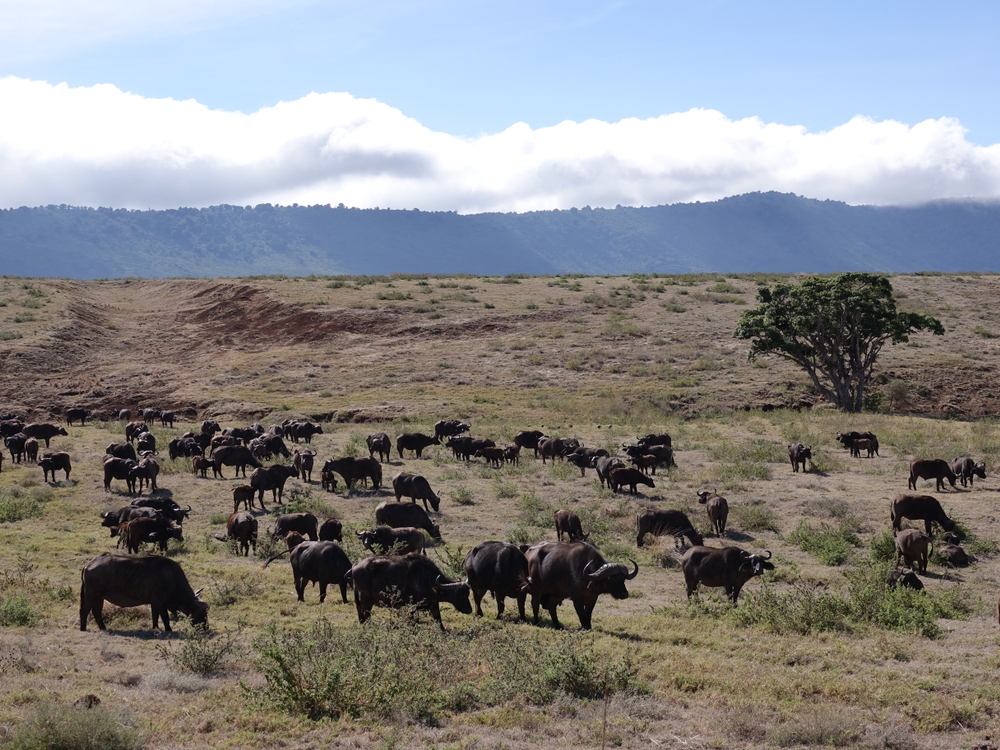
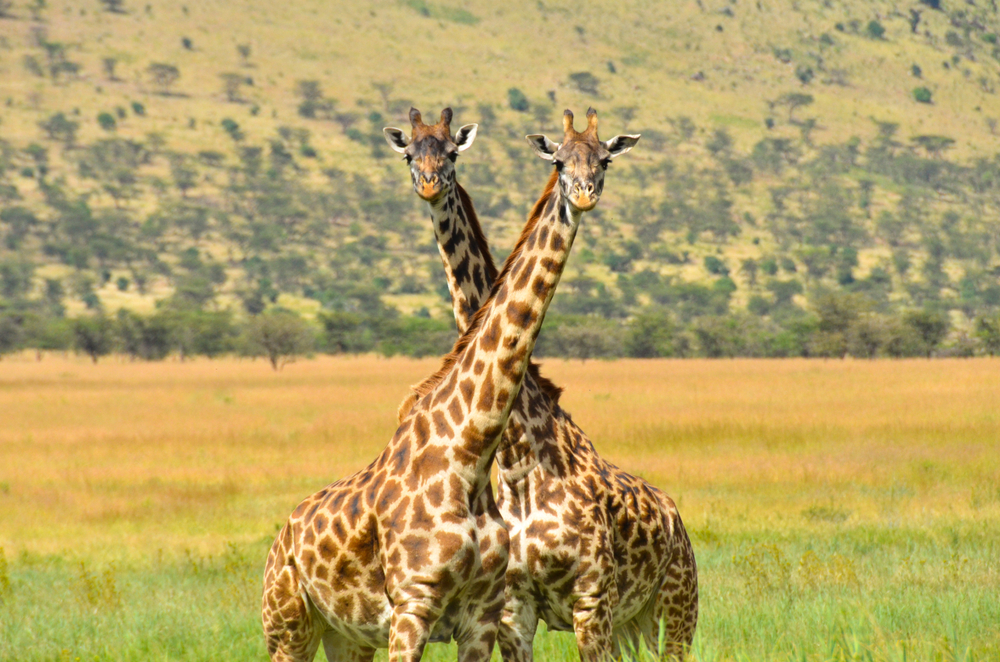
Serengeti National Park supports one of the greatest concentrations of wildlife anywhere in the world. Lions are especially abundant and are among the park’s most iconic predators. Leopards, cheetahs, spotted hyenas, and African wild dogs also inhabit the region. Large herbivores include elephants, buffalo, giraffes, zebras, wildebeest, gazelles, elands, and numerous antelope species.
Hippos and crocodiles thrive in rivers and wetlands while more than 500 bird species fill the skies and grasslands. Secretary birds, ostriches, vultures, eagles, and colorful lilac-breasted rollers are commonly observed throughout the park.
Serengeti National Park plays a critical role in preserving one of the last intact large-scale migration systems on Earth. The park protects vast ecosystems that allow wildlife to move naturally across international boundaries and seasonal habitats. It also safeguards endangered predators and vulnerable grassland species facing increasing pressure elsewhere in Africa.
Compared to other world-famous safari destinations such as Kruger National Park or Yellowstone National Park, the Serengeti is unmatched in scale, wildlife movement, and ecological spectacle. Its endless plains and thriving wildlife populations continue to symbolize the beauty and importance of African conservation. Serengeti National Park remains one of the planet’s greatest natural wonders and an enduring inspiration for wildlife protection around the world.
Photos
Things to See
Things To Do
Discovering the Serengeti


Serengeti National Park Trails
There are no trails for hiking in the Serengeti National Park, however, that does not mean you cannot explore this wildlife-rich environment on foot. There are guided walking safaris as well as even multi-day walking safaris which provide the more adventurous with an opportunity to explore the wildlife and wilderness on foot.

FAQ’s
How large is the Serengeti National Park?
Serengeti National Park is one of Tanzania’s most famous national parks and spans an impressive area of approximately 14,750 square kilometers (5,700 square miles). This vast expanse of savannah and grasslands makes it one of the largest national parks in Africa.
It is renowned for its stunning landscapes, diverse wildlife, and the annual migration of millions of wildebeest, zebras, and other animals. The park is a UNESCO World Heritage Site due to its outstanding universal value and significance for biodiversity conservation.
How many wildebeests are in the migration?
The number of wildebeests involved in the annual migration can vary from year to year due to factors such as rainfall patterns and food availability.
However, estimates typically suggest that over 1.5 million wildebeests participate in the Great Migration across the Serengeti ecosystem, which includes Serengeti National Park in Tanzania and the Maasai Mara National Reserve in Kenya.
This massive movement of wildebeests, along with hundreds of thousands of zebras and other antelope species, is considered one of the most spectacular wildlife events on Earth.
How many other animals are part of the migration?
In addition to the vast number of wildebeests involved in the Great Migration, hundreds of thousands of zebras and various antelope species also participate in the movement across the Serengeti ecosystem. Some estimates suggest that the total number of animals involved in the migration can exceed 2 million individuals.
These animals traverse vast distances in search of fresh grazing grounds and water sources, making the migration one of the most remarkable wildlife spectacles in the world.
How large is the Serengeti National Park?
Serengeti National Park is one of Tanzania’s most famous national parks and spans an impressive area of approximately 14,750 square kilometers (5,700 square miles). This vast expanse of savannah and grasslands makes it one of the largest national parks in Africa.
It is renowned for its stunning landscapes, diverse wildlife, and the annual migration of millions of wildebeest, zebras, and other animals. The park is a UNESCO World Heritage Site due to its outstanding universal value and significance for biodiversity conservation.
How many wildebeests are in the migration?
The number of wildebeests involved in the annual migration can vary from year to year due to factors such as rainfall patterns and food availability.
However, estimates typically suggest that over 1.5 million wildebeests participate in the Great Migration across the Serengeti ecosystem, which includes Serengeti National Park in Tanzania and the Maasai Mara National Reserve in Kenya.
This massive movement of wildebeests, along with hundreds of thousands of zebras and other antelope species, is considered one of the most spectacular wildlife events on Earth.
How many other animals are part of the migration?
In addition to the vast number of wildebeests involved in the Great Migration, hundreds of thousands of zebras and various antelope species also participate in the movement across the Serengeti ecosystem. Some estimates suggest that the total number of animals involved in the migration can exceed 2 million individuals.
These animals traverse vast distances in search of fresh grazing grounds and water sources, making the migration one of the most remarkable wildlife spectacles in the world.
Sources
- Frankfurt Zoological Society, Serengeti Conservation Project, https://fzs.org/en/projects/serengeti-conservation/, Retrieved July 2019.
- Natural High, The Serengeti is Well Known for It’s Sensational Wildlife, but Few People Realize it Offers Outstanding Walking Safaris , https://www.naturalhighsafaris.com/sample-trips/walking-safari-in-the-serengeti, retrieved June 2020.
- Serengeti National Park, https://www.serengetinationalpark.com/,retrieved July 2019.
- Tanzania Tourist Board, Serengeti National Park, https://www.tanzaniatourism.go.tz/en/destination/serengeti-national-park, retrieved July 2019.
- UNESCO, Serengeti National Park, https://whc.unesco.org/en/list/156, retrieved July 2019.