About

Carpathian National Nature Park is located in western Ukraine within the Eastern Carpathian Mountains and covers approximately 198 square miles (514 sq km). Established in 1980, it was the first national park created in Ukraine and remains one of the country’s most important protected areas.

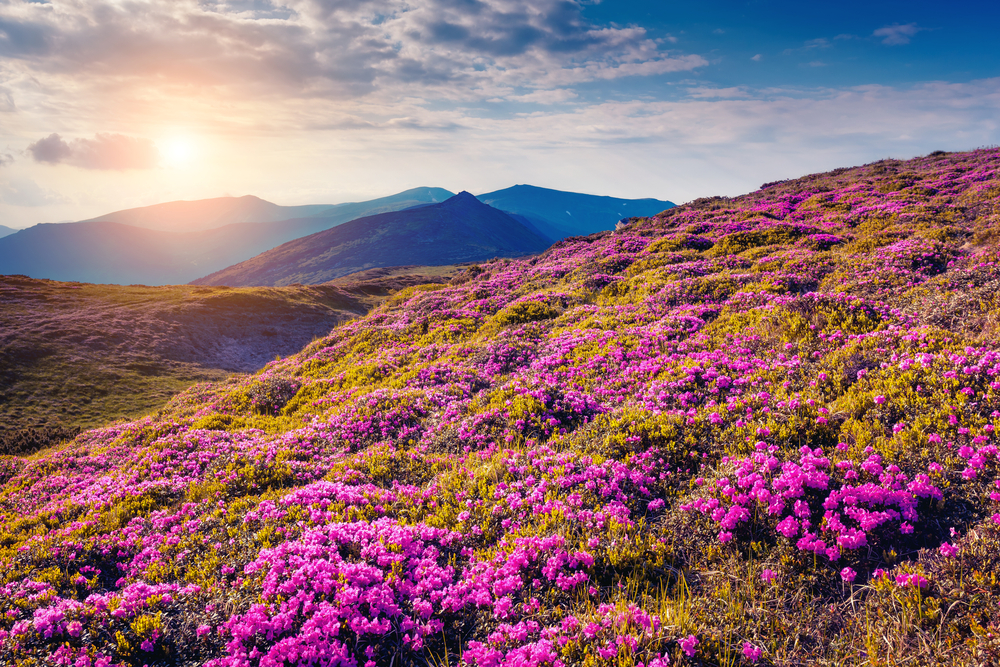
Situated in the Ivano-Frankivsk region near the town of Yaremche, the park protects some of the most spectacular mountain landscapes in the Ukrainian Carpathians. The park includes portions of the Chornohora Range, home to Hoverla, the highest peak in Ukraine at 6,762 feet (2,061 meters). Carpathian National Nature Park preserves a remarkable combination of mountain forests, alpine meadows, rivers, waterfalls, and traditional cultural landscapes that have shaped the region for centuries.

Carpathian National Nature Park is best known for its stunning mountain scenery and rich outdoor recreation opportunities. Visitors are drawn to the park’s rugged peaks, forested valleys, mountain streams, and panoramic viewpoints. Hiking, mountaineering, wildlife observation, photography, skiing, and cultural tourism are among the park’s most popular activities.

Trails lead to scenic destinations such as Hoverla, Mount Pip Ivan, and numerous alpine meadows known locally as polonynas. The park also contains traditional Hutsul villages where visitors can experience the unique culture, architecture, and customs of the Carpathian highlands. This blend of natural beauty and cultural heritage makes the park one of Ukraine’s premier tourism destinations.

The geography of Carpathian National Nature Park is dominated by mountain ridges, glacial landforms, deep valleys, and fast-flowing rivers. Elevations range from forested foothills to alpine environments above the tree line. The landscape was shaped by geological uplift and glacial processes that created steep slopes, cirques, waterfalls, and high mountain meadows.

Dense forests of beech, spruce, fir, and pine cover much of the park, while alpine grasslands and subalpine shrub communities occur at higher elevations. Numerous rivers and streams originate within the mountains, providing important freshwater resources and supporting diverse ecosystems throughout the region.

Wildlife within Carpathian National Nature Park is among the richest in Ukraine. Large mammals include brown bears, wolves, Eurasian lynx, red deer, roe deer, wild boar, and foxes. The park provides critical habitat for many species that have declined elsewhere in Europe.

Birdlife is equally diverse, with golden eagles, black storks, eagle-owls, capercaillie, woodpeckers, and numerous migratory species inhabiting the forests and mountains. Amphibians, reptiles, and native fish thrive in the park’s rivers and wetlands, while alpine habitats support specialized plant and insect communities adapted to harsh mountain conditions.

Carpathian National Nature Park plays a vital role in protecting one of Eastern Europe’s most important mountain ecosystems. The park safeguards old-growth forests, alpine meadows, watersheds, and critical habitat for many rare and endangered species. Conservation efforts focus on preserving biodiversity, supporting sustainable tourism, protecting traditional cultural landscapes, and maintaining ecological connectivity across the Carpathian Mountains.

The park is often compared to Tatra National Park and Krkonoše National Park because of its mountain scenery and biodiversity. However, its combination of Ukraine’s highest peaks, ancient forests, and vibrant Hutsul cultural heritage gives it a distinctive identity. Today, Carpathian National Nature Park stands as one of Ukraine’s most treasured protected landscapes, preserving a remarkable environment where mountains, wildlife, forests, and traditional culture continue to thrive together.
Things to See

Popular

Popular

The Carpathian National Park, located in western Ukraine, is one of the most important protected areas in the Carpathian Mountains. This park is known for its ancient forests, alpine meadows, and rugged peaks, providing a crucial habitat for many rare and endemic species. Below are some of the more popular species that inhabit Carpathian National Park.

Eurasian Lynx (Lynx lynx)
A stealthy and elusive predator, the Eurasian lynx thrives in the park’s dense forests, hunting hares, roe deer, and smaller mammals.

Brown Bear (Ursus arctos arctos)
One of the park’s top predators, the Carpathian brown bear roams the forests and meadows, foraging for berries, roots, fish, and small mammals.

Wolf (Canis lupus lupus)
A key predator in the region, the wolf hunts in packs and preys on deer, wild boar, and smaller mammals, playing an essential role in maintaining ecological balance.

Carpathian Chamois (Rupicapra rupicapra carpatica)
An agile mountain-dwelling species, the Carpathian chamois navigates the park’s rocky cliffs and alpine meadows, feeding on grasses and mosses.

European Roe Deer (Capreolus capreolus)
A graceful and adaptable herbivore, the European roe deer grazes in the park’s meadows and forest clearings, feeding on grasses, shrubs, and tree shoots.

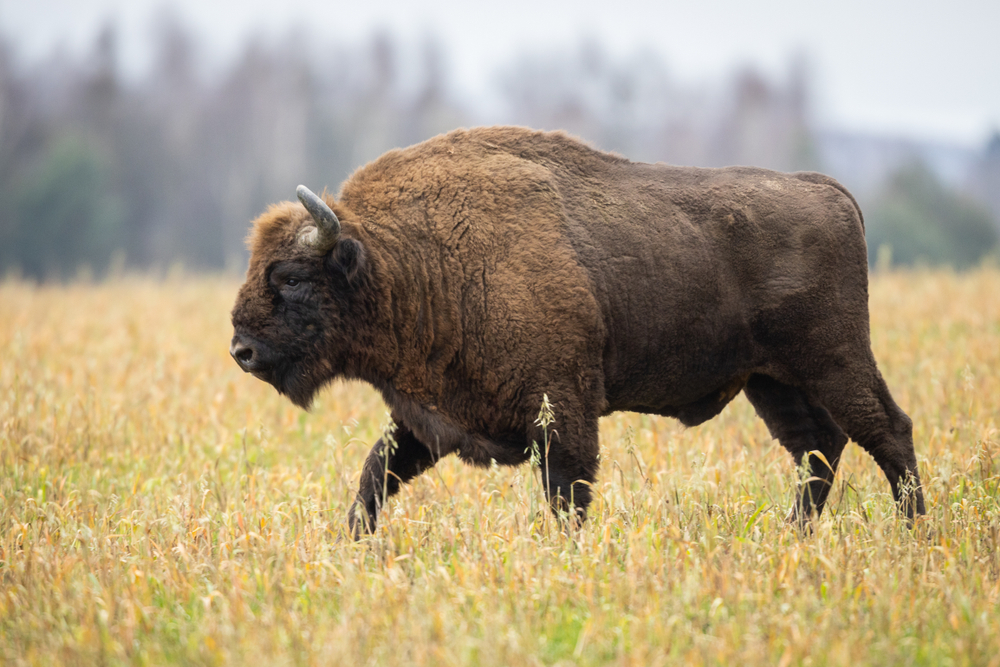
European Bison (Bison bonasus)
Once nearly extinct, the European bison has been reintroduced to parts of the Carpathians and is a vital part of the region’s forest ecosystem.

Wild Boar (Sus scrofa)
A resilient and highly adaptable species, the wild boar forages through the park’s undergrowth, searching for roots, nuts, and small animals.

Eurasian Otter (Lutra lutra)
A semi-aquatic mammal, the Eurasian otter thrives in the park’s rivers and lakes, feeding primarily on fish, amphibians, and crustaceans.

Fire Salamander (Salamandra salamandra)
A striking amphibian with black and yellow markings, the fire salamander is commonly found in the park’s damp forests, feeding on insects and small invertebrates.

European Adder (Vipera berus)
The only venomous snake in the park, the European adder is often seen basking in sunny areas and preying on small rodents and amphibians.

Birds

Birds

The Carpathian National Park is a critical refuge for many bird species, including raptors, forest birds, and alpine specialists. The park’s vast woodlands, rivers, and high-altitude regions provide excellent nesting and feeding grounds. Here are some of the most iconic bird species found in the park.

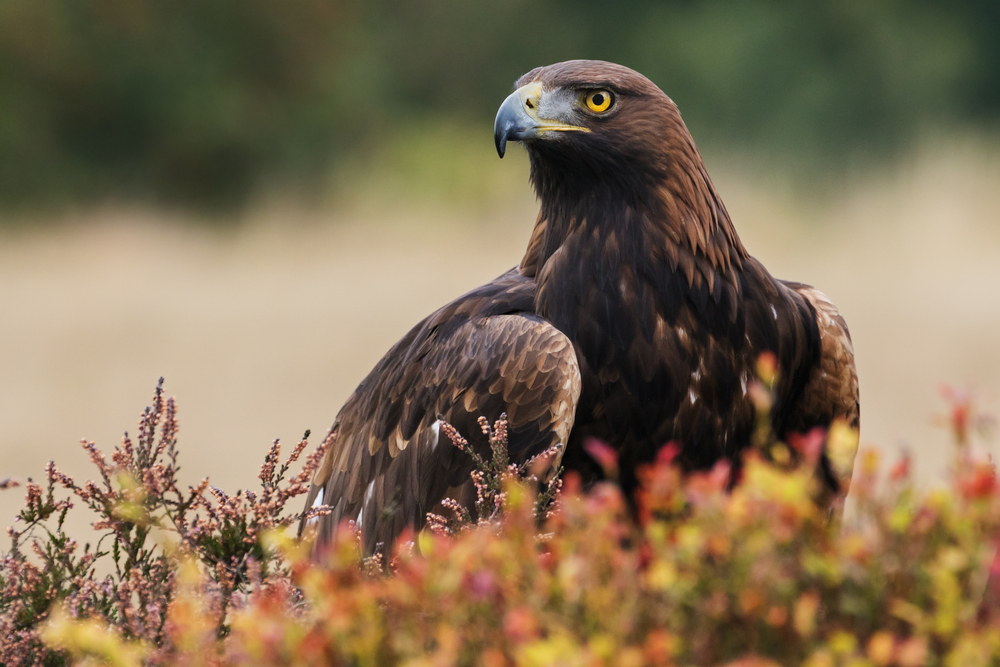
Golden Eagle (Aquila chrysaetos)
A powerful predator, the golden eagle hunts hares, marmots, and even young deer. It is often seen soaring over the park’s valleys and cliffs.

White-tailed Eagle (Haliaeetus albicilla)
A dominant bird of prey, the white-tailed eagle is often seen soaring over rivers and lakes, hunting fish, waterfowl, and small mammals.

Western Capercaillie (Tetrao urogallus)
A large and striking member of the grouse family, the capercaillie is known for its elaborate courtship displays in the park’s forests.

Ural Owl (Strix uralensis)
A nocturnal hunter, the Ural owl preys on rodents, small birds, and amphibians in the park’s dense woodlands.

Eurasian Eagle-Owl (Bubo bubo)
One of the largest owls in the world, the Eurasian eagle-owl is a formidable nocturnal predator, hunting rabbits, hedgehogs, and other birds.

Common Crane (Grus grus)
A tall and elegant bird, the common crane breeds in the park’s wetlands and performs elaborate courtship dances during the mating season.

Black Stork (Ciconia nigra)
A rare and elusive species, the black stork nests in the park’s remote forested areas and feeds on fish, amphibians, and small invertebrates.

Great Spotted Woodpecker (Dendrocopos major)
A striking and common bird in the park’s forests, the great spotted woodpecker feeds on insects hidden beneath tree bark and plays a vital role in pest control.

Wallcreeper (Tichodroma muraria)
A rare and striking alpine bird, the wallcreeper clings to rock faces in the park’s high-altitude areas, hunting insects.

European Honey Buzzard (Pernis apivorus)
A unique bird of prey, the honey buzzard specializes in feeding on bees and wasps, using its strong beak to raid hives.

Carpathian National Park remains one of Eastern Europe’s most ecologically significant protected areas, safeguarding its diverse wildlife while preserving the majestic beauty of the Carpathian Mountains.