About

Krkonoše National Park is located in northern Czechia along the border with Poland and covers approximately 141 square miles (363 sq km). Established in 1963, it is the oldest national park in the Czech Republic and protects the country’s highest mountain range, the Krkonoše Mountains, also known as the Giant Mountains.

The park adjoins Karkonosze National Park, creating an important transboundary conservation area in Central Europe. Situated northeast of Prague, Krkonoše National Park preserves alpine landscapes, glacial valleys, mountain forests, peat bogs, waterfalls, and rare tundra habitats. The park is internationally recognized as part of a UNESCO Biosphere Reserve and represents one of the most ecologically significant mountain regions in Central Europe.

Krkonoše National Park is best known for its rugged mountain scenery and the highest peak in the Czech Republic, Sněžka, which rises to 5,256 feet (1,603 meters). Visitors are drawn to the park’s panoramic views, alpine meadows, dramatic valleys, and extensive trail network.

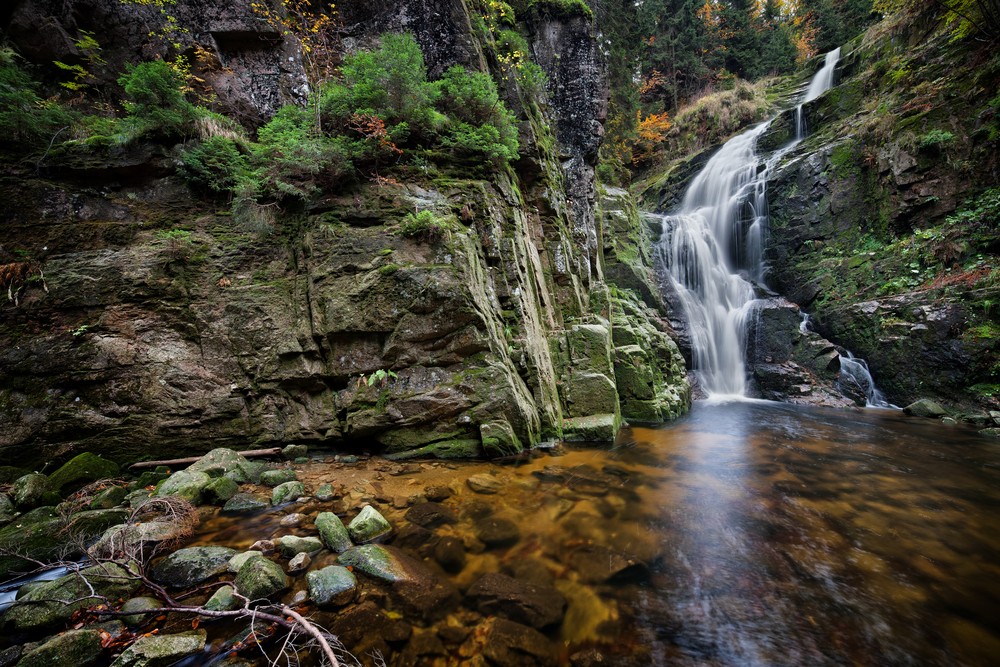
Hiking, mountain biking, skiing, wildlife observation, photography, and nature education are among the park’s most popular activities. Scenic destinations include the Elbe River source, Labský Důl Valley, Pančava Waterfall, and numerous mountain ridges that provide sweeping views across both Czechia and Poland. The combination of alpine landscapes and accessibility makes Krkonoše one of the most visited protected areas in Central Europe.

The geography of Krkonoše National Park was shaped by ancient geological processes and repeated glaciation during the Ice Ages. The mountains contain steep valleys, glacial cirques, rocky ridges, waterfalls, and high-elevation plateaus. Several rivers originate within the park, including the upper reaches of the Elbe River, one of Europe’s major waterways.

Vegetation changes dramatically with elevation. Lower slopes support mixed forests of beech, spruce, and fir, while higher elevations contain subalpine shrublands, alpine meadows, and rare tundra communities. Peat bogs and wetlands further enhance the park’s ecological diversity. These varied habitats create one of the richest natural environments in the Czech Republic.

Wildlife within Krkonoše National Park reflects its mountain ecosystems. Mammals include red deer, roe deer, wild boar, red foxes, badgers, martens, and several bat species. Birdlife is particularly important, with species such as black grouse, peregrine falcons, eagle-owls, black storks, and numerous woodland birds inhabiting the park.

The alpine and subalpine habitats support specialized insects and plant species adapted to harsh mountain conditions. Many rare and endangered species survive within the park due to the protection of its unique habitats and ecological integrity.

Krkonoše National Park plays a vital role in protecting Central Europe’s most significant alpine ecosystem outside the Alps. The park safeguards rare tundra habitats, glacial landforms, mountain forests, and important watersheds that support biodiversity across the region. Conservation efforts focus on habitat restoration, sustainable tourism management, and protecting rare species from environmental pressures.

Krkonoše is often compared to Tatra National Park and Berchtesgaden National Park because of its mountain scenery and ecological significance. However, its unique combination of alpine tundra, glacial landscapes, and status as the highest mountain range in Czechia gives it a distinctive identity. Today, Krkonoše National Park stands as one of Central Europe’s most treasured protected landscapes, preserving a remarkable environment where mountains, forests, wildlife, and natural processes continue to thrive.

Things to See
Popular Species

Popular Species

Krkonoše National Park is home to a variety of species that thrive in its alpine meadows, dense forests, and glacial valleys.

Chamois are agile mountain dwellers that navigate the park’s rocky slopes and cliffs, known for their remarkable ability to climb steep, rugged terrain.

Red deer are frequently seen in the park’s forested areas and meadows, especially at dawn and dusk, providing a majestic sight for visitors.

Roe deer are smaller and more elusive, often spotted grazing in the park’s open meadows and forest edges, moving quickly and gracefully through the landscape.

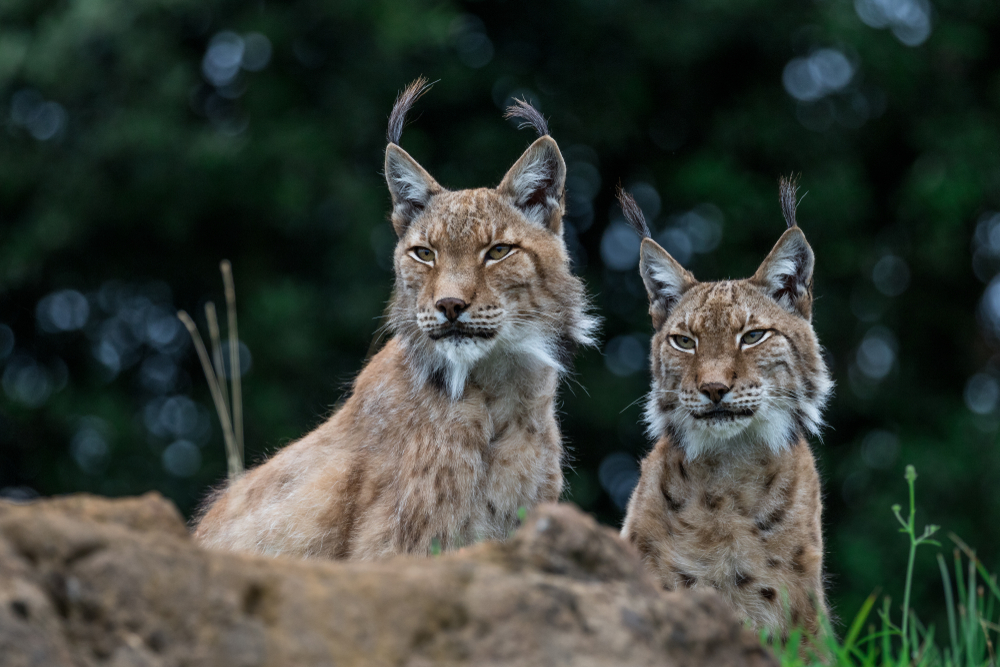
European lynx are elusive predators found in the park’s dense forests, where they hunt deer and smaller mammals, playing a key role in maintaining ecological balance.

Brown bears occasionally roam the park’s remote forests, though rare, their presence adds to the park’s wild and natural character.

Wolves are top predators in Krkonoše, helping to regulate populations of herbivores like deer and maintaining a balanced ecosystem.

Wild boars forage in the park’s forests, digging for roots, acorns, and small animals, often leaving behind signs of their activity in the soil.

European hares are fast and agile, commonly seen grazing in the park’s open meadows and using their speed to evade predators like foxes and lynx.

Foxes are opportunistic hunters found throughout the park, hunting small mammals, birds, and insects, and often seen during early morning or late evening.

Pine martens are small carnivores that inhabit the park’s woodlands, hunting small mammals, birds, and insects, often spotted darting through trees.

Bird Species

Bird Species

Krkonoše National Park is a birdwatcher’s delight, offering a diverse range of bird species that thrive in its high-altitude forests and open landscapes.

Golden eagles are frequently seen soaring above the park’s mountains, using their keen eyesight to hunt for small mammals and birds in the alpine regions.

Western capercaillies are large, ground-dwelling birds found in the park’s coniferous forests, known for their elaborate courtship displays during the mating season.

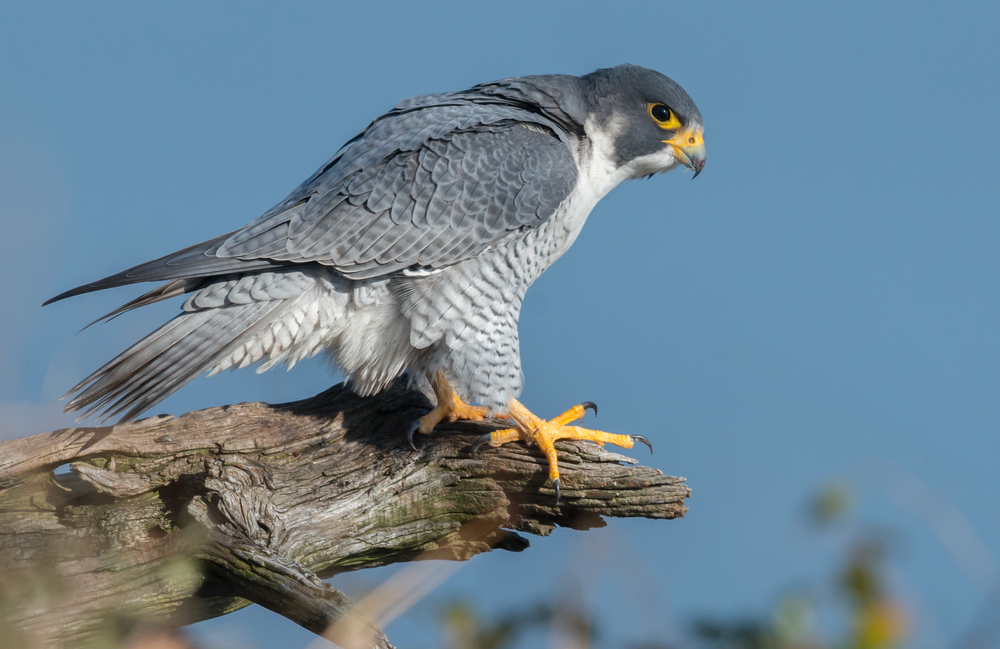
Peregrine falcons are fast-flying raptors that nest in the park’s cliffs and rocky outcrops, known for their incredible speed when diving to catch smaller birds.

Eurasian eagle-owls are the largest owls in Krkonoše National Park, often heard calling at night while hunting small mammals and birds in the forests.

Common buzzards are frequently seen soaring above the park’s meadows and forests, using their sharp vision to hunt for small mammals and birds.

Black woodpeckers are large woodpeckers that live in the park’s forests, using their powerful beaks to create nesting cavities and search for insects in trees.

Tengmalm’s owls are small, nocturnal owls that thrive in the park’s high-altitude forests, using their sharp hearing to hunt small mammals in the dark.

Common kestrels are small falcons that hover over the park’s grasslands, using their keen eyesight to spot small mammals and insects from the air.

Woodlarks are melodious birds often seen in the park’s open meadows and forest edges, filling the air with their beautiful song during flight displays.

Black storks are rare and elusive birds that nest in the park’s remote areas, foraging along rivers and wetlands for fish, amphibians, and small invertebrates.

Things To Do

Engaging Krkonose National Park
Hiking

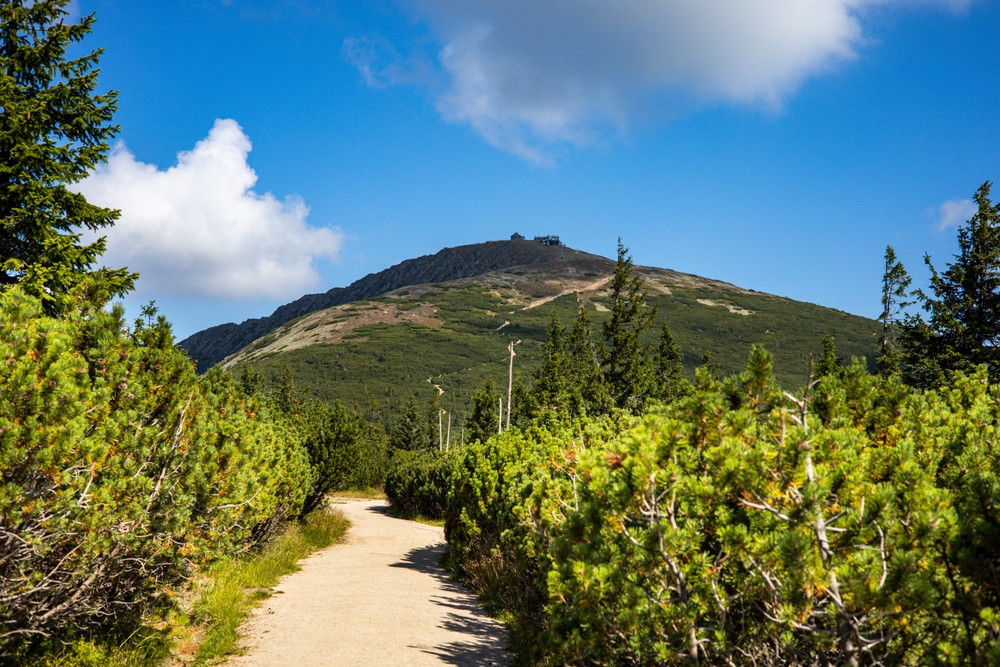
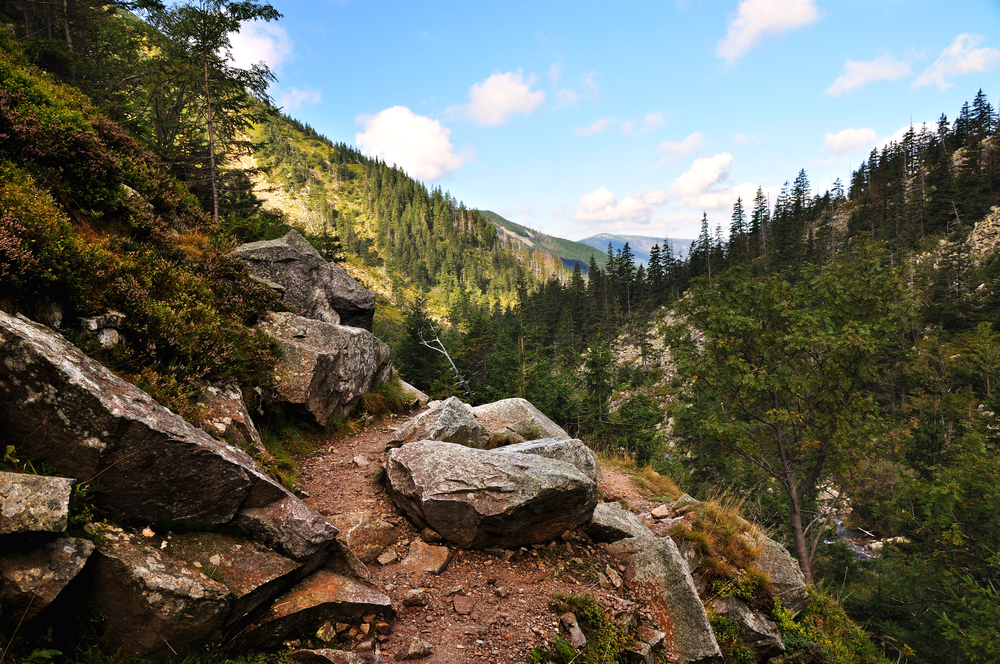
Krkonoše National Park’s most popular attraction is Sněžka, the highest peak in the Czech Republic. Visitors can hike to the summit along well-marked trails, offering breathtaking views of the surrounding mountains and valleys.

The hike is moderately challenging, with options for various routes depending on fitness levels. Reaching the peak rewards hikers with panoramic vistas that stretch across the Czech-Polish border. Along the way, visitors pass through alpine meadows and forests, offering a scenic and rewarding hiking experience.

Explore the Falls

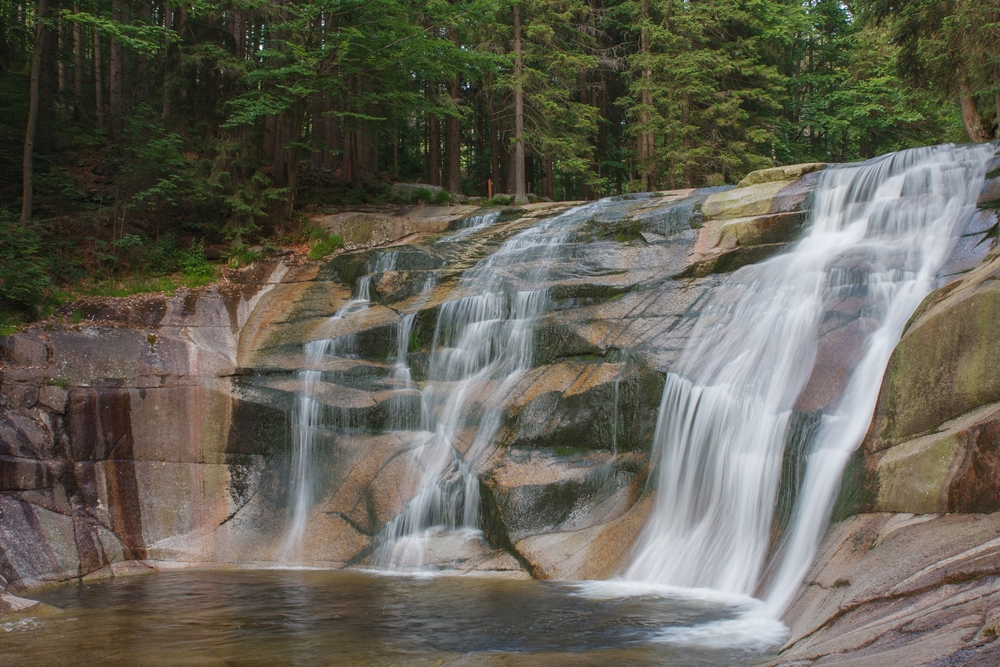
The Mumlava Waterfall, located near Harrachov, is one of the park’s most picturesque natural attractions. Visitors can follow easy trails through dense forest to reach the waterfall, where the Mumlava River cascades over granite boulders.

The area is perfect for nature lovers and photographers, with stunning views of the falls and surrounding landscape. The trail to the waterfall is accessible year-round, and in winter, the frozen falls offer a magical, snowy scene.

Cycling

Cycling enthusiasts will find Krkonoše National Park a perfect destination for mountain biking. The park has a variety of trails that wind through forests, across meadows, and along mountain ridges.

Cyclists can expect a mix of terrain, from easy routes to more challenging mountain paths. The trails provide an adventurous way to explore the park’s diverse landscapes, with opportunities to stop at scenic viewpoints, quaint villages, and alpine huts along the way.

placeholder

Winter Activities

During the winter months, Krkonoše National Park becomes a popular destination for skiing and snowboarding. With well-maintained slopes and cross-country trails, visitors can enjoy a range of winter sports.

The resorts of Špindlerův Mlýn and Pec pod Sněžkou offer modern facilities for downhill skiing, while the park’s snow-covered trails provide a peaceful setting for cross-country skiing. Winter sports in Krkonoše allow visitors to experience the park’s stunning snow-covered landscapes and mountain views.

Sources

Stezka Korunami Stromu, Czechia’s Highest Mountains, https://treetop-walks.com/krkonose/en/tourism-destination/, retrieved August 2024.

KRNAP, Krkonose National Park, https://www.krnap.cz/en, retrieved August 2024.

Visit Czechia, Krkonose National Park, https://www.visitczechia.com/en-us/things-to-do/places/nature/protected-areas-and-national-parks/c-krkonose-national-park, retrieved August 2024.

Park Site, Krkonose National Park, https://www.krkonose.eu/en/krkonossky-national-park, retrieved August 2024.

Wikipedia, Krkonose National Park, https://en.wikipedia.org/wiki/Krkono%C5%A1e_National_Park, retrieved August 2024.