About

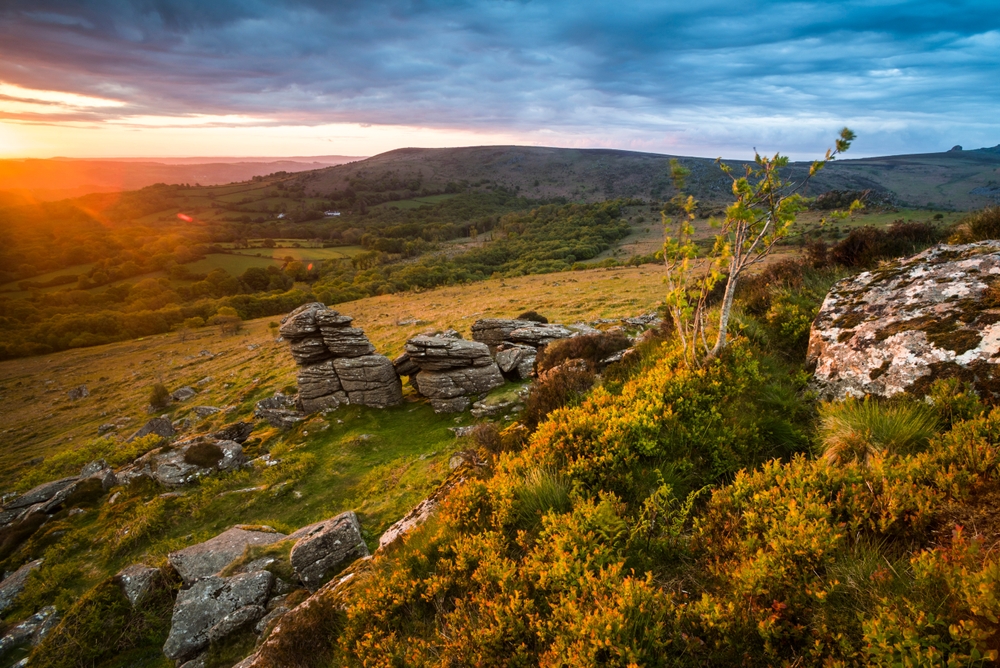
Dartmoor National Park is located in Devon in southwestern England within the United Kingdom. Covering approximately 368 square miles (954 sq km), Dartmoor is one of England’s largest and most distinctive protected landscapes.

Established in 1951 as one of the first national parks in England, Dartmoor protects a rugged upland region renowned for its open moorlands, granite tors, ancient woodlands, and rich cultural history. Situated west of Exeter and north of Dartmouth, the park occupies the highest land in southern England. Its wild scenery, archaeological treasures, and centuries-old traditions have made Dartmoor one of Britain’s most iconic national parks.

Dartmoor National Park is best known for its dramatic granite tors, expansive open moorland, and free-roaming ponies. Visitors are drawn to the park’s distinctive landscapes, where rocky outcrops rise above rolling heathlands and valleys carved by rivers over thousands of years. Dartmoor offers exceptional opportunities for hiking, cycling, horseback riding, wildlife observation, and photography.

The park is also famous for its literary connections, particularly through Sir Arthur Conan Doyle, whose famous novel helped cement Dartmoor’s reputation as a place of mystery and natural beauty. The combination of wilderness, folklore, and outdoor recreation attracts millions of visitors each year.

The geography of Dartmoor National Park is dominated by a granite plateau that rises above the surrounding countryside. The landscape features more than 160 tors, which are rocky hilltops formed by millions of years of weathering and erosion. Numerous rivers, including the Dart, Teign, Tavy, and Plym, originate within the park and flow outward through deep valleys and wooded gorges.

Extensive areas of heather moorland, peat bogs, grasslands, and ancient oak woodlands create a diverse mosaic of habitats. The park’s upland climate is often characterized by mist, rain, and rapidly changing weather conditions, contributing to its rugged and atmospheric character.

Wildlife within Dartmoor National Park reflects the diversity of its habitats. The park is perhaps most famous for the Dartmoor ponies that graze freely across the moorlands and have become an enduring symbol of the region. Other mammals include otters, badgers, foxes, deer, and numerous bat species.

Birdlife is particularly rich, with species such as skylarks, curlews, buzzards, peregrine falcons, and ravens inhabiting the moors and valleys. The park’s wetlands and rivers support amphibians, fish, and aquatic invertebrates, while rare plants thrive in the unique conditions found within bogs and heathlands. Dartmoor’s varied ecosystems support one of the richest concentrations of biodiversity in southern England.

Dartmoor National Park plays a vital role in conserving England’s upland ecosystems, archaeological heritage, and traditional landscapes. The park contains thousands of prehistoric monuments, stone circles, burial sites, and ancient settlements that reveal human occupation dating back thousands of years.

Its conservation significance is often compared to Exmoor National Park and Yorkshire Dales National Park because of its ecological value and cultural importance. However, Dartmoor’s granite tors, expansive moorlands, and unique historical legacy give it a distinctive identity. Today, the park remains one of Britain’s most treasured natural areas, preserving a landscape where wildlife, history, and tradition continue to shape the character of the English countryside.
Things to See

Popular

Popular

Dartmoor National Park, located in Devon, England, is renowned for its rugged moorland, rolling hills, and diverse wildlife. The park provides a sanctuary for a wide array of animal species, making it a significant destination for nature enthusiasts. Below are some of the more popular species found in Dartmoor National Park:

Dartmoor Pony
The Dartmoor Pony is a hardy and iconic species native to the moorlands. These semi-wild ponies are well-adapted to the harsh conditions of the park and are known for their intelligence, resilience, and friendly demeanor.

Otter
Otters can often be found near the rivers and streams of Dartmoor. These playful and elusive mammals thrive in the clean waters of the park, where they hunt for fish and other aquatic prey.

European Badger
Badgers are a common sight in Dartmoor, particularly in wooded areas and grasslands. They are nocturnal creatures, known for their distinctive black-and-white striped faces.

Red Fox
The red fox is a versatile predator that can be seen throughout Dartmoor. These cunning mammals are easily identified by their reddish coat and bushy tails.

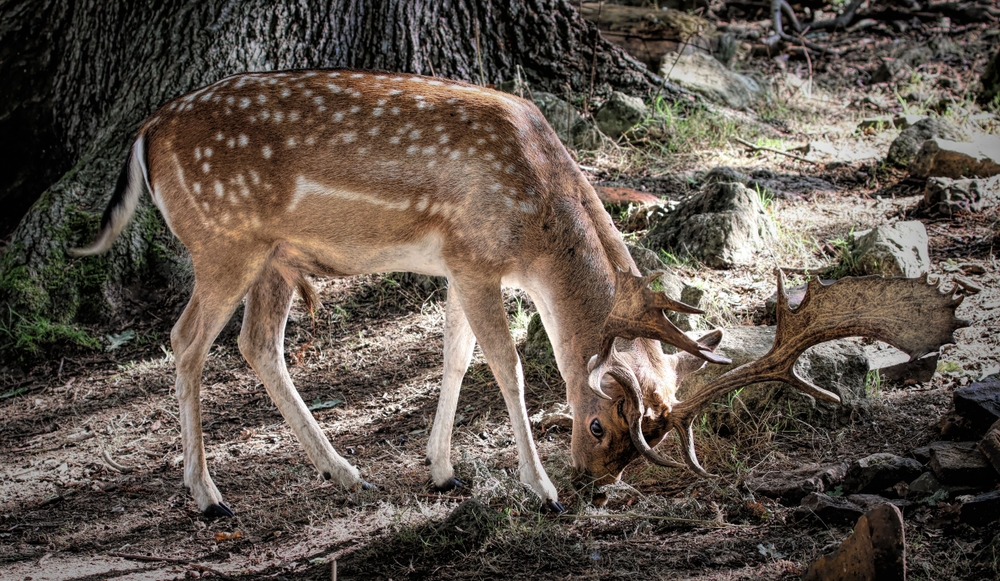
Fallow Deer
Fallow deer are frequently spotted grazing in the park’s wooded and open areas. Their elegant appearance and spotted coats make them a favorite among visitors.

European Hedgehog
Hedgehogs inhabit Dartmoor’s hedgerows and gardens, particularly during the warmer months. These spiny mammals play an essential role in controlling insect populations.

Roe Deer
Roe deer are shy and graceful creatures that are often seen in Dartmoor’s woodlands. Their agility and speed make them adept at navigating the rugged terrain.

Grey Squirrel
Although not native, the grey squirrel has become a familiar species in Dartmoor’s wooded areas. They are known for their bushy tails and acrobatic movements.

European Adder
The adder, the UK’s only venomous snake, is occasionally spotted basking in the sun on Dartmoor’s heathlands. They are non-aggressive and usually avoid human interaction.

Common Frog
Common frogs are abundant in Dartmoor’s ponds and wetlands. These amphibians are recognized for their smooth skin and ability to adapt to varying conditions.

Birds

Birds

Dartmoor National Park is also a haven for bird enthusiasts, hosting a variety of bird species that thrive in its diverse habitats. Below are some of the more popular bird species found in the park:

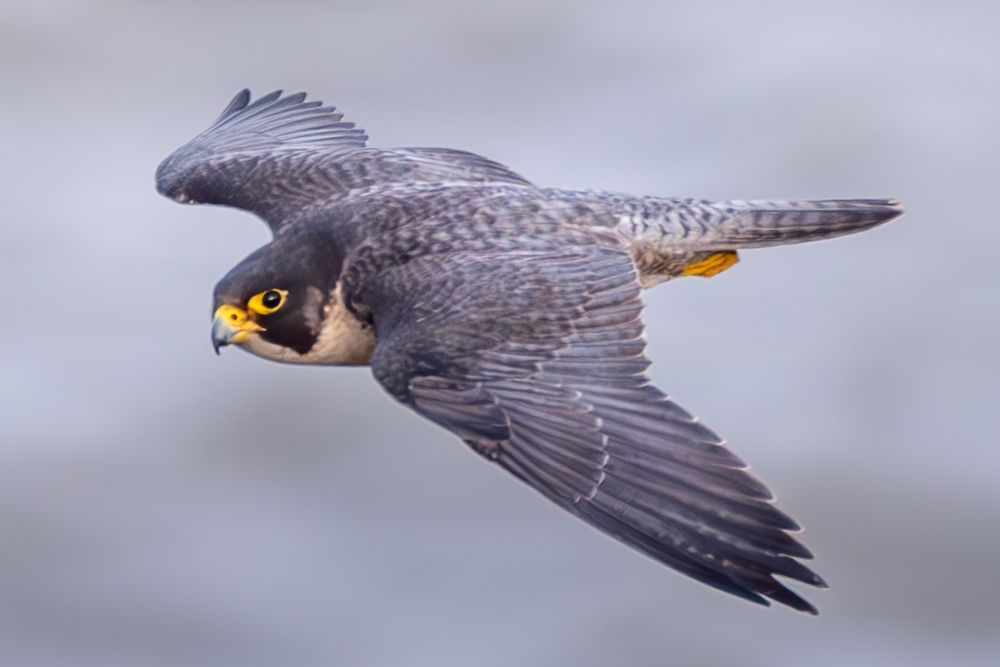
Peregrine Falcon
The peregrine falcon is one of the fastest birds in the world and is often seen soaring above Dartmoor’s cliffs and tors. Their impressive hunting dives make them a spectacular sight.

Buzzard
Buzzards are large birds of prey commonly seen circling the skies over Dartmoor. They are easily identified by their broad wings and distinctive call.

Skylark
Skylarks are known for their melodious song and can often be heard singing high above the moorlands. These birds are a true emblem of Dartmoor’s open landscapes.

Raven
The raven, the largest member of the crow family, is frequently spotted in Dartmoor. Their deep, croaking calls and aerial acrobatics are hard to miss.

Wheatear
Wheatears are migratory birds that return to Dartmoor during the breeding season. They are recognized by their striking black-and-white tail markings.

Stonechat
Stonechats are small, colorful birds that inhabit the moorland and scrub areas of Dartmoor. They are often seen perched on bushes or rocks, emitting sharp, chirping calls.

Dipper
The dipper is a unique bird that thrives near Dartmoor’s fast-flowing rivers. They are known for their ability to walk underwater in search of food.

Kingfisher
Kingfishers, with their vibrant blue and orange plumage, are a striking sight along Dartmoor’s rivers and streams. These birds are skilled hunters, diving into the water to catch fish.

Meadow Pipit
Meadow pipits are small, brown-streaked birds commonly seen in Dartmoor’s grasslands. They are known for their undulating flight patterns and melodic calls.

Golden Plover
Golden plovers are often found in Dartmoor’s upland areas. These medium-sized wading birds are recognized for their golden-spotted plumage and distinctive calls.