About
Paklenica National Park (known locally as Nacionalni park Paklenica in Croatian) is located in northern Dalmatia along Croatia’s Adriatic coast within the southern section of the Velebit Mountain Range. The park covers approximately 37 square miles (95 sq km) and protects some of the most dramatic canyon and mountain landscapes in southeastern Europe.
Established in 1949, Paklenica was one of Croatia’s first national parks and today forms an important part of the UNESCO-designated Velebit Biosphere Reserve. Situated northeast of Zadar and south of Northern Velebit National Park, the park preserves a remarkable combination of limestone canyons, dense forests, caves, and rugged mountain peaks. Its proximity to the Adriatic Sea creates a unique environment where coastal and alpine influences converge.
Paklenica National Park is best known for its spectacular gorges and world-class rock climbing opportunities. The park’s two principal canyons, Velika Paklenica and Mala Paklenica, cut deeply into the Velebit Mountains and create towering cliffs that attract climbers from around the world.
Visitors are drawn to dramatic canyon scenery, scenic hiking trails, mountain vistas, and opportunities to explore one of Croatia’s premier outdoor recreation destinations. The park offers extensive hiking routes that range from easy walks through canyon forests to challenging mountain ascents. Combined with its rich biodiversity and geological significance, Paklenica has become one of the country’s most popular national parks for adventure and nature tourism.
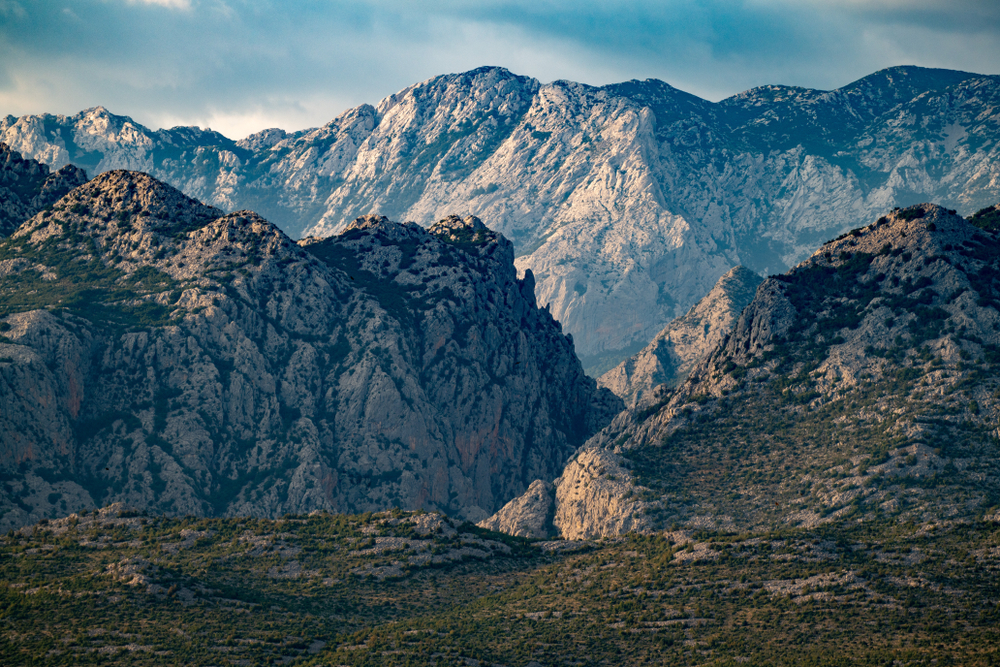
The geography of Paklenica National Park is dominated by limestone and dolomite formations shaped by millions of years of tectonic activity and erosion. Velika Paklenica Canyon stretches approximately 9 miles (14 km) into the mountains and features sheer rock walls rising more than 2,300 feet (700 meters) above the canyon floor.
Numerous caves, sinkholes, cliffs, and karst formations occur throughout the park, creating one of the most significant karst landscapes in Europe. Elevations range from Mediterranean-influenced foothills near the coast to rugged alpine peaks exceeding 5,700 feet (1,750 meters). Vegetation varies with altitude and includes black pine forests, beech forests, alpine meadows, and rocky mountain habitats.
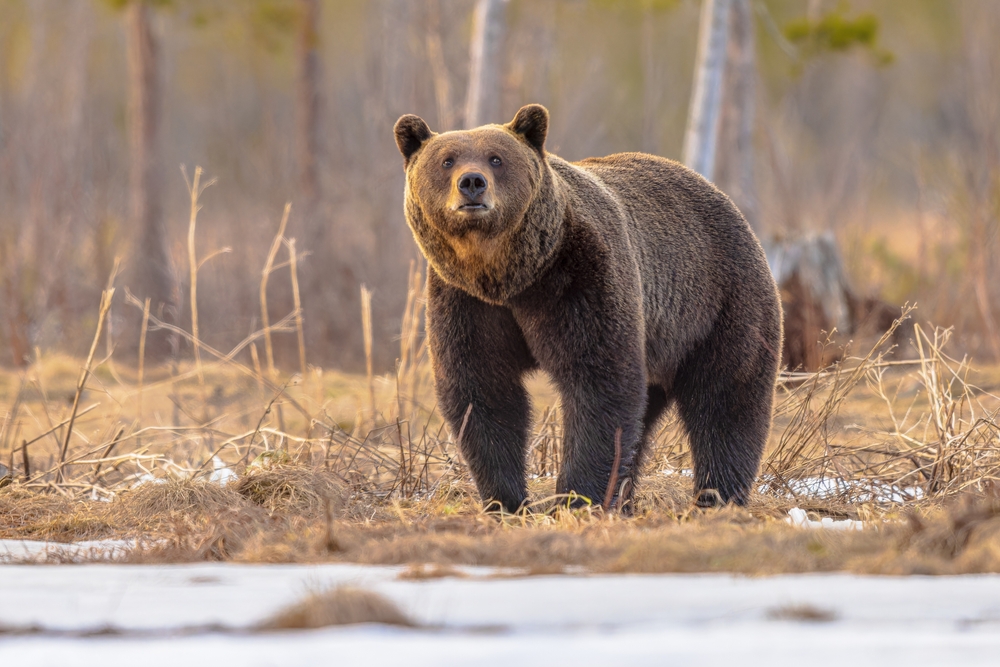
Wildlife within Paklenica National Park is exceptionally diverse. Large mammals include brown bears, gray wolves, Eurasian lynx, wild boar, roe deer, and chamois. The park serves as an important refuge for many of the Balkans’ most iconic wildlife species. Birdlife is particularly notable, with golden eagles, peregrine falcons, eagle owls, and numerous forest birds inhabiting the cliffs and woodlands.
More than 1,000 plant species have been recorded within the park, including many endemic species associated with the Velebit Mountains. The combination of varied elevations, geological diversity, and relatively undisturbed habitats supports one of the richest concentrations of biodiversity in Croatia.
Paklenica National Park plays a vital role in conserving the southern Velebit Mountains and protecting some of Croatia’s most important karst ecosystems. The park safeguards extensive forests, mountain habitats, rare species, and geological features of international significance. Its conservation importance is often compared to Northern Velebit National Park and Triglav National Park because of its rugged mountain landscapes and ecological value.
However, Paklenica’s combination of towering canyons, renowned climbing routes, and coastal proximity gives it a unique identity. Today, the park remains one of Croatia’s most treasured natural destinations, preserving a spectacular wilderness where mountains, forests, and dramatic gorges create an unforgettable landscape.