About
Golestan National Park is located in northeastern Iran along the border of Golestan, North Khorasan, and Semnan provinces and covers approximately 355 square miles (918 sq km). Established in 1957 as a protected area and designated as a national park in 1967, it is widely recognized as Iran’s oldest and one of its most important national parks.
Situated east of Gorgan and along the eastern slopes of the Alborz Mountains, the park protects a remarkable transition zone between the lush Caspian forests and the arid steppes of Central Asia. This unique location has created one of the most biologically diverse landscapes in the Middle East, making Golestan National Park a cornerstone of conservation in Iran.
Golestan National Park is best known for its exceptional biodiversity and varied landscapes. Visitors are drawn to its forested valleys, rolling hills, waterfalls, grasslands, and scenic mountain vistas. The park offers opportunities for wildlife observation, hiking, photography, birdwatching, and nature exploration. Several scenic roads traverse the park, providing access to viewpoints and diverse habitats.
Waterfalls, rivers, and dense forests contrast dramatically with nearby semi-arid grasslands, creating a landscape that showcases the ecological diversity of northern Iran. Because of its rich wildlife and accessible location, Golestan remains one of the country’s most visited and studied protected areas.
The geography of Golestan National Park is characterized by a remarkable variety of ecosystems. Elevations range from approximately 1,500 feet (450 meters) to over 8,000 feet (2,400 meters), creating diverse climatic zones and habitats. The western portion of the park contains dense Hyrcanian forests composed of oak, hornbeam, beech, maple, and other broadleaf species.
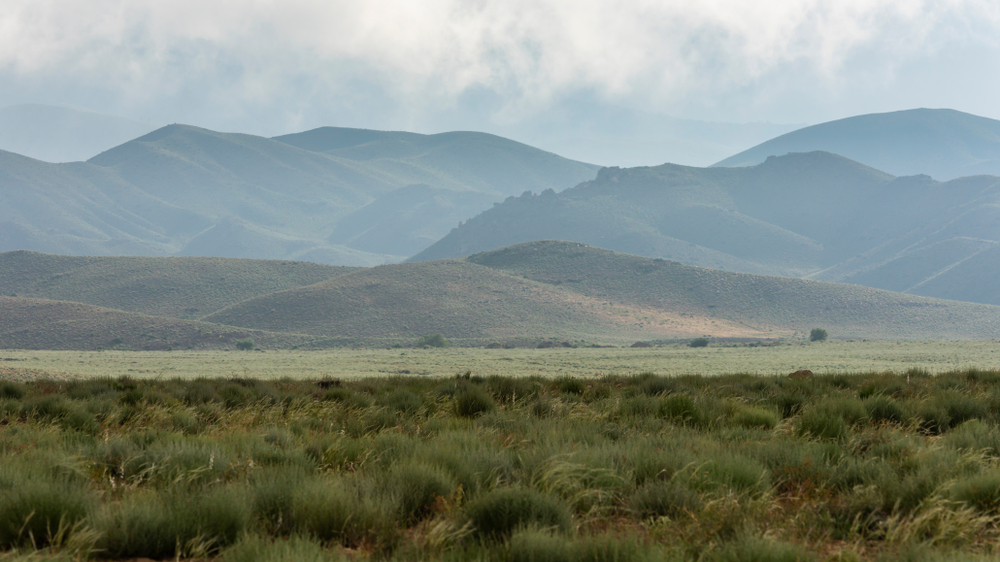
Moving eastward, the landscape gradually transitions into shrublands, grasslands, and semi-arid steppe environments. Rivers, springs, and seasonal streams support riparian habitats throughout the park. This ecological transition between forest and steppe contributes significantly to the park’s extraordinary biodiversity.
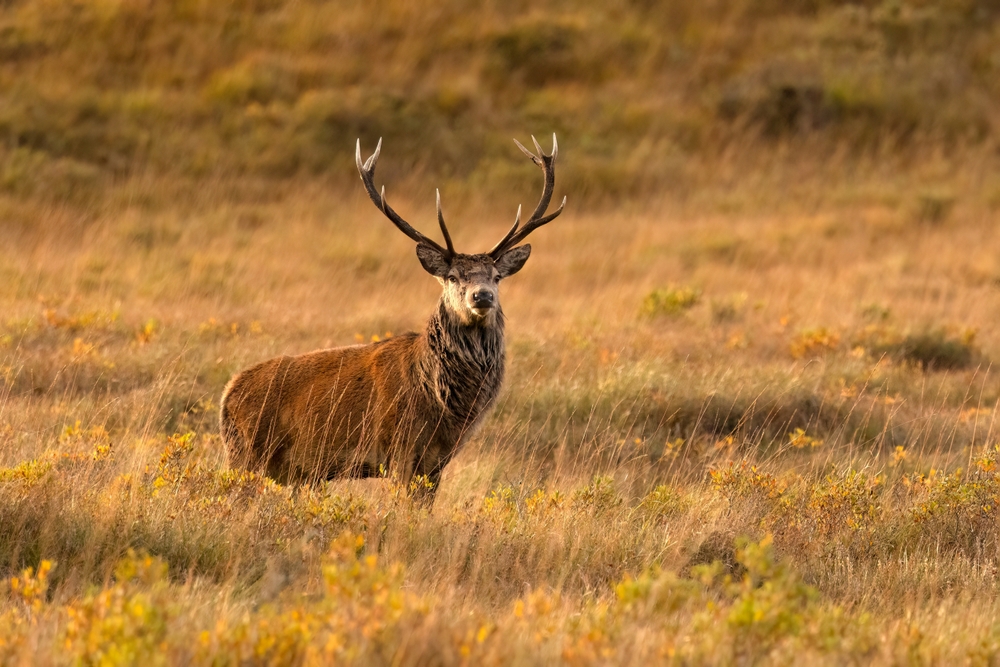
Wildlife within Golestan National Park is among the richest in Iran. The park supports important populations of Persian leopards, one of the largest remaining leopard subspecies in the world. Other mammals include wild boar, red deer, roe deer, goitered gazelles, wild sheep, wild goats, brown bears, wolves, foxes, and jackals.
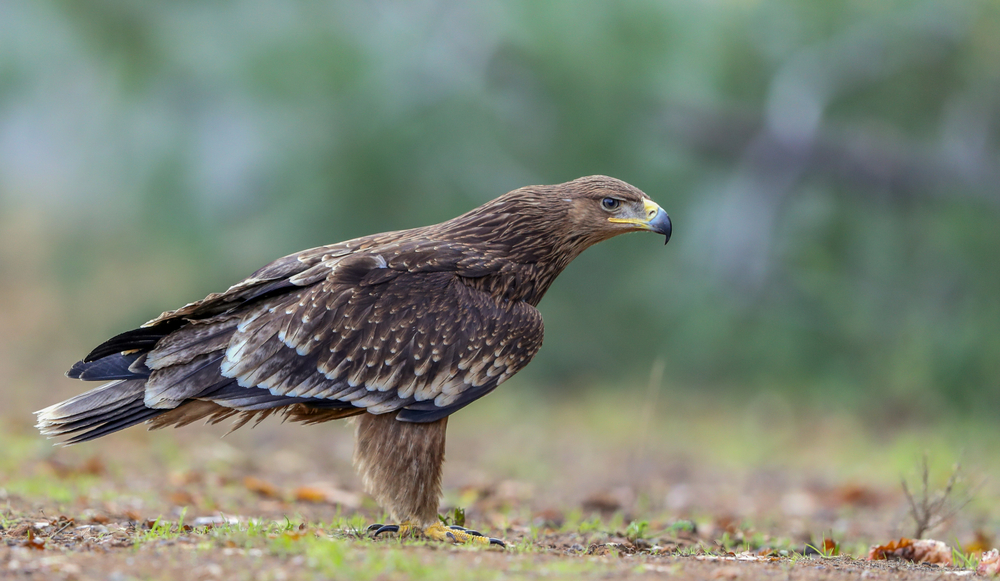
Birdlife is equally diverse, with golden eagles, vultures, partridges, woodpeckers, owls, and numerous migratory species inhabiting the park. Reptiles, amphibians, and a wide variety of insects further contribute to the park’s ecological importance. The diversity of habitats allows species associated with both forest and steppe ecosystems to coexist within a relatively compact area.
Golestan National Park plays a vital role in protecting one of the Middle East’s most important biodiversity hotspots. The park safeguards critical habitat for endangered species, preserves the western extent of Central Asian steppe ecosystems, and protects portions of the ancient Hyrcanian forest region. Conservation efforts focus on wildlife protection, habitat restoration, scientific research, and sustainable tourism management.
Golestan is often compared to Hyrcanian Forests and Altyn-Emel National Park because of its ecological significance and diverse landscapes. However, its unique position at the crossroads of multiple biogeographic regions gives it a distinctive identity. Today, Golestan National Park stands as one of Iran’s greatest natural treasures, preserving a remarkable environment where forests, grasslands, wildlife, and ancient ecosystems continue to thrive.