About

Usun Apau National Park is located in the interior highlands of Sarawak on the island of Borneo in Malaysia. Established in 2005, the park covers approximately 185 square miles (478 sq km) and protects the remote Usun Apau Plateau, one of the largest volcanic plateaus in Southeast Asia.

Situated in the upper reaches of the Rajang and Baram River systems, the park preserves a unique landscape of montane forests, grasslands, waterfalls, and volcanic formations. Its isolation and limited accessibility have helped maintain the ecological integrity of one of Borneo’s least disturbed wilderness regions.

The park is best known for its spectacular waterfalls and highland scenery. Among its most famous attractions are the twin drops of Julan Waterfall and the impressive Latak Waterfall, both of which plunge from the edges of the plateau into deep forested valleys. Visitors who venture into the park encounter vast expanses of wilderness rarely seen elsewhere in Malaysia.

The remoteness of the park appeals to adventurous travelers, researchers, and conservationists seeking an authentic rainforest experience far from major tourist destinations.

Geographically, Usun Apau National Park is centered on a volcanic plateau that rises approximately 3,000 to 4,600 feet (900 to 1,400 m) above sea level. The plateau was formed by volcanic activity thousands of years ago and is characterized by rolling uplands, forested ridges, peat swamps, grasslands, and deeply incised river valleys.

Numerous rivers originate within the plateau, making the park an important watershed for central Sarawak. Vegetation includes montane rainforest, heath forest, mossy forest, and patches of open grassland that are unusual within Borneo’s predominantly forested landscapes. The cooler temperatures and higher elevations create habitats distinct from the island’s lowland rainforests.

Wildlife within Usun Apau National Park reflects the diversity of its highland ecosystems. Mammals include bearded pigs, barking deer, clouded leopards, sun bears, civets, and various species of squirrels. Primates such as gibbons, leaf monkeys, and macaques inhabit the forest canopy.

Birdlife is especially rich, with hornbills, pheasants, broadbills, kingfishers, and numerous montane species found throughout the park. The plateau also supports a variety of reptiles, amphibians, and insects, many of which remain poorly studied due to the park’s remote location. Botanists have documented numerous orchids, pitcher plants, and other specialized highland flora that contribute to the park’s biological significance.

Usun Apau National Park plays a critical role in protecting one of Borneo’s most distinctive highland ecosystems. The park safeguards important watersheds, preserves rare montane habitats, and provides refuge for wildlife increasingly threatened by habitat fragmentation elsewhere on the island.

Its conservation significance is often compared to Gunung Mulu National Park and Kinabalu Park because of its biodiversity, geological uniqueness, and ecological importance. Through its volcanic plateau, dramatic waterfalls, pristine forests, and rich wildlife, Usun Apau National Park stands as one of Malaysia’s most remarkable protected areas and an important sanctuary for the natural heritage of Borneo.
Things to See

Popular

Popular

Usun Apau National Park, located in the Malaysian state of Sarawak, is a remote and pristine area known for its dramatic landscapes, including highland plateaus, waterfalls, and rich biodiversity. This national park harbors an array of fascinating wildlife species, many of which are unique to Borneo. Below are some of the popular animal species found in Usun Apau National Park:

Bornean Clouded Leopard
This elusive and beautifully patterned big cat is the largest predator on the island of Borneo. It is nocturnal and arboreal, with a long tail aiding in balance as it moves through the forest canopy.

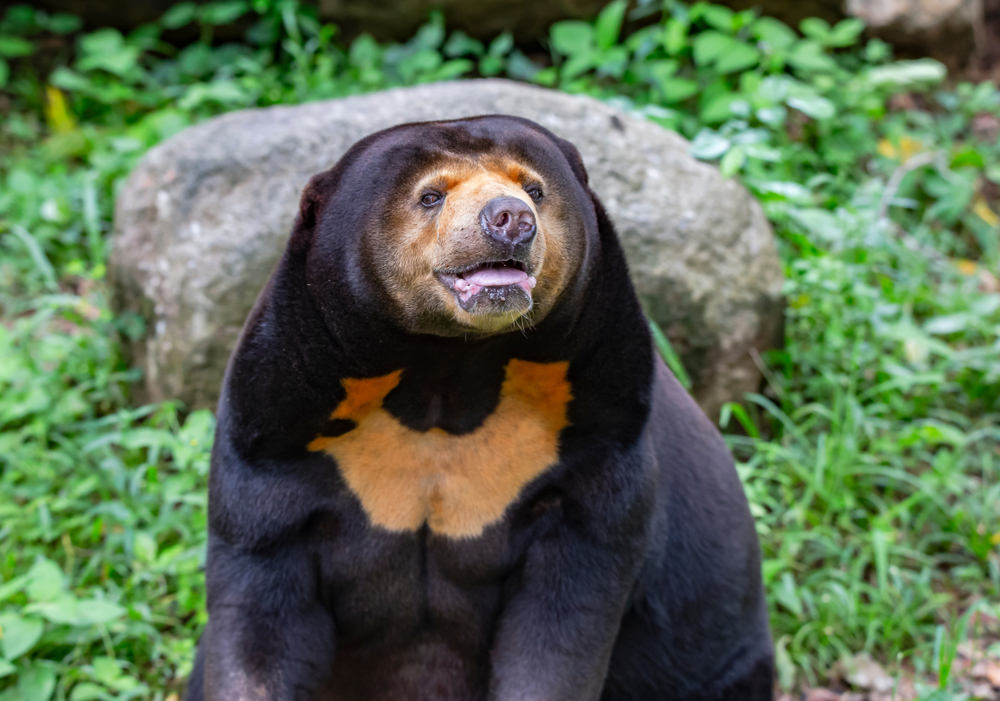
Sun Bear
Known as the smallest bear species in the world, the sun bear is native to the forests of Southeast Asia. It has a distinctive golden crescent on its chest and is an excellent climber.

Bornean Gibbon
These primates are known for their powerful calls that resonate through the forest during the early morning. They have long arms and are skilled at swinging from branch to branch.

Malayan Civet
A nocturnal and solitary mammal, the Malayan civet has a unique striped and spotted coat. It is an important seed disperser in the forest ecosystem.

Sunda Pangolin
This critically endangered species is covered in tough, keratin scales and uses its long tongue to feed on ants and termites. It is highly threatened due to poaching and habitat loss.

Bornean Slow Loris
A small, nocturnal primate, the slow loris is known for its big eyes adapted for low light and its toxic bite, which is rare among mammals.

Bornean Tarsier
This tiny primate has enormous eyes for night vision and powerful hind legs for leaping between trees. It feeds primarily on insects.

Proboscis Monkey
Famous for its large nose and reddish-brown fur, this monkey is found in Borneo’s mangrove and riverine forests. It is an excellent swimmer.

Leopard Cat
A small wildcat that resembles a domestic cat but with more vivid markings, the leopard cat is active at night and preys on small animals.

Bornean Pygmy Elephant
Smaller than its mainland counterparts, this gentle elephant species is found in lowland forests. It is known for its rounder face and relatively large ears.

Birds

Birds

Birdwatchers visiting Usun Apau National Park are in for a treat, as the park is home to a variety of unique and vibrant bird species. Here are some of the popular bird species found in the park:

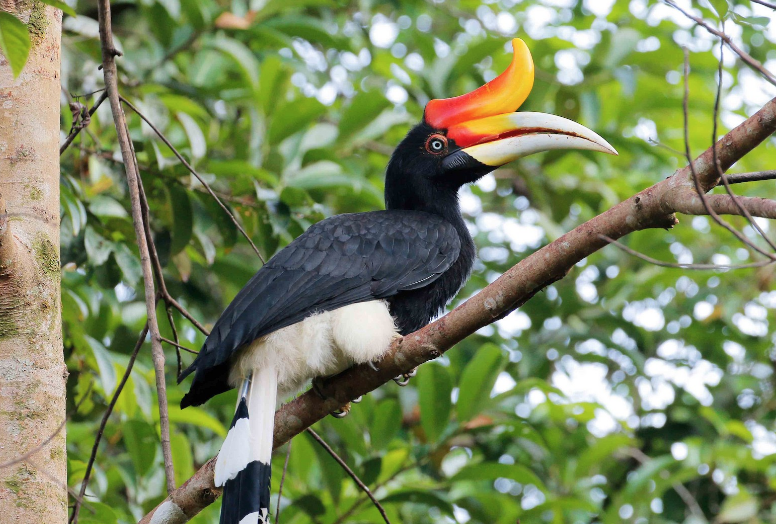
Rhinoceros Hornbill
This iconic bird of Borneo is large and colorful, with a dramatic casque atop its beak. It is often seen gliding through the forest canopy.

Bornean Bristlehead
This bright, unique bird is endemic to Borneo and is known for its striking red and yellow plumage. It often travels in small flocks.

Storm’s Stork
A critically endangered stork, it has a distinctive black-and-white plumage with a bright red face. It frequents wetland areas and rivers.

Bornean Ground Cuckoo
This elusive species is known for its secretive behavior and prefers dense undergrowth. It is more often heard than seen.

Asian Fairy-Bluebird
A striking bird with vivid blue and black feathers, the Asian fairy-bluebird inhabits the park’s dense forest canopies.

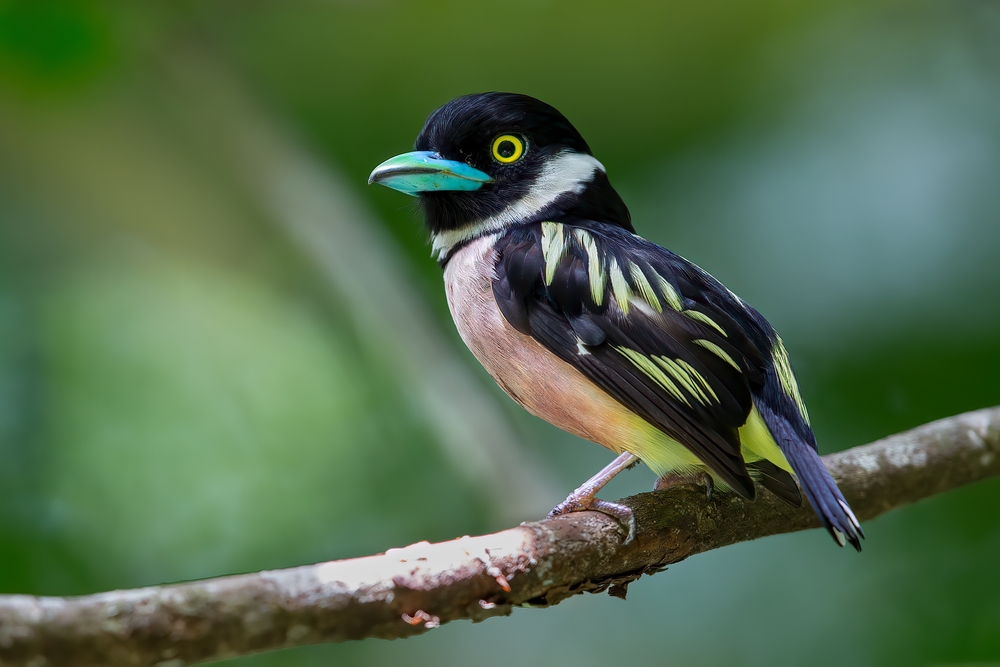
Black-and-Yellow Broadbill
Small and brightly colored, this bird is easily recognized by its pinkish body, black head, and bright yellow banding.

Buffy Fish Owl
This large owl can be found near water, preying on fish and other aquatic creatures. Its distinct ear tufts and piercing eyes make it a striking sight.

White-crowned Shama
Known for its melodious song, this bird is often spotted in forested areas, flitting between branches in search of insects.

Bornean Spiderhunter
A nectar-feeding bird with a long curved bill, it plays a crucial role in pollination within the forest ecosystem.

Dusky Munia
This small, gregarious bird is brown with a lighter belly and often seen in open areas or at the forest edge, feeding on seeds.