About
Zhongar-Alatau National Park (also spelled Dzungarian Alatau National Park; Kazakh: Жоңғар Алатауы ұлттық табиғи паркі) is located in the Jetisu Region of southeastern Kazakhstan along the border with China. Established in 2010, the park covers approximately 1,370 square miles (3,560 sq km) and protects a large portion of the Junggar (Dzungarian) Alatau Mountain Range.
Situated between the Tian Shan Mountains and the Altai region, the park occupies a unique ecological crossroads that supports exceptional biodiversity and some of Central Asia’s most important natural habitats. It is considered one of Kazakhstan’s premier conservation areas and forms part of the internationally recognized biodiversity-rich mountain systems of the region.
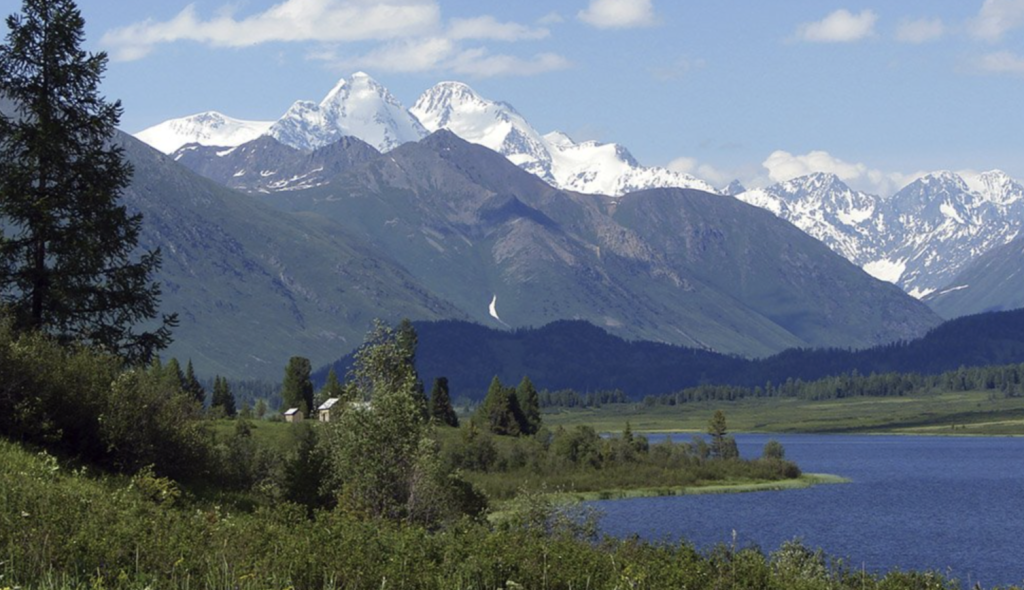
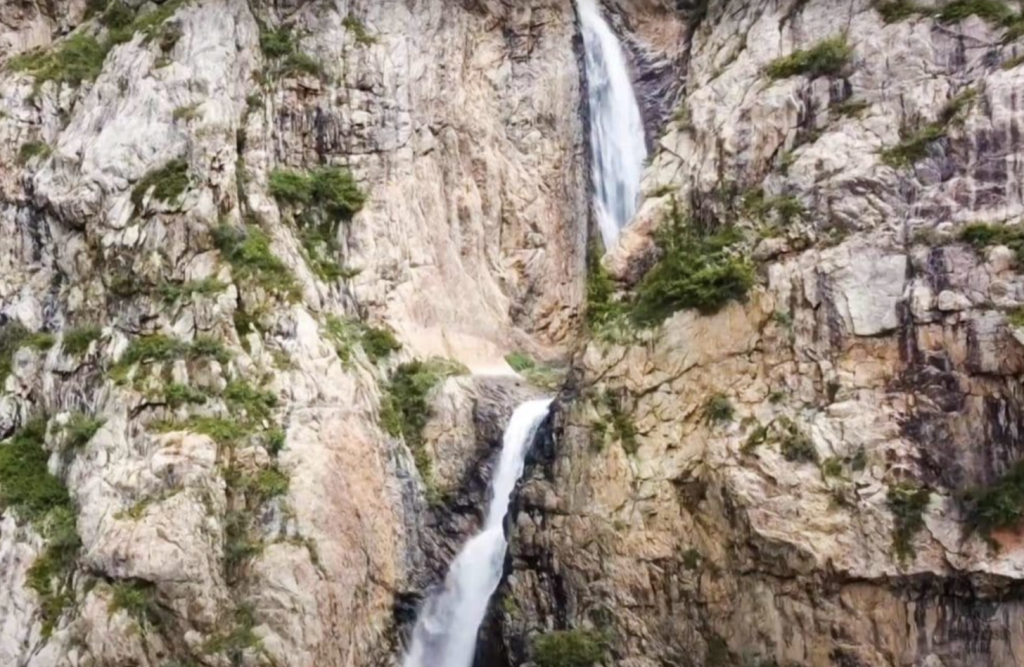
The park is best known for its extraordinary variety of landscapes, ranging from desert foothills and fruit forests to alpine meadows, glaciers, and snow-covered peaks. Visitors are attracted by spectacular mountain scenery, pristine rivers, waterfalls, and some of the finest wildflower displays in Kazakhstan.
The park is particularly famous for its wild apple forests, which are believed to contain descendants of the ancient wild ancestors of modern cultivated apples. Hiking, horseback riding, wildlife observation, camping, photography, and mountaineering are among the most popular activities. Because the park remains relatively remote, visitors often experience vast areas of untouched wilderness.
Geographically, Zhongar-Alatau National Park encompasses an impressive elevation range from approximately 2,000 feet (600 m) to peaks exceeding 14,000 feet (4,400 m). The landscape includes deep river valleys, mountain ridges, glaciers, alpine lakes, waterfalls, conifer forests, and extensive grasslands.
Lower elevations support semi-arid ecosystems and fruit forests, while higher elevations contain spruce forests, alpine meadows, and permanent snowfields. Numerous rivers originate within the park, supplying water to surrounding agricultural regions and supporting diverse aquatic ecosystems. This broad range of habitats contributes to the park’s remarkable ecological diversity.
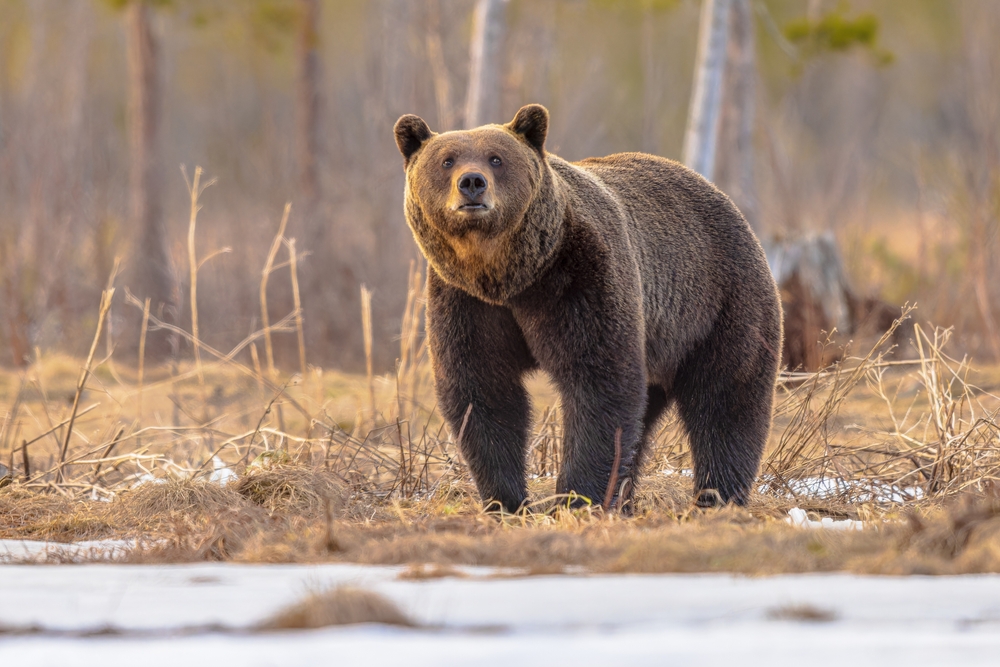
Wildlife within Zhongar-Alatau National Park is among the richest in Kazakhstan. Mammals include snow leopards, brown bears, lynx, wolves, red foxes, Siberian ibex, argali sheep, roe deer, maral deer, wild boar, and marmots. The park serves as an important refuge for several endangered and threatened species, particularly the snow leopard.
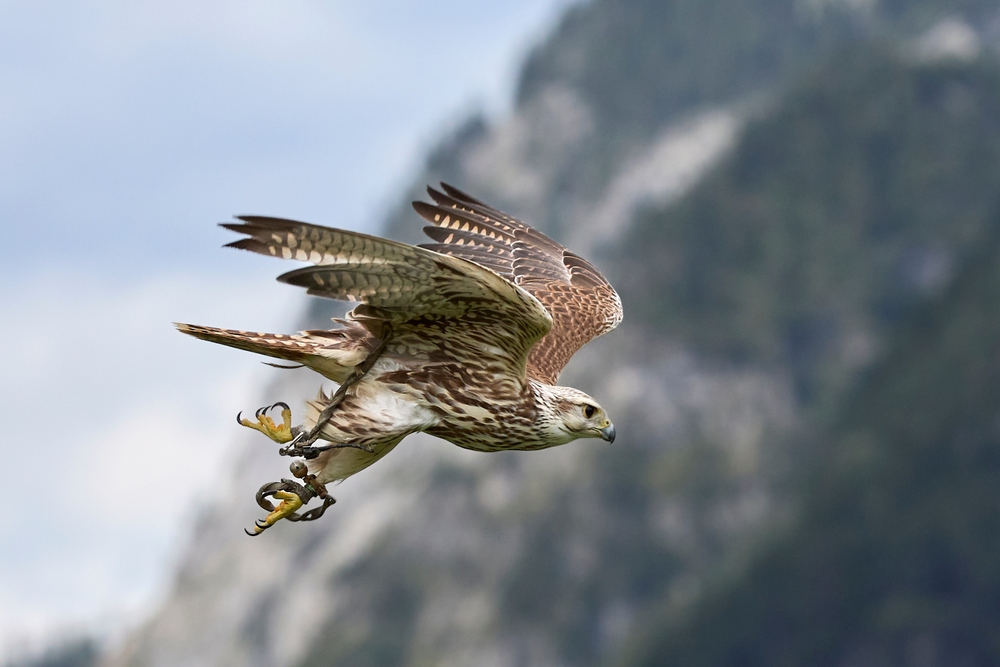
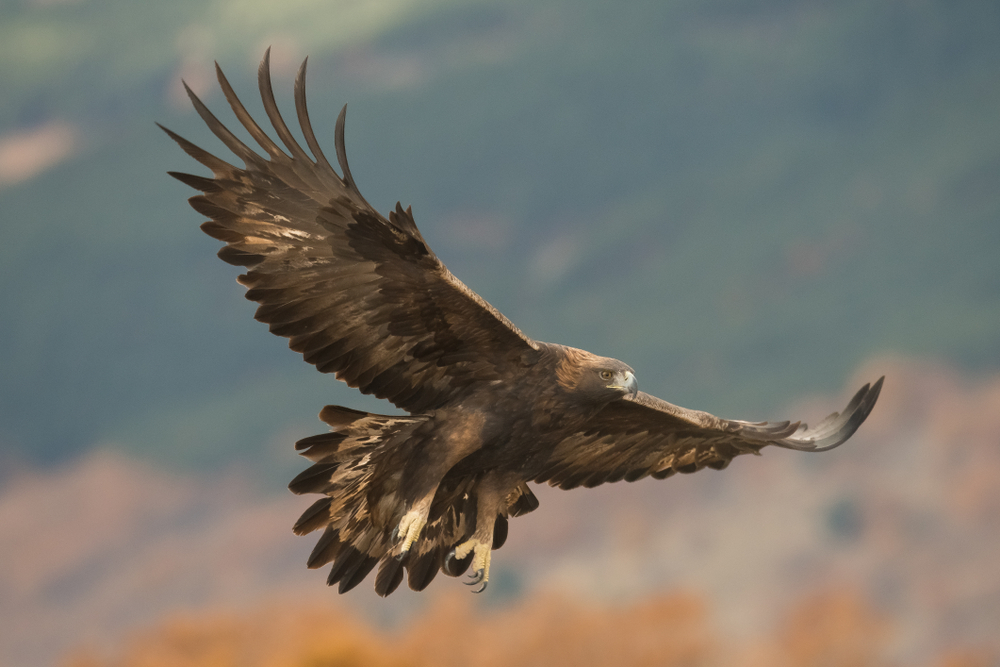
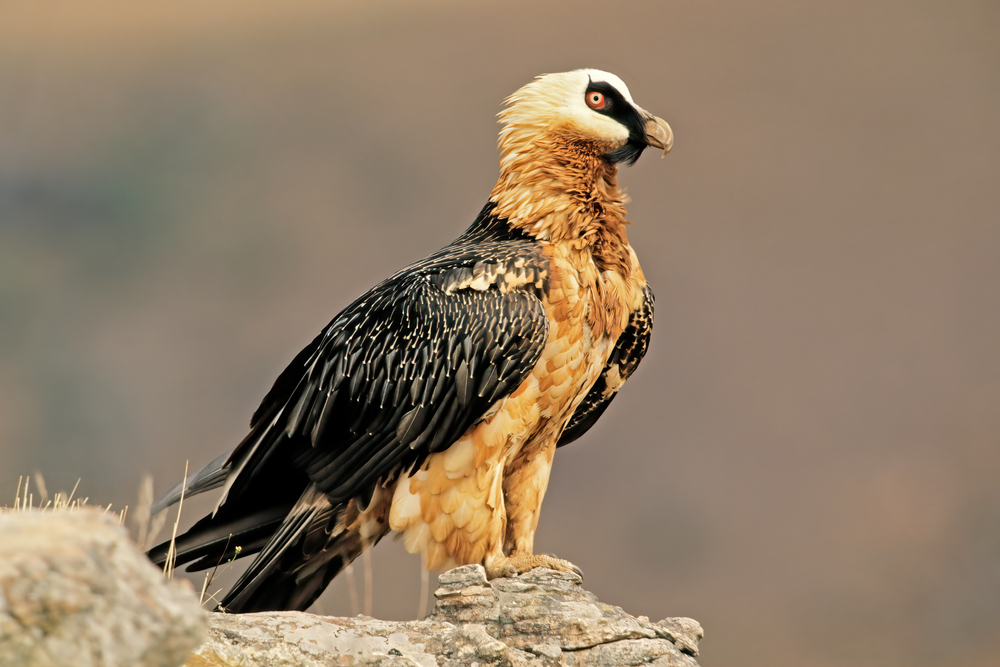
Birdlife is equally impressive, with golden eagles, bearded vultures, Himalayan griffon vultures, saker falcons, snowcocks, and numerous alpine and forest bird species inhabiting the region. The park is also recognized for its botanical significance, supporting thousands of plant species, including wild tulips, endemic flowers, and the globally important wild apple forests.
Zhongar-Alatau National Park plays a crucial role in conserving one of Central Asia’s most diverse mountain ecosystems. The park protects critical wildlife corridors, preserves genetic resources of wild fruit trees, safeguards watersheds, and maintains ecological connectivity between Kazakhstan and China.
Its conservation significance is often compared to Katon-Karagay National Park and Ile-Alatau National Park because of its biodiversity, mountain landscapes, and importance for endangered species. Through its glaciers, wild apple forests, alpine meadows, rare wildlife, and spectacular mountain scenery, Zhongar-Alatau National Park stands as one of Kazakhstan’s most valuable protected areas and a remarkable showcase of the natural heritage of Central Asia.
Things to See
Things To Do
Engaging Zhongar-Alatau National Park