About

Tarbagatai National Park (Kazakh: Тарбағатай ұлттық паркі) is located in the Abai Region of eastern Kazakhstan along the Tarbagatai Mountain Range near the border with China. Established in 2018, the park covers approximately 1,356 square miles (3,560 sq km) and protects one of Kazakhstan’s most ecologically important mountain landscapes.

The Tarbagatai Mountains form a natural transition zone between the Altai Mountains and the steppes of Central Asia, creating a remarkable diversity of habitats and species. As one of Kazakhstan’s newest national parks, Tarbagatai was created to conserve unique ecosystems that had previously received limited formal protection.

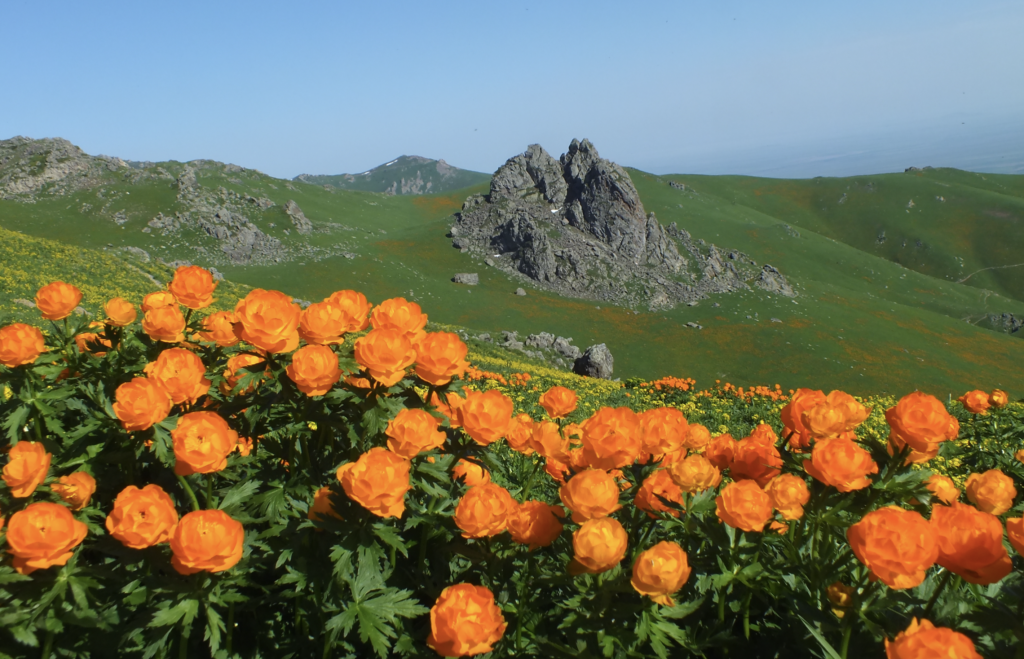
The park is best known for its rich biodiversity, colorful mountain landscapes, and exceptional wildflower displays. Visitors are attracted by rolling mountain ridges, alpine meadows, deep valleys, and expansive views that stretch across eastern Kazakhstan. During spring and early summer, the park becomes famous for its spectacular blooms of wild tulips and other flowering plants, many of which are native to Central Asia.

Hiking, horseback riding, wildlife observation, photography, and nature exploration are among the most popular activities. Because it remains relatively undiscovered by international tourism, the park offers visitors a chance to experience pristine mountain environments with minimal crowds.

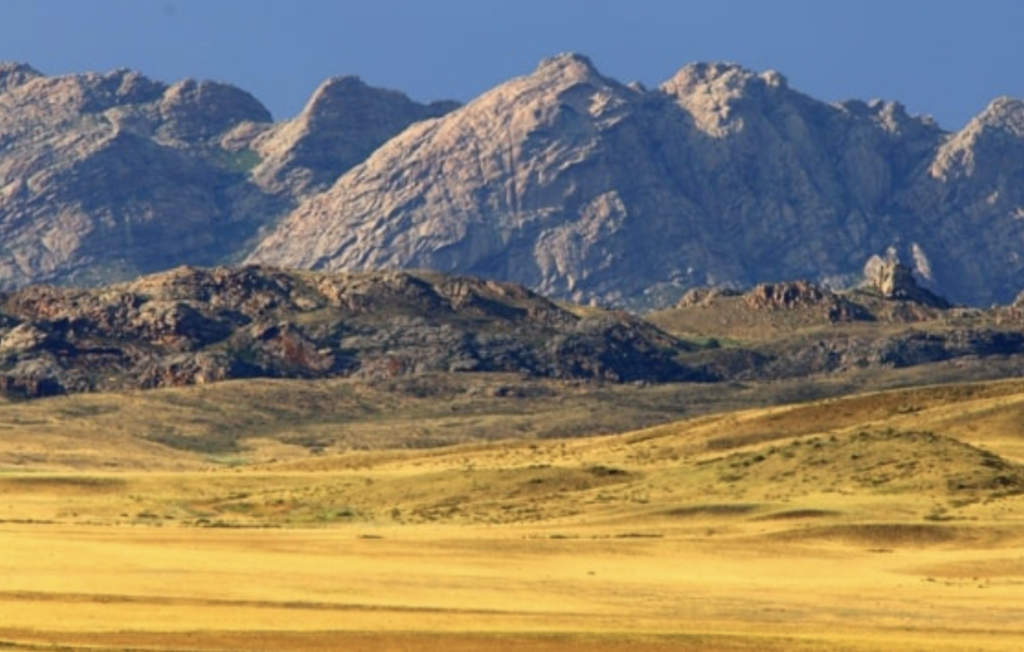
Geographically, Tarbagatai National Park encompasses a diverse range of landscapes, including mountain ridges, alpine meadows, steppe grasslands, rocky slopes, river valleys, and forested areas. Elevations range from approximately 2,000 feet (600 m) to more than 9,800 feet (3,000 m).

The Tarbagatai Range creates an important ecological corridor connecting Central Asian and Siberian ecosystems. Lower elevations support grasslands and shrublands, while higher elevations contain alpine habitats and scattered forests. Numerous rivers and streams originate within the mountains, contributing to regional watersheds and supporting a wide variety of plant and animal life.

Wildlife within Tarbagatai National Park reflects its location at the crossroads of several major ecological regions. Mammals include argali sheep, Siberian ibex, roe deer, wolves, red foxes, lynx, marmots, and badgers. The park also provides habitat for the elusive snow leopard, one of Central Asia’s most iconic predators.

Birdlife is exceptionally diverse, with golden eagles, steppe eagles, bearded vultures, saker falcons, snowcocks, and numerous migratory species inhabiting the mountains and valleys. The park is particularly important for plant conservation, supporting hundreds of species of wildflowers, including several rare tulips and endemic plants found only within the Tarbagatai region.

Tarbagatai National Park plays a vital role in protecting one of Kazakhstan’s most biologically diverse mountain systems. The park safeguards critical habitat for endangered wildlife, preserves rare plant communities, and maintains ecological connectivity between the Altai and Tian Shan regions.

Its conservation significance is often compared to Katon-Karagay National Park and Sayram-Ugam National Park because of its mountain biodiversity, rare species, and ecological importance. Through its alpine landscapes, wildflower meadows, rare wildlife, and conservation value, Tarbagatai National Park stands as one of Kazakhstan’s most important protected areas and a remarkable showcase of the natural heritage of eastern Central Asia.

Things to See
Popular

Popular

Tarbagatai National Park, located in Kazakhstan, is renowned for its diverse ecosystems, ranging from steppe and mountain habitats to riverine forests. This rich biodiversity supports various species of plants and animals, making it a haven for wildlife enthusiasts. Below are some of the notable species found in the park:

Siberian Ibex
The Siberian ibex is a wild goat species well-adapted to the rugged mountain ranges of Tarbagatai. Known for its impressive curved horns, it navigates steep cliffs with ease, making it a symbol of resilience and agility in the park.

Mongolian Marmot
This large rodent is an essential component of the steppe ecosystem. It plays a crucial role in soil aeration and serves as prey for many predators in the region.

Snow Leopard
The elusive snow leopard is a flagship species of Tarbagatai. Its thick, spotted coat and incredible camouflage allow it to blend seamlessly into the rocky terrain, where it hunts its prey.

Argali Sheep
The argali sheep is the largest wild sheep species, recognized for its massive, spiraling horns. It is a keystone species in the mountain ecosystems of the park.

Steppe Polecat
This small carnivorous mammal is an efficient hunter in the steppe grasslands, preying on small rodents and birds. Its slender body and sharp senses make it a remarkable predator.

Manul (Pallas’s Cat)
Known for its fluffy appearance and expressive face, the manul thrives in the rocky and grassy habitats of the park. Its compact body and thick fur help it survive in cold climates.

Asiatic Wild Ass (Kulan)
The kulan is a resilient equid that roams the steppe and semi-desert areas of Tarbagatai. Known for its speed and endurance, it can traverse vast distances in search of food and water.

Corsac Fox
A small, pale-colored fox, the corsac is well-adapted to the steppe habitat. It is a nocturnal hunter and scavenger, contributing to the balance of the ecosystem.

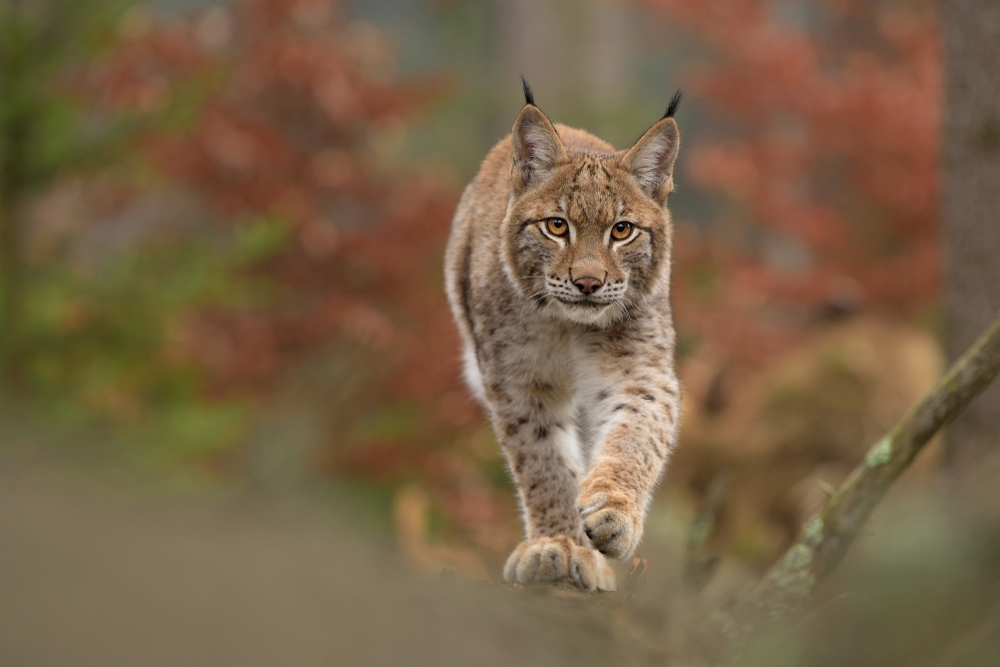
Eurasian Lynx
This medium-sized wild cat is characterized by its tufted ears and sharp hunting skills. The lynx is a key predator in the park’s forested areas, maintaining the balance of prey populations.

Dzungarian Hamster
A small, nocturnal rodent, the Dzungarian hamster is a resilient inhabitant of the steppe. It plays an important role in the food web as prey for many larger species.


Birds

Birds

Tarbagatai National Park is also a paradise for birdwatchers, as it serves as a breeding ground and migratory stopover for various bird species. Its diverse landscapes provide habitats for a wide range of avian fauna. Below are some of the popular bird species found in the park:

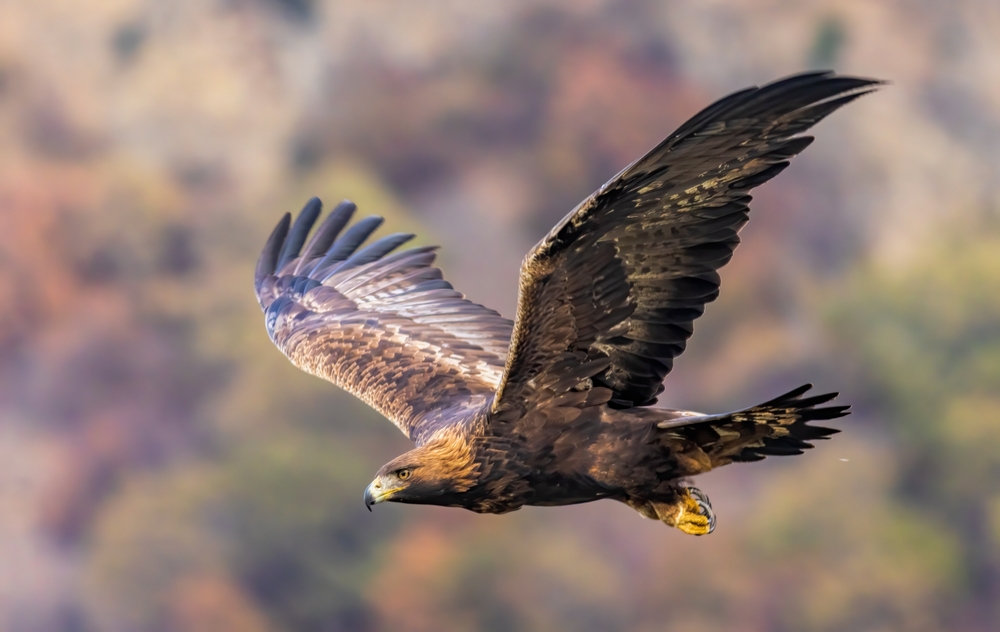
Golden Eagle
A majestic raptor, the golden eagle is known for its impressive wingspan and sharp talons. It soars high above the mountains, hunting small mammals and birds.

Bearded Vulture
Also known as the lammergeier, this scavenger is famous for its unique habit of dropping bones from great heights to access the marrow inside. It is a striking presence in the high-altitude regions.

Eastern Imperial Eagle
This large eagle species is recognized for its striking plumage and strong hunting skills. It is a key predator in the steppe ecosystems of the park.

Saker Falcon
A powerful and agile hunter, the saker falcon is a prized species for falconry enthusiasts. In the wild, it preys on rodents and small birds.

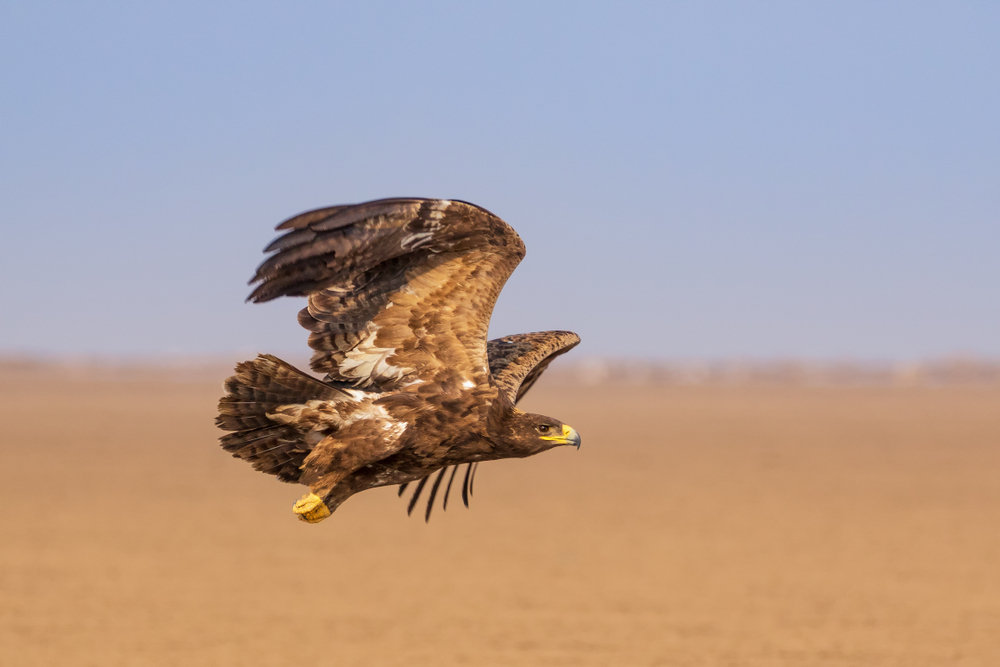
Steppe Eagle
The steppe eagle migrates through Tarbagatai, using the vast grasslands as its hunting ground. Its soaring flight and piercing call make it a favorite among birdwatchers.

Demoiselle Crane
The demoiselle crane is the smallest of the crane species and is known for its elegant movements and striking black and white plumage. It breeds in the open grasslands of the park.

Himalayan Snowcock
This ground-dwelling bird is adapted to rocky terrains and is recognized for its loud calls echoing through the mountains. It forages on seeds and vegetation.

White-winged Lark
An iconic steppe species, the white-winged lark is known for its melodious songs and intricate flight displays during mating season.

Eurasian Sparrowhawk
This small raptor is a skilled hunter, preying on songbirds in the park’s forested areas. Its swift, agile flight makes it a fascinating sight.

Great Bustard
One of the heaviest flying birds, the great bustard is a rare and majestic species that roams the grasslands. Its striking appearance and elaborate mating displays make it a standout species of Tarbagatai.

Things To Do

Engaging Tarbagatai National Park
Wildlife Viewing

Tarbagatai National Park, located in Kazakhstan, is a haven for wildlife enthusiasts. The park is home to an extraordinary array of fauna, including rare and endangered species.

Visitors often encounter the majestic snow leopard, a symbol of the region’s rugged beauty. Golden eagles soar above the expansive steppe, while the Asiatic wild ass, or kulan, roams freely in its natural habitat. Smaller mammals such as marmots and ground squirrels are common sights during hikes.

Bird watchers will delight in spotting species like the demoiselle crane and the saker falcon. For the best wildlife encounters, visit during the early mornings or late evenings when animals are most active. Make sure to bring binoculars and a good camera for capturing the unique biodiversity of this protected area.

Trekking

Trekking through Tarbagatai National Park offers an unparalleled experience of its diverse terrains. From the rolling steppe to alpine meadows and rugged mountain ranges, the park provides trails for every level of hiker. The lush meadows are particularly striking in spring and early summer, blanketed in wildflowers like tulips and irises.

Ascend higher into the mountains, and you’ll encounter glacial streams and panoramic views of the surrounding valleys. For seasoned trekkers, the climb to the summit of Mount Tarbagatai rewards with breathtaking vistas and a sense of accomplishment. Guided treks are available and recommended for those unfamiliar with the area, ensuring safety and insights into the park’s rich ecology.

Cultural History

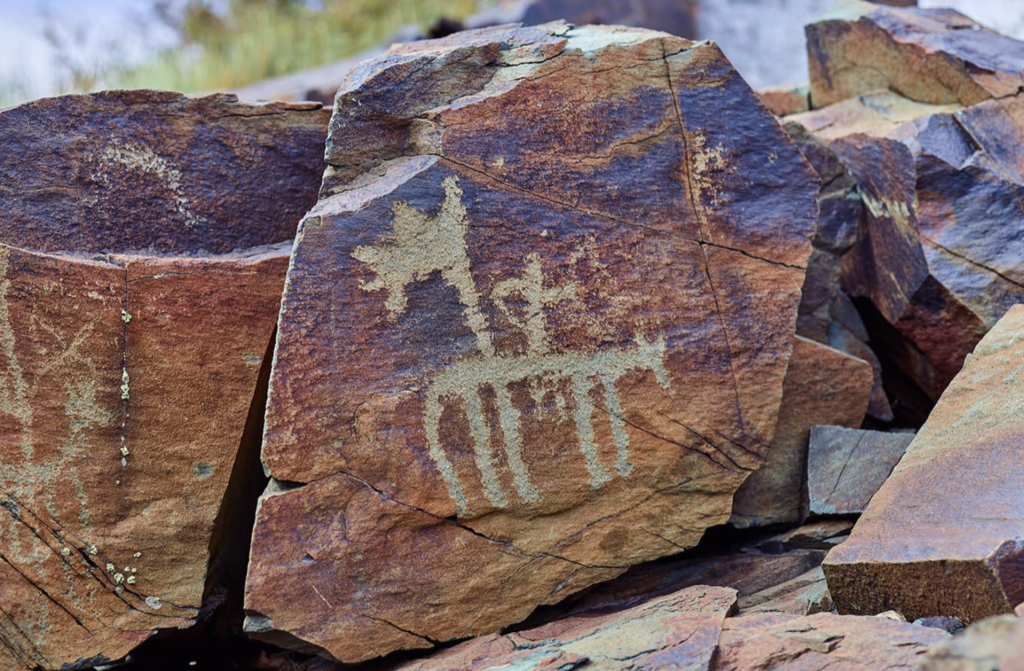
For history and archaeology enthusiasts, Tarbagatai National Park is a treasure trove of ancient petroglyphs. These rock carvings, dating back thousands of years, provide a glimpse into the lives of the region’s early inhabitants. The petroglyphs depict hunting scenes, rituals, and symbolic figures, offering a fascinating insight into the cultural heritage of Central Asia.

Guided tours often include stops at the most significant sites, where experts share interpretations of the carvings’ meanings. The surrounding landscapes, often remote and peaceful, add to the sense of stepping back in time.

This activity is perfect for those who wish to combine exploration with a deeper understanding of the area’s history. Don’t forget to wear comfortable shoes and carry water, as some sites require moderate walking to reach.