About

Ile-Alatau National Park (Kazakh: Іле-Алатауы ұлттық паркі) is located in southeastern Kazakhstan along the northern slopes of the Trans-Ili Alatau Range of the Tian Shan Mountains. Established in 1996, the park covers approximately 772 square miles (1,999 sq km) and stretches immediately south of Almaty, the country’s largest city.

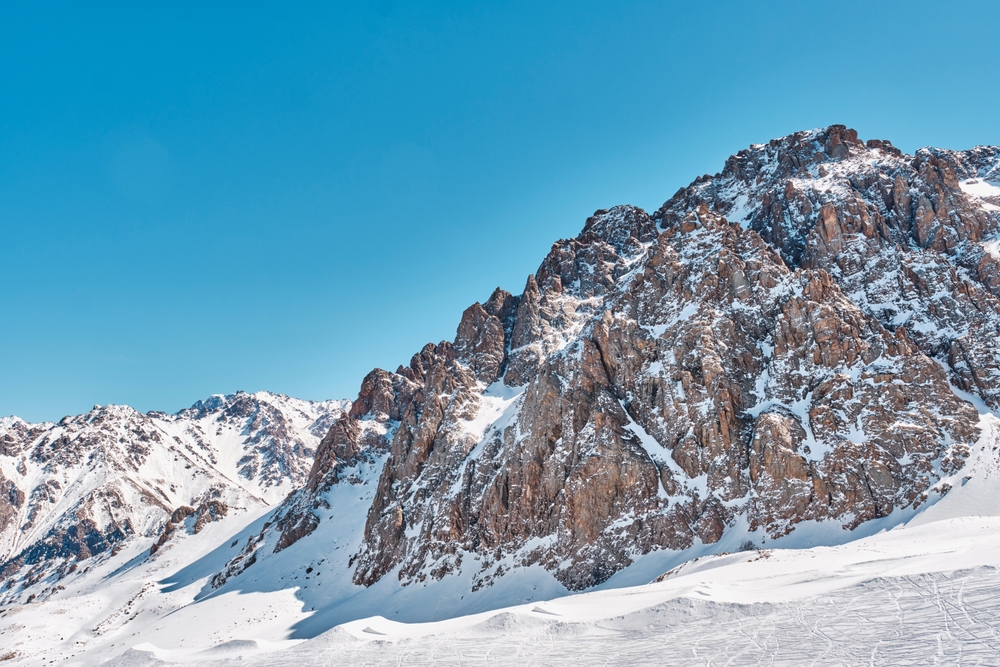
The park protects some of Kazakhstan’s most spectacular mountain landscapes, including snow-capped peaks, glaciers, alpine lakes, forests, and deep river valleys. Its proximity to Almaty makes it one of the most visited and accessible national parks in Central Asia.

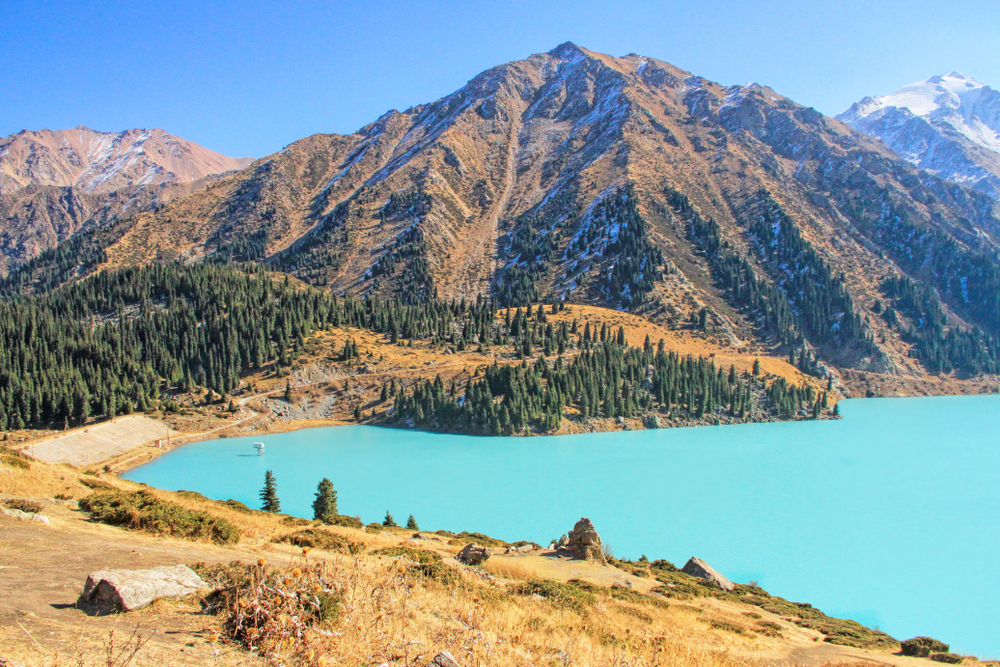
The park is best known for its dramatic mountain scenery and diverse outdoor recreation opportunities. Visitors are drawn to breathtaking alpine landscapes, crystal-clear lakes, waterfalls, and extensive hiking trails. Among the park’s most famous attractions are Big Almaty Lake, a striking turquoise alpine lake surrounded by towering peaks, and the scenic Turgen Gorge, known for its waterfalls and forests.

The park is also a popular destination for trekking, mountaineering, skiing, camping, and wildlife observation. Its combination of accessibility and wilderness has made it one of Kazakhstan’s premier ecotourism destinations.

Geographically, Ile-Alatau National Park encompasses a remarkable range of elevations, from approximately 2,000 feet (600 m) in foothill areas to peaks exceeding 16,000 feet (5,000 m). The landscape includes rugged mountains, glaciers, alpine meadows, conifer forests, river valleys, and high-altitude lakes.

More than 300 glaciers are found within the park, providing critical water resources for the surrounding region. Lower elevations support steppe vegetation and fruit forests, while higher elevations contain spruce forests dominated by the iconic Schrenk’s spruce. Alpine tundra and permanent snowfields occur at the highest elevations, creating a diverse mosaic of habitats.

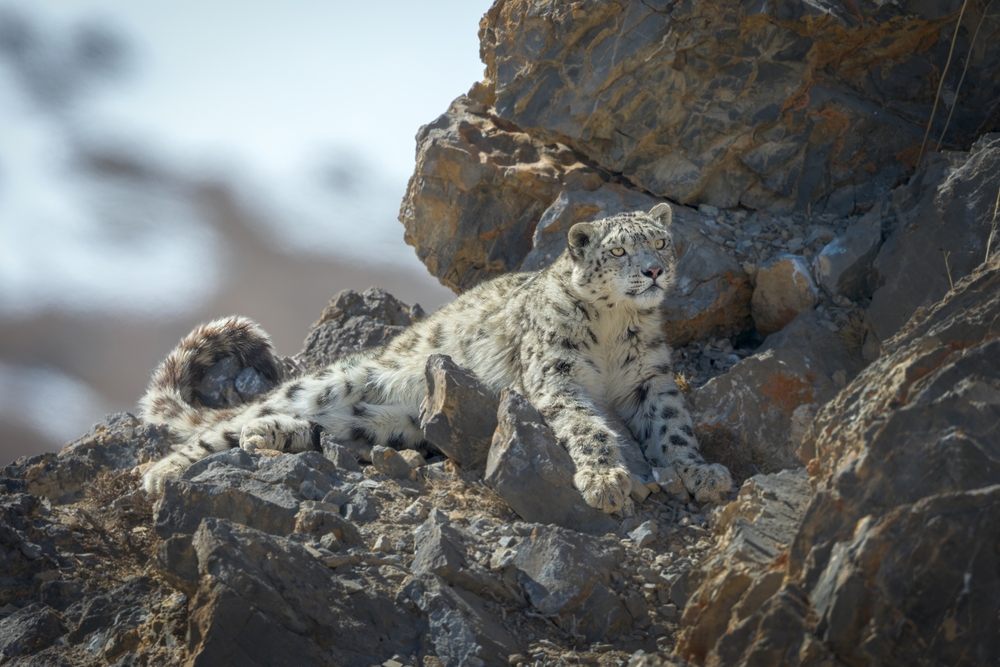
Wildlife within Ile-Alatau National Park is among the richest in Kazakhstan. Mammals include snow leopards, Tian Shan brown bears, Siberian ibex, roe deer, red deer, lynx, wolves, foxes, and wild boar. The park is one of the most important strongholds for the endangered snow leopard in the northern Tian Shan.

Birdlife is equally impressive, with golden eagles, bearded vultures, Himalayan griffon vultures, owls, snowcocks, and numerous alpine bird species inhabiting the mountains. Reptiles, amphibians, and more than a thousand plant species further contribute to the park’s exceptional biodiversity.

Ile-Alatau National Park plays a critical role in conserving the ecosystems of the northern Tian Shan and protecting watersheds that supply water to millions of people in and around Almaty. The park preserves critical habitat for endangered wildlife, safeguards glaciers and alpine environments, and supports scientific research and environmental education.

Its conservation significance is often compared to Ala-Archa National Park and Rocky Mountain National Park because of its alpine scenery, biodiversity, and recreational opportunities. Through its glaciers, turquoise lakes, snow-capped peaks, rare wildlife, and spectacular mountain landscapes, Ile-Alatau National Park stands as one of Kazakhstan’s most treasured protected areas and a showcase of the natural grandeur of the Tian Shan Mountains.

Things to See
Popular

Popular

Ile-Alatau National Park in Kazakhstan is renowned for its stunning landscapes and diverse wildlife, featuring a variety of mammals, reptiles, and insects. Below are some of the more popular species found in the park, excluding birds:

Snow Leopard (Panthera uncia)
An elusive and iconic predator, the snow leopard inhabits the rugged mountainous terrain of the park. Its thick fur and long tail help it survive in the cold, while its powerful build makes it a skilled hunter.

Tian Shan Brown Bear (Ursus arctos isabellinus)
This subspecies of the brown bear is a powerful omnivore found in the forests and meadows of the park. It plays a critical role in the ecosystem by dispersing seeds and controlling prey populations.

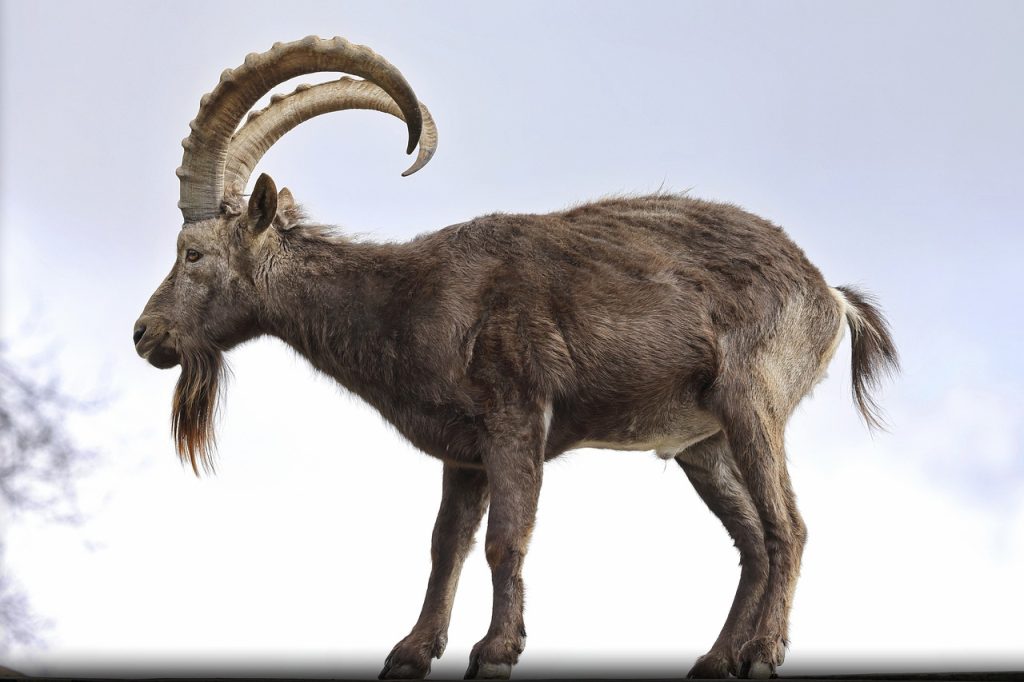
Siberian Ibex (Capra sibirica)
These agile mountain goats are adapted to the steep slopes and rocky terrain of the park. Their impressive climbing abilities help them escape predators like snow leopards.

Gray Wolf (Canis lupus)
A top predator in the ecosystem, the gray wolf is vital for maintaining the balance of species in the park. These social animals often hunt in packs and prey on herbivores like ibex and roe deer.

Eurasian Lynx (Lynx lynx)
Known for its tufted ears and stealthy hunting techniques, the Eurasian lynx is a solitary feline that preys on smaller mammals such as hares and rodents.

Red Fox (Vulpes vulpes)
A highly adaptable mammal, the red fox thrives in various habitats within the park, from forests to open meadows. Its keen senses and diverse diet make it a successful predator.

Marbled Polecat (Vormela peregusna)
This small, carnivorous mammal has striking black-and-yellow markings and is known for its ability to emit a strong odor when threatened. It preys on rodents and insects.

Tian Shan Argali (Ovis ammon karelini)
A large wild sheep with impressive curved horns, the Tian Shan argali is found in the higher elevations of the park. These herbivores are often preyed upon by snow leopards and wolves.

Steppe Viper (Vipera renardi)
This venomous snake is commonly found in the park’s lower altitudes. It preys on small mammals and birds and plays a role in controlling rodent populations.

Common Toad (Bufo bufo)
A hardy amphibian, the common toad is often found near water sources in the park. It feeds on insects and helps keep the park’s insect population in check.

Birds

Birds

The avian diversity of Ile-Alatau National Park is remarkable, attracting bird enthusiasts with its range of unique and colorful species. Below are ten of the more popular bird species found in the park:

Golden Eagle (Aquila chrysaetos)
A symbol of power and freedom, the golden eagle soars over the park’s mountains, hunting prey with its sharp talons and keen eyesight.

Lammergeier (Gypaetus barbatus)
Also known as the bearded vulture, this large bird of prey specializes in feeding on bone marrow and is often seen gliding over rugged terrain.

Eurasian Griffon Vulture (Gyps fulvus)
A scavenger by nature, this vulture feeds on carrion and plays a critical role in maintaining the ecosystem’s health.

Himalayan Snowcock (Tetraogallus himalayensis)
This ground-dwelling bird is well-adapted to the high-altitude environments of the park and is known for its melodious calls.

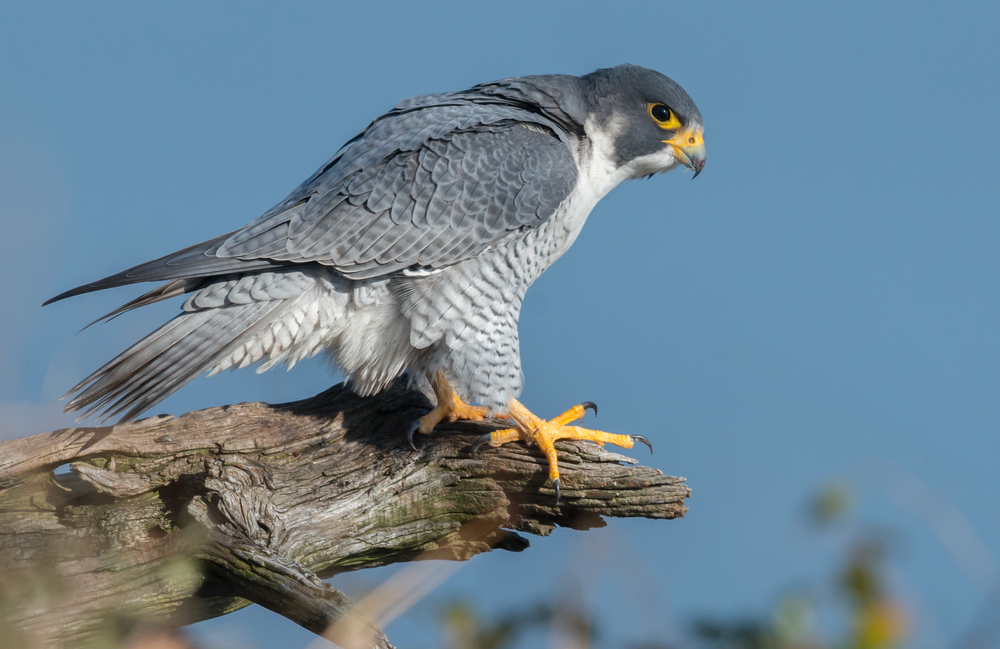
Peregrine Falcon (Falco peregrinus)
Renowned as the fastest bird in the world, the peregrine falcon hunts small birds mid-air, using incredible speed and precision.

Common Kestrel (Falco tinnunculus)
A small but agile falcon, the kestrel hovers mid-air to spot prey, such as rodents and insects, before diving to catch them.

Altai Snowcock (Tetraogallus altaicus)
This bird is a close relative of the Himalayan snowcock and thrives in the alpine regions of the park, camouflaging against the rocky terrain.

White-winged Grosbeak (Mycerobas carnipes)
A colorful songbird, the white-winged grosbeak is often seen in coniferous forests, feeding on seeds and berries.

Rufous-backed Redstart (Phoenicurus erythronotus)
This striking bird with its bright orange back is a common sight in the park’s wooded areas and alpine meadows.

Azure Tit (Cyanistes cyanus)
A small, vibrant passerine bird, the azure tit is known for its beautiful blue-and-white plumage and energetic behavior. It is often found in the park’s forested zones.

Things To Do

Engaging Ile-Alatau National Park
Hiking

Hiking is one of the most popular ways to explore Ile-Alatau National Park, offering breathtaking views of the Trans-Ili Alatau mountain range and its diverse ecosystems. Trails like the Medeu to Shymbulak route cater to all skill levels, from beginners to seasoned trekkers.

Along the trails, visitors may encounter flora such as wild apricot trees and edelweiss, as well as fauna like the snow leopard and ibex, which symbolize the park’s ecological richness. Glacial rivers like the Malaya Almatinka provide scenic stops, perfect for photography and picnics.

Whether it’s the lush greenery of the lower altitudes or the stark beauty of high-altitude glaciers, hiking in Ile-Alatau is an unforgettable adventure.

Big Lake Almaty

One of the park’s crown jewels, Big Almaty Lake, is a must-visit destination. Surrounded by towering peaks and dense coniferous forests, this glacial lake changes colors with the seasons, from emerald green to deep blue.

Visitors can take leisurely walks around the lake or enjoy a more challenging hike to one of the nearby peaks for panoramic views. The area is also a haven for bird watchers, with species such as the golden eagle and Himalayan snowcock often seen.

While swimming is prohibited to preserve the lake’s pristine condition, its serene beauty provides a perfect setting for relaxation and photography.

Wildlife Viewing

Aksai Gorge is a hotspot for wildlife enthusiasts visiting Ile-Alatau National Park. The gorge’s varied ecosystems support a range of species, including the elusive snow leopard, golden jackals, and Altai maral deer.

Birdwatchers will find this area particularly rewarding, with sightings of rare species like the white-tailed eagle and lammergeier. The diverse vegetation, from juniper shrubs to alpine meadows, creates a rich habitat for these animals.

Guided tours through the gorge offer insights into the park’s conservation efforts and increase the chances of spotting these incredible creatures in their natural environment.