About
Altyn-Emel National Park is located in southeastern Kazakhstan within the Almaty Region and covers approximately 1,800 square miles (4,600 sq km). Established in 1996, the park protects one of Central Asia’s most remarkable desert and mountain landscapes.
Situated northeast of Almaty between the Ili River and the foothills of the Dzungarian Alatau Mountains, the park encompasses vast deserts, colorful rock formations, rugged mountains, river valleys, and unique geological features. The name “Altyn-Emel,” meaning “Golden Saddle,” refers to a mountain pass associated with historical Silk Road routes that crossed the region. Today, the park is recognized as one of Kazakhstan’s most important protected areas and a centerpiece of the country’s natural heritage.
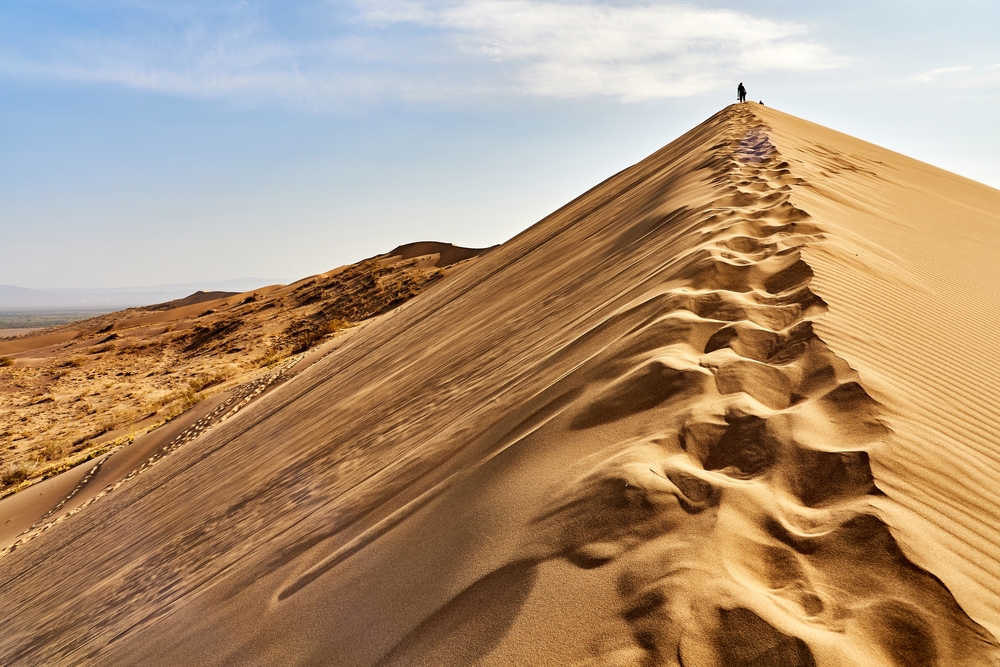
Altyn-Emel National Park is best known for its extraordinary geological attractions, particularly the famous Singing Dune. This massive sand dune rises approximately 500 feet (150 meters) above the surrounding desert and produces a deep humming or musical sound when dry sand moves across its slopes.
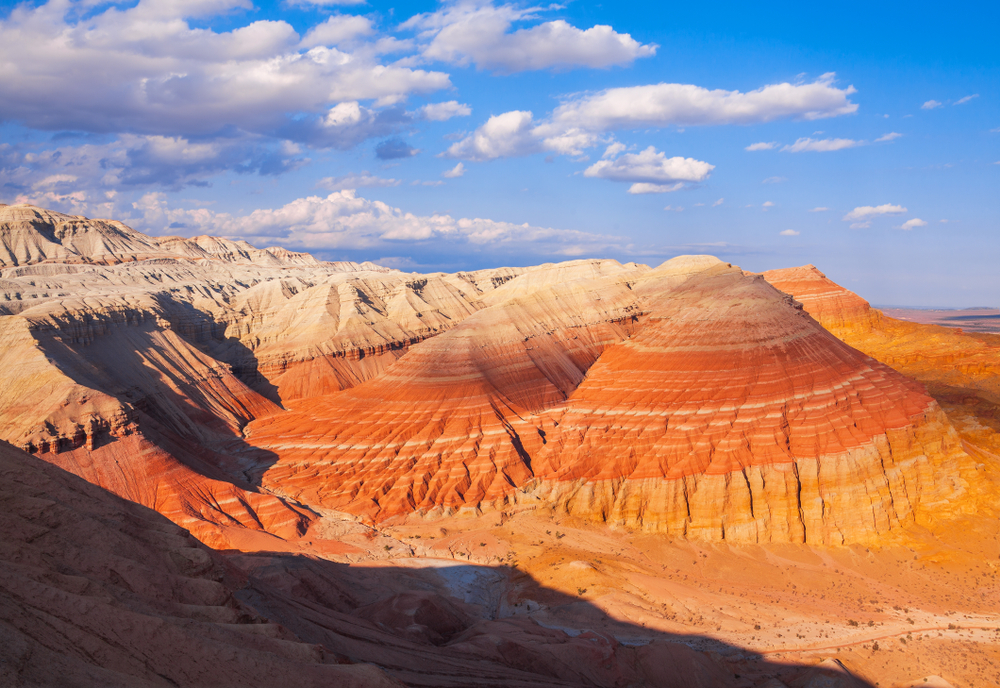
Visitors are also drawn to the colorful Aktau Mountains, known for their striking layers of red, white, yellow, and orange sedimentary rock, as well as the volcanic-looking Katutau Mountains. Popular activities include hiking, wildlife observation, photography, camping, and exploring the park’s remote landscapes. The park’s unique combination of geological wonders and wildlife makes it one of the most distinctive destinations in Central Asia.
The geography of Altyn-Emel National Park is exceptionally diverse. The landscape includes desert plains, sand dunes, mountain ranges, canyons, river valleys, and semi-arid grasslands. Geological formations reveal millions of years of Earth’s history through exposed sedimentary layers and ancient fossil deposits.
Elevations vary considerably across the park, creating a variety of habitats that support different plant and animal communities. Vegetation includes desert shrubs, saxaul woodlands, grasses, and drought-resistant plants adapted to the harsh climate. The Ili River provides an important source of water and contributes to the ecological diversity of the region.
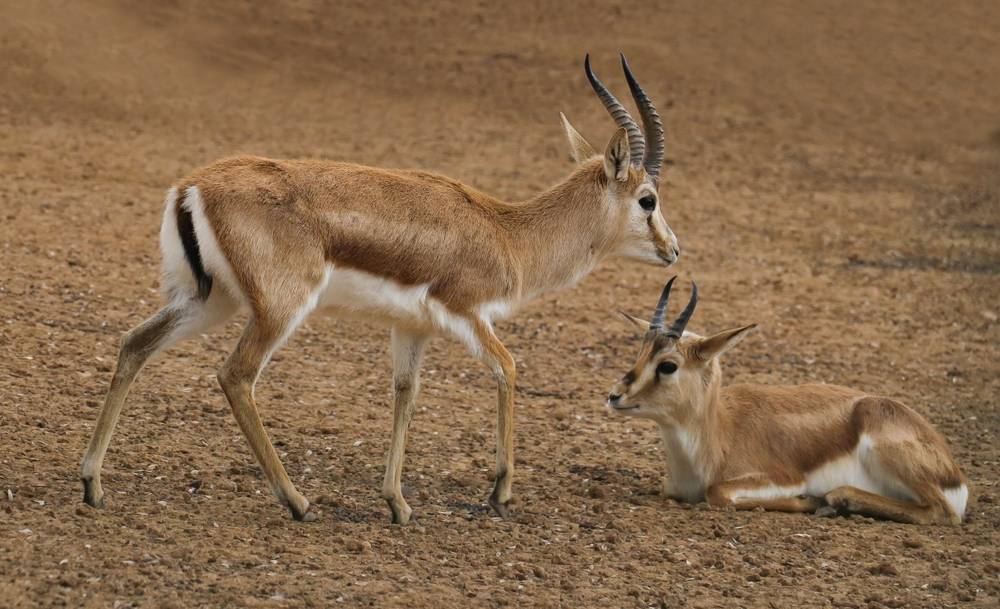
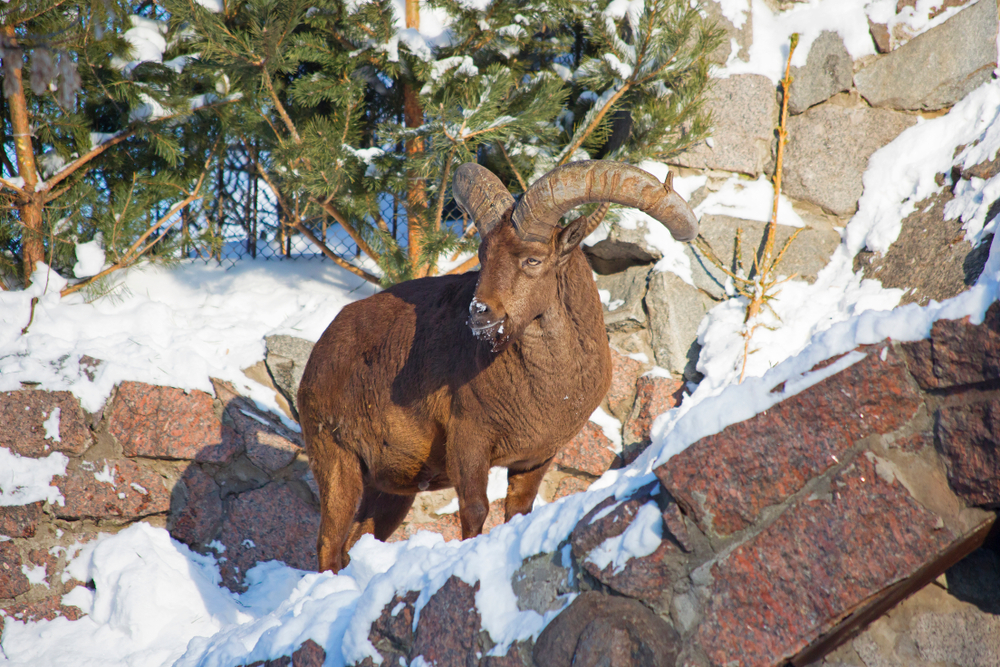
Wildlife within Altyn-Emel National Park is among the richest in Kazakhstan. The park serves as a refuge for several rare and endangered species, including the kulan, or Asiatic wild ass, which has been successfully reintroduced to the region. Other mammals include goitered gazelles, argali sheep, Siberian ibex, wolves, foxes, and wild boar.
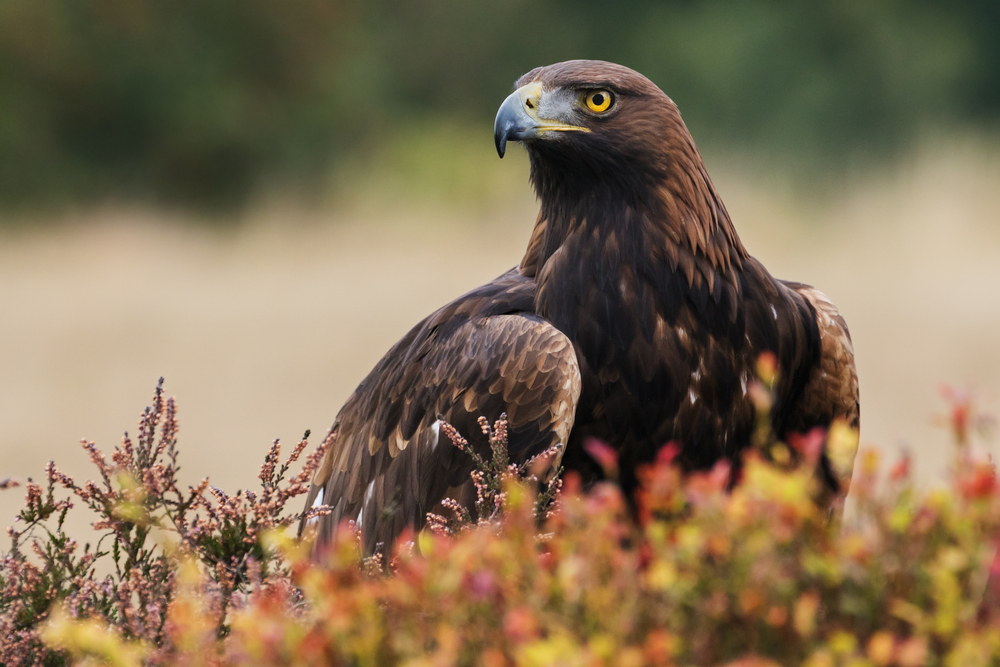
Birdlife is equally diverse, with golden eagles, steppe eagles, vultures, falcons, and numerous migratory species inhabiting the park. Reptiles, insects, and small mammals thrive in the desert ecosystems, while riverine habitats support additional biodiversity. The park’s varied landscapes provide important habitat for wildlife across multiple ecological zones.
Altyn-Emel National Park plays a vital role in protecting Kazakhstan’s desert and mountain ecosystems while preserving significant geological and paleontological resources. Conservation efforts focus on habitat restoration, wildlife protection, sustainable tourism, and maintaining ecological connectivity across the region.
The park is often compared to Charyn National Park and Gobi Gurvansaikhan National Park because of its dramatic desert scenery and unique geological features. However, its Singing Dune, colorful mountain formations, and successful wildlife conservation programs give it a distinctive identity. Today, Altyn-Emel National Park stands as one of Central Asia’s most extraordinary protected landscapes, preserving a remarkable environment where deserts, mountains, wildlife, and geological history converge in spectacular fashion.
Things to See
Things To Do
Engaging Altyn-Emel National Park