About
Kazbegi National Park is located in northeastern Georgia within the Greater Caucasus Mountains and covers approximately 337 square miles (874 sq km). Established in 1976 as a nature reserve and expanded as a national park in 2018, it protects one of the most spectacular mountain landscapes in the Caucasus region.
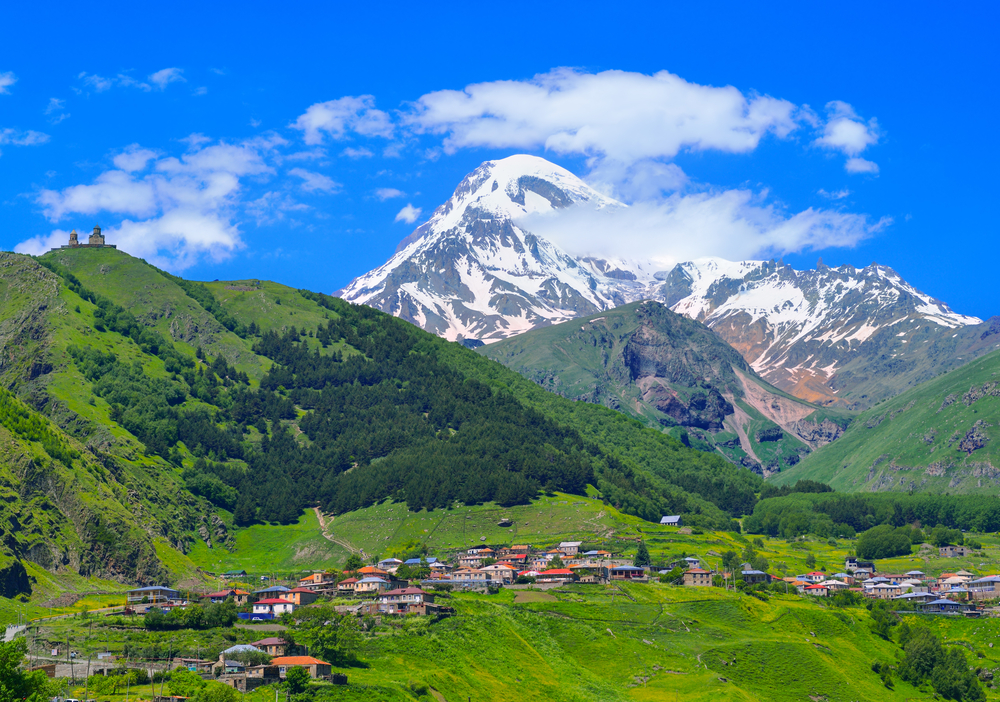
Situated near the Russian border and centered around the town of Stepantsminda, the park encompasses towering peaks, glaciers, alpine meadows, forests, and deep river valleys. The park is dominated by Mount Kazbek, an extinct stratovolcano rising to 16,512 feet (5,033 meters), making it one of the highest peaks in the Caucasus. Kazbegi National Park is widely regarded as one of Georgia’s premier natural destinations and an important center for mountain conservation.
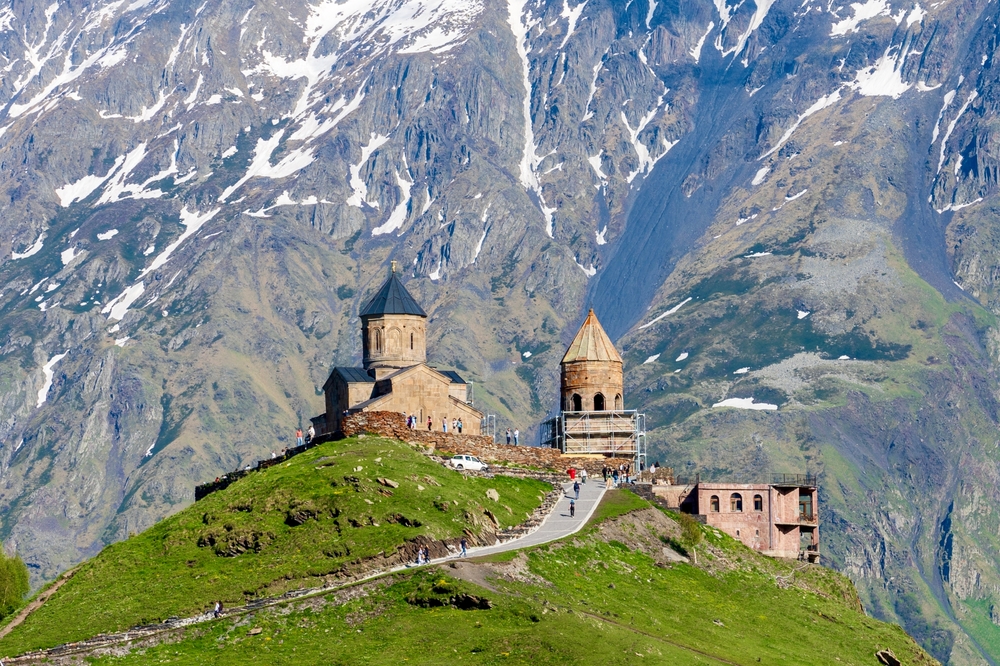
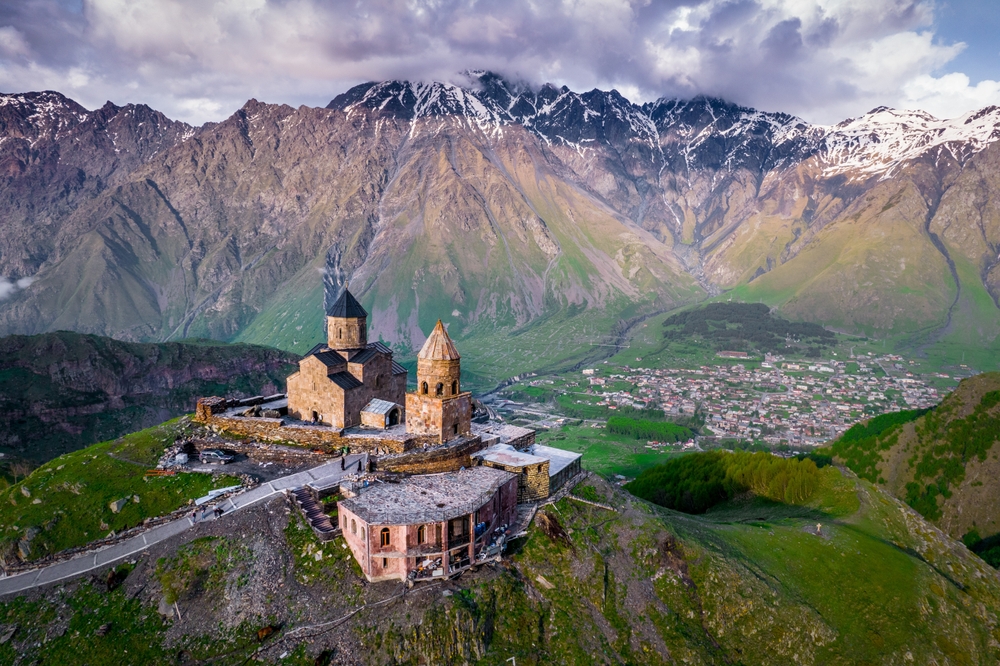
Kazbegi National Park is best known for its dramatic mountain scenery and iconic cultural landmarks. Visitors are drawn to the park’s snow-capped peaks, glaciers, waterfalls, and panoramic viewpoints. One of the region’s most famous attractions is Gergeti Trinity Church, a fourteenth-century church perched on a hillside overlooking the valley with Mount Kazbek rising behind it.
Hiking, trekking, mountaineering, horseback riding, wildlife observation, and photography are among the park’s most popular activities. Trails lead through alpine meadows and rugged mountain terrain, providing opportunities to experience some of the most breathtaking landscapes in the Caucasus.
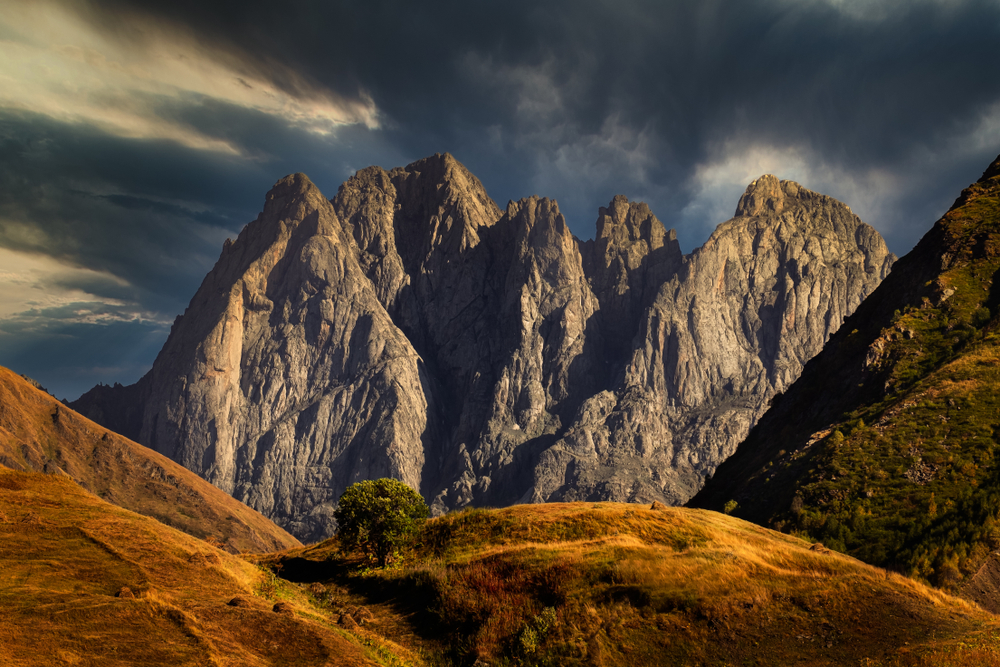
The geography of Kazbegi National Park is defined by high mountain environments shaped by tectonic uplift and glaciation. The landscape includes jagged peaks, glacial valleys, moraines, alpine plateaus, rivers, and steep cliffs. Several glaciers descend from Mount Kazbek and neighboring summits, feeding streams and rivers that carve through the valleys below.
Elevations range from forested lower slopes to permanent snowfields and glaciers at the highest elevations. Vegetation changes with altitude and includes deciduous forests, birch woodlands, subalpine shrublands, alpine grasslands, and high-mountain tundra. During summer, alpine meadows bloom with colorful wildflowers, creating striking contrasts against the surrounding peaks.
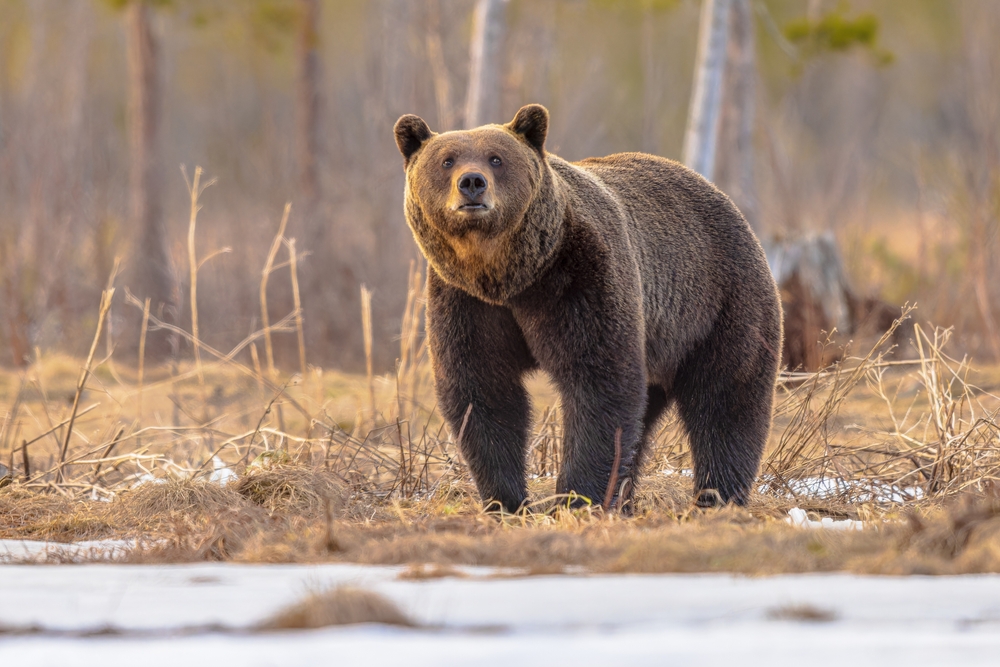
Wildlife within Kazbegi National Park reflects the biodiversity of the Greater Caucasus. Mammals include East Caucasian tur, chamois, brown bears, wolves, lynx, foxes, and wildcats. The park provides important habitat for species adapted to rugged mountain environments.
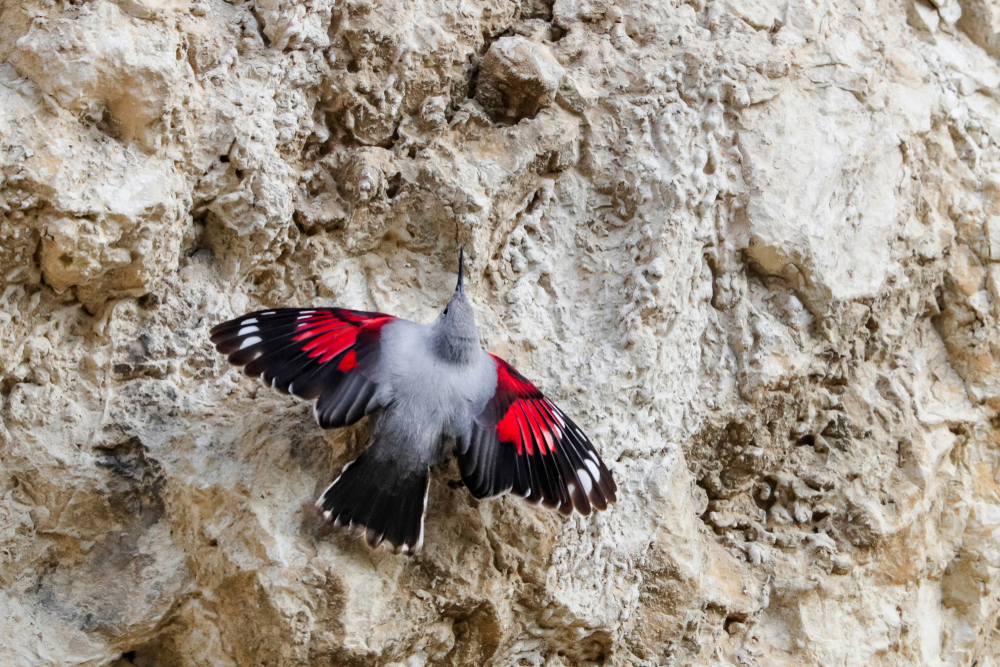
Birdlife is particularly notable, with golden eagles, bearded vultures, griffon vultures, Caucasian snowcocks, alpine choughs, and numerous migratory birds inhabiting the region. The varied ecosystems support a rich diversity of plants, insects, reptiles, and amphibians, many of which are characteristic of the Caucasus Mountains.
Kazbegi National Park plays a vital role in protecting one of the Caucasus region’s most important mountain ecosystems. The park safeguards glaciers, alpine habitats, forests, and critical wildlife corridors that support biodiversity across the Greater Caucasus. Conservation efforts focus on habitat protection, sustainable tourism, ecological restoration, and preserving the natural character of the region.
Kazbegi is often compared to Shahdag National Park and Svaneti National Park because of its high mountains and exceptional scenery. However, its iconic volcanic peak, historic mountain church, and dramatic glacial landscapes give it a distinctive identity. Today, Kazbegi National Park stands as one of Georgia’s most treasured protected areas, preserving a remarkable environment where mountains, glaciers, wildlife, and cultural heritage continue to coexist in extraordinary harmony.
Things to See
Things To Do
Engaging Kazbegi National Park