About
Shahdag National Park is located in northeastern Azerbaijan and covers approximately 500 square miles (1,296 sq km), making it the largest national park in the country. Established in 2006 and later expanded, the park protects a significant portion of the Greater Caucasus Mountains, one of the most biologically important regions in the South Caucasus.
Situated north of Quba and extending toward the Russian border, Shahdag National Park encompasses rugged mountain peaks, alpine meadows, forests, river valleys, and high-altitude ecosystems. The park takes its name from Mount Shahdagh, one of Azerbaijan’s most prominent mountains. Recognized for its exceptional biodiversity and dramatic landscapes, Shahdag National Park serves as one of the country’s most important conservation areas.
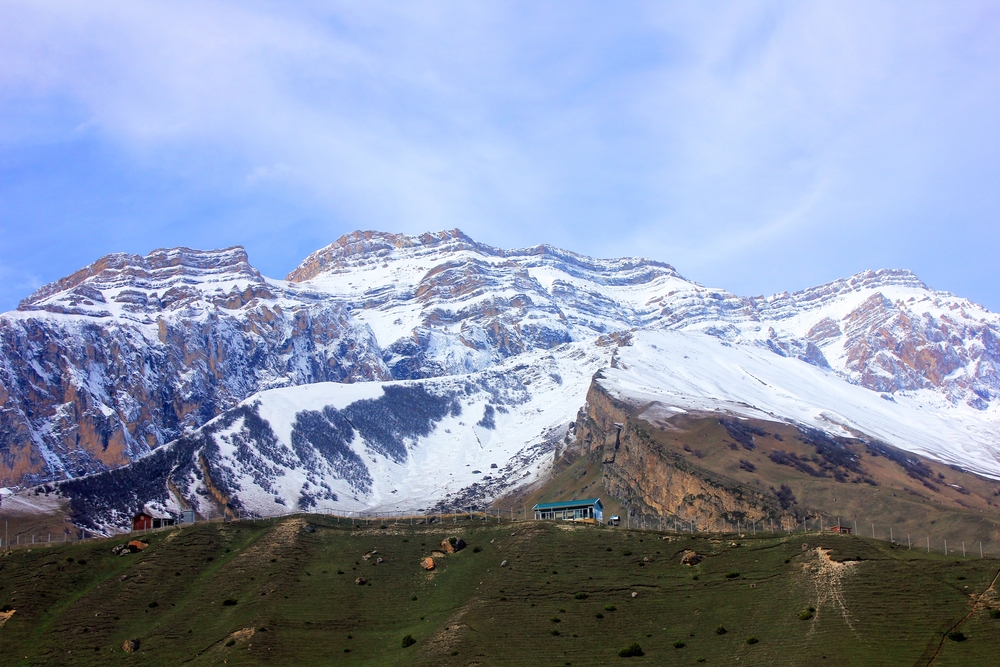
Shahdag National Park is best known for its spectacular mountain scenery and rich wildlife. Visitors are drawn to its snow-capped peaks, alpine pastures, deep valleys, and panoramic vistas that rank among the most impressive in the Caucasus region. Popular activities include hiking, trekking, wildlife observation, photography, mountaineering, and nature tourism.
The park also lies near the popular Shahdag Mountain Resort, which has become a major destination for skiing and outdoor recreation. Throughout the year, visitors can experience a variety of landscapes ranging from lush forests and flower-filled meadows to rugged alpine environments.
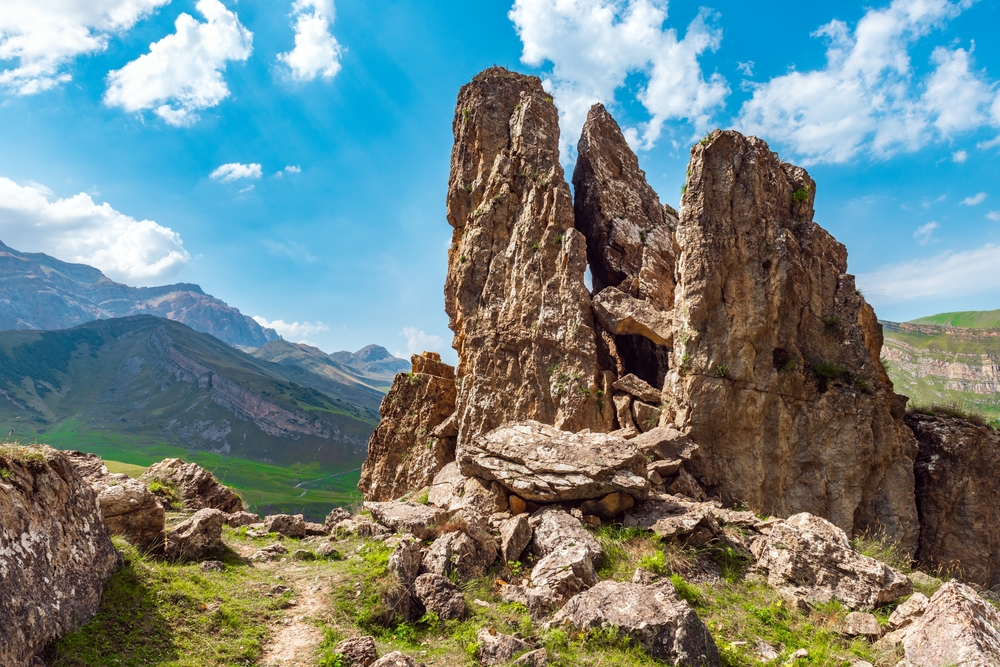
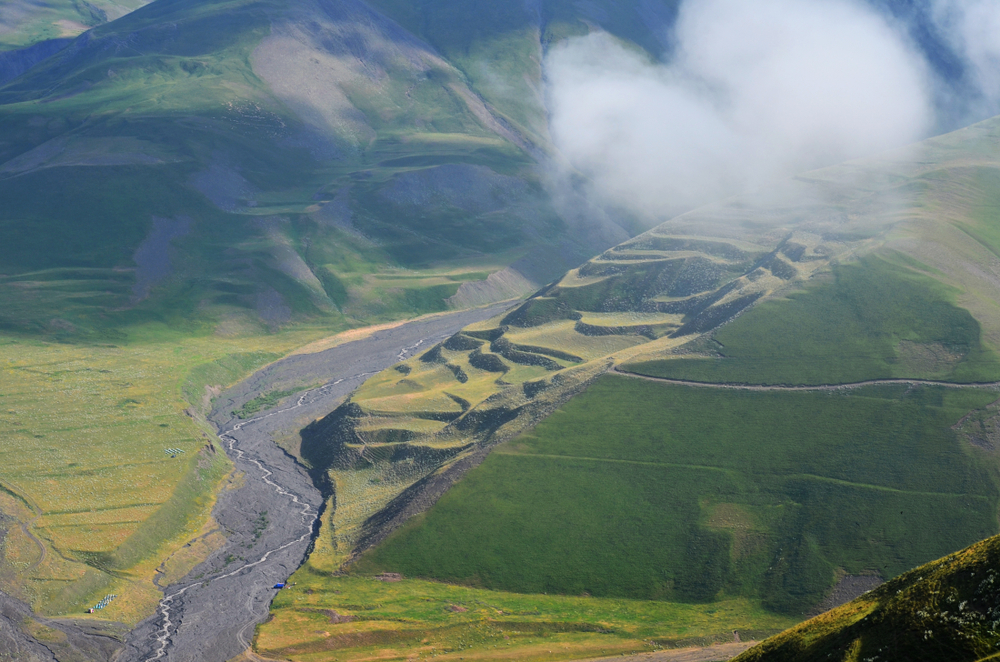
The geography of Shahdag National Park is characterized by dramatic elevation changes and diverse mountain ecosystems. Elevations range from forested foothills to peaks exceeding 13,000 feet (4,000 meters). The landscape includes glacial valleys, rocky ridges, alpine grasslands, rivers, waterfalls, and dense mountain forests.
Numerous streams originate within the park and contribute to important watersheds that supply water to surrounding communities. Vegetation varies considerably with elevation and includes oak forests, beech woodlands, hornbeam stands, juniper shrublands, alpine meadows, and subalpine grasslands. This remarkable environmental diversity supports one of the richest collections of habitats in Azerbaijan.
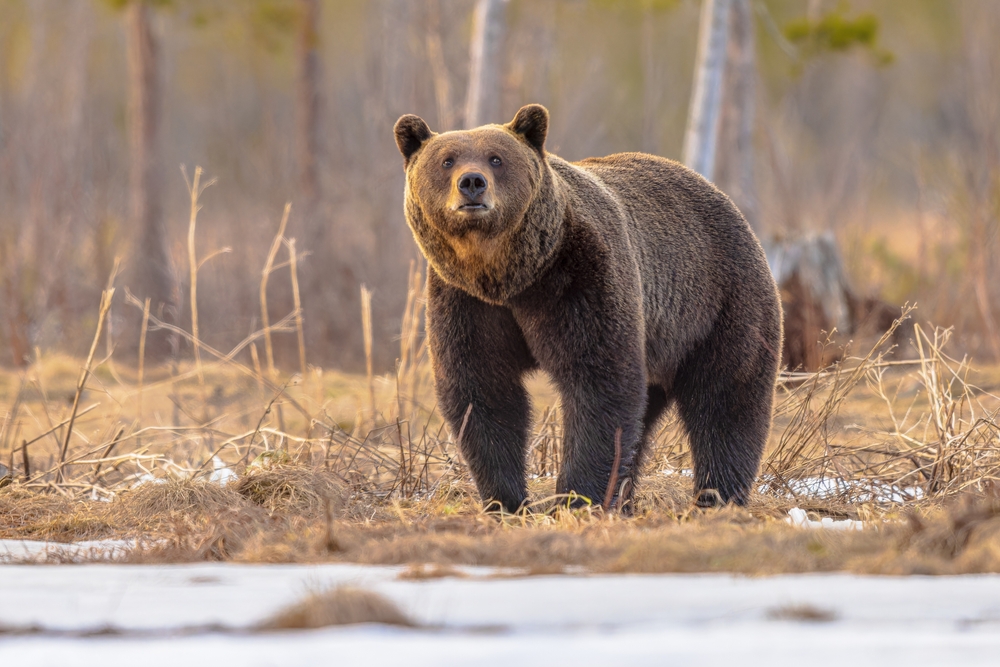
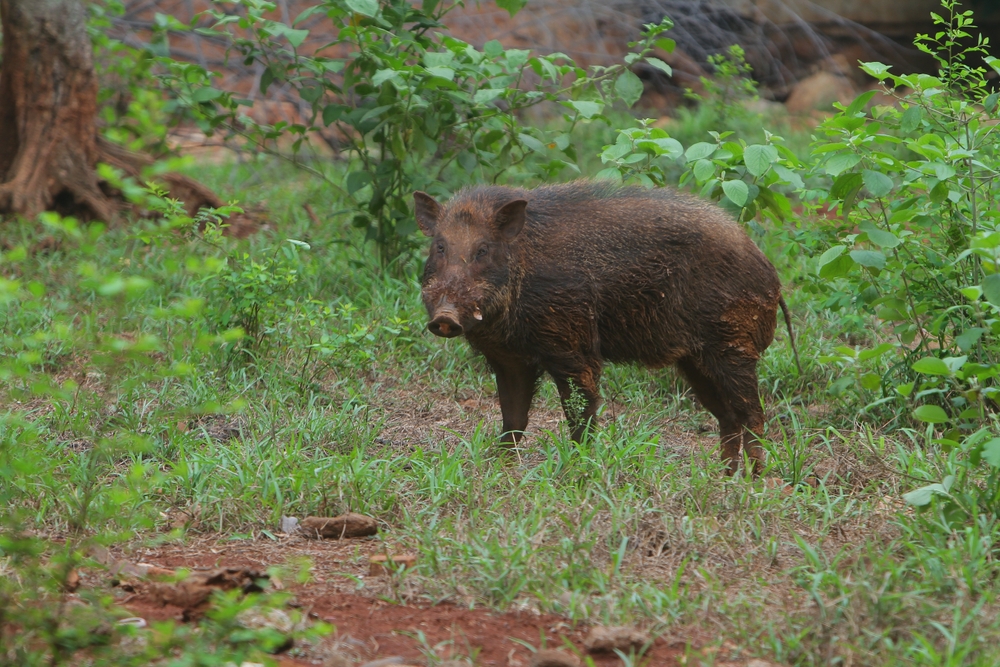
Wildlife within Shahdag National Park is among the most diverse in the Caucasus region. Mammals include East Caucasian tur, brown bears, wolves, lynx, wildcats, roe deer, red foxes, and wild boar. The park provides important refuge for several rare and threatened species that depend on large, intact mountain habitats.
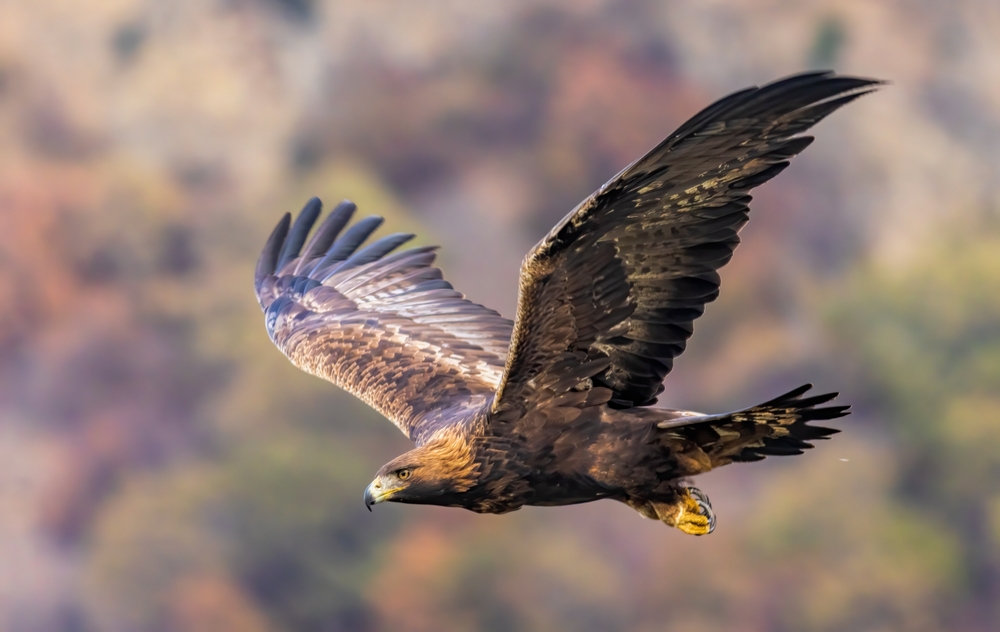
Birdlife is equally impressive, with golden eagles, bearded vultures, griffon vultures, Caucasian snowcocks, owls, and numerous migratory species inhabiting the park. Reptiles, amphibians, and a wide variety of insects contribute to the park’s rich biodiversity. Many species found within Shahdag are characteristic of the Greater Caucasus and have limited distributions elsewhere.
Shahdag National Park plays a critical role in protecting Azerbaijan’s mountain ecosystems and preserving one of the most important biodiversity hotspots in the Caucasus. Conservation efforts focus on safeguarding wildlife habitats, protecting watersheds, restoring degraded landscapes, and promoting sustainable tourism. The park also serves as an important ecological corridor linking protected areas across the Greater Caucasus Mountains.
Shahdag is often compared to Borjomi-Kharagauli National Park and Dilijan National Park because of its mountain scenery and biodiversity. However, its vast alpine landscapes, high mountain peaks, and strong populations of Caucasian wildlife give it a distinctive identity. Today, Shahdag National Park stands as one of Azerbaijan’s greatest natural treasures, preserving a remarkable environment where mountains, forests, wildlife, and traditional Caucasian landscapes continue to thrive.
Things to See
Things To Do
Engaging Shahdag National Park