About

Virachey National Park (Khmer: ឧទ្យានជាតិវីរៈជ័យ) is located in northeastern Cambodia within Ratanakiri and Stung Treng provinces along the borders of Laos and Vietnam. Established in 1993, the park covers approximately 1,287 square miles (3,332 sq km), making it one of Cambodia’s largest national parks.

Virachey forms part of the greater Annamite Mountain ecosystem, one of Southeast Asia’s most important biodiversity hotspots. Together with protected areas in neighboring Laos and Vietnam, the park safeguards vast tracts of forest that remain among the most remote and least explored wilderness regions in mainland Southeast Asia.

The park is best known for its rugged mountains, dense tropical forests, and exceptional biodiversity. Unlike Cambodia’s more frequently visited parks, Virachey offers a true wilderness experience. Visitors who venture into the park encounter remote jungle landscapes, hidden waterfalls, mountain ridges, and traditional Indigenous communities whose cultures remain closely connected to the forest. Multi-day treks through the park provide opportunities to explore pristine habitats rarely seen by outsiders. The sense of isolation and discovery has earned Virachey a reputation as one of Southeast Asia’s last great rainforest frontiers.

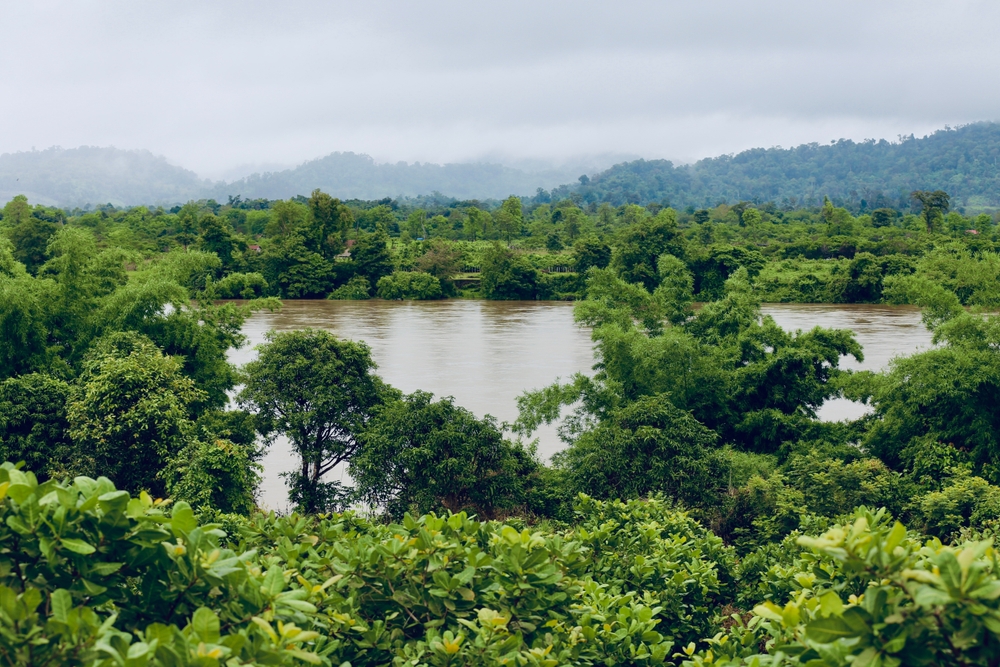
Geographically, Virachey National Park is dominated by forested mountains, river valleys, waterfalls, and highland plateaus. Elevations range from lowland tropical forests to peaks exceeding 5,900 feet (1,800 m). The park contains the headwaters of several important rivers, which support both wildlife and surrounding communities.

Vegetation includes evergreen rainforest, semi-evergreen forest, bamboo stands, montane forests, and riverine habitats. Frequent rainfall and varied elevations create a mosaic of ecosystems that support remarkable biological diversity. Many areas remain difficult to access, helping preserve habitats that have disappeared elsewhere in the region.

Wildlife within the park is among the richest in Cambodia. Virachey supports Asian elephants, gaur, sun bears, clouded leopards, dholes, and numerous species of deer and primates. The park is considered potential habitat for some of Southeast Asia’s rarest mammals, including the critically endangered saola, sometimes called the “Asian unicorn,” although confirmed sightings remain extremely rare. Birdlife is exceptional, with hornbills, pheasants, eagles, broadbills, and numerous forest specialists inhabiting the park. Reptiles, amphibians, and countless insect species further contribute to the ecological significance of the area.

Virachey National Park plays a critical role in protecting one of the largest remaining wilderness areas in Cambodia. The park safeguards vital watersheds, preserves habitat for endangered wildlife, and maintains ecological connectivity across international borders.

Its conservation importance is often compared to renowned rainforest reserves such as Khao Sok National Park and Gunung Mulu National Park because of its biodiversity, intact forests, and remote wilderness character. Through its towering mountains, pristine rainforests, rare wildlife, and cultural significance, Virachey National Park stands as one of Cambodia’s greatest natural treasures and one of Southeast Asia’s most important conservation landscapes.

Things to See
Popular

Popular

Virachey National Park in Cambodia is a haven for diverse wildlife, harboring some of Southeast Asia’s most intriguing species. Its lush forests and diverse habitats make it an ideal home for a wide array of animals. Below are some of the popular species found in the park:

Clouded Leopard
This elusive and solitary cat is known for its beautiful cloud-like patterns on its coat. It is a skilled climber and often rests or hunts in the trees of the dense tropical forest.

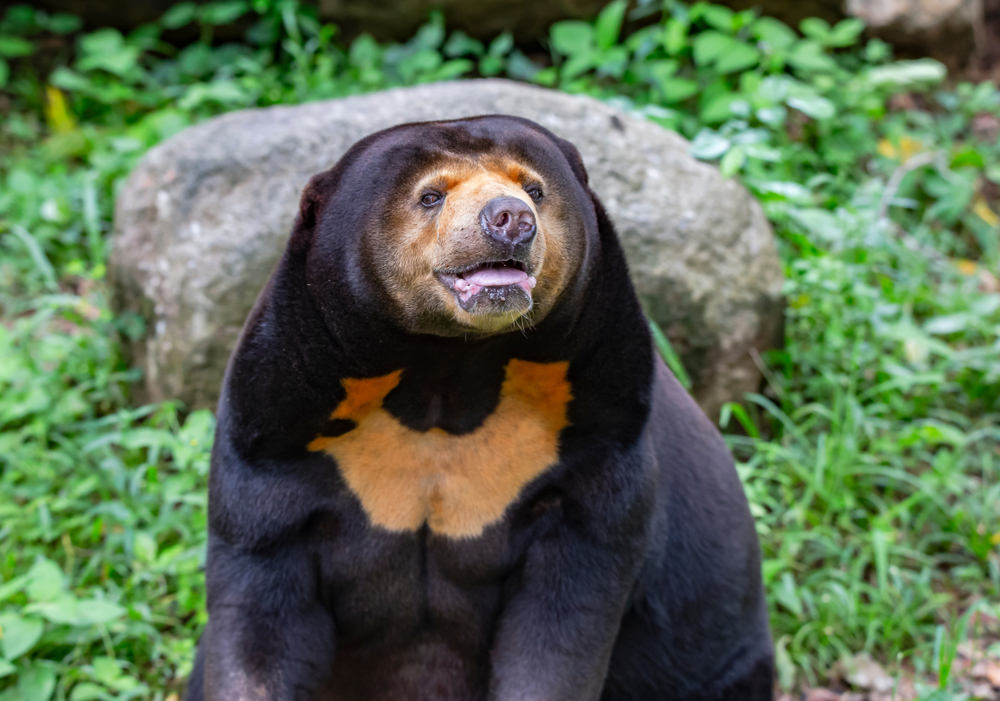
Sun Bear
The smallest bear species, the sun bear, is characterized by its short black fur and crescent-shaped chest patch. It is an adept climber and feeds on fruits, insects, and honey.

Asian Elephant
This gentle giant plays a crucial role in shaping the forest ecosystem. Asian elephants are highly intelligent and social animals, forming tight-knit family groups.

Banteng
This wild cattle species is distinguished by its sleek build and distinct coloration. They are often spotted grazing in the open grasslands and edges of the forest.

Indochinese Tiger
Although rare, this subspecies of tiger can be found in Virachey’s remote forests. Its striking orange coat and black stripes make it one of the most iconic big cats.

Gaur
The largest wild cattle species in the world, the gaur has a muscular build and is known for its impressive size and strength. They usually roam in herds and are often seen near water sources.

Dhole
Also known as the Asiatic wild dog, the dhole is a highly social and cooperative hunter. It is recognized by its reddish coat and bushy tail.

Sambar Deer
This large deer species has a rugged coat and majestic antlers. They are a primary prey species for many of the park’s carnivores.

Malayan Porcupine
Covered in sharp quills for defense, this nocturnal rodent feeds on roots, fruits, and small insects. It plays an essential role in seed dispersal.

Slow Loris
This nocturnal primate is known for its big, round eyes and slow, deliberate movements. It feeds on fruits, insects, and small vertebrates in the forest canopy.

Birds

Birds

Virachey National Park is a birdwatcher’s paradise, boasting an incredible variety of birdlife due to its diverse habitats and relatively untouched ecosystems. Below are ten popular bird species that can be spotted in the park:

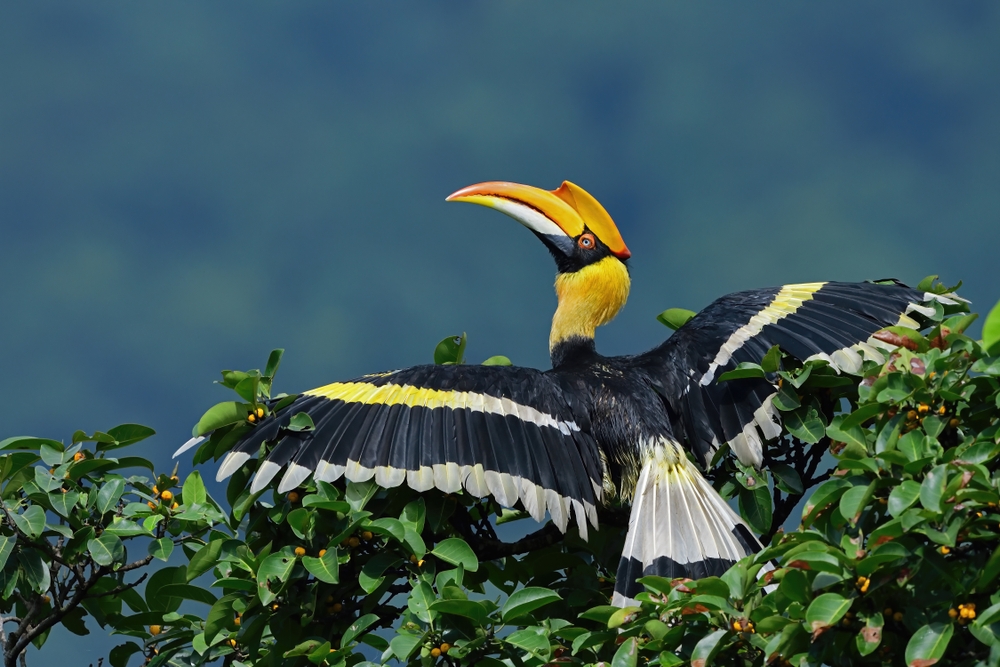
Great Hornbill
This large and striking bird is known for its prominent casque atop its bill and its graceful flight. It feeds primarily on fruits and plays a vital role in seed dispersal.

Crested Serpent Eagle
A medium-sized raptor, the crested serpent eagle has distinctive bold markings and a loud, piercing call. It preys on snakes and small mammals in the forest.

Asian Fairy-bluebird
With its vibrant blue and black plumage, the Asian fairy-bluebird is a favorite among birdwatchers. It feeds on fruits and is often found in the forest canopy.

Green Peafowl
Known for its iridescent green feathers and majestic display, the green peafowl is a rare sight in the wild. It inhabits dense forests and open grasslands.

Scarlet Minivet
This colorful bird features bright red and black plumage for males and yellow and grey for females. It is often seen flitting between treetops in small flocks.

Blue-winged Pitta
This ground-dwelling bird is renowned for its vivid plumage of blue, green, and orange. It is a migratory species that frequents dense forests.

Oriental Pied Hornbill
Smaller than the great hornbill, this species has a distinctive black and white coloration and a large casque. It is highly vocal and often seen in pairs.

Rufous Treepie
A member of the crow family, the rufous treepie has a striking rufous and black plumage. It is known for its loud calls and acrobatic movements.

Wreathed Hornbill
This large hornbill species has a unique wreathed pattern on its casque. It is a frugivorous bird, often seen flying in flocks.

Blue-bearded Bee-eater
This stunning bird has vibrant green plumage with a striking blue beard. It preys on insects, especially bees, and is often seen perched on open branches.

Things To Do

Engaging Virachey National Park
Multi-Day Treks

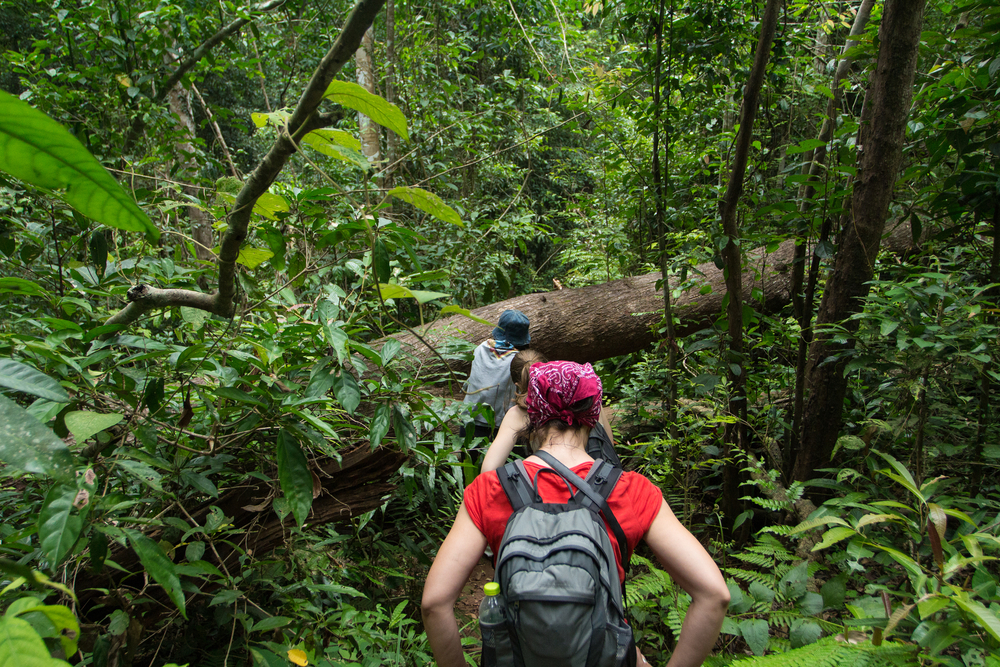
Virachey National Park is famed for its challenging and immersive jungle treks, which take visitors deep into one of Cambodia’s most remote and biodiverse regions. Multi-day treks are led by experienced guides and indigenous rangers who navigate dense rainforests, grasslands, and rivers.

Along the way, trekkers may encounter wildlife such as gibbons, hornbills, and even the elusive clouded leopard. Camps are set up in the wilderness, offering a rare opportunity to sleep under the stars surrounded by the sounds of the jungle. T

reks often include visits to culturally significant sites like spirit forests and tribal villages, where visitors learn about local customs and the spiritual connection between the indigenous communities and the land. These treks provide a profound connection to nature and a unique glimpse into the cultural heritage of the region.

placeholder

Kayaking

The Sesan and Srepok Rivers, which run through Virachey National Park, are ideal for kayaking and river exploration. Guided kayaking tours allow visitors to glide through serene waterways, flanked by lush forests and rocky outcrops.

The rivers are home to a variety of wildlife, including otters, kingfishers, and freshwater fish species. Some tours include stops at hidden waterfalls and natural swimming spots, offering a refreshing break in the tropical heat.

Guides share insights into the ecological importance of these waterways and their role in sustaining local wildlife and communities. River exploration in Virachey is a peaceful and adventurous way to experience the park’s aquatic beauty.

placeholder

Cultural Heritage

Virachey National Park is home to several indigenous groups, including the Brao and Kavet people, whose traditions and way of life are closely tied to the park’s environment.

Cultural tours allow visitors to engage with these communities through homestays, traditional food preparation, and participation in ceremonies. Local guides introduce visitors to sacred sites, traditional crafts, and sustainable farming practices.

These experiences offer a unique opportunity to understand the harmonious relationship between the indigenous communities and the park’s ecosystems. Cultural immersion in Virachey not only enriches visitors’ experiences but also supports local livelihoods and conservation efforts, fostering a deeper appreciation for this extraordinary region.