About

Botum Sakor National Park (Khmer: ឧទ្យានជាតិបុទុមសាគរ) is located in southwestern Cambodia within Koh Kong Province along the Gulf of Thailand. Established in 1993, the park covers approximately 665 square miles (1,725 sq km), making it one of Cambodia’s largest national parks.

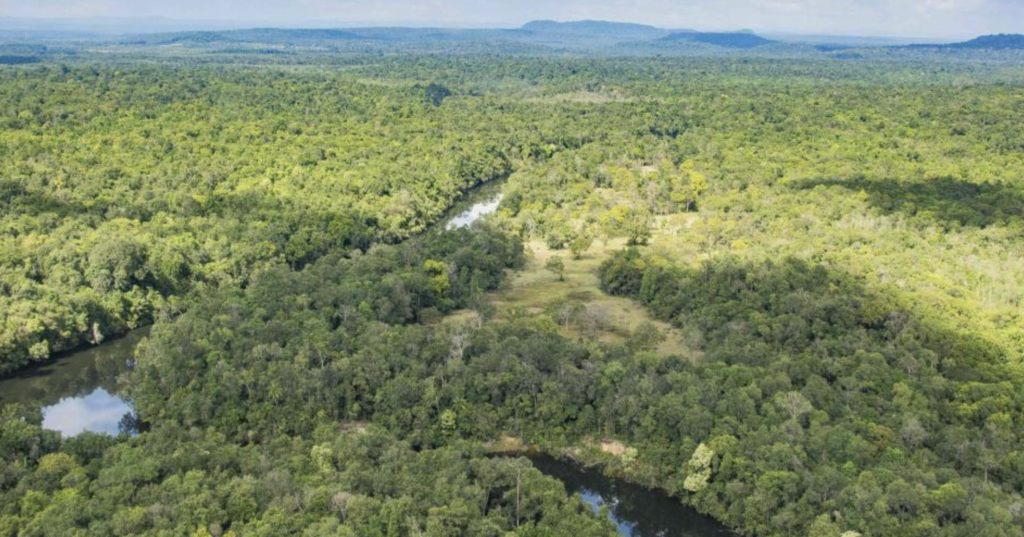
The protected area stretches from coastal mangrove systems and estuaries inland to lowland evergreen forests, rivers, and rolling hills. Botum Sakor forms part of the greater Cardamom Mountain landscape, one of Southeast Asia’s most important biodiversity strongholds, and lies near other significant protected areas including Kirirom National Park and Southern Cardamom National Park.

The park is best known for its remarkable diversity of habitats and its role in protecting one of the largest remaining tracts of coastal rainforest in mainland Southeast Asia. Visitors are drawn to its remote wilderness, scenic rivers, mangrove-lined waterways, and opportunities to experience Cambodia’s natural landscapes beyond the country’s famous cultural attractions.

The combination of rainforest, coastline, wetlands, and estuaries creates an environment rich in wildlife and ecological significance. Although access remains limited in some areas, the park offers a glimpse into ecosystems that have largely disappeared elsewhere in the region.

Geographically, Botum Sakor National Park encompasses a striking variety of landscapes. Dense evergreen forests dominate much of the interior, while extensive mangrove forests fringe coastal estuaries and tidal rivers. Rolling hills, freshwater wetlands, grasslands, and river valleys add further ecological diversity.

The park receives abundant rainfall due to its proximity to the Cardamom Mountains and the Gulf of Thailand, supporting lush vegetation throughout much of the year. Numerous rivers flow through the park before reaching the coast, creating productive habitats that sustain both terrestrial and aquatic wildlife.

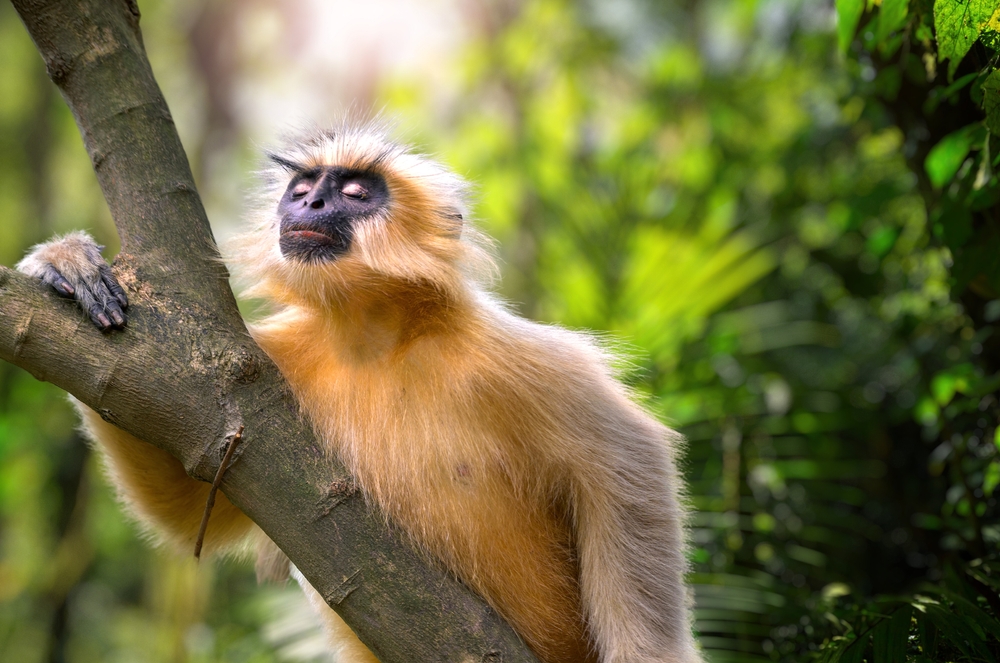
Wildlife within Botum Sakor National Park is exceptionally diverse. The park supports Asian elephants, sun bears, clouded leopards, leopard cats, dholes, and several species of deer. Primates such as pileated gibbons, long-tailed macaques, and pig-tailed macaques inhabit the forests.

Birdlife is particularly rich, with hornbills, kingfishers, broadbills, eagles, and numerous migratory species recorded throughout the park. The coastal and mangrove habitats provide important nursery grounds for fish and support marine species that utilize estuarine environments. Reptiles, amphibians, and countless insect species further contribute to the park’s biodiversity, making it one of Cambodia’s most important wildlife refuges.

Botum Sakor National Park plays a crucial role in conserving Cambodia’s coastal forests, wetlands, and wildlife habitats. The park protects ecosystems that are increasingly threatened by deforestation, development, and habitat fragmentation throughout Southeast Asia. Its forests provide critical habitat for endangered species while helping maintain watershed functions and coastal resilience.

Ecologically, Botum Sakor is often compared to protected rainforest landscapes such as Khao Sok National Park and Taman Negara National Park because of its rich biodiversity and extensive forest cover. Through its rainforests, mangrove ecosystems, rare wildlife, and coastal beauty, Botum Sakor National Park stands as one of Cambodia’s most valuable natural treasures and a vital component of Southeast Asia’s conservation heritage.

Things to See
Popular

Popular

Botum Sakor National Park, located in Cambodia, is a biodiversity hotspot known for its dense forests, unique ecosystems, and diverse wildlife. It is part of the Cardamom Mountains region, one of Southeast Asia’s most significant natural landscapes. The park supports a wide range of species, including some that are critically endangered. Below are some of the popular species found in the park:

Indochinese Tiger
Once ranging across Southeast Asia, the Indochinese tiger is critically endangered. Botum Sakor serves as a crucial habitat for the survival of this magnificent predator, which is known for its elusive nature and striking orange-black stripes.

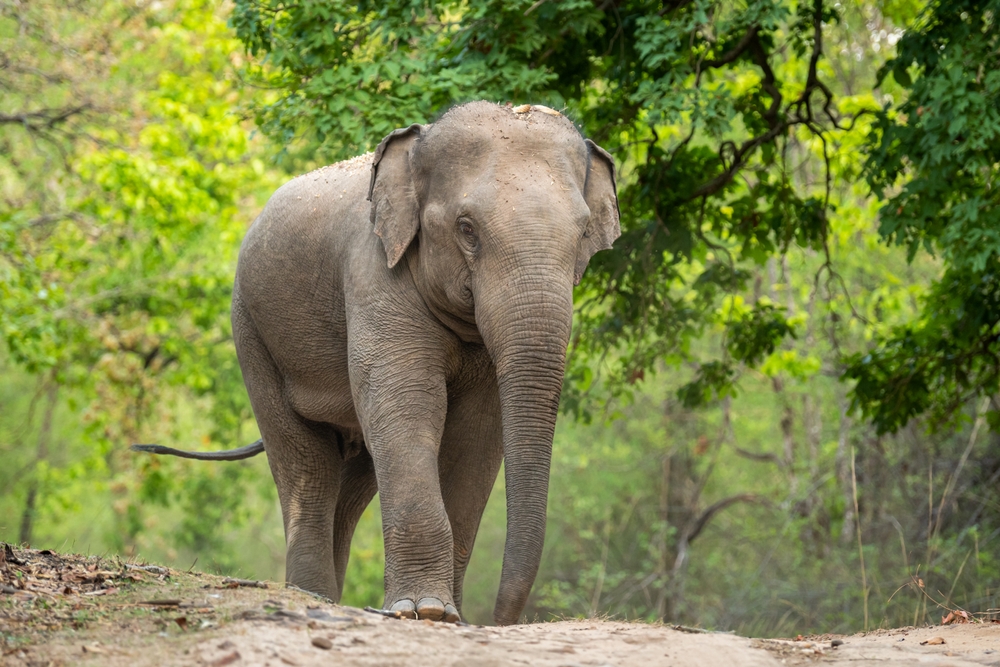
Asian Elephant
A keystone species of the park, the Asian elephant roams its forests and grasslands. These gentle giants are vital for maintaining the ecological balance, aiding in seed dispersal and habitat maintenance.

Dhole (Asiatic Wild Dog)
The dhole is a social carnivore known for its unique whistling calls and pack-hunting strategies. Botum Sakor provides an essential refuge for this endangered species.

Clouded Leopard
This arboreal feline, renowned for its beautiful, cloud-like markings, finds sanctuary in the dense forests of Botum Sakor, where it hunts and thrives.

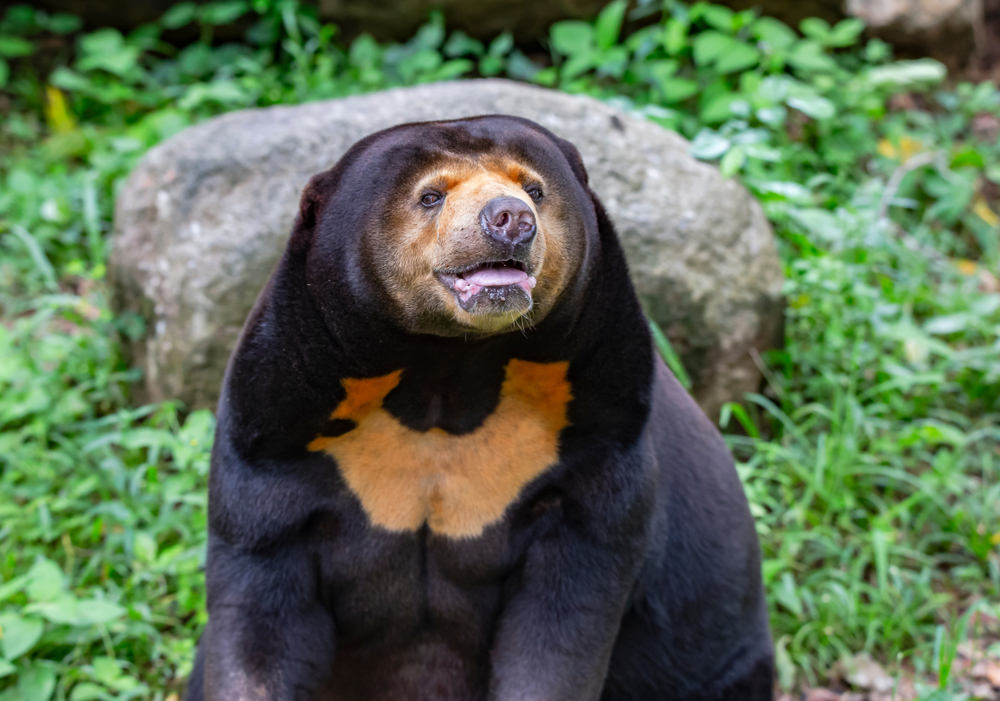
Malayan Sun Bear
The smallest bear species in the world, the Malayan sun bear, is famous for its distinctive orange-yellow chest patch and exceptional tree-climbing abilities.

Smooth-Coated Otter
These playful aquatic mammals are commonly seen in the waterways and wetlands of the park, contributing to the health of aquatic ecosystems.

Fishing Cat
Adapted to wetland environments, the fishing cat is a nocturnal predator that preys on fish and other aquatic animals, making the park’s rivers and marshes an ideal habitat.

Banteng
This wild cattle species is integral to the park’s grassland ecosystem. With its striking appearance, the banteng is a rare sight and a highlight for visitors.

Sunda Pangolin
An elusive, scaly mammal, the Sunda pangolin is known for its remarkable defense mechanism of rolling into a ball. Botum Sakor plays a crucial role in the conservation of this critically endangered species.

King Cobra
The world’s longest venomous snake, the king cobra, resides in the park’s dense forests. This species is a vital predator in maintaining ecological balance.

Birds

Birds

Botum Sakor National Park is also home to a rich array of birdlife, offering a haven for many rare and beautiful bird species. Here are some of the most notable birds found in the park:

Great Hornbill
This large, colorful bird is known for its impressive casque and loud, distinctive calls. It is a symbol of tropical forests and is essential for seed dispersal.

Oriental Pied Hornbill
A smaller hornbill species, the Oriental pied hornbill is recognized by its curved bill and social behavior. These birds are commonly spotted in the park’s canopies.

Germain’s Peacock-Pheasant
This ground-dwelling bird, adorned with striking eye-spots on its feathers, is a rare and enchanting sight in the park.

Green Peafowl
Known for its iridescent green plumage and elaborate courtship displays, the green peafowl is a species of great cultural and ecological importance.

White-Bellied Sea Eagle
A majestic raptor, the white-bellied sea eagle is often seen soaring over the park’s wetlands and waterways.

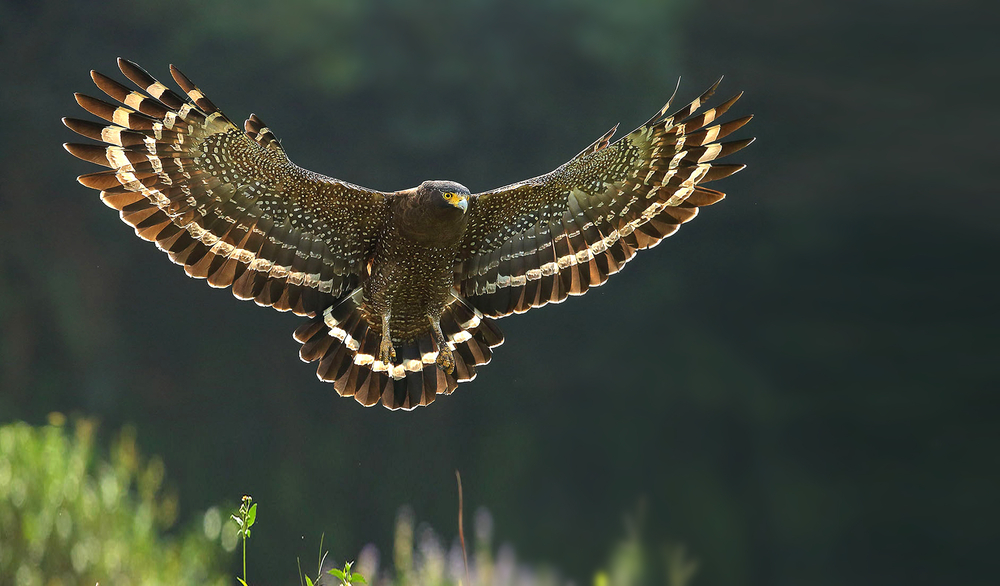
Crested Serpent Eagle
This medium-sized bird of prey is known for its piercing calls and its diet of reptiles, which it hunts in the park’s forests.

Blue-Winged Pitta
This vibrant, multicolored bird migrates to the park during certain seasons, adding bursts of color to the forest undergrowth.

Black-Headed Ibis
Frequently found in the wetlands, the black-headed ibis is a wading bird known for its long, curved beak and striking appearance.

Greater Adjutant
A critically endangered stork species, the greater adjutant is an important scavenger and a rare sight in the park.

Ruddy Kingfisher
This beautiful kingfisher, with its bright red plumage and melodious call, is often seen near the park’s rivers and streams.

Things To Do

Engaging Botum Sakor National Park
Wildlife Viewing

Botum Sakor National Park, Cambodia’s largest national park, is a haven for wildlife enthusiasts. Guided tours take visitors deep into the park’s dense forests, mangroves, and grasslands to observe rare and endangered species.

The park is home to animals such as Asian elephants, Sunda pangolins, and clouded leopards, making wildlife observation a thrilling and educational experience. Visitors may also encounter various primates, including long-tailed macaques and gibbons, as well as reptiles like monitor lizards.

Expert guides share insights about the park’s ecosystems, the behaviors of its wildlife, and the ongoing conservation efforts to protect these species. Wildlife observation in Botum Sakor offers an unparalleled opportunity to connect with nature and witness biodiversity in one of Southeast Asia’s most important protected areas.

Boating

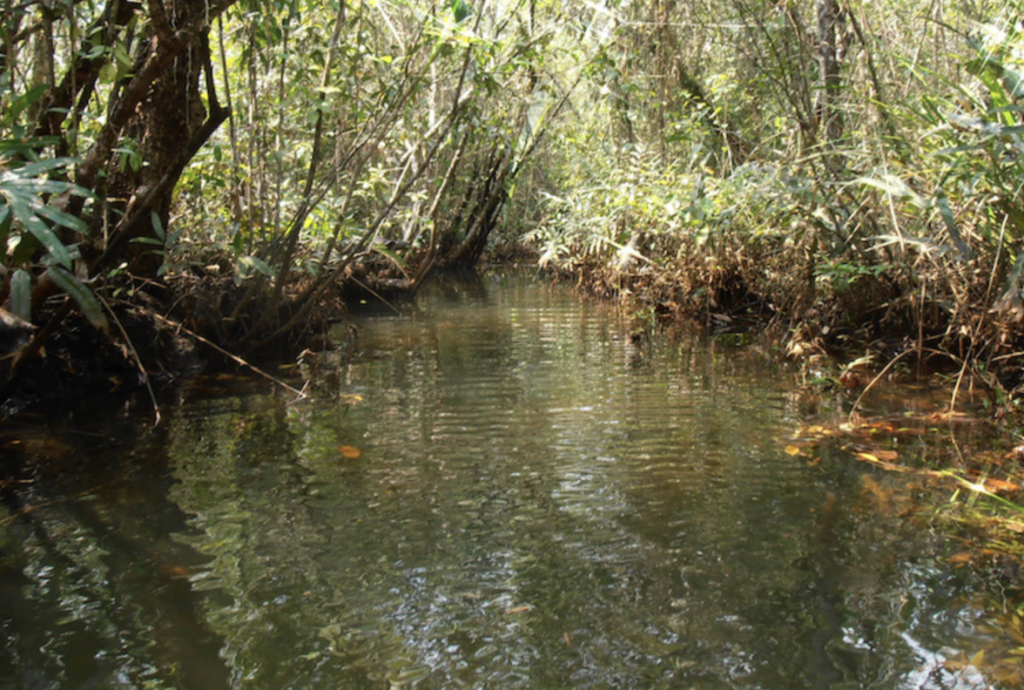
he mangrove forests of Botum Sakor National Park are a vital part of its ecosystem, and exploring them by boat is a popular way to engage with the park. Guided boat tours navigate through the intricate waterways, offering close-up views of the unique flora and fauna that thrive in this brackish environment.

Visitors can spot kingfishers, mudskippers, and crabs scuttling along the roots of mangroves, as well as larger species such as otters and water monitors.

Guides provide information on the ecological importance of mangroves, particularly their role in coastal protection and as a nursery for marine life. A boat tour through the mangroves is both a serene and eye-opening experience.

Hiking

Botum Sakor’s expansive trails offer visitors the chance to explore its diverse ecosystems on foot. From coastal areas and wetlands to dense tropical forests, each hike reveals a different aspect of the park’s natural beauty.

Popular routes lead to scenic viewpoints, hidden waterfalls, and remote areas rich in biodiversity. Along the trails, hikers may encounter hornbills, langurs, and vibrant orchids.

Guided hikes enhance the experience with detailed information about the park’s flora, fauna, and conservation challenges. Hiking in Botum Sakor is an adventurous way to immerse oneself in its varied landscapes while gaining a deeper appreciation for its ecological significance.