About

Known locally as Marakele National Park, the park is located in South Africa’s Limpopo Province within the Waterberg Biosphere, approximately 155 miles (250 km) north of Johannesburg. The park covers approximately 258 square miles (670 sq km) and protects a diverse landscape where the grasslands of southern Africa transition into the bushveld ecosystems of the north.

Established in 1994, Marakele National Park occupies a strategic position within the Waterberg Biosphere Reserve, a UNESCO-recognized biosphere known for its ecological significance and biodiversity. The name “Marakele” means “place of sanctuary” in the local Tswana language, reflecting the park’s role as a refuge for wildlife and natural habitats. Today, it is one of South Africa’s most important conservation areas and a growing destination for wildlife enthusiasts.

Marakele National Park is best known for its dramatic mountain scenery, diverse wildlife, and one of the largest breeding colonies of Cape vultures in the world. Visitors are attracted by the park’s spectacular landscapes, where towering mountains rise above valleys, plains, and woodlands. Scenic drives lead to breathtaking viewpoints that offer panoramic views across the Waterberg region.

The park also provides excellent opportunities for wildlife viewing, birdwatching, hiking, and photography. Unlike some of South Africa’s larger safari parks, Marakele combines impressive wildlife encounters with striking geological features, creating a uniquely varied visitor experience.

The geography of Marakele National Park is dominated by the Waterberg Mountains, a rugged range of ancient sandstone formations that have been shaped by millions of years of erosion. Elevations vary considerably, creating diverse habitats that range from mountain slopes and rocky cliffs to grasslands, savannas, and river valleys. The park lies within a transition zone where wetter southern ecosystems meet drier northern bushveld habitats.

This ecological overlap contributes significantly to the park’s biodiversity. Rivers, seasonal streams, and wetlands provide additional habitat diversity, while dramatic cliffs offer nesting sites for birds of prey. The varied landscape makes Marakele one of the most visually striking national parks in South Africa.

Wildlife within Marakele National Park is exceptionally diverse. The park supports all members of the Big Five, including elephant, lion, leopard, rhinoceros, and buffalo. Other large mammals include giraffe, zebra, kudu, eland, waterbuck, wildebeest, and numerous smaller antelope species. Predators such as cheetah, brown hyena, and jackal also inhabit the park.

Birdlife is particularly notable, with more than 350 recorded species. Marakele is internationally recognized for its Cape vulture colony, one of the largest remaining breeding populations of this threatened species. Visitors may also observe martial eagles, Verreaux’s eagles, hornbills, kingfishers, and a wide variety of woodland and grassland birds. The combination of large mammals and exceptional birdlife makes the park a premier wildlife destination.

Marakele National Park plays a critical role in conserving South Africa’s Waterberg ecosystem and protecting species that depend on both mountain and savanna habitats. The park safeguards important watersheds, wildlife corridors, and breeding sites for threatened birds while contributing to regional biodiversity conservation.

Its conservation significance is often compared to parks such as Pilanesberg National Park and Addo Elephant National Park because of its successful wildlife management and ecological diversity. However, Marakele’s dramatic mountain setting and globally important vulture populations give it a distinctive character. Today, the park stands as a sanctuary for wildlife and a showcase for the natural beauty of South Africa’s Waterberg region.

Things to See

Popular

Marakele National Park, nestled in the Waterberg Mountains of South Africa, is a sanctuary where diverse wildlife thrives amidst lush vegetation and rugged terrain. Its unique positioning between arid and wetter ecosystems creates a haven for an array of iconic species.

African Elephant (Loxodonta africana)
The African elephant is a frequent sight in Marakele’s grasslands and wooded areas. These gentle giants play a vital role in shaping the environment by uprooting trees, dispersing seeds, and creating waterholes with their digging.

White Rhinoceros (Ceratotherium simum)
Marakele is home to a healthy population of white rhinos, often seen grazing in open areas. These majestic creatures are a symbol of conservation success, thriving in this protected landscape.

Black Rhinoceros (Diceros bicornis)
More elusive than their white counterparts, black rhinos browse on shrubs and bushes. They are often spotted in the park’s denser vegetation, displaying their strong territorial behavior.

Lion (Panthera leo)
As apex predators, lions roam Marakele’s savannahs, preying on species such as zebra, impala, and buffalo. Their presence is essential for maintaining ecological balance.

Leopard (Panthera pardus)
Elusive and solitary, leopards inhabit Marakele’s wooded areas and rocky outcrops. They rely on stealth and strength to hunt antelope and other small mammals.

Cape Buffalo (Syncerus caffer)
Herds of Cape buffalo are a common sight near waterholes and grasslands. These large herbivores graze on grasses and reeds, often forming groups for protection against predators.

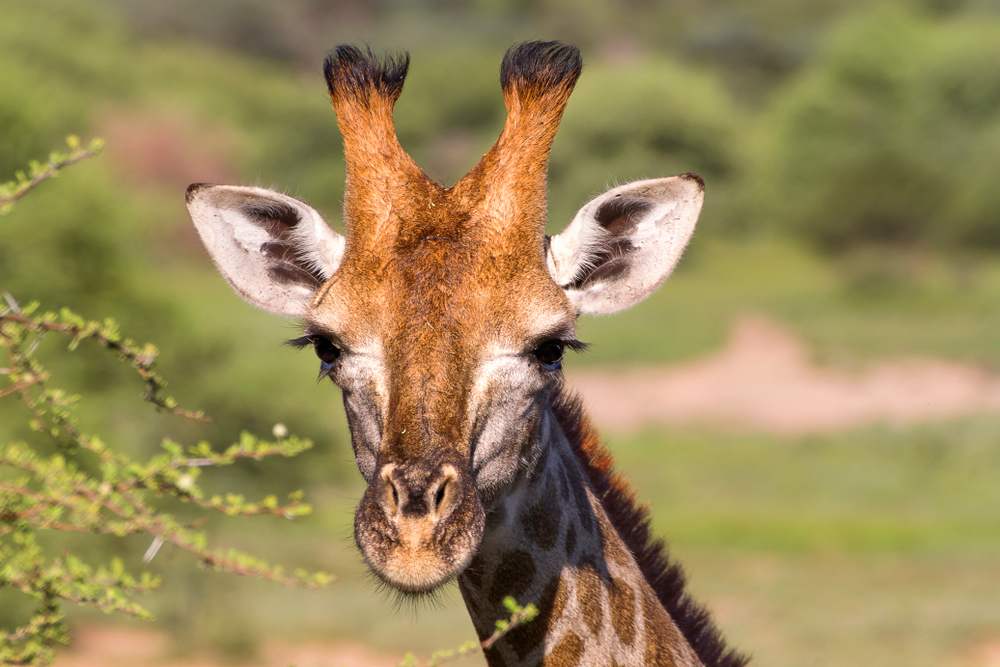
Giraffe (Giraffa camelopardalis)
Giraffes are frequently seen browsing on acacia trees in the park. Their long necks and distinctive coat patterns make them a favorite for wildlife enthusiasts.

Warthog (Phacochoerus africanus)
Known for their tusks and comical movements, warthogs forage for roots, tubers, and grasses. They are often seen in family groups near water sources.

Zebra (Equus quagga)
Plains zebras roam Marakele’s open grasslands, grazing on a variety of vegetation. Their striking black-and-white stripes serve as camouflage and are unique to each individual.

Spotted Hyena (Crocuta crocuta)
Both scavengers and skilled hunters, spotted hyenas play a critical role in the ecosystem by consuming carrion and preying on smaller mammals.

Birds

Marakele National Park is a birdwatcher’s paradise, home to over 400 bird species. Its diverse habitats, from cliffs to riverine areas, support a vibrant avian community, including several rare and endemic species.

Cape Vulture (Gyps coprotheres)
This endangered vulture is one of Marakele’s flagship species, nesting in colonies on the park’s dramatic cliffs. It feeds on carrion, helping to maintain ecosystem health.

Martial Eagle (Polemaetus bellicosus)
A powerful predator, the martial eagle soars over the park’s savannahs and woodlands, hunting small mammals, reptiles, and birds.

African Fish Eagle (Haliaeetus vocifer)
Often seen near water sources, this iconic raptor hunts fish and small aquatic creatures. Its haunting call is a signature sound of the wilderness.

Southern Ground Hornbill (Bucorvus leadbeateri)
This large, terrestrial bird is a frequent sight in the park’s open areas, hunting for insects, reptiles, and small mammals.

Verreaux’s Eagle (Aquila verreauxii)
This striking bird of prey inhabits the park’s rocky cliffs, preying on rock hyraxes and other small mammals.

Lilac-breasted Roller (Coracias caudatus)
Known for its vibrant plumage, this bird is often seen perched in the park’s woodlands, hunting for insects and small reptiles.

Yellow-billed Hornbill (Tockus leucomelas)
Commonly found in the park’s savannahs, this hornbill feeds on insects, fruits, and seeds, often foraging on the ground.

Kori Bustard (Ardeotis kori)
The largest flying bird in Africa, the kori bustard is a ground-dwelling species that feeds on seeds, insects, and small vertebrates.

African Pygmy Kingfisher (Ispidina picta)
This small, colorful bird frequents the park’s riverine habitats, hunting insects and small aquatic creatures.

Crested Barbet (Trachyphonus vaillantii)
With its colorful plumage and distinctive call, the crested barbet is a common sight in Marakele’s woodlands, feeding on fruits and insects.

Things To Do

Engaging Marakele National Park

placeholder

Scenic Drives

Scenic drives are one of the most popular ways to explore Marakele National Park. The park’s diverse landscapes, ranging from lush grasslands to dramatic mountain passes, offer stunning vistas and ample opportunities to spot wildlife.

Self-drive safaris are well-suited for visitors who prefer flexibility, while guided drives provide deeper insights into the park’s ecosystem and wildlife behaviors. Key routes include the road to Lenong Viewpoint, which winds through breathtaking mountain scenery and offers panoramic views of the Waterberg range.

Along these drives, visitors can encounter iconic species such as lions, elephants, giraffes, and zebras, as well as smaller mammals like warthogs and bat-eared foxes. Scenic drives not only bring visitors closer to Marakele’s rich biodiversity but also provide moments of tranquility and awe-inspiring beauty.

placeholder

Hiking

Marakele’s hiking trails offer a more immersive way to engage with the park’s natural beauty and biodiversity. Trails vary in difficulty, catering to both casual walkers and seasoned hikers.

Guided walks, led by experienced rangers, provide opportunities to learn about the park’s flora, fauna, and conservation efforts while exploring on foot. Popular trails include routes through the Waterberg mountains, where hikers can experience stunning views, unique vegetation, and encounters with species like klipspringers and rock hyraxes.

The trails also reveal the intricate details of the park’s ecosystems, from endemic plants to animal tracks, offering a deeper connection to the natural world.

placeholder

Birdwatching

Marakele National Park is home to one of the largest Cape vulture colonies in the world, making birdwatching a favorite activity. The vultures nest on the steep cliffs of the Waterberg Mountains, providing a rare opportunity for visitors to observe these endangered birds up close.

Viewing platforms and strategically placed hides offer excellent vantage points to watch the vultures soar, nest, and interact in their natural habitat. Early mornings and late afternoons are ideal for birdwatching, as the vultures take to the skies in search of food.

This experience is not only a highlight for birding enthusiasts but also an educational opportunity to learn about vulture conservation and their critical role in the ecosystem. Birdwatching in Marakele is a peaceful and rewarding way to appreciate the park’s avian diversity and unique landscapes.