

About
Photos






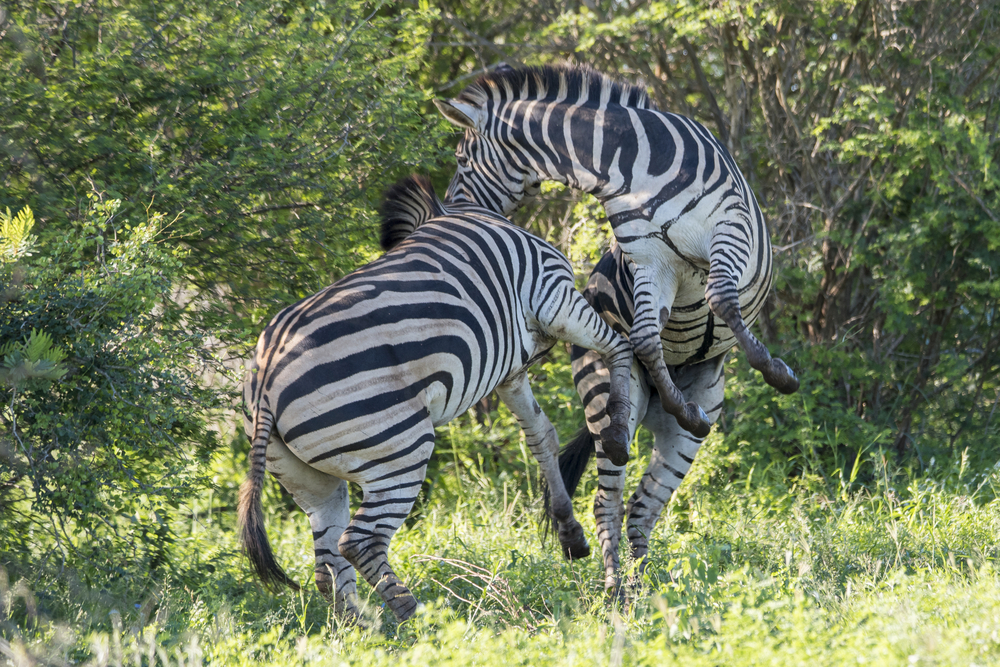
Things to See
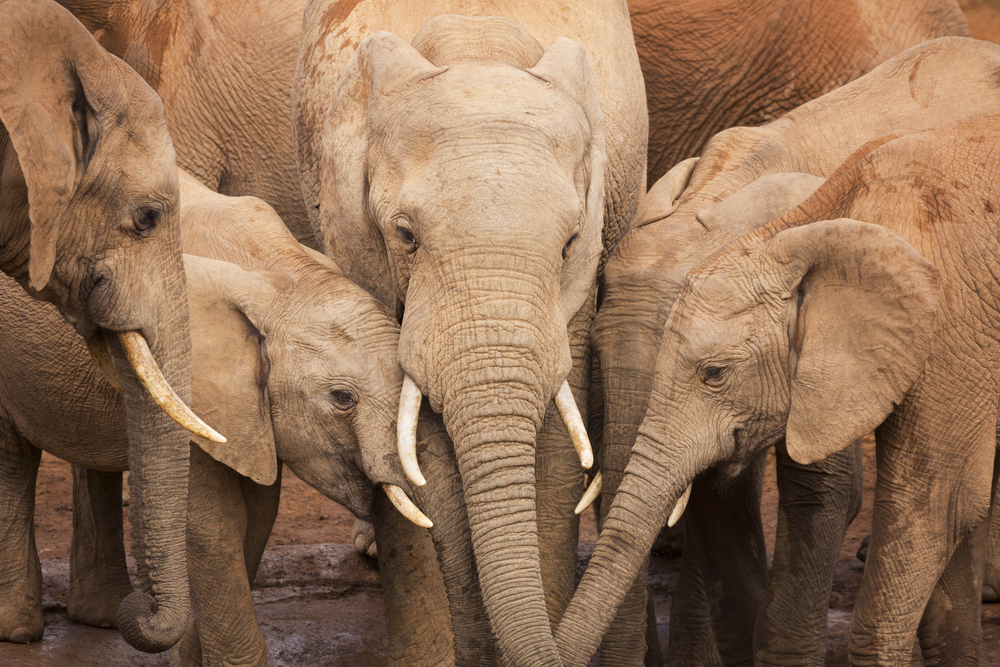
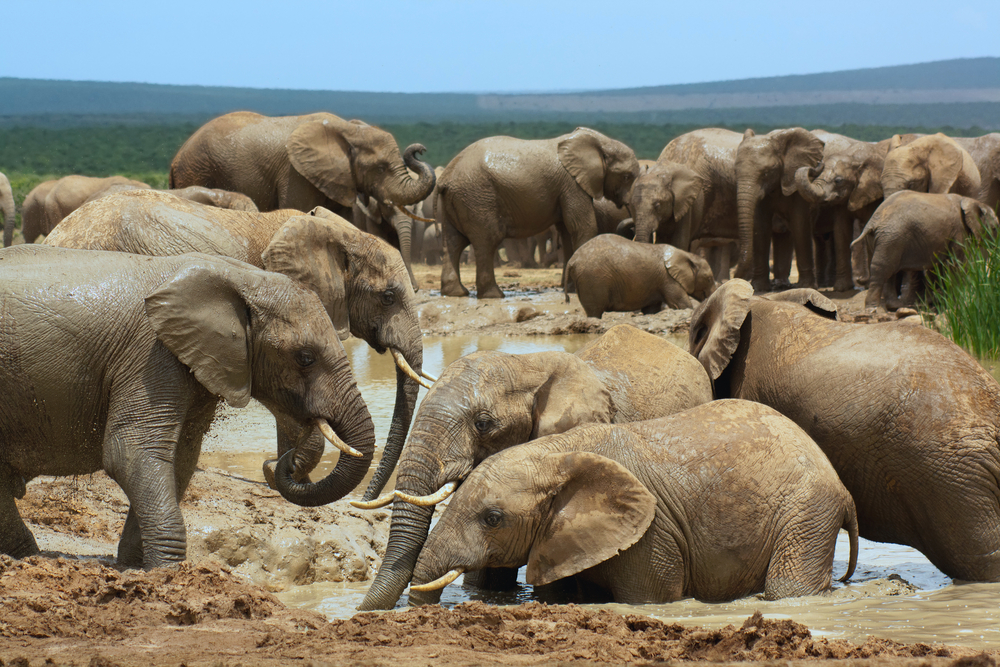
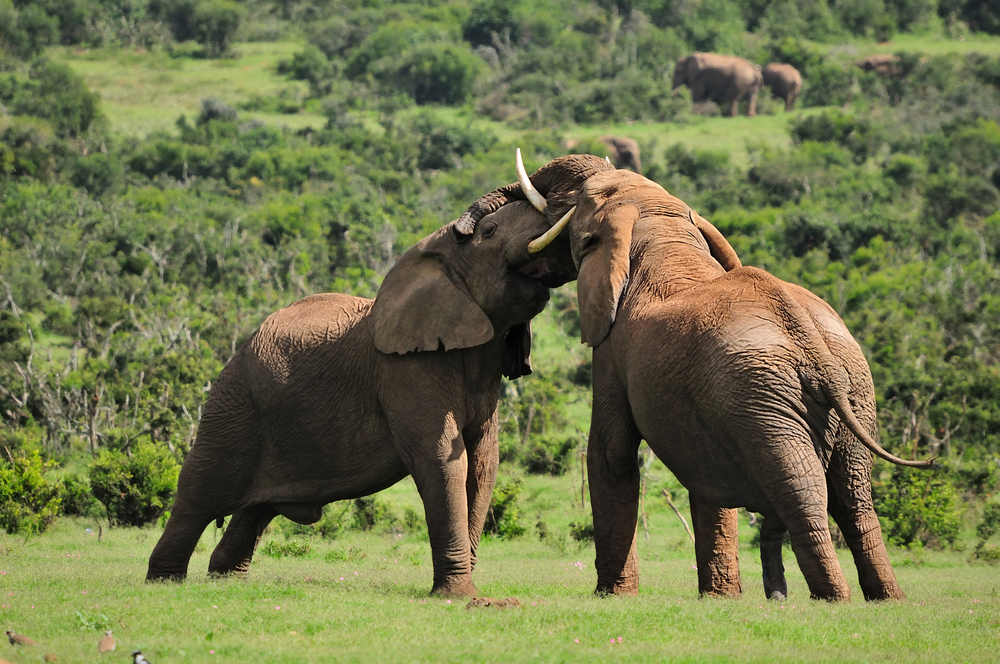
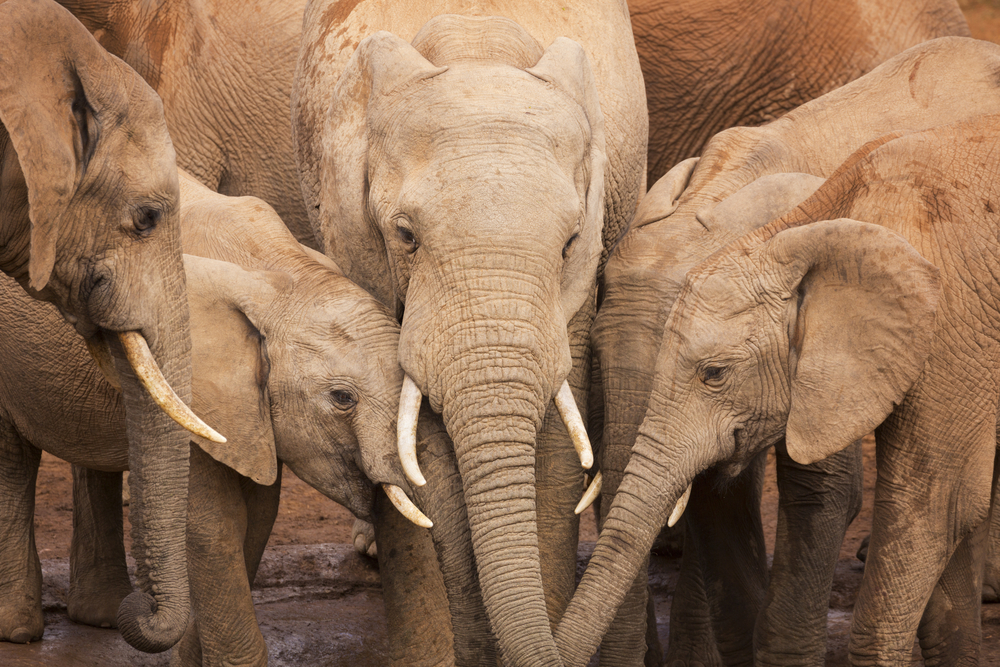
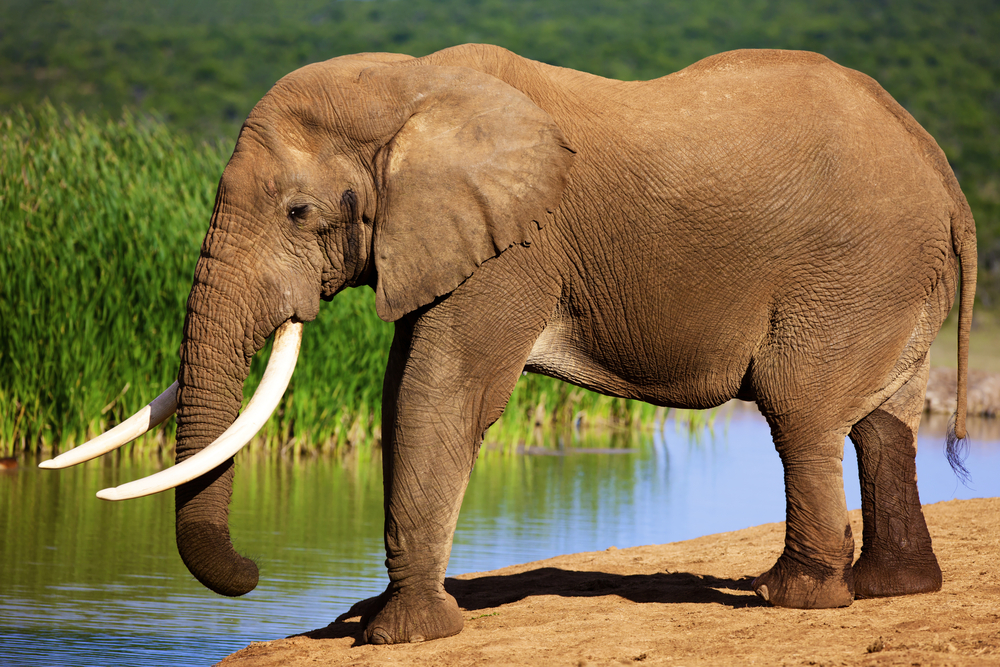
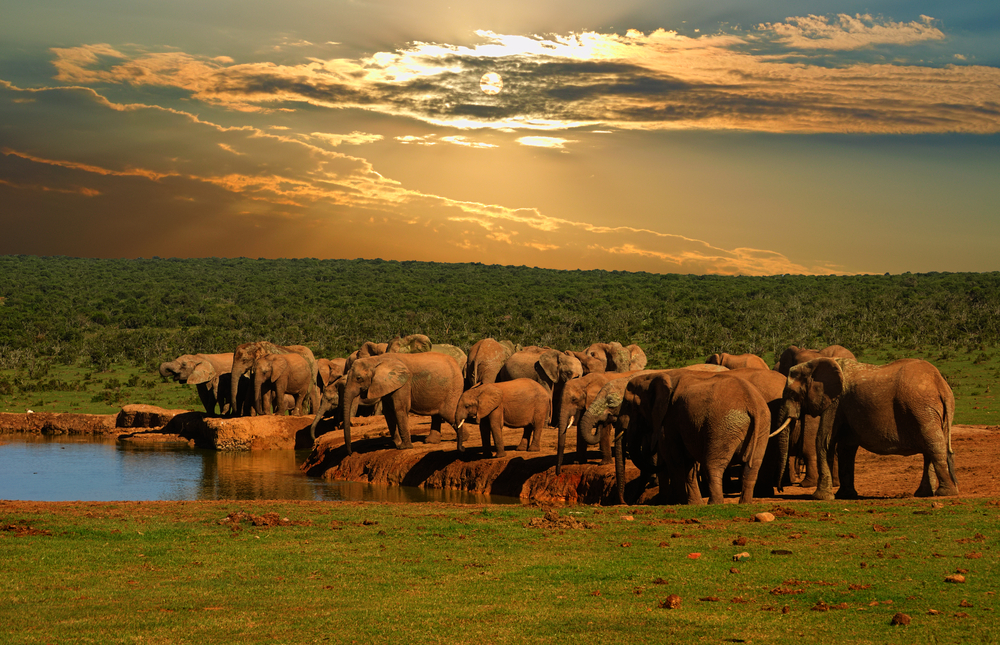
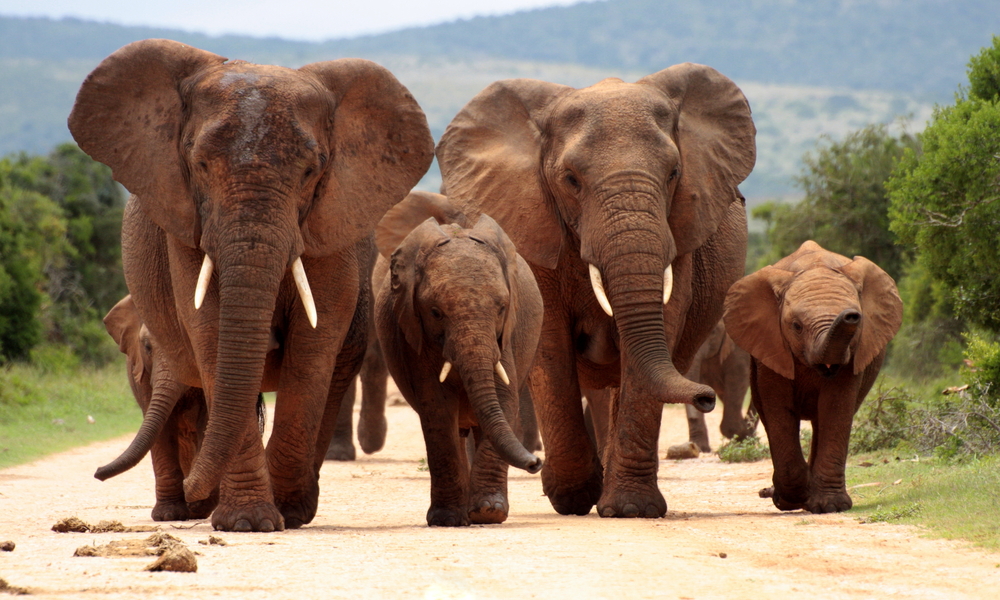
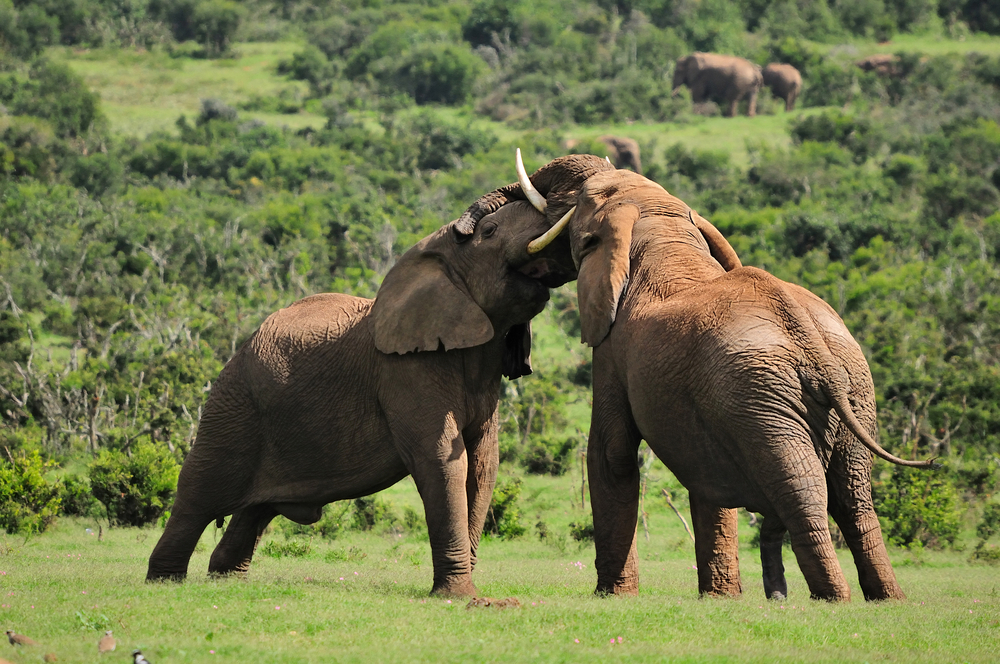
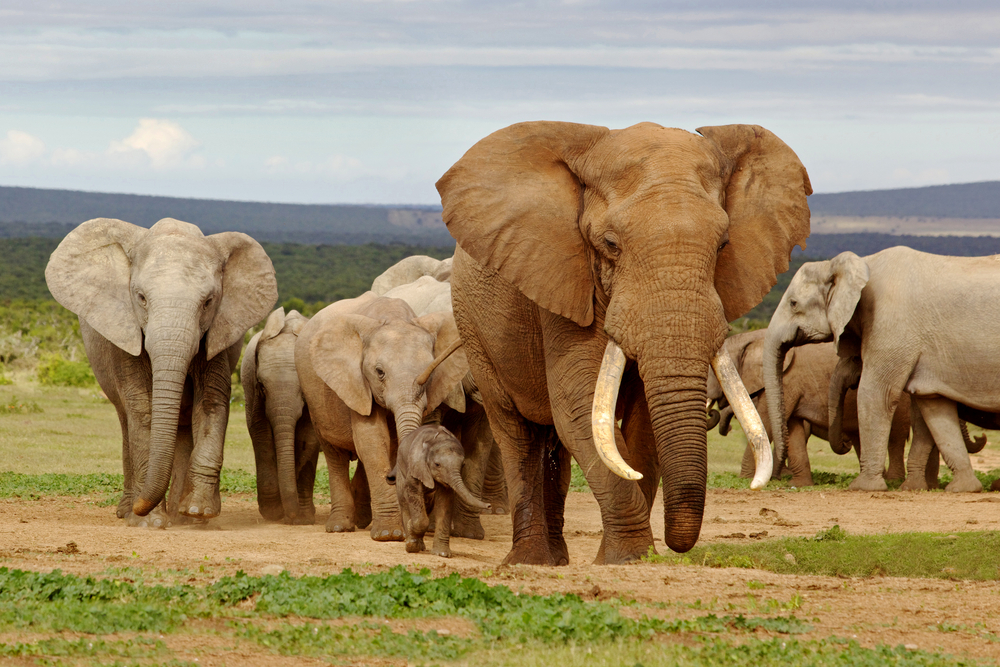
 The African Bush Elephant is the largest mammal on land reaching heights of 13 feet (3.96 m). The male and female elephants both display tusks. This is the same species found in Kruger National Park.

Things To Do
Engaging Addo
Addo Elephant National Park Trails
The majority of activity in Addo Elephant national park is directed at guided safaris. However, there are a couple of hiking trails that allow visitors to explore the park. There are also guided walking safaris which provide another opportunity to enjoy the outdoors will hoping to see wildlife.

Park Protection
Addo Elephant National Park was created to protect the unique biodiversity of South Africa’s Eastern Cape, including its savannas, thicket vegetation, forests, wetlands, coastal dunes, and marine ecosystems. The park provides critical habitat for several threatened and endangered species, including the endangered black rhinoceros, endangered African wild dog, and endangered African penguin within its marine protected areas.
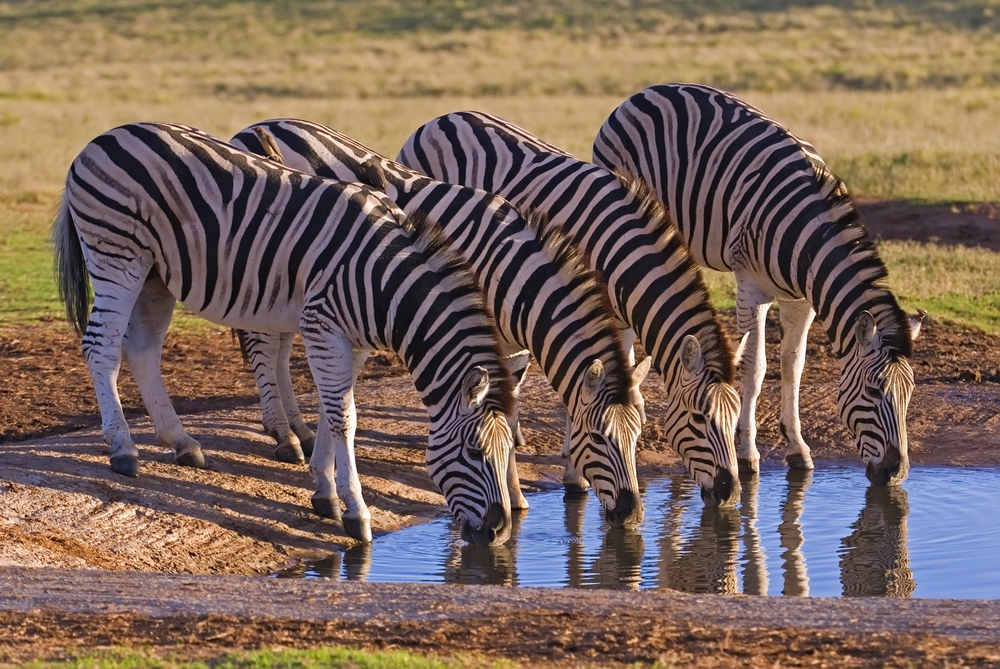
It is best known for safeguarding one of the largest and most successful populations of African elephants in southern Africa. The park also supports lions, leopards, spotted hyenas, buffalo, zebras, antelope, and a rich diversity of birdlife.
The park is especially significant for protecting the globally unique Albany Thicket biome, a dense shrubland ecosystem found primarily in South Africa’s Eastern Cape. Addo is one of the few places in the world where visitors can find the “Big Seven”—elephant, lion, leopard, rhinoceros, buffalo, southern right whale, and great white shark—within a single protected area.
Its expansion to include offshore islands and marine habitats has created an unusually diverse conservation landscape spanning terrestrial, coastal, and marine ecosystems. Together, Addo Elephant National Park safeguards endangered wildlife, the unique Albany Thicket ecosystem, important marine habitats, and one of Africa’s most successful wildlife conservation areas.
FAQ’s
What is the main reason people visit Addo Elephant National Park?
Addo Elephant National Park is primarily visited for its large elephant population, Big Seven wildlife viewing, diverse ecosystems, and accessibility from South Africa’s Garden Route and Eastern Cape region.
Located near Gqeberha (formerly Port Elizabeth), the park protects approximately 706 square miles (1,640 square kilometers) of terrestrial and marine habitats. Visitors come to see elephants, lions, buffalo, rhinos, whales, sharks, and numerous other species in one of South Africa’s most diverse national parks.
What animals can visitors hope to see in Addo Elephant National Park?
Addo Elephant National Park supports more than 95 mammal species and is home to one of Africa’s most successful elephant conservation stories.
Some of the most notable animals found in Addo Elephant National Park include:
- African Bush Elephant
- African Lion
- Leopard
- Black Rhinoceros
- White Rhinoceros
- African Buffalo
- Spotted Hyena
- Brown Hyena
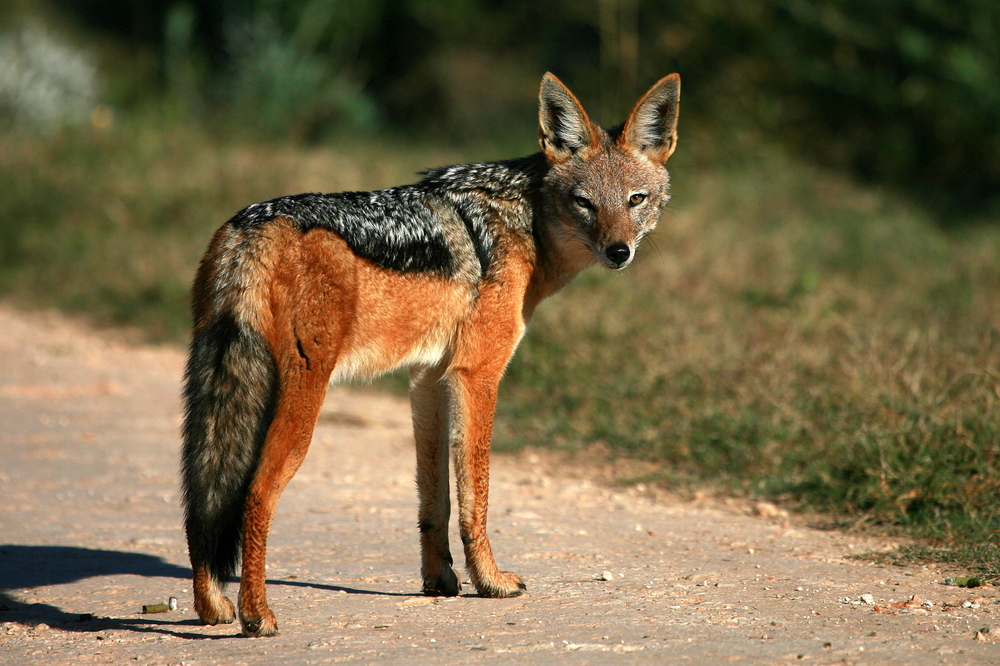
- Black-backed Jackal
- Caracal
- Serval
- African Wildcat
- Honey Badger
- African Civet
- Large-spotted Genet
- Cape Fox
- Aardwolf
- Aardvark
- Pangolin
- Hippopotamus
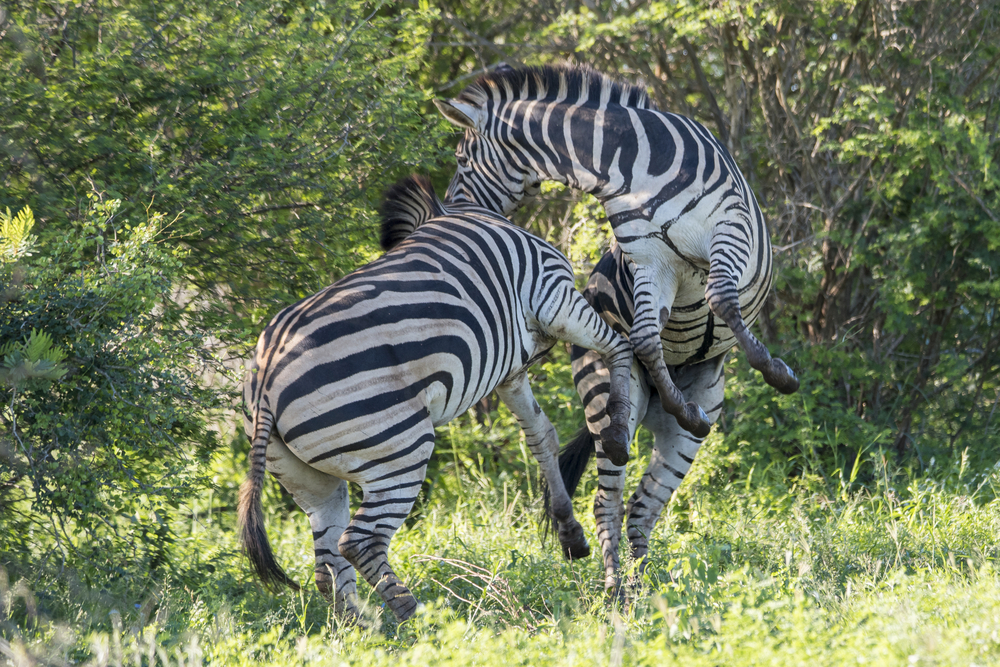
- Burchell’s Zebra
- Cape Mountain Zebra
- Eland
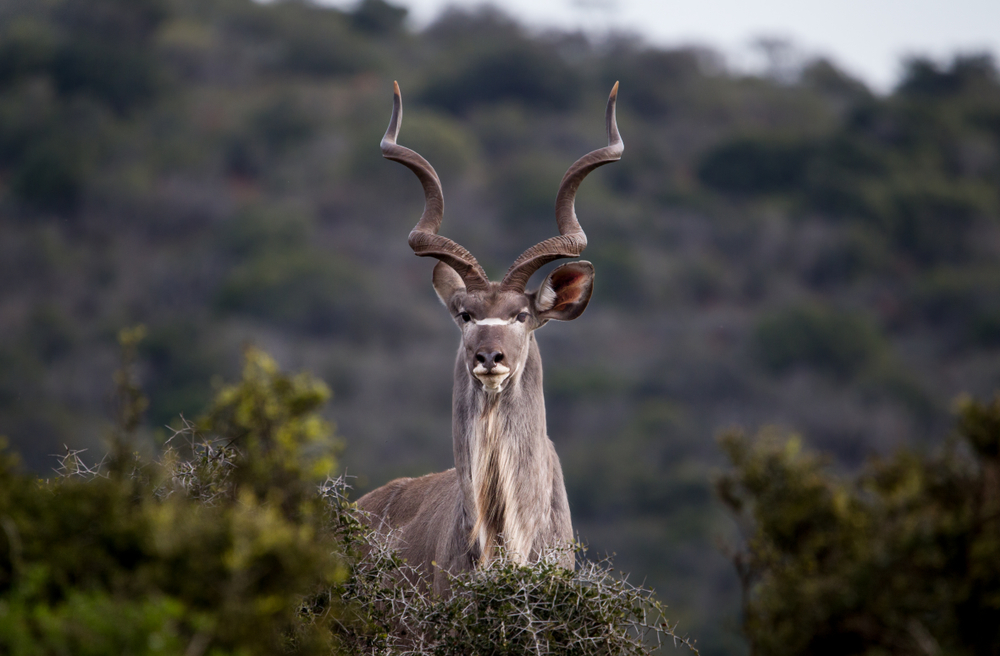
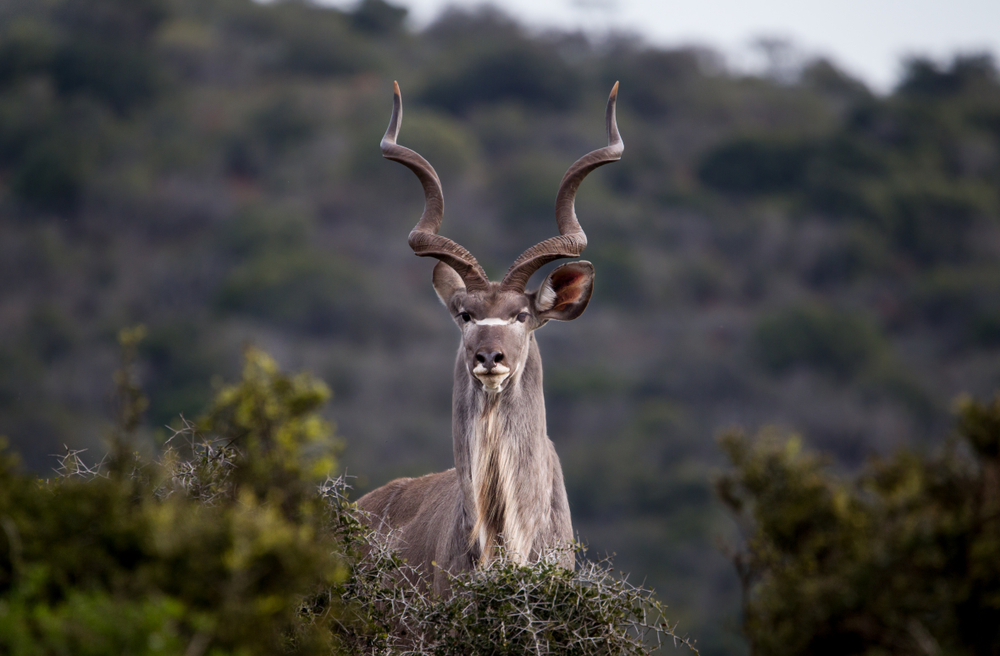
- Greater Kudu
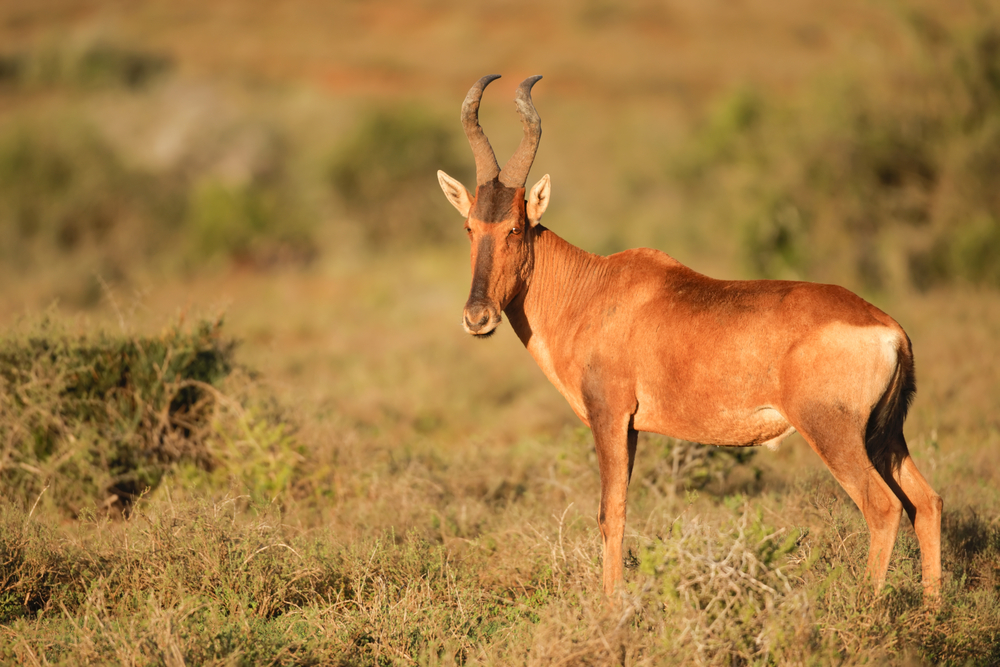
- Red Hartebeest
- Bushbuck
- Waterbuck
- Common Duiker
- Steenbok
- Klipspringer
- Warthog
- Bushpig
- Chacma Baboon
- Vervet Monkey
- Cape Fur Seal
- Southern Right Whale
- Humpback Whale
- Bryde’s Whale
- Great White Shark
- Bronze Whaler Shark
- Bottlenose Dolphin
- Common Dolphin
- Humpback Dolphin
- African Clawless Otter
- Cape Clawless Otter
- Rock Hyrax
- Cape Porcupine
- Cape Hare
- Striped Mouse Species
- Mole Rat Species
What birds can visitors hope to see in Addo Elephant National Park?
Addo Elephant National Park is home to more than 400 bird species, making it one of South Africa’s premier birdwatching destinations.
Some of the most popular birds seen in Addo Elephant National Park include:
- Secretary Bird
- Kori Bustard
- Southern Ground Hornbill
- African Fish Eagle
- Martial Eagle
- Bateleur
- Tawny Eagle
- Verreaux’s Eagle
- Jackal Buzzard
- Pale Chanting Goshawk
- Lappet-faced Vulture
- Cape Vulture
- White-backed Vulture
- Hooded Vulture
- Saddle-billed Stork
- Yellow-billed Stork
- Woolly-necked Stork
- Marabou Stork
- African Spoonbill
- Sacred Ibis
- Hadada Ibis
- Hamerkop
- Greater Flamingo
- Lesser Flamingo
- African Black Oystercatcher
- Kelp Gull
- Hartlaub’s Gull
- Cape Gannet
- Bank Cormorant
- Cape Cormorant
- Crowned Cormorant
- African Penguin
- Ostrich
- Blue Crane
- Grey Crowned Crane
- Black Harrier
- Peregrine Falcon
- Rock Kestrel
- Giant Kingfisher
- Pied Kingfisher
- Malachite Kingfisher
- Lilac-breasted Roller
- European Roller
- Carmine Bee-eater
- Southern Red Bishop
- Cape Weaver
- Southern Masked Weaver
- Cape Sugarbird
- Orange-breasted Sunbird
- Fiscal Flycatcher
Is Addo Elephant National Park worth visiting?
Yes, Addo Elephant National Park is absolutely worth visiting and is considered one of South Africa’s best safari destinations.
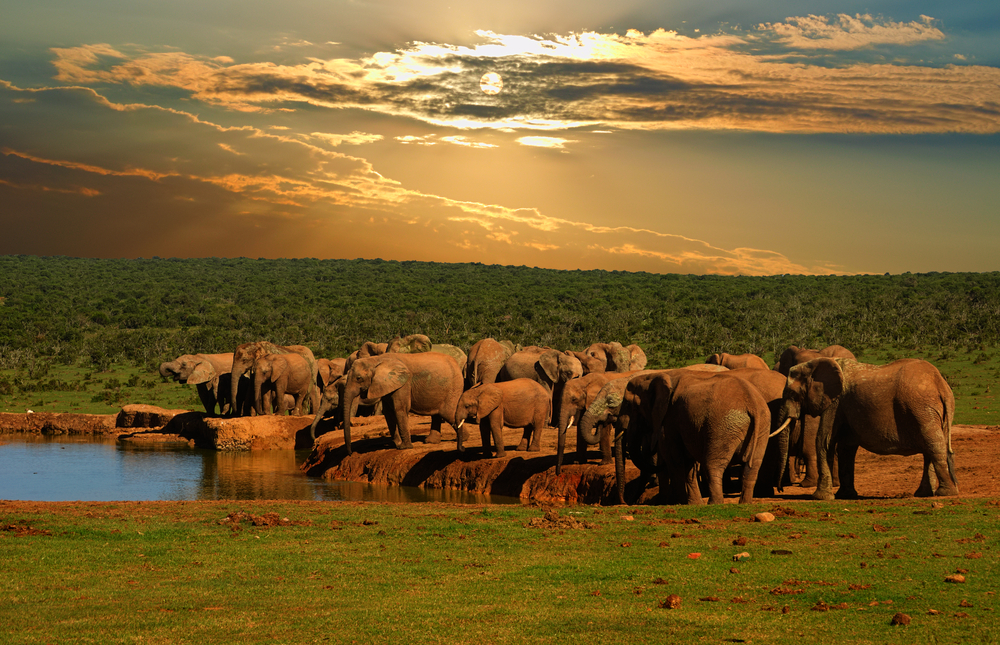
The park offers exceptional elephant viewing, Big Five safaris, marine wildlife, excellent self-drive opportunities, and significantly fewer crowds than many other famous African parks. Visitors often enjoy seeing large herds of elephants gathering at waterholes, sometimes numbering well over 100 individuals.
The primary hesitation is that wildlife densities can vary depending on the area visited. However, Addo’s elephant viewing is among the best in Africa.
What is the best time to visit Addo Elephant National Park?
Weather and Climate
The best time to visit Addo Elephant National Park is year-round, although May through September is often considered ideal for wildlife viewing.
Typical conditions include:
- May–August: 45–75°F (7–24°C)
- September–November: 55–85°F (13–29°C)
- December–February: 60–90°F (16–32°C)
- March–April: 55–82°F (13–28°C)
During the cooler months:
- Wildlife concentrates around waterholes.
- Temperatures are comfortable.
- Self-drive safaris are excellent.
- Elephant sightings are often outstanding.
Summer offers greener landscapes and excellent birdwatching.
How do you get to Addo Elephant National Park?
International Access
Addo Elephant National Park is located in South Africa’s Eastern Cape Province.
The closest airport is:
- Chief Dawid Stuurman International Airport
Most international visitors connect through:
- O.R. Tambo International Airport
- Cape Town International Airport
Driving from Gqeberha
The most common route is:
- Gqeberha to Addo Elephant National Park.
Travel time:
- Approximately 45 minutes to 1 hour.
This easy access makes Addo one of Africa’s most convenient safari parks.
Main Camp
The primary visitor area is:
- Addo Main Rest Camp
Facilities include:
- Accommodations.
- Restaurants.
- Guided safaris.
- Visitor information.
- Wildlife-viewing opportunities.
Elephant Viewing Areas
Popular wildlife-viewing locations include:
- Hapoor Dam
- Domkrag Dam
These waterholes are often excellent places to observe large elephant herds.
Marine Protected Area
The park also includes marine sections that protect:
- Islands in Algoa Bay
- Whale habitat.
- Shark habitat.
- Seabird colonies.
Travel Times
Typical travel times include:
- Gqeberha Airport to Addo: 45–60 minutes.
- Gqeberha city center to Addo: approximately 1 hour.
- Addo to Grahamstown (Makhanda): approximately 2 hours.
- Addo to Tsitsikamma region: approximately 3 hours.
Who is involved in protecting and supporting Addo Elephant National Park?
Several organizations help protect and support Addo Elephant National Park:
- South African National Parks – manages Addo Elephant National Park.
- SANParks Honorary Rangers – provides volunteer conservation support.
- Endangered Wildlife Trust – supports wildlife conservation initiatives.
- BirdLife South Africa – supports bird conservation efforts.
- Local communities and tourism partners that support conservation and ecotourism.
What is unique about Addo Elephant National Park?
Addo Elephant National Park is unique because it is the only national park in the world that protects the “Big Seven”—lion, leopard, elephant, rhinoceros, buffalo, southern right whale, and great white shark. It also represents one of Africa’s greatest conservation success stories.
In 1931, only 11 elephants remained in the area. Today, the park protects hundreds of elephants and serves as one of South Africa’s premier wildlife destinations. Its combination of terrestrial and marine ecosystems makes Addo unlike any other national park in Africa.
How many elephants live in Addo Elephant National Park?
Addo Elephant National Park protects one of South Africa’s largest elephant populations, with more than 600 elephants living within the park and surrounding protected areas.
Sources
Here are sources you can explore for more information:
- AllTrails. Addo Elephant National Park. https://www.alltrails.com/south-africa/eastern-cape/addo-elephant-national-park, retrieved July 2026.
- Encyclopaedia Britannica. Addo Elephant National Park. https://www.britannica.com/place/Addo-Elephant-National-Park, retrieved July 2026.
- Eastern Cape Parks & Tourism Agency. Addo Elephant National Park. https://www.visiteasterncape.co.za/, retrieved July 2026.
- Protected Planet (UNEP-WCMC & IUCN). Addo Elephant National Park. https://www.protectedplanet.net/, retrieved July 2026.
- SafariBookings. Addo Elephant National Park. https://www.safaribookings.com/addo, retrieved July 2026.
- South African National Parks (SANParks). Addo Elephant National Park. https://www.sanparks.org/parks/addo-elephant, retrieved July 2026.
- South African Tourism. Addo Elephant National Park. https://www.southafrica.net/, retrieved July 2026.
- Wikipedia. Addo Elephant National Park. https://en.wikipedia.org/wiki/Addo_Elephant_National_Park, retrieved July 2026.
- Wilderness. Addo Elephant National Park. https://www.wildernessdestinations.com/africa/south-africa/addo-elephant-national-park, retrieved July 2026.
- World Wide Fund for Nature South Africa (WWF South Africa). Protected Areas & Conservation Landscapes. https://www.wwf.org.za/, retrieved July 2026.