About

Magoe National Park, locally known as “Parque Nacional do Magoe,” is located in northwestern Mozambique along the southern shoreline of Lake Cahora Bassa in Tete Province. The park covers approximately 1,370 square miles (3,550 sq km) and protects a vast landscape of woodlands, savannas, river valleys, and lakeshore habitats.

Officially designated as a national park in 2013, Magoe represents one of Mozambique’s newest and most ambitious conservation initiatives. The park lies east of Mana Pools National Park and north of Matusadona National Park, forming part of a broader conservation landscape associated with the Zambezi River basin. Its location near Lake Cahora Bassa gives it a unique ecological character and significant conservation value.

Magoe National Park is best known for its vast wilderness, scenic lakeshore landscapes, and ongoing wildlife restoration efforts. As one of Mozambique’s emerging safari destinations, the park offers visitors opportunities to experience remote and largely untouched ecosystems away from heavily visited tourist routes.

The shores of Lake Cahora Bassa provide spectacular scenery, while the surrounding savannas and woodlands support growing wildlife populations. Visitors are drawn to game viewing, birdwatching, boating, fishing, photography, and wilderness exploration. The park’s relative isolation creates an authentic safari atmosphere and offers a glimpse into one of southern Africa’s developing conservation success stories.

The geography of Magoe National Park is shaped by its proximity to Lake Cahora Bassa, one of Africa’s largest reservoirs. The landscape consists of rolling hills, open savannas, mopane woodlands, seasonal rivers, and rocky escarpments overlooking the lake. Numerous drainage systems flow toward the Zambezi River and contribute to the ecological diversity of the region.

The lake moderates local climate conditions and provides an important source of water for wildlife throughout the year. Vegetation includes extensive mopane forests, acacia woodlands, grasslands, and riverine habitats that support a variety of plant and animal species. The combination of terrestrial and aquatic environments creates a rich and dynamic ecosystem.

Wildlife within Magoe National Park continues to recover through conservation and restoration programs. Large mammals include elephant, African buffalo, sable antelope, waterbuck, impala, kudu, zebra, and several other herbivore species. Predators such as lion, leopard, spotted hyena, and smaller carnivores also inhabit the park, although populations are still developing in some areas. The shoreline and surrounding waterways support hippopotamuses, crocodiles, and diverse fish populations.

Birdlife is particularly impressive, with hundreds of species recorded throughout the park. African fish eagles, kingfishers, herons, storks, bee-eaters, and numerous migratory birds thrive within the lakeshore and woodland habitats. The park’s location along an important water system contributes significantly to its biodiversity.

Magoe National Park plays a critical role in conserving northwestern Mozambique’s wildlife and protecting ecosystems associated with the Zambezi River basin and Lake Cahora Bassa. The park safeguards important habitats for large mammals, birds, and aquatic species while contributing to regional conservation efforts across southern Africa.

Its conservation significance is closely linked to neighboring protected areas such as Mana Pools National Park and Matusadona National Park, which together help maintain ecological connectivity within the greater Zambezi landscape. As wildlife populations continue to recover, Magoe is emerging as one of Mozambique’s most promising conservation areas. Today, the park stands as an important refuge for biodiversity and a testament to the country’s commitment to preserving its natural heritage.

Things to See
Popular

Popular

Magoe National Park, located in Mozambique along the shores of Cahora Bassa Dam, is a sanctuary of biodiversity featuring a blend of aquatic and terrestrial ecosystems. Its varied habitats support a wide array of species uniquely adapted to the region’s water-rich environment.

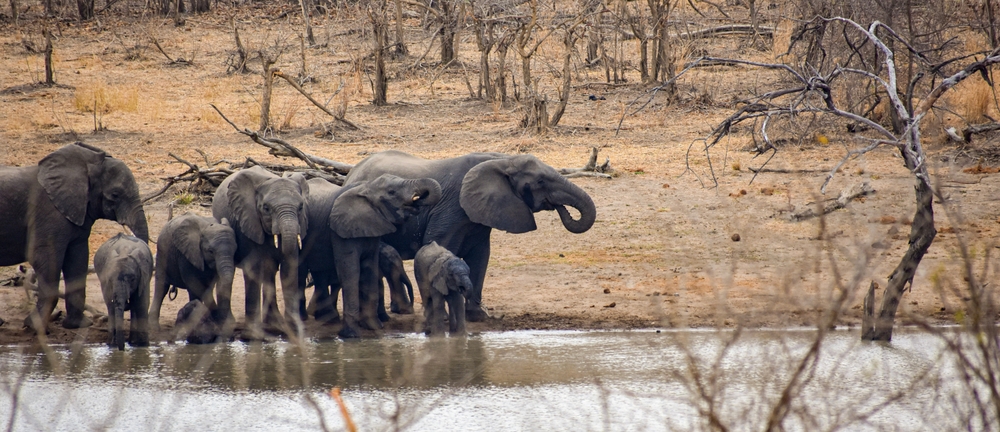
African Elephant (Loxodonta africana)
These majestic creatures roam the park’s forests and floodplains, shaping the landscape as they forage for grasses, fruits, and bark. Their large herds often gather near the Cahora Bassa Dam, particularly during the dry season.

Hippopotamus (Hippopotamus amphibius)
Magoe’s waterways, including the Cahora Bassa Dam, are home to significant populations of hippos. These semi-aquatic herbivores spend their days submerged in water to stay cool and graze on nearby grasses at night.

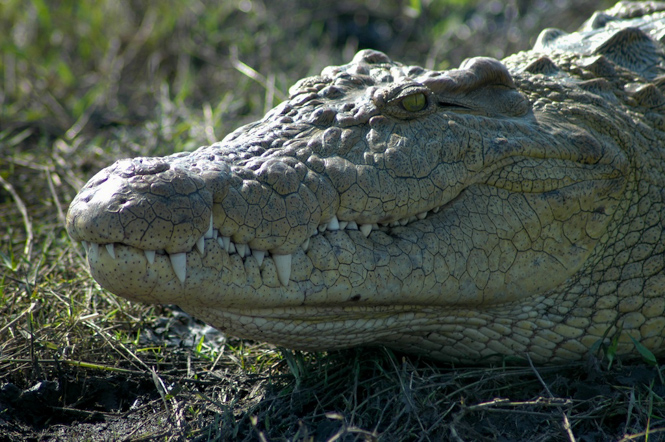
Crocodile (Crocodylus niloticus)
The Nile crocodile thrives in the park’s aquatic ecosystems, preying on fish, mammals, and other animals that approach the water. These reptiles are apex predators in the park’s riverine environment.

Lion (Panthera leo)
As apex predators, lions are frequently spotted in the park’s savannahs and woodlands. They hunt a variety of prey, including impalas and zebras, and play a vital role in maintaining ecological balance.

Leopard (Panthera pardus)
These elusive cats inhabit Magoe’s forests and rocky areas. Known for their agility, leopards hunt antelope, warthogs, and smaller mammals, often dragging their kills into trees.

Zebra (Equus quagga)
Zebras are a common sight in the park’s open grasslands, grazing on tough vegetation and forming herds that provide safety against predators.

Waterbuck (Kobus ellipsiprymnus)
This semi-aquatic antelope is frequently seen near the park’s wetlands and waterways. Its shaggy coat and preference for water-rich areas make it well-suited to the environment.

Warthog (Phacochoerus africanus)
Warthogs forage in the park’s grasslands and savannahs, using their tusks to dig for roots and tubers. Their burrows provide shelter for various other species.

African Buffalo (Syncerus caffer)
Large herds of buffalo roam Magoe’s floodplains and grasslands. These formidable herbivores are a critical prey species for predators such as lions.

Bushpig (Potamochoerus larvatus)
Bushpigs are nocturnal omnivores that forage in the park’s woodlands and grasslands. They feed on roots, fruits, and small animals, often traveling in family groups.

Birds

Birds

Magoe National Park is a haven for bird enthusiasts, with its rivers, wetlands, and savannahs providing habitats for a diverse array of avian species. The park is particularly important for both resident and migratory birds.

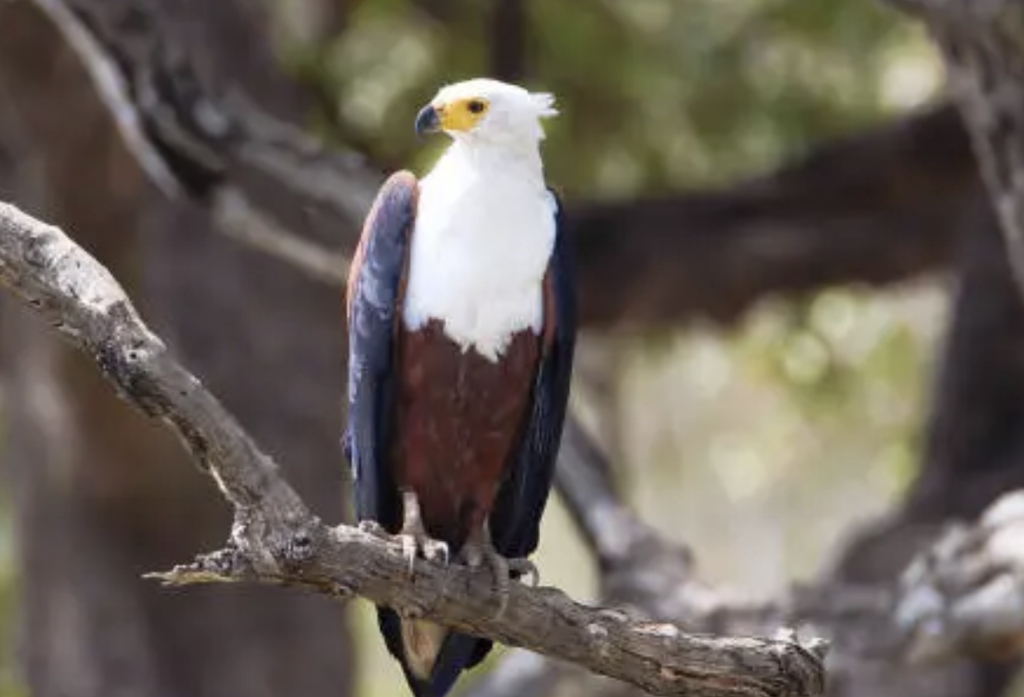
African Fish Eagle (Haliaeetus vocifer)
A frequent sight along the Cahora Bassa Dam, this iconic raptor hunts fish and is easily recognized by its distinctive call.

Goliath Heron (Ardea goliath)
The world’s largest heron, this bird is commonly found in the park’s wetlands, where it hunts fish and amphibians.

Malachite Kingfisher (Corythornis cristatus)
This small, vibrantly colored kingfisher thrives near the park’s waterways, diving to catch fish and aquatic insects.

Yellow-billed Stork (Mycteria ibis)
A striking resident of Magoe’s wetlands, this stork uses its long bill to catch fish and small invertebrates in shallow waters.

Pied Kingfisher (Ceryle rudis)
A skilled hunter, the pied kingfisher hovers over water before diving to catch fish. It is a common sight near the park’s rivers.

Grey Crowned Crane (Balearica regulorum)
This elegant crane is often seen in the park’s floodplains, where it feeds on seeds, insects, and small aquatic creatures.

African Openbill (Anastomus lamelligerus)
This stork, named for the gap in its bill, specializes in feeding on mollusks in the park’s wetlands.

Helmeted Guineafowl (Numida meleagris)
A ground-dwelling bird, the helmeted guineafowl is often seen foraging for seeds and insects in the park’s savannahs.

Southern Carmine Bee-eater (Merops nubicoides)
This brightly colored bird nests in sandy riverbanks and feeds on flying insects, creating a dazzling spectacle in flight.

Secretary Bird (Sagittarius serpentarius)
Known for its long legs and unique hunting technique, the secretary bird stalks through the park’s grasslands to prey on snakes and small mammals.

Things To Do

Engaging Magoe National Park

placeholder

Game Drives

Game drives are one of the most thrilling ways to explore Magoe National Park’s diverse ecosystems, ranging from savannahs and woodlands to riverine areas along the Cahora Bassa Dam. Guided drives offer visitors the opportunity to encounter iconic African wildlife such as elephants, lions, and buffalo in their natural habitats.

Morning and evening game drives are particularly rewarding, as animals are most active during these cooler times of the day. Skilled guides provide insights into animal behaviors, ecological dynamics, and the park’s ongoing conservation efforts.

The drives also highlight the park’s scenic beauty, from open grasslands dotted with zebras and impalas to shaded woodlands frequented by leopards and warthogs. With the chance to observe both predators and prey in action, game drives in Magoe are a must for nature enthusiasts and photographers seeking close encounters with Africa’s iconic species.

placeholder

Boat Safaris

Boat safaris on the Cahora Bassa Dam offer a serene yet adventurous way to explore Magoe National Park’s aquatic ecosystems. These guided excursions allow visitors to observe hippos, crocodiles, and water-adapted antelope such as waterbuck along the dam’s shores.

Bird enthusiasts will delight in sightings of African fish eagles, goliath herons, and pied kingfishers, which thrive in the area. The tranquil setting provides an intimate perspective on the park’s wildlife, with the reflective water and surrounding cliffs creating picturesque backdrops. Many tours include stops at secluded spots for picnicking or fishing, adding a personalized touch to the experience.

placeholder

Walking Safaris

Walking safaris in Magoe National Park offer a more intimate and immersive way to connect with its rich biodiversity. Led by experienced rangers, these guided walks take visitors through various terrains, from grasslands to riverbanks.

Walking safaris allow participants to observe smaller species, such as bushpigs, warthogs, and reptiles, that might be overlooked during game drives. Rangers also provide fascinating insights into the park’s flora, animal tracks, and the interconnectedness of its ecosystems.

The slow pace of a walking safari allows visitors to fully appreciate the sights, sounds, and smells of the natural environment, making it a unique and enriching experience.