About

Lake Mburo National Park, the park is located in western Uganda between the cities of Masaka and Mbarara. The park covers approximately 143 square miles (370 sq km), making it one of Uganda’s smaller savanna national parks.

Established in 1983, Lake Mburo National Park protects a diverse landscape of lakes, wetlands, woodlands, and grasslands within the Ankole region. The park lies south of Queen Elizabeth National Park and serves as an important stop along the route to Bwindi Impenetrable National Park and other destinations in western Uganda. Despite its modest size, the park contains an impressive variety of habitats and wildlife, making it one of the country’s most accessible and rewarding conservation areas.

Lake Mburo National Park is best known for its scenic lake system, abundant herbivores, and unique safari experiences. Unlike many East African parks, Lake Mburo offers visitors opportunities to explore on foot, by bicycle, horseback, boat, and vehicle. These diverse activities allow for close encounters with wildlife and create a more intimate experience than traditional game drives alone.

The park’s centerpiece is Lake Mburo, one of fourteen interconnected lakes within the region. Visitors are drawn by the tranquil waters, rolling hills, and opportunities to observe animals gathering along the shoreline. The park’s combination of beautiful scenery and varied recreational opportunities makes it a popular destination for both local and international travelers.

The geography of Lake Mburo National Park is characterized by a mosaic of lakes, wetlands, acacia woodlands, rocky ridges, and open grasslands. The landscape consists of gently rolling hills shaped by ancient geological processes, creating scenic viewpoints across the surrounding countryside. Wetlands and papyrus swamps border many of the lakes and provide essential habitat for wildlife.

Acacia-dominated savannas cover much of the park, interspersed with patches of forest and seasonal grasslands. The abundance of water distinguishes Lake Mburo from many other savanna parks and supports a rich diversity of plant and animal life throughout the year.

Wildlife is one of the park’s greatest attractions. Lake Mburo National Park is renowned for its large populations of zebra, impala, and eland. In fact, it is the only national park in Uganda where impalas occur naturally. Other commonly observed mammals include buffalo, topi, waterbuck, bushbuck, warthog, and giraffe. Leopards, hyenas, and smaller predators also inhabit the park, although they are more elusive.

Hippopotamuses and crocodiles thrive within the lakes, while the wetlands support an extraordinary variety of birdlife. More than 350 bird species have been recorded, including African fish eagles, kingfishers, herons, papyrus specialists, and the rare shoebill in nearby wetland areas. The diversity of wildlife makes the park an excellent destination for both safari enthusiasts and birdwatchers.

Lake Mburo National Park plays a vital role in protecting Uganda’s savanna and wetland ecosystems. The park safeguards important habitats for species that are uncommon elsewhere in the country and helps preserve watersheds that support regional biodiversity. Its conservation significance is comparable to other protected lake-and-savanna systems in East Africa, where freshwater habitats and grasslands combine to create rich ecological communities.

Although smaller than parks such as Murchison Falls National Park or Queen Elizabeth National Park, Lake Mburo offers exceptional biodiversity within a compact area. Today, it remains one of Uganda’s most accessible and scenic national parks, preserving a remarkable blend of wildlife, wetlands, and natural beauty for future generations.

Things to See

Popular

Lake Mburo National Park, a picturesque haven of rolling hills, acacia woodlands, and serene lakes, supports an exceptional variety of wildlife that thrives in its compact and biodiverse landscape.

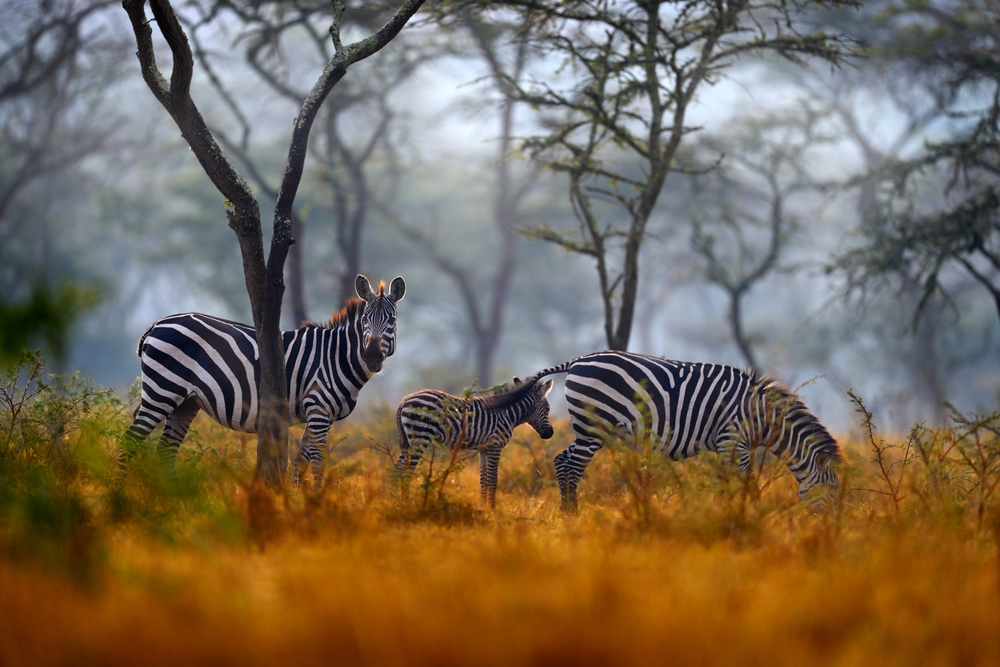
Burchell’s Zebra
Unique to Lake Mburo in Uganda, these striking black-and-white striped zebras roam the park’s grasslands in herds, offering spectacular views against the green backdrop.

Impala
This graceful antelope, rarely found elsewhere in Uganda, is abundant here, its reddish-brown coat shimmering in the sun as it grazes in large groups.

Eland
The largest antelope species, elands are often seen in the park’s open plains, their sheer size and spiral horns making them an impressive sight.

Hippos
These semi-aquatic giants dominate Lake Mburo’s waters, spending their days submerged and emerging at night to graze the nearby shores.

Topi
A close relative of the hartebeest, the topi is a swift and agile grazer, often found on the park’s plains, its reddish coat contrasting with the grassy terrain.

Warthog
Known for their endearing antics, warthogs scurry across the park with upright tails, foraging for roots and grasses.

Buffalo
Cape buffalo graze in large herds across the savannahs, often congregating near waterholes to drink and cool off.

Waterbuck
This sturdy antelope thrives near the lakeshores and wetlands, its shaggy coat and distinctive white rump making it easily identifiable.

Defassa Kob
The park’s grassy plains are home to the elegant Defassa kob, often seen in herds grazing or keeping watch for predators.

Rock Hyrax
Small but agile, the rock hyrax clings to Lake Mburo’s rocky outcrops, where it feeds on vegetation and basks in the sunlight.

Birds

The diverse habitats of Lake Mburo National Park, from wetlands to woodlands, attract over 350 bird species, making it a favorite destination for birdwatching enthusiasts.

African Finfoot
This elusive bird is a highlight for birders, often seen skimming across the park’s lakeshores with its distinctive red feet.

Malachite Kingfisher
A vivid splash of blue and orange, the malachite kingfisher dives gracefully to catch fish in the park’s lakes and rivers.

Crested Francolin
Frequently spotted on the ground, the crested francolin forages for seeds and insects along Lake Mburo’s trails and clearings.

Bare-faced Go-away-bird
With its unusual call and grey plumage, this bird is often seen perched on acacia trees across the park’s savannahs.

Red-faced Barbet
Endemic to the region, the red-faced barbet inhabits the park’s woodlands, its bright markings adding a pop of color.

Black-bellied Bustard
Found on the open plains, the black-bellied bustard’s slow strut and sharp calls make it a distinct sight on grassland drives.

Papyrus Gonolek
This colorful bird thrives in Lake Mburo’s wetlands, its bright red chest and black plumage making it easy to spot.

Grey Crowned Crane
Uganda’s national bird, the grey crowned crane is an elegant species often seen foraging in pairs across the park’s grassy plains.

White-backed Night Heron
This nocturnal heron is frequently spotted at dusk, stalking its prey along the park’s waterways.

Yellow-throated Longclaw
Common in the grasslands, the longclaw’s vibrant yellow throat stands out as it perches and calls from low shrubs.

Things To Do

Engaging Lake Mburo National Park

placeholder

Boat Safaris

A boat safari on Lake Mburo offers an intimate and tranquil way to explore the park’s aquatic habitats. Visitors glide across the calm waters, where hippos wallow in clusters, crocodiles bask on the shores, and waterbirds like the African finfoot and malachite kingfisher thrive.

This activity provides excellent opportunities for wildlife photography, especially during the golden light of early mornings or late afternoons. Guides enhance the experience by sharing fascinating details about the lake’s ecosystem, its resident species, and the critical role it plays in sustaining life within the park.

A boat safari allows visitors to enjoy unique wildlife encounters while immersing themselves in the serene beauty of the park’s centerpiece.

placeholder

Horseback Safaris

Lake Mburo National Park is one of the few places in Uganda where visitors can explore the wilderness on horseback, providing a unique and serene safari experience.

Guided horseback rides take participants across open plains, through woodland trails, and past herds of grazing zebra, eland, and buffalo. The absence of engine noise allows for closer and more relaxed wildlife encounters, as animals are often undisturbed by riders on horseback.

Horseback safaris cater to all skill levels, from beginners to experienced equestrians, and offer a peaceful, unobtrusive way to explore the park’s natural beauty. The rhythmic pace of the ride combined with breathtaking views ensures a memorable and immersive adventure.

placeholder

Nature Walks

For those seeking a closer connection to the wild, guided nature walks offer an immersive experience through Lake Mburo’s diverse landscapes. Accompanied by skilled guides, visitors explore the park’s grassy plains, woodlands, and rocky outcrops on foot, encountering wildlife like impala, zebras, and warthogs at eye level.

These walks allow participants to observe smaller details often missed on game drives, such as animal tracks, unique plant species, and the calls of birds hidden in the canopy.

The experience is both educational and thrilling, offering a chance to appreciate the park’s unspoiled beauty and the harmony of its ecosystems.